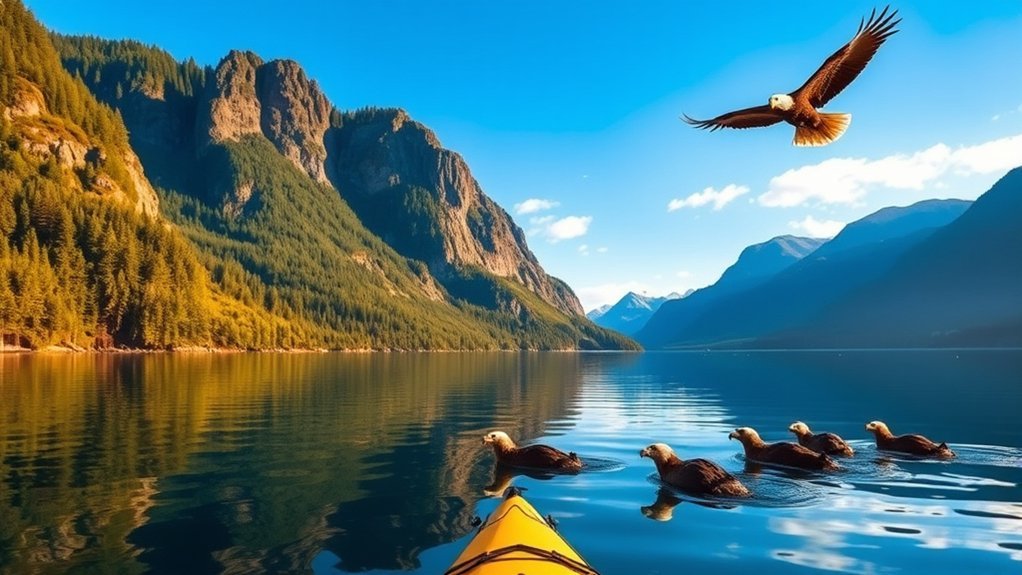
Wildlife Viewing in Kachemak Bay State Park
Wildlife sightings in Kachemak Bay State Park can feel close, sudden, and unforgettable, but good viewing depends on more than luck. You need the right locations, the right timing, and enough space to keep animals safe. This guide shows you where to look, what to bring, and how to watch wildlife with care.
Quick Answer
For the best wildlife viewing in Kachemak Bay State Park, visit shorelines, coves, coastal bluffs, tide pools, and salmon streams during early morning or late afternoon. Bring binoculars, check tide and weather conditions, keep a safe distance, and never feed wildlife.
Key Takeaways
- Visit early or late in the day, when many animals move and feed.
- Use binoculars or a zoom lens so you can watch wildlife without crowding it.
- Check tides before you go, since low tide often reveals more marine life.
- Stay far from bears, moose, nesting birds, seals, and sea otters.
- Choose guided tours if you want local knowledge and safer wildlife viewing.
Top Wildlife Viewing Locations in Kachemak Bay State Park
Kachemak Bay State Park offers many wildlife viewing locations for nature lovers and first-time visitors. Each area has different habitats, so your sightings will vary by season, tide, and weather.
The Halibut Cove area gives you chances to watch sea otters and harbor seals near rocky shorelines. Coastal bluffs around Kachemak Bay also attract seabirds and raptors, including bald eagles.
Glacier Spit and nearby coastal areas can offer bear-viewing opportunities, especially when salmon return to streams. You may also see whales, porpoises, and seabirds from the park’s coastal waters during migration periods.
Best Times for Wildlife Viewing
Early morning and late afternoon often give you the best wildlife viewing in Kachemak Bay State Park. Many animals feed or travel during these cooler parts of the day.
Spring and summer, especially May through July, bring strong chances to see migratory birds, sea otters, seals, and other marine life. Fall can also reward patient visitors with bird migration and quieter trails.
Check tide schedules before you go. Low tide can reveal tide pool animals, shorebirds, seals, and other marine life that stay harder to see at high tide.
Pro tip: Pair a low tide with early morning light for better views and easier wildlife photos.
Essential Gear for Wildlife Observation
The right gear helps you spot wildlife, stay comfortable, and avoid disturbing animals. Pack light, but bring tools that help you see clearly from a safe distance.
| Gear Type | Purpose | Suggested Features |
|---|---|---|
| Binoculars | Spot distant wildlife | 8×42 or 10×42 magnification |
| Camera | Document sightings | Weather-resistant body and zoom lens |
| Field Guide | Identify species | Portable guide or trusted mobile app |
| Backpack | Carry gear safely | Lightweight, sturdy, and comfortable |
Bring layers, rain gear, water, snacks, and a map. Weather can change fast near the bay, and dry gear can help you stay focused longer.
How to Spot Sea Otters and Seals
To spot sea otters and seals, scan rocky shorelines, kelp beds, calm coves, and protected waters. Sea otters often float on their backs, while seals may rest on rocks or swim with only their heads showing.
Use binoculars or a spotting scope instead of moving closer. Dark fur, small ripples, and slow rolling movements can help you find animals against the water.
Stay quiet and avoid sudden movements. If an animal changes direction, dives often, vocalizes, or leaves its resting spot, you may stand too close.
Birdwatching Hotspots: Eagles and More
Kachemak Bay State Park offers strong birdwatching from beaches, bluffs, wetlands, and wooded trails. Bring binoculars, move slowly, and watch both the shoreline and the sky.
Prime Eagle Viewing Locations
Coastal bluffs, beach edges, and fish-rich coves often provide good eagle viewing. Bald eagles may perch in tall trees, scan the water, or soar above the bay.
The area around Halibut Cove can be productive because fish and shoreline habitat attract many birds. Sandy beaches near Seldovia can also offer open views of eagles hunting and flying.
Seasonal Bird Migration Patterns
Spring migration brings many birds back to coastal Alaska as food sources grow. You may see songbirds, shorebirds, cranes, and seabirds moving through the area.
Fall migration can bring raptors and other birds heading south. Wetlands, coastal bluffs, and beaches give you better vantage points during these seasonal movements.
Essential Birdwatching Equipment
Start with quality binoculars, ideally 8×42 or 10×42, for a bright and steady view. A spotting scope can help when birds perch or nest far from trails.
Carry a field guide or bird identification app, along with a notebook or phone for notes. Wear quiet layers and sturdy footwear so you can move safely across uneven ground.
Safety Guidelines for Wildlife Viewing
Wildlife viewing works best when you protect yourself and avoid changing animal behavior. Give animals room, stay alert, and plan your route before you leave a trailhead or beach.
| Safety Tip | Why It Matters |
|---|---|
| Keep a safe distance | Distance reduces stress for wildlife and risk for you. |
| Keep voices low | Quiet behavior helps prevent animals from fleeing or reacting. |
| Stay on marked trails | Trails protect fragile habitat and reduce your chance of getting lost. |
| Never feed animals | Human food can harm wildlife and change natural behavior. |
Warning: If a bear, moose, seal, or nesting bird reacts to you, back away slowly and give it more space.
Responsible Wildlife Viewing Practices
Responsible wildlife viewing helps protect the animals you came to see. It also keeps the park’s habitats healthy for future visitors.
Maintain Safe Distances
Keep plenty of space between you and wildlife, especially large mammals, marine mammals, and nesting birds. Use binoculars or a zoom lens to enjoy close views without moving closer.
- Stay well back from bears, moose, and other large mammals.
- Give nesting birds extra space, especially if they call or leave a nest area.
- Watch marine mammals from a distance and avoid blocking their path.
Minimize Noise Pollution
Loud sounds can startle wildlife and reduce your chance of a good sighting. Use soft voices, silence phone alerts, and avoid playing music on trails or beaches.
Quiet moments also make the experience better. You’ll hear bird calls, waves, wind, and other clues that can point you toward wildlife.
Respect Wildlife Habitats
Stay on designated trails and durable surfaces whenever you can. This protects plants, tide pools, nesting areas, and other sensitive habitats.
- Use binoculars or a zoom lens instead of approaching wildlife.
- Stay on marked paths to limit damage to fragile ecosystems.
- Pack out food scraps, trash, fishing line, and other waste.
Bear Safety While Watching Wildlife
Bears may use salmon streams, beaches, forest edges, and berry patches in and around Kachemak Bay State Park. Make noise while moving through brush, travel in groups when possible, and keep food sealed.
Never approach a bear for a photo. If you see one, stay calm, give it a clear escape route, and leave the area slowly.
Note: Carry bear spray where allowed, know how to use it, and keep it within reach.
Photography Tips for Capturing Wildlife
Strong wildlife photos start with patience and distance. Learn the habits of the animals you hope to photograph, then wait for natural behavior instead of chasing the shot.
Use a telephoto lens so you can keep a safe distance. Early morning and late afternoon light often gives you softer contrast and richer color.
Set your camera for fast movement when you photograph birds, otters, seals, or whales. Keep ethical photography first, and leave if your presence changes an animal’s behavior.
Guided Tours and Programs in the Park
Guided tours can help you see more wildlife with less guesswork. Local guides know common travel routes, safe viewing distances, tide timing, and seasonal patterns.
Tour Options Available
Kachemak Bay State Park and nearby operators offer several ways to explore wildlife habitat. Choose the option that matches your comfort level, time, and skill.
- Kayaking tours: Paddle protected waters and watch for marine mammals, birds, and shoreline life.
- Hiking trips: Explore trails, beaches, and viewpoints while learning about local plants and animals.
- Wildlife cruises: View seals, sea otters, seabirds, and possible whales from the water.
How Expert Guides Improve Wildlife Viewing
Knowledgeable guides can help you identify species and understand what animals do. They can also help you choose safer routes and avoid sensitive habitats.
A guide may point out tracks, calls, feeding signs, and nesting behavior you might miss on your own. That context can turn a quick sighting into a richer outdoor experience.
Seasonal Programs Offered
Seasonal programs may include guided wildlife walks, educational workshops, kayaking trips, and natural history talks. Program availability can change by season, weather, staffing, and local conditions.
Check with park staff, local visitor resources, or licensed tour operators before you plan your day. Ask about current wildlife activity, trail conditions, and any area closures.
Additional Resources for Wildlife Enthusiasts
Before your trip, gather current information from park staff, local visitor centers, maps, and tide charts. Recent reports can help you choose better viewing spots and safer routes.
Bird identification apps, wildlife field guides, and community science tools can also help you identify what you see. Use them as support, but respect wildlife first when you stop to record a sighting.
Frequently Asked Questions
What Types of Wildlife Are Commonly Seen in Kachemak Bay State Park?
You may see sea otters, harbor seals, bald eagles, seabirds, shorebirds, and black bears. Depending on the season and location, you may also spot whales, porpoises, moose, and tide pool animals.
Are There Any Seasonal Restrictions for Wildlife Viewing in the Park?
Some areas may have seasonal limits or closures to protect nesting birds, marine mammals, bears, or sensitive habitat. Check current park guidance before you visit, especially during breeding, nesting, and salmon seasons.
Is It Safe to View Wildlife From a Kayak or Boat?
Wildlife viewing from a kayak or boat can be safe when you plan ahead and keep your distance. Watch weather, tides, and currents closely, and avoid paddling toward resting or feeding animals.
How Can I Report Injured or Stranded Wildlife in the Park?
If you see injured or stranded wildlife, contact park staff or the proper wildlife authority as soon as possible. Do not touch, move, feed, or pour water on the animal unless trained officials tell you to do so.
Are There Any Entrance Fees for Kachemak Bay State Park?
Kachemak Bay State Park does not charge a standard walk-in entrance fee, but some activities, camping, parking, transport, or tours may cost money. Check current fee details before your trip so you can plan well.
References
- Kachemak Bay State Park — Alaska Department of Natural Resources
- Bear Safety — National Park Service
- Marine Life Viewing Guidelines — NOAA Fisheries
Conclusion
The best wildlife viewing in Kachemak Bay State Park comes from patience, timing, and respect. Choose strong viewing spots, check tides and weather, and bring gear that helps you watch from a safe distance.
Make your next step simple: pick one viewing area, plan around light and tides, and review safety guidance before you go. With careful choices, you can enjoy the park’s wildlife while helping protect it.