Quick Answer
A lemon plum is a specialty Japanese plum with yellow skin, a tapered lemon-like shape, and yellow to amber flesh. Eat it firmer for a sharper tart flavor or let it ripen until it develops red-orange color and slight softness for a sweeter, juicier taste.
Key Takeaways
- Lemon Plum is associated with Ben Dor’s Lamoon plum line and is a Japanese plum, not a citrus hybrid.
- Yellow, firm fruit is more tart; ripening brings deeper red-orange color, softer flesh, and more sweetness.
- For nutrition, use general raw-plum data as a benchmark because cultivar-specific nutrient data are not published in the USDA table used here.
- Firm fruit can ripen at room temperature, while ripe fruit keeps best under refrigeration.
What Is a Lemon Plum?
A lemon plum is a specialty cultivar in the Japanese plum group, Prunus salicina. The name comes from its yellow color and tapered, lemon-like outline, not from crossing a lemon with a plum. North Carolina State Extension identifies Prunus salicina as Japanese plum.
The fruit is generally small to medium in size, with smooth, thin skin and yellow to amber flesh. Its pointed end is one of the easiest ways to tell it from rounder supermarket plums. The skin can also change noticeably as the fruit matures, moving from yellow toward orange-red or deeper red tones.
Ben Dor Fruits & Nurseries lists Lamoon among its plum varieties, with yellow skin and a stated 15 Brix sugar reading for that cultivar. Because Lemon Plum can refer to fruit from the broader Lamoon line in trade, appearance and sweetness can vary somewhat by selection and ripeness.
The History and Origin of Lemon Plums
Lemon plums are a modern specialty plum, not an ancient Mediterranean fruit. Ben Dor Fruits & Nurseries in Israel developed the Lamoon line, and the fruit later became associated with export production in the Southern Hemisphere.
Chile is especially important for North American supply. The Chilean fresh-fruit industry includes Lemon Plum among the country’s specialty plum varieties, and Fruits from Chile lists the broader Chilean plum season from mid-November through April.
This history explains why U.S. shoppers may see lemon plums during winter rather than during the main domestic summer plum season. Availability is still limited compared with common red, black, or yellow plums, so the fruit may appear only briefly at specialty produce stores or larger supermarkets.
What Do Lemon Plums Taste Like?
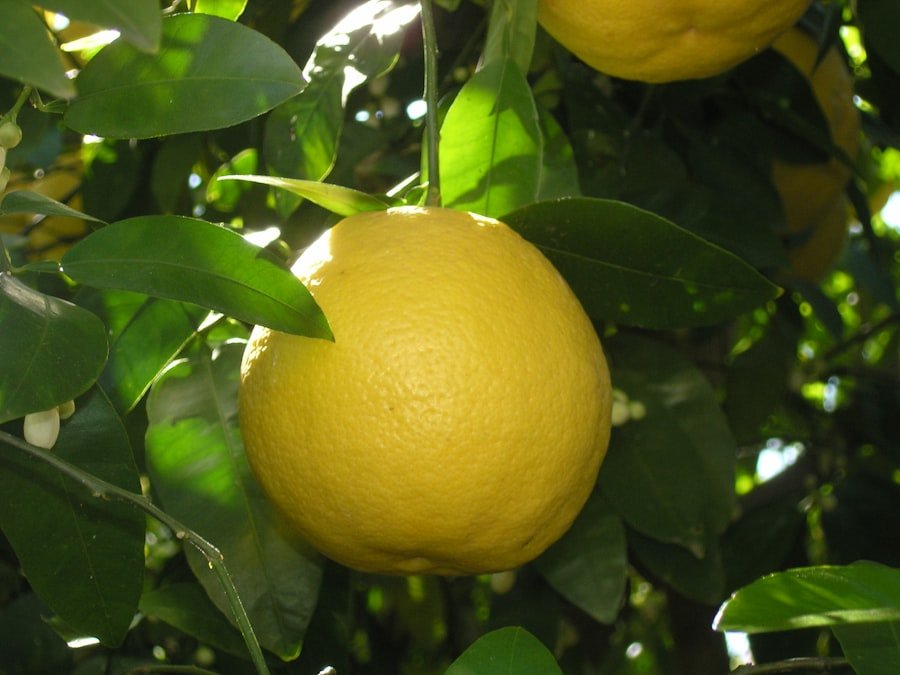
The flavor changes significantly with ripeness. A firm yellow lemon plum is crisp and noticeably tart, while a riper fruit becomes softer, juicier, more aromatic, and sweeter.
The name can make people expect strong lemon flavor, but the ripe fruit tastes primarily like a plum. Nature’s Produce describes the name as a reference to the fruit’s appearance and notes that the skin deepens from yellow toward reddish magenta as it matures in its Lemon Plum profile.
If you enjoy tart fruit, you can eat it while it is still yellow and firm. If you prefer a sweeter plum, wait until the color develops and the flesh yields slightly to gentle pressure.
Nutritional Benefits of Lemon Plums
| General raw-plum nutrition benchmark, per 100 g | |
|---|---|
| Vitamin C | 9.5 mg |
| Fiber | 1.4 g |
| Potassium | 157 mg |
| Calories | 46 kcal |
There is no separate lemon-plum entry in the USDA nutrient table used here, so general raw-plum values are the safer benchmark. The USDA National Nutrient Database lists 46 calories, 1.4 grams of fiber, 157 milligrams of potassium, and 9.5 milligrams of vitamin C per 100 grams of raw plums.
That makes lemon plums a low-calorie fruit that contributes fiber, potassium, vitamin C, and plant compounds found in plums. Vitamin C supports normal immune function, collagen production, and absorption of nonheme iron, according to the NIH Office of Dietary Supplements.
It is better to treat lemon plums as one nutritious fruit choice rather than as a treatment for disease. Their exact nutrient content can vary with cultivar, ripeness, growing conditions, and serving size.
How to Select and Store Lemon Plums
Choose lemon plums based on when you plan to eat them. Firm yellow fruit is less ripe and more tart, while fruit with developing red-orange color and a slight give is closer to peak sweetness.
- For eating soon: choose fruit that yields slightly to gentle pressure without feeling mushy.
- For later: choose firm, unbruised fruit and let it finish ripening at room temperature.
- Avoid: split skin, leaking juice, deep bruises, mold, or a fermented smell.
For indoor ripening, UC Integrated Pest Management recommends keeping Japanese plums between 60°F and 80°F. Once ripe, refrigeration slows further softening. Its plum harvesting and storage guidance gives about 31°F to 32°F as the optimum longer-term storage range for about two weeks, while noting that this narrow range is hard to maintain in a home refrigerator.
At home, keep ripe fruit cold and check it regularly. Wash it just before eating rather than before storage, and handle it gently because ripe plums bruise easily.
Culinary Uses of Lemon Plums

Lemon plums work in both raw and cooked dishes because their flavor ranges from tart to sweet as they ripen. Firmer fruit is useful where you want shape and acidity; softer ripe fruit is better for eating fresh, blending, or cooking down.
- Fresh: rinse, slice around the pit, and eat the skin and flesh.
- Salads: pair sliced fruit with peppery greens, nuts, or creamy cheese.
- Breakfast: add ripe slices to oatmeal, yogurt, or cereal.
- Baking: use firmer fruit in tarts, cakes, crisps, or crumbles.
- Preserves: cook the fruit into jam, compote, chutney, or sauce.
- Drinks: blend ripe fruit into smoothies or puree it for nonalcoholic spritzers.
If a recipe calls simply for plums, lemon plums can often be substituted by weight. Taste the fruit first, then adjust added sugar or acid because a yellow, less-ripe lemon plum can be much tarter than a fully ripe one.
Lemon Plum Recipes to Try
The easiest recipes let the fruit’s changing sweetness do most of the work. Start with a simple preparation so you can judge how ripe and tart your batch is before adding much sugar.
Simple Lemon Plum Compote
Cut ripe plums away from the pits, then simmer the pieces gently until they soften and release juice. Add sweetener only as needed. Serve the compote over yogurt, oatmeal, pancakes, or plain cake.
Lemon Plum Tart or Crumble
Use fruit that is ripe but still firm enough to slice. Its natural acidity works well in buttery pastry or under a crisp topping, while the heat softens the flesh and concentrates the plum flavor.
Lemon Plum Chutney
For a savory option, cook chopped plums with onion, vinegar, ginger, and warm spices. The result pairs well with roasted or grilled foods, cheese, or sandwiches.
Pairing Lemon Plums with Other Ingredients
Lemon plums pair best with ingredients that either soften their tartness or echo their fragrance. Creamy, nutty, herbal, and warm-spice flavors are especially useful.
- Cheese: goat cheese, brie, ricotta, or mild feta.
- Nuts: almonds, walnuts, pecans, or pistachios.
- Herbs: mint or basil for fresh dishes.
- Spices: cinnamon, ginger, cardamom, or nutmeg.
- Other fruit: berries, apples, peaches, or apricots.
For a simple serving plate, combine ripe plum wedges with a mild cheese and toasted nuts. For a sharper salad, use firmer slices with greens and a lightly acidic dressing.
Growing and Harvesting Lemon Plums
A genuine Lamoon lemon plum is a Japanese plum, so its basic needs are similar to other Prunus salicina trees. It needs sun, good drainage, appropriate winter chill, and a pollination plan suited to the specific cultivar.
North Carolina State Extension lists Japanese plum for full sun of at least six hours daily and well-drained soil. Ben Dor lists its Lamoon cultivar at 400 chilling hours and a June-through-August harvest period in its own production calendar, but local timing changes with climate.
Pollination matters. Utah State University notes that Japanese plums generally need a compatible Japanese or American plum nearby, rather than a European plum, and its home plum growing guide recommends planning for a pollinizer. If you buy a Lemon Plum tree, use the nursery’s cultivar-specific pollination advice instead of assuming it is self-fertile.
Harvest fruit when it has reached full size and the desired stage of ripeness. A gentle twist should release mature fruit without heavy pulling. Handle it carefully and avoid piling ripe plums deeply, which can cause bruising.
Why Lemon Plums Are Called Chameleon Plums
The nickname comes from their visible color change during ripening. Fruit that begins bright yellow can develop orange-red or reddish-magenta skin as it matures, giving shoppers a useful visual clue about flavor and texture.
The color change is part of the fruit’s appeal because it also tracks a sensory change. Yellow fruit tends to be firmer and more acidic, while redder fruit is generally softer, juicier, and sweeter. Color alone is not enough, though, so also check firmness and aroma before eating.
Where to Find Lemon Plums
Lemon plums are less common than standard supermarket plum varieties. In the United States and Canada, they are often sold as imported specialty fruit, especially when Southern Hemisphere plums are in season.
Look in specialty produce departments, Asian supermarkets, larger natural-food stores, and retailers that carry imported stone fruit. Because Chile’s overall plum season runs from mid-November through April, that is the broadest period to watch, but Lemon Plum itself may be available for a much shorter window.
If you want a tree rather than fruit, verify the cultivar name before buying. A nursery listing should identify the plant as a Japanese plum or Lamoon-type selection and should give pollination and chill information suited to your region.
Frequently Asked Questions
What is a lemon plum?
A lemon plum is a specialty Japanese plum in the Prunus salicina group. It has yellow skin when less ripe, a pointed lemon-like shape, and yellow to amber flesh that becomes sweeter and juicier as the fruit matures.
Is a lemon plum a cross between a lemon and a plum?
No, a lemon plum is not a lemon-plum hybrid. The name refers mainly to the fruit’s yellow color and tapered shape, while the fruit itself belongs to the Japanese plum group.
What does a lemon plum taste like?
A lemon plum tastes tart and crisp when it is firm and yellow, then becomes sweeter, softer, and juicier as it ripens. Despite the name, a fully ripe fruit tastes much more like a sweet plum than a lemon.
How do you know when a lemon plum is ripe?
A ripe lemon plum usually shows more orange-red or red color and yields slightly to gentle pressure. If the fruit is still hard and bright yellow, it can be eaten tart or left at room temperature to become sweeter.
Can you eat the skin of a lemon plum?
Yes, the skin of a lemon plum is edible. Wash the fruit, then eat it whole around the pit or slice it and remove the pit before serving.
Sources
- North Carolina State Extension: Prunus salicina: Japanese plum classification, sunlight, drainage, and general fruit traits.
- Ben Dor Fruits & Nurseries: Lamoon: cultivar name, skin color, Brix, chilling hours, and breeder harvest calendar.
- Fruits from Chile: Plums: Lemon Plum listing, Chilean plum season, selection, and ripening guidance.
- Nature’s Produce: Lemon Plum: fruit shape, color change, flavor, and trade history.
- USDA National Nutrient Database: Raw plums: general raw-plum calories, fiber, potassium, and vitamin C values.
- NIH Office of Dietary Supplements: Vitamin C: established functions of vitamin C.
- UC Integrated Pest Management: Harvesting and Storing Plums: ripening temperature and cold-storage guidance.
- Utah State University Extension: Plums in the Home Garden: Japanese plum pollination and growing guidance.
”’
print(“words”, len(re.findall(r”\b[\w’’-]+\b”, re.sub(r”<[^>]+>