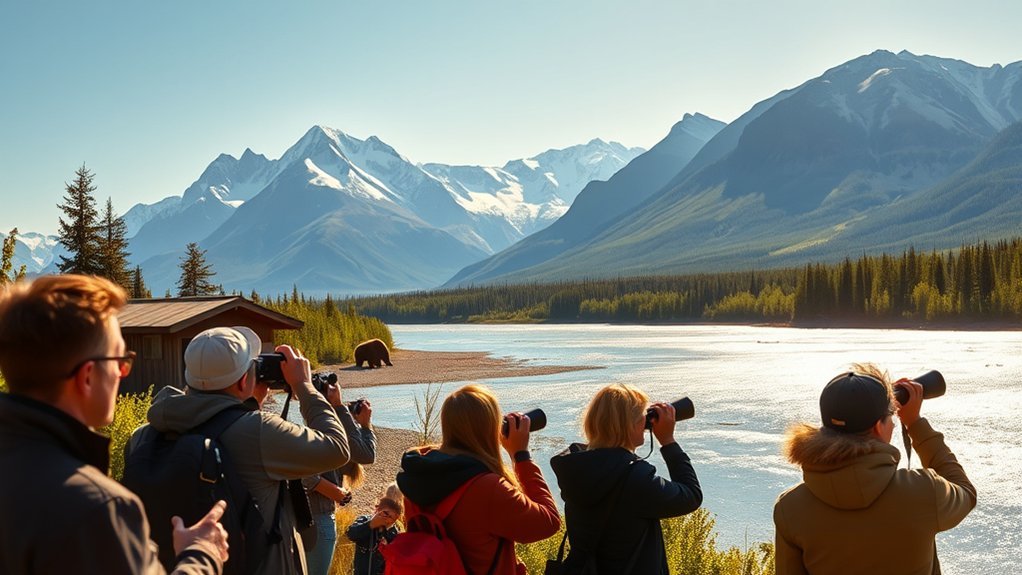
Bear viewing in Alaska can be unforgettable, but it is not risk-free and the best experience depends on where you go, when you visit, and how well you follow local rules. Alaska’s major bear-viewing areas have different access methods, seasonal food sources, viewing distances, and safety procedures, so planning around the specific destination matters more than following one statewide rule.
Quick Answer
For concentrated wild brown-bear viewing, choose Katmai’s Brooks River in July or September, or Lake Clark’s Cook Inlet coast from late spring through summer. Use an authorized operator for remote fly-in trips, follow site-specific distance rules, expect weather delays, and never approach, feed, or block a bear.
Key Takeaways
- Katmai and Lake Clark are among Alaska’s strongest choices for focused wild brown-bear viewing.
- Distance rules vary by location: Brooks Camp requires at least 50 yards from bears, while Denali requires 300 yards.
- Season matters: bear activity shifts with grasses, clams, berries, and salmon runs rather than following one statewide peak.
- Remote access changes the trip: many tours depend on small aircraft, tides, and weather, so delays and cancellations are possible.
- No sighting is guaranteed: bears are wild animals, and ethical operators do not chase, feed, or crowd them to create a photo opportunity.
Top Bear Viewing Locations in Alaska
Katmai National Park and Preserve: Brooks Camp and Brooks River
Katmai National Park and Preserve is one of Alaska’s best-known brown-bear destinations. Brooks River attracts bears when sockeye salmon are available, and the elevated viewing areas around Brooks Falls can provide excellent opportunities to watch fishing, feeding, and social behavior without walking toward the animals.
Timing is more specific than simply “summer.” National Park Service guidance identifies especially strong Brooks Falls activity in July and again in September into October, although bears can be present in the area from mid-June into fall. Every visitor arriving at Brooks Camp must attend a bear-safety orientation, and the minimum distance rule there is 50 yards unless rangers direct otherwise. Review the NPS Brooks Camp bear-safety rules before your trip.
Lake Clark National Park and Preserve: Chinitna Bay, Silver Salmon Creek, and Crescent Lake
Lake Clark National Park and Preserve offers several distinct bear-viewing settings. Chinitna Bay is known for coastal brown bears feeding in salt marshes and tidal areas. Silver Salmon Creek can offer bears grazing on sedges from late spring into mid-summer, digging for clams, and fishing during the later salmon run. Crescent Lake can attract both brown and black bears along shorelines when salmon are running. The NPS Lake Clark bear-viewing guide explains the main viewing areas and seasonal patterns.
Denali National Park and Preserve: Broad Wildlife Viewing
Denali National Park and Preserve is a strong choice if you want a broader wildlife trip that may include grizzly bears, caribou, moose, Dall sheep, and wolves. Bear sightings are possible along the Park Road, but they are never guaranteed and Denali is not the same kind of concentrated feeding-site experience as Brooks River or Lake Clark’s coast.
Denali also uses a much larger bear-distance rule than Brooks Camp: visitors must stay at least 300 yards from bears. Check the park’s wildlife-safety guidance and current conditions before visiting. For summer 2026, transit and tour buses are traveling no farther than Mile 43 of the Denali Park Road because of the Pretty Rocks landslide closure.
Kenai Fjords National Park: A Bonus Bear Opportunity Near Seward
If you are staying near Seward, Kenai Fjords National Park can produce bear sightings, especially around accessible land areas such as Exit Glacier. However, the park reports that black bears are more common than brown bears and bear-human interactions are not generally common. Treat a bear sighting here as a possible bonus rather than the main reason to book a fjords trip. See the park’s bear-safety guidance before hiking.
How to Choose an Alaska Bear Viewing Tour
A guided trip can simplify the hardest parts of Alaska bear viewing: remote transportation, weather decisions, local bear behavior, safe group movement, and finding legal viewing areas. For Katmai, start with the National Park Service transportation and authorized-provider information rather than relying on an unverified list of tour names.
When comparing tours, look for these details:
- Destination: Brooks Camp, a Lake Clark coastal site, a general wildlife route, or a managed wildlife center are very different experiences.
- Access: determine whether the trip uses a floatplane, wheeled bush plane, boat, bus, or a combination.
- Time on the ground: a full-day itinerary may include substantial flight time, safety briefings, waiting, and walking before you reach a viewing area.
- Group size and guide ratio: smaller groups can be easier to manage quietly and predictably around wildlife.
- Physical requirements: ask about beach landings, muddy trails, uneven ground, walking distance, steps, and the ability to sit or stand for extended periods.
- Cancellation policy: weather can prevent remote aircraft from flying, so know what happens if the trip is delayed or canceled.
- Wildlife ethics: avoid any operator that promises to approach, feed, bait, or pressure bears for closer photos.
Note: The Alaska Wildlife Conservation Center offers experiences with resident animals in managed care. That can be worthwhile, but it is different from a wilderness bear-viewing trip where free-ranging bears choose whether to appear.
What to Expect on an Alaska Bear Viewing Tour
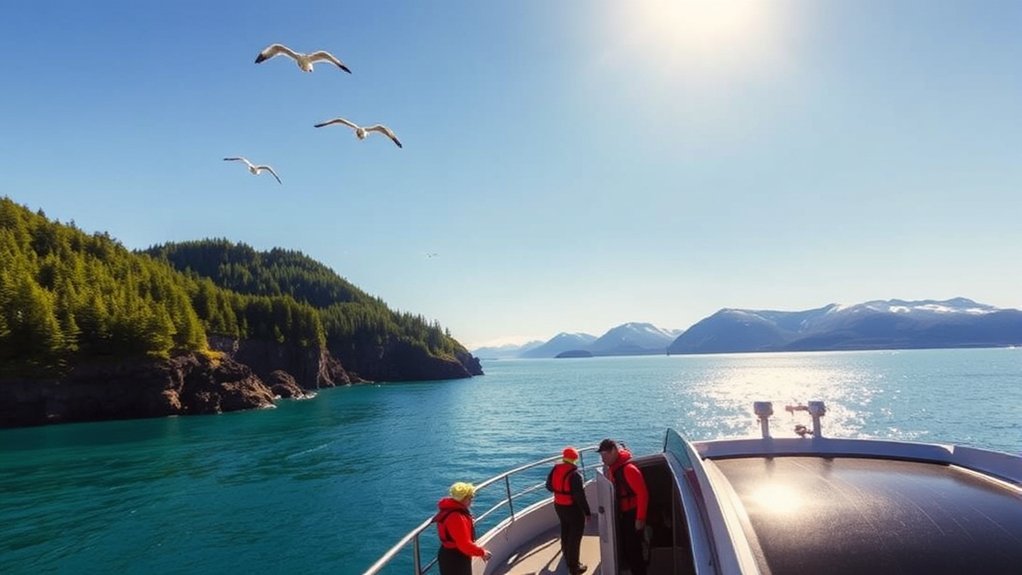
Many of Alaska’s best bear-viewing areas are roadless. A typical day trip may begin with a small-aircraft flight, followed by a safety briefing and a walk across a beach, trail, boardwalk, or viewing platform. Other trips may use boats or park buses. Depending on the destination, you may watch coastal brown bears grazing, digging for clams, fishing for salmon, resting, traveling with cubs, or simply moving through the landscape.
Expect your schedule to stay flexible. Katmai and Lake Clark are remote, and the National Park Service warns travelers to allow extra time because poor weather can delay flights. Even after you arrive, bear activity can temporarily close a trail or delay movement through an area. At Brooks Camp, for example, bears are given the right-of-way and visitors may have to wait until a route is clear.
Pro Tip: Put a remote bear-viewing day near the beginning of your Alaska itinerary instead of your final day. That gives you more flexibility if weather forces your operator to reschedule.
Essential Bear Viewing Safety Rules
Warning: Do not use one distance number for every Alaska destination. Follow the rule for the exact park, refuge, viewing area, or tour you are visiting. Brooks Camp requires at least 50 yards from bears; Denali requires 300 yards.
- Never approach a bear. Use binoculars or a telephoto lens instead of moving closer for a photo.
- Do not run. If a bear is unexpectedly close, stay calm, follow your guide or ranger, speak calmly when appropriate, and increase distance without sudden movement.
- Do not block travel routes. Bears often use the same beaches, riverbanks, trails, and openings that people use. Give them room to move.
- Stay with your group. Follow the guide’s instructions and avoid spreading out around a feeding or travel area.
- Control food and scented items. Never feed bears. Follow local food-storage and eating rules, which can be strict at concentrated bear-viewing sites.
- Use bear spray only as trained and permitted. If your guide or destination recommends it, learn how to carry and deploy it safely and follow the operator’s transportation rules.
- Watch the bear, not just your camera. If an animal changes its behavior because of your presence, you are too close or causing disturbance.
What to Wear and Pack for Bear Viewing in Alaska
Alaska weather can change quickly, and remote viewing areas may be wet, muddy, windy, or cold even in summer. Pack for comfort without bringing more gear than your aircraft or operator allows.
- Layered clothing: a moisture-managing base layer, warm mid-layer, and waterproof outer shell.
- Waterproof footwear: sturdy boots with good traction for mud, gravel, beach landings, or uneven trails.
- Hat and gloves: useful on cold or windy mornings even during summer.
- Binoculars: one of the best ways to study behavior without reducing your distance.
- Camera with zoom: a telephoto lens is safer and more useful than trying to get physically closer.
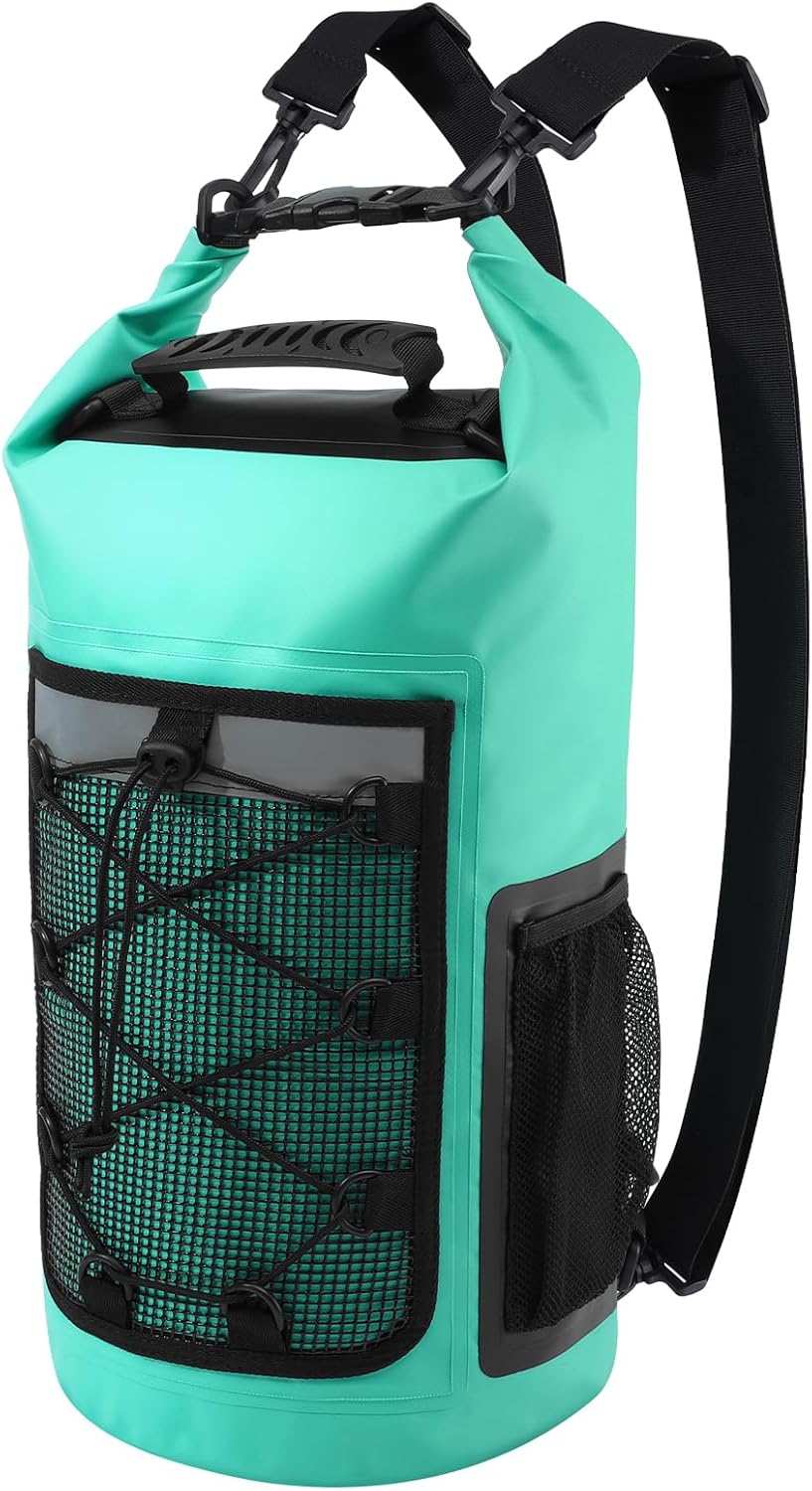
- Rain protection for electronics: use a simple dry bag, waterproof cover, or sealed pouch.
- Water and food only where permitted: follow the guide’s instructions because some bear-viewing areas tightly control where food can be carried, stored, or eaten.
Best Times of Year for Bear Viewing in Alaska
There is no single “best month” for every Alaska bear-viewing destination. Bears move as food availability changes, so the strongest timing depends on whether they are feeding on spring vegetation, clams, berries, or salmon.
| Destination | Strong Viewing Pattern | What Bears May Be Feeding On |
|---|---|---|
| Katmai: Brooks River | July, then September into October | Migrating or spawning salmon |
| Lake Clark: Chinitna Bay | Late spring through summer | Sedges, other coastal plants, clams, and seasonal fish |
| Lake Clark: Silver Salmon Creek | Late spring to mid-summer for grazing; later summer for salmon activity | Sedges, clams, and salmon |
| Denali | Main visitor season is late spring through summer | Natural foods across a large interior landscape; sightings are unpredictable |
| Kenai Fjords | Possible during the summer visitor season | Varied natural foods; bear encounters are not concentrated or guaranteed |
If seeing bears is the main purpose of your trip, choose the destination first and then match your travel dates to that site’s feeding pattern. Do not assume that a month that is excellent at Brooks Falls will be equally strong at every coastal or interior location.
Frequently Asked Questions
Are there age restrictions for bear viewing tours in Alaska?
There is no single statewide age rule for every bear-viewing trip. Operators set their own minimum ages based on aircraft, boat, hiking, terrain, and safety requirements. Ask about the exact trip before booking, especially for young children.
What should I wear for bear viewing excursions?
Dress in layers and bring a waterproof outer shell. Wear sturdy, water-resistant boots with good traction, and pack a warm hat or gloves for cold, wet, or windy conditions. Follow your operator’s baggage limits for small aircraft.
How long do bear viewing tours typically last?
Trip length varies widely. Some experiences last only a few hours, while remote fly-in excursions are often full-day trips and some guided programs include overnight stays. Compare total trip time with actual time at the viewing area before booking.
Can I bring my camera on the tours?
Usually, yes. A camera with a telephoto or zoom lens lets you photograph bears without moving closer. Small aircraft may have strict weight and space limits, so confirm your operator’s camera and tripod policy before departure.
What happens if we do not see any bears?
Wild bear sightings are never guaranteed. A responsible guide may still interpret tracks, feeding areas, habitat, and other wildlife, but the exact refund or rebooking policy depends on the operator. Read that policy before you pay.
Do I need bear spray on a guided bear viewing trip?
Follow the rules of your destination and operator. Some guides carry deterrents and manage the group’s safety equipment. If you are told to carry bear spray, learn how to use it and confirm how it must be transported before flying.
Is Katmai or Lake Clark better for bear viewing?
Katmai’s Brooks River is famous for bears fishing for salmon around Brooks Falls, especially in July and again later in the season. Lake Clark offers a wider range of coastal feeding behavior, including grazing, clamming, and fishing. The better choice depends on your dates, access point, and the behavior you most want to see.
Can weather cancel a bear viewing flight?
Yes. Remote Alaska flights depend on safe weather and operating conditions. Build flexibility into your itinerary and review the operator’s weather, cancellation, and rebooking policies before the trip.
Sources
- National Park Service: Bear Safety at Brooks Camp — Brooks Camp orientation, 50-yard rule, right-of-way, food, and encounter guidance.
- National Park Service: Katmai Directions and Transportation — remote access, authorized air services, and weather-delay planning.
- National Park Service: Lake Clark Bear Viewing — Chinitna Bay, Silver Salmon Creek, Crescent Lake, and seasonal viewing patterns.
- National Park Service: Denali Wildlife Safety — Denali’s 300-yard bear-distance rule and wildlife safety practices.
- National Park Service: Denali Current Conditions — current 2026 Park Road access and operational updates.
- National Park Service: Kenai Fjords Bear Safety — black and brown bear presence and encounter guidance near Seward.