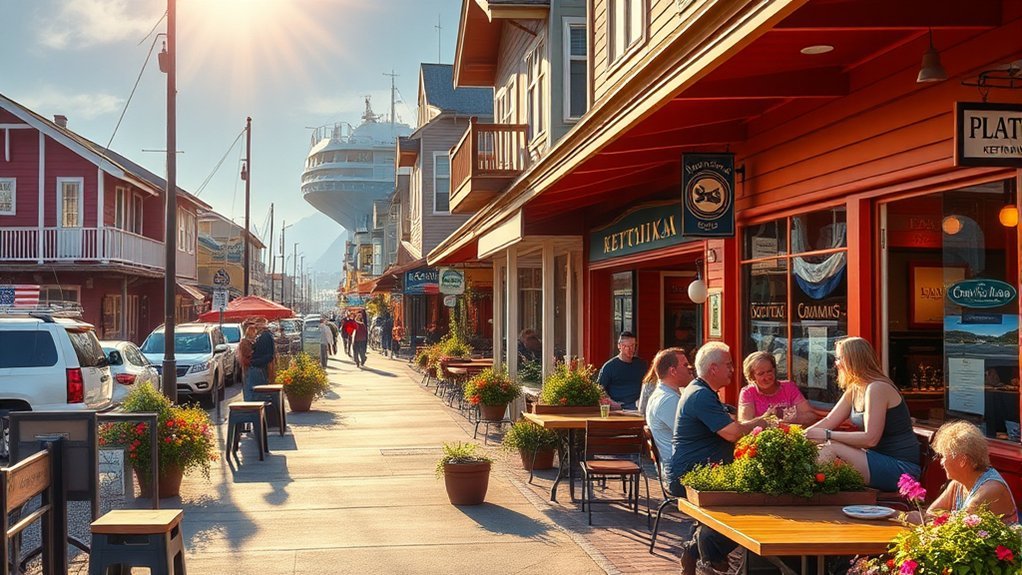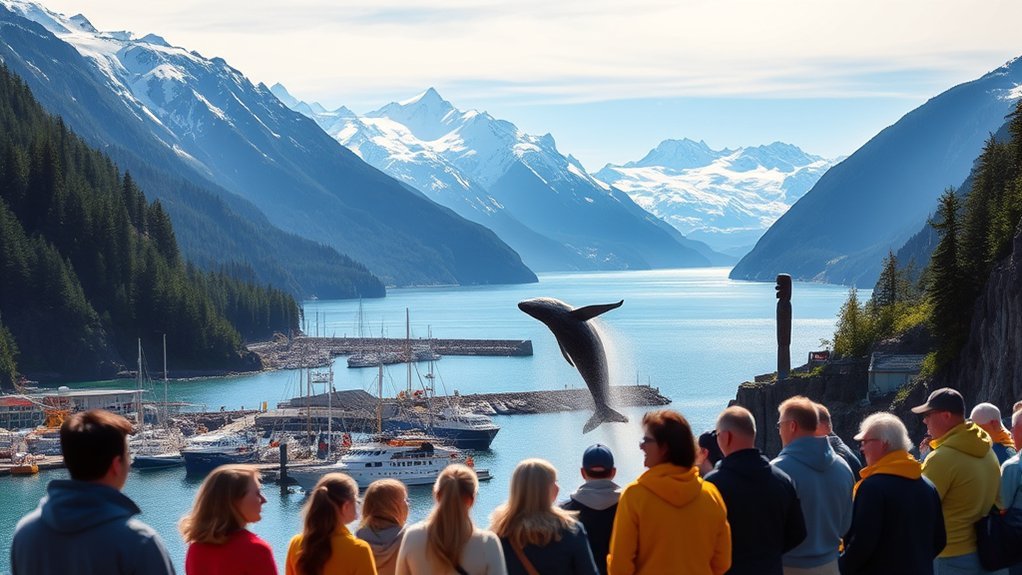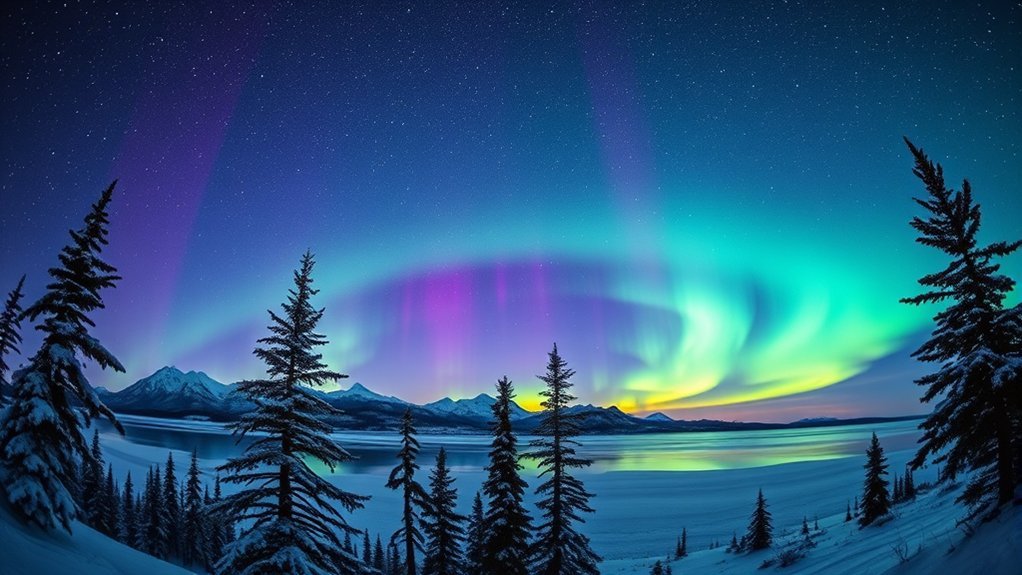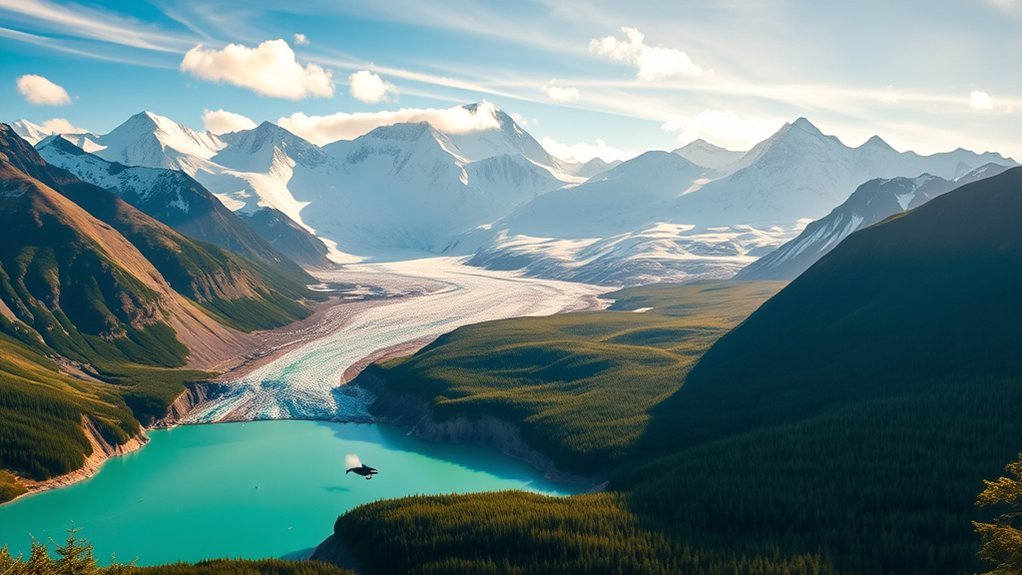
Alaska rewards travelers with enormous national parks, glacier-carved coastlines, wildlife-rich waters, and cities shaped by Alaska Native cultures, maritime history, mining, and the outdoors. The best place for your trip depends on whether you want road-trip scenery, glaciers, wildlife, northern lights, cultural attractions, or remote wilderness. This guide compares 10 standout Alaska destinations and explains what makes each worth visiting.
Quick Answer
The best places to visit in Alaska include Denali National Park, Glacier Bay, Kenai Fjords, Anchorage, Juneau, Fairbanks, Wrangell-St. Elias, Kodiak Island, Sitka, and Valdez. Choose Denali for vast interior wilderness, Southeast Alaska for glaciers and coastal culture, Fairbanks for aurora trips, and Kodiak for remote brown-bear experiences.
Key Takeaways
- Denali, Kenai Fjords, and Glacier Bay are excellent choices if national parks and dramatic landscapes are your priority.
- Anchorage makes a practical transportation hub, while Juneau and Sitka combine Southeast Alaska scenery with strong cultural and historical attractions.
- Fairbanks is the standout choice for an aurora-focused trip, especially during the darker months.
- Kodiak and Wrangell-St. Elias suit travelers willing to put more effort into reaching remote wildlife and wilderness areas.
- Alaska is too large and disconnected to treat every destination as a simple road-trip stop. Flights, ferries, trains, buses, and boats are often part of the journey.
Best Places to Visit in Alaska at a Glance
| Destination | Best For | Typical Access |
|---|---|---|
| Denali National Park | Interior wilderness and wildlife | Road, rail, then park bus |
| Glacier Bay National Park | Glaciers and marine scenery | Cruise ship, boat, ferry, or flight via Gustavus |
| Kenai Fjords National Park | Boat tours, glaciers, and marine wildlife | Road or rail to Seward, then boat or trail |
| Anchorage | First-time trips and easy connections | Major airport, road, and rail |
| Juneau | Glaciers, whales, and Southeast Alaska culture | Air or sea |
| Fairbanks | Northern lights and Interior Alaska | Air, road, and rail |
| Wrangell-St. Elias | Remote mountains, glaciers, and history | Road plus remote roads or air taxi |
| Kodiak Island | Brown bears, fishing, and island wilderness | Flight or ferry |
| Sitka | Tlingit history, Russian colonial history, and coast | Flight or ferry |
| Valdez | Prince William Sound glaciers and road-trip scenery | Road, ferry, or air |
Denali National Park
Denali National Park and Preserve is a vast Interior Alaska wilderness of tundra, taiga forest, braided rivers, glaciers, and high mountains. The park covers more than six million acres and contains North America’s highest peak, Mount McKinley, widely known in Alaska as Denali, which rises to 20,310 feet.
Wildlife is one of the major reasons to visit. From park buses, trails, and approved hiking areas, you may see grizzly bears, caribou, moose, Dall sheep, wolves, and smaller animals. Sightings are never guaranteed, but the enormous undeveloped landscape makes wildlife viewing a central part of the Denali experience.
Unlike many national parks, Denali has relatively few developed hiking trails. Most are near the entrance and Park Road corridor. Experienced visitors can also hike off trail in suitable areas after learning the park’s backcountry rules.
A scenic transit or narrated tour bus is one of the easiest ways to see deeper into the park without driving your own vehicle.
2026 Access Note: During summer 2026, Denali transit and tour buses travel no farther than the East Fork Bridge at Mile 43 because of the Pretty Rocks landslide and bridge project. Eielson Visitor Center and Wonder Lake Campground remain inaccessible by road. Check the National Park Service current conditions page before your trip.
Even with the temporary road restriction, Denali offers enormous landscapes, wildlife opportunities, entrance-area trails, ranger programs, and a rare chance to experience Alaska’s Interior on a grand scale.
Denali’s appeal is its scale: more than six million acres of tundra, forest, rivers, glaciers, mountains, and largely undeveloped wildlife habitat.
Glacier Bay National Park
Glacier Bay National Park and Preserve combines icy waterways, mountains, temperate rainforest, tidewater glaciers, and rich marine ecosystems in Southeast Alaska. For many visitors, the classic experience is seeing the park from the water.
Tour boats and permitted vessels travel through the bay, where visitors may see glaciers, floating ice, sea otters, harbor seals, humpback whales, seabirds, and other wildlife. Glacier calving can occur, but it is a natural event and should never be treated as a guaranteed show.
Kayaking offers a more intimate way to experience sheltered areas of the park. Conditions are cold and remote, so paddlers should understand tides, weather, cold-water risks, camping regulations, and seasonal wildlife closures before setting out.
Glacier Bay is also culturally important. The area is the homeland of the Huna Tlingit, and visitors can learn more about this continuing connection at Xunaa Shuká Hít, the Huna Tribal House in Bartlett Cove.
Note: No road leads directly to Glacier Bay National Park. Independent travelers typically reach Gustavus by air or ferry and continue about 10 miles by road to Bartlett Cove. Others experience the park from cruise ships or tour vessels. See the official NPS planning information.
Kenai Fjords National Park
Kenai Fjords National Park near Seward is where the Harding Icefield feeds glaciers that descend toward mountains, valleys, and the Gulf of Alaska. It is an excellent destination if you want glaciers and marine wildlife without traveling as far into Southeast Alaska.
Much of the park’s dramatic coastline is best seen by boat. Commercial tours leave Seward during the main visitor season, with shorter trips concentrating on Resurrection Bay and longer tours traveling farther toward tidewater glaciers.
On land, the Exit Glacier area provides road-accessible trails and access to the strenuous Harding Icefield Trail.
Stunning Glacial Landscapes
The Harding Icefield and its glaciers have shaped Kenai Fjords’ rugged mountains, valleys, and waterways. Depending on your route, you may encounter:
- Glacier faces and floating ice viewed safely from boats
- Deep blue crevasses visible from appropriate viewpoints
- Waterfalls fueled by snow and ice melt
- Steep coastal cliffs rising above the fjords
The Exit Glacier area offers one of the park’s easiest land-based introductions, while longer boat tours reveal the remote coastline and tidewater glaciers.
Wildlife Viewing Opportunities
Kenai Fjords supports rich marine and coastal ecosystems. Boat-tour passengers commonly watch for sea otters, harbor seals, Steller sea lions, whales, puffins, bald eagles, and other seabirds. Wildlife moves with food, weather, migration, and ocean conditions, so no particular species is guaranteed.
| Wildlife | Useful Viewing Context |
|---|---|
| Sea Otters | Often watched for on marine tours |
| Orcas | Possible in coastal waters; sightings vary |
| Bald Eagles | Present in coastal habitats |
| Puffins | Most relevant during the warmer breeding season |
| Mountain Goats | Look high on steep coastal terrain |
If a boat tour is a priority, reserve early during busy summer periods and review current options on the Kenai Fjords National Park boat-tour page.
Anchorage
Anchorage is Alaska’s largest city and one of the easiest bases for combining outdoor activities with museums, restaurants, cultural attractions, and transportation connections.
You can hike in the Chugach foothills, bike paved greenways, watch for urban wildlife, fish, and learn about Alaska’s history and Alaska Native cultures without traveling far from the city.
Outdoor Activities and Trails
Anchorage provides several easy ways to get outside:
- Hike near Flattop Mountain: The Glen Alps area provides popular routes and wide views over Anchorage and the surrounding mountains.
- Bike the Tony Knowles Coastal Trail: The paved coastal route links parks and viewpoints while remaining close to the city.
- Explore Kincaid Park: Trails and open spaces make it useful for walking, biking, skiing, and wildlife watching depending on the season.
- Fish local waters: Anchorage has accessible fishing opportunities, including Ship Creek near downtown, subject to Alaska fishing rules and seasonal conditions.
Warning: Do not treat Turnagain Arm’s exposed mudflats as a beach or its waters as a casual paddling area. Rapid tides, soft mud, cold water, and rough conditions can be dangerous. Enjoy the Arm from established trails, viewpoints, and designated recreation areas unless you have appropriate local expertise and conditions.
Cultural Attractions and Events
Visit the Anchorage Museum for Alaska art, history, science, and culture. The Alaska Native Heritage Center offers opportunities to learn from Alaska Native people through exhibits, demonstrations, performances, programs, and cultural spaces representing distinct cultural groups rather than treating Alaska Native traditions as a single culture.
Anchorage’s First Friday events bring art exhibitions and receptions to galleries and other downtown spaces throughout the year.
Fur Rendezvous, or Fur Rondy, is a winter festival, not a summer event. It generally takes place around late February and early March with winter sports, community events, snow activities, races, and other celebrations. Check Visit Anchorage’s current Fur Rondy information for dates before planning around the festival.
Juneau
Alaska’s capital sits between mountains, rainforest, and the Gastineau Channel. Juneau is not connected to the continental road system, so most visitors arrive by air or sea.
Highlights include:
- Mendenhall Glacier: Visit viewpoints and nearby trails for views of the glacier and surrounding landscape.
- Goldbelt Tram: When operating, the tram climbs from downtown toward Mount Roberts for elevated views and access to mountain scenery. Check current operating status before relying on it in your itinerary.
- Historic Downtown: Walk among shops, galleries, restaurants, government buildings, museums, and waterfront sights.
- Whale Watching: Boat tours from the Juneau area search for humpback whales and other marine wildlife in surrounding waters.
Juneau is especially useful for travelers who want glaciers, wildlife, hiking, museums, and Southeast Alaska scenery in one compact base. Current visitor information is available from Travel Juneau.
Fairbanks
Fairbanks, often called the “Golden Heart City,” is a gateway to Interior Alaska and one of the state’s best-known bases for northern-lights travel.
At the University of Alaska Museum of the North, you can explore exhibits covering Alaska’s natural history, wildlife, art, archaeology, and human history. Travelers interested specifically in the region’s gold-rush story can also seek out local mining-history attractions.
Chena Hot Springs, northeast of Fairbanks, combines outdoor hot springs with other visitor activities and is a popular side trip from the city.
The aurora is not limited to the deepest winter. Explore Fairbanks defines its main Aurora Season as August 21 through April 21, when dark skies return to the Interior. Clear skies and solar activity still determine what you actually see.
You can also walk along the Chena River, try dog mushing in the appropriate season, explore museums, or use Fairbanks as a starting point for farther-north adventures.
Pro Tip: If the northern lights are a major reason for your trip, allow several nights rather than relying on one evening. Clouds and aurora activity can change from night to night.
Wrangell-St. Elias National Park
Wrangell-St. Elias National Park and Preserve is a huge, remote landscape of mountains, glaciers, rivers, forests, historic mining sites, and coastal ecosystems. It suits travelers who want a less-developed national-park experience and are prepared for longer travel times and fewer services.
Breathtaking Glacial Landscapes
Massive mountains and icefields dominate much of Wrangell-St. Elias. Depending on where you travel, highlights can include:
- Malaspina Glacier: One of the region’s enormous piedmont glaciers and an impressive example of Alaska’s glacial scale.
- Large icefields and valley glaciers: Glaciers flow from high mountain terrain through vast valleys.
- Remote mountain views: Road travel, hiking, and flightseeing can reveal landscapes far beyond the developed corridors.
- Kennecott and McCarthy: The historic mining district adds a major human-history component to a wilderness-focused trip.
Some areas can be reached by rough roads, while others require aircraft, long hikes, or specialized backcountry travel. Check current National Park Service conditions before leaving the main highway.
Diverse Wildlife Encounters
Wrangell-St. Elias supports moose, Dall sheep, mountain goats, caribou, black bears, brown bears, wolves, and many smaller mammals. Coastal areas also provide habitat for marine mammals such as sea lions and harbor seals.
The National Park Service reports more than 230 bird species using the park’s forests, wetlands, alpine areas, rivers, and migration corridors. Depending on location and season, birders may encounter eagles, waterfowl, swans, songbirds, and many migrants.
Wildlife can be difficult to spot across such a vast landscape, so binoculars, patience, and realistic expectations are more useful than relying on a checklist of guaranteed sightings.
Learn about current access, wildlife, and trip planning through the National Park Service Wrangell-St. Elias website.
Kodiak Island
Kodiak Island combines rugged coastline, mountains, fishing communities, Alaska Native Alutiiq/Sugpiaq culture, and one of Alaska’s most famous wildlife populations: the Kodiak brown bear.
- Fish for salmon, halibut, and other species with appropriate licenses and regulations.
- Hike through coastal and mountain landscapes.
- Visit museums and cultural sites to learn about Kodiak’s human history.
- Plan a guided or remote excursion if seeing Kodiak brown bears is a major goal.
The Kodiak brown bear is a distinct brown-bear subspecies found only in the Kodiak Archipelago. However, arriving on the island does not mean bears will be standing beside the road. The U.S. Fish & Wildlife Service notes that road-system bear sightings are uncommon and recommends guided remote options for better bear-viewing opportunities.
Note: Remote bear-viewing trips may involve floatplanes, boats, lodges, and guided walking. Use reputable operators, follow all refuge guidance, and never approach bears for photographs. See the Kodiak National Wildlife Refuge wildlife-viewing guidance.
Kodiak works best for travelers who appreciate the journey itself and are willing to devote several days to weather-dependent outdoor activities.
Sitka
Sitka sits between forested mountains and the Pacific on Baranof Island. Its history reflects the continuing presence of the Tlingit people as well as the later Russian colonial period and American era.
Stroll through downtown to see St. Michael’s Cathedral and other historic sites, then visit Sitka National Historical Park. The park preserves the site associated with the 1804 conflict between Kiks.ádi Tlingit and Russian forces and includes a scenic coastal trail lined with Tlingit and Haida totem poles.
The park’s trails pass through temperate rainforest and along coastal habitat where you may see birds, salmon in season, and marine wildlife offshore. The restored Russian Bishop’s House provides another window into Sitka’s Russian-American history.
Beyond the historic district, hiking, kayaking with suitable conditions and guidance, wildlife tours, and local galleries provide plenty of reasons to spend more than a brief port call here.
For accurate cultural and historical background, consult Sitka National Historical Park and local Alaska Native cultural organizations.
Valdez
Valdez lies at the head of a deep fjord in Prince William Sound, surrounded by mountains, waterfalls, glaciers, and coastal waters. It is a strong choice for travelers who want both a scenic road journey and access to marine adventures.
- Glacier Tours: Cruise or take an appropriate guided trip toward glaciers in Prince William Sound.
- Wildlife Watching: Depending on season and conditions, surrounding waters can hold sea otters, seals, sea lions, whales, seabirds, and other wildlife.
- Hiking Trails: Local trails range from short walks to more demanding routes through steep, wet terrain.
- Fishing Adventures: Valdez is known for salmon and marine fishing, with charters and shore-fishing opportunities varying by season.
The drive to Valdez on the Richardson Highway is part of the experience, particularly through Thompson Pass and the surrounding mountain landscape. Summer visitors can combine road-trip scenery with glacier cruises, hiking, kayaking, fishing, and wildlife tours.
Because marine tours become more limited outside the main visitor season, check schedules before building your itinerary around a specific glacier or wildlife cruise.
How to Plan a Trip Around These Alaska Destinations
Alaska’s size makes route planning just as important as choosing attractions. Trying to visit Denali, Glacier Bay, Kodiak, Juneau, and Valdez in one short trip can mean spending more time in transit than sightseeing.
A more practical approach is to group destinations by region:
- Southcentral and Interior road trip: Anchorage, Denali, Fairbanks, Seward/Kenai Fjords, and possibly Valdez.
- Southeast Alaska trip: Juneau, Glacier Bay, Sitka, and other Inside Passage communities using flights, ferries, or cruises.
- Wilderness-focused trip: Wrangell-St. Elias or Kodiak as a major destination rather than a rushed side trip.
Allow extra time when flights, ferries, boat tours, or remote roads are involved. Weather can affect transportation even during the main summer season.
The Alaska Marine Highway System connects many coastal communities, including places that cannot be reached through Alaska’s highway network. Schedules vary, so a ferry journey should be planned around actual sailing dates rather than assumed to operate like an hourly road service.
Warning: Alaska’s outdoor conditions can change quickly. Carry appropriate layers, rain protection, food and water for your activity, and a navigation plan. In bear country, keep an appropriate deterrent such as bear spray readily accessible and learn how to use it before you need it. Never approach wildlife, and follow local park or refuge instructions.
Frequently Asked Questions
What is the best time to visit Alaska for wildlife viewing?
June through August offers long daylight hours, widespread visitor services, active boat tours, and good opportunities to see many species. However, the ideal period depends on the animal and destination. Whale movements, salmon runs, bear feeding areas, and seabird nesting seasons differ, so check local park or refuge guidance for the wildlife you most want to see.
Are there unique cultural experiences in Alaska?
Yes. Visit Alaska Native cultural centers, museums, Tribal organizations, demonstrations, performances, historic sites, and community events where culture is presented by knowledgeable local people. Alaska contains many distinct Indigenous peoples and traditions, so look for experiences that identify the specific community and culture rather than treating them as one tradition.
How can I travel between different Alaska destinations?
Depending on the route, you may drive, fly, take the Alaska Railroad, ride an intercity bus, use the Alaska Marine Highway, join a cruise, or take a smaller boat. Many coastal communities are not connected to Alaska’s main road system, so check transportation before assuming two destinations can be linked by car.
What types of accommodations are available in Alaska?
Options include hotels, motels, cabins, bed-and-breakfasts, vacation rentals, campgrounds, hostels, remote wilderness lodges, and park-area lodging. Choices become more limited in smaller or remote communities, so reserve early if your trip falls in the busy summer season.
What safety precautions should I take outdoors in Alaska?
Check weather and trail conditions, tell someone your plan when entering remote areas, carry suitable clothing and navigation tools, respect cold-water hazards, and keep your distance from wildlife. In bear country, carry an appropriate deterrent such as bear spray where it is immediately accessible and learn how to use it. Follow destination-specific guidance from park rangers, refuge staff, and Alaska wildlife authorities.
How many days do I need for a first trip to Alaska?
Seven to ten days gives most first-time visitors enough time to explore one main region without rushing. With two weeks, you can combine more of Southcentral and Interior Alaska or add a carefully planned Southeast Alaska segment. Remote destinations such as Kodiak and Wrangell-St. Elias deserve extra buffer time.
Is an Alaska cruise or road trip better?
A cruise is convenient for Southeast Alaska ports and coastal scenery, while an independent road or rail trip gives you more control in Southcentral and Interior Alaska. Many travelers combine the two, using a cruise for the Inside Passage and a land itinerary for Anchorage, Denali, Fairbanks, or the Kenai Peninsula.
Can I drive to Juneau, Sitka, Kodiak, or Glacier Bay?
Not as a normal continuous highway trip from Anchorage or the Lower 48. Juneau and Sitka are reached primarily by air or sea, Kodiak Island requires a flight or ferry, and no road leads directly to Glacier Bay National Park. Always confirm ferry and flight schedules before finalizing a multi-destination itinerary.
Conclusion
Alaska’s best destinations offer very different experiences. Denali provides immense Interior wilderness, Glacier Bay and Kenai Fjords put glaciers and marine ecosystems at the center of the trip, Anchorage makes an excellent transportation hub, and Juneau and Sitka combine Southeast Alaska scenery with culture and history. Fairbanks stands out for northern lights, while Wrangell-St. Elias, Kodiak Island, and Valdez reward travelers who want to venture farther from the busiest routes.
Instead of trying to see the entire state at once, choose the region and experiences that matter most to you, then leave enough time for Alaska’s long distances, changing weather, and unusual transportation network. A slower itinerary usually gives you more time for the landscapes, wildlife, communities, and unexpected moments that make an Alaska trip memorable.
Sources
- National Park Service: Denali Current Conditions — 2026 Park Road access, bus limits, and visitor-service conditions.
- National Park Service: Glacier Bay Basic Information — access through Gustavus, Bartlett Cove, and transportation information.
- National Park Service: Kenai Fjords Boat Tours — seasonal boat access from Seward and tour context.
- National Park Service: Wrangell-St. Elias — landscapes, wildlife, and coastal habitats.
- Alaska Marine Highway System — ferry routes, schedules, coastal communities, and transportation planning.
- Alaska Department of Fish and Game: Traveling in Bear Country — bear awareness and bear-spray safety guidance.