Crockpot peach cobbler with cake mix is an easy way to make a warm peach dessert without turning on the oven. You layer peaches with a buttery cake-mix topping, then let the slow cooker do most of the work. Fresh, frozen, or canned peaches can all work, but controlling excess liquid is the key to a topping that sets properly.
Quick Answer
Crockpot peach cobbler with cake mix is made by layering peaches in a greased slow cooker, topping them with a crumbly mixture of dry yellow cake mix and melted butter, and cooking until the fruit bubbles and the topping sets. Use about 4 cups of peaches, and do not stir the layers together.
At a Glance
| Time Required | About 2–3 hours on HIGH or around 4 hours on LOW; use the doneness signs below because slow cookers vary. |
| Difficulty | Easy |
| Tools Needed | Slow cooker, mixing bowl, measuring cup, and spoon or spatula |
Ingredients for Crockpot Peach Cobbler With Cake Mix
The basic recipe needs peaches, dry cake mix, and butter. Cinnamon, nutmeg, salt, and a little added sugar are optional, so you can adjust the flavor without making the recipe complicated.
- About 4 cups sliced peaches: Use fresh peaches, thawed frozen peaches, or well-drained canned peaches.
- 1 box yellow cake mix: Use the dry mix straight from the package. Do not prepare it with the eggs, oil, or water listed on the cake-mix box.
- 1/2 cup unsalted butter, melted: Mixing the butter into the dry cake mix helps coat it evenly and reduces powdery patches.
- Cinnamon or nutmeg, optional: Add to taste for a warmer flavor.
- A pinch of salt, optional: This can balance the sweetness.
- Sugar, optional: Add only if your peaches need more sweetness. Ripe peaches and canned peaches may need little or none.
If you use canned peaches, drain them well before measuring. If you use frozen peaches, thawing and draining excess liquid gives the cake-mix topping a more predictable texture.
How to Make Crockpot Peach Cobbler With Cake Mix
The main technique is simple: keep the fruit on the bottom and the cake-mix topping on top. Do not stir the layers together, because separate layers help the fruit stay juicy while the topping cooks into a soft cobbler-style crust.
- Prepare the peaches. Peel, pit, and slice fresh peaches. Thaw and drain frozen peaches. Drain canned peaches well.
- Grease the slow cooker. Lightly coat the inside with cooking spray or butter so the cobbler releases more easily.
- Add the fruit. Spread about 4 cups of sliced peaches evenly across the bottom. Add cinnamon, nutmeg, or a little sugar if desired.
- Make the topping. Put the dry yellow cake mix in a bowl. Pour in the melted butter and mix until the cake mix looks crumbly and most of the dry powder is moistened.
- Add the topping. Scatter the cake-mix mixture evenly over the peaches. Do not press it deeply into the fruit and do not stir.
- Cover and cook. Cook on HIGH for about 2–3 hours or on LOW for around 4 hours. Keep the lid in place as much as possible so the slow cooker holds its heat.
- Check for doneness. The peaches should be bubbling around the edges, and the topping should look set rather than wet or floury in the center.
- Rest before serving. Switch off the slow cooker and let the cobbler stand briefly with the lid off. This allows some steam to escape and the peach juices to settle.
A slow cooker creates a moist environment, so the topping will usually be softer than an oven-baked cobbler. Expect a tender, cake-like top with some browning near the edges rather than a uniformly crisp crust.
How Do You Know When Slow Cooker Peach Cobbler Is Done?
Your cobbler is ready when the fruit is bubbling and the topping is cooked through in the center. Color alone is not the best test because slow-cooker tops do not brown as evenly as desserts baked in an oven.
- The peach filling should bubble around the sides.
- The center of the topping should look set rather than glossy or raw.
- You should not see large patches of loose, powdery cake mix.
- The topping should feel firm enough to hold together when gently touched with a spoon.
If the peaches are bubbling but the center still looks wet, replace the lid and continue cooking until the topping sets. If a small area remains powdery, gently moisten that spot with nearby melted butter or peach juice instead of stirring the whole cobbler.
Choosing the Best Peaches for the Recipe
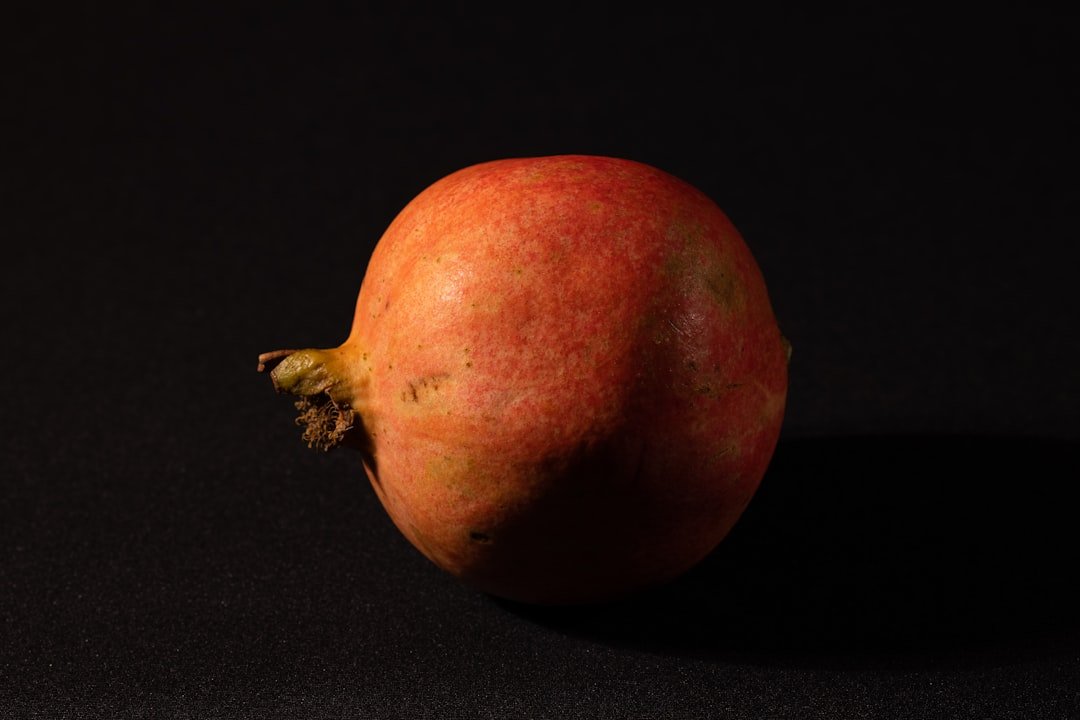
Ripe peaches give the cobbler better flavor, but they should still be firm enough to slice. Utah State University Extension recommends looking at the background color rather than the red blush: ripe peaches should have a yellow or cream background, a fresh peach aroma, and some softness.
| Peach Variety | What to Look For | Color | Firmness | Use in Cobbler |
|---|---|---|---|---|
| Yellow Peaches | Fresh peach aroma and no major bruising | Yellow or cream background | Ripe with a slight give | A reliable all-purpose choice |
| White Peaches | Fragrant fruit without bruised or mushy areas | Pale background with possible pink blush | Soft enough to yield gently | Works when ripe and flavorful |
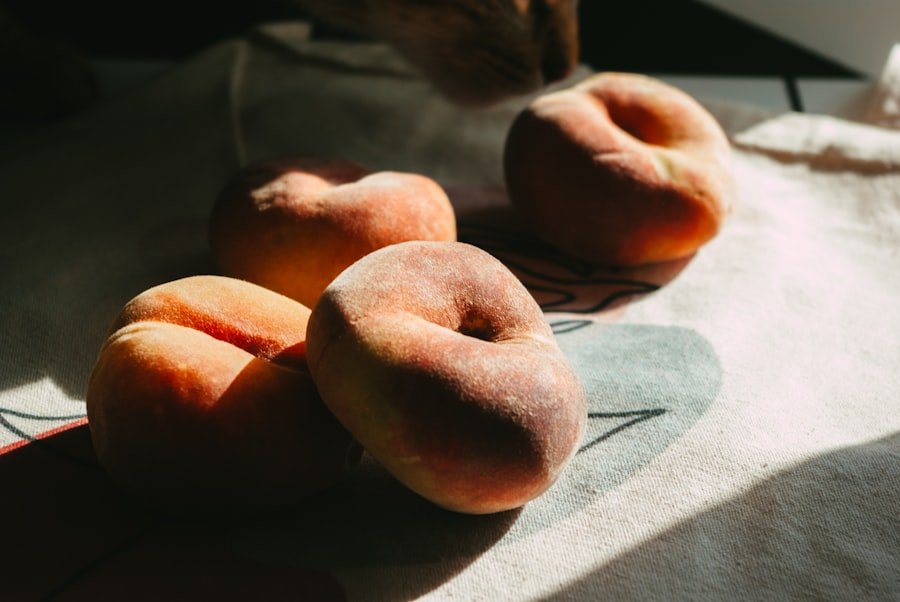
| Donut Peaches | Fragrant fruit without damaged skin | Varies by cultivar | Ripe with a slight give | Slice and use like other fresh peaches |
Avoid fruit that is hard and green, badly bruised, wrinkled, fermented-smelling, or already mushy. If peaches are firm but mature, let them ripen at room temperature before making the cobbler.
Fresh vs. Frozen vs. Canned Peaches
All three forms can make a good crockpot peach cobbler, but they need slightly different preparation. The main goal is to avoid adding more liquid than the cake-mix topping can handle.
- Fresh peaches: Peel if desired, remove the pits, slice, and measure about 4 cups. Ripe but sliceable fruit gives the best balance of flavor and texture.
- Frozen peaches: Thaw them first and drain obvious excess liquid. Frozen fruit can release more moisture as it cooks.
- Canned peaches: Drain well before adding them. Peaches packed in juice are useful when you want more control over the final sweetness.
Benefits of Using a Crockpot for Peach Cobbler
A slow cooker makes this dessert largely hands-off after the ingredients are assembled. It also keeps oven heat out of the kitchen, which can be useful during warm weather or when your oven is already occupied.
The USDA Food Safety and Inspection Service notes that slow cookers use less electricity than an oven and recommends keeping the lid in place during cooking. The enclosed cooking environment also traps steam, which helps the peaches become tender and juicy.
That moisture has one tradeoff: a slow-cooker cobbler topping will normally be softer than an oven-baked version. If a crisp top is your priority, an oven recipe is the better method.
How to Prevent a Soggy or Powdery Cake-Mix Topping
Most texture problems come from either too much fruit liquid or uneven butter coverage. Controlling both gives the dry cake mix enough moisture to cook without turning the whole topping into a wet paste.
- Drain excess peach liquid. This is especially useful with canned or thawed frozen fruit.
- Mix the cake mix with melted butter first. A crumbly mixture gives more even coverage than placing a few large butter pieces over completely dry powder.
- Spread the topping evenly. Thick piles are more likely to stay powdery in the center.
- Do not stir the topping into the fruit. Keep the peach and cake layers distinct.
- Limit lid lifting. Each check releases heat and steam, which can lengthen cooking.
- Let the finished cobbler rest uncovered briefly. Escaping steam helps the surface firm slightly and lets the filling settle.
Pro Tip: If your slow cooker tends to run hot around the edges, watch the cobbler closely near the end of cooking. The fruit should bubble, but the outside edge should not become hard or scorched before the center sets.
How to Customize the Recipe for Dietary Needs
The basic peach-and-cake-mix format is easy to adapt, but check every packaged ingredient rather than assuming it fits a specific diet. Cake mixes and butter substitutes can vary considerably by manufacturer.
Gluten-Free Option
Use a cake mix that is specifically labeled gluten-free and check the remaining ingredient labels. The FDA’s gluten-free labeling guidance explains that a gluten-free claim must meet federal requirements and also discusses the possibility of gluten cross-contact during production.
If you are preparing the cobbler for someone with celiac disease or strong gluten sensitivity, use clean utensils and a clean slow-cooker insert and avoid shared ingredients that may have contacted wheat-containing foods.
Reducing Added Sugar
Start with naturally sweet, ripe peaches and skip extra granulated sugar unless the fruit needs it. Frozen peaches without added sugar or canned peaches packed in juice also make it easier to control sweetness.
Keep in mind that standard cake mix still contains sugar. A sugar substitute added to the peach layer changes only that part of the recipe; it does not make a regular cake mix sugar-free.
Dairy-Free Alternative
Replace the butter with a dairy-free stick-style baking substitute that can be melted and mixed into the cake mix. Check the cake-mix label as well, because ingredients and allergen statements vary between products.
Serving Suggestions for Crockpot Peach Cobbler
Serve the cobbler warm after it has rested briefly. The contrast between the hot peaches and a cool topping such as vanilla ice cream is the classic choice, but several simple finishes work well.
- Vanilla ice cream
- Whipped cream
- A light drizzle of caramel sauce
- Chopped pecans or almonds for crunch
- Fresh mint for a simple garnish
- Coffee or tea alongside the dessert
For the neatest portions, give the cobbler a little time to settle before spooning it into bowls. It will still be soft and scoopable rather than sliceable.
How to Store and Reheat Leftover Peach Cobbler
Refrigerate leftover cobbler promptly in a shallow covered container. USDA guidance recommends refrigerating cooked leftovers within two hours and generally using refrigerated leftovers within 3–4 days.
The USDA leftovers guidance recommends reheating leftovers thoroughly to 165°F. Individual portions can be reheated in the microwave, while an oven can help dry the topping slightly if it has softened in the refrigerator.
Do not use the slow cooker itself to reheat refrigerated leftovers. Slow cookers heat gradually, so they are better for cooking the dessert than for bringing cold leftovers rapidly back to serving temperature.
Variations With Other Fruits
The same general method can be adapted to other fruits, although moisture and firmness vary. Keep the fruit layer manageable and avoid adding excessive liquid, especially with frozen fruit.
- Blueberry: Replace the peaches with blueberries for a softer filling with more tartness.
- Peach and blackberry: Combine the fruits for a sweet-tart cobbler.
- Apple: Use thinly sliced apples and warm spices such as cinnamon or nutmeg.
- Pear: Use ripe but firm sliced pears for a softer, mellow filling.
- Mixed fruit: Combine compatible fruits, but keep an eye on how much juice they release while cooking.
Different cake-mix flavors can also change the dessert. White, vanilla, yellow, or spice cake mixes pair naturally with fruit. Whatever flavor you choose, use the mix dry rather than preparing it as a conventional cake batter.
Key Takeaways
- Keep the peaches on the bottom and the cake-mix topping on top; do not stir the layers together.
- Drain canned peaches and excess liquid from thawed frozen peaches to reduce the chance of a soggy topping.
- Judge doneness by bubbling fruit and a set center, not by deep browning.
- A slow-cooker cobbler stays softer on top than an oven-baked version because steam remains trapped under the lid.
Frequently Asked Questions
What is crockpot peach cobbler with cake mix?
Crockpot peach cobbler with cake mix is a slow-cooker dessert made by layering peaches with dry cake mix and butter. As it cooks, the peaches soften and release juice while the cake mix forms a tender topping. It is closer to a dump-cake-style cobbler than a traditional biscuit-topped cobbler.
Can I use fresh peaches instead of canned peaches?
Yes, fresh peaches work well in crockpot peach cobbler. Use ripe but still sliceable peaches, remove the pits, and peel them if you prefer. Measure about 4 cups of sliced fruit so the filling and topping stay in balance.
Should I drain canned peaches for crockpot cobbler?
Yes, draining canned peaches is the safer choice for this version because the recipe already gets moisture from the fruit and butter. Too much syrup or juice can leave the cake-mix topping wet. Drain the fruit well, then measure the amount you need.
Do frozen peaches need to be thawed first?
Thawing frozen peaches first gives this cake-mix version more predictable results. Drain obvious excess liquid after thawing so the topping does not have to absorb as much water. Other cobbler formulas may use frozen fruit directly, but their thickener and topping can be different.
How long does peach cobbler take in a slow cooker?
Plan on roughly 2–3 hours on HIGH or around 4 hours on LOW, but rely on the dessert’s appearance because slow cookers heat differently. The peaches should bubble around the edges and the cake-mix topping should be set through the center before serving.
Why is there dry cake mix on top of my cobbler?
Dry cake mix usually means part of the topping did not get enough butter or moisture. Mix the dry cake mix and melted butter into crumbs before adding it, then spread the mixture evenly. If a small dry area remains near the end, moisten only that spot rather than stirring the whole dessert.
Can I make crockpot peach cobbler gluten-free?
Yes, you can make it gluten-free by using a cake mix labeled gluten-free and checking the labels on every other packaged ingredient. If you are cooking for someone with celiac disease or significant sensitivity, also use clean equipment and prevent cross-contact with gluten-containing foods.
How long does leftover peach cobbler keep in the refrigerator?
Refrigerated leftover peach cobbler should generally be used within 3–4 days. Transfer leftovers to a shallow covered container and refrigerate promptly. Reheat the portion you plan to eat in a microwave or conventional oven rather than reheating cold leftovers in the slow cooker.
Conclusion and Final Thoughts on the Recipe
Crockpot peach cobbler with cake mix works best when you keep the method simple: use flavorful peaches, control excess liquid, cover them evenly with the buttery cake-mix topping, and cook until the center sets. Serve it warm, store leftovers promptly, and adjust the fruit or cake-mix flavor when you want an easy variation.
Sources
- Utah State University Extension: Peach ripeness, selection, and storage guidance.
- USDA Food Safety and Inspection Service: Slow-cooker use, lid guidance, energy use, and safe handling principles.
- U.S. Food and Drug Administration: Gluten-free labeling and cross-contact guidance.
- USDA Food Safety and Inspection Service: Refrigerating and reheating leftovers safely.