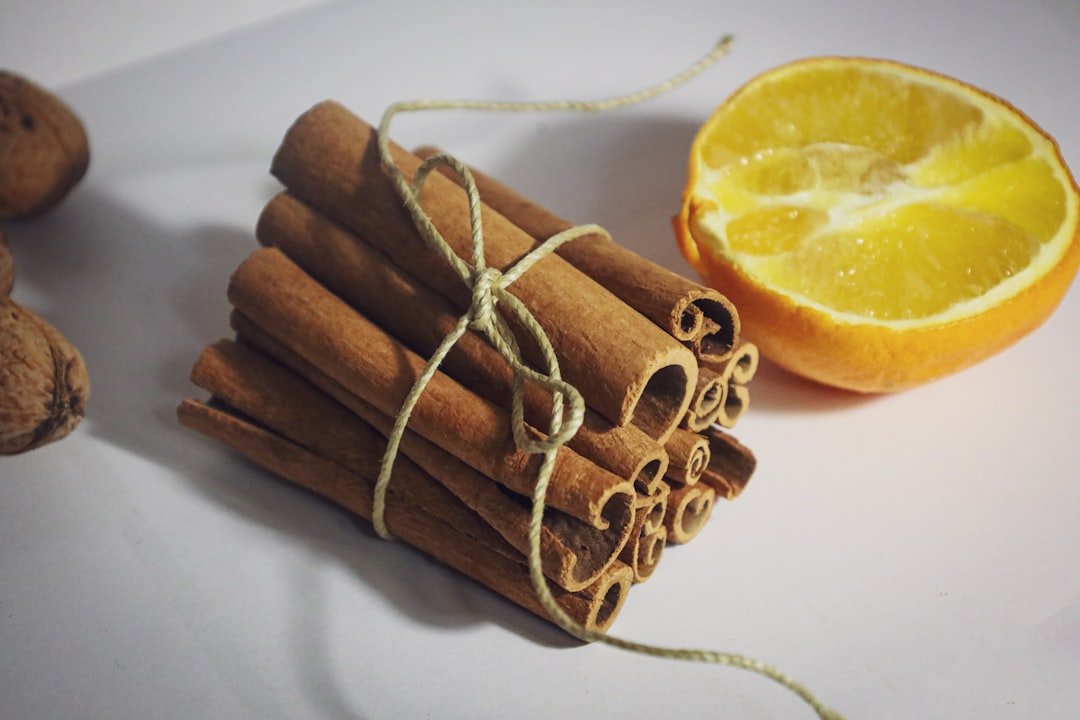
Cinnamon sticks are dried pieces of cinnamon bark that slowly release a warm, sweet-spicy aroma into food and drinks. Some of the most useful cinnamon sticks uses include tea, cider, oatmeal, rice pudding, curries, rice dishes, stews, syrups, and cooked glazes. Whole sticks work best for infusing; ground cinnamon is usually better when the spice needs to remain in the finished food.
Quick Answer
Use cinnamon sticks to infuse flavor into tea, cider, oatmeal, rice pudding, curries, rice dishes, stews, syrups, and cooked glazes. Add the stick while liquid simmers, then remove it before serving. Use ground cinnamon instead for baking, smoothies, dry rubs, and spice blends where woody pieces would be unpleasant.
Key Takeaways
- Use whole cinnamon sticks when food or liquid has enough time to simmer and absorb their aroma.
- Remove the stick before serving drinks, puddings, sauces, and other dishes where someone could accidentally bite into it.
- Choose ground cinnamon for baked goods, smoothies, dry seasonings, and recipes where cinnamon needs to disperse evenly.
- Ceylon and cassia cinnamon differ in flavor, structure, and coumarin content, which matters most with frequent or high intake.
- Cinnamon sticks also work in potpourri and decorations, but they should not be placed in candle wax near a flame.
Cinnamon Sticks Uses for Beverages
Cinnamon sticks are especially useful in drinks because hot liquid extracts their aroma gradually without leaving a layer of gritty powder. They work well in tea, coffee, hot chocolate, apple cider, mulled drinks, and spiced milk.
For spiced apple cider, simmer a cinnamon stick with apple juice or cider and complementary spices such as cloves. Orange peel can add a bright citrus note. Remove the whole spices before serving so the drink is easy to sip.
Chai is another natural match. Simmering cinnamon with black tea, ginger, cardamom, and cloves builds a layered aroma. Because a whole stick infuses more slowly than powder, you can control the strength by tasting the drink as it cooks.
You can also use a cinnamon stick while heating milk, hot chocolate, or coffee. A short infusion gives a mild flavor, while a longer simmer produces a stronger woody-spice note. Avoid aggressively boiling dairy, which can scorch independently of the cinnamon.
Cinnamon Stick Desserts
)
Whole cinnamon sticks are best in desserts that contain a liquid you can infuse and later strain or remove. Rice pudding, custard bases, poached fruit, compotes, syrups, and warm milk desserts are all good examples.
For rice pudding, add the stick while the rice and milk cook. The milk absorbs the cinnamon aroma as the pudding thickens. Remove the stick before serving, then use a light dusting of ground cinnamon on top if you want a stronger finish.
Poached apples, pears, plums, and similar fruits also benefit from whole cinnamon. Add the stick to the poaching liquid with sugar, honey, citrus peel, or other spices that suit the recipe. Because the bark stays intact, it is easy to remove before plating the fruit.
Use ground cinnamon rather than whole pieces inside cinnamon rolls, cakes, cookies, and breads. A cinnamon stick remains woody even after baking, so putting pieces directly into a filling can create hard, unpleasant bites. Grind the cinnamon first or use ready-ground cinnamon for an even layer of flavor.
Cinnamon Stick Spice Blends
| Application | Best Form | How to Use It | Why It Works |
|---|---|---|---|
| Garam masala and other spice blends | Freshly ground | Break the stick as needed and grind it with the other whole spices | Ground spice disperses evenly without leaving hard bark pieces |
Cinnamon is common in spice blends alongside ingredients such as cardamom, cloves, cumin, coriander, nutmeg, ginger, allspice, pepper, or star anise. The exact combination depends on the cuisine and recipe.
For garam masala and similar dry blends, grind the cinnamon stick rather than leaving large bark pieces in the finished mixture. A spice grinder or other appliance designed to handle hard whole spices is the practical choice. Breaking a large stick into smaller pieces first can make grinding easier.
Pumpkin-style spice blends generally use ground cinnamon because the finished mixture must disperse evenly through batter, drinks, fillings, and toppings. You can still start with whole cinnamon if you grind it finely before combining it with the other spices.
For best flavor quality, keep unused sticks tightly sealed and away from heat and moisture. The USDA Food Safety and Inspection Service says whole spices generally maintain best quality for about two to four years at room temperature, while ground spices lose aroma more quickly.
Cinnamon Stick Breakfast Ideas
A cinnamon stick can flavor breakfast foods that simmer, especially oatmeal, porridge, warm milk, and cooked fruit. For foods that are blended, baked, or eaten immediately, ground cinnamon is usually the better form.
For oatmeal, add the stick to the cooking liquid before or while the oats simmer. Remove it before serving, then add fruit, nuts, honey, or another topping to taste. Apples and bananas pair particularly well with cinnamon’s warm flavor.
You can use the same method with rice porridge and other hot cereals. Cinnamon slowly perfumes the liquid while keeping the finished bowl smooth rather than powdery.
For pancakes, waffles, granola, French toast, or muffins, use ground cinnamon because it needs to mix evenly with the batter, coating, or dry ingredients.
For smoothies, do not drop a whole cinnamon stick into the blender as if it were a soft ingredient. Use ground cinnamon, or first grind a cinnamon stick into a fine powder with equipment designed for whole spices. This gives a smoother drink and avoids hard fragments of bark.
Cinnamon Stick Marinades and Glazes
)
Cinnamon can work with meat and vegetables, but whole sticks are most effective in a liquid that is heated or simmered. For a cold marinade, ground cinnamon usually distributes flavor more effectively than an intact stick.
A small amount of cinnamon can complement ingredients such as soy sauce, garlic, citrus, honey, maple syrup, vinegar, or warm savory spices. Keep the cinnamon restrained so it supports the other flavors rather than making the dish taste like dessert.
A whole stick is particularly useful in a cooked glaze. For example, you can simmer it in a honey- or maple-based glaze, let the flavor infuse, and remove the stick before brushing the glaze over roasted vegetables or meat.
Cinnamon itself should be treated as a flavoring ingredient here, not as a meat tenderizer. If a marinade tenderizes meat, that effect comes from the marinade’s other ingredients and the way they interact with the food.
Cinnamon Stick Savory Dishes
Cinnamon sticks are widely useful in savory dishes where they can simmer with other spices and aromatics. Curries, braises, stews, rice dishes, lentils, broths, tagines, and chili can all accommodate cinnamon when the flavor suits the recipe.
In many South Asian dishes, cinnamon is added with other whole spices near the start of cooking. Gentle heating in oil or ghee releases aroma before onions, rice, vegetables, meat, or liquid are added. Avoid scorching the bark or other spices.
For biryani, pilaf, pulao, and similar rice dishes, the stick can cook with the rice and other whole spices. Remove it before serving or make sure diners can clearly see and avoid the hard bark.
Slow-cooked lamb, chicken, beef, chickpeas, tomatoes, dried fruit, and root vegetables can also pair well with cinnamon. Moroccan-style stews and tagines are familiar examples of savory cooking where cinnamon can sit comfortably beside cumin, coriander, ginger, and other aromatic spices.
Cinnamon can also add background warmth to chili. The goal is not to make the chili noticeably sweet. Use it as a supporting spice and remove the stick once the flavor has developed.
Cinnamon Stick Health Benefits and Safety
Cinnamon contains biologically active plant compounds, but culinary use and medical treatment are not the same thing. Current evidence does not clearly support using cinnamon to treat a specific health condition.
The National Center for Complementary and Integrative Health says research does not clearly support cinnamon for any health condition and that evidence for cinnamon supplementation in diabetes remains uncertain. Cinnamon is generally considered safe in the amounts normally used as a food spice, but larger or prolonged amounts can cause problems for some people.
One important difference is coumarin, a naturally occurring compound found at much higher levels in many cassia cinnamon products than in Ceylon cinnamon. High or prolonged coumarin exposure can be a concern for the liver in susceptible people.
The German Federal Institute for Risk Assessment uses a tolerable daily intake of 0.1 milligram of coumarin per kilogram of body weight. Its monitoring data found cassia cinnamon averaging about 3,000 milligrams of coumarin per kilogram, meaning a 60-kilogram adult could reach that daily limit at roughly 2 grams of average-coumarin cassia cinnamon. Ceylon cinnamon contains much less coumarin.
Ceylon sticks are also physically different from cassia. Ceylon cinnamon usually forms many thin, papery layers, while cassia often appears as a thicker, harder single roll. Ground cinnamon is much harder to identify visually, so the package label matters if the species is important to you.
Note: Enjoy cinnamon primarily as a food spice. If you have liver disease, take medicines, are pregnant, or want to use cinnamon supplements or unusually large amounts for a health condition, discuss it with a qualified health professional.
Cinnamon Stick DIY Crafts
Cinnamon sticks also work well as decorative craft materials because they are dry, sturdy, naturally brown, and aromatic. They are especially suitable for potpourri, wreaths, ornaments, gift decorations, and seasonal table displays.
For simple potpourri, combine whole cinnamon sticks with dried citrus peel, cloves, star anise, dried flowers, or other aromatic materials. Place the mixture in an open decorative bowl or a breathable sachet so air can carry the fragrance.
You can also bundle several sticks with twine or ribbon for ornaments and package decorations. On a wreath, their straight shape and warm color work well beside pinecones, dried citrus, evergreen material, or other seasonal decorations.
Keep these crafts dry and away from open flames, hot burners, fireplaces, and other ignition sources. Cinnamon bark is plant material and can burn.
Cinnamon Stick Home Fragrance
The simplest way to use cinnamon sticks for home fragrance is a stovetop simmer pot. Warm them in water with ingredients such as citrus peel or cloves, and the steam will carry the aroma through the room.
Use enough water to keep the ingredients submerged and check the pot regularly so it does not boil dry. Turn off the heat when you are finished. Potpourri and sachets are better choices when you want fragrance without keeping a pan warm.
Warning: Do not embed cinnamon sticks, crushed bark, dried flowers, or similar flammable plant material in candle wax near the wick. The U.S. Consumer Product Safety Commission documented a cinnamon-stick candle recall because the sticks could ignite and create a fire hazard.
If you want cinnamon fragrance from a candle, use a properly manufactured scented candle rather than adding loose cinnamon sticks or plant material to a burning candle yourself. Cinnamon sticks can still be used decoratively in arrangements that stay well away from flame and heat.
Embracing the Versatility of Cinnamon Sticks
Cinnamon sticks are most useful wherever slow infusion makes sense. Keep them whole for drinks, rice, pudding, stews, curries, syrups, cooked glazes, and fragrance pots; grind them when the spice needs to remain evenly distributed in baked goods, smoothies, rubs, or spice blends.
Store the sticks sealed, dry, and away from heat. Remove whole pieces before serving when practical, and use Ceylon cinnamon when frequent high cinnamon intake makes lower coumarin exposure a priority.
Frequently Asked Questions
What are cinnamon sticks?
Cinnamon sticks are dried pieces of bark from Cinnamomum trees. The bark curls as it dries, forming the familiar sticks or quills used to flavor food and drinks.
How are cinnamon sticks used in recipes?
Cinnamon sticks are usually simmered or steeped in liquids so their flavor can slowly infuse the dish. They work well in tea, cider, rice, curries, stews, oatmeal, rice pudding, poached fruit, syrups, and cooked glazes.
Can cinnamon sticks be ground into powder?
Yes, cinnamon sticks can be ground into powder with a spice grinder or other equipment designed for hard whole spices. Break large sticks into manageable pieces if your grinder instructions allow it, then grind until the texture suits your recipe.
Should you remove cinnamon sticks before serving?
Yes, removing cinnamon sticks before serving is usually the safest and most pleasant choice. The bark is hard and woody, so it is meant to flavor the food rather than be eaten as a large intact piece.
How should cinnamon sticks be stored?
Store cinnamon sticks in a tightly closed container in a cool, dry place away from heat, moisture, and direct light. Whole spices generally retain their aroma longer than ground spices, so grind only what you need when possible.
What is the difference between Ceylon and cassia cinnamon sticks?
Ceylon cinnamon usually has many thin, papery bark layers and a more delicate flavor, while cassia is generally thicker, harder, and stronger tasting. Cassia also tends to contain substantially more coumarin than Ceylon cinnamon.
Should you use cinnamon sticks or ground cinnamon?
Use cinnamon sticks for simmering and infusing, especially when you want to remove the spice later. Use ground cinnamon for baking, smoothies, dry rubs, fillings, toppings, and other recipes where the spice needs to stay evenly mixed into the food.
Sources
- National Center for Complementary and Integrative Health: Cinnamon types, health evidence, food-use safety, coumarin concerns, and supplement precautions.
- German Federal Institute for Risk Assessment: Ceylon versus cassia identification, coumarin levels, and the tolerable daily intake.
- USDA Food Safety and Inspection Service: Quality storage guidance for whole and ground spices.
- U.S. Consumer Product Safety Commission: Documented fire hazard involving cinnamon sticks used with candles.