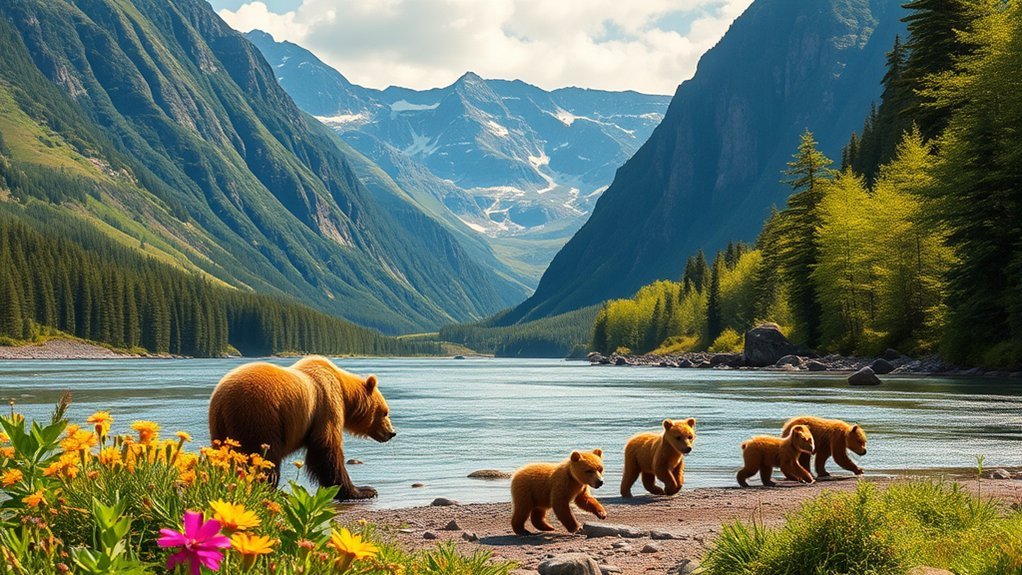
For a seven-day independent Alaska land trip in 2026, plan about $1,050–$1,750 per person on a strict budget, $1,925–$3,500 at mid-range, or $3,500–$7,000 or more for a tour-heavy trip, before airfare. If you are asking how much a trip to Alaska costs, the biggest variables are usually lodging, transportation, and major excursions such as cruises, flightseeing, and remote wildlife tours. The estimates below assume two travelers share most lodging and ground-transportation costs and show how food, park fees, fuel, seasonal pricing, and a contingency buffer change the final total.
Quick Answer
For a seven-day independent Alaska land trip, plan about $1,050–$1,750 per person on a strict budget, $1,925–$3,500 at mid-range, or $3,500–$7,000 or more with premium tours, before airfare. These estimates assume two people share most lodging and ground-transportation costs.
Key Takeaways
- Price airfare separately because the cost depends heavily on your departure city, travel dates, baggage, and booking time.
- Lodging and paid tours create the largest swings in a typical Alaska vacation budget.
- May and September can offer better value than June through August, but some seasonal services may be limited.
- Add a 10% to 15% buffer for taxes, fuel, parking, luggage, tips, gear, and schedule changes.
How Much Does a Trip to Alaska Cost?
Your travel style is usually the biggest cost driver. A budget trip stays lower when you camp or use hostels, prepare simple meals, limit paid tours, and focus on one road-connected region. A mid-range trip rises quickly when you add hotels, a rental car, restaurant meals, and one or two major excursions. A tour-heavy trip can cost far more because flightseeing, remote bear viewing, helicopter landings, fishing charters, and private transfers carry premium rates.
Note: The ranges below exclude airfare to Alaska. They assume a seven-day land trip with two travelers sharing a room and most ground-transportation costs. Solo travelers usually pay more per person, while families or groups may lower some shared costs.
| Travel Style | Best Fit | Main Cost Drivers | 7-Day Planning Estimate | Approx. Per Day |
|---|---|---|---|---|
| Budget | Campers, hostel travelers, careful road trippers | Groceries, campsites, fuel, free hikes, one modest tour | $1,050–$1,750 per person, before airfare | About $150–$250 |
| Mid-range | First-time couples or families | Hotels, rental car or rail, mixed dining, one or two major tours | $1,925–$3,500 per person, before airfare | About $275–$500 |
| Tour-heavy | Wildlife, glaciers, fishing, flightseeing, premium lodging | Remote excursions, private transfers, peak-season rooms | $3,500–$7,000 or more per person, before airfare | About $500–$1,000+ |
How these estimates were built: The planning model combines current 2026 published fares and fees from Alaska transportation providers, the National Park Service, Alaska State Parks, and major tour operators with working allowances for lodging, food, and a 10% to 15% contingency buffer. Airfare is excluded, and two travelers are assumed to share a room and most vehicle costs. As a cross-check, the Alaska.org trip-cost calculator currently estimates a typical seven-day Alaska vacation at around $3,000 per person and independent land trips at about $2,400–$4,000 per person under a more excursion-heavy model.
Solo traveler adjustment: Price the full room and vehicle cost first instead of dividing those items by two. Then add food, admissions, and per-person tours normally. This gives a more realistic solo budget than simply multiplying one of the shared-cost estimates above.
Use the ranges as a planning model, not a live quote. Your final total should follow this formula:
Airfare + lodging + ground transportation + food + tours + fees and extras + a 10% to 15% buffer = your realistic Alaska trip budget.
What Changes Your Alaska Trip Cost Most?
The same seven-day Alaska trip can have very different totals. Before comparing budgets, check whether each estimate includes airfare, whether rooms and vehicles are shared, how many paid tours are included, and whether the trip takes place during peak summer.
- Travel month: June through August usually brings the widest selection and the highest demand. May and September may be cheaper, but some tours and services operate on shorter schedules.
- Region: A road-system trip around Anchorage, Seward, Denali, or Fairbanks is easier to price than a remote trip that requires bush flights or boats.
- Party size: Couples and families can divide room, rental-car, fuel, and parking costs. A solo traveler pays those fixed costs alone.
- Excursions: A glacier cruise may add a few hundred dollars, while a remote fly-out bear-viewing day can add more than $1,000 per person.
- Booking time: Popular rooms, vehicles, rail seats, buses, and tours may sell out, leaving only higher-priced alternatives.
Transportation Costs: Flights, Cars, Rail, and Ferries
Transportation can shape your entire Alaska budget. Flights to Anchorage, Fairbanks, Juneau, and smaller gateways vary by departure city, season, baggage needs, and how early you book. Because airfare changes constantly, price it as a separate line item instead of burying it inside a daily estimate.
Airfare to Alaska
Compare nearby departure airports, nonstop and connecting routes, baggage fees, and flexible dates. Anchorage usually offers the broadest range of connections for a Southcentral road trip, while Fairbanks works well for Interior and Denali itineraries. Juneau is a practical gateway for Southeast Alaska, where flights and ferries matter more than road travel.
Rental Cars and Fuel
A rental car is helpful for road-system trips, especially Anchorage to Seward, Anchorage to Denali, or Fairbanks-area itineraries. Before booking, compare the complete checkout total rather than the advertised daily rate. Add fuel, insurance choices, airport or facility fees, taxes, parking, mileage limits, one-way charges, and any restrictions on gravel roads.
Cluster your stops by region to control driving costs. A week split between Anchorage and the Kenai Peninsula is usually easier on the budget than a route that repeatedly moves between Southcentral Alaska and the Interior.
Alaska Railroad Costs
Rail can replace some rental-car days, but it is not automatically cheaper. For the 2026 summer season, the Alaska Railroad fare table lists Adventure Class at $133 one way from Anchorage to Seward, $205 one way from Anchorage to Denali, and $102 one way from Denali to Fairbanks for an adult. Premium GoldStar service costs more.
Compare the train price with the full cost of a car, fuel, parking, and unused rental days. Rail works best when your hotels and tours provide local pickup or you plan to stay near the depot.
Ferries and Motorcoaches
Southeast Alaska and coastal itineraries may depend on the Alaska Marine Highway, local ferries, or flights. The Alaska Marine Highway fare tool calculates the price by route, sailing date, passenger count, cabin choice, and vehicle details. Vehicle transport changes the total, so compare a walk-on ferry trip with flying or renting a car after arrival.
Motorcoaches can connect Anchorage with Seward, Whittier, Denali-area communities, and cruise terminals. Check luggage rules, pickup points, cancellation terms, and whether the transfer is tied to a cruise day.
Accommodation Options: Hotels, Cabins, Hostels, and Camping
Where you sleep has a major effect on your final Alaska trip cost. According to Travel Alaska’s planning guidance, peak-season accommodations are commonly $200 or more per night. Rates can climb in Seward, Denali-area communities, cruise ports, and other places with limited inventory.
| Lodging Type | Useful Planning Range | What to Check |
|---|---|---|
| State park camping | About $10–$45 per night | Reservations, water, showers, vehicle fees, food storage |
| Public-use cabin | About $35–$75 per night in current state and federal examples | Access method, bedding, stove fuel, water, cleaning rules |
| Hostel | Often about $40–$60 per person per night | Private versus shared room, kitchen, parking, curfew |
| Hotel or lodge | Commonly $200 or more per room in peak season | Taxes, parking, breakfast, cancellation policy, shuttle service |
Travel Alaska’s current budget guidance says many public-use cabins typically run about $35–$65 per night. For another current example, Kenai Fjords National Park lists its public-use cabins at $50 or $75 per night depending on the cabin and season.
Cabins and vacation rentals can offer better value when you want a kitchen, more space, or a quieter base near trails and scenic drives. They can also reduce meal costs if you cook breakfast, pack lunches, and save restaurants for a few special dinners.
Camping is often the cheapest lodging style, but it still needs planning. The Alaska State Parks fee page lists nightly camping from $10 to $45 and daily parking from $5 to $10. Confirm campground opening dates, reservation rules, bear-safe food storage, shower availability, and whether you need to buy or rent gear.
Pro Tip: Compare the total stay cost, not only the room rate. A slightly higher room with breakfast, parking, a kitchenette, or a tour shuttle may cost less overall than a cheaper room that requires extra meals and transportation.
Activity Expenses: Tours, Excursions, and Wildlife Viewing
Activities are where many Alaska budgets jump. Free hikes, scenic drives, visitor centers, public beaches, wildlife pullouts, and ranger programs can keep costs low. Guided tours cost more, but they can provide safe access to water, ice, remote wildlife habitat, and places you cannot reasonably reach alone.
| Experience | 2026 Price Example or Range | Budget Note |
|---|---|---|
| Free hikes, scenic drives, visitor centers | Free, plus possible parking or transport | Best way to balance an expensive tour day |
| Denali tour bus | $116.75–$144.75 per adult | Adult price includes the $15 entrance fee |
| Seward wildlife or glacier cruise | About $149–$309 per adult before tax and fees | Longer cruises cost more and may include lunch |
| Remote fly-out bear viewing | About $1,128–$1,467 per person in current examples | One tour can equal several days of a budget trip |
The National Park Service lists 2026 adult Denali bus prices at $116.75 for the Natural History Tour and $144.75 for the Tundra Wilderness Tour. Current conditions also state that buses travel no farther than the East Fork Bridge at mile 43 of the Denali Park Road. Review the official Denali bus page and current park conditions before booking.
For a Seward example, Major Marine Tours lists 2026 adult prices from $149 for a four-hour wildlife cruise to $309 for an 8.5-hour Northwestern Fjord cruise, before tax and fees. Its six-hour Kenai Fjords National Park cruise is $239 per adult. Remote bear-viewing costs are much higher: the Alaska Railroad’s 2026 excursion page lists examples from $1,128 to $1,467 per person.
To control costs, choose one or two must-do paid experiences and build free or low-cost days around them. If Denali, Kenai Fjords, or a glacier cruise is the highlight of your trip, reserve that experience first, then adjust lodging and transportation around the confirmed date.
Warning: Weather can delay or cancel boat tours, flightseeing, ferries, and bush flights. Read refund and rebooking terms before paying, and avoid placing a nonrefundable flight or hotel immediately after a weather-dependent excursion.
Park, Permit, and Reservation Costs
Do not forget park fees, bus reservations, campground charges, parking, cabin bookings, and activity permits. Denali National Park charges $15 per person age 16 or older for a seven-day entrance pass. Visitors age 15 or younger enter free. Some bus, campground, mountaineering, and special-use costs are separate.
For 2026, the Denali fees page lists the America the Beautiful Resident Annual Pass at $80 for U.S. citizens and residents and the Non-Resident Annual Pass at $250 for non-U.S. residents. Compare those passes with the entrance fees on your full itinerary instead of assuming one will save money.
Not every Alaska national park charges admission. For example, Kenai Fjords National Park does not charge an entrance fee, and its 12-site tent campground at Exit Glacier has no camping fee. Transportation, tours, parking outside the park, and public-use cabins may still cost extra.
If you plan to camp, hike in regulated backcountry areas, fish, film commercially, use a public cabin, or book a park bus, check the exact rules for that park or land manager before finalizing your budget.
Food and Dining: Eating Out vs. Cooking
Food costs depend on where you travel and how often you eat out. Travel Alaska says restaurant prices are generally similar to or slightly higher than those in many major U.S. cities. Tourist-heavy towns, remote communities, lodge restaurants, alcohol, and seafood meals can push the total higher.
Restaurant Prices Overview
For 2026 planning, Alaska.org’s food-budget guidance suggests about $25 to $40 per person per day when you rely mostly on groceries with an occasional splurge, $40 to $60 when you mix groceries and restaurants, and about $50 to $100 when you eat restaurant meals throughout the day.
These are planning allowances rather than fixed menu prices. To save money without skipping local food, eat out selectively, choose casual restaurants or food trucks, and reserve splurge meals for places known for regional dishes.
Grocery Shopping Tips
Grocery shopping can stretch your Alaska budget. Stock up in larger towns before driving to smaller communities, pack snacks for long road days, and choose lodging with a fridge or kitchenette when possible. Simple breakfasts, picnic lunches, and reusable containers can cut daily costs without making the trip feel restrictive.
Useful staples include bread, eggs, oatmeal, fruit, trail mix, tortillas, canned fish, soup, pasta, and coffee. If you are camping, follow food-storage rules and never leave food, scented items, or coolers where bears or other wildlife can reach them.
Seasonal Considerations: When to Visit Alaska
When you visit affects both cost and experience. Summer, especially June through August, brings long daylight hours, milder conditions, strong wildlife-viewing opportunities, and the widest range of tours. It also brings higher demand for rooms, rental cars, cruises, rail seats, and popular excursions.
Shoulder season can offer better value. Travel Alaska reports that May prices for flights and accommodations can run 20% to 40% below peak summer rates, although some services may not open until mid- or late May. September can also bring lower prices, fall color, and darker skies, but many summer tours begin reducing service after Labor Day or by mid-September.
Travel Alaska also recommends starting your search about six months before a summer trip and aiming to book no later than roughly three months before departure. Earlier planning matters most for popular lodges, vehicles, rail seats, and limited-capacity tours.
April may be inexpensive, but it is not a direct substitute for a summer trip. Many summer roads, campgrounds, visitor services, rail routes, and boat tours are not yet operating. If your goal is hiking, cruising, and broad access, late May through early September is usually easier to plan. If your goal is the northern lights, choose darker months and build in extra nights because clouds can block the sky.
Independent Land Trip vs. Alaska Cruise Costs
An Alaska cruise is not automatically cheaper than an independent land trip. A cruise fare can look lower because it often bundles your cabin, transportation between ports, meals, and entertainment, but the advertised fare is not the complete vacation cost. Add airfare to the departure port, taxes and port charges, gratuities, drinks or specialty dining, shore excursions, transfers, travel insurance, and hotels before or after the sailing.
A land trip gives you more control over pace, lodging, meals, and road-accessible parks. It also exposes you directly to hotel, rental-car, fuel, and food costs. Compare complete trip totals rather than comparing a cruise’s base fare with a fully loaded land budget.
Budgeting for Souvenirs and Extras
Small extras can quietly raise your Alaska trip cost. Souvenirs, coffee stops, snacks, laundry, parking, gear, tips, baggage fees, and last-minute weather changes all deserve room in the budget.
| Extra | Suggested Allowance |
|---|---|
| Souvenirs | Set a personal trip limit, such as $25–$150 |
| Coffee, snacks, and drinks | About $10–$30 per person per day |
| Laundry, parking, and small fees | About $50–$150 per trip |
| Unexpected changes | Keep 10%–15% of the main budget uncommitted |
Set a daily extras limit before you travel. This keeps small purchases from competing with the experiences you care about most.
Costs People Forget When Planning Alaska
Alaska budgets often break because travelers remember flights and hotels but forget the smaller trip mechanics. Add room for these costs before you book:
- Fuel and long drives: Distances between stops can be large, and fuel may cost more in remote areas.
- Baggage and gear: Rain jackets, layers, hiking shoes, bug protection, dry bags, and checked-luggage fees can add up.
- Taxes and fees: Lodging taxes, rental-car charges, airport fees, harbor fees, booking fees, and local taxes vary by place and provider.
- Parking and shuttles: Hotels, trailheads, ports, and tour check-in points may charge separately.
- Weather delays: Boat tours, flightseeing, ferries, and bush flights can shift when conditions change.
- Reservation timing: Popular campgrounds, park buses, rooms, vehicles, and tours may require early booking.
- Tips: Guided tours, drivers, housekeeping, and restaurant service may add to the daily total.
- Travel insurance: Coverage can help with some eligible cancellations or interruptions, but terms and exclusions vary.
Tips for Saving Money on Your Trip
You can lower your Alaska trip cost without cutting the best parts. Start by choosing the right season for your goal. If you do not need peak summer dates, compare May and September, then confirm which tours, campgrounds, roads, rail services, and visitor facilities operate during your exact dates.
Next, cluster your itinerary by region. Spend several days around Anchorage and the Kenai Peninsula, or build a separate Fairbanks and Denali trip, instead of zigzagging across the state. Fewer hotel changes, fewer long drives, and fewer one-way transfers can save money and reduce stress.
Finally, mix paid highlights with free days. A glacier cruise, wildlife tour, or flightseeing trip can be the centerpiece, while hikes, scenic pullouts, visitor centers, local markets, and self-guided walks fill the rest of the itinerary.
- Book rooms, vehicles, and must-do tours early, but compare cancellation policies.
- Choose lodging with breakfast, a fridge, or a kitchenette.
- Buy groceries in Anchorage, Fairbanks, Juneau, or another larger community before heading to smaller towns.
- Compare a rental car with rail and motorcoach costs for the exact route.
- Use child, senior, military, resident, or passholder discounts when you qualify.
- Return to the same car-rental location when possible to avoid one-way charges.
- Leave one flexible low-cost day in the schedule for weather changes.
Sample 7-Day Alaska Itinerary and Cost
A sample itinerary shows where the money goes. This route uses Anchorage, Seward, and Denali, keeping the trip on the road-and-rail system while still including glaciers, wildlife, mountains, and small-town scenery. The totals are planning estimates, not live quotes.
7-Day Adventure Itinerary
| Day | Plan | Main Cost |
|---|---|---|
| 1 | Arrive in Anchorage, buy groceries, and take a short city walk | Hotel, airport transfer or rental car, meals |
| 2 | Drive or take rail or motorcoach to Seward | Transportation and Seward lodging |
| 3 | Take a Kenai Fjords cruise or combine Exit Glacier with free local sightseeing | Cruise, meals, parking, second Seward night |
| 4 | Return to Anchorage with scenic stops | Transportation, fuel, Anchorage lodging |
| 5 | Travel to the Denali area by car, rail, or motorcoach | Transportation and Denali-area lodging |
| 6 | Take a Denali bus tour or use park shuttles and trails near the entrance | Bus ticket, meals, second Denali-area night |
| 7 | Return to Anchorage or continue to Fairbanks for departure | Transportation, fuel or rail, final meals |
Sample Cost Breakdown
For two people sharing a room and ground transportation, a realistic seven-day version of this route may fall between about $1,500 and $4,500 per person before airfare. The lower end uses simpler lodging, groceries, and fewer paid activities. The higher end uses peak-season hotels, rail or a rental car, restaurant meals, a Kenai Fjords cruise, and a Denali bus tour.
| Category | Planning Range Per Person | Assumption |
|---|---|---|
| Lodging | $450–$1,200 | Six nights, two people sharing |
| Ground transportation and fuel | $350–$900 | Shared rental car, or a mix of rail and motorcoach |
| Food | $250–$700 | Groceries at the low end; restaurant-heavy eating at the high end |
| Tours and park activities | $250–$1,000 | One or two major paid experiences |
| Fees, parking, snacks, and buffer | $200–$700 | Taxes, luggage, parking, tips, extras, and contingency |
| Estimated land total | $1,500–$4,500 per person | Add round-trip airfare separately |
What Budget Should You Set for Alaska?
For a seven-day Alaska land trip, a strict budget works best for travelers comfortable with camping or hostels, groceries, and mostly free activities. A mid-range budget suits first-time visitors who want hotels, shared transportation, mixed dining, and one or two major excursions. A tour-heavy budget makes more sense if remote wildlife viewing, flightseeing, premium lodging, or private transfers are central to the trip. Start by pricing airfare separately, lock in the one or two experiences you care about most, then build lodging and transportation around them and keep 10% to 15% of the main budget uncommitted.
Frequently Asked Questions
How much does a 7-day trip to Alaska cost?
For a seven-day independent Alaska land trip, plan about $1,050–$1,750 per person on a strict budget, $1,925–$3,500 at mid-range, or $3,500–$7,000 or more for a tour-heavy trip, before airfare. These ranges assume two people share most lodging and ground-transportation costs.
What is the cheapest time to visit Alaska for summer-style travel?
For summer-style travel, May and September are usually the best-value periods. Travel Alaska says May flights and accommodations can run 20% to 40% below peak summer rates, but some services do not open until mid- or late May. September is also lower priced, with some operators reducing service as the season winds down.
Is Alaska expensive to visit?
Alaska can be expensive, but the total depends heavily on lodging, transportation, and excursions. A budget traveler can keep costs lower with camping or hostels, groceries, free hikes, and fewer tours. A tour-heavy trip rises quickly with premium lodging, flightseeing, bear viewing, fishing, and private transfers.
Is an Alaska cruise cheaper than an independent land trip?
Neither option is always cheaper. Cruise fares often bundle a cabin, transportation between ports, meals, and entertainment, but travelers still need to add airfare, taxes and port charges, gratuities, drinks, excursions, transfers, insurance, and possible hotel nights. Land trips offer more control but price lodging, transportation, fuel, and food separately.
How much should I budget for food in Alaska?
For 2026 planning, Alaska.org suggests about $25–$40 per person per day when relying mostly on groceries, $40–$60 when mixing groceries and restaurants, and $50–$100 when eating restaurant meals throughout the day. Remote or tourist-heavy locations and alcohol can push spending higher, while a kitchenette can keep costs closer to the lower end.
Sources
- Travel Alaska: Alaska on a Budget — peak and shoulder-season guidance, public-use cabin and hostel ranges, park-fee context, and booking guidance.
- Travel Alaska: Travel Tips — peak-season lodging and restaurant-cost guidance.
- National Park Service: Denali Fees and Passes — entrance fees and 2026 America the Beautiful pass prices.
- National Park Service: Denali Bus Tours — 2026 adult and child tour prices.
- National Park Service: Denali Current Conditions — summer 2026 Mile 43 park-road closure and operating conditions.
- Alaska Railroad: 2026 Fares — Anchorage, Seward, Denali, and Fairbanks rail pricing.
- Alaska Railroad: Flightseeing and Bear Viewing Tours — current 2026 remote bear-viewing examples.
- Alaska State Parks: Fees — camping, parking, boat-launch, and other recreation fees.
- Alaska Marine Highway System: Fares — route-specific fare search and availability.
- Major Marine Tours: 2026 Cruise Pricing — current Seward wildlife and Kenai Fjords cruise prices.
- National Park Service: Kenai Fjords Fees and Passes — entrance fees, campground fees, and public-use cabin prices.
- Alaska.org: Alaska Trip Cost Calculator — seven-day trip benchmarks and independent land-tour cost assumptions.
- Alaska.org: Food Budget Guide — current 2026 grocery, mixed-dining, and restaurant-focused daily food allowances.