Pumpkin mousse is a light, creamy fall dessert that combines pumpkin purée, warm spices, sweetness, and whipped cream. Unlike pumpkin pie, it needs no crust and can be served in individual glasses, parfaits, or a large dessert bowl. The key to a good mousse is keeping the pumpkin base smooth while preserving the air in the whipped cream.
Quick Answer
Pumpkin mousse is a chilled, airy dessert made by blending plain pumpkin purée with sugar and warm spices, then folding that base into whipped cream. Chill it until set, usually for at least two hours. Use a pie or sugar pumpkin for fresh purée, or plain canned pumpkin for the simplest and most consistent result.
At a Glance
| Time Required | Short active preparation plus at least 2 hours of chilling |
| Tools Needed | Mixing bowls, mixer or whisk, spatula, and serving dishes |
| Main Technique | Whip the cream, then gently fold it into the pumpkin base without knocking out the air |
Ingredients for Pumpkin Mousse
A basic pumpkin mousse needs pumpkin purée, a sweetener, warm spices, and something whipped to create its light texture. Heavy cream is the most common choice. Gelatin can provide extra structure, but it is optional in recipes designed to set without it.
- Pumpkin purée: Use plain pumpkin purée rather than pumpkin pie filling. Canned purée is convenient and consistent, while fresh cooked pumpkin gives you control over the variety and moisture level.
- Sugar: Granulated, powdered, or brown sugar can sweeten the pumpkin base. Brown sugar gives a deeper molasses-like flavor.
- Warm spices: Cinnamon, ginger, nutmeg, cloves, allspice, or a pumpkin-pie-spice blend all work well.
- Heavy cream: Cold whipping cream creates the air that makes the dessert feel lighter than pumpkin pie filling.
- Vanilla and salt: Both can round out the sweetness and spice.
- Optional stabilizer: Unflavored gelatin can help the mousse hold a firmer shape. Some formulas instead use cream cheese, ricotta, or pasteurized whipped egg whites for body or lightness.
If you use canned pumpkin, choose a product labeled as plain pumpkin rather than a pre-sweetened pie filling. If you make fresh purée, cook the pumpkin until completely tender, then blend or mash it until smooth.
How to Make Pumpkin Mousse Step by Step
)
The basic method is simple: prepare a smooth pumpkin base, whip the cream separately, fold the two together, and chill. The folding step matters most because vigorous stirring can deflate the cream and leave the mousse dense instead of airy.
- Prepare the pumpkin. If using fresh pumpkin, cook it until very soft, cool it, scoop out the flesh, and purée it until smooth. If using canned pumpkin, use plain purée.
- Mix the pumpkin base. Combine the pumpkin with your recipe’s sugar, cinnamon, nutmeg, ginger, vanilla, and any other seasonings. Whisk until the mixture is smooth and evenly seasoned.
- Add a stabilizer if your recipe uses one. Gelatin must be softened and dissolved according to its package directions before it is mixed into the pumpkin base. Allow a warm pumpkin mixture to cool before adding whipped cream.
- Whip the cream. Beat cold heavy cream until it forms soft to medium peaks. It should hold its shape but still look smooth rather than grainy.
- Fold, do not beat. Add some whipped cream to the pumpkin mixture first to lighten it. Then fold in the remaining cream with a spatula using broad, gentle strokes.
- Portion the mousse. Spoon or pipe it into glasses, ramekins, jars, or one serving bowl.
- Chill until set. Refrigerate for at least two hours before serving. A Boston University no-bake pumpkin mousse method also uses a two-hour or overnight chill for its layered version.
- Garnish just before serving. Add whipped cream, cinnamon, nuts, cookie crumbs, caramel, or another topping after the mousse has chilled.
Warning: If a pumpkin mousse formula contains egg whites that will not be fully cooked, use pasteurized eggs or pasteurized egg products. The FDA specifically lists mousse among foods that may contain unsafe raw or lightly cooked eggs.
How to Keep Pumpkin Mousse Light and Fluffy
Start with cold cream and stop whipping once it holds a defined peak. Over-whipped cream becomes grainy, while under-whipped cream may not give the pumpkin enough lift.
When you combine the mixtures, use a spatula rather than the mixer. Cut through the center, sweep along the bottom, and turn the mixture over itself until the white streaks disappear.
Pro Tip: If homemade pumpkin purée seems watery, let excess liquid drain before mixing it into the mousse. Too much moisture can make an otherwise well-whipped mousse loose.
Tips for Choosing the Perfect Pumpkin
| Factors to Consider | Importance |
|---|---|
| Size | Choose a smaller pie or sugar pumpkin; 4–8 pounds is a useful range for baking pumpkins |
| Shape | Shape matters less than quality; look for a pumpkin that feels heavy for its size |
| Color | Choose mature fruit with the expected color for its variety |
| Stem | An intact stem is useful, especially if you will store the pumpkin before cooking |
| Surface | Look for firm skin without soft spots, cuts, cracks, or major blemishes |
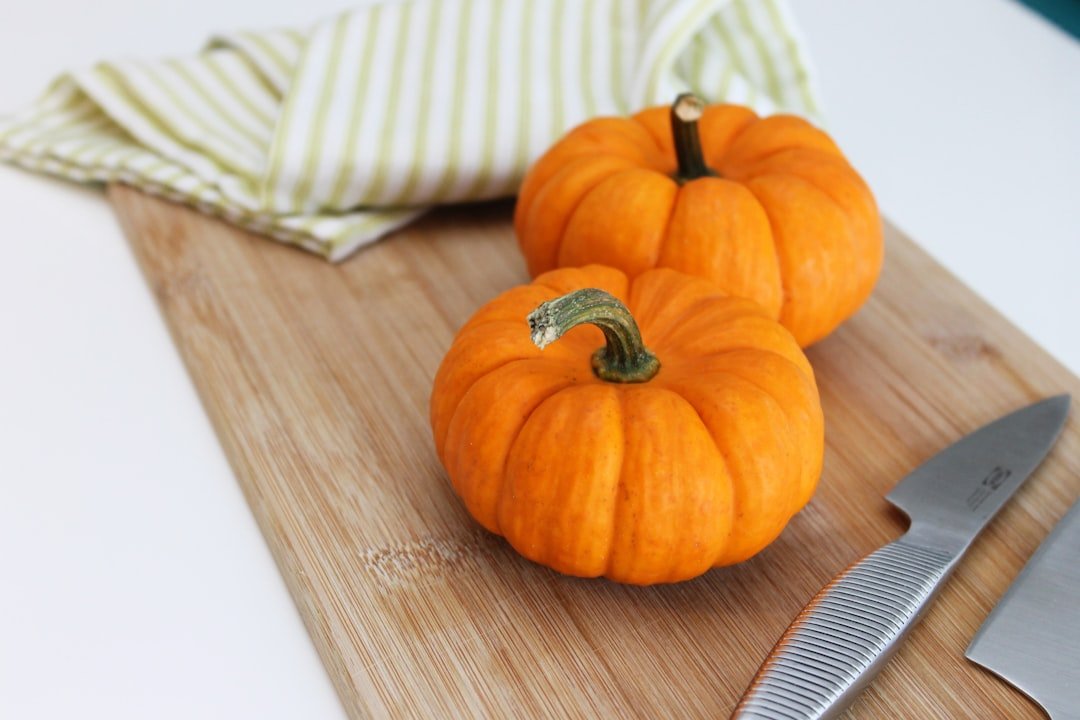
For homemade pumpkin purée, pie pumpkins and sugar pumpkins are better suited to cooking than large carving pumpkins. Illinois Extension recommends processing or baking pumpkins because they tend to be sweeter, less watery, more flavorful, and smoother in texture.
Choose a pumpkin that feels heavy for its size and has firm, sound skin. Large jack-o’-lantern pumpkins are edible, but their flesh tends to be more watery and stringy, which can make it harder to produce a smooth mousse.
Health Benefits of Pumpkin
Plain pumpkin contributes fiber and several micronutrients, but pumpkin mousse should still be viewed as a dessert because cream and added sugar change its overall nutrition. The amount of pumpkin, cream, sugar, and toppings in your specific recipe determines the final calorie, fat, and sugar content.
Mayo Clinic Health System reports that one-half cup of canned 100% pumpkin provides about 40 calories and 4 grams of fiber. It also contains beta-carotene, the orange plant pigment that the body can convert to vitamin A.
According to the National Institutes of Health Office of Dietary Supplements, vitamin A supports normal vision, immune function, growth, and development. Orange and yellow vegetables are important sources of provitamin A carotenoids such as beta-carotene.
Note: The nutrition of plain pumpkin does not describe the nutrition of a finished mousse. Heavy cream, sugar, chocolate, caramel, cookies, and other additions can substantially change each serving.
Variations on the Classic Pumpkin Mousse Recipe
)
Once you understand the basic pumpkin-and-whipped-cream method, you can change the flavor without losing the character of the dessert. The best variations add one clear flavor rather than covering up the pumpkin completely.
- Chocolate pumpkin mousse: Add cooled melted dark chocolate to the pumpkin base before folding in the whipped cream. The chocolate creates a richer, firmer dessert.
- Maple pumpkin mousse: Replace part of the sweetener with maple syrup for a deeper fall flavor. Avoid adding so much liquid that the mousse becomes loose.
- Bourbon pumpkin mousse: A small amount of bourbon can add warmth and complexity for an adult dessert. Skip it when you need an alcohol-free version.
- Coconut pumpkin mousse: Whippable coconut cream can replace dairy cream in a dairy-free variation, although the coconut flavor will be noticeable.
- Extra-spiced mousse: Increase ginger, cinnamon, or nutmeg gradually rather than adding a large amount at once.
If you change the liquid, fat, or stabilizer substantially, expect the texture to change as well. A mousse made with chocolate or cream cheese will usually feel denser than one made primarily with whipped cream.
Pairing Pumpkin Mousse with Other Fall Flavors
Pumpkin mousse works best with toppings that contrast with its soft texture. Toasted pecans, walnuts, cookie crumbs, apples, pears, chocolate, or caramel can add crunch, acidity, bitterness, or extra sweetness.
For a simple finish, top each serving with whipped cream and a dusting of cinnamon. For more texture, add toasted nuts or crushed gingersnaps just before serving so they remain crisp.
Caramel sauce adds sweetness and a buttery flavor, while spiced apple compote or poached pears bring fruit and acidity. If the mousse itself is quite sweet, a lightly sweetened fruit topping can create better balance than another rich sauce.
Serving and Presentation Ideas for Pumpkin Mousse
Clear glasses are an easy way to show the orange color and airy texture of pumpkin mousse. Individual portions also make serving simpler at Thanksgiving dinners, Halloween parties, potlucks, and other fall gatherings.
You can spoon the mousse into stemless glasses, ramekins, small jars, or dessert cups. For parfaits, alternate mousse with cookie crumbs or whipped cream. Add crunchy layers close to serving time if you want them to stay crisp.
A large bowl also works when presentation is less formal. Smooth the top, chill it covered, then add whipped cream, cinnamon, or nuts just before it goes to the table.
Make-Ahead, Storage, and Dietary Options
Pumpkin mousse is well suited to advance preparation because it needs refrigeration to firm up. Making it the day before a gathering also gives you time to portion and chill each serving before guests arrive.
Keep the mousse covered in the refrigerator. For best texture, use it within about two days, especially when it relies mainly on whipped cream rather than gelatin or another stabilizer.
Because pumpkin mousse contains perishable ingredients such as cream, it should stay cold. The FDA recommends keeping refrigerators at 40°F (4°C) or below and refrigerating prepared perishable foods within two hours.
For dietary changes, coconut cream can replace dairy cream in some formulas, while cookie crumbs can be omitted for a naturally crustless presentation. If you need the dessert to be gluten-free, check every packaged ingredient and garnish rather than assuming the complete dessert is gluten-free.
Pumpkin Mousse for Fall Gatherings
Pumpkin mousse works well for fall gatherings because you can portion it before guests arrive and serve it straight from the refrigerator. Its familiar pumpkin-pie spices also fit naturally beside other Thanksgiving and autumn desserts without requiring another pie crust or oven space.
For buffet service, keep the portions refrigerated until close to dessert time. Add whipped cream, nuts, caramel, or cookie crumbs at the end so the garnish looks fresh and crunchy toppings do not soften.
Key Takeaways
- Pie or sugar pumpkins are better suited to fresh purée than large carving pumpkins because their flesh is generally smoother, sweeter, and less watery.
- Cold cream and gentle folding are the two most important techniques for keeping pumpkin mousse light rather than dense.
- If a recipe uses uncooked egg whites, choose pasteurized eggs or pasteurized egg products instead of ordinary raw shell eggs.
- Plain pumpkin supplies useful nutrients, but the finished dessert’s nutrition depends heavily on the cream, sugar, sauces, and toppings you add.
Frequently Asked Questions
What is pumpkin mousse?
Pumpkin mousse is a chilled dessert made by combining seasoned pumpkin purée with an aerated ingredient such as whipped cream. The folding process traps air in the mixture, giving mousse a lighter texture than pumpkin pie filling. Some recipes add gelatin, cream cheese, ricotta, or pasteurized egg whites for extra structure.
How do you make pumpkin mousse?
Make pumpkin mousse by mixing pumpkin purée with sugar, vanilla, and warm spices, then folding that base into separately whipped cream. Spoon the mixture into serving dishes and chill it for at least two hours. Fold gently rather than stirring vigorously so the whipped cream keeps as much air as possible.
Can you make pumpkin mousse ahead of time?
Yes, pumpkin mousse is a good make-ahead dessert because chilling helps it set. Preparing it the day before serving is convenient, and it can generally be kept covered and refrigerated for up to two days for good texture. Add whipped cream, nuts, cookie crumbs, or other garnishes shortly before serving.
Can you use canned pumpkin for pumpkin mousse?
Yes, plain canned pumpkin purée works very well in pumpkin mousse and is often the easiest option. Choose pumpkin without added sugar or pie spices so you can control the flavor yourself. Do not confuse plain purée with pumpkin pie filling, which is already sweetened and seasoned.
Why is my pumpkin mousse runny?
Pumpkin mousse is usually runny because the cream was not whipped enough, the pumpkin contained too much moisture, or the mixture was stirred too aggressively. Use well-whipped cold cream, drain watery homemade purée, fold gently, and give the mousse enough refrigerator time before deciding that it has failed to set.
What can you serve with pumpkin mousse?
Pumpkin mousse pairs well with whipped cream, cinnamon, toasted pecans or walnuts, gingersnap crumbs, caramel sauce, chocolate, apples, and pears. Choose one or two contrasting toppings rather than piling on everything at once. Crunchy nuts or cookies are especially useful because the mousse itself is soft and creamy.
Is pumpkin mousse gluten-free?
Pumpkin mousse can be gluten-free when the pumpkin, cream, sugar, spices, and any stabilizer you use contain no gluten ingredients. Problems usually come from cookie crumbs, crusts, or packaged toppings. If gluten avoidance is medically necessary, check the labels of every ingredient and garnish for the appropriate gluten-free designation.
Embracing the Flavors of Fall with Pumpkin Mousse
Pumpkin mousse combines familiar pumpkin-pie flavors with a lighter, chilled texture that works especially well after a large fall meal. Start with plain pumpkin, keep the cream cold, fold gently, and give the mousse enough time to chill before serving. Once the base is right, toppings and flavor variations are easy to adjust for the occasion.
Sources
- U.S. Food and Drug Administration — Dairy and Eggs: Raw-egg risks and the use of pasteurized eggs in mousse and other uncooked foods.
- Illinois Extension — Choosing a Pumpkin: Selecting pie and sugar pumpkins for cooking and baking.
- NIH Office of Dietary Supplements — Vitamin A and Carotenoids: Beta-carotene conversion and the functions of vitamin A.
- Mayo Clinic Health System — The Perks of Pumpkin: Nutrition information for plain canned pumpkin.
- U.S. Food and Drug Administration — Tips to Chill Food: Refrigerator temperature and prompt refrigeration guidance.
- Boston University — No-Bake Pumpkin Mousse Dessert: Whipping, folding, serving, and chilling technique for a no-bake pumpkin mousse.