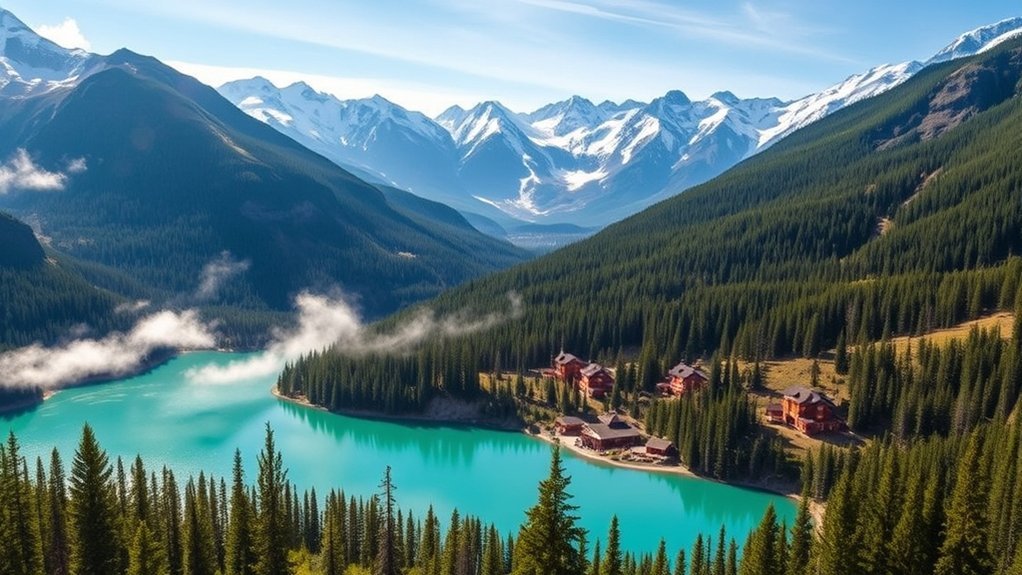
Lake Clark National Park and Preserve is one of Alaska’s most remote fly-in destinations, and a backcountry lodge can make that wilderness much easier to experience. Your choice of lodge affects far more than where you sleep. It determines how you arrive, which wildlife and fishing areas you can reach, what guiding is available, and how much weather can influence your schedule. The key is to choose the lodge area first, then compare the exact transportation, meals, activities, gear, and cancellation terms included in each package.
Quick Answer
Lake Clark National Park backcountry lodges are reached mainly by small aircraft. Choose Port Alsworth for a flexible base, Crescent Lake for fishing and bear viewing, or the Cook Inlet coast for concentrated brown-bear experiences. Compare flight logistics, guided activities, meals, baggage limits, weather policies, and emergency communication before you book.
Key Takeaways
- Lake Clark is not connected to Alaska’s road system, so most visitors arrive by small aircraft.
- The correct aircraft matters: some destinations require wheels and a beach or runway landing, while others require a floatplane.
- Lodging inside the park boundary is independently operated on private property, so prices, seasons, amenities, and packages vary by business.
- Do not assume your phone will work. Lake Clark is remote enough that weather delays and emergency communication need to be part of your trip plan.
- Bear safety, food storage, current closures, fishing rules, and fire restrictions matter even when you are staying at a comfortable lodge.
Planning Your Trip to Lake Clark National Park
Start by deciding what you most want from Lake Clark. A traveler focused on coastal brown bears needs a different base from someone who wants to hike near Port Alsworth, fish at Crescent Lake, or spend time near Twin Lakes. The park covers a vast area, and moving between destinations can require another aircraft rather than a simple ground transfer.
The National Park Service notes that Lake Clark is not on the road system and that travel occurs primarily by small plane. Before choosing a lodge, review the park’s official transportation guidance and confirm exactly where your lodge is located.
A strong trip plan should answer these questions before you pay a deposit:
- What is your main activity? Bear viewing, fishing, hiking, photography, kayaking, quiet wilderness time, or a combination.
- Where will you fly from? Air services may originate in Anchorage, Kenai, Homer, or another Alaska community depending on the destination and operator.
- Is the flight included? Some packages bundle air transportation while others begin only after you reach the lodge.
- What landing gear is required? A lodge reached by a wheeled plane is not interchangeable with a destination that needs floats.
- How many weather-buffer days do you have? Small-aircraft schedules can change when visibility, wind, waves, or other conditions deteriorate.
- What does the package include? Ask about meals, guiding, boats, fishing equipment, waders, local transportation, activity hours, baggage limits, and extra-night costs.
Pro Tip: Build flexibility into both ends of your Lake Clark itinerary. A tight same-day connection to a major airline flight can become stressful if bush-plane travel is delayed by weather.
Most visitors come during the warmer part of the year, when more transportation, lodging, and guiding services operate. The National Park Service says most visitation occurs from June through October, but individual lodge seasons and activity peaks can be shorter. Check the park’s operating-hours and seasonal information as well as your lodge’s dates.
Getting to Lake Clark National Park
There is no highway entrance to Lake Clark National Park and Preserve. For most visitors, getting there means boarding a small fixed-wing aircraft. Anchorage is an important starting point, but it is not the only one. Some authorized operators also serve the park from the Kenai Peninsula and other Alaska communities.
Port Alsworth is the park’s main community and is home to the National Park Service field headquarters and visitor center. Visitors commonly arrive there on wheeled aircraft using one of the community’s private airstrips. Floatplanes can also use suitable water, but the exact arrangement depends on the operator.
Other destinations require different equipment. This is one of the most important details in Lake Clark trip planning:
- Port Alsworth: commonly reached by wheeled aircraft using local airstrips.
- Silver Salmon Creek and Chinitna Bay: suitable beach landings can be used by wheeled aircraft when conditions permit.
- Crescent Lake: normally requires a floatplane because the aircraft lands on the lake.
Do not assume two places that look close on a map can easily be combined. Changing from wheels to floats can make an itinerary much more complicated and expensive, and there may be no practical place to change aircraft between remote destinations.
Note: Confirm baggage limits before packing. Small aircraft have weight and space restrictions that can be much tighter than those on commercial airline flights.
Choosing the Right Backcountry Lodge
Lake Clark does not have a National Park Service concessionaire operating a central park lodge. According to the NPS current lodging directory, lodging opportunities within the park boundary are independent businesses located on private property. That means each operator sets its own schedule, rates, transportation arrangements, meals, activity packages, and policies.
The most useful way to choose is by location first. A comfortable lodge in the wrong part of the park can still leave you far from the experience you came to Alaska for.
Location and Accessibility
Current NPS listings include lodges and accommodations in several distinct areas. The examples below are not rankings or endorsements; they show how strongly location influences the trip.
| Area | NPS-Listed Examples | Typical Access | Best Fit |
|---|---|---|---|
| Port Alsworth | The Farm Lodge, Lake Country Lodge, Alaska’s Backcountry Fishing Lodge and others | Primarily wheeled aircraft to local airstrips | Visitor center access, day hiking, fishing and a flexible base for excursions |
| Crescent Lake | Redoubt Mountain Lodge | Floatplane | Fishing, bear viewing, kayaking and mountain scenery |
| Silver Salmon Creek | Alaska Homestead Lodge, Silver Salmon Creek Lodge | Wheeled aircraft using suitable beach landing areas | Coastal brown bears, fishing, photography and estuary wildlife |
| Chinitna Bay | Bear Mountain Lodge, Alaska Bear Camp | Wheeled-aircraft access to suitable coastal landing areas | Dedicated coastal brown-bear viewing |
If hiking is your priority, Port Alsworth gives you easier access to the park’s best-known maintained day-hiking network. If you want bears to dominate your itinerary, coastal areas such as Silver Salmon Creek or Chinitna Bay may make more sense. Crescent Lake is especially attractive when you want a combination of fishing, bears, paddling, and views toward Redoubt Volcano.
Amenities and Services
Amenities vary considerably between properties, so avoid assuming that “all-inclusive” means the same thing everywhere. One lodge may bundle your flight, meals, guides, fishing tackle, boats, and rain gear, while another may quote lodging separately from transportation and activities.
Before booking, compare:
- Transportation: round-trip flight included or purchased separately.
- Meals: all meals, packed lunches, beverages, special diets, and alcohol policies.
- Guiding: private versus shared guides and how many guided hours are included.
- Fishing: boats, rods, reels, tackle, waders, fish processing, and required licenses.
- Bear viewing: guided versus independent viewing and transportation between lodge and viewing areas.
- Outdoor gear: rain gear, rubber boots, dry bags, kayaks, or other equipment.
- Room setup: private or shared bathrooms, cabin occupancy, electricity, charging options, and housekeeping.
- Connectivity: whether the property provides Wi-Fi or another communications system.
- Weather disruption: what happens if the aircraft cannot arrive or depart as scheduled.
Wi-Fi at an individual lodge does not mean cellular service is available throughout the park. Treat communications as a property-specific amenity rather than a park-wide expectation.
Pricing and Packages
There is no reliable park-wide nightly price range for Lake Clark lodges. Private properties use different business models, and remote aviation, guiding, meals, boats, staffing, and trip length can all change the final cost. A low-looking room rate can be misleading if air transportation and excursions are billed separately, while a higher package may already include most of the trip.
| Cost Element | What to Confirm |
|---|---|
| Air transportation | Departure city, round-trip flight, in-park transfers, baggage allowance and weather-delay policy |
| Accommodation | Price per person or per room, minimum stay and taxes |
| Meals | Number of meals, arrival/departure-day meals and dietary requests |
| Guided activities | Daily guided hours, private versus shared guiding and activity limits |
| Fishing | Gear, boats, fish processing and whether licenses must be obtained separately |
| Unexpected nights | Who pays for extra lodging, meals or transportation when weather delays travel |
| Cancellation terms | Deposits, refunds, weather cancellations and recommended travel insurance |
Pro Tip: Compare the total trip cost from your Alaska departure city, not just the advertised lodging rate. Transportation and guided activities can change the value of two otherwise similar lodge quotes.
Essential Gear and Supplies for Your Adventure
What you need depends on whether you are sleeping in a staffed lodge or continuing into independent backcountry travel. Lodge guests usually do not need a tent, stove, or sleeping bag unless their itinerary specifically includes camping. Independent hikers, paddlers, and campers need a much more complete wilderness kit.
Clothing for Varying Weather
Lake Clark weather can change quickly, and wet, windy conditions can occur even during the main visitor season. Pack clothing in layers so you can adapt without carrying several bulky outfits.
| Layer Type | Recommended Items |
|---|---|
| Base Layer | Moisture-wicking shirt, long-sleeve layer and leggings or lightweight long underwear |
| Mid Layer | Fleece jacket, synthetic insulated jacket or lightweight down layer kept dry |
| Outer Layer | Waterproof rain jacket and waterproof or water-resistant pants |
| Footwear | Waterproof hiking footwear or rubber boots appropriate to your planned activities |
| Accessories | Warm hat, light gloves, sunglasses, insect protection and spare dry socks |
Even if the forecast looks mild, keep rain protection and a warm layer where you can reach them quickly. Your lodge may provide specialized boots, rain gear, waders, or fishing clothing, so check before packing duplicates.
Must-Have Outdoor Equipment
For a lodge-based trip, a small daypack, reusable water bottle, binoculars, camera protection, personal medication, sunscreen, insect protection, and a waterproof bag for electronics may be enough beyond your clothing.
If you are leaving the lodge for independent camping or backpacking, your equipment needs change substantially. Depending on the route, that can include a reliable tent, suitable sleeping bag and pad, stove, extra food and fuel, water treatment, map and navigation tools, first-aid supplies, bear-resistant food storage, and an emergency communication device.
The National Park Service describes Lake Clark as largely trail-less wilderness. Cross-country travelers may encounter brush, bogs, unbridged streams, difficult route-finding, and conditions that make a planned crossing impossible. Independent wilderness travel therefore requires much more preparation than a guided lodge excursion.
Warning: Lake Clark is exceptionally remote. Do not treat a lodge stay as proof that every nearby activity is low risk. Once you travel away from developed property, help can be far away and weather can prevent aircraft from reaching you.
Top Sights to Explore in Lake Clark
Lake Clark contains far more than its namesake lake, and your lodge location will determine which highlights are realistic without another flight. Instead of trying to cover the entire park, choose one or two areas that match your priorities.
- Lake Clark and Port Alsworth: The main lake provides mountain scenery, boating and fishing opportunities, while Port Alsworth gives visitors access to the park visitor center and the Tanalian-area day hikes.
- Crescent Lake: A remote mountain lake known for fishing, brown-bear activity, paddling and dramatic views toward Redoubt Volcano.
- Silver Salmon Creek: One of the park’s best-known coastal areas for brown-bear viewing, photography and late-summer fishing.
- Chinitna Bay: A Cook Inlet coastal destination where brown bears use salt marshes and tidal areas, making it a major guided bear-viewing location.
- Twin Lakes: A spectacular wilderness lake system best known for the Richard L. Proenneke Historic Site. The historic cabin is a visitor site, not an overnight rental cabin.
Trying to combine several of these areas in a short stay can require multiple flights. A slower itinerary based in one well-chosen location usually gives you more usable time outdoors and less time waiting on transportation.
Wildlife Watching Opportunities
Brown bears are one of Lake Clark’s biggest draws, particularly along the Cook Inlet coast and around salmon-producing waterways. Their location and feeding behavior change with available food, so a lodge or guide familiar with the specific area can greatly improve both viewing opportunities and safety.
You may also encounter moose in wet or forested areas, caribou in parts of the interior, bald eagles and other birds, and marine wildlife along the coast. No wildlife sighting is guaranteed, and trying to close the distance for a photograph can disturb an animal or put you in danger.
Give wildlife space, follow your guide’s instructions, keep food and scented items secured where required, and respect seasonal closures. If an animal changes its behavior because of your presence, you are already too intrusive.
Tips for a Safe and Enjoyable Visit
Lake Clark rewards preparation. The National Park Service’s safety guidance stresses self-sufficiency because the park is remote and emergency assistance can take time.
- Leave a trip plan: Tell a reliable person where you are going, what aircraft or lodge you are using, and when you should return.
- Do not depend on cell service: The park does not have reliable cellular service. For independent backcountry travel, consider a satellite phone or satellite messaging device.
- Expect weather delays: Carry enough medication and essential supplies to handle an unexpected extension of your trip.
- Respect bear country: Never approach bears. Follow food-storage requirements and your guide’s instructions.
- Navigate for the terrain you actually have: Much of the park is trail-less, so do not rely on marked paths outside developed trail areas.
- Know area-specific closures: Coastal bear habitat and historic sites can have seasonal or permanent restrictions.
- Check current regulations: Park rules governing fires, pets, food storage, fishing and other activities can differ from what you may have experienced elsewhere.
The park’s current laws, policies and Superintendent’s Compendium are the best source for regulations that can change between visits.
Warning: Bears and people frequently use the same shorelines, beaches and travel corridors. Keep food and scented items secured as required, remain alert, and never rely on your lodge’s proximity as a substitute for bear-country awareness.
Frequently Asked Questions
What is the best time of year to visit Lake Clark?
There is no single best month for every traveler. The National Park Service says most visitors arrive from June through October, when more transportation, lodging and guiding services are available. Many lodge-based bear-viewing and fishing trips concentrate in summer and early fall, but the ideal dates depend on your destination and target activity.
Are there guided tours available in Lake Clark National Park?
Yes. Private lodges and authorized commercial operators offer activities such as bear viewing, fishing, hiking, photography and transportation. The National Park Service does not operate a central lodge concession, so compare the services and inclusions offered by each private provider.
Can I bring my pet to a backcountry lodge?
National Park Service rules allow pets in Lake Clark when they are leashed or otherwise physically restrained, but a privately operated lodge may have a stricter no-pet policy. Confirm the property’s rules before traveling. Never allow a dog to run loose around bears, moose or other wildlife.
What are the current Lake Clark rules for campfires?
Under the 2026 Superintendent’s Compendium, campfires are prohibited in the Richard L. Proenneke Historic Site and within 100 yards of the Priest Rock public use cabin. They are otherwise authorized without a permit, but state or local burn bans can apply automatically. Use only permitted fuel such as natural firewood or charcoal and remove all trash from the fire site.
Is cell phone service available in Lake Clark National Park?
Do not plan on cellular service in the park. The National Park Service advises visitors that there is no cell phone service and recommends considering a satellite phone or satellite-based messaging device for remote travel. Individual lodges may have Wi-Fi or another communications system, but that does not create general park coverage.
Do I need a permit for hiking, camping or fishing?
Small-party recreational hiking and backcountry camping generally do not require a standard NPS backcountry permit in Lake Clark, although specific sites and activities can have restrictions. Anglers must follow Alaska fishing regulations and hold any required state licenses or tags. Always check current rules before departure.
How do I choose between Lake Clark lodges?
Choose the location before comparing rooms. Port Alsworth works well as a flexible base, Crescent Lake suits travelers focused on fishing and inland bear viewing, and Cook Inlet locations such as Silver Salmon Creek and Chinitna Bay are strong choices for coastal brown bears. Then compare transportation, meals, guiding, equipment, baggage limits and weather policies.
Sources
- National Park Service: Directions and Transportation — verifies fly-in access, aircraft types, landing considerations and authorized air transportation.
- National Park Service: Eating and Sleeping — verifies current lodging areas, independent private lodging and NPS-listed properties.
- National Park Service: Operating Hours and Seasons — supports seasonal visitor and transportation planning.
- National Park Service: Camping and Backpacking — supports trail-less wilderness, navigation, camping and backcountry preparation guidance.
- National Park Service: Safety — supports communication, weather-delay, self-sufficiency and remote-trip safety guidance.
- National Park Service: Laws and Policies — links to current Lake Clark regulations and the Superintendent’s Compendium covering fires, pets, food storage and other restrictions.