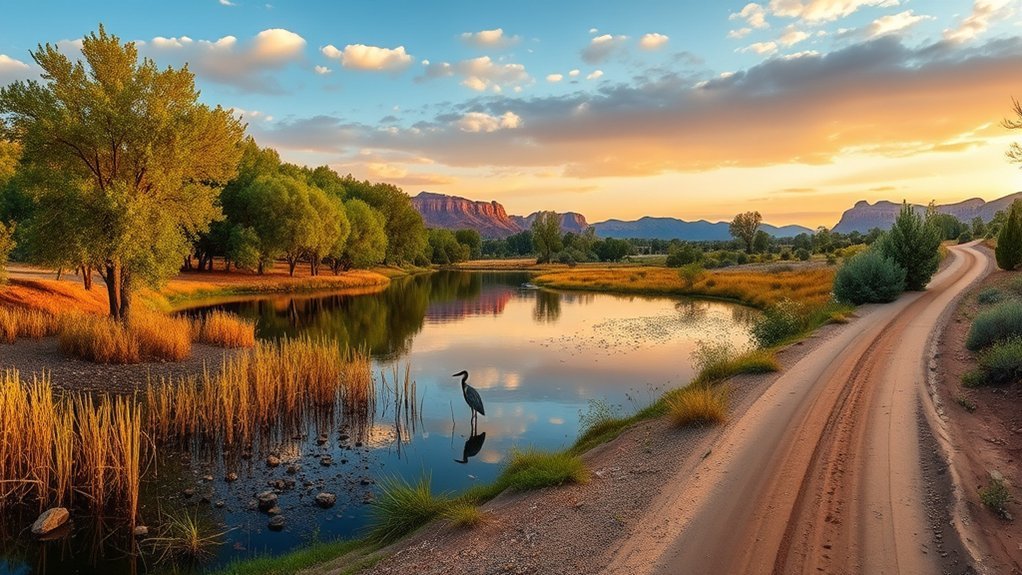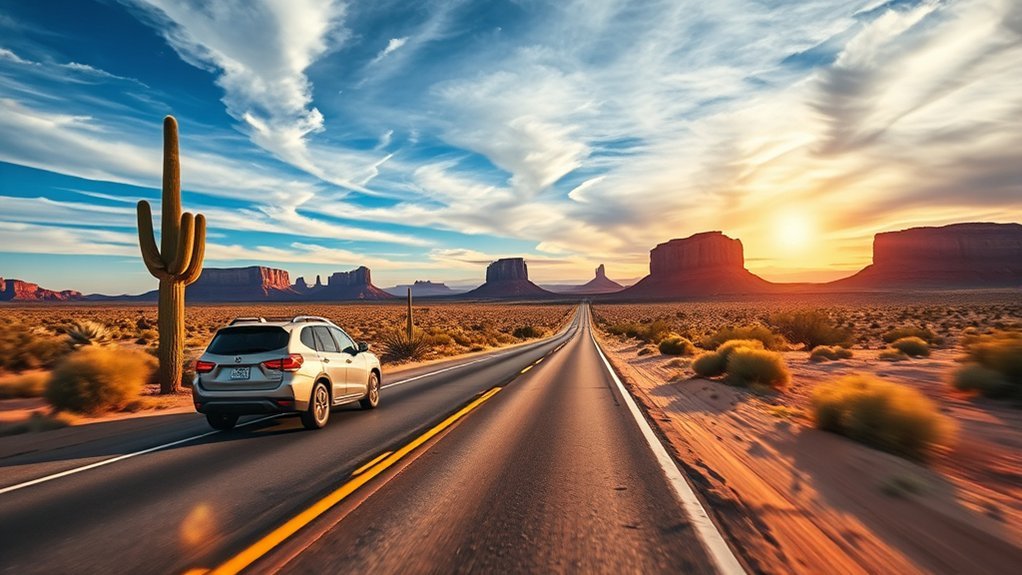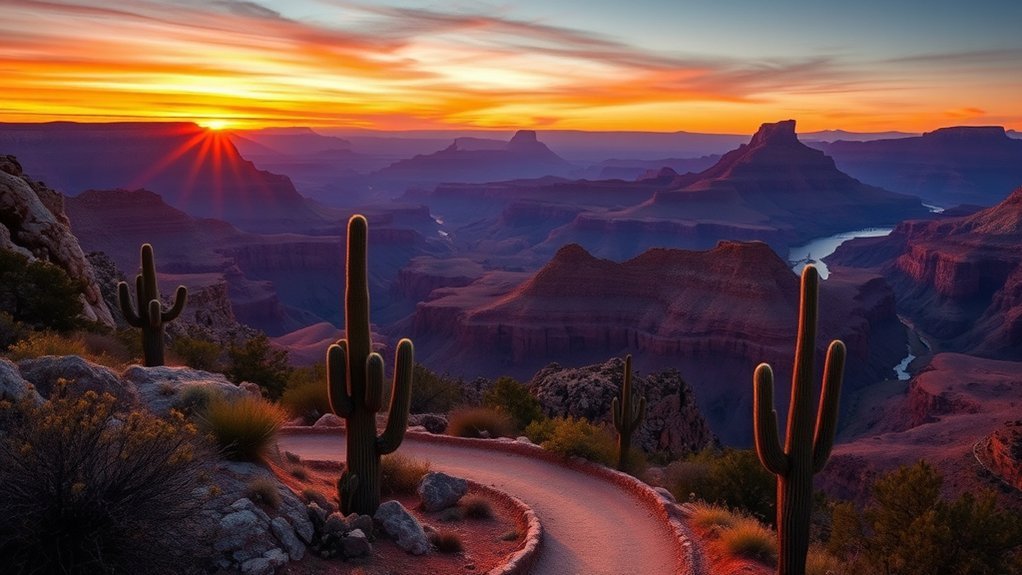
An Arizona travel guide should do more than list landmarks. It should help you match desert heat, high-country weather, driving distances, and park rules to the trip you want. For a first visit, build around the Grand Canyon’s South Rim, Sedona, and either Phoenix or Tucson, then add Flagstaff or Saguaro National Park if time allows.
Quick Answer
For a first Arizona trip, make the Grand Canyon’s South Rim, Sedona’s red rocks, and one desert city your core stops. Use Phoenix for easy flight access and urban culture, or Tucson for Saguaro National Park and Southwestern food. Add Flagstaff if you have five days or more, and avoid packing too many regions into one short trip.
Last checked: September 30, 2026. Dates and figures were verified against official sources.
Arizona Travel Guide: Must-See Attractions
Arizona’s strongest first-trip route combines one world-famous canyon, Sedona’s red-rock landscape, and the Sonoran Desert. Phoenix and Tucson add art, food, and history, while Flagstaff gives you a cooler high-country base. Choose a few places you can explore well instead of trying to cross the whole state in a few days.
Grand Canyon South Rim
The South Rim is the easiest Grand Canyon area to build into a first Arizona trip because it is open year-round and has viewpoints, trails, visitor services, and shuttle connections. Give it at least a half day for rim views; allow longer if you want to walk part of the Rim Trail or hike below the rim.
In 2026, the Grand Canyon standard private-vehicle pass is $35 for seven days. The National Park Service also lists an additional $100-per-person nonresident fee for non-U.S. residents. No timed-entry reservation is currently required for park entry.
As of September 30, 2026, the South Rim fall shuttle system is scheduled through November 30 with the Village, Kaibab Rim, Hermits Rest, and Hikers’ Express routes. Park shuttles are free with admission, which can reduce the need to move your car between busy viewpoints.
Sedona
Sedona is best for red-rock scenery, hiking, scenic drives, and a slower pace between Phoenix and northern Arizona. Popular areas can get crowded, so plan trail access before you arrive rather than assuming every trailhead will have open parking.
The city-operated Sedona Shuttle serves Cathedral Rock, Little Horse, Soldier Pass, Dry Creek Vista for Devil’s Bridge access, and Mescal. Its regular trailhead service runs year-round Thursday through Sunday, with extra service during some peak periods. Sedona is also known for locations popularly described as spiritual “energy vortexes”; treat that as a cultural or wellness belief rather than a scientific feature of the landscape.
Phoenix
Phoenix works well as an arrival or departure base, especially if you want city time before heading north. Its art districts, galleries, museums, restaurants, and Sonoran Desert setting give you an urban contrast to the national parks without requiring another long-distance detour.
Keep outdoor activities for cooler parts of the day during hot weather. If art and food are your priority, an indoor museum, gallery district, or market can fill the hottest afternoon hours while leaving mornings and evenings for walking or desert views.
Tucson and Saguaro National Park
Tucson is the stronger choice if you want desert scenery, Southwestern food, Spanish colonial history, and large stands of saguaro cacti. Saguaro National Park has two districts on opposite sides of Tucson, so treat it as a planned stop rather than a quick drive-through between other northern destinations.
A Saguaro National Park private-vehicle pass costs $25 in 2026 and is valid for seven days in both the Tucson Mountain District and Rincon Mountain District. The park is cashless for entrance fees.
Flagstaff
Flagstaff gives you a mountain-town break from the low desert and fits naturally between Sedona and the Grand Canyon. Use it for historic downtown time, forest walks, and a cooler overnight base, especially when Phoenix and Tucson are experiencing intense heat.
Its higher elevation also means conditions can differ sharply from the desert on the same day. Pack layers and check the local forecast for the places you will actually visit, not just the forecast for your arrival city.
Suggested Itineraries for Your Trip
This Arizona travel guide works best as a compact five-day loop rather than a rush from northern Arizona to Tucson and back. The route below keeps Phoenix, Sedona, the Grand Canyon, and Flagstaff together; save Tucson and Saguaro for a southern extension if you have extra time.
| Day | Itinerary Highlights |
|---|---|
| Day 1 | Explore Phoenix’s art scene, desert setting, and cuisine |
| Day 2 | Travel to Sedona for red-rock views, a hike, or a scenic drive |
| Day 3 | Continue to the Grand Canyon’s South Rim for viewpoints and sunset |
| Day 4 | Spend more time at the South Rim, then continue to Flagstaff |
| Day 5 | Explore Flagstaff, then return toward Phoenix |
If you have two or more additional days, add Tucson and Saguaro National Park as a southern extension. That gives you time for desert landscapes, local food, and cultural sites without turning the five-day plan into a series of long driving days.
With only a weekend, choose one base and one nearby highlight. Phoenix plus Sedona, Tucson plus Saguaro, or Flagstaff plus the Grand Canyon gives you more time outside the car and more flexibility if weather or trail conditions change.
Outdoor Adventures and Activities
For outdoor travelers, this Arizona travel guide centers on hiking, rafting, kayaking, climbing, scenic drives, wildlife watching, and stargazing, but the right activity depends on season and elevation. Desert conditions can become dangerous quickly, while higher areas can be cold or snowy even when Phoenix feels warm.
Hiking the Grand Canyon and Sedona
At the Grand Canyon, a rim walk is a better first choice than an ambitious inner-canyon hike if you are short on time or not trained for steep desert terrain. In Sedona, match the trail to your fitness and use shuttle-served trailheads when the service is operating.
Warning: Summer heat below the Grand Canyon rim can be life-threatening. The National Park Service advises summer hikers to avoid strenuous inner-canyon hiking between 10 a.m. and 4 p.m.; carry water, food, sun protection, and a realistic turnaround plan.
The park’s Hike Smart guidance notes that inner-canyon shade temperatures can exceed 110°F in summer. Do not plan a rim-to-river-and-back day hike as a casual sightseeing activity.
Rafting, Kayaking, and Climbing
Colorado River rafting can be a major Grand Canyon adventure, but multi-day river trips require organized commercial or permitted noncommercial arrangements. Elsewhere in Arizona, kayaking is available on lakes and reservoirs where access and weather allow, giving you a cooler alternative to a midday desert hike.
Rock climbing in rugged areas such as the Superstition Mountains requires route knowledge, suitable equipment, and a plan for heat and limited shade. If technical climbing is not your goal, a scenic drive or marked hiking trail can deliver the landscape without the same level of risk.
Scenic Drives, Wildlife, and Night Skies
A scenic drive is one of the easiest ways to experience Arizona’s changing landscapes, from saguaro desert to red rock and pine forest. Slow down at viewpoints, use established pullouts, and avoid stopping where your vehicle blocks traffic or damages roadside vegetation.
Wildlife watching is best done from a respectful distance, without feeding animals. After sunset, Arizona’s open desert and high-country areas can also offer striking night skies, so leave time in your itinerary for a quiet evening outdoors where access rules allow.
Cultural and Historical Sites
A complete Arizona travel guide should treat culture as part of the landscape, not as a separate extra. Indigenous communities, Spanish colonial history, archaeology, and modern cities all shape what you see today, so make room for cultural sites instead of treating the trip as scenery alone.
- Grand Canyon National Park: Beyond its geology, the canyon has deep cultural importance to multiple Native American peoples. Cultural demonstrations, museums, historic buildings, and interpretation around the South Rim add context to the viewpoints.
- Mission San Xavier del Bac: South of Tucson, this active mission is a major example of Spanish colonial architecture. The Mission’s visitor information lists church, museum, and mausoleum hours of 9 a.m. to 4 p.m. daily; the gift shop is open 8 a.m. to 5 p.m.
- Tuzigoot National Monument: Near Clarkdale, the pueblo ruins and museum help explain the long human history of the Verde Valley and the community archaeologists have historically called Sinagua.
- Hopi Cultural Center: This is a useful place to learn about Hopi art, food, and traditions, but remember that a visitor center or cultural venue is not a substitute for understanding the rules of individual Hopi villages and ceremonial spaces.
When visiting tribal lands, follow the rules of the specific sovereign nation or community. Visit Arizona’s tribal-land etiquette guidance notes that photography, video, audio recording, sketching, access, and ceremony rules vary by tribe; permission or permits may be required.
Travel Tips for a Memorable Experience
The practical side of an Arizona travel guide starts with one fact: the whole state does not share the same weather or driving conditions. Build your days around elevation, heat, road conditions, and the time you actually want at each stop, then leave enough margin for a slower hike, a crowded trailhead, or a sudden storm.
- Plan by region and elevation. Phoenix and Tucson can be very hot when Flagstaff and the Grand Canyon rim are much cooler. Winter can bring snow and ice to northern Arizona even when the low desert feels mild.
- Carry water and protect yourself from sun. Dry air can hide how much fluid you are losing, and shade may be limited on desert trails.
- Check road conditions before long drives. The Arizona Department of Transportation’s AZ511 traveler-information service reports crashes, construction, closures, travel times, and highway-camera views.
- Use mornings for exposed outdoor plans. This is especially helpful in warm months, leaving afternoons for museums, meals, shaded stops, or travel between regions.
- Keep cultural visits respectful. Farmers’ markets, art events, historic districts, and tribal cultural sites are better experiences when you follow local rules and ask before photographing people or ceremonies.
- Try regional food. Tucson is especially known for Sonoran-style flavors, including Sonoran hot dogs, while prickly pear appears in drinks, sweets, sauces, and other Southwestern dishes.
For timing, spring and fall are the easiest seasons for a broad multi-region road trip. Winter is often comfortable in the low desert but can be cold or snowy in northern Arizona; summer is better suited to higher elevations if you want to avoid the most intense desert heat.
Frequently Asked Questions
What Is the Best Time of Year to Visit Arizona?
Spring and fall are the easiest seasons for a statewide Arizona road trip because they balance desert warmth with more comfortable outdoor conditions. Winter works especially well for Phoenix and Tucson, while summer is better for higher-elevation areas such as Flagstaff and the Grand Canyon rim.
Are There Any Local Customs or Etiquette to Be Aware Of?
Yes. The most important special etiquette applies on tribal lands, where each sovereign nation sets its own visitor rules. Ask before photographing people, ceremonies, homes, or sacred places, follow posted access restrictions, and treat communities as living places rather than tourist displays.
What Are the Transportation Options Within Arizona?
A car is the most practical option for a trip linking Phoenix, Sedona, Flagstaff, the Grand Canyon, and Tucson because the major sights are spread far apart. Rideshare and local public transit can work for city days, while park and trailhead shuttles can reduce driving at specific destinations.
Is It Safe to Hike in Arizona’s Deserts?
Many Arizona desert trails are safe for prepared hikers, but conditions can change quickly with heat, storms, exposure, and limited shade. Choose a route that matches your fitness, check current park or land-manager alerts, and turn back if weather or your condition worsens.
What Are the Recommended Accommodations in Arizona?
Choose accommodations by the places you want to explore, not by one statewide hotel strategy. Lodging near the Grand Canyon saves early-morning driving, Sedona works well for red-rock days, Flagstaff offers a cooler mountain base, and Phoenix or Tucson gives you the widest range of city hotels and resorts.
Conclusion
Use this Arizona travel guide as a framework: balance the Grand Canyon and red-rock scenery with realistic driving, desert safety, and time for the state’s cultural history. Choose a compact route, check conditions before you leave each base, and let the landscape set the pace instead of trying to see everything at once.
Sources
- Grand Canyon National Park — Fees & Passes: 2026 entrance fees, nonresident fee, and entry-reservation status.
- Grand Canyon National Park — South Rim Shuttle Buses: fall 2026 routes and shuttle availability.
- Grand Canyon National Park — Hike Smart: summer heat, inner-canyon hiking risks, and safety guidance.
- Sedona Shuttle — Trailhead Routes: served trailheads, regular service days, and peak-period service.
- Saguaro National Park — Fees & Passes: 2026 entrance fees and seven-day coverage for both districts.
- Mission San Xavier del Bac — Visitor Information: current church, museum, mausoleum, and gift-shop hours.
- Visit Arizona — Visiting Tribal Lands: visitor etiquette, photography rules, and respect for sovereign tribal communities.
- Arizona Department of Transportation — AZ511: road conditions, closures, construction, travel times, and camera information.