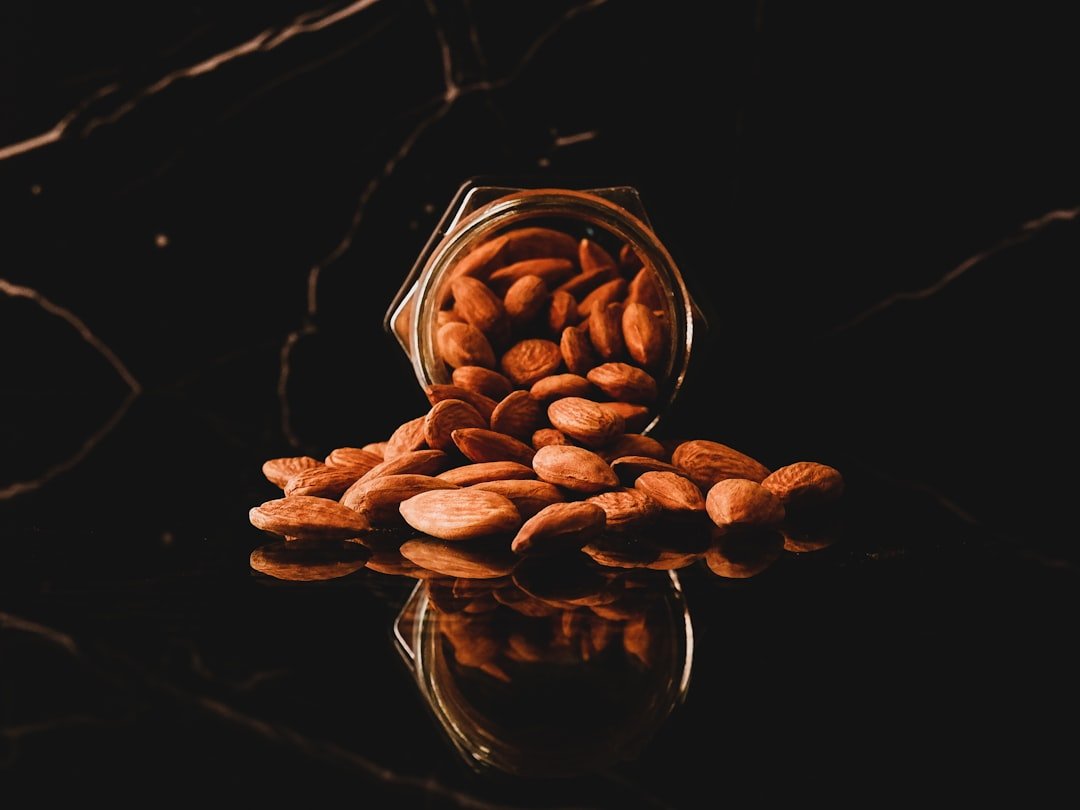
Chocolate-covered peanuts are roasted peanuts wrapped in a layer of chocolate, creating a crisp, nutty center with a sweet outer coating. They are sold as individual candies or clusters and can also be made easily at home. Milk, dark, and white chocolate versions offer noticeably different levels of sweetness and cocoa flavor.
Quick Answer
Chocolate-covered peanuts are roasted peanuts coated in milk, dark, or white chocolate. They pair a crisp, nutty center with a sweet coating and can be bought ready-made or prepared at home. Peanuts contribute protein and unsaturated fat, while the chocolate adds sugar and calories, so portion size matters.
Last checked: October 2, 2026. Dates and figures were verified against official sources.
Key Takeaways
- A well-documented U.S. milestone came in 1925, when Blumenthal Brothers developed Goobers for the growing movie-theater candy market.
- Peanuts provide useful nutrients, but a chocolate coating also adds sugar and calories, so chocolate-covered peanuts are better viewed as a treat than a substitute for plain nuts.
- Homemade versions need only roasted peanuts and melted chocolate, with optional tempering for a glossier, firmer finish.
- Heat, moisture, and strong odors can damage chocolate quality, so airtight storage in a cool, dry, dark place works best.
History of Chocolate-Covered Peanuts
The exact first appearance of a peanut coated in chocolate is difficult to document, but the commercial history in the United States is clearer. Peanuts had already been grown and eaten in North America for generations before confectioners began marketing chocolate-coated versions on a large scale.
Peanuts originated in South America and later spread through Africa, Europe, and North America. In the United States, they became especially familiar as roasted snacks and candy ingredients during the 19th and early 20th centuries.
A major documented milestone arrived in 1925. According to the National Park Service history of the Blumenthal Brothers Chocolate Factory, the Philadelphia company worked with theater-candy entrepreneur Jacob Beresin to develop Goobers, Raisinets, and Sno-Caps. By 1930, the candies were available in thousands of movie theaters.
That theater connection helped make chocolate-covered peanuts a familiar movie snack. Goobers later passed through several owners, and the brand now appears in the Ferrero U.S. brand portfolio.
Why Chocolate and Peanuts Work So Well Together
Chocolate-covered peanuts work because they combine several contrasts in one bite. The peanut is crunchy and nutty, while the chocolate is smooth and sweet. Salted peanuts add another contrast by balancing some of the chocolate’s sweetness.
Texture is just as important as flavor. A properly roasted peanut gives the candy a firm center, while well-set chocolate melts quickly in the mouth. Dark chocolate produces a more cocoa-forward result, while milk or white chocolate gives a sweeter, creamier taste.
This sweet-and-salty combination also makes the candy easy to use in other foods. It works in trail mixes, ice cream, cookies, brownies, dessert boards, and snack mixes without requiring complicated preparation.
Nutrition and Health Considerations
Chocolate-covered peanuts contain some of the nutritional value of peanuts, but the chocolate coating changes the overall profile. Peanuts provide protein, unsaturated fats, fiber, vitamin E, magnesium, and other nutrients, while chocolate can add significant sugar, saturated fat, and calories depending on the recipe.
)
The USDA MyPlate Protein Foods guidance includes nuts and seeds among protein-food choices and notes that these foods can contribute nutrients such as protein, vitamin E, magnesium, and unsaturated fats.
Dark chocolate also contains cocoa flavanols. A 2026 systematic review and meta-analysis of randomized trials found that cocoa flavanol intake was associated with modest reductions in blood pressure and improvements in some measures of vascular function. That evidence does not mean chocolate-covered peanuts prevent cardiovascular disease, and flavanol content varies greatly among chocolate products.
For most people, the practical approach is simple: enjoy chocolate-covered peanuts as a portioned snack or dessert. If nutrition is your priority, compare serving size, added sugar, saturated fat, and sodium on the package rather than assuming a dark-chocolate version is automatically healthier.
Note: Peanuts are a major food allergen. If you have a peanut allergy, avoid chocolate-covered peanuts completely. If you manage diabetes or another condition requiring specific carbohydrate limits, use the Nutrition Facts label and follow advice from your clinician or registered dietitian.
The U.S. Food and Drug Administration lists peanuts among the major food allergens that must be declared on applicable packaged-food labels. Chocolate products may also contain or come into contact with milk, soy, tree nuts, or other allergens, so read the complete label when allergies are a concern.
Different Varieties of Chocolate-Covered Peanuts
The main difference among chocolate-covered peanuts is the type of coating. Milk, dark, and white chocolate can all work, and each changes the sweetness, cocoa intensity, color, and overall character of the finished candy.
| Variety | Typical Flavor | Good For | What to Check |
|---|---|---|---|
| Milk Chocolate-Covered Peanuts | Sweet, creamy, and mild | Classic snacking and gifts | Milk, added sugar, and serving size |
| Dark Chocolate-Covered Peanuts | More cocoa-forward; sweetness varies | A stronger chocolate flavor | Cocoa percentage, sugar, and allergens |
| White Chocolate-Covered Peanuts | Sweet, buttery, and creamy | Dessert mixes and decorative treats | Milk ingredients, sugar, and serving size |
Other versions add sea salt, caramel, toffee pieces, spices, or a crisp candy shell. You may also see clusters, in which several peanuts are held together by chocolate, rather than individually coated nuts.
For dietary preferences, read the ingredient list instead of relying on the color of the chocolate. Some dark chocolates contain milk ingredients, while dairy-free products can use chocolate made without milk.
How to Make Chocolate-Covered Peanuts at Home
Homemade chocolate-covered peanuts require only a few basic steps: melt the chocolate gently, coat roasted peanuts, portion them onto a lined surface, and let the coating set. The most important practical point is to keep water away from the melted chocolate, because even a small amount can make it thicken and seize.
For a tested starting point, the Hershey chocolate peanut clusters recipe uses 1/2 cup milk chocolate chips, 1/2 cup dark or semi-sweet chocolate chips, 1 tablespoon shortening, and 1 cup roasted unsalted peanuts. The recipe yields 24 small clusters.
What You Need
- 1/2 cup milk chocolate chips
- 1/2 cup dark or semi-sweet chocolate chips
- 1 tablespoon shortening
- 1 cup roasted, unsalted peanuts
- A microwave-safe bowl
- A spoon or rubber spatula
- Candy papers, parchment paper, or wax paper
Step-by-Step Method
- Prepare your surface. Set out candy papers or line a tray with parchment or wax paper before melting the chocolate.
- Melt the chocolate gently. Combine the chocolate chips and shortening in a microwave-safe bowl. Heat at medium power for about one minute, stir, then continue in short intervals until smooth.
- Add the peanuts. Stir the roasted peanuts into the melted chocolate until every peanut is coated.
- Portion the mixture. Spoon small clusters onto the prepared surface. For looser pieces, separate the peanuts as much as practical before the coating firms.
- Let the chocolate set. Chill until firm. Once set, transfer the candy to a tightly covered container.
Tempering is optional for a simple home batch. Proper tempering controls cocoa-butter crystals, producing chocolate with a glossier surface, cleaner snap, and better resistance to softening. If appearance matters for gifts, tempering couverture or bar chocolate can give a more polished result.
Pro Tip: Make sure the peanuts and bowl are completely dry before they touch melted chocolate. Moisture can cause melted chocolate to become grainy and difficult to coat with.
Pairing Chocolate-Covered Peanuts with Other Foods
Chocolate-covered peanuts pair best with foods that add a contrasting flavor or texture without making the combination excessively sweet. Tart dried fruit, plain popcorn, fresh fruit, ice cream, and baked goods are practical choices.
)
For a snack mix, combine them with dried cranberries, raisins, apricots, or plain roasted nuts. The fruit brings chewiness and acidity, while uncoated nuts reduce the overall sweetness.
In desserts, chop chocolate-covered peanuts and sprinkle them over ice cream, yogurt, cupcakes, brownies, or cookies. They can also be folded into cookie dough or used on a dessert board with fruit and other bite-size treats.
A savory pairing can work too. Small amounts served beside cheeses such as brie or cheddar create the same sweet, salty, creamy, and crunchy contrast that makes the candy appealing on its own.
Chocolate-Covered Peanuts as a Gourmet Gift
Chocolate-covered peanuts work well as an edible gift because they are compact, easy to portion, and simple to package in jars, tins, boxes, or candy bags. A mix of milk, dark, and white chocolate can also make the gift look more varied without requiring several different fillings.
For homemade gifts, allow the chocolate to set completely before packaging. Use a clean, airtight container and keep it away from heat during transport so the pieces do not soften and stick together.
Food allergies deserve extra attention. Tell the recipient clearly that the gift contains peanuts and disclose other known ingredients such as milk or soy. Avoid giving homemade nut candy to someone if you are unsure about their allergies.
You can also combine the peanuts with complementary foods such as plain popcorn, dried fruit, or individually wrapped chocolates. Keep moist foods separate because moisture can damage the surface of the chocolate.
How to Enjoy Chocolate-Covered Peanuts Mindfully
Chocolate-covered peanuts are easy to eat quickly because the pieces are small. Portioning a serving before you begin can make it easier to enjoy the flavor and texture without repeatedly reaching into a large bag or container.
Take a bite slowly enough to notice the contrast between the crisp peanut and smooth coating. Dark, milk, and white chocolate also taste quite different when eaten this way because differences in sweetness and cocoa intensity become more obvious.
If you are eating them as dessert, serving a small portion in a bowl can be more satisfying than eating directly from the package. This also makes it easier to see how much you have eaten.
Chocolate-Covered Peanuts in Popular Culture
The strongest cultural association for chocolate-covered peanuts in the United States is the movie theater. Products such as Goobers were deliberately developed and packaged for theater concession sales during the growth of the movie business in the 1920s.
That connection continued as boxed candy became a familiar theater snack. Chocolate-covered peanuts also fit naturally beside popcorn because the two offer contrasting sweet and salty flavors, and both are easy to eat while watching a film.
Over time, the basic idea expanded beyond theaters into supermarkets, candy stores, bulk-food sections, gift assortments, and homemade recipes. The format remains simple: a roasted peanut, a chocolate coating, and optional flavor or texture additions.
The Best Way to Store Chocolate-Covered Peanuts
Store chocolate-covered peanuts in an airtight container in a cool, dry, dark place. Heat can soften the cocoa butter, while humidity can damage the surface and create pale streaks or patches known as chocolate bloom.
Iowa State University Extension’s chocolate-storage guidance recommends roughly 65–70°F with relative humidity below about 50–55% for ideal chocolate storage. A pantry away from sunlight, an oven, or other heat sources is usually suitable.
Refrigeration is not normally necessary in a cool home. In a hot or humid climate, however, refrigeration may be useful. Seal the candy tightly before chilling so it absorbs less moisture and fewer odors, and let the closed container warm gradually before opening it.
A whitish or gray coating does not automatically mean the chocolate is spoiled. Fat bloom can occur after heat exposure, while sugar bloom can occur after moisture reaches the surface. Bloom mainly affects appearance and texture rather than making otherwise sound chocolate unsafe.
There is no single shelf life for every chocolate-covered peanut product. Commercial candies should follow the manufacturer’s best-by guidance. For homemade batches, storage life depends on the chocolate, peanuts, added ingredients, handling, and storage conditions, so follow the recipe used and discard anything with an off smell, rancid flavor, mold, or other signs of spoilage.
How to Choose Chocolate-Covered Peanuts
The best choice depends on whether you care most about flavor, ingredients, sweetness, allergens, or dietary preferences. Start with the ingredient list and Nutrition Facts panel rather than relying only on claims such as dark chocolate, natural, or premium.
Choose milk chocolate if you prefer a sweeter and creamier coating. Dark chocolate is usually better for a stronger cocoa flavor, while white chocolate gives the mildest cocoa character and the sweetest overall profile.
If you want a dairy-free or vegan option, verify the label carefully. Some products use dairy-free chocolate, but recipes and manufacturing practices vary. The same caution applies to fair-trade, organic, reduced-sugar, or other specialty versions: look for the specific certification or label claim that matters to you.
For the simplest homemade version, start with roasted peanuts and a chocolate you already enjoy eating on its own. Once you know the basic combination works for you, additions such as sea salt, spices, toffee, or dried fruit are easy to experiment with.
Frequently Asked Questions
What are chocolate-covered peanuts?
Chocolate-covered peanuts are roasted peanuts coated with a layer of chocolate. They may be sold as individually coated pieces or as clusters containing several peanuts. Milk chocolate is traditional, but dark and white chocolate versions are also common, along with varieties containing salt, caramel, toffee, or candy shells.
What type of chocolate can be used to cover peanuts?
Milk, dark, semi-sweet, and white chocolate can all be used to cover peanuts. Milk chocolate gives a sweeter, creamier result, while dark or semi-sweet chocolate provides stronger cocoa flavor. White chocolate is sweeter and milder. Choose chocolate that melts smoothly and that you already enjoy eating.
Are chocolate-covered peanuts a healthy snack?
Chocolate-covered peanuts can provide protein, unsaturated fat, fiber, vitamin E, and magnesium from the peanuts, but the coating also adds sugar and calories. They are therefore better treated as a portioned snack or dessert than as a replacement for plain nuts. Nutrition varies considerably between recipes and brands.
Are chocolate-covered peanuts safe for people with peanut allergies?
No. Chocolate-covered peanuts contain peanuts and are not safe for anyone who needs to avoid peanuts because of an allergy. Packaged versions may also contain milk, soy, tree nuts, or other allergens. Always read the full ingredient and allergen statements rather than judging the product by its chocolate type.
How should chocolate-covered peanuts be stored?
Store chocolate-covered peanuts in a tightly sealed container in a cool, dry, dark location away from sunlight and heat. Refrigeration is mainly useful when the room is too warm or humid. Commercial products should follow their best-by date, while homemade batches should follow the storage guidance for the recipe used.
What variations can you make with chocolate-covered peanuts?
You can vary the chocolate, peanut seasoning, and toppings. Common options include milk, dark, or white chocolate; salted or unsalted roasted peanuts; and additions such as sea salt, toffee, caramel, spices, or a crisp candy coating. You can also make individual pieces or spoon the mixture into peanut clusters.
Sources
- U.S. National Park Service: Blumenthal Brothers, the 1925 development of Goobers, and movie-theater distribution.
- Ferrero Group: Current U.S. brand portfolio listing Goobers.
- USDA MyPlate: Nuts and seeds as protein foods and their nutrient contribution.
- PubMed: 2026 systematic review and meta-analysis of cocoa flavanols, blood pressure, and vascular function.
- U.S. Food and Drug Administration: Major food allergens and allergen-labeling guidance.
- Hersheyland: Ingredient quantities and preparation method for chocolate peanut clusters.
- Iowa State University Extension and Outreach: Chocolate storage conditions, refrigeration, and bloom.