The Hidden Rose apple tree is a rare red-fleshed apple best known for the surprise inside its pale green-yellow fruit: crisp flesh that ranges from pink to deep rose-red. Also called Airlie Red Flesh and, in some orchards, Mountain Rose, it traces its documented history to a chance seedling discovered near Airlie, Oregon.
Quick Answer
A Hidden Rose apple tree is a domesticated apple that produces pale-skinned fruit with naturally pink to deep red flesh. The variety originated in Oregon and ripens late in the apple season. Tree size depends mainly on its rootstock, and good fruit set normally requires pollen from another compatible apple variety.
Key Takeaways
- Hidden Rose is a red-fleshed domesticated apple, not the tropical rose apple species Syzygium jambos.
- The original Oregon tree was associated with Lucky and Audrey Newell’s property near Airlie and was rediscovered decades later.
- Its skin is usually pale green-yellow, while the crisp interior can range from pink to deep rose-red.
- Tree height is not fixed: the rootstock has a major effect on mature size and how soon a grafted tree begins bearing.
- The fruit is late-season and works well for fresh eating, slicing, baking, sauces, juice, and cider.
What Is a Hidden Rose Apple Tree?
A Hidden Rose apple tree is a cultivar of the domesticated apple, Malus domestica. Hidden Rose® is a commercial name associated with the red-fleshed variety also known as Airlie Red Flesh or Newell-Kimzey.
This distinction matters because “rose apple” can also mean an entirely different tropical tree. The Hidden Rose discussed here is a true apple: a deciduous tree that is normally propagated by grafting so the new tree produces fruit matching the original cultivar.
The official Hidden Rose Apples history identifies the original tree as the Newell-Kimzey cultivar and places it on the former property of Lucky and Audrey Newell near Airlie, Oregon. The site also states that Hidden Rose® and Hidden Rose Apples® are registered trademarks.
How the Hidden Rose Apple Was Discovered in Oregon
The Hidden Rose apple has an unusual history, but its documented story is more interesting than a fictional legend. The parent tree was growing on the Newells’ land near Airlie, Oregon, and was already a young tree when the family moved there around 1960.
The Newells later sold the property. About two decades afterward, Louis Kimzey, a former field manager at Thomas Paine Farms, encountered the red-fleshed apple again. Early observers reportedly wondered whether it might be Pink Pearl, another red-fleshed apple, before treating it as a distinct variety.
A 2024 Oregon Public Broadcasting report on Airlie Red Flesh documented the same Oregon origin and explained why several names now exist. Growers use Airlie Red Flesh, Hidden Rose, and Mountain Rose for fruit descended from this unusual Oregon apple.
Its exact parentage remains uncertain. Like other chance apple seedlings, it could not simply be reproduced by planting its seeds and expecting identical fruit. Growers preserve a cultivar by grafting scion wood from the desired apple onto a suitable rootstock.
What Does a Hidden Rose Apple Tree Look Like?
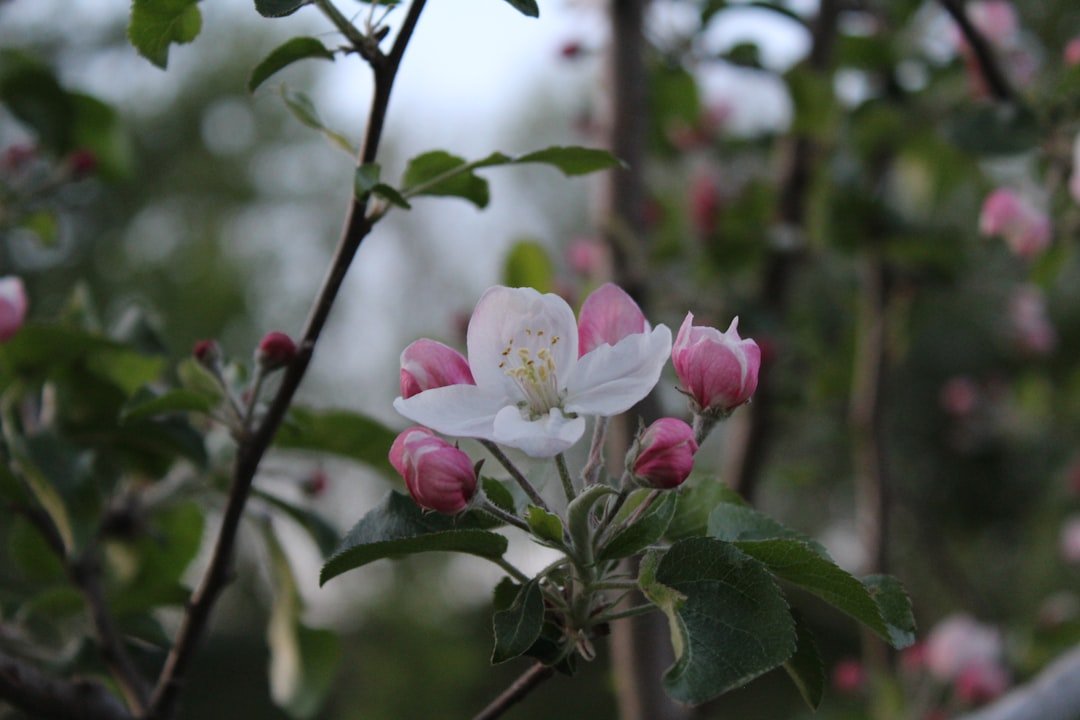
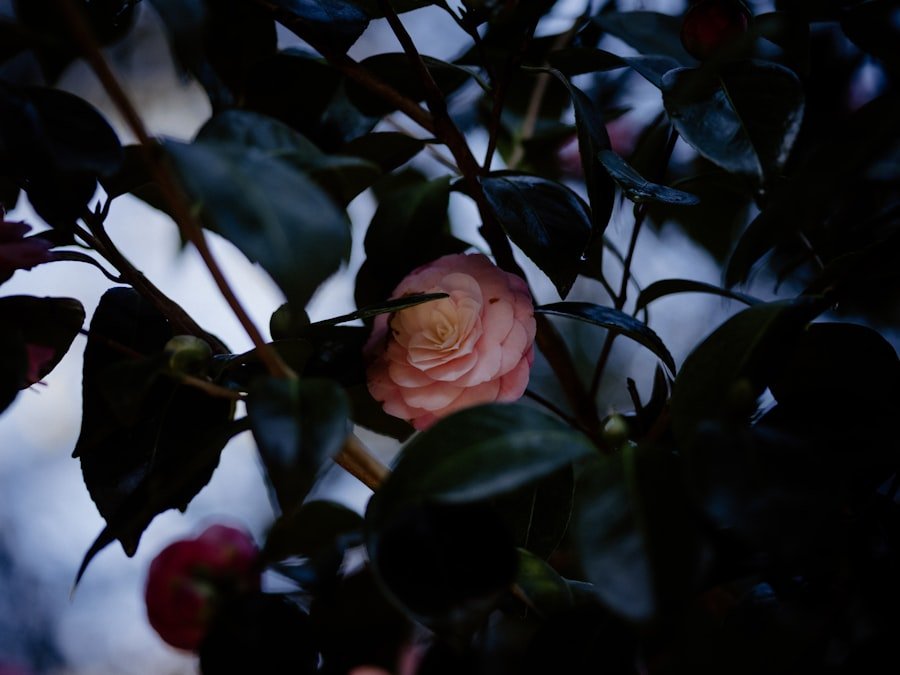
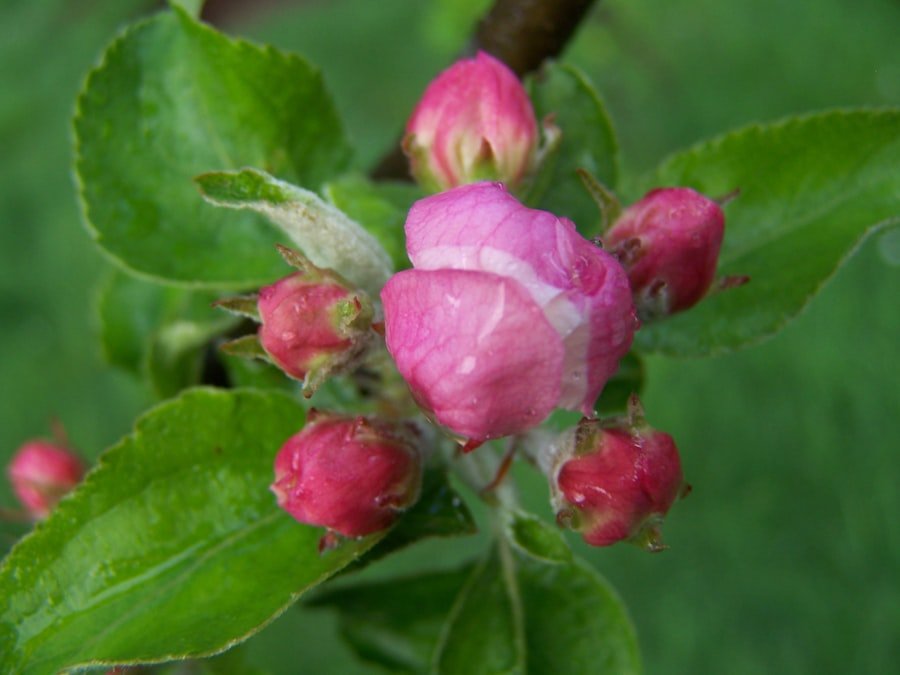
The Hidden Rose apple tree has the general form of a deciduous orchard apple, with spring flowers followed by fruit that matures later in the growing season. One of its most distinctive ornamental features is its pinkish blossom, but the fruit interior is what makes the cultivar memorable.
Do not rely on a claimed mature height without knowing the rootstock. Grafted apple trees combine a fruiting variety, called the scion, with a rootstock that strongly influences mature size, anchorage, vigor, and how soon the tree begins to bear.
That means the same Hidden Rose scion can become a relatively compact tree on a dwarfing rootstock or a much larger tree on a vigorous rootstock. The rootstock name is therefore one of the most useful details to check before buying a tree.
Hidden Rose Apple Fruit: Color, Flavor, and Uses
| Characteristics | Description |
|---|---|
| Type | Red-fleshed domesticated apple |
| Skin | Pale green-yellow, often with a faint pink or red blush |
| Flesh | Pink to deep rose-red, crisp, firm, and juicy |
| Flavor | Tart with mild sweetness and berry-like or strawberry-lemonade notes |
| Season | Late-season apple; exact harvest timing varies by climate and year |
| Uses | Fresh eating, salads, baking, sauces, juice, and cider |
The fruit usually looks much less dramatic on the outside than it does after cutting. That contrast is the main reason the apple attracts attention: pale skin conceals naturally pigmented flesh that can vary from pink to a much deeper red.
Dragonberry Produce’s Hidden Rose description characterizes the apple as tart and mildly sweet, with crisp, juicy pink flesh and flavor compared with strawberry lemonade. Its commercial fruit season is listed as late October through December.
The color comes from naturally occurring pigments, including anthocyanins. The fruit can be sliced raw to display its color, but its firmness and acidity also make it useful for cooking, baking, sauces, and cider.
Hidden Rose vs. Rose Apple: Why the Names Are Confusing
Hidden Rose apple and tropical rose apple are not the same plant. Hidden Rose is a cultivar of domesticated apple, while rose apple commonly refers to Syzygium jambos, a tropical member of the myrtle family.
| Feature | Hidden Rose apple | Rose apple |
|---|---|---|
| Botanical identity | Malus domestica cultivar | Syzygium jambos |
| Plant family | Rosaceae | Myrtaceae |
| Climate association | Temperate apple-growing climates | Primarily wet tropical climates |
| Notable trait | Pink to red apple flesh | Separate tropical fruit species |
Kew Science identifies Syzygium jambos as an accepted Myrtaceae species native to parts of southern China and western Malesia and primarily associated with the wet tropical biome. Those facts do not describe the Oregon Hidden Rose apple.
Where Can You Find Hidden Rose Apples and Trees?
Hidden Rose is a specialty apple rather than a standard supermarket variety, so fresh fruit can be seasonal and limited. Look for the names Hidden Rose, Airlie Red Flesh, and Mountain Rose when comparing orchard offerings, specialty produce, or nursery stock.
If you want a tree rather than fruit, confirm that the listing identifies the actual cultivar and gives the rootstock. Airlie Red Flesh may also be sold as scion wood for grafting instead of as a complete rooted tree, so read nursery descriptions carefully before ordering.
Availability also varies by region because plant-shipping rules, climate, and nursery production differ. A locally suitable rootstock is more important than buying a tree solely because the cultivar name is correct.
How to Grow a Hidden Rose Apple Tree
Grow a Hidden Rose apple tree much as you would another grafted dessert apple: give it strong sunlight, well-drained soil, enough room for its rootstock, regular care while establishing, and access to compatible apple pollen. Climate suitability and rootstock choice should be settled before planting.
Choose a Sunny, Well-Drained Site
Apple trees perform best with abundant direct sun and soil that does not remain waterlogged. The University of Minnesota Extension apple guide recommends at least eight hours of direct sun during the growing season and explains that apples can grow in many soils provided standing water is avoided.
Keep the mature size in mind when choosing the site. Crowded trees receive less light and air circulation, making pruning and harvesting harder.
Choose the Rootstock Before You Choose the Space
A Hidden Rose tree does not have one universal mature height. Rootstock controls much of the tree’s vigor and final size, while climate, soil, pruning, and the scion also affect growth.
As a general apple-tree reference, University of Minnesota Extension notes that dwarfing rootstocks may produce trees around 8, 12, or 15 feet tall, while standard seedling-rootstock trees can exceed 20 feet. That is why a blanket claim that every Hidden Rose tree reaches 15 to 20 feet is misleading.
For climate tolerance, cultivar-specific sources vary. Fedco lists Airlie Red Flesh as hardy to USDA Zone 4, but the actual suitability of a purchased tree also depends on its rootstock, local winter conditions, and site.
Plan for Cross-Pollination
Plant with cross-pollination in mind rather than assuming one isolated tree will crop reliably. Apple flowers need compatible pollen during overlapping bloom periods for dependable fruit set.
Washington State University explains apple cross-pollination and notes that apples generally set fruit more heavily and regularly when compatible pollen is available. A different apple cultivar or suitable flowering crabapple can provide pollen when bloom times overlap.
Before planting, compare the Hidden Rose tree’s bloom group with the prospective pollinizer. Do not choose a partner only because both are apple trees.
Water, Prune, and Thin the Crop
Young apple trees need consistent moisture while their root systems establish. After establishment, water deeply during dry periods rather than keeping the soil constantly saturated.
Prune to develop a strong, open framework and remove broken, diseased, crossing, or badly placed growth. Pruning also keeps fruit reachable and improves light movement through the canopy.
If the tree sets an unusually heavy crop, thinning some young fruit can improve the size and quality of the remaining apples and reduce stress on branches. Avoid excessive nitrogen, which can push lush shoot growth at the expense of balanced fruit production.
Oregon State University Extension likewise recommends full sun, well-drained soil, attention to pollination, and appropriate dwarf or semidwarf rootstocks when planning home fruit trees.
When Do Hidden Rose Apples Ripen?
Hidden Rose is a late-season apple. In its Pacific Northwest growing region, harvest is generally associated with autumn, but the exact date changes with elevation, local climate, spring weather, and the individual season.
Do not harvest only by calendar date. A mature apple should have developed its characteristic flavor, and ripe fruit usually separates from the spur with a gentle lift and twist.
The Oregon State University apple-harvest guide explains that weather and location shift apple maturity from year to year. It recommends using firmness, flavor, background color, ease of separation, and natural fruit drop together rather than relying on one sign.
For commercially marketed Hidden Rose fruit, late October through December is a useful seasonal reference. Home-grown fruit may be ready earlier or later depending on where the tree is planted.
How to Store and Use Hidden Rose Apples
Handle Hidden Rose apples gently and cool them soon after harvest if you want to preserve their crisp texture. Bruised, damaged, or insect-injured fruit should be used first rather than mixed with sound apples intended for longer storage.
Fresh slices are one of the simplest ways to show off the rose-colored flesh. The apples can also be used in salads, pies, tarts, sauces, juice, and cider, where their acidity and color can be especially useful.
For storage, keep sound fruit cold and humid without sealing it in a way that traps excessive condensation. Home refrigerators are generally more dependable than warm countertops for maintaining apple quality.
Can You Grow a Hidden Rose Apple From Seed?
You can germinate an apple seed, but it will not reliably produce another true Hidden Rose tree. Apples are genetically variable, so seedlings can differ substantially from the fruiting tree that produced the seed.
To reproduce the cultivar, growers use vegetative propagation, usually grafting a piece of Hidden Rose or Airlie Red Flesh scion wood onto an apple rootstock. The scion preserves the desired fruiting variety, while the rootstock influences characteristics such as tree size and vigor.
This is also why a seedling found in Oregon could become a unique cultivar. Once growers recognized its unusual red flesh and flavor, grafting allowed that particular genetic individual to be reproduced.
Frequently Asked Questions
What is a Hidden Rose apple tree?
A Hidden Rose apple tree is a grafted domesticated apple cultivar known for fruit with naturally pink to deep red flesh. The variety originated from a chance seedling near Airlie, Oregon, and is also associated with the names Airlie Red Flesh and Newell-Kimzey.
How tall does a Hidden Rose apple tree grow?
There is no single mature height for every Hidden Rose apple tree because the rootstock strongly affects size. A dwarfing rootstock can keep an apple tree much smaller, while a standard or vigorous rootstock can produce a tree exceeding 20 feet under suitable growing conditions.
What growing conditions does a Hidden Rose apple tree need?
A Hidden Rose apple tree needs the basic conditions required by other grafted apples: plenty of direct sun, soil that drains well, sufficient moisture during establishment, and enough space for its rootstock. The tree should also have compatible apple pollen available during bloom for dependable fruit set.
When does a Hidden Rose apple tree produce ripe fruit?
Hidden Rose is a late-season apple that generally ripens in autumn. Exact harvest dates vary with climate, elevation, and yearly weather, so use flavor, firmness, background skin color, and ease of separation as maturity signs rather than relying on one calendar date.
Does a Hidden Rose apple tree need another apple tree for pollination?
You should plan for cross-pollination from another compatible apple cultivar or suitable crabapple with overlapping bloom. Cross-pollination generally gives apple trees more dependable fruit set, so an isolated tree should not be assumed to crop well on its own.
Can Hidden Rose apple trees be grown in containers?
Container growing is most practical when the tree is grafted onto an appropriate dwarfing rootstock, but Hidden Rose-specific container performance is not well documented in the authoritative sources reviewed here. Check the rootstock and local climate requirements before choosing a container instead of an in-ground planting.
Sources
- Hidden Rose Apples: documented Newell-Kimzey origin story, Airlie location, and trademark information.
- Oregon Public Broadcasting: Airlie Red Flesh history, alternate names, rediscovery, and grafting context.
- Dragonberry Produce: commercial Hidden Rose fruit appearance, flavor, uses, and seasonal availability.
- Kew Science Plants of the World Online: taxonomy and tropical distribution of Syzygium jambos, the separate species commonly called rose apple.
- University of Minnesota Extension: apple sunlight, rootstocks, tree size, planting, maintenance, pollination, and storage guidance.
- Washington State University Tree Fruit: apple cross-pollination requirements and compatible pollen principles.
- Oregon State University Extension: fruit-tree siting, drainage, pollination, and rootstock guidance.
- Fedco Seeds: Airlie Red Flesh cultivar identification, fall harvest classification, flesh and skin color, and listed cold hardiness.