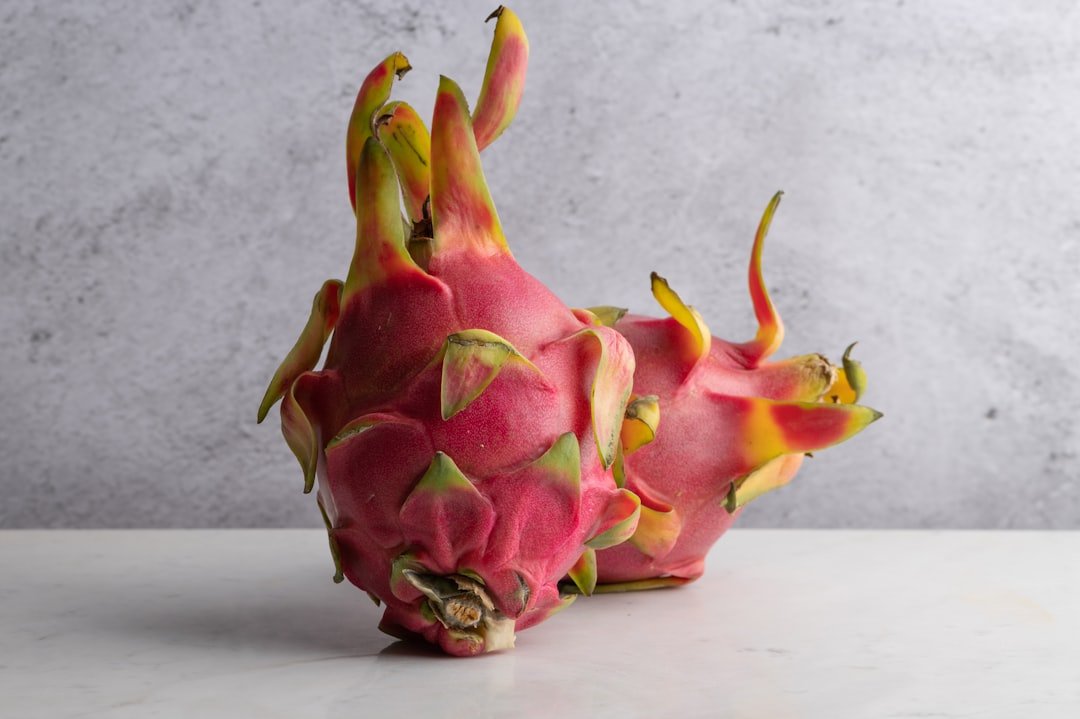
Dragon fruit vs pitahaya sounds like a comparison between two different fruits, but in everyday food and produce use, the names usually refer to the same group of climbing cactus fruits. The real differences come from species, cultivar, skin color, flesh color, sweetness, and growing conditions. Understanding the naming first makes it much easier to compare flavor, nutrition, uses, and varieties.
Quick Answer
Dragon fruit and pitahaya usually refer to the same commercial cactus fruit, so there is no standard taste or nutrition difference between the names. The real differences come from species and cultivar: pink- or red-skinned fruits may have white, red, or magenta flesh, while yellow pitaya usually has white flesh and a sweeter flavor.
Key Takeaways
- “Dragon fruit,” “pitaya,” and “pitahaya” are commonly overlapping names rather than fixed labels for separate supermarket fruits.
- Modern botanical references place major commercial dragon-fruit species in the genus Selenicereus; older sources often use Hylocereus.
- Flesh may be white, red, or magenta, while the peel is commonly pink-red or yellow.
- Nutrition varies by species, cultivar, climate, maturity, and laboratory method, so one universal nutrient figure can be misleading.
- Dragon fruit is nutritious food, but current human evidence does not support treating diabetes, cancer, or other diseases with the fruit.
Dragon Fruit vs Pitahaya: Are They the Same Fruit?
For most shoppers, dragon fruit and pitahaya mean the same thing. The University of Florida lists dragonfruit as an English common name and pitahaya as a Spanish common name for these cactus fruits in its pitaya growing guide.
The terminology is not perfectly standardized worldwide. “Pitaya” and “pitahaya” can also be used regionally for fruits from other cactus genera, so botanical identification is more precise than relying on a market label alone.
Older horticultural sources frequently place commercial dragon fruit in the genus Hylocereus. Current Kew Science taxonomy accepts the familiar white-fleshed species as Selenicereus undatus, with Hylocereus undatus listed as a synonym. Kew gives its native range as Mexico through parts of Central America.
The yellow-skinned form commonly sold as yellow pitaya includes Selenicereus megalanthus, a species native to Colombia, Ecuador, and Peru. This helps explain why “pitaya” describes a group of related cactus fruits rather than one single appearance.
Dragon fruit has a long history in tropical America and has been consumed there since before modern international trade. Cultivation later spread widely through tropical and subtropical regions, including Southeast Asia, where Vietnam became especially associated with commercial production.
The original history of the crop is sometimes described as an introduction to Southeast Asia during the 19th century. Popular accounts also connect its dramatic scales with dragon imagery, including a Vietnamese tale in which a dragon becomes a fruit-bearing cactus after battle. These cultural stories help explain the fruit’s memorable modern name, although their exact historical origins are harder to document than its botanical history.
The Nutritional Value of Dragon Fruit and Pitahaya
Dragon fruit provides water, carbohydrate, small amounts of protein and fat, minerals, vitamin C, and dietary fiber. However, the exact values vary enough between species and studies that a single nutrition figure should not be applied to every white-, red-, or yellow-fleshed fruit.
A compositional study of two dragon-fruit species reported the following ranges per 100 grams of fresh fruit. These figures are useful as examples rather than universal values for every cultivar.
| Nutrient or component | Reported amount per 100 g |
|---|---|
| Water | About 82–85% |
| Protein | About 0.9–1.1 g |
| Dietary fiber | About 0.8–1.0 g |
| Potassium | About 120–200 mg |
| Magnesium | About 30–45 mg |
| Iron | About 0.7–1.5 mg |
Fiber contributes to normal digestive function, while minerals such as magnesium and potassium support many normal body processes. Red- and magenta-fleshed types also contain colorful plant compounds, including betalain pigments.
Because nutrient composition changes with variety and growing conditions, neither the word “pitahaya” nor “dragon fruit” tells you that one fruit is automatically more nutritious than the other.
The Physical Characteristics of Dragon Fruit and Pitahaya

Dragon fruit is easy to recognize by its leathery peel, prominent leafy scales, soft flesh, and many tiny black edible seeds. Depending on the species or cultivar, the skin may be pink-red or yellow and the flesh may be white, red, or magenta.
UF/IFAS describes pitaya fruit as an oblong fleshy berry about 4.5 inches thick. Size still varies considerably among cultivars and growing conditions, so individual supermarket fruits can be smaller or larger.
The black seeds are distributed throughout the flesh and are normally eaten with it. Their light crunch contrasts with the juicy pulp, which is one reason the texture is often compared with kiwi fruit.
Dragon fruit grows on climbing, vine-like cacti rather than on a conventional fruit tree. The plants also produce very large, fragrant flowers that usually open at night. Those flowers, rather than the colorful fruit skin, are the structures involved in attracting pollinators.
The Taste and Flavor Profiles of Dragon Fruit and Pitahaya
There is no reliable taste difference based only on whether a seller calls the fruit “dragon fruit” or “pitahaya.” Flavor depends mainly on the cultivar, flesh color, ripeness, and growing conditions, with some types mild and refreshing and others noticeably sweeter.
| Aspect | Pink or Red-Skinned Types | Yellow-Skinned Pitaya |
|---|---|---|
| Color | White, red, or magenta flesh with black seeds | Usually white flesh with black seeds |
| Taste | Ranges from mild to distinctly sweet depending on cultivar and ripeness | Often noticeably sweet, with cultivar differences |
| Flavor | Commonly compared with a mild blend of kiwi and pear | Sweet and tropical, sometimes with pear-like notes |
| Texture | Juicy, soft to firm, with tiny crunchy seeds | Juicy and tender with edible crunchy seeds |
A ripe white-fleshed fruit can taste light and delicate, while some red- or magenta-fleshed cultivars have a stronger sweetness. Yellow pitaya is also widely prized for sweetness, although flavor still varies from fruit to fruit.
Because the flavor is generally gentle, dragon fruit pairs easily with more assertive ingredients. Lime, pineapple, mango, berries, mint, yogurt, and coconut can all complement it without covering its texture.
Growing and Harvesting Dragon Fruit and Pitahaya
Dragon fruit grows best in warm conditions, well-drained soil, and with sturdy support for its climbing stems. Although it belongs to the cactus family, productive plants still need appropriate watering, and consistently waterlogged soil can encourage root and disease problems.
Growers commonly train the stems onto posts or trellises. Good support keeps the heavy mature plant manageable, improves access to light and air, and makes pruning and harvesting easier.
Pollination requirements vary. Some cultivars are self-incompatible, so UF/IFAS recommends planting two or three genetically different types where cross-pollination is needed to improve fruit set and size.
Harvest timing also depends on climate and cultivar. In Florida, UF/IFAS reports that the ripening season for white-fleshed S. undatus generally runs from June through November. Fruit should be harvested when it is mature and well colored rather than simply picked according to a fixed number of days.
Postharvest temperature matters because dragon fruit loses water and its scales can wilt. The UC Davis Postharvest Research and Extension Center recommends cool storage conditions that vary by type, with red pitaya and yellow-skinned forms requiring different optimum temperatures.
Culinary Uses and Recipes for Dragon Fruit and Pitahaya
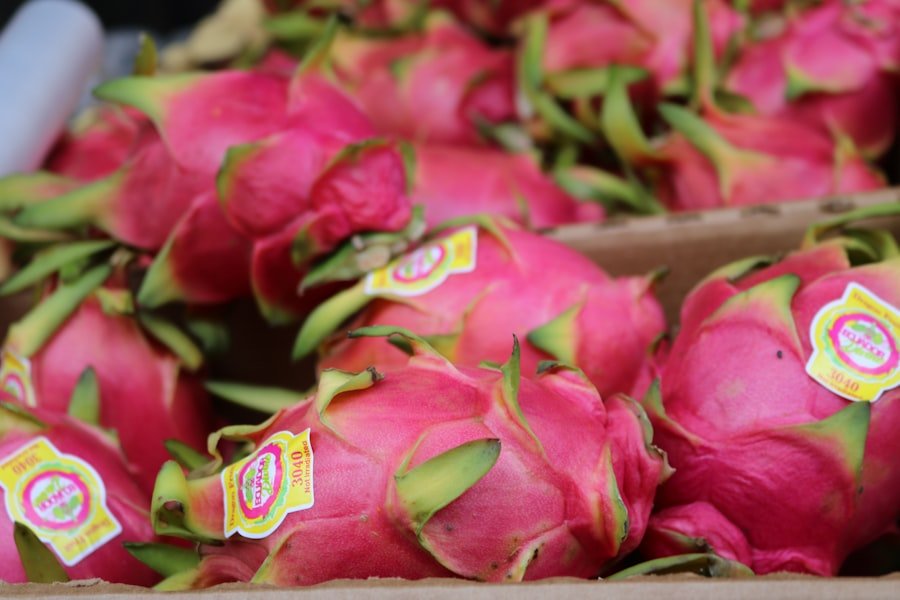
Dragon fruit is easiest to use fresh, but its mild flavor also works in drinks, salads, yogurt bowls, frozen desserts, and baking. The flesh can be scooped directly from the skin, and the small black seeds are normally eaten along with it.
Smoothie Delight
For a simple smoothie, blend fresh or frozen dragon fruit with banana and coconut milk. A small amount of honey can be added if the fruit itself is not very sweet.
Red- or magenta-fleshed fruit produces a particularly vivid drink without the need for artificial coloring. White-fleshed dragon fruit gives a more subtle appearance while keeping the same soft, seeded texture.
Fresh Salads
Dragon fruit works especially well in chilled fruit or cucumber salads because it adds moisture and gentle sweetness without overpowering stronger ingredients. Dice it and combine it with cucumber, fresh mint, lime juice, and a small pinch of salt.
The lime adds acidity, while cucumber reinforces the crisp, refreshing quality of the fruit. You can also pair dragon fruit with mango, pineapple, kiwi, or berries.
Baking and Beyond
Diced dragon fruit can top yogurt, oatmeal, chia pudding, or desserts. Pureed fruit can also be added to frozen desserts, sauces, drinks, and some baked recipes.
If color is the goal, red- or magenta-fleshed varieties provide the strongest natural hue. In baking, remember that heat and other ingredients can change both the color and the delicate flavor, so the finished result may look less intense than raw puree.
Health Benefits and Potential Drawbacks of Dragon Fruit and Pitahaya
Dragon fruit can be part of a balanced diet because it supplies water, fiber, minerals, and plant compounds such as phenolics and betalains. However, promising antioxidant or anti-inflammatory activity in laboratory research should not be interpreted as proof that eating dragon fruit prevents or treats a specific disease.
A broad review of dragon-fruit bioactive compounds and health research found potential effects across several experimental areas but also emphasized the need for more detailed scientific investigation. Much of the evidence comes from laboratory or animal work rather than large, long-term human trials.
Claims about blood sugar require particular care. A systematic review and meta-analysis of randomized trials found an interesting fasting-glucose result in a small prediabetes group but did not find a significant effect on fasting or post-meal glucose in people with type 2 diabetes. Dragon fruit should therefore be treated as food, not as a replacement for diabetes treatment.
Allergic reactions appear uncommon, but they can occur. A published case report documented anaphylaxis after pitaya consumption, showing that a serious food allergy is possible even though most people eat the fruit without a problem.
Eating a large amount at once may also cause digestive discomfort in some people, especially if they are not accustomed to fiber-rich fruit.
Note: Dragon fruit is a food, not a proven treatment for diabetes, cancer, heart disease, or other medical conditions. If you have diabetes, a known food allergy, or symptoms such as swelling, breathing difficulty, or persistent digestive problems after eating it, seek appropriate medical advice.
The Economic and Environmental Impact of Dragon Fruit Cultivation
Dragon fruit has become an important commercial crop in several tropical and subtropical regions, creating income opportunities for growers and supporting fresh-fruit and processed-food markets. Its striking appearance, long international marketing history, and adaptability to warm climates have helped expand demand.
Commercial production still requires careful resource management. Overwatering can promote root and stem problems, while dense growth can reduce airflow and increase disease pressure. Proper irrigation, pruning, soil management, and pest control therefore affect both crop productivity and environmental efficiency.
Growers are also exploring value-added uses for fruit pulp, peel, seeds, flowers, and processing by-products. Better use of these materials could reduce waste while creating ingredients for foods, natural colorants, and other products.
Dragon Fruit and Pitahaya in Traditional and Modern Medicine
Dragon fruit has a history of traditional medicinal use, but traditional use and clinically proven treatment are not the same thing. Modern research is investigating its pigments, phenolic compounds, fiber-related components, and other plant chemicals, yet firm medical conclusions still require stronger human evidence.
In traditional Chinese medicine, dragon fruit has sometimes been described as a cooling food used to support digestion. Mexican and Central American folk practices have also used cactus fruits and other plant parts for digestive and skin-related complaints.
Reports from Maya traditions describe the fruit, flowers, seeds, and other parts of the plant being used for purposes such as digestive complaints, wound care, or kidney-related problems. These practices are historically interesting, but they should not be treated as proof of effectiveness for those conditions.
Current scientific research is more focused on identifying bioactive compounds and testing possible antioxidant, anti-inflammatory, metabolic, and antimicrobial effects. Results remain mixed in quality and are often based on laboratory, animal, or small human studies.
Popular Myths and Misconceptions About Dragon Fruit and Pitahaya
The biggest misconception is that a fruit labeled “pitahaya” must be nutritionally or botanically different from one labeled “dragon fruit.” In ordinary produce markets, those names usually overlap; differences in appearance and flavor are much more likely to reflect species, cultivar, and ripeness.
Another misconception is that all dragon fruit tastes the same. White-, red-, magenta-, and yellow-skinned or yellow-fleshed selections can differ noticeably in sweetness, acidity, texture, and aroma.
Red- or magenta-fleshed dragon fruit can also temporarily give urine or stool a pink or reddish color in some people because of its intense natural pigments. That color change can be harmless after eating strongly pigmented fruit, but unexplained or persistent red urine or stool should not automatically be blamed on dragon fruit because blood can have other causes.
Finally, calling dragon fruit a “superfood” does not mean it has unique disease-curing properties. It is better understood as one nutritious fruit among many, with benefits that come from fitting it into an overall varied diet.
The Future of Dragon Fruit and Pitahaya: Trends and Innovations
The future of dragon fruit is likely to involve better cultivars, improved pollination and growing systems, more efficient irrigation, and wider use of fruit-processing by-products. Breeding programs can also select for sweetness, color, yield, disease resistance, storage life, and compatibility with different growing regions.
Food companies are already interested in dragon fruit for juices, frozen products, powders, desserts, natural coloring ingredients, and other value-added foods. Research is also examining how pigments, fibers, and other components from the peel, flesh, and seeds might be used more efficiently.
For consumers, the practical takeaway is simpler: choose dragon fruit by variety, ripeness, appearance, and intended use rather than assuming “pitaya” and “dragon fruit” are two different supermarket fruits. Once the naming is clear, the meaningful comparison is between the actual cultivars in front of you.
Frequently Asked Questions
What is the difference between dragon fruit and pitahaya?
Dragon fruit and pitahaya usually refer to the same commercial cactus fruit. The names vary by language, region, and market, while meaningful differences come from the species or cultivar. Some regional uses of “pitaya” can also refer more broadly to fruits from other cactus groups.
What are the main varieties of dragon fruit or pitahaya?
The most familiar commercial types have pink or red skin with white, red, or magenta flesh, plus yellow-skinned fruit that usually has white flesh. Many named cultivars exist within these groups, so sweetness, size, color, and pollination requirements can differ even when two fruits look similar.
What are the nutritional benefits of dragon fruit?
Dragon fruit supplies water, dietary fiber, minerals, vitamin C, and several plant compounds. Exact amounts vary considerably between species and studies, so there is no single nutrition profile for every fruit. It can be a nutritious part of a varied diet, but it is not a proven treatment for disease.
How do you eat dragon fruit or pitahaya?
Cut the fruit lengthwise and scoop the flesh from the peel with a spoon, or peel and cube it. The soft flesh and tiny black seeds are edible. Dragon fruit can be eaten fresh or added to smoothies, salads, yogurt, oatmeal, frozen desserts, sauces, and baked recipes.
Where is dragon fruit grown?
Dragon fruit originated in tropical parts of the Americas and is now cultivated across many tropical and subtropical regions. Commercial production is established in parts of Southeast Asia, the Americas, Australia, and other warm areas where growers can provide suitable temperatures, drainage, support, and pollination.
Is pitaya different from pitahaya?
Pitaya and pitahaya are closely related regional names and are often used interchangeably for dragon fruit. Their meaning can vary between countries and botanical traditions, so the label alone does not reliably identify a species. For an exact comparison, use the scientific name or cultivar rather than the common name.
Sources
- University of Florida IFAS Extension: Common names, origin, fruit characteristics, pollination, cultivation, harvest season, and storage guidance.
- Kew Science — Selenicereus undatus: Accepted botanical name, synonymy, and native distribution of the common white-fleshed species.
- Kew Science — Selenicereus megalanthus: Accepted botanical name and native range of yellow pitaya.
- PubMed — Biochemical and nutritional characterization of dragon fruit: Reported nutrient ranges for white- and red-fleshed dragon fruit.
- PMC — Dragon fruit and glycemic control meta-analysis: Human trial evidence concerning prediabetes and type 2 diabetes.
- PMC — Pitaya allergy case report: Evidence that serious allergic reactions are possible.
- PMC — Review of dragon-fruit health effects: Bioactive compounds, traditional uses, experimental findings, and research limitations.
- UC Davis Postharvest Research and Extension Center: Postharvest temperature, humidity, water-loss, ripening, and storage information.