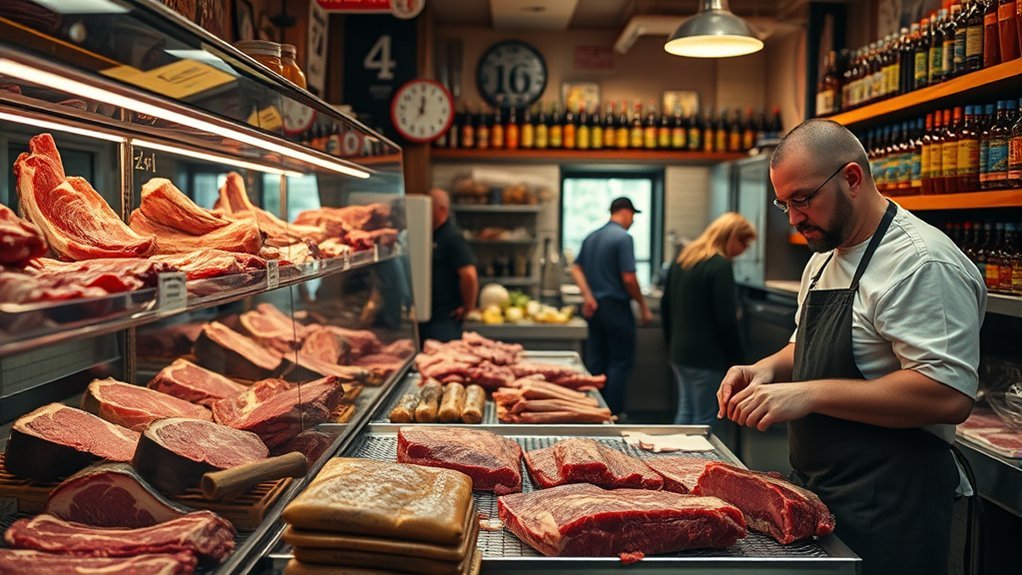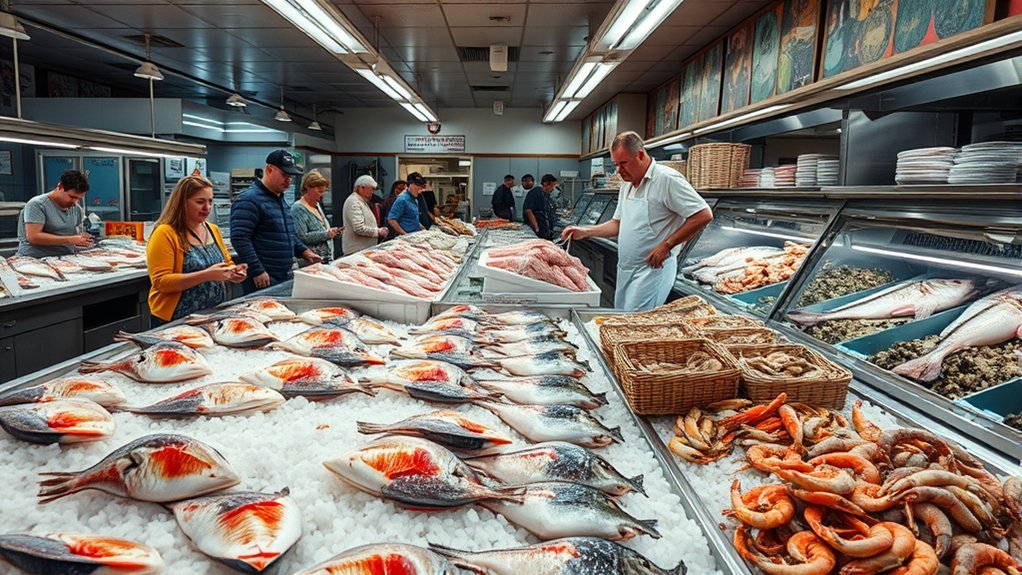
If you want the best fish markets in Oklahoma City, start with verified local and OKC-area seafood sources, then shop by freshness, delivery day, and how you plan to cook. Oklahoma City is inland, so the freshest seafood is usually flown or trucked in from the Gulf Coast, Alaska, or other coastal suppliers—not pulled from an ocean nearby. The best choice depends on whether you want raw seafood to cook at home, whole fish and specialty ingredients, or ready-to-eat fried fish.
Quick Answer
For fresh seafood near Oklahoma City, check Edmond Seafood for Gulf Coast-style raw seafood, Super Cao Nguyen for international grocery seafood options, and Bob’s Fish & Seafood OKC for prepared fried fish. Call ahead before visiting because seafood selection changes with delivery schedules, weather, and seasonal supply.
Key Takeaways
- Oklahoma City seafood is usually shipped in, so ask when it arrived and whether it was fresh, frozen, or previously frozen.
- Edmond Seafood is a strong OKC-area pick for raw seafood, Gulf Coast favorites, and Cajun extras.
- Super Cao Nguyen is useful for shoppers who want whole fish, shellfish, Asian ingredients, and a wider international grocery selection.
- For safety, keep seafood at 40°F or below and cook fin fish to 145°F or until it flakes easily.
- If you eat fish you caught in Oklahoma waters, check the latest Oklahoma DEQ fish-consumption guidance before eating it often.
At a Glance
| Time Required | 10–20 minutes to shop; longer if you are asking for whole-fish cleaning or a special order |
| Difficulty | Easy if you know what to ask: arrival date, origin, storage, and best cooking method |
| Tools Needed | Insulated bag or cooler, ice packs, food thermometer, and a plan to cook or refrigerate quickly |
| Cost | Varies widely by species; shrimp, catfish, and tilapia usually cost less than oysters, halibut, scallops, or wild salmon |
Top Fish Markets In Oklahoma City: Your Go-To Guide
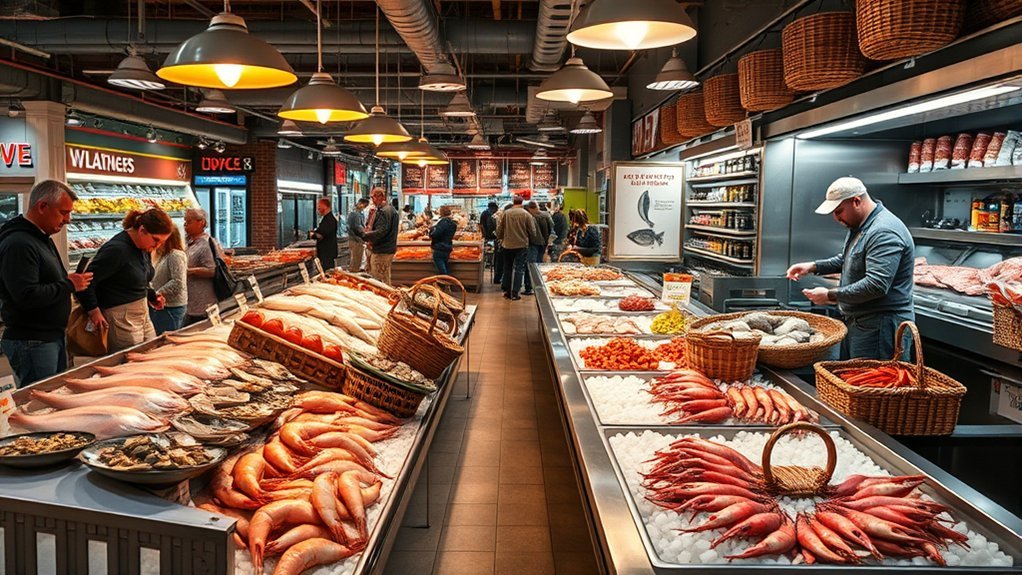
Here are the OKC-area seafood stops worth considering first. Because hours, delivery days, and product lists can change quickly, call ahead before making a special trip—especially if you want oysters, crawfish, whole fish, or a specific cut.
| Market or Shop | Best For | What to Ask Before You Go |
|---|---|---|
| Edmond Seafood | Raw shrimp, catfish, flounder, grouper, red snapper, seasonal fish, shellfish, and Cajun extras. | Ask what arrived most recently, what is seasonal, and whether special orders are available. |
| Super Cao Nguyen | Whole fish, shellfish, frozen seafood, Asian pantry ingredients, sauces, noodles, rice, herbs, and produce for seafood dishes. | Ask what is best for steaming, frying, hot pot, curry, or grilling. |
| Bob’s Fish & Seafood OKC | Prepared fried fish, shrimp, catfish dinners, and comfort-style seafood meals. | Ask what is cooked to order and whether current hours match the listing. |
| Avalon Seafood Market | Directory-listed seafood market option in Oklahoma City. | Call first to confirm current hours, retail availability, and today’s selection. |
| Whole Foods Market seafood counter | A grocery-store option when you want published seafood standards, filleting help, and familiar cuts. | Ask what is fresh versus previously frozen and what is on sale that week. |
Note: Some seafood businesses with similar names, including H&H Fresh Fish, Phil’s Fish Market, Sea Harvest Fish Market, and Monterey Fish Market, are California-based businesses. They should not be presented as Oklahoma City fish markets unless you are specifically discussing online shipping or a California trip.
Why Choose Local Fish Markets Over Supermarkets?
A good seafood market can be more helpful than a standard grocery run because you can ask direct questions: when the fish arrived, where it came from, how it was handled, and how to cook it. That kind of information matters more than a vague “fresh” label.
Local and specialty markets may also carry items that are harder to find in a basic grocery case, such as whole fish, crawfish, Gulf shrimp, oysters, live or frozen shellfish, Cajun ingredients, fish heads for stock, or species used in Asian, Southern, and Gulf Coast cooking.
That said, supermarkets still have a place. A grocery seafood counter can be a practical choice when you want published sourcing standards, predictable hours, weekly sales, and familiar cuts like salmon portions, cod, tilapia, shrimp, or scallops. The best shopper’s move is simple: compare freshness, transparency, and turnover—not just the store type.
Key Factors For Selecting Quality Seafood
Fresh seafood should look clean, smell mild, and stay cold. According to FoodSafety.gov seafood handling guidance, fish should be refrigerated or displayed on a thick bed of fresh ice, and it should smell fresh and mild—not sour, fishy, or ammonia-like.
- For whole fish: Look for clear, shiny eyes; firm flesh; bright gills; and a clean ocean or freshwater smell.
- For fillets: Choose moist, glossy flesh without dry edges, discoloration, or pooling liquid.
- For shrimp: Avoid strong ammonia odors, excessive mushiness, or broken packaging.
- For oysters, clams, and mussels: Shells should be closed or close when tapped. Discard shellfish with cracked shells or shells that stay open before cooking.
- For frozen seafood: Packaging should be solidly frozen, tightly sealed, and free of heavy ice crystals or signs of thawing and refreezing.
Pro Tip: The best question is not “Is this fresh?” Ask, “When did this arrive, where is it from, and was it previously frozen?” You will usually get a much more useful answer.
Products Worth Considering


What’s Fresh Right Now? Seasonal Seafood Options?
Because Oklahoma City is inland, “seasonal seafood” means two different things: seafood shipped in from coastal suppliers and freshwater fish caught for personal use in Oklahoma waters. For shopping, you are usually dealing with Gulf Coast seafood, farmed seafood, frozen-at-sea products, or fish flown/trucked in from other regions.
Good OKC-area seafood choices often include shrimp, catfish, red snapper, flounder, grouper, salmon, cod, scallops, and seasonal shellfish depending on the market. Crawfish is more seasonal and can be affected by weather, harvest conditions, and preorder demand, so call early when crawfish is what you want.
For fish caught in Oklahoma City lakes and close-to-home fishing waters, the City of OKC lists species and rules for channel catfish, blue catfish, crappie, flathead catfish, bass, hybrid striped bass, sunfish, walleye, and trout in specific waters. The city’s annual trout season at Route 66 Park and Edwards Park runs from December 1 through the last day of February, with stocking dates dependent on weather.
Warning: If you eat fish you caught yourself in Oklahoma, check the latest Oklahoma DEQ fish-consumption guidance. Some fish from some waters may have mercury-related meal limits, especially for children and people who are pregnant or may become pregnant.
Products Worth Considering

This product is Marine Stewardship Council (MSC) certified. In order for a fishery to earn MSC certification, they're evaluated by an independent third party in accordance with the MSC Fisheries Standard for healthy fish populations and ecosystems, and effective management.

High Palatability : Up to 50% fresh sword prawns + silkworm pupae, spirulina, mulberry leaves. Natural wild sword shrimp contains the basic raw materials needed for shrimp growth and shell formation

Sustainable Options At Oklahoma City Fish Markets
Sustainable seafood shopping in Oklahoma City starts with better questions. Since most seafood here travels from somewhere else, ask about the source, harvest method, farm or fishery, and certification. For wild seafood, look for details such as U.S. wild-caught, Alaska, Gulf, hook-and-line, troll-caught, pot-caught, or Marine Stewardship Council certification. For farmed seafood, ask about Aquaculture Stewardship Council, Best Aquaculture Practices, or whether the farm is U.S.-based.
NOAA Fisheries provides seafood profiles and consumer information on U.S. seafood, and Seafood Watch offers science-based recommendations that can help shoppers compare species, regions, and production methods.
Sourcing Local Seafood Sustainably
In Oklahoma City, “local seafood” usually means one of three things: a local business selling seafood, freshwater fish caught in Oklahoma for personal use, or regional seafood brought from the Gulf Coast. It should not automatically mean ocean fish caught near OKC. That distinction helps you avoid misleading labels and choose more carefully.
When possible, buy from shops that can tell you the origin of the fish and how long it has been in the case. A smaller selection with high turnover is often better than a huge case where nobody can explain the arrival date.
Seasonal Fish Availability Insights
Ask each market what is strongest that week. Shrimp, salmon, cod, and tilapia may be available year-round because of frozen, farmed, or steady supply chains. Crawfish, oysters, Gulf fish, and some whole-fish options can be more seasonal. For Oklahoma-caught freshwater fish, follow local regulations, possession limits, and consumption advisories.
Questions To Ask Your Fishmonger?
A good fishmonger can save you money and help you avoid a disappointing dinner. Use these questions at the counter:
- What arrived most recently? This is usually better than asking what is “fresh.”
- Where is it from? Ask for the country, state, region, or fishery when possible.
- Was it previously frozen? Previously frozen seafood can still be excellent, but you should know before refreezing or serving it raw.
- What should I cook tonight? Staff often know which items are moving fastest and tasting best.
- Can you clean, fillet, scale, or portion it? This saves prep time and reduces waste.
- How should I store it until dinner? Ask for ice if you have a long drive or the weather is hot.
- Is this safe for raw preparation? Never assume seafood is sushi-grade or safe raw unless the seller specifically says it is intended for that use.
Unique Offerings From Oklahoma City Fish Markets
The fun part of shopping for seafood in OKC is the mix of Gulf Coast, Southern, Asian, and classic American seafood options. You may find raw fish for home cooking at one shop, whole fish and specialty pantry items at another, and fried catfish or shrimp dinners at a prepared-food stop.
Fresh Seafood Selections
| Seafood Type | Best Use | Shopping Tip |
|---|---|---|
| Shrimp | Boils, tacos, pasta, stir-fries, gumbo | Ask for count per pound and whether it is Gulf, farmed, wild, fresh, or frozen. |
| Catfish | Frying, blackening, grilling, family dinners | Look for clean-smelling fillets and firm texture. |
| Whole fish | Steaming, roasting, grilling, hot pot | Check eyes, gills, smell, and whether the shop can scale and clean it. |
| Oysters, clams, mussels | Steaming, grilling, chowders, seafood boils | Shells should be closed or close when tapped; ask for harvest tags and handling advice. |
| Salmon, cod, halibut, scallops | Pan-searing, baking, grilling, sheet-pan meals | These are not local OKC catches; ask origin and whether they were fresh or frozen-at-sea. |
Specialty Dishes Available
If you do not want to cook, look for prepared seafood spots such as Bob’s Fish & Seafood OKC for fried catfish, shrimp, and comfort-style plates. For home cooks, Edmond Seafood’s Cajun extras and Super Cao Nguyen’s Asian pantry selection can help you turn raw seafood into a complete meal without visiting multiple stores.
Local Sourcing Practices
Use “local” carefully. A local shop may sell high-quality seafood even if the fish itself came from the Gulf, Alaska, the Pacific, or an aquaculture farm. That is normal for an inland city. The trustworthy sign is transparency: the seller can tell you where the seafood came from, how it was stored, and how quickly you should use it.
How To Store And Prepare Fresh Seafood
Seafood spoils faster than many other proteins, so treat it like a cold-chain product from the moment you buy it. Bring an insulated bag or cooler if the drive is long, if you are running other errands, or if Oklahoma heat is high.
- Keep it cold immediately. The FDA recommends keeping the refrigerator at 40°F or below and the freezer at 0°F or below.
- Use fresh seafood quickly. For best quality, cook most fresh fish and shellfish within 1–2 days.
- Store it in the coldest part of the refrigerator. Keep seafood covered and separate from ready-to-eat foods.
- Thaw safely. Thaw frozen seafood in the refrigerator, under cold running water, or in the microwave only if cooking immediately. Do not thaw it on the counter.
- Cook to a safe temperature. FoodSafety.gov recommends cooking fin fish to 145°F or until the flesh is opaque and separates easily with a fork. Shrimp, lobster, crab, and scallops should turn pearly or white and opaque; clams, mussels, and oysters should open during cooking.
Warning: Raw oysters and other raw shellfish carry a higher foodborne-illness risk. Children, older adults, pregnant people, and people with weakened immune systems should be especially cautious and choose fully cooked shellfish.
Frequently Asked Questions
Where can I buy fresh fish in OKC?
For raw seafood, start with Edmond Seafood in Edmond and Super Cao Nguyen in Oklahoma City’s Asian District. Avalon Seafood Market is also directory-listed as an Oklahoma City seafood market, but you should call first to confirm current hours and selection. Grocery counters such as Whole Foods can also be useful when you want published sourcing standards and familiar cuts.
What is the best day to buy fish at a fish market?
The best day is the market’s delivery day, not a universal day of the week. Call and ask, “When does your seafood shipment arrive?” Many shoppers also visit early in the day for the widest selection before popular items sell out.
What grocery store carries the best fish?
The best grocery seafood counter is the one with high turnover, cold display cases, clean smell, helpful staff, and clear sourcing information. Whole Foods is a strong option if published seafood standards matter to you, while international groceries such as Super Cao Nguyen may offer whole fish and specialty seafood that standard supermarkets do not carry.
Who has the best fish and chips in Oklahoma City?
For prepared fried fish rather than raw seafood, Bob’s Fish & Seafood OKC is a well-known local option for fried catfish, shrimp, and comfort-style seafood plates. If you specifically want British-style fish and chips, compare current menus before you go because seafood restaurant offerings change.
Is seafood in Oklahoma City truly fresh?
It can be, but “fresh” in OKC usually means properly shipped, stored cold, and sold quickly—not caught nearby. Frozen-at-sea seafood can also be excellent because it may be frozen shortly after harvest. Ask the seller when it arrived and whether it was previously frozen.
Can I eat fish I catch from Oklahoma City lakes?
Yes, if you follow city and state fishing rules, size limits, possession limits, and Oklahoma fish-consumption guidance. Before eating local catch often, check Oklahoma DEQ’s current advisory information because some fish from some waters may have mercury-related meal limits.
Conclusion
Buying seafood in Oklahoma City is less about chasing a perfect “fresh fish” label and more about choosing a trustworthy seller. Start with verified OKC-area options, ask what arrived most recently, confirm whether the seafood was previously frozen, and keep it cold from counter to kitchen. For the best results, match the seafood to your cooking plan: Gulf shrimp for boils and tacos, catfish for frying, whole fish for steaming or roasting, and shellfish only when you can cook and store it safely.
Sources
- Edmond Seafood — verifies OKC-area seafood business details, location, and product focus.
- Super Cao Nguyen — verifies Oklahoma City international grocery and meat/seafood department positioning.
- Bob’s Fish & Seafood OKC listing — verifies local prepared seafood business location and contact details.
- FoodSafety.gov: Safe Selection and Handling of Fish and Shellfish — supports freshness, buying, and handling guidance.
- FoodSafety.gov: Safe Minimum Internal Temperatures — supports 145°F fish cooking guidance and shellfish doneness advice.
- Oklahoma DEQ: Healthy Fish Consumption in Oklahoma — supports Oklahoma-caught fish mercury advisory caution.