Cheesecloth can trap curds, grease, herbs, and food odors deep inside its open weave. Rinsing it immediately makes cleaning easier, but the right washing method depends on whether the cloth is reusable, what food touched it, and whether it needs sanitizing before its next use.
This guide explains how to hand wash or machine wash cheesecloth, treat common stains, sanitize cloth used for dairy or cheesemaking, dry it completely, and decide when it should be replaced.
Quick Answer
Rinse reusable cheesecloth under cold running water as soon as you finish using it. Wash it with mild, unscented detergent, rinse until no soap remains, and air-dry it completely. For dairy or cheesemaking, sanitize the cleaned cloth by boiling it or using a correctly diluted food-contact bleach solution.
Key Takeaways
- Check the package first because thin, single-use cheesecloth may not survive washing.
- Rinse food residue out before it dries, using cold water first for dairy and other protein-based residue.
- Use mild, unscented detergent and rinse thoroughly so soap or fragrance does not transfer to food.
- Cleaning removes residue; sanitizing is a separate step for dairy, cheesemaking, or other higher-risk food uses.
- Store cheesecloth only after it is completely dry, and discard it if mold, persistent odor, embedded residue, or heavy fraying remains.
At a Glance
| Time Required | About 10–25 minutes, plus drying time |
| Difficulty | Easy |
| Tools Needed | Sink or basin, mild detergent, clean drying rack or towel, and an optional mesh laundry bag |
| Cost | Minimal when using household washing supplies |
What’s in This Article
- Why Cleaning Cheesecloth Matters
- Before You Clean Cheesecloth
- What You’ll Need
- How to Hand Wash Cheesecloth
- How to Machine Wash Cheesecloth
- How to Remove Stains from Cheesecloth
- How to Dry Cheesecloth
- How to Store Cheesecloth
- How to Sanitize Cheesecloth Safely
- Common Mistakes to Avoid
- Tips for Extending the Lifespan of Cheesecloth
- Frequently Asked Questions
- Final Tips for Cheesecloth Cleaning
- Sources
Why Cleaning Cheesecloth Matters
Cheesecloth has an open weave that can hold small curds, seeds, herbs, grease, and other food particles. Old residue can create unpleasant flavors and odors during the next use.
Cleaning also reduces the number of germs on the cloth. However, cleaning and sanitizing are not the same. Cleaning uses water, detergent, and rubbing to remove residue and many germs. Sanitizing is a separate step that reduces the germs remaining after cleaning.
The USDA Food Safety and Inspection Service recommends cleaning food-contact utensils with warm, soapy water before applying an appropriate sanitizer when sanitizing is needed.
Keep cheesecloth used for food separate from cloth used for crafts, polishing, gardening, or household projects. Paint, dye, dust, cleaners, and other non-food residues can remain in the fibers after washing.
Clean first and sanitize second. A sanitizer cannot work reliably through layers of curds, grease, or other visible food residue.
Before You Clean Cheesecloth
Check the package or care instructions before washing. Some thin, loosely woven cheesecloth is intended for one-time use and may fray, stretch, or fall apart in a washing machine. Tighter reusable cheesecloth and butter muslin usually handle repeated washing better.
Wash new reusable cheesecloth before its first food use unless its manufacturer says it is ready to use. This removes loose fibers, dust, and manufacturing residue.
After use, shake loose crumbs, herbs, curds, or food scraps into the trash or compost. Do not push large pieces down the sink.
Rinse the cloth as soon as possible. Use cold running water first when it held milk, cheese curds, eggs, meat juices, or another protein-rich food because hot water can make some protein residue harder to release.
Inspect the cloth for stains, tears, embedded particles, or sour odors before washing. Treat greasy or heavily soiled areas before placing the cloth in a washer.
Pro Tip: Hold the cleaner side of the cheesecloth toward the faucet so the water pushes trapped particles back out through the side where they entered.
What You’ll Need
Routine washing requires only a few supplies. Sanitizing supplies are optional and should be used only when the cloth and its care instructions allow them.
- Mild, unscented dish soap or laundry detergent
- Cold water for the first rinse
- Warm or hot water when permitted by the care instructions
- A clean sink, basin, or bowl
- A mesh laundry bag for machine washing
- A soft, clean toothbrush for stubborn particles, if the weave is strong enough
- A clean drying rack, clothesline, or unused towel
- Clean tongs for handling sanitized cloth
- Regular unscented household bleach containing 5%–9% sodium hypochlorite, only if sanitizing with bleach
- An oxygen-based laundry stain remover labeled safe for washable cotton, if needed
Warning: Never mix bleach with vinegar, hydrogen peroxide, ammonia, detergent, or any other cleaner. Use one treatment at a time, rinse the cloth and basin completely between products, ventilate the room, and follow the product label.
How to Hand Wash Cheesecloth
| Step | Typical Time | Effort |
|---|---|---|
| Remove loose residue and rinse | 2–5 minutes | Low |
| Soak in warm soapy water | 5–10 minutes | Low |
| Gently work dirty areas | 2–5 minutes | Low |
| Rinse until no soap remains | 2–5 minutes | Low |
Hand washing gives you more control over delicate cheesecloth and makes it easier to find residue trapped inside the weave.
- Rinse the cloth. Hold it under cold running water and gently separate any folded layers. Remove loose food with clean fingers.
- Prepare the wash water. Fill a clean basin with warm water and add a small amount of mild, unscented detergent.
- Soak it briefly. Place the cloth in the water for 5–10 minutes. A longer soak is not a substitute for rubbing and rinsing.
- Work dirty areas gently. Rub the fabric against itself with your fingertips. For durable reusable cloth, use a soft toothbrush to loosen particles without pulling threads.
- Drain the dirty water. Wash the basin if it contains visible grease or food particles.
- Rinse thoroughly. Run clean water through the cloth until the water is clear and the fabric no longer feels slippery or smells like detergent.
- Press out excess water. Press the cloth between your hands or clean towels. Do not twist or wring the open weave.
If the cloth still smells like detergent, rinse it again. Soap and fragrance residue can affect the taste and aroma of food during the next use.
How to Machine Wash Cheesecloth
Machine wash cheesecloth only when its packaging says it is reusable or washable. Put the rinsed cloth in a fine-mesh laundry bag so it cannot wrap around the agitator, stretch, or catch on other items.
Choose a gentle cycle and use a small amount of mild, unscented detergent. Use the hottest water allowed by the cloth’s care instructions. Warm or hot water can provide more effective laundering for food-use cloth, while a delicate low-grade weave may require cooler water and a separate sanitizing step.
Wash cheesecloth with clean, lint-free kitchen linens. Do not wash it with jeans, bath towels, pet bedding, cleaning rags, or clothing with hooks, zippers, Velcro, or other rough fasteners.
Skip fabric softener and strongly scented products. They can coat the fibers, reduce absorbency, or leave an odor that transfers to food. Select an extra rinse when detergent remains in the weave.
Warning: A washing machine can clean reusable cheesecloth, but laundering alone may not meet the sanitizing needs of cloth used for cheesemaking or extended contact with dairy. Complete the separate sanitizing step when appropriate.
How to Remove Stains from Cheesecloth
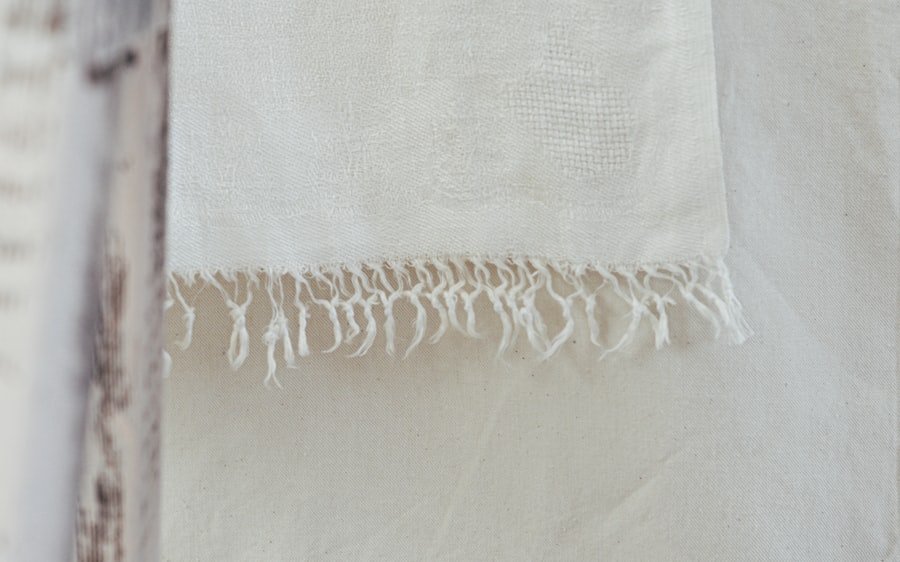
Stains do not always mean the cloth is unsafe. Tomato, berries, herbs, and spices can leave color behind even after the residue and odor are gone. Treat stains before drying because heat may make some marks harder to remove.
Dairy, Egg, and Other Protein Residue
Rinse with cold water first. Gently work a small amount of liquid laundry detergent into the area, soak it in cool or lukewarm water, and then wash normally. Avoid starting with very hot water while visible protein residue remains.
Grease and Oil
Place one or two drops of mild dish soap or liquid laundry detergent directly on the greasy area. Gently rub the fabric together, let it sit for 5–10 minutes, and rinse with warm water before washing.
Fruit, Herb, and Vegetable Stains
Rinse the stain promptly with cool water. Apply liquid detergent and wash the cloth. For remaining discoloration, use an oxygen-based stain remover only when its label says it is suitable for washable cotton and follow its dilution and soaking directions.
Persistent Odor or Detergent Buildup
Wash and rinse the cloth again without adding extra detergent. A diluted vinegar rinse may help remove some mineral or detergent buildup from cotton, but vinegar should be treated as a laundry aid, not as a sanitizer or disinfectant. Never use vinegar before, during, or immediately after a bleach treatment unless the cloth and basin have been rinsed completely.
Note: If a stain remains but the cloth is clean, odor-free, intact, and properly sanitized when required, the discoloration may be cosmetic. Discard the cloth when residue or odor remains trapped in the weave.
How to Dry Cheesecloth
After the final rinse, spread the cloth open and press out excess water. Do not leave it crumpled in the sink or washer because damp folds dry slowly.
Air-dry cheesecloth on a clean rack, clothesline, or unused towel in a well-ventilated area protected from splashes, dust, pets, and dirty dishes. Turn it over if the underside remains damp.
If its care instructions permit machine drying, keep the cloth inside its mesh bag and use a low-heat setting. Remove it promptly. High heat and repeated tumbling can shrink cotton, stiffen the weave, or increase fraying.
Do not fold or store the cloth until every layer feels dry. Moisture trapped in the fabric can lead to musty odors or mold growth.
How to Store Cheesecloth
Fold completely dry cheesecloth with clean hands and place it in a clean, dry container, breathable cotton bag, or dedicated kitchen drawer.
Keep it away from cleaning products, spices, onions, smoke, pet supplies, and strongly scented linens. Cheesecloth absorbs odors easily.
Label separate pieces for dairy, broth, plant milk, herbs, or non-food use when that helps prevent cross-contamination. Never return craft cheesecloth to food use.
If you sanitized the cloth for cheesemaking, handle it with clean hands or clean tongs and protect it from kitchen splashes until needed.
How to Sanitize Cheesecloth Safely
Routine washing is enough for many low-risk uses, such as bundling dry herbs or straining a fully cooked broth that will be reheated. Sanitizing provides an added food-safety step when cheesecloth has held dairy for an extended period, will be reused for cheesemaking, or must be especially clean before use.
Washington State University Extension recommends using new cheesecloth for the best cheesemaking quality. It says reused cheesecloth should first be washed and then boiled or soaked in a bleach-water solution.
Bleach-Water Sanitizing Method
- Clean first. Remove all food, wash with detergent, and rinse away every trace of soap.
- Prepare a fresh solution. Mix 1 tablespoon of regular unscented household bleach with 1 gallon of lukewarm water in a clean basin. Use bleach containing 5%–9% sodium hypochlorite. Do not use scented, splashless, gel, or unknown-strength bleach.
- Submerge the cloth. Keep the clean cheesecloth completely under the solution for 2 minutes.
- Remove it cleanly. Use clean hands or clean tongs. Let the solution drain away without placing the cloth on a dirty surface.
- Air-dry completely. Spread the cloth in a protected, well-ventilated area and let it dry before storage or use.
Boiling Method
If the cheesecloth is plain reusable cotton and its care instructions allow boiling, place the already washed and rinsed cloth in clean boiling water. Keep it submerged, remove it with clean tongs, and air-dry it in a protected area. Do not boil cloth containing elastic, synthetic edging, printed decorations, or unknown materials.
Warning: Bleach concentration and directions can differ by product and country. Follow the product label when it conflicts with a general household formula. Never mix bleach with vinegar, hydrogen peroxide, ammonia, or another cleaner, and provide good ventilation while using it.
Note: Vinegar may help with odors or mineral buildup, but it is not a reliable replacement for a validated food-contact sanitizer. Sanitizing also cannot rescue cloth with mold, embedded debris, chemical contamination, or badly damaged fibers.
Common Mistakes to Avoid
- Trying to wash thin cheesecloth that is labeled for single use
- Allowing curds, grease, or herbs to dry in the weave before rinsing
- Using hot water first on visible dairy, egg, or other protein residue
- Adding too much detergent and leaving soap trapped in the fabric
- Using fabric softener or heavily fragranced laundry products
- Assuming vinegar alone sanitizes food-use cheesecloth
- Applying a sanitizer before visible residue and detergent have been rinsed away
- Using full-strength bleach or guessing at the dilution
- Mixing bleach with vinegar, hydrogen peroxide, ammonia, or another cleaner
- Wringing, twisting, or scrubbing the loose weave aggressively
- Drying delicate cheesecloth on high heat without checking its care instructions
- Storing the cloth while any section remains damp
- Using cheesecloth from a craft or household project for food preparation
Tips for Extending the Lifespan of Cheesecloth
Choose washable reusable cheesecloth or butter muslin when you plan to use the material repeatedly. A tighter weave and finished edges generally tolerate cleaning better than thin disposable cloth.
Rinse the cloth immediately after use, use only as much detergent as needed, and avoid unnecessary twisting. Support the cloth with a strainer or colander when it holds heavy curds or wet food so the weight does not stretch the weave.
Follow the temperature required by your recipe rather than cooling every liquid solely to protect the cloth. Use a heat-safe reusable cloth and a heat-safe supporting container when straining warm or hot food.
Inspect the cheesecloth before every food use. Replace it when you find:
- Visible mold or dark growth
- A sour, musty, rancid, or chemical smell that remains after washing
- Embedded food particles that cannot be removed
- Large holes, severe thinning, or heavy fraying
- Sticky detergent or fabric-softener residue
- Contamination from crafts, cleaners, floodwater, pests, or unknown substances
Frequently Asked Questions
What is cheesecloth?
Cheesecloth is an open-weave cloth, usually made from cotton. It is used to drain cheese curds, strain broth or plant milk, bundle herbs, cover fermenting foods, and complete some craft projects.
Can all cheesecloth be washed and reused?
No. Some low-grade cheesecloth is made for one use and may unravel during washing. Check the package. Choose washable reusable cheesecloth or butter muslin when you need a cloth that can withstand repeated cleaning.
Can you machine wash cheesecloth?
You can machine wash cheesecloth labeled as reusable or washable. Rinse it first, place it in a mesh laundry bag, use a gentle cycle and mild unscented detergent, and select the hottest water permitted by its care instructions.
Can you reuse cheesecloth after straining dairy?
Yes, when it is durable reusable cloth and you clean it promptly. For cheesemaking or repeated dairy use, wash and rinse it thoroughly and then sanitize it by an appropriate boiling or diluted bleach-water method before the next use.
Does vinegar disinfect cheesecloth?
Do not rely on vinegar to disinfect or sanitize cheesecloth. It may help reduce some odors or detergent buildup, but its germ-killing performance is not reliable enough to replace boiling or a correctly prepared food-contact sanitizing solution.
Can you boil cheesecloth?
Plain reusable cotton cheesecloth can generally be boiled after washing when its care instructions allow it. Do not boil disposable cloth or material with synthetic edging, elastic, printing, or unknown fibers.
Is bleach safe for reusable cheesecloth?
Properly diluted regular unscented bleach can be used to sanitize compatible reusable cheesecloth. Use the correct concentration, follow the bleach label, ventilate the room, and never mix bleach with vinegar, hydrogen peroxide, ammonia, or another cleaner.
When should you throw cheesecloth away?
Discard cheesecloth when it has mold, a persistent sour or chemical smell, food embedded in the weave, serious fraying, large holes, or contamination from non-food chemicals or craft materials. Replace disposable cheesecloth after its intended use.
Final Tips for Cheesecloth Cleaning
Clean cheesecloth promptly instead of allowing food to dry in the weave. Start with a cold rinse when protein residue is present, wash with mild unscented detergent, rinse until no soap remains, and dry every layer completely.
Use sanitizing as a separate step when dairy, cheesemaking, or another food-safety concern calls for it. Do not rely on vinegar as a disinfectant, never mix cleaning chemicals, and replace any cloth that remains dirty, damaged, moldy, or unpleasant-smelling after washing.
Sources
- Washington State University Extension: Fresh Cheese Made Safely — supports washing, boiling, and diluted bleach-water sanitizing guidance for reusable cheesemaking cloth.
- Penn State Extension: Home Cheesemaking — supports laundering and sanitizing cheesecloth and other cheesemaking equipment before use.
- USDA Food Safety and Inspection Service: Clean First, Then Sanitize — explains the difference between cleaning and sanitizing food-contact items.
- CDC: Cleaning and Disinfecting with Bleach — supports bleach concentration checks, ventilation, label compliance, and the warning not to mix cleaning chemicals.
- University of Georgia Extension: Removing Oil-Based Food Stains — supports prompt detergent treatment and fabric-safe stain-removal practices.