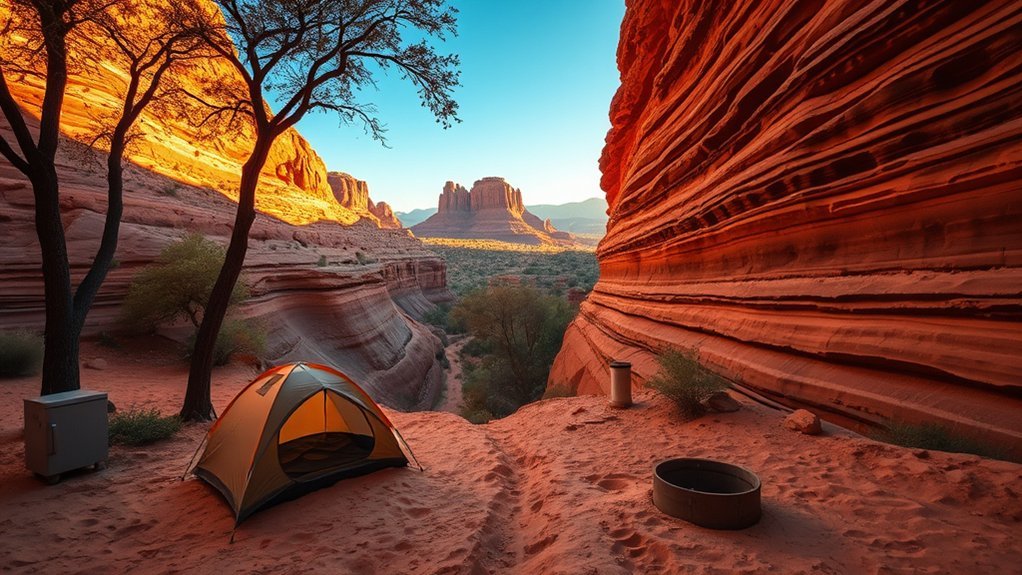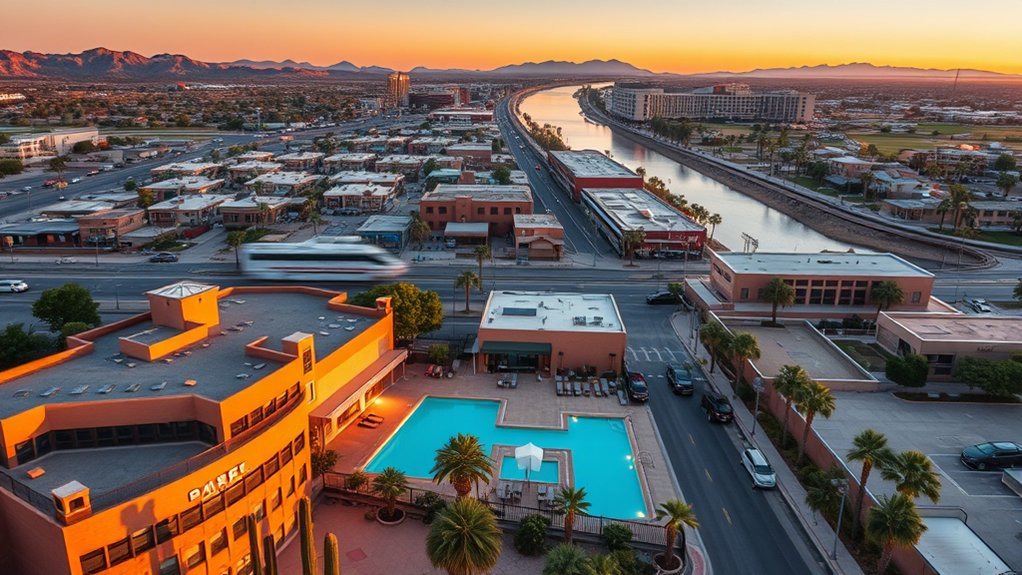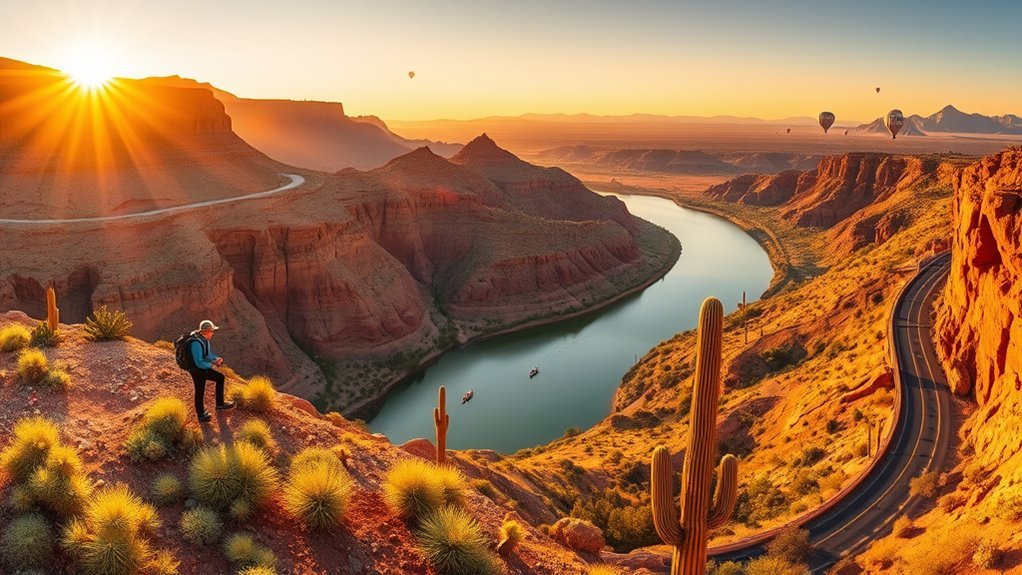
Mesa, Arizona combines Sonoran Desert hiking, museums, public art, family attractions, local food, and easy access to some of the East Valley’s best outdoor scenery. The key to enjoying it is planning around the heat and geography: cluster downtown attractions together, give Usery Mountain its own morning, and treat Phoenix, Tempe, Scottsdale, and the Superstition Mountains as separate side trips rather than Mesa stops.
Quick Answer
For a first Mesa trip, spend one day combining an early hike at Usery Mountain Regional Park with downtown attractions such as the Arizona Museum of Natural History and Mesa Arts Center. November through March usually offers the easiest outdoor weather. A car gives you the most flexibility, while Valley Metro Rail works well for downtown Mesa.
Key Takeaways
- Plan most hiking from November through March, and start especially early during warmer months.
- Usery Mountain Regional Park is one of the best places near Mesa for an easy desert walk or a more demanding hike.
- Downtown Mesa groups the Mesa Arts Center, Arizona Museum of Natural History, restaurants, public art, and Valley Metro Rail within a compact area.
- Sce:dagĭ Mu:val Va’aki is the current name of the site formerly known as Mesa Grande Cultural Park.
- Phoenix attractions such as Desert Botanical Garden and S’edav Va’aki Museum should be treated as separate side trips.
Best Time to Visit Mesa and Weather Tips
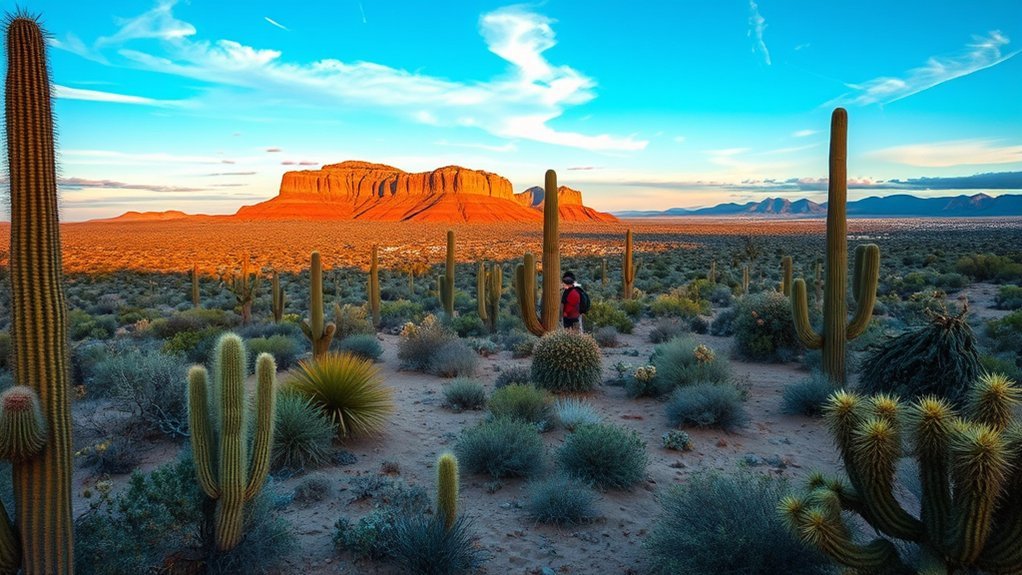
The easiest time for outdoor sightseeing in Mesa is generally late fall through early spring, with November through March offering the most consistently comfortable conditions for hiking and walking. October and April can also be pleasant, but daytime temperatures can still climb into the 80s or higher. Winter afternoons are usually mild, while mornings and evenings may call for a light jacket. For regional climate context, see the National Weather Service Phoenix climate normals.
Spring can bring desert blooms after favorable winter rainfall, but conditions vary from year to year. Pack sunscreen, a brimmed hat, sunglasses, breathable clothing, sturdy walking shoes, and more water than you expect to use. Summer temperatures regularly rise above 100°F, making exposed hiking far more demanding.
Warning: Do not treat desert heat as an inconvenience. During hot weather, move strenuous outdoor activities to the coolest available hours, carry ample water, turn around early if anyone feels unwell, and check National Weather Service alerts. During thunderstorm periods, never enter a flooded wash or attempt to cross moving water.
Arizona’s monsoon pattern can produce sudden thunderstorms, strong wind, lightning, dust, and flash flooding during the warmer part of the year. Check the forecast before entering desert trails or washes. Versatile layers remain useful in cooler months because temperatures can change quickly between a sunny afternoon and an evening outdoors.
Top Attractions and Must-See Sights
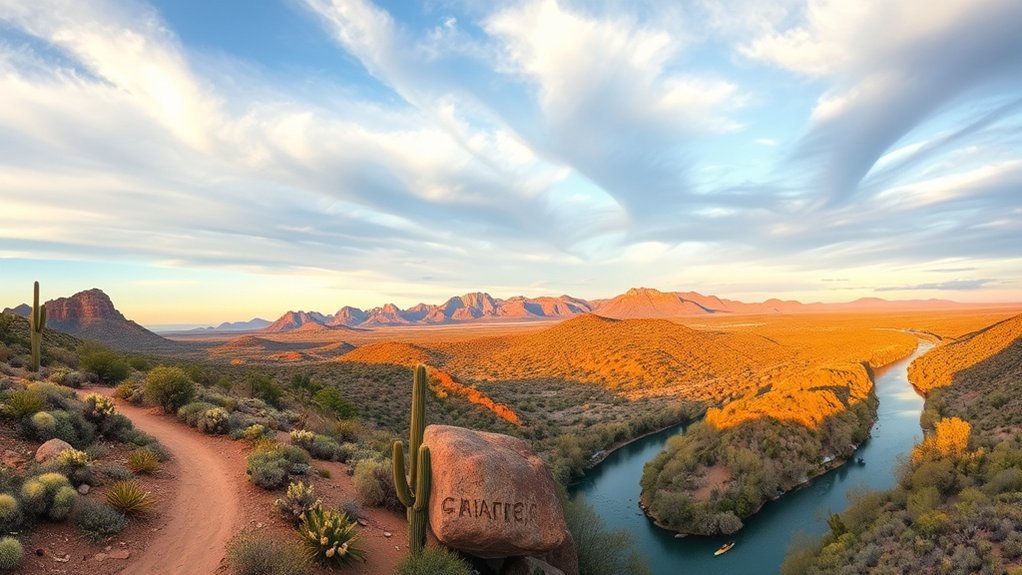
Mesa’s strongest attractions fall into three groups: downtown culture, Indigenous and regional history, and Sonoran Desert recreation. Downtown is the easiest area to explore without a car, while desert parks require more travel time.
- Arizona Museum of Natural History: A downtown Mesa museum covering paleontology, archaeology, Arizona history, and the natural history of the Southwest.
- Mesa Arts Center: A major performing and visual arts campus with theaters, galleries, classes, festivals, and public spaces. The City of Mesa Arts & Culture department provides current information on Mesa’s municipal arts venues.
- Usery Mountain Regional Park: One of the best nearby choices for Sonoran Desert hiking. Official park information lists more than 34 miles of trails. The one-mile Merkle Trail is the gentlest option, Wind Cave is about three miles round trip, and Pass Mountain is a longer 7.1-mile outing. Check the official Usery Mountain hiking information before going.
- Sce:dagĭ Mu:val Va’aki: Formerly known as Mesa Grande Cultural Park, this archaeological site preserves an important ancestral O’Odham place in Mesa. Hours are more limited than those of the main natural-history museum, so verify the schedule through the Arizona Museum of Natural History updates page.
- Downtown Main Street: A convenient area for public art, independent businesses, food, Mesa Arts Center, and light-rail access.
- Riverview Park: A large recreation area with a fishing lake, shaded playground facilities, picnic space, and access to the Rio Salado Pathway.
If baseball is part of your trip, Mesa is also a major spring-training destination. Sloan Park sits next to Riverview Park, while Hohokam Stadium is another established spring-training venue. Game schedules and parking conditions change each season, so check official team and venue information before building a day around a game.
Note: Desert Botanical Garden and S’edav Va’aki Museum, formerly Pueblo Grande Museum, are in Phoenix rather than Mesa. Both can make good regional side trips, but they should not be presented as downtown Mesa attractions.
One-Day Mesa Itinerary
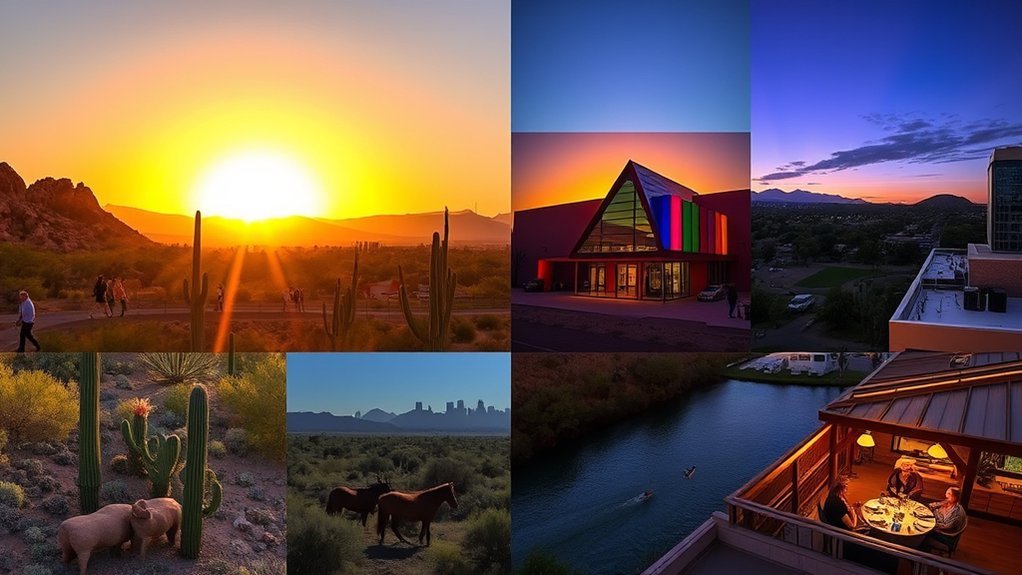
With one full day, combine a cool early-morning desert experience with Mesa’s compact downtown cultural district. This keeps driving manageable and avoids spending the hottest part of the day on an exposed trail. Save Phoenix attractions such as Desert Botanical Garden for another day unless they are a major priority.
Morning: Mesa’s Must-Sees
Start at Usery Mountain Regional Park as early as park hours, daylight, and weather safely allow. Choose Merkle Trail if you want an easy one-mile desert walk, Wind Cave if you want a roughly three-mile climb with elevated views, or a shorter section of another park trail if time is tight. Pass Mountain is better reserved for visitors who have several hours and are prepared for a longer hike.
After the park, head toward central Mesa. If your visit falls when Sce:dagĭ Mu:val Va’aki is open, it provides a direct connection to Mesa’s archaeological history. Otherwise, continue downtown to the Arizona Museum of Natural History, where you can explore regional geology, paleontology, archaeology, and history in an air-conditioned setting.
Finish the morning with a short Main Street walk. Public art, Mesa Arts Center, and nearby businesses make this section easy to explore on foot.
Afternoon: Food & Leisure
After a morning outdoors and in museums, slow the pace. Choose lunch in downtown Mesa, browse local businesses, visit a Mesa Arts Center gallery if its hours fit your schedule, or stop for coffee before moving to a park. If you want more outdoor time without another strenuous hike, Riverview Park offers shaded recreation areas, a lake, and connection to the Rio Salado Pathway.
| Spot | Why go |
|---|---|
| Tacos & patios | Casual local flavor and an easy lunch break |
| Riverview Park & Rio Salado Pathway | Low-key walking, lake views, and recreation |
| Local market or downtown shops | Crafts, snacks, gifts, and local businesses |
Pro Tip: Do not try to combine a long Usery hike, multiple museums, Phoenix’s Desert Botanical Garden, Scottsdale, and a full downtown evening in one day. Mesa is spread out enough that fewer geographic clusters usually produce a better trip.
Weekend Itinerary: Explore Culture and Outdoors
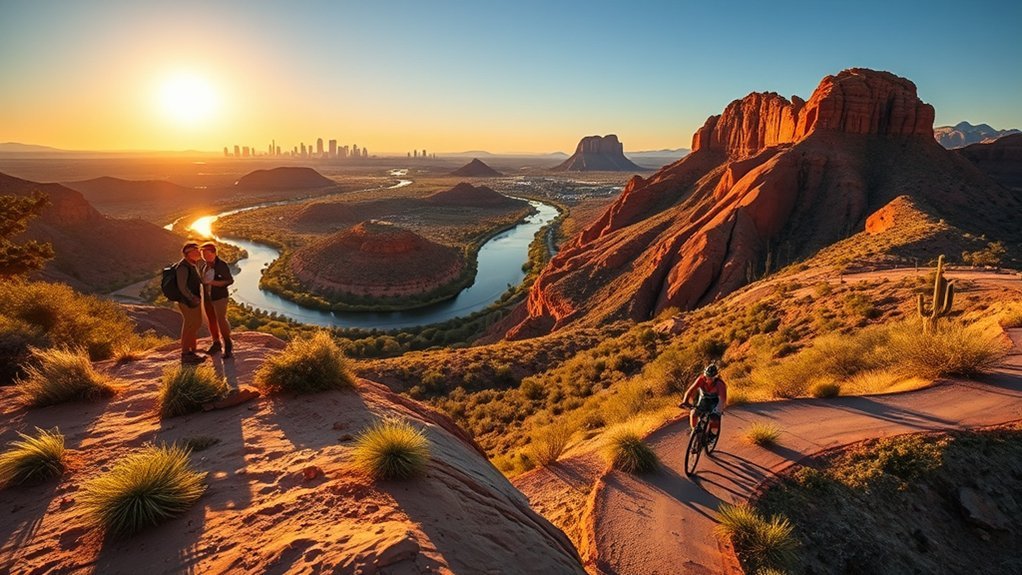
A weekend gives you enough time to separate Mesa’s cultural attractions from its outdoor experiences. Use one day for downtown museums, art, food, and events, then devote the other to desert scenery and a slower afternoon.
Downtown Arts & Museums
Begin around Mesa Arts Center, where galleries, performances, studios, and public spaces anchor the downtown arts district. Continue past murals, sculptures, and local businesses along Main Street. The Arizona Museum of Natural History is nearby, so the two attractions work well in the same half-day.
Instead of planning around an assumed “First Friday” event, check the current Mesa Arts Center and City of Mesa calendars. Gallery late hours, festivals, performances, and downtown events change through the year. If an evening performance interests you, reserve tickets first and build dinner around the show time.
Hiking & Desert Parks
For the outdoor half of your weekend, head to Usery Mountain Regional Park. Merkle Trail is a barrier-free one-mile option for an easy desert walk. Wind Cave is a more demanding approximately three-mile round trip and is one of the park’s best-known hikes. Pass Mountain is substantially longer at about 7.1 miles and is better for prepared hikers with enough daylight and favorable weather.
Bring sun protection, plenty of water, and sturdy shoes. Trails can be rocky, shade is limited, and heat can increase the effective difficulty of a route. An early start is especially important outside winter.
For a lower-effort alternative, visit Riverview Park, walk part of the Rio Salado Pathway, or choose another Mesa city park. Finish the day downtown for dinner rather than squeezing in another distant attraction.
Seven-Day Itinerary: Deep Dive Into Mesa
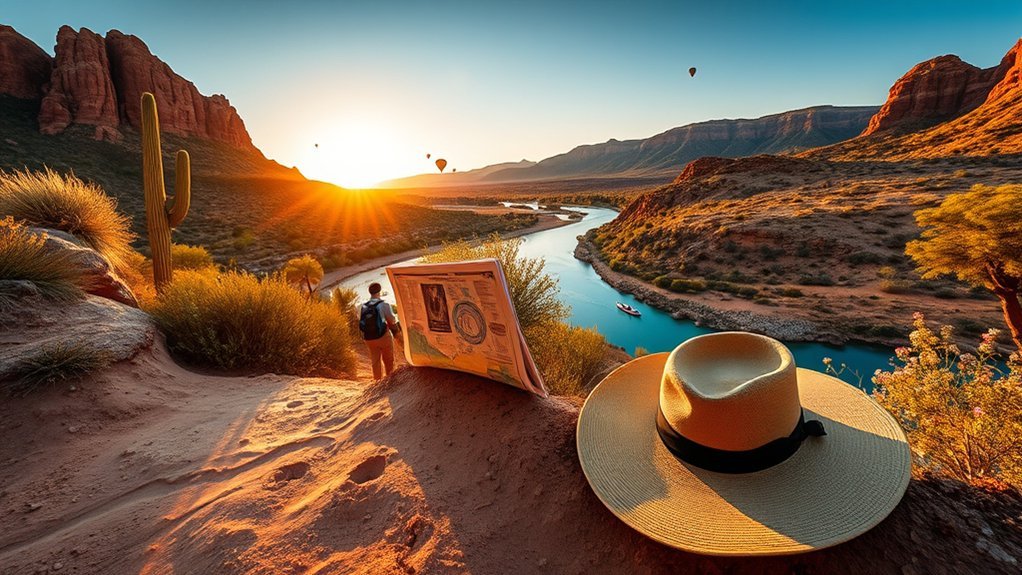
A full week lets you explore Mesa without treating every day as a checklist. Start with Usery Mountain, then use separate days for downtown culture, regional history, recreation, and nearby cities. If you want another major desert hike, San Tan Mountain Regional Park can be treated as a separate outing south of Mesa rather than as an East Mesa attraction.
- Morning: early hike, breakfast, museum, spring-training activity, or another cultural stop
- Afternoon: neighborhood exploration, galleries, lunch, indoor attractions, or park time
- Evening: dinner, a Mesa Arts Center performance, seasonal event, or stargazing away from bright urban areas
A practical seven-day rhythm could include one Usery day, one downtown museum-and-arts day, one relaxed park or family day, one seasonal activity such as spring training, and two regional day trips. Keep one flexible day for weather changes, pool time, shopping, or revisiting a favorite area.
Nearby Tempe and Scottsdale are straightforward regional outings. The Superstition Mountains and Saguaro Lake provide more outdoor options east and northeast of Mesa. Sedona, Tuzigoot National Monument, and Montezuma Castle are much longer trips, so give them most or all of a day rather than treating them as quick add-ons.
Where to Stay: Neighborhoods and Hotel Picks
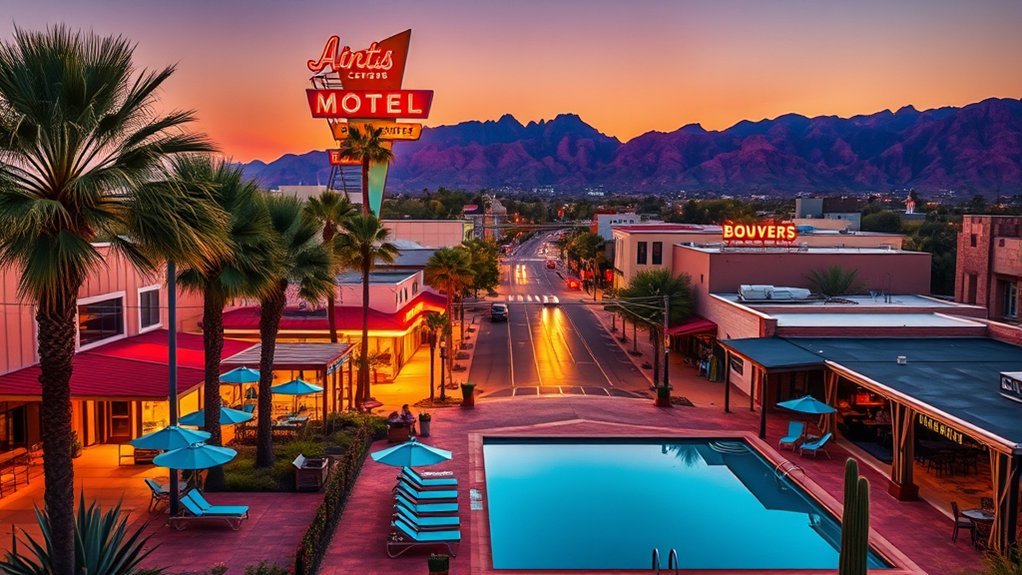
Your best Mesa base depends on whether you value downtown access, desert recreation, or connections to neighboring cities. Central Mesa is the most convenient choice for Mesa Arts Center, the Arizona Museum of Natural History, Main Street, and Valley Metro Rail. It works especially well if you want to reduce driving.
East Mesa is better for travelers who prioritize Usery Mountain, desert scenery, or destinations farther east. It offers chain hotels, vacation rentals, and easier road access to many outdoor areas. Usery is convenient from this side of Mesa, while San Tan Mountain Regional Park lies farther south and should be treated as a separate drive.
Staying near the Gilbert or Tempe edges can make sense when nightlife, restaurants, airport access, or a broader Phoenix-area itinerary matter more than being in central Mesa. These are neighboring communities rather than Mesa neighborhoods, so compare driving time carefully before booking.
Useful hotel features in this climate include reliable air conditioning, a pool, included parking, shaded parking when available, and secure storage if you are traveling with bicycles or outdoor equipment. Spring-training periods and major event weekends can increase demand, so compare rates early.
Dining and Local Food Scene
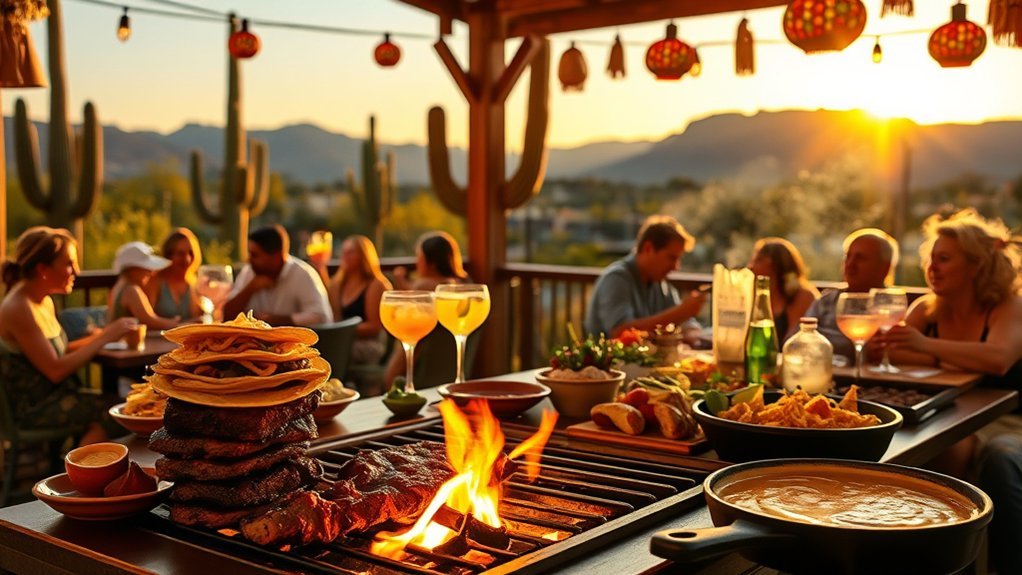
Your neighborhood affects more than where you sleep. It also changes the restaurants, coffee shops, breweries, bakeries, and casual food options within easy reach. Mesa’s large geographic footprint means it is usually better to eat near the attractions you are already visiting instead of repeatedly crossing the city for individual restaurants.
- Downtown Mesa: a convenient mix of cafés, restaurants, bars, breweries, and event-night dining within walking distance of the arts district.
- East Mesa & Dobson Ranch areas: broad choices that include Mexican, Asian, casual American, and family-oriented restaurants.
- Near the Mesa Arts Center: useful for a pre-show meal, dessert, coffee, or an easy dinner after visiting downtown museums.
Look for Sonoran and Southwestern flavors such as grilled meats, chiles, tortillas, citrus, beans, and prickly pear ingredients. Food trucks often appear at festivals and community events and can be a budget-friendly way to try something different. Current hours and event locations change, so check before making a special trip.
Practical Tips: Getting Around, Tickets, and Safety
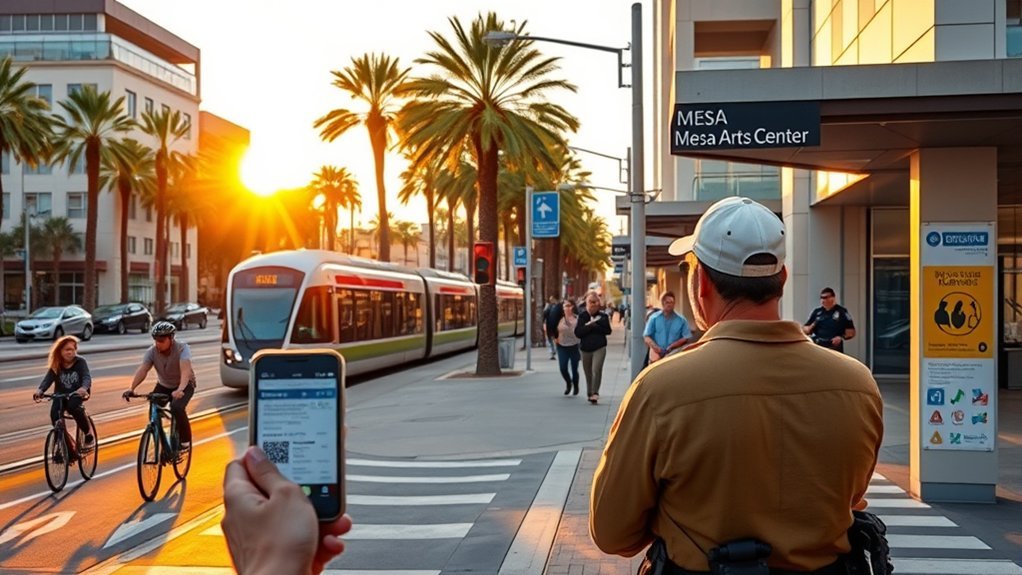
Downtown Mesa is the easiest part of the city to explore by public transportation. Valley Metro Rail serves downtown stops near Mesa Arts Center and the Arizona Museum of Natural History, while buses cover additional corridors. For current fare rules, Valley Metro’s Smart Fare system charges a $2 full local fare and caps qualifying app or Copper-card travel at a $4 daily maximum.
If you are arriving at Phoenix Sky Harbor International Airport, take the free PHX Sky Train to the 44th Street/Washington connection and board Valley Metro Rail toward Mesa. You do not need to transfer to Route 40 simply to reach downtown Mesa. Confirm service changes through the airport’s public transportation information and Valley Metro trip planner before departure.
Rideshares are useful when transit does not reach a trailhead or when you are returning late. A rental car remains the easiest option for Usery Mountain, Saguaro Lake, the Superstitions, San Tan, and most multi-city itineraries.
For cycling or relaxed walking, consider the Rio Salado Pathway connection at Riverview Park rather than assuming the Arizona Canal Trail is the best Mesa route. Wear sunscreen and carry water even on short outings.
For museums, performances, spring-training games, and limited-hour archaeological sites, check official opening times and ticket requirements before leaving. Keep confirmations on your phone and note parking instructions for events.
Warning: Never leave phones, bags, cameras, passports, or other valuables visible in a parked vehicle. For desert outings, carry water, a charged phone, sun protection, and enough information to navigate if mobile service becomes unreliable.
Mesa Trip Planning: Distances, Parking, and Reservations
Mesa covers a large area, so a map can make an itinerary look easier than it feels in practice. Group attractions geographically instead of choosing stops only by popularity.
- Downtown cluster: Mesa Arts Center, Arizona Museum of Natural History, Main Street, restaurants, and light rail.
- West Mesa/Riverview cluster: Riverview Park, Rio Salado Pathway, Sloan Park, and quick access toward Tempe.
- East Mesa/outdoor cluster: Usery Mountain and routes toward Saguaro Lake and the Superstition area.
Parking is generally more important once you leave downtown transit corridors. For spring-training games, festivals, or performances, follow the venue’s event-specific instructions rather than assuming normal parking will be available.
Museum schedules, archaeological-site hours, guided programs, and seasonal events can change. Check official pages shortly before your trip, especially if a single attraction is the main reason for driving across the city.
Pro Tip: Build each day around one anchor attraction, then add nearby stops. This reduces time in traffic and makes it easier to change plans when heat, thunderstorms, event traffic, or limited museum hours interfere.
Day Trips From Mesa
Mesa is a useful base for several very different day trips. Choose one region rather than trying to combine opposite sides of the Phoenix metro area.
- Superstition Mountains: A natural choice for desert scenery and hiking east of Mesa. Match the route to your experience and the weather.
- Saguaro Lake: A good option for water scenery, paddling, boating, or simply adding a different landscape to a desert trip.
- Tempe: Convenient for Tempe Town Lake, dining, Arizona State University surroundings, and events.
- Scottsdale: Useful for galleries, shopping, dining, resorts, and Old Town.
- Phoenix: Desert Botanical Garden and S’edav Va’aki Museum are worthwhile choices when you specifically want attractions that are not in Mesa.
- Sedona and Verde Valley sites: Possible as a full-day outing, but considerably farther away. Start early and avoid treating them as quick side stops.
Frequently Asked Questions
Are there good day trips from Mesa to nearby cities or parks?
Yes. The Superstition Mountains, Saguaro Lake, Tempe, Scottsdale, and Phoenix all work well as regional outings. Sedona, Tuzigoot National Monument, and Montezuma Castle are farther away and are better treated as full-day trips.
Can I use public transit to reach Mesa from Phoenix Sky Harbor?
Yes. Take the free PHX Sky Train from the airport to the Valley Metro Rail connection at 44th Street/Washington, then continue by light rail toward Mesa. Downtown Mesa attractions are especially convenient from the rail line.
Are there annual events or festivals in Mesa?
Yes. Examples include the Mesa Music Festival and festivals or cultural events at Mesa Arts Center. Dates and programming change annually, so use the City of Mesa and Mesa Arts Center calendars instead of relying on an old event list. The Arizona Aloha Festival, although nearby, is held in Tempe rather than Mesa.
Is Mesa family-friendly for young children?
Yes. Family options include the i.d.e.a. Museum, Arizona Museum of Natural History, playgrounds and splash features at city parks, easy walks such as Usery’s Merkle Trail, and seasonal recreation programs. Choose shaded or indoor activities during the hottest part of summer days.
Are there pet-friendly hikes and accommodations in Mesa?
Many outdoor areas and lodging properties accommodate pets, but rules vary. Check the specific park or hotel before arriving, keep dogs leashed where required, carry extra water, and avoid hot pavement and exposed desert trails during dangerous heat.
Can I visit Mesa without renting a car?
Yes if you focus mainly on downtown Mesa and destinations served by Valley Metro. A car or rideshare becomes much more useful for Usery Mountain, lakes, the Superstition area, and multi-city day trips.
Is Desert Botanical Garden in Mesa?
No. Desert Botanical Garden is in Phoenix at 1201 N. Galvin Parkway. It is a good regional side trip from Mesa, but it should not be counted as a Mesa attraction when planning your local itinerary.
Conclusion
Mesa works best when you balance downtown culture with dedicated outdoor time. Hike Usery Mountain when temperatures are favorable, explore the Arizona Museum of Natural History and Mesa Arts Center downtown, visit Sce:dagĭ Mu:val Va’aki when its schedule allows, and leave enough space for local food and a relaxed park stop. Use Valley Metro for downtown travel when it fits your route, rent a car when your plans extend into the desert, and always adjust outdoor activities for heat and storms. Whether you have one day or a full week, geographic clustering and realistic timing will give you a much better Mesa trip than trying to race between every Phoenix-area attraction.
Sources
- National Weather Service Phoenix: 1991–2020 Climate Normals — regional climate context and temperature planning.
- Maricopa County Parks: Usery Mountain Hiking — official trail lengths, difficulty guidance, and hiking information.
- Arizona Museum of Natural History: Museum Updates — current Sce:dagĭ Mu:val Va’aki name and visitor information.
- City of Mesa Arts & Culture — official information on Mesa Arts Center, Arizona Museum of Natural History, and city cultural programs.
- Valley Metro Fares — current Smart Fare prices and daily fare caps.
- Phoenix Sky Harbor Public Transportation — PHX Sky Train and Valley Metro Rail connections.