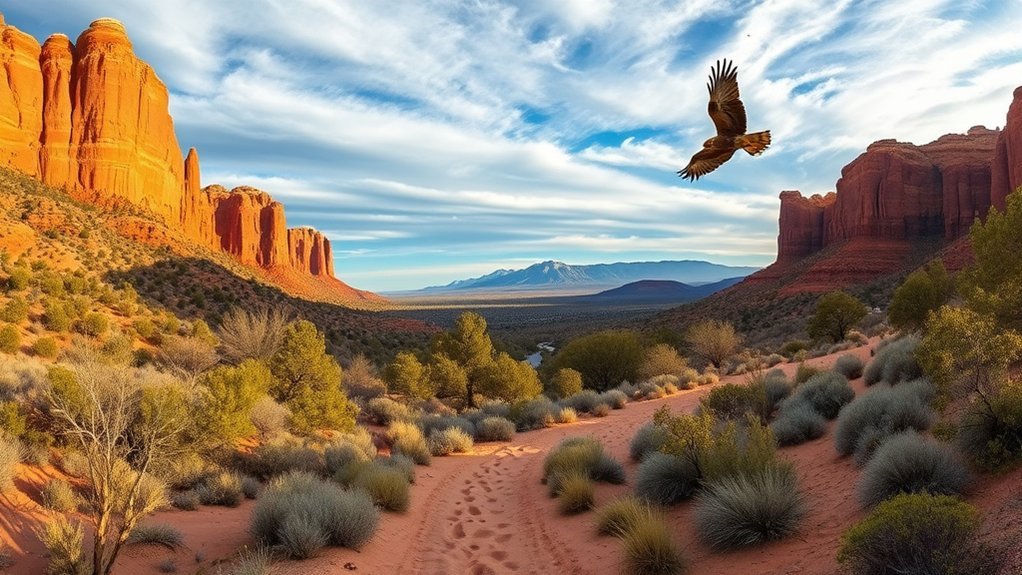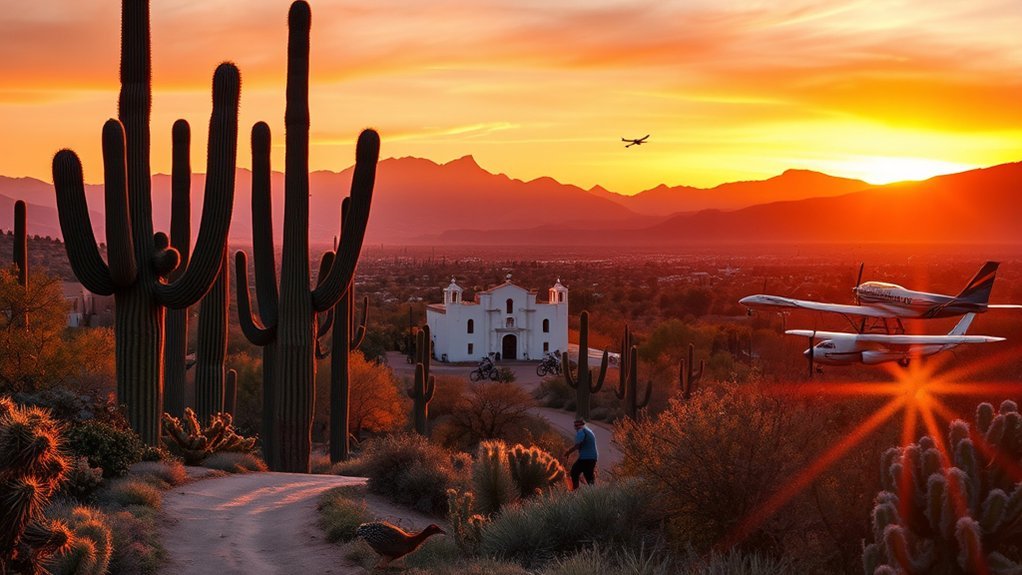
Tucson blends giant saguaros, mountain scenery, historic neighborhoods, museums, and one of the Southwest’s most distinctive food cultures into a trip that can feel completely different from morning to night. You can hike in the Sonoran Desert at sunrise, cool off among pine forests on Mount Lemmon, explore centuries of regional history, and finish with tacos or a desert sunset. The best plan is to mix outdoor stops with indoor attractions and adjust your schedule for heat, seasonal events, and travel time across the city.
Quick Answer
The best things to do in Tucson include hiking Saguaro National Park, visiting the Arizona-Sonora Desert Museum, exploring Sabino Canyon, driving Mount Lemmon, seeing Mission San Xavier del Bac, watching sunset at Gates Pass, touring Pima Air & Space Museum, and sampling Tucson’s Sonoran food scene.
Key Takeaways
- Plan outdoor activities early in the day, especially from late spring through early fall.
- Saguaro National Park has two separate districts, and the East and West sides offer different drives and trails.
- Save several hours for major attractions such as the Arizona-Sonora Desert Museum, Pima Air & Space Museum, and Sabino Canyon.
- Tucson’s food culture deserves dedicated time, not just a quick meal between attractions.
- Check official hours, road conditions, event calendars, and shuttle schedules before leaving for schedule-dependent attractions.
Plan Your Tucson Sightseeing Around Heat, Distance, and Weather
Tucson’s major attractions are spread across a wide area, so grouping nearby stops saves time. Saguaro National Park West, the Arizona-Sonora Desert Museum, Gates Pass, and Old Tucson fit naturally into the same side of town. Sabino Canyon and Mount Lemmon work well on the northeast side, while downtown, Barrio Viejo, El Presidio, Fourth Avenue, and the University of Arizona can be combined into a more walkable city day.
Summer changes the rhythm of a Tucson trip. The National Park Service advises avoiding strenuous desert hiking during the hottest part of summer days and starting early. Check the official Saguaro National Park hiking information before choosing a route. Afternoon monsoon storms can also bring lightning, sudden wind, and fast-rising water in normally dry washes.
Warning: Desert heat can become dangerous quickly. Carry more water than you expect to need, protect yourself from the sun, avoid flooded washes, and move indoor activities earlier if extreme heat or thunderstorms are forecast.
Pro Tip: Build each day around one major outdoor area and one indoor attraction. It reduces cross-city driving and gives you an easy backup plan if heat, rain, or trail conditions change.
Hike Saguaro National Park East and West
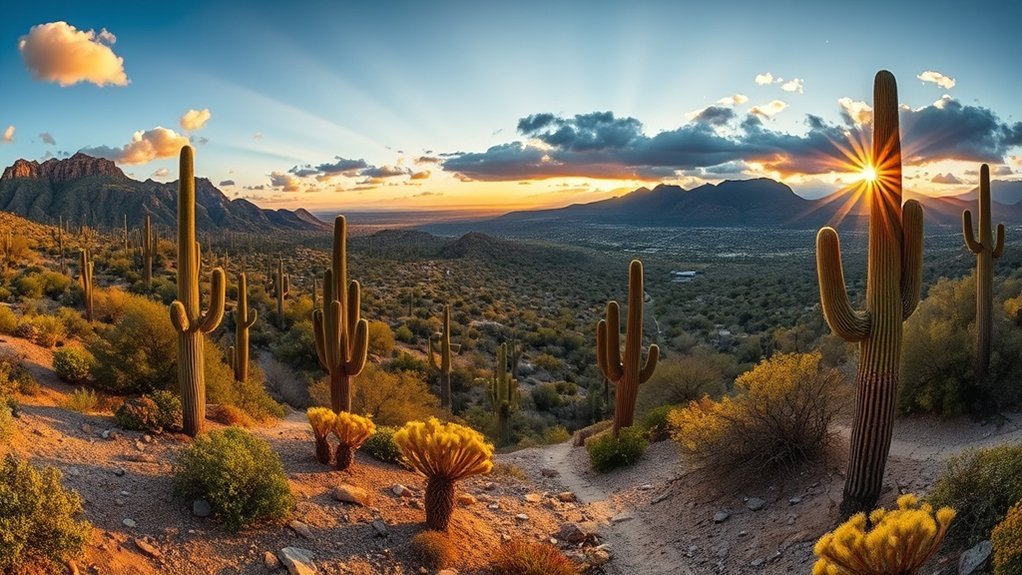
Saguaro National Park surrounds Tucson with two separate districts, and each gives you a different introduction to the Sonoran Desert. The Tucson Mountain District on the west side is especially good for dense cactus scenery, sunset light, shorter walks, and rugged desert ridgelines. The Rincon Mountain District on the east side has the Cactus Forest Loop Drive plus longer trails that climb toward the Rincon Mountains.
Saguaro West: Tucson Mountain District
For a shorter visit, West is easy to pair with the Arizona-Sonora Desert Museum and Gates Pass. The paved Desert Discovery Trail is a gentle introduction to desert plants, while the Valley View Overlook Trail provides a short walk to broad cactus-filled views. Signal Hill is known for its petroglyphs, and stronger hikers can tackle the Hugh Norris Trail toward high viewpoints and Wasson Peak.
Saguaro East: Rincon Mountain District
The East district centers on the scenic Cactus Forest Loop Drive. Short nature walks work well for a relaxed visit, while trail systems such as Loma Verde, Douglas Spring, and Tanque Verde Ridge give hikers much longer options. This is also the side to choose if you want to gradually climb away from the low desert toward higher elevations.
Whichever district you choose, bring water, sun protection, sturdy shoes, and a reliable map. Check current park conditions before hiking because heat, storms, road work, and seasonal conditions can change plans.
Explore the Arizona-Sonora Desert Museum
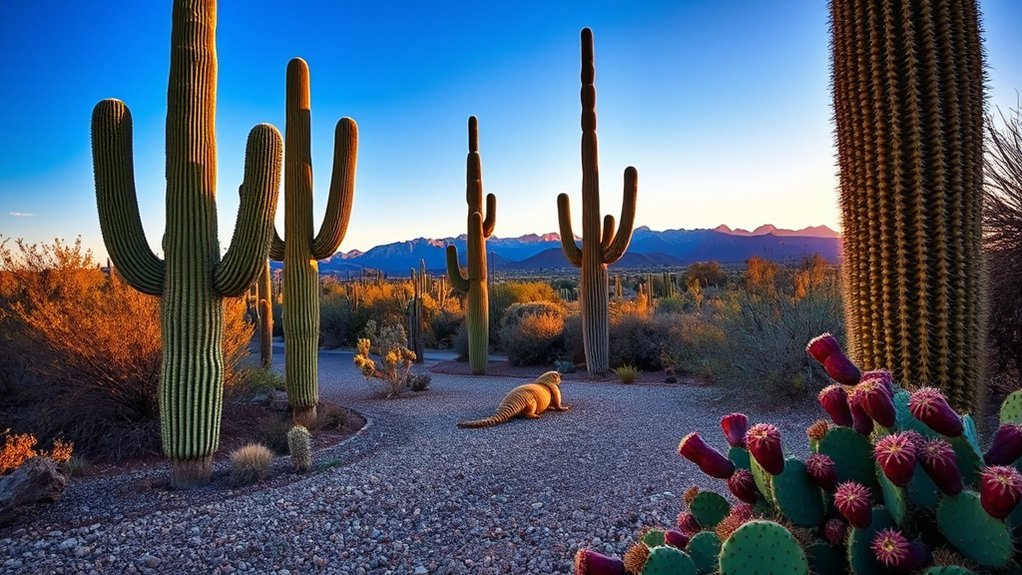
The Arizona-Sonora Desert Museum is one of Tucson’s best introductions to the region because it combines a zoo, botanical garden, natural-history museum, aquarium, and art experiences in one mostly outdoor campus. Instead of treating plants, animals, and geology as separate subjects, the museum shows how they fit together in the Sonoran Desert.
Live Desert Animal Exhibits
Naturalistic exhibits let you observe animals associated with the region while learning about habitat, behavior, and conservation. Depending on the day and season, you may see desert mammals, reptiles, birds, and other native wildlife. Keeper talks and demonstrations add useful context beyond simply viewing an enclosure.
The well-known Raptor Free Flight program is seasonal rather than a guaranteed daily, year-round attraction, so check the museum’s current schedule before planning your visit around it.
Botanical and Geology Displays
Botanical trails introduce saguaros, agaves, desert trees, wildflowers, and other plants adapted to limited rainfall and intense summer heat. Geological exhibits help explain how mountains, washes, soils, and erosion shape the habitats you see outside.
Allow enough time to walk slowly. Many visitors who expect a conventional indoor museum are surprised by how much ground there is to cover.
Stroll Through Tucson Botanical Gardens
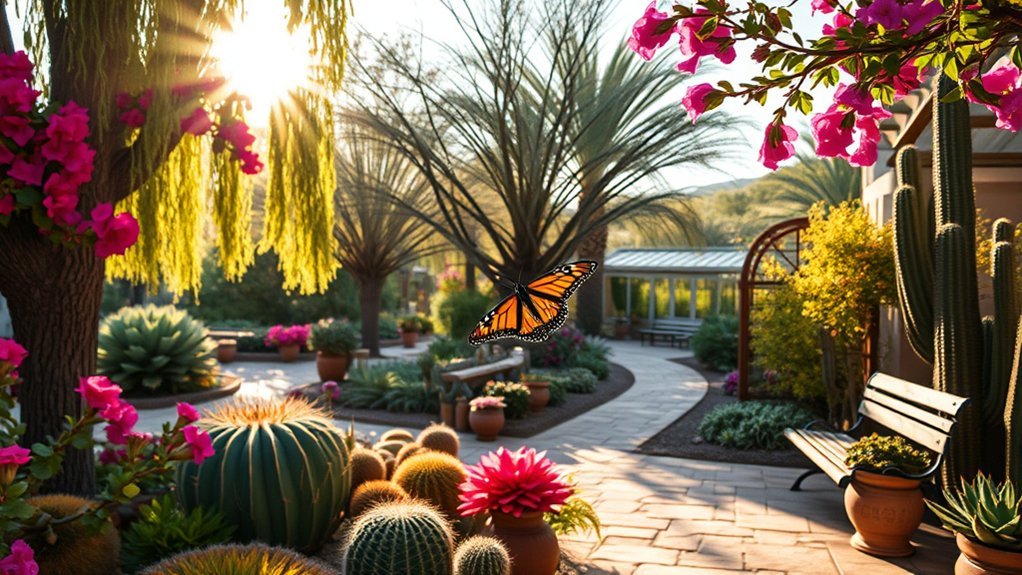
Tucson Botanical Gardens offers a quieter, more compact garden experience in central Tucson. The property mixes desert-adapted landscaping, themed plant collections, shaded paths, art, seasonal displays, and the history of the former Porter family home.
Seasonal Plant Displays
What you see changes throughout the year. Cooler months can bring colorful annuals and winter-friendly plantings, spring is a strong period for flowers and cactus blooms, and summer highlights plants built to withstand intense heat. Interpretive signs make the gardens useful for anyone interested in water-wise landscaping or desert ecology.
Because the site is compact, it works well when you want a slower outing between larger attractions or need an activity that does not require a full day.
Historic Porter Property
The Gardens occupy the historic Porter property, where the original home, patios, mature trees, and garden spaces form part of the visitor experience. The property helps show how Tucson gardening evolved from older residential plantings into contemporary desert-conscious horticulture. The Gardens’ official history is available at Tucson Botanical Gardens.
Visit Mission San Xavier del Bac
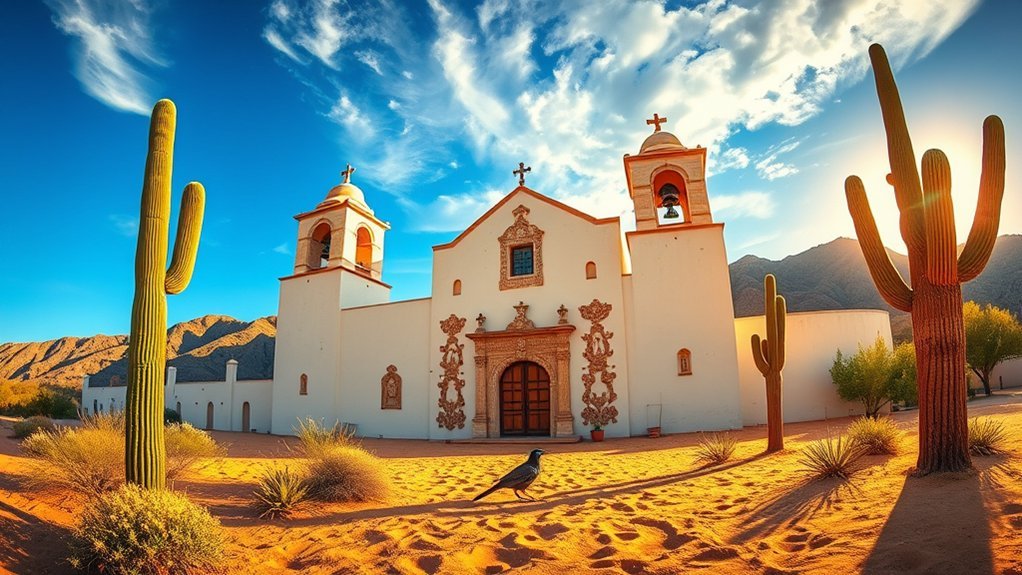
South of central Tucson, Mission San Xavier del Bac stands out for its white facade, richly decorated interior, religious art, and continuing role as an active Catholic parish in the San Xavier District of the Tohono O’odham Nation.
Inside, painted surfaces, carved figures, and detailed ornament reward slow observation. Docent-led tours are offered on a schedule and provide helpful background on architecture, preservation, faith, and the mission’s complex cultural history. Because this is a living place of worship rather than only a museum, visit quietly and respect services, restricted spaces, and posted photography rules.
| What to See | Why It Matters |
|---|---|
| Decorated sanctuary | Remarkable religious art and craftsmanship |
| White mission facade | One of southern Arizona’s best-known landmarks |
| Parish life | The mission remains an active religious community |
| Preservation work | Shows the continuing effort required to conserve the structure |
| Surrounding landscape | Connects the mission to the wider cultural setting |
Dress for the heat outside, bring water, and leave enough time to experience the church without rushing.
Wander Barrio Viejo Historic District
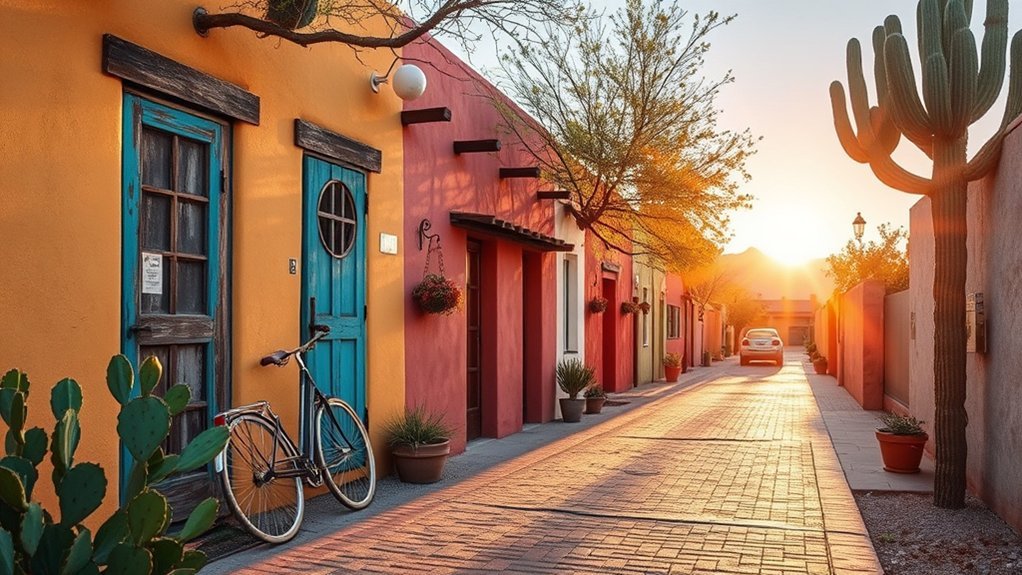
Barrio Viejo is one of Tucson’s most rewarding neighborhoods for architecture lovers. Thick adobe walls, brightly painted facades, wooden doors, narrow lots, courtyards, and Sonoran building traditions create a streetscape unlike the city’s newer neighborhoods.
Historic Adobe Homes
Walk slowly and look closely at wall thickness, rooflines, recessed doors, wooden vigas, and the way buildings often sit directly against the sidewalk. These details reflect building methods adapted to the desert climate and Tucson’s Mexican and Spanish cultural roots.
- Learn: Use plaques, walking-tour material, and historic markers to understand the neighborhood rather than treating it only as a photo stop.
- Observe: Notice changes in plaster, doors, windows, and restored versus unrestored structures.
- Photograph respectfully: These are real homes. Stay on public sidewalks and do not enter courtyards or private property.
Colorful Street Art and Details
Color is part of Barrio Viejo’s appeal, but the best experience comes from paying attention to more than murals. Painted doors, handmade signs, desert plants, small religious details, and layers of repaired adobe all tell pieces of the neighborhood’s story. Morning and late-afternoon light are especially flattering for photography.
Drive Mount Lemmon Scenic Byway
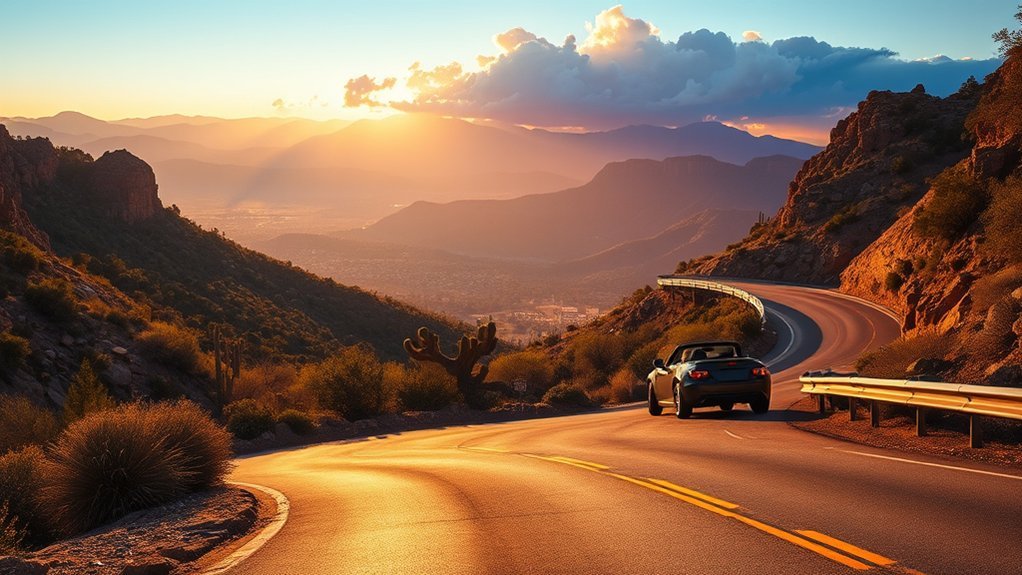
The Mount Lemmon Scenic Byway, also known as Catalina Highway and the Sky Island Scenic Byway, climbs from cactus country into oak woodland and high-elevation forest. The dramatic ecosystem change is what makes the drive memorable.
Stop at signed overlooks rather than trying to take in the view while driving. Windy Point Vista is one of the best-known stops, while other pullouts reveal canyons, rock formations, and distant desert basins. Near the top, Summerhaven offers food and a small mountain-village atmosphere.
- Windy Point Vista: Stop for broad views over the Santa Catalina Mountains and Tucson basin.
- Summerhaven: Take a break for food, a short walk, or cooler mountain air.
- Upper trailheads: Choose a forest walk if weather and trail conditions are suitable.
Temperatures can be dramatically cooler at higher elevations. Winter snow can affect road conditions, and mountain weather changes faster than conditions in Tucson. Check current Coronado National Forest recreation information before making the drive.
Explore Tucson Museum of Art and Historic Block
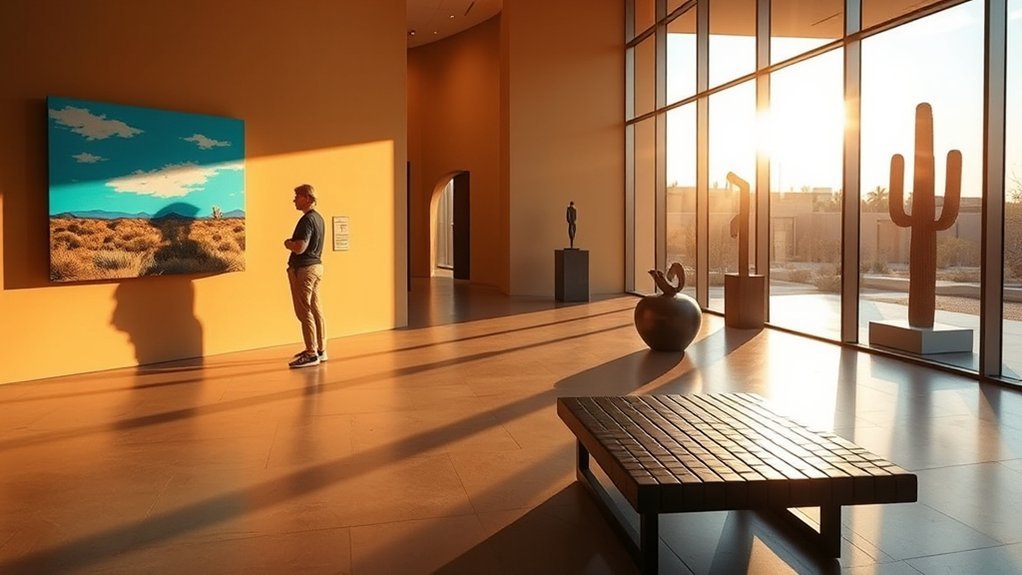
The Tucson Museum of Art and Historic Block is a strong downtown stop when you want art, architecture, and local history in one visit. Galleries draw from modern and contemporary art, Latin American art, Western and Indigenous art, and rotating exhibitions.
The surrounding historic block adds another layer to the museum experience. Instead of rushing only through gallery rooms, allow time for the historic buildings, outdoor spaces, and courtyard. Temporary exhibitions change, so checking what is on view can help you decide how long to stay.
The museum also works well as a midday refuge from summer heat. Pair it with El Presidio, downtown restaurants, or a walk toward Congress Street.
Tour the Pima Air & Space Museum

Pima Air & Space Museum is one of Tucson’s biggest indoor-outdoor attractions. The museum currently describes a collection of about 400 historic aircraft spread across six hangars and an 80-acre campus, ranging from early aviation to military aircraft and modern commercial designs.
Pima Air & Space Museum now features about 400 historic aircraft across six hangars and an 80-acre campus.
Large aircraft are especially impressive because you can appreciate their scale from ground level. Indoor exhibits add context about engineering, aviation history, crews, and changing technology. Tour offerings can vary, so check the current options rather than assuming a particular restoration or behind-the-scenes tour will be available.
- Start with the indoor hangars if the afternoon is hot.
- Allow extra time for the outdoor aircraft because the display area is extensive.
- Check current hours and tour choices on the official Pima Air & Space Museum site.
Catch a Sunset at Gates Pass
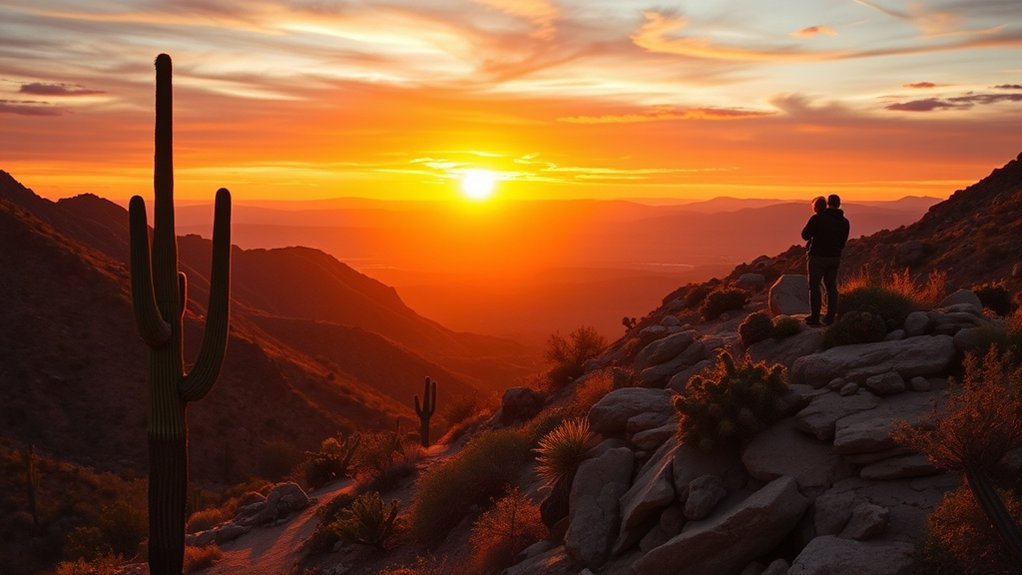
Gates Pass is one of Tucson’s classic sunset locations. The road crosses the Tucson Mountains and opens to broad west-facing views where saguaros and ridges become silhouettes as the light fades.
Best Viewing Spots
Use established parking areas, overlooks, and trails rather than stopping along unsafe sections of road. The main overlook gives you easy access to a wide panorama, while short rocky paths can provide different foregrounds and angles.
- Main overlook: Best for a straightforward panoramic sunset view.
- Established pullouts: Useful when the main lot is busy, provided parking is legally permitted.
- Short trails near the pass: Good for photographers who want cactus or rock formations in the foreground.
Sunset Timing Tips
Arrive 30 to 45 minutes before sunset so you are not searching for parking during the best light. Stay only as long as park and gate hours allow. The Gates Pass Trailhead currently has posted opening and closing hours, so do not assume unrestricted late-night access.
A small flashlight is useful for the walk back to your vehicle, but avoid shining bright lights toward other photographers or visitors watching the sunset.
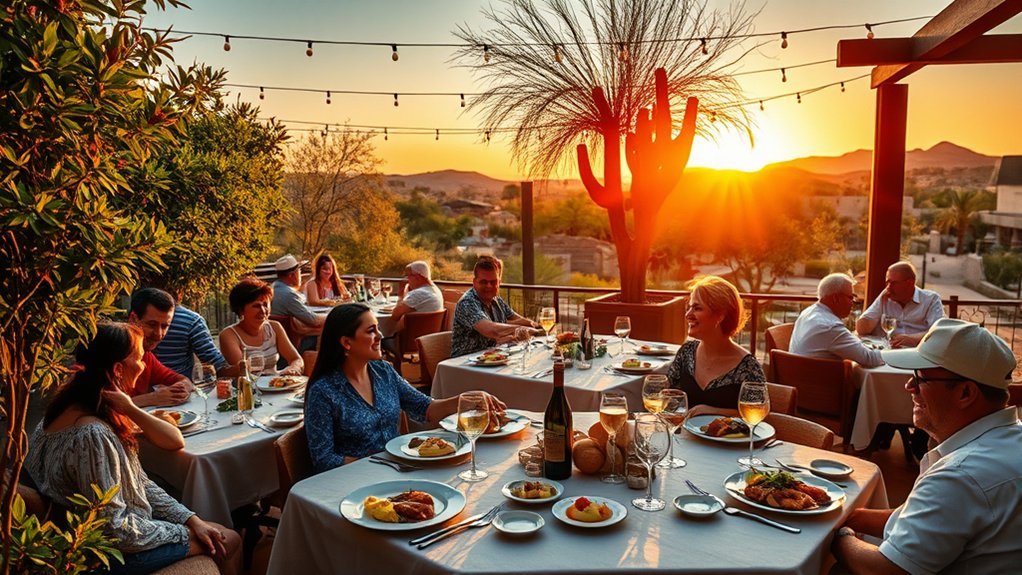
Experience the Sonoran Food Scene on Fourth Avenue
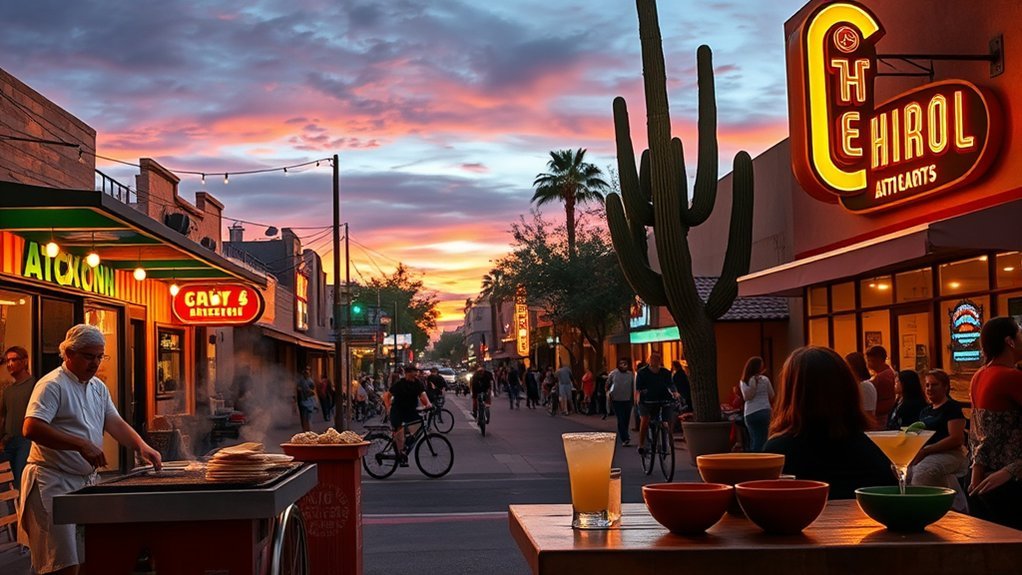
Fourth Avenue mixes restaurants, bars, cafés, shops, and nightlife just north of downtown. It is an easy place to sample Tucson flavors without committing to a formal food tour.
Look beyond a single signature dish. Sonoran hot dogs, carne asada, flour tortillas, chiles, mesquite flavors, Mexican seafood, and creative Southwestern cooking all contribute to the city’s food identity. Tucson is recognized by UNESCO as a Creative City of Gastronomy, reflecting a food culture shaped by Indigenous agriculture, Mexican traditions, borderland influences, and contemporary chefs.
- Try a Sonoran hot dog or grilled carne asada for a classic local flavor.
- Sample regional Mexican dishes and newer chef-driven interpretations rather than eating at only one type of restaurant.
- Look for local ingredients such as mesquite, prickly pear, chiles, and desert-adapted foods in markets and specialty shops.
Attend a Performance at the Rialto Theatre
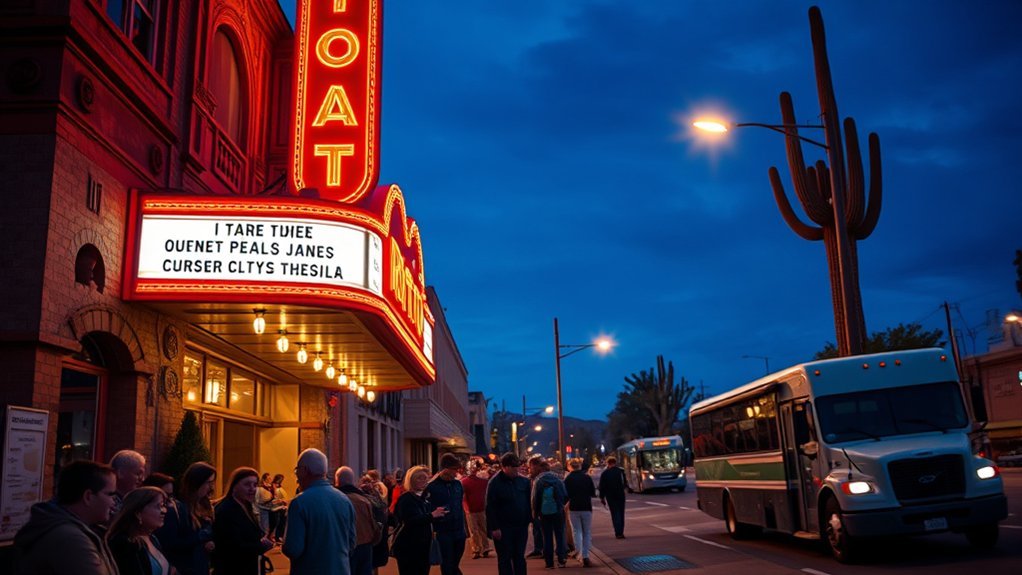
The Rialto Theatre has been part of Tucson’s entertainment history since 1920 and remains an active downtown venue. Its calendar includes touring musicians, local performers, comedy, themed events, and other live shows.
Historic Venue Charm
The interest here comes from the building’s long and complicated entertainment history rather than from a perfectly preserved 1920s interior. The Rialto has been repeatedly renovated, repurposed, damaged, and restored across more than a century.
That history gives a modern concert a distinctive setting, especially when you combine the show with dinner or drinks on Congress Street.
Live Music Variety
Programming changes constantly, so the experience can range from a standing-room concert to a reserved-seat performance. Do not assume every show uses the same seating layout. Check the individual ticket page for age limits, standing versus seated sections, bag policies, and door times.
Event Calendar Tips
- Check the calendar before building your downtown evening around the venue.
- Buy early for popular touring performers.
- Read the event-specific seating and entry rules before purchasing.
Bike the Chuck Huckelberry Loop
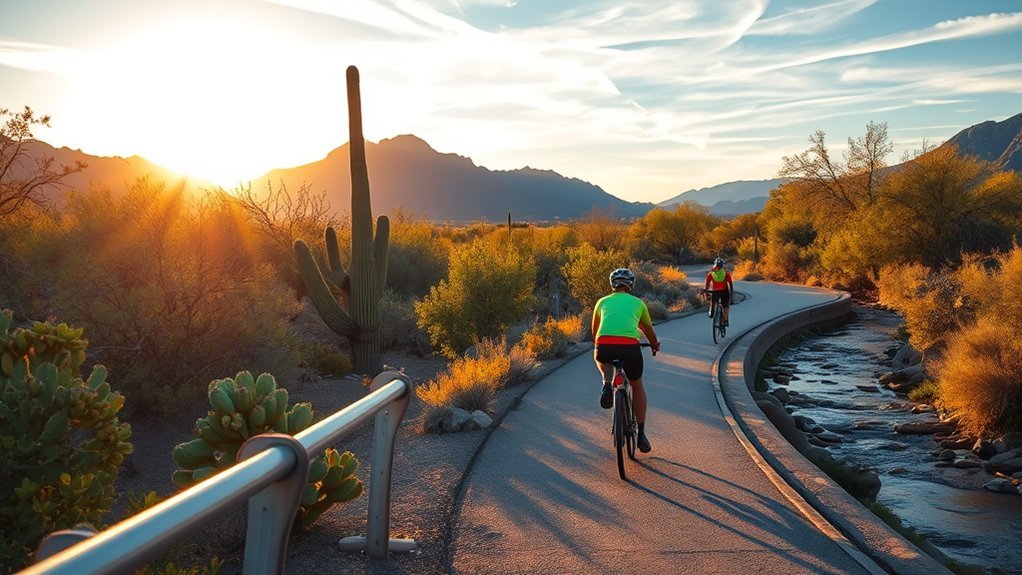
The Chuck Huckelberry Loop, usually called simply The Loop, is one of the easiest ways to see Tucson by bike away from heavy road traffic. Pima County currently describes the network as approximately 140 miles of paved shared-use paths and short buffered-bike-lane segments connecting Tucson, South Tucson, Marana, Oro Valley, and unincorporated areas.
Routes follow river parks, washes, neighborhoods, and greenways. You can choose a short recreational ride or build a much longer cycling day. Because conditions and facilities vary by segment, carry enough water instead of assuming a refill station will always be available.
Shared-use etiquette matters. Slow down around pedestrians, announce passes, keep right when appropriate, and avoid blocking the path at stops. For maps and current guidance, use the official Pima County Loop page.
Explore Old Tucson Studios
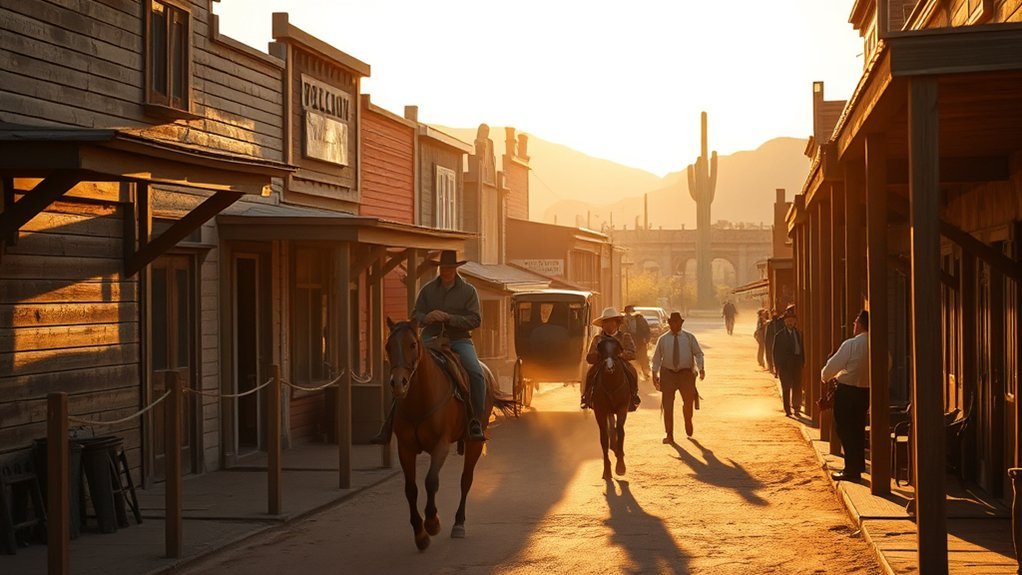
Old Tucson combines Western film history with seasonal entertainment, family attractions, rides, and recreated frontier environments. The site has been used for film and television productions for decades, and its sets remain a major part of the appeal.
Classic Western Movie Sets
Walk through Western streets, storefronts, museum spaces, and film-related displays while learning how filmmakers used the property. Props, costumes, sets, and interpretive material help distinguish real production history from the fictional frontier world created on screen.
- Explore the main Western streets and recognizable set pieces.
- Visit museum displays for film history and production artifacts.
- Look for locations associated with well-known Western productions.
Live Stunt Shows
Live entertainment can include stunt shows, gunfights, music, magic, and other seasonal performances. Programming changes, so check the day’s schedule when you arrive instead of assuming every attraction or show operates continuously.
Family-Friendly Attractions
Old Tucson also includes family-oriented activities such as a stagecoach ride, train, carnival-style attractions, gold panning, a petting zoo, and blacksmith demonstrations when scheduled.
- Take a set or history-focused tour if film history is your priority.
- Use the stagecoach or train for a break from walking when operating.
- Check height limits and seasonal schedules before promising younger children a particular ride.
Taste Local Flavors at the Fourth Avenue Street Fair

The Fourth Avenue Street Fair is different from an ordinary visit to Fourth Avenue. It is a scheduled, biannual event that fills the district with artists, vendors, food stalls, and crowds. If your trip overlaps one of the fairs, it can be one of the liveliest ways to experience the neighborhood.
Note: The Street Fair is not a year-round attraction. Check the official Fourth Avenue event calendar before building your itinerary around it.
Food choices change by event, but you may find grilled meats, tacos, sweets, aguas frescas, local coffee, and festival-style snacks. Browse first before ordering so you can compare lines and menus, and bring a payment backup because vendor payment methods can differ.
Walk the University of Arizona Campus and Museums
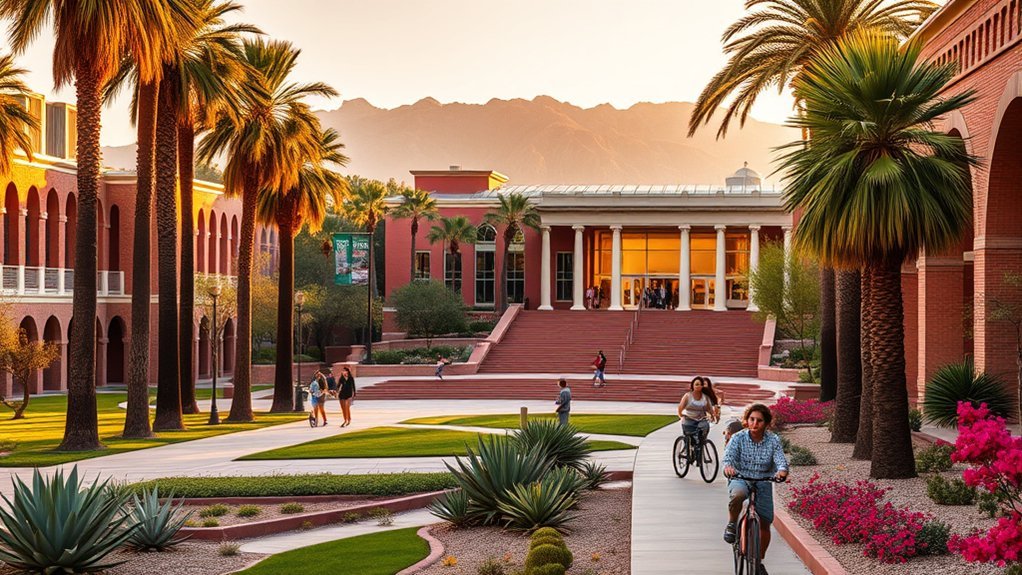
The University of Arizona gives you several cultural and science attractions within a relatively compact area. Tree-lined walks, historic campus buildings, student activity, and museums make it a useful half-day option, especially in hot weather.
- Flandrau Science Center & Planetarium: Explore science exhibits and check the schedule for planetarium shows.
- Center for Creative Photography: See rotating photography exhibitions and collections associated with major photographers, including Ansel Adams.
- Arizona State Museum: Learn about Indigenous cultures, archaeology, pottery, and the long human history of the Southwest.
Hours and admission policies differ among university museums and can change during academic breaks. Check each institution separately before arriving.
Visit the Mini Time Machine Museum of Miniatures

The Mini Time Machine Museum of Miniatures is an unusual indoor attraction filled with hundreds of handcrafted miniature scenes. Displays range from historic room settings and dollhouses to fantasy environments and contemporary miniature art.
The fun is in the details. Tiny furniture, fabrics, lighting, architecture, and decorative objects reward close inspection, so the museum works better when you slow down rather than move quickly from case to case.
Workshops, classes, and special programs are offered on scheduled dates rather than being guaranteed with ordinary admission. Check the calendar if hands-on miniature making is part of your reason for visiting. The museum is also a strong choice for families, collectors, designers, and anyone looking for an air-conditioned break from the desert.
Hike Sabino Canyon Recreation Area
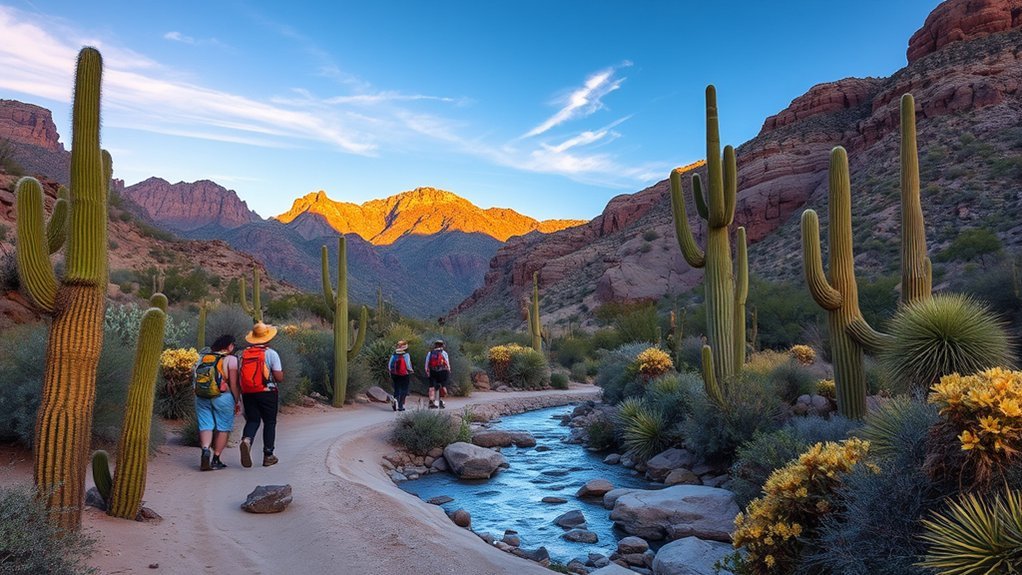
Sabino Canyon Recreation Area sits against the Santa Catalina Mountains and offers one of Tucson’s best combinations of desert hiking, canyon scenery, seasonal water, and shuttle-assisted access. The recreation area contains more than 30 miles of trails.
Private vehicles do not drive the main canyon road. Visitors can walk, hike, or use the open-air Sabino Canyon Crawler and Bear Canyon shuttle. Current routes, ticketing, and conditions are available through the Coronado National Forest Sabino Canyon page.
Sabino Canyon works for both casual visitors and serious hikers because the shuttle system lets you reach scenery without committing to a long approach on foot.
- Bajada Nature Trail: Choose this short, easy loop for a gentle introduction to Sonoran Desert vegetation.
- Seven Falls via Bear Canyon #29: Pick this longer route when conditions are suitable and you are prepared for stream crossings and rugged terrain.
- Phoneline Trail #27: Use this popular route for elevated canyon views and a more demanding hike.
Water flow is seasonal, and summer heat can be severe. Pets are generally not allowed in Sabino Canyon except qualifying service animals, so review current rules before visiting.
Explore Mercado San Agustín and Nearby Food Stalls
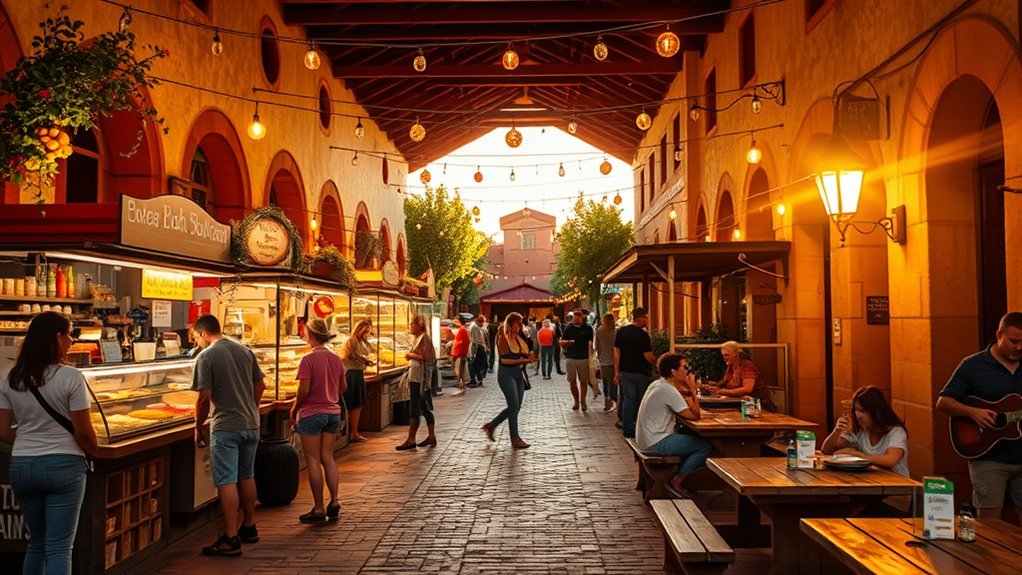
Mercado San Agustín is a compact public-market destination where food, coffee, small businesses, and outdoor gathering spaces come together. It is an easy stop after downtown sightseeing or a morning outdoors.
Rather than expecting a huge enclosed food hall, come for the intimate courtyard atmosphere and surrounding businesses. Grab coffee, pastries, tacos, or another casual meal, then explore nearby shops and the wider Mercado District.
Events and pop-ups vary, so the atmosphere may be calm on one visit and much busier on another. It is especially pleasant when Tucson’s weather makes outdoor courtyard seating comfortable.
Take a Guided Stargazing Tour in the Desert
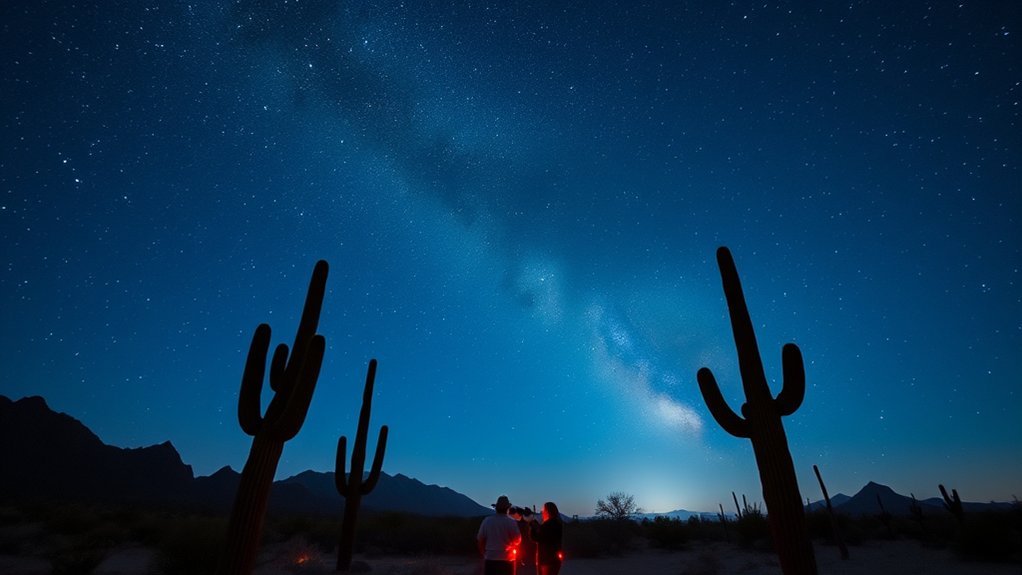
Tucson’s astronomy culture and dark-sky awareness make nighttime skywatching a natural addition to a desert trip. A guided stargazing experience can help you identify planets, constellations, star clusters, and seasonal deep-sky objects without having to bring your own telescope.
What you can see depends on cloud cover, moon phase, season, and the observing site. Reputable guides adjust the program to conditions rather than promising a specific planet or view every night.
For a better night-sky experience, choose a clear evening, give your eyes time to adapt to darkness, and use a dim red light instead of a bright white flashlight.
- Arrive early: Get oriented before darkness fully settles.
- Dress warmer than expected: Desert temperatures can drop quickly after sunset.
- Ask questions: A guided tour is most useful when the explanation matches your experience level.
Tour Historic El Presidio Neighborhood
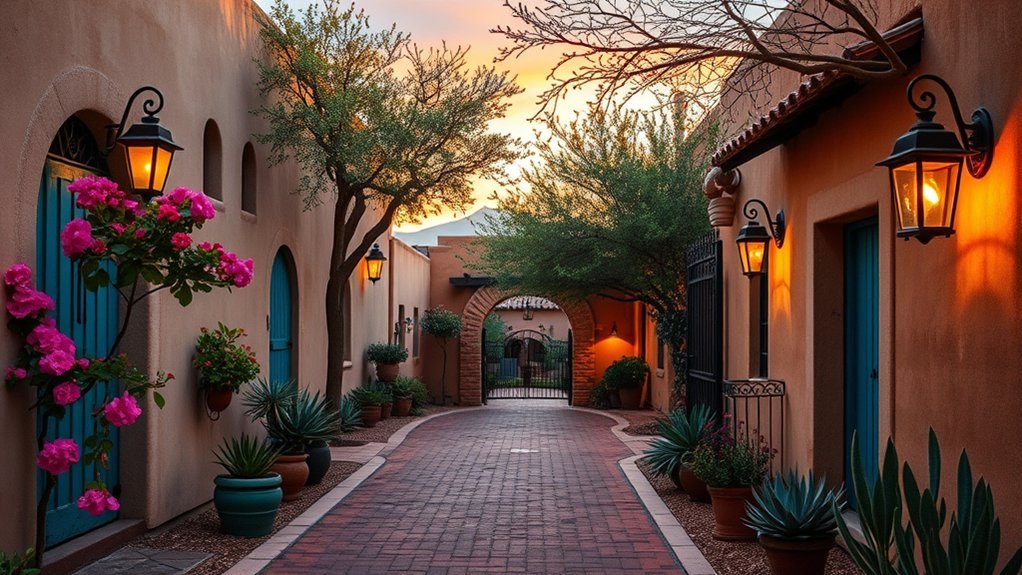
El Presidio introduces another layer of Tucson history through adobe architecture, historic homes, museums, courtyards, and the area associated with the Spanish presidio from which the neighborhood takes its name.
A guided walking tour adds context, but you can also explore independently with a reliable map. Look for architecture that shows how Spanish, Mexican, Indigenous, and later American influences overlapped rather than treating the district as representing only one era.
The neighborhood pairs naturally with the Tucson Museum of Art and downtown. Morning is comfortable for walking, while late afternoon brings attractive light to adobe walls and courtyards.
Visit the DeGrazia Gallery in the Sun
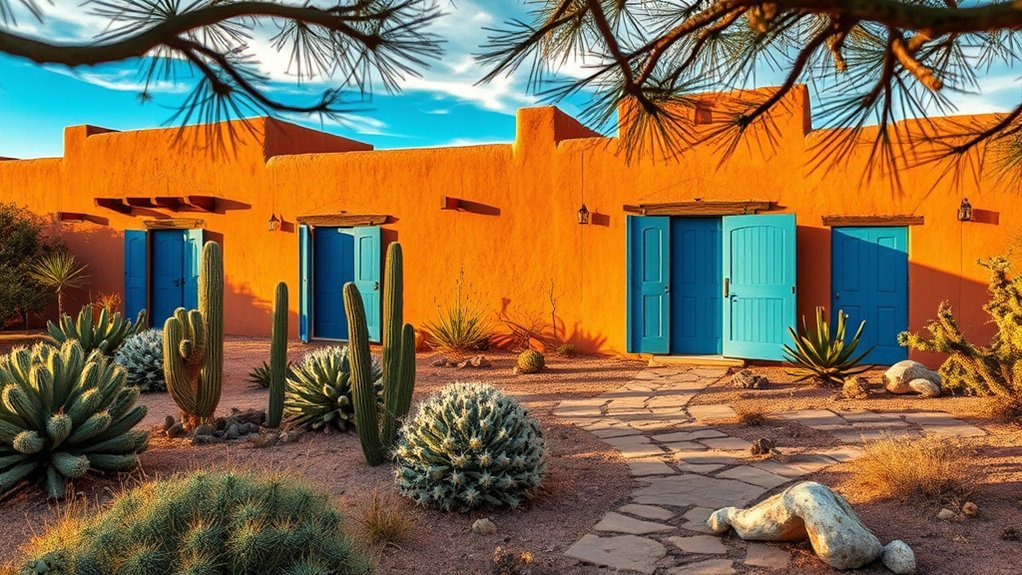
DeGrazia Gallery in the Sun is a 10-acre historic art compound designed and built by Tucson artist Ettore “Ted” DeGrazia. Adobe architecture, galleries, desert grounds, murals, and the Mission in the Sun make the site feel closely tied to its setting.
The collection includes permanent displays and rotating exhibitions drawn from thousands of DeGrazia works. His imagery often focuses on Southwestern landscapes, communities, religious themes, and regional cultures.
- Tour the main galleries for paintings and rotating exhibitions.
- Walk the adobe grounds slowly to see how architecture, desert plants, and art interact.
- Visit the Mission in the Sun and museum shop while respecting any posted restrictions.
This is a good stop when you want a smaller art experience with a strong sense of place rather than another conventional gallery building.
Explore Colossal Cave Mountain Park
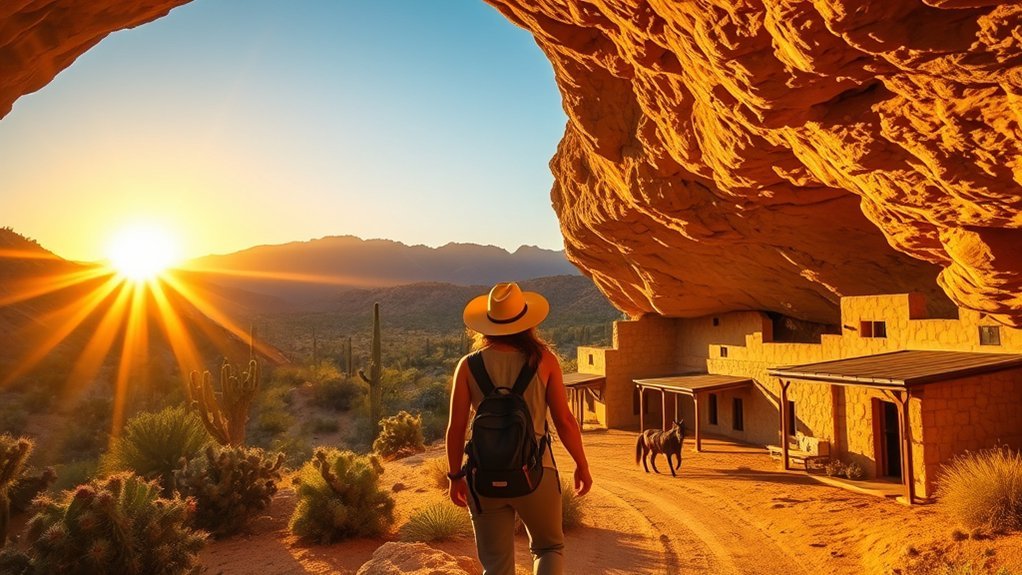
Colossal Cave Mountain Park, southeast of Tucson near Vail, combines a guided cave experience with desert recreation above ground. The regular cave tour follows roughly a half-mile route and descends hundreds of stairs through passages containing stalactites, stalagmites, flowstone, boxwork, and other formations.
The cave stays around 70°F and is dry, which can feel refreshing compared with summer conditions outside. Comfortable walking shoes are more useful than heavy cold-weather clothing for the standard tour.
Above ground, the park also offers hiking, picnicking, scenery, and other recreation. Tour capacity is limited, so reserving ahead is sensible when the cave is a must-do part of your trip.
Attend a Spring Wildflower Excursion
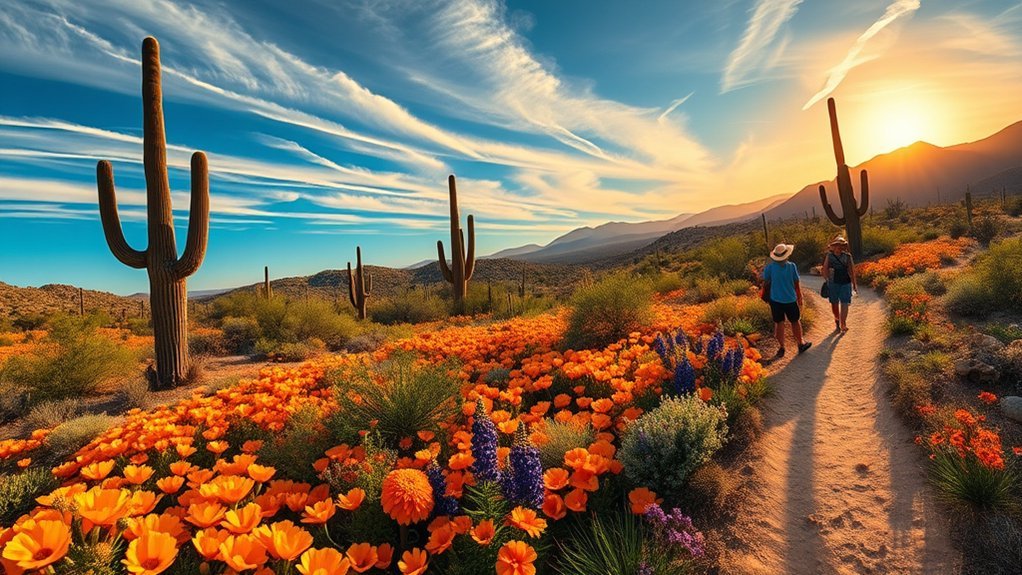
After a favorable winter, spring can bring bursts of poppies, lupines, brittlebush, and other flowers to desert slopes and washes around Tucson. Displays vary enormously from year to year because rainfall, temperatures, elevation, and timing all matter.
A guided wildflower walk can help with plant identification and keep you from overlooking smaller species. It also adds ecological context about pollination, seed dormancy, drought, and the short window many desert flowers have to grow and reproduce.
- Learn: Use a guide or current bloom report to identify species and likely locations.
- Photograph responsibly: Stay on durable surfaces and avoid crushing plants for a photo.
- Stay flexible: Do not plan an entire spring trip around a guaranteed “super bloom.”
Shop and Dine in Downtown Tucson
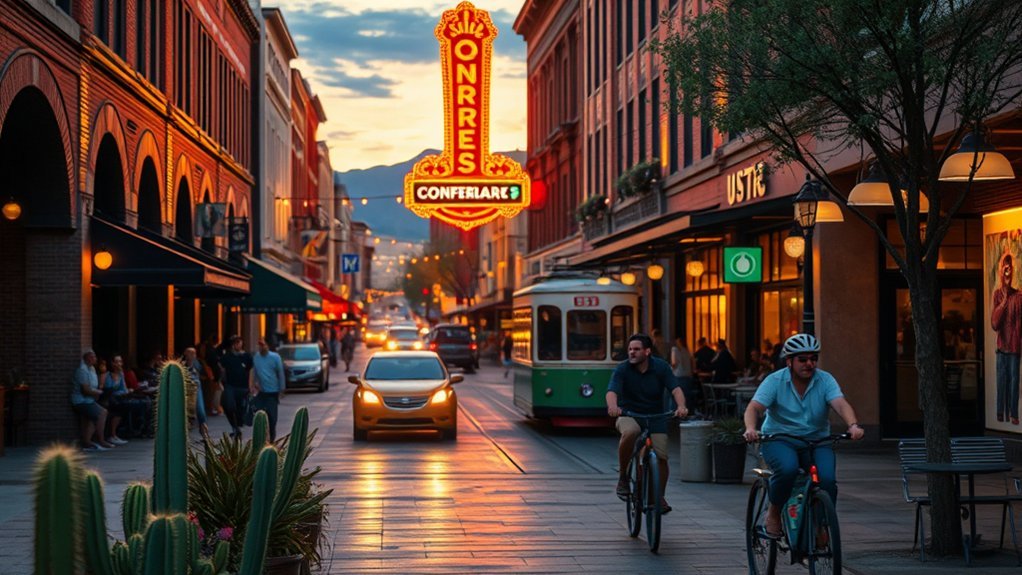
Downtown Tucson is best explored as a collection of small experiences rather than a single attraction. Historic buildings, independent shops, galleries, restaurants, bars, theaters, and public art make it easy to spend several hours moving between stops.
Congress Street and surrounding blocks are useful starting points. Browse locally made jewelry, ceramics, prints, books, and desert-inspired goods, then stop for Sonoran or Mexican food, contemporary regional cooking, coffee, or drinks.
Evening brings more nightlife, but daytime is better for galleries, architecture, museums, and shopping. If you are staying downtown, this is also one of the easiest parts of Tucson to enjoy without constantly moving your car.
Take a Desert Photography Tour
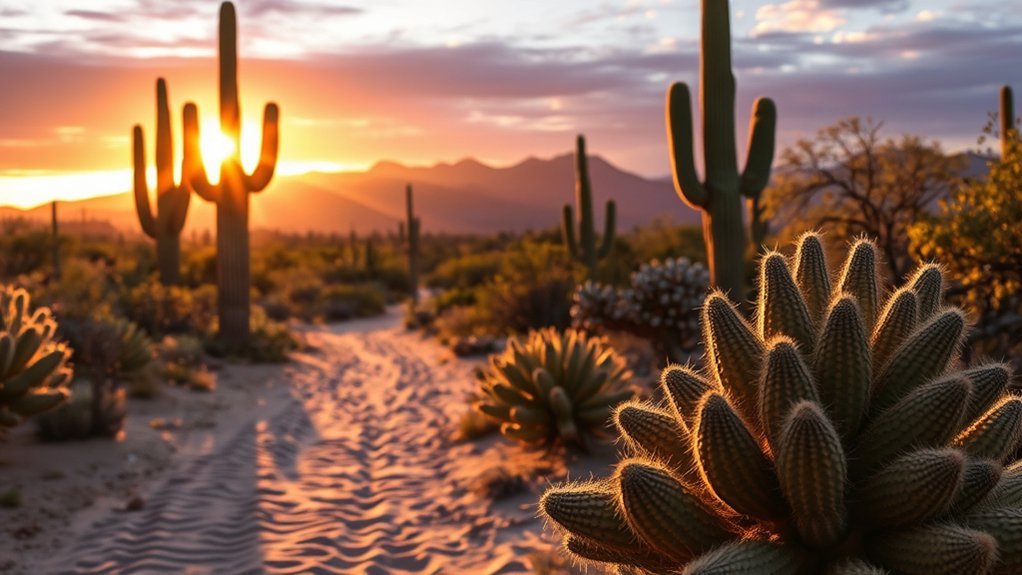
Tucson’s saguaros, layered mountains, monsoon clouds, wildflowers, and changing desert light make the area especially rewarding for landscape photography. Sunrise and late afternoon usually provide softer light and more texture than the middle of the day.
A guided photography outing can help with location selection, composition, exposure, and safe access to desert viewpoints. The best leaders also understand seasonal light, trail conditions, and how to photograph without damaging fragile plants.
- Learn techniques: Work on framing, depth of field, foreground choice, and balancing bright skies with darker desert terrain.
- Scout locations: Look for distinctive saguaros, mountain layers, rock formations, and safe established viewpoints.
- Protect the desert: Do not move plants, create new paths, or stand on sensitive soil just to improve a composition.
Frequently Asked Questions
When is the best time of year to visit Tucson?
October through April is the easiest period for outdoor sightseeing because daytime temperatures are generally more comfortable than summer. Late winter and spring can also bring wildflowers and cactus blooms. May can still work with early starts, while summer requires much more attention to heat and afternoon monsoon weather.
Do I need special vaccinations for a trip to Tucson?
There is no special “desert travel” vaccine list that applies to every Tucson visitor. Stay current on routine vaccinations appropriate for your age, health, and medical history. Travelers with specific health concerns should ask a clinician for individualized advice. CDC routine vaccine guidance is available at CDC Travelers’ Health.
How safe is Tucson for solo travelers at night?
Use the same precautions you would in another unfamiliar city. Stay in active, well-lit areas, know how you are getting back to your lodging, avoid isolated places late at night, secure valuables, and use a taxi or rideshare when walking does not feel appropriate. Conditions differ by neighborhood and event.
Are there public transportation options for Tucson attractions?
Yes. Sun Tran buses and the Sun Link streetcar serve many urban areas, including downtown and the University of Arizona. However, several major outdoor attractions are easier to reach by car or rideshare. Transit routes, fares, and service patterns can change, so check the current trip planner before travel.
Where can I find accessible ADA services at major sites?
Major museums, visitor centers, and public attractions usually publish accessibility information covering parking, entrances, restrooms, seating, mobility devices, and accessible routes. Check each attraction’s official accessibility page or contact the venue before visiting if you need a specific accommodation.
How many days do I need in Tucson?
Three days is enough for a strong first visit, while four or five days lets you explore at a slower pace. A practical three-day plan could use one day for Saguaro West and the Desert Museum, one for Sabino Canyon or Mount Lemmon, and one for downtown, museums, food, and historic neighborhoods.
Do I need a car in Tucson?
A car is very useful if Saguaro National Park, Mount Lemmon, Sabino Canyon, Gates Pass, Old Tucson, Colossal Cave, or the Desert Museum are priorities. Downtown, Fourth Avenue, and the University of Arizona are easier to combine with walking, transit, or rideshare.
Can I still enjoy Tucson in summer?
Yes, but plan differently. Schedule desert walks around sunrise, spend the hottest hours in museums or other indoor attractions, carry abundant water, and watch forecasts for excessive heat and monsoon storms. Mount Lemmon can also provide cooler conditions, though mountain weather and road conditions still need checking.
Conclusion
Tucson is at its best when you experience several sides of it instead of treating it as only a desert-hiking destination. Walk among saguaros, explore museums and adobe neighborhoods, climb into the Santa Catalina Mountains, learn the region’s cultural history, and leave enough room for Sonoran food and an unhurried sunset. Start outdoor days early, stay flexible when weather changes, and group attractions by location. With that approach, even a short Tucson trip can include desert landscapes, art, history, food, wildlife, and some of southern Arizona’s most memorable views.
Sources
- National Park Service: Saguaro National Park Hiking — trail locations, district planning, and hiking guidance.
- USDA Forest Service: Coronado National Forest Recreation — Mount Lemmon, Santa Catalina Mountains, recreation conditions, and trail planning.
- USDA Forest Service: Sabino Canyon Recreation Area — shuttle access, trail names, rules, and recreation information.
- Tucson Botanical Gardens: History — historic Porter property and development of the Gardens.
- Pima Air & Space Museum — current aircraft collection, campus size, hangars, and visitor information.
- Pima County: The Chuck Huckelberry Loop — current Loop length, shared-use network, maps, and guidelines.