Red Rock State Park Guide: Trails, Wildlife, and Visit Tips
What’s in This Article
- Planning Your Visit and Park Hours
- Top Trails and Hiking Tips
- Wildlife, Plants, and Geology Highlights
- Picnic Areas, Camping Options, and Nearby Dining
- Seasonal Weather, Trail Conditions, and Packing Checklist
- Accessibility, Family Activities, and Kid-Friendly Options
- Rules, Permits, and Leave No Trace Guidelines
- Frequently Asked Questions
Red Rock State Park looks easy from the parking lot, but desert heat, creek crossings, and changing trail conditions can catch you off guard. Quiet red sandstone cliffs frame a bustling ribbon of trails, and you’ll find both calm views and active day-use areas here. Use this guide to plan around seasonal hours and fees, choose safe hikes, find picnic spots, and protect the park while you explore.
Quick Answer
Red Rock State Park is a day-use nature park near Sedona, Arizona, with scenic trails, Oak Creek habitat, picnic areas, and ranger-led learning programs. Plan for hiking, wildlife watching, and photography rather than camping, swimming, or off-trail exploring. Check the park website before you go because hours, fees, pet rules, and trail access can change.
Key Takeaways
- Check hours, fees, and alerts before you drive to the park.
- Choose trails by distance, elevation gain, heat, and your group’s fitness.
- Bring water, sun protection, sturdy shoes, and a backup map.
- Use nearby campgrounds because the park does not offer overnight camping.
- Stay on marked trails to protect wildlife, plants, and fragile soils.
Planning Your Visit and Park Hours
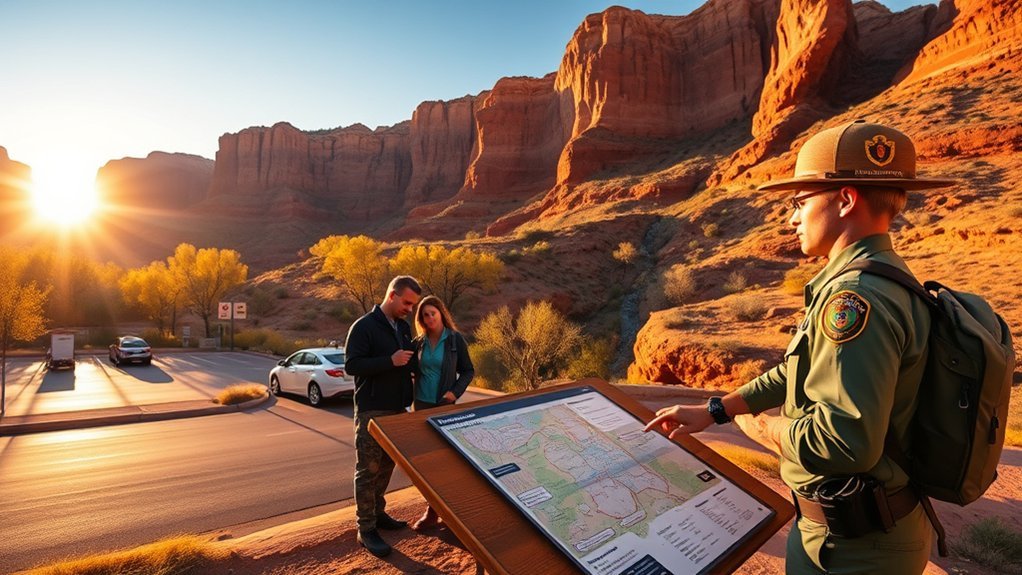
Before you head out, check the park’s seasonal hours, entrance fees, and special alerts. Arizona State Parks posts updates for closures, programs, fire restrictions, and other changes that can affect your visit. Weekends, holidays, and mild-weather mornings often bring the largest crowds, so arrive early or choose a weekday when you can.
Confirm payment options before you reach the gate. Stop by the visitor center for maps, current trail advice, and tips from staff who know local wildlife activity and weather shifts. Pack water, sun protection, and layered clothing because shade, wind, and temperature can change fast.
Build a backup plan before you leave. Popular parking areas can fill, and storms may close or muddy certain trails. Note restroom locations, trail lengths, and return times so your visit stays smooth from start to finish.
Pro tip: Take a photo of the trail map at the visitor center so you can use it when your phone signal drops.
Top Trails and Hiking Tips
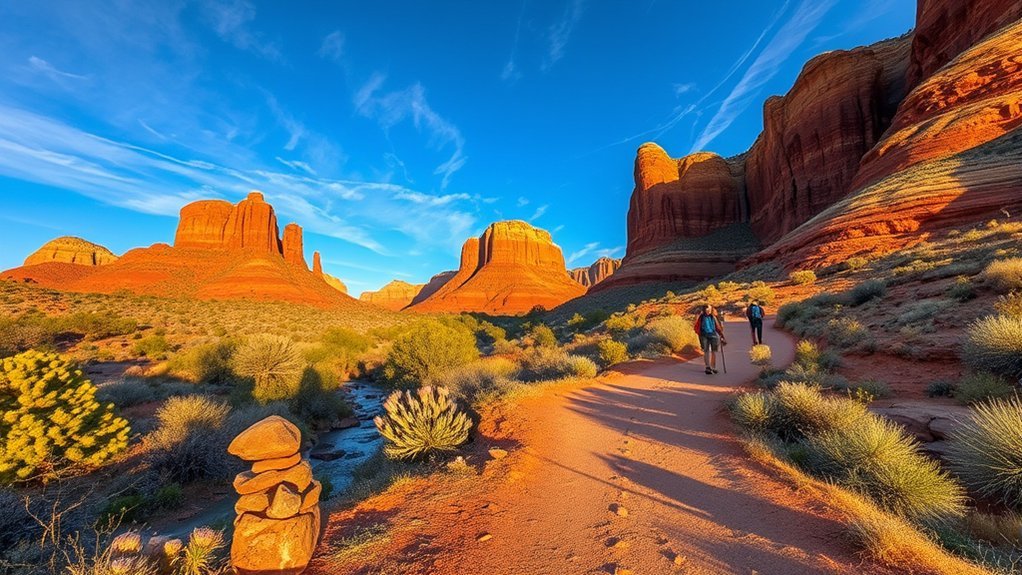
You’ll find a handful of standout trails at Red Rock State Park, from easy creekside strolls to steeper ridge routes with wide red-rock views. Before you head out, check trail length, elevation gain, surface type, and heat exposure. Pack layers, plenty of water, sun protection, and sturdy shoes.
Stay on marked paths, watch the sky, and turn back if storms move in. Tell someone your route and expected return time, especially if you hike alone. Slow down on rocky slopes, loose gravel, and shaded winter patches that may hold mud or ice.
Best Trails Overview
Red Rock State Park trails give you a close look at riparian habitat, red sandstone, and high desert plants. Start with short interpretive routes if you want an easy walk and a better sense of the park’s ecology. These paths help you spot birds, read trail signs, and learn how Oak Creek shapes the landscape.
For broader views, consider routes such as Eagle’s Nest Loop, Coyote Ridge, or other marked loops shown on the current park map. These trails can climb and dip, so match your route to your time, water, and fitness. Time your hike for softer light when you want better photos and cooler temperatures.
Safety and Gear Tips
The right gear turns a risky outing into a safer one. Wear sturdy shoes, layered clothing, a hat, and sun protection. Carry a compact first aid kit and learn how to use each item before you need it.
- Pack water, snacks, first aid supplies, a map, and a headlamp.
- Wear layers, a hat, durable shoes, and a light rain shell.
- Practice route planning, basic first aid, and simple compass use.
Check weather and trail conditions before you start. Carry physical maps with your phone because signal can fade in canyons and low areas. Stay hydrated, pace yourself on steep sections, and respect wildlife from a safe distance.
Warning: Leave creek beds and low crossings during storms because flash floods can rise fast in red-rock country.
Wildlife, Plants, and Geology Highlights
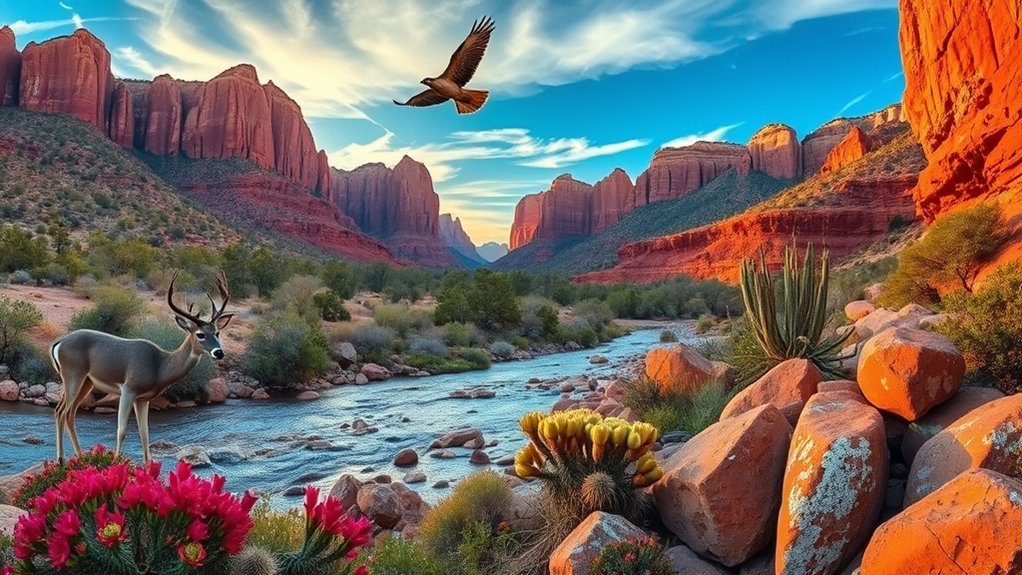
When you explore Red Rock State Park, keep your eyes and ears open for wildlife, plants, and striking geologic features. You may spot mule deer, jays, lizards, and many other species near the creek and meadow edges. Bring binoculars for focused wildlife observation, and give every animal plenty of space.
Trails pass through juniper, pinyon, cottonwood, and riparian plant communities. Use signs, ranger programs, or a field guide for plant identification so you can tell common species apart. Watch for seasonal wildflowers after wet periods, but leave blooms, seeds, rocks, and artifacts in place.
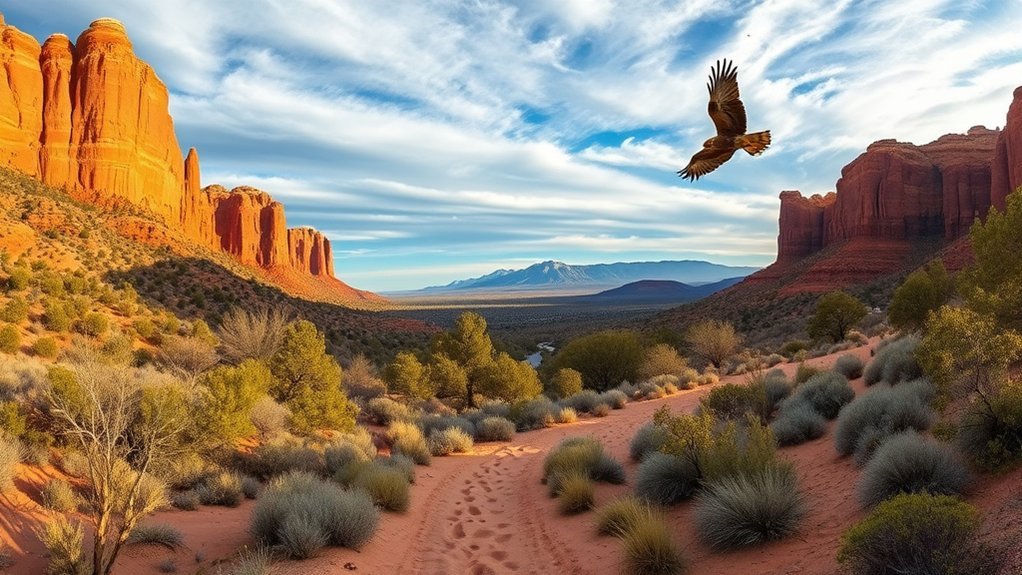
The layered red sandstone cliffs near Sedona show how water, wind, and time shaped the region. Oak Creek cuts through the landscape and supports a cooler, greener corridor than the open desert around it. Stay on trails so you protect fragile soils, streambanks, and plant roots.
Picnic Areas, Camping Options, and Nearby Dining
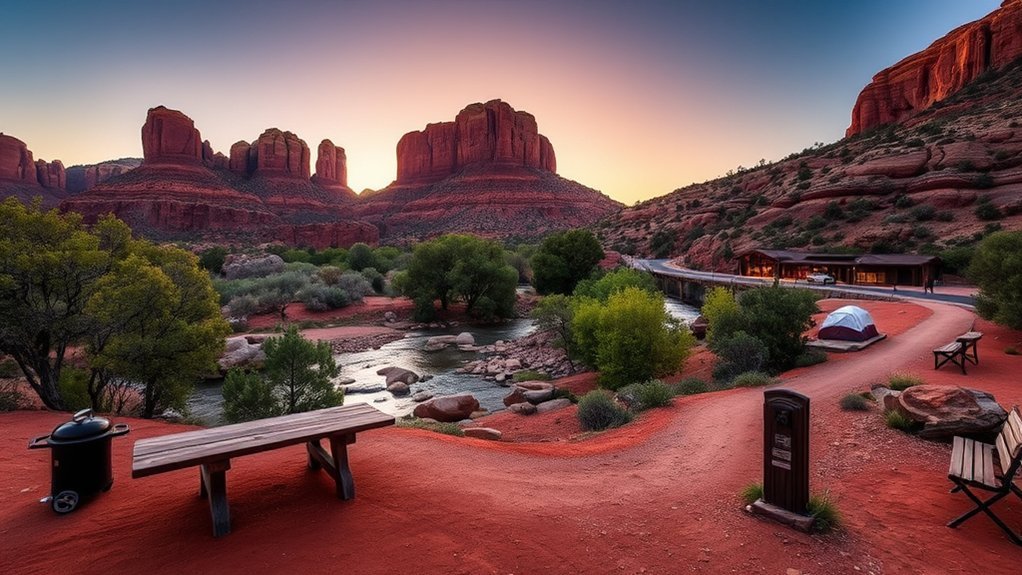
If you’re planning a relaxed day, the park’s picnic areas make it easy to pause near red-rock views and riparian shade. Use designated tables and nearby restrooms instead of setting up in sensitive habitat. Bring reusable utensils, a cooler, trash bags, sunscreen, and enough water for your full group.
Red Rock State Park focuses on day use, hiking, wildlife viewing, and environmental education. Choose nearby state, Forest Service, or private campgrounds if you want to camp overnight. Reserve campsites early during peak Sedona travel periods because nearby options can fill fast.
For dining recommendations, head into Sedona or nearby Village of Oak Creek for casual cafes, patios, and quick meals. Pack out all trash before you leave the park. Keep food sealed so you do not draw birds, mammals, or insects into picnic areas.
- Pack out all trash and recyclables.
- Book nearby campsites before busy weekends.
- Prioritize water, shade, and food storage.
Note: The park does not serve as an overnight campground, so plan lodging or camping outside the park boundary.
Seasonal Weather, Trail Conditions, and Packing Checklist
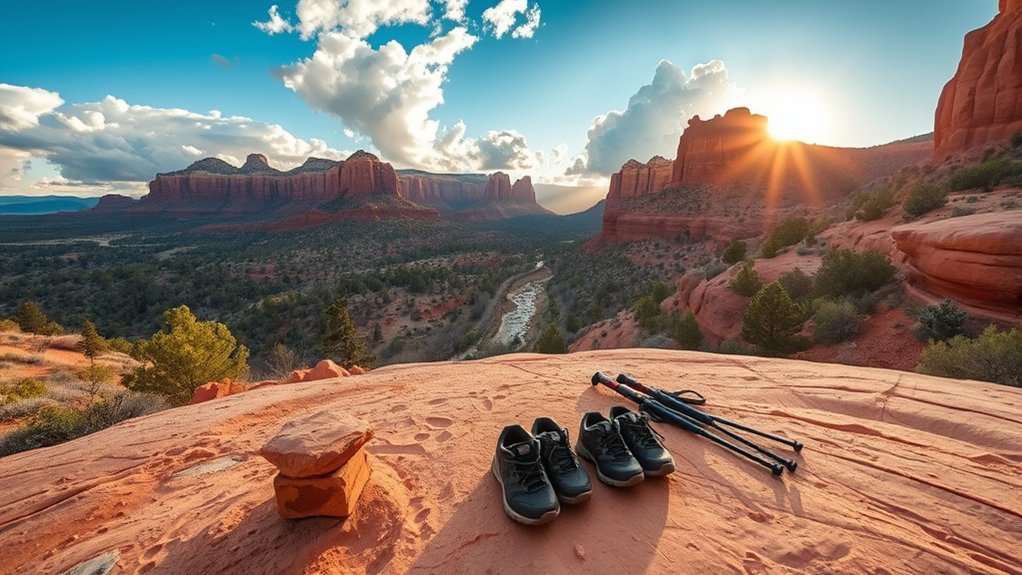
Weather in Red Rock State Park can shift quickly with elevation, shade, and season. Check the forecast before you go and prepare for wide temperature swings between morning and afternoon. Spring can bring wind and storms, summer heat can build fast, fall cools quickly after sunset, and winter may bring icy patches on shaded trails.
Trail conditions change after rain, snow, heat, and heavy use. Expect muddy or slick sections after storms, loose rock on steeper slopes, and dry dust during long warm spells. Avoid shortcuts because they widen trails and damage plants.
Pack layers, sturdy hiking shoes with good traction, sun protection, rain gear, and a warm hat for cooler hours. Carry water, salty snacks, a basic first aid kit, a map or downloaded route, and a headlamp. Adjust your gear to the day’s weather, not just the season.
Accessibility, Family Activities, and Kid-Friendly Options
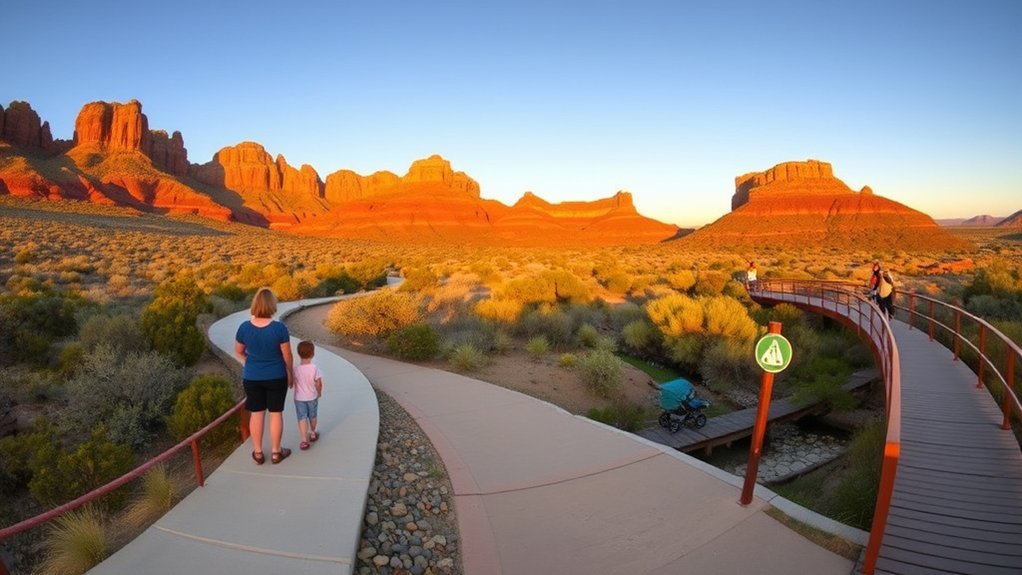
You’ll find a mix of easy, well-marked trails that work for many families and rougher paths where strollers will not roll well. Ask park staff which route best fits your stroller, wheelchair, or mobility needs on the day you visit. Picnic areas and restrooms near the visitor center help you plan snack breaks without guessing.
Check the park schedule for Junior Ranger activities, guided walks, and kid-focused programs. These programs help children learn about wildlife, water, plants, and red-rock geology in a hands-on way. Bring water, hats, and layers so kids stay comfortable during outdoor activities.
Trail Difficulty & Strollers
Some Red Rock trails climb steep sandstone or cross uneven ground, but several shorter paths work better for families with young children. Use the park map and staff advice to find routes with firm, even trail surfaces such as packed dirt or accessible paths. Choose a baby carrier instead of wheels for rocky, narrow, or steep sections.
- Check elevation change, trail length, and shade before you go.
- Match your stroller to the surface, with larger wheels for rougher paths.
- Bring sun protection, water, snacks, and a light rain cover.
You’ll stay safer and more comfortable when you plan ahead and pick trails that suit your gear and skills.
Picnic Areas & Restrooms
Families can find comfortable places to eat and rest near the visitor center and designated picnic areas. Picnic tables, shade, and restrooms help you plan breaks between short hikes. Follow simple picnic etiquette: pack out trash, secure food from wildlife, and leave tables clean for the next group.
Restroom facilities near the main gathering areas make the park easier for families with young kids. Bring hand sanitizer if you plan to walk farther from developed areas. Use the guide below to match your break spot to your plan.
| Area | Notes |
|---|---|
| Visitor Center Area | Closest restrooms and maps |
| Designated Picnic Tables | Best for meals and snack breaks |
| Shaded Rest Spots | Useful during warm afternoons |
| Trailhead Area | Quick access before or after hikes |
| Nearby Sedona Dining | Best option for full meals |
Junior Ranger & Programs
Kids often learn best when they can touch, observe, and ask questions. The Junior Ranger program and ranger-led activities may include short walks, self-led badge tasks, nature talks, and creek ecology lessons. Check the schedule before your visit because programs can vary by season, staffing, and weather.
Ask at the visitor center about accessible routes, adaptive options, or quieter program times. Volunteers and staff can suggest ways to engage hesitant kids. Choose a short program first, then add a longer walk if your group still has energy.
- Choose a short program to test interest.
- Combine self-led badge tasks with a ranger walk.
- Use accessible routes for stroller or wheelchair access.
Rules, Permits, and Leave No Trace Guidelines
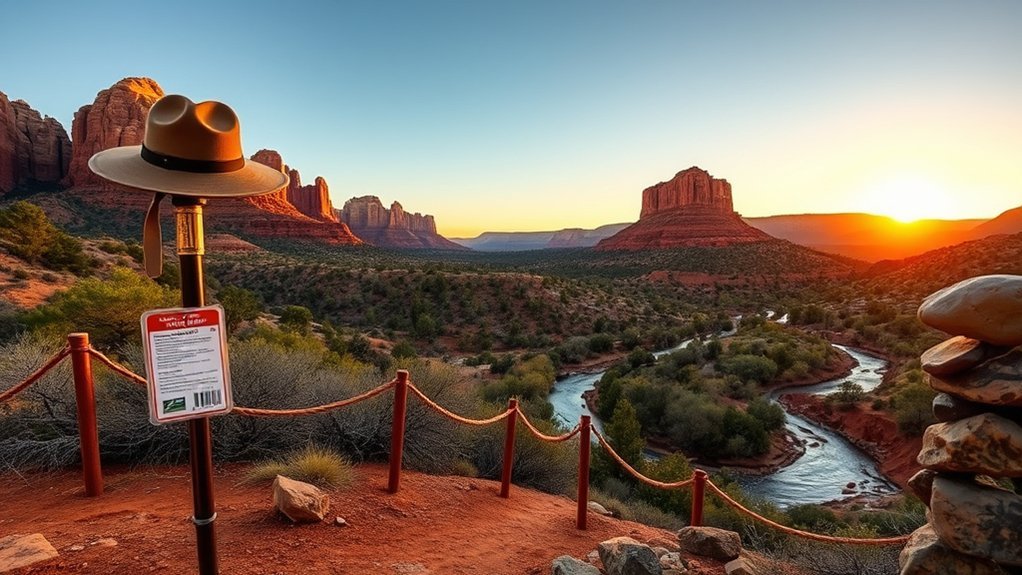
Before you set out on the trails or picnic areas, review the park rules and required permits. You can avoid fines, protect habitat, and help staff keep trails open. Follow posted rules on trail use, wildlife protection, drones, pets, fires, and seasonal closures.
The park manages sensitive riparian and red-rock habitat, so stay on designated paths and keep noise low. The park generally restricts pets to protect wildlife and other visitors, so check the current pet policy before you bring an animal. Service animals follow separate access rules under applicable law.
Commercial guiding, large groups, professional shoots, and special events may need advance approval. Practice responsible recreation: pack out trash, leave plants and rocks alone, and use restrooms before longer walks. Leave No Trace habits keep views clean and habitats healthier for the next visitor.
Frequently Asked Questions
Are Drones Allowed Anywhere in the Park?
Do not plan to fly a drone unless you have written authorization from the park and follow Federal Aviation Administration rules. Drones can disturb wildlife, disrupt visitors, and create safety problems near trails and overlooks.
Is There Cell Phone Reception on Major Trails?
You may find limited or patchy cell coverage on major trails, so don’t rely on your phone as your only safety tool. Carry a map, tell someone your route, bring water, and pack a charged power bank.
Can I Bring My Dog on Guided Tours or Shuttle Services?
Check the park’s current pet policy before you bring a dog. Red Rock State Park protects sensitive wildlife habitat, and the park may restrict pets on trails, tours, and program areas. Service animals follow separate access rules.
Are There Seasonal Road Closures to the Park Entrance?
Winter storms, road work, fire restrictions, or flooding can affect routes in the Sedona area. Check park alerts and local road conditions before you drive, especially after storms or during busy travel periods.
Is Fishing Permitted in Park Waterways?
Plan your visit around hiking, wildlife viewing, picnicking, and education rather than fishing. Before you bring fishing gear, check the park’s current rules and Arizona fishing regulations so you do not disturb protected habitat or violate park policy.
Conclusion
A good Red Rock State Park visit starts with a simple plan: check conditions, choose the right trail, and pack for desert weather. Step onto the rust-red trails, listen for jay calls, and watch sunlight carve sandstone into shadows. Follow signs, respect wildlife, and carry out every item you bring in. Enjoy the views, savor the silence, and leave the park ready for the next curious visitor.
References
- Red Rock State Park, Arizona State Parks & Trails
- Red Rock State Park Trails, Arizona State Parks & Trails
- Flood Safety, National Weather Service
- Unmanned Aircraft Systems, Federal Aviation Administration
- The 7 Principles, Leave No Trace