Flagstaff gives you a very different Arizona experience from the desert cities farther south. At roughly 7,000 feet, the city is surrounded by ponderosa pine forest, volcanic peaks, historic Route 66, and some of the Southwest’s best-known stargazing. Flagstaff averages more than 100 inches of snow a year, while mountain areas can receive much more. This guide covers when to visit, where to stay, transportation, hikes, museums, stargazing, food, day trips, and the safety details that matter at high elevation.
Quick Answer
Flagstaff is best for travelers who want cool mountain weather, hiking, astronomy, Route 66 history, and easy access to the Grand Canyon and Sedona. Two or three days gives you time for downtown, Lowell Observatory, a nearby monument or hike, and one major day trip without rushing.
Key Takeaways
- Flagstaff sits around 7,000 feet, so temperatures are cooler and weather changes faster than many first-time Arizona visitors expect.
- Downtown is walkable, but a car is useful for Walnut Canyon, Sunset Crater, Snowbowl, Sedona, and the Grand Canyon.
- Summer monsoon thunderstorms can bring lightning to exposed mountain trails, especially from July through September.
- Flagstaff is especially strong for stargazing and astronomy; it became the world’s first International Dark Sky City in 2001.
- Two to three days works well for Flagstaff itself; add extra days if you want both Grand Canyon and Sedona day trips.
Why Visit Flagstaff: Highlights at a Glance
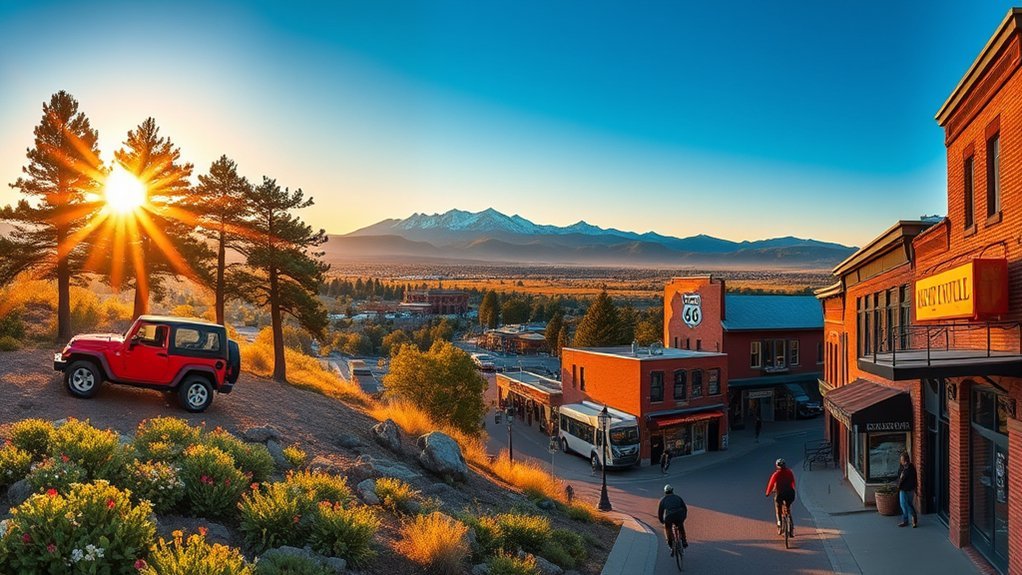
Flagstaff combines outdoor access, astronomy, Native and regional history, Route 66 heritage, and a compact downtown. Ponderosa forests surround the city, while the San Francisco Peaks rise immediately to the north. Downtown gives you restaurants, independent shops, breweries, galleries, live entertainment, and railroad history within a relatively small area.
Lowell Observatory is one of Flagstaff’s defining attractions. Clyde Tombaugh used its Pluto Discovery Telescope to identify Pluto in 1930, and today visitors can explore astronomy exhibits, historic telescopes, public observing programs, and modern viewing facilities.
The Museum of Northern Arizona adds important context to the Colorado Plateau through exhibits covering geology, paleontology, archaeology, art, and Native American cultures. Nearby public lands add volcanic landscapes, ancestral places, alpine terrain, and hundreds of miles of recreation opportunities.
For mountain views without a summit hike, Arizona Snowbowl operates its Scenic Gondola during its summer season. In winter, the same mountain becomes northern Arizona’s best-known downhill ski area.
Flagstaff became the world’s first International Dark Sky City in 2001, making astronomy part of the city’s identity rather than just another nighttime attraction.
Best Times to Go and Weather Considerations
Flagstaff has four distinct seasons and a much cooler climate than Phoenix. Official visitor information describes summer highs as generally reaching the low 80s, while winter brings substantial snow. Check the latest conditions through Discover Flagstaff’s weather guide and the National Weather Service before mountain activities.
- Late spring: May and June can be comfortable for hiking and sightseeing, although late snow and cold nights are still possible at higher elevations.
- Summer: July and August offer warm days and cool nights, but the monsoon season can produce short, intense thunderstorms, lightning, hail, and heavy rain.
- Early fall: September and early October often combine comfortable daytime temperatures with changing aspens at higher elevations.
- Winter: Snow creates skiing, snow play, and a classic mountain-town atmosphere, but storms can affect roads, trail access, parking, and attraction hours.
Warning: From July through September, thunderstorms can build quickly around the San Francisco Peaks. The U.S. Forest Service specifically warns of heavy rain, strong winds, and lightning on Humphreys Trail. Avoid exposed ridges when storms are developing and be willing to turn around.
Whatever the season, bring layers. A sunny afternoon can become cold once the sun drops, and conditions on the San Francisco Peaks may be very different from downtown.
Getting There and Getting Around
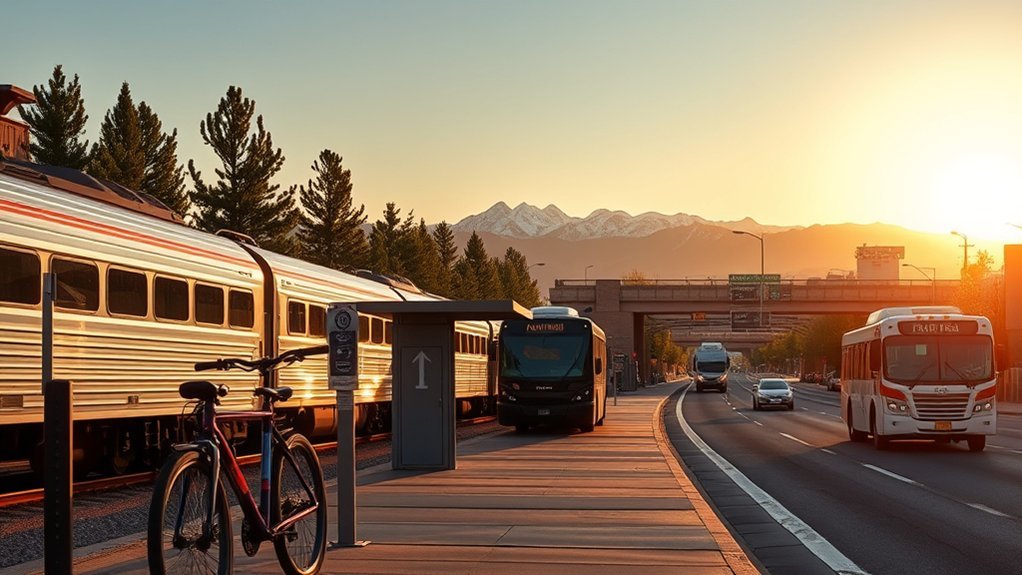
You can reach Flagstaff by plane, interstate highway, Amtrak, or regional shuttle. Downtown itself is fairly compact, but many of the area’s biggest natural attractions require a drive.
Getting to Flagstaff
| Option | What to Know |
|---|---|
| Plane | Flagstaff Pulliam Airport (FLG) currently lists American Airlines service to Phoenix and Dallas/Fort Worth. Schedules can change, so verify before booking. |
| Car | I-17 approaches from Phoenix, I-40 crosses northern Arizona east to west, US-180 leads toward the Grand Canyon, and SR-89A provides the scenic Oak Creek Canyon route toward Sedona. |
| Train | Amtrak’s Southwest Chief stops at the downtown Flagstaff station. |
| Shuttle / Bus | Regional shuttle and connecting bus services operate between Flagstaff and larger transportation hubs, including Phoenix. Check the operator’s current timetable because routes change. |
If you are flying directly into town, check the Flagstaff Pulliam Airport site before departure for current flight, parking, construction, and ground-transportation information.
Local Transportation Options
Downtown Flagstaff is easy to explore on foot once you are parked. For public transportation, Mountain Line operates nine routes around Flagstaff, connecting downtown with neighborhoods, shopping areas, Northern Arizona University, and other destinations. Check its route planner for current service rather than relying on an old printed schedule.
Rideshare services and taxis are useful for short local trips, while cycling can work well on city streets and portions of Flagstaff’s urban trail network when weather permits.
A rental car becomes much more useful if your itinerary includes Arizona Snowbowl, Walnut Canyon, Sunset Crater, Wupatki, Sedona, or the Grand Canyon.
Parking and Road Tips
Downtown uses ParkFlag pay-by-plate parking. As of August 1, 2026, the standard downtown rate is $2 per hour. You can pay at kiosks or through the Flowbird app; check ParkFlag for current rates, managed hours, and maps.
Trailhead parking is a different matter. Popular recreation areas can fill early on weekends, holiday periods, fall-color weekends, and snow-play days. Never invent a roadside parking spot where signs prohibit it.
Winter storms can make I-17, I-40, US-180, mountain roads, and residential streets slippery. Before driving during a storm, check official road and weather conditions and make sure your vehicle is equipped for the forecast.
Pro Tip: If you are staying downtown and spending a day entirely in the historic core, leave the car parked. Save your driving for the days when you are visiting the national monuments, Snowbowl, Sedona, or the Grand Canyon.
Where to Stay: Neighborhoods and Accommodation Types
Your best base depends on whether you value walking, road access, or quieter surroundings. Downtown gives you the easiest access to restaurants and nightlife, while lodging farther from the center can make driving and parking simpler.
Downtown Historic District
Downtown is the strongest choice if you want to walk to restaurants, breweries, coffee shops, galleries, Heritage Square, live entertainment, and the historic train station. Lodging ranges from historic hotels to newer properties within or near the central grid.
The tradeoff is noise. Active nightlife and frequent railroad traffic can be noticeable, so light sleepers should check recent guest reviews and consider requesting a quieter room away from tracks or busy streets.
Downtown also works well for travelers arriving by Amtrak because the station sits directly in the historic core.
Mountain & Motel Options
Outside downtown, Flagstaff has roadside motels, full-service hotels, vacation rentals, cabins, and lodge-style properties. These can work better for families, road-trippers, skiers, and travelers who would rather have easier vehicle access than nightlife at the door.
- Forest or cabin stay: best when quiet surroundings and pine scenery matter more than walking to restaurants.
- Hotel near the west side or US-180: convenient for Museum of Northern Arizona, Snowbowl, and Grand Canyon day trips.
- Route 66 motel: useful for road-trip atmosphere and direct access to major roads.
- South or NAU-area hotel: practical for I-17 access and travelers continuing toward Phoenix or Sedona.
Must-See Attractions in and Around Town
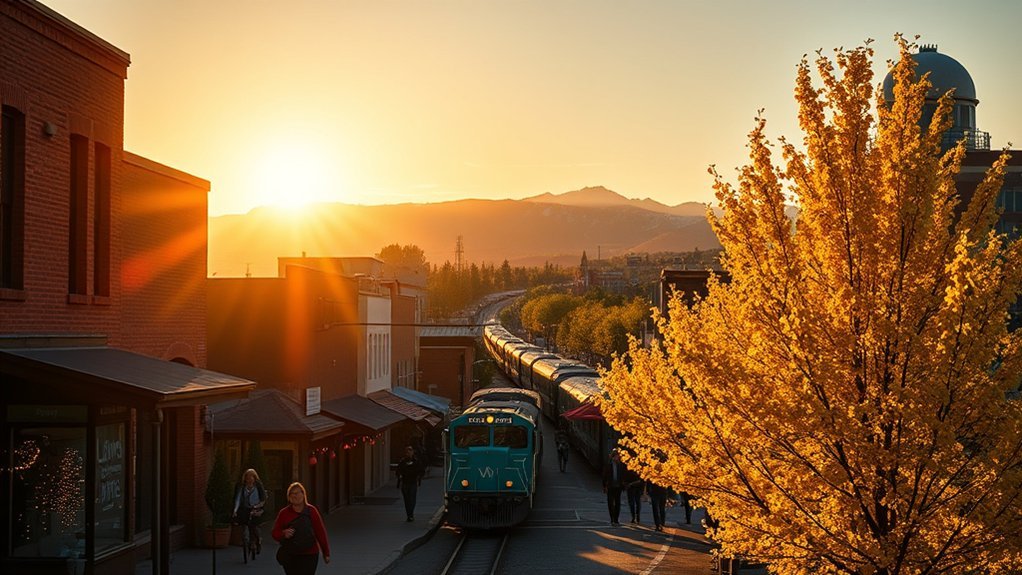
Start with historic downtown for Route 66 history, local shops, food, and the railway district. Then choose attractions that match your interests rather than trying to cover every surrounding landmark in one day.
- Lowell Observatory: best for astronomy, Pluto history, telescopes, exhibits, and nighttime observing.
- Museum of Northern Arizona: best for understanding the geology, archaeology, art, and Indigenous cultures of the Colorado Plateau.
- Walnut Canyon National Monument: best for ancestral cliff dwellings and canyon scenery.
- Sunset Crater Volcano National Monument: best for volcanic landscapes and lava-field geology.
- Wupatki National Monument: best for ancestral pueblo sites and wide-open high-desert scenery.
- Arizona Snowbowl: best for skiing in winter and high-elevation Scenic Gondola views during seasonal summer operations.
At Walnut Canyon, choose carefully between the trails. The paved Rim Trail is short and relatively easy. The Island Trail descends into the canyon to reach cliff dwellings and is rated strenuous by the National Park Service because of its stairs and elevation change.
For an accessible canyon view, Walnut Canyon’s visitor-center area includes an ADA-accessible overlook. That makes it possible to experience the landscape without descending the Island Trail.
Sunset Crater and Wupatki National Monument pair naturally on the same drive. Check current NPS conditions because snow, fire danger, and other safety issues can temporarily affect roads or trails.
Stargazing and Dark-Sky Experiences
Stargazing deserves its own place in a Flagstaff itinerary. DarkSky International recognizes Flagstaff as the world’s first International Dark Sky City, designated in 2001.
For the most structured experience, visit Lowell Observatory, where public programs combine telescopes, exhibits, astronomy education, and Flagstaff’s scientific history. If you prefer a free outdoor view, Buffalo Park is a popular in-town dark-sky location with broad horizons.
Your experience will depend on cloud cover, moon brightness, wildfire smoke, and nearby lighting. A brilliantly clear night around a new moon can reveal much more than a cloudy or nearly full-moon night.
Note: Protect your night vision by keeping flashlights dim and using a red-light mode when possible. Avoid shining bright lights toward other stargazers, homes, wildlife, or telescope areas.
Outdoor Activities: Hiking, Biking, and Winter Sports
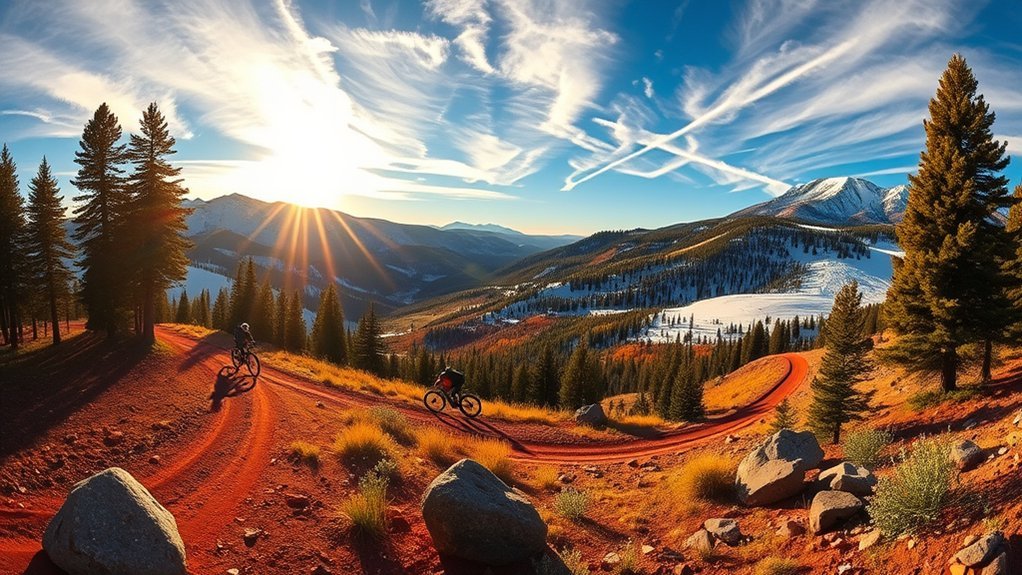
Flagstaff’s outdoor options range from easy city-edge walks to a serious high-elevation summit. Pick the trail for your actual fitness, experience, weather, and available daylight rather than choosing purely by the view.
- Buffalo Park: a good choice for a lower-commitment walk or run with views of the San Francisco Peaks.
- Flagstaff Urban Trails System: useful for walking and cycling connections around parts of the city.
- Walnut Canyon Rim Trail: a short option for canyon views without the strenuous descent.
- Humphreys Trail: a long, steep, rocky high-elevation hike for experienced and well-prepared hikers.
- Arizona Snowbowl: downhill skiing and snowboarding during winter operations.
- National forest routes: additional hiking, mountain biking, snowshoeing, and cross-country opportunities vary by season and trail rules.
The U.S. Forest Service’s Humphreys Trail page should be required reading before attempting Arizona’s highest summit. The trail is long, steep, rocky at higher elevations, and exposed to rapidly developing summer thunderstorms.
Start mountain days early, carry enough water and food, use sun protection, bring insulating and rain layers, and know when to turn around. Snow and ice can persist on high trails long after downtown feels like spring.
How Many Days Do You Need in Flagstaff?
Two to three days is a comfortable first visit if Flagstaff itself is the priority. If you also want both Sedona and the Grand Canyon, give the trip four or more days so you are not spending most of your vacation driving.
- One day: historic downtown, Museum of Northern Arizona or Walnut Canyon, dinner downtown, and Lowell Observatory after dark.
- Two days: add Sunset Crater and Wupatki, Snowbowl, or a half-day hike.
- Three days: keep two days for Flagstaff and use the third for either the Grand Canyon or Sedona.
- Four or five days: explore Flagstaff at a slower pace and include separate Grand Canyon and Sedona days.
Trying to combine the Grand Canyon, Sedona, Snowbowl, downtown, Lowell Observatory, and major hiking into a single weekend is possible on a map but rarely enjoyable in practice.
Day Trips: Grand Canyon, Sedona, and Beyond
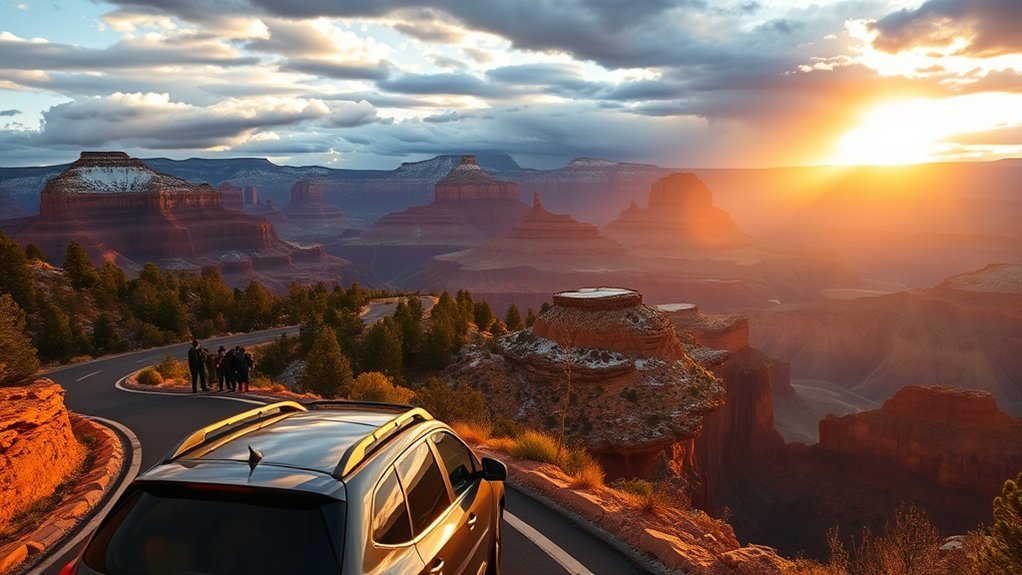
Flagstaff is one of northern Arizona’s most practical bases because the landscapes change dramatically within a relatively short drive. The Grand Canyon South Rim and Sedona are the two headline day trips, but each deserves most of a day rather than a rushed photo stop.
Grand Canyon Day Trip
The National Park Service places the Grand Canyon South Rim about 80 road miles from Flagstaff. In normal conditions, allow roughly 1.5 hours each way, then add time for entrance traffic, parking, shuttle buses, meals, and viewpoints.
For a simple first visit, start around the Grand Canyon Visitor Center and Mather Point, then explore part of the Rim Trail. The Yavapai Museum of Geology adds useful context to the landscape.
- Leave Flagstaff early during busy periods.
- Bring water, sun protection, food, and layers.
- Use the park’s free shuttle system where it makes sense.
- Stay on designated trails and behind barriers near cliff edges.
- Check current road, weather, trail, and water conditions before attempting any hike below the rim.
The South Rim is open year-round, but snow, ice, construction, temporary closures, and seasonal service changes can affect individual roads or facilities. Check Grand Canyon National Park before departure.
Sedona & Oak Creek
The drive south through Oak Creek Canyon is part of the experience, with forested canyon walls giving way to Sedona’s red-rock formations. Bell Rock and Cathedral Rock are famous landmarks, while Oak Creek offers shaded picnic and hiking areas.
West Fork of Oak Creek is popular for its canyon scenery, stream crossings, and fall color. Sedona trailheads can become extremely busy, so research the specific trail’s current parking, shuttle, fee, and access arrangements before leaving Flagstaff.
If hiking is not your priority, combine overlooks, a meal, galleries, and a scenic drive. Morning and late-afternoon light are especially attractive on the red rock, but those times can also coincide with heavy visitor traffic.
Historic Route 66 and Downtown Flagstaff
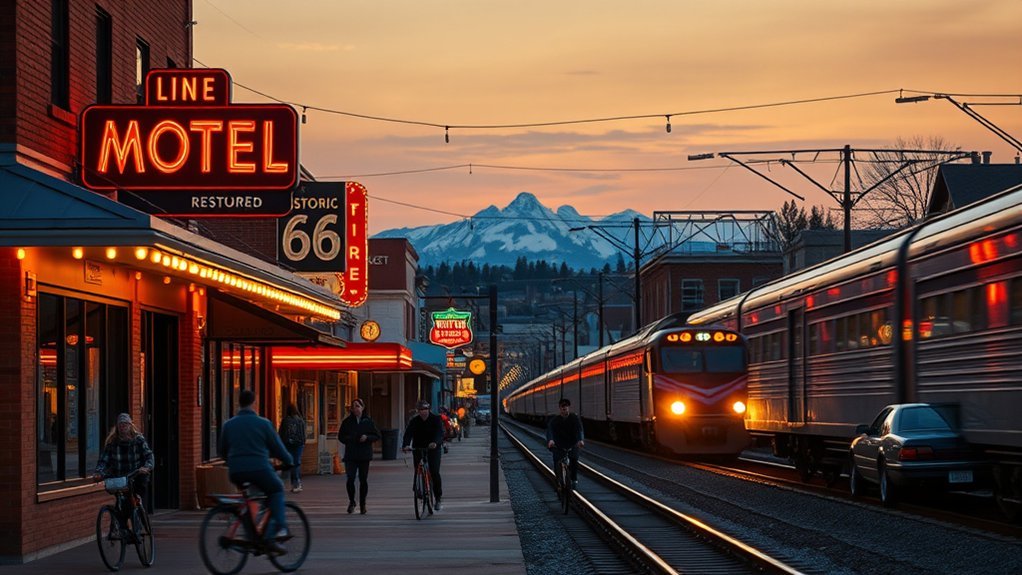
Historic Route 66 passes directly through Flagstaff, and downtown remains one of the easiest places to experience the city’s railroad and Mother Road heritage on foot. Brick commercial buildings, historic hotels, murals, theaters, neon, breweries, restaurants, and the active railway corridor all sit close together.
- Start at the historic downtown train station and Flagstaff Visitor Center.
- Walk through Heritage Square and the surrounding commercial blocks.
- Look for restored Route 66 signs, murals, historic architecture, and railroad details.
- Browse independent stores, galleries, record shops, cafes, and local restaurants.
Freight and passenger trains remain part of downtown life, so the railroad is not simply a preserved attraction. That history also means visitors staying close to the tracks should expect train noise.
Food, Breweries, and Local Nightlife
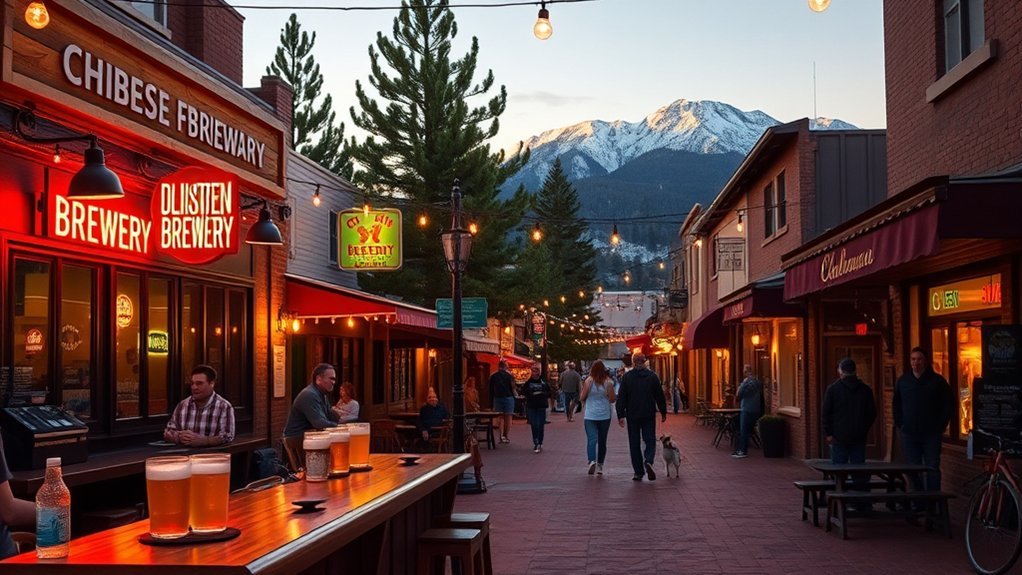
Flagstaff’s dining scene ranges from coffee shops and casual breakfast spots to pizza, Mexican and Southwestern food, vegetarian cooking, burgers, modern American restaurants, bakeries, and higher-end dinners. Downtown is the easiest place to browse several options without driving from one restaurant to another.
Craft beer is also closely associated with Flagstaff. Several breweries and taprooms operate in and around the downtown area, making it possible to visit more than one location on foot. Check each business directly for current menus, hours, tours, age policies, and live events.
Nightlife ranges from quiet pubs and patios to concerts, bars, theater, and special events. Heritage Square and the surrounding downtown blocks are useful places to begin if you want an evening that does not require much driving.
If you have a serious food allergy, celiac disease, or another condition requiring strict avoidance, do not rely solely on a restaurant being described as “gluten-free” or “allergy-friendly.” Contact the restaurant directly about ingredients, preparation areas, and cross-contact procedures.
Practical Tips: Permits, Safety, and Packing Recommendations
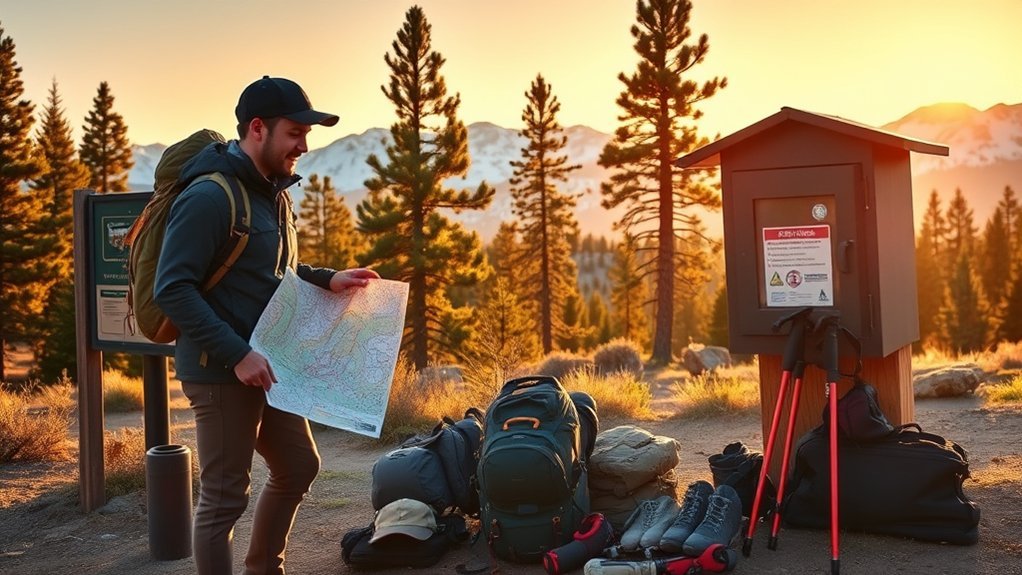
Flagstaff’s elevation, dry air, strong sun, sudden weather, and surrounding public lands reward preparation. Conditions can change considerably between downtown at roughly 7,000 feet and higher destinations on the San Francisco Peaks.
The CDC’s high-altitude guidance notes that unacclimatized travelers sleeping at 8,000 feet and above, and sometimes lower, can develop altitude illness. Flagstaff itself is slightly below that threshold, but visitors commonly travel much higher at Snowbowl and on Humphreys Peak.
- Take it easier at first: notice how you feel before making a strenuous high-elevation hike your first activity.
- Hydrate normally: dry air and physical activity can increase fluid needs.
- Pack layers: include insulation and rain protection even when downtown feels warm.
- Protect yourself from sun: use sunscreen, sunglasses, a hat, and protective clothing.
- Carry navigation: download offline maps before entering forests, canyons, and remote highway areas.
- Carry basic emergency gear: a headlamp, first-aid supplies, extra food, and phone power bank are sensible on longer outings.
- Tell someone your plan: especially before remote or high-elevation hiking.
- Check restrictions: fire restrictions, snow closures, trail closures, entrance rules, and recreation fees can change.
Warning: Headache, nausea, unusual fatigue, dizziness, confusion, breathing difficulty, or worsening symptoms at elevation should not be treated as a challenge to “push through.” Stop ascending and seek appropriate medical help when symptoms are severe or worsening.
National parks, national monuments, recreation areas, and some developed sites charge entrance or recreation fees. If your trip includes several federal recreation sites, compare individual fees with an America the Beautiful pass before purchasing separate admissions.
Cell service is generally much better within Flagstaff than in surrounding forests and canyons. Download maps, confirmations, trail information, and important directions before leaving town.
Frequently Asked Questions
Are there allergy-friendly restaurants in Flagstaff?
Flagstaff has restaurants offering vegetarian, vegan, gluten-free, and other modified menu options, but “allergy-friendly” does not guarantee protection from cross-contact. If an allergy is serious, contact the restaurant directly before visiting and ask about ingredients, preparation surfaces, shared fryers, and other kitchen procedures.
Can I bring my pet to national parks and monuments near Flagstaff?
Sometimes, but rules vary by site and trail. At Grand Canyon’s South Rim, leashed pets may use trails above the rim but cannot go below the rim or ride park shuttle buses. At Walnut Canyon, leashed pets are allowed on the Rim Trail but not the Island Trail. Check the official park page before every visit.
Where can I find current live music schedules in Flagstaff?
Check individual venue calendars, the Downtown Flagstaff event calendar, Discover Flagstaff’s current event listings, and ticketing platforms shortly before your visit. Lineups and times change too frequently for a static travel guide to stay reliable.
Is cell service reliable throughout Flagstaff?
Coverage is generally stronger within the city than in surrounding forests, volcanic areas, mountain terrain, and canyons. Walnut Canyon itself warns that cellular reception can be very limited. Download offline maps and important trip information before heading into remote areas.
What cultural festivals occur in Flagstaff?
Flagstaff hosts recurring arts, cultural, music, science, and community festivals. Recent 2026 examples include Hullabaloo, the Flagstaff Folk Festival, the Museum of Northern Arizona’s Heritage Festival of Arts and Culture, the Hopi Arts & Cultural Festival, and the Flagstaff Festival of Science. Check Discover Flagstaff’s current festival calendar because dates and lineups change each year.
How many days should I spend in Flagstaff?
Two or three days is a good first visit if you want downtown, astronomy, a museum or nearby monument, and an outdoor activity. Add one day for the Grand Canyon and another if you also want a full Sedona day trip.
Do I need a car in Flagstaff?
Not for a downtown-focused stay. You can walk around the historic core and use Mountain Line or rideshare services for some local trips. A car is strongly recommended if you plan to visit Snowbowl, Walnut Canyon, Sunset Crater, Wupatki, Sedona, or the Grand Canyon on your own schedule.
Does Flagstaff really get a lot of snow?
Yes. Official tourism information says Flagstaff averages more than 100 inches of snow annually. The surrounding mountain can receive substantially more, so do not use Snowbowl or mountain snowfall totals as the expected amount in downtown Flagstaff.
Conclusion
Flagstaff works best when you treat it as a mountain destination rather than a quick Arizona stopover. Give yourself time for historic downtown, the science and night sky at Lowell Observatory, a forest or monument outing, and one of northern Arizona’s major landscapes. Pack layers, respect the elevation, check mountain weather before hiking, and leave enough room in the schedule to slow down when a viewpoint, trail, brewery, museum, or ridiculously clear night sky deserves an extra hour.
Sources
- Discover Flagstaff Weather Guide — seasonal weather and climate planning.
- Flagstaff Pulliam Airport — current airline, flight, parking, and airport information.
- Mountain Line Routes & Schedules — official Flagstaff public transportation information.
- ParkFlag — current downtown Flagstaff parking rates, hours, payment, and maps.
- Grand Canyon National Park — South Rim conditions, roads, shuttles, trails, safety, and visitor information.
- Coconino National Forest: Humphreys Trail No. 151 — official trail description, difficulty, and monsoon-weather warnings.