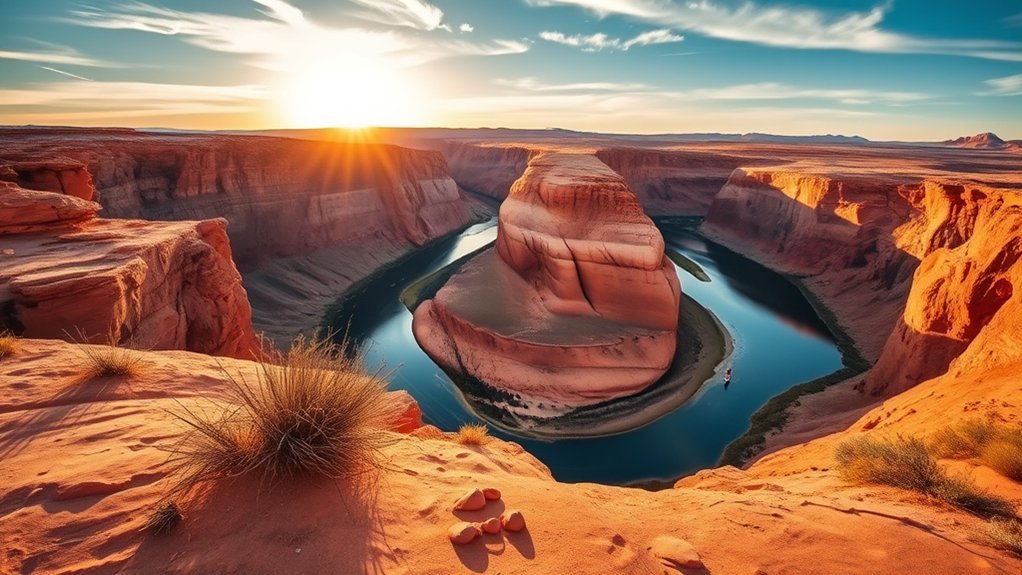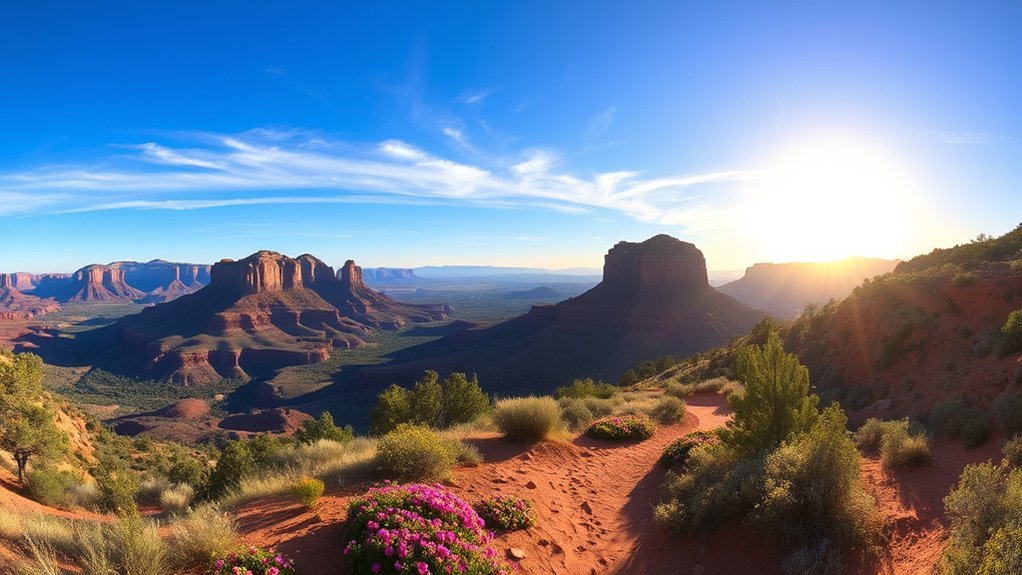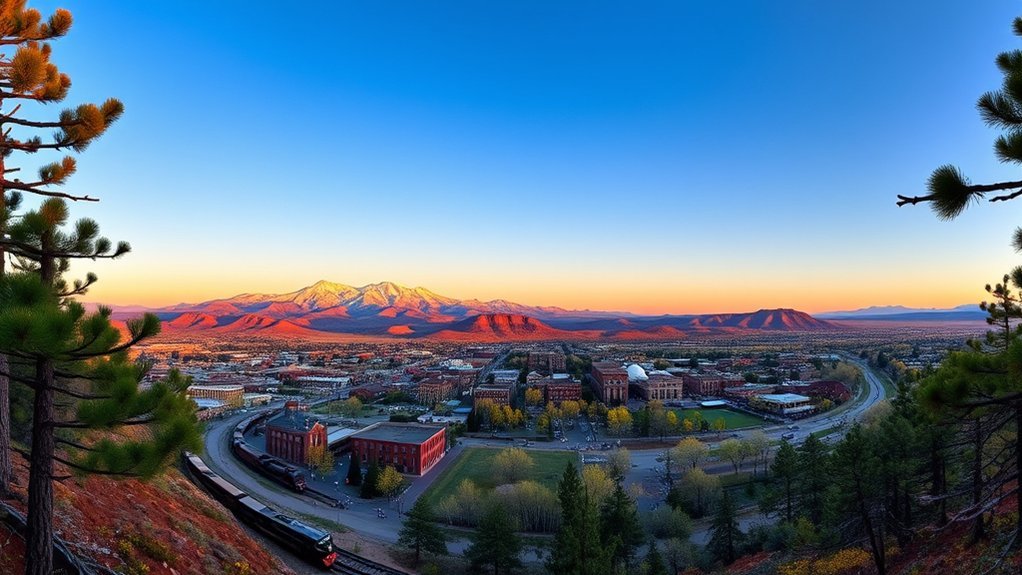
Flagstaff gives you an unusual mix of mountain scenery, volcanic landscapes, Indigenous history, Route 66 landmarks, winter sports, and some of Arizona’s best stargazing. You can hike beneath ponderosa pines in the morning, explore an ancestral pueblo in the afternoon, and look through a telescope after dark. It also works well as a base for longer day trips to the Grand Canyon and Sedona, as long as you allow enough driving time and check current weather, road, and trail conditions.
Quick Answer
The best things to do in Flagstaff include Lowell Observatory, Walnut Canyon, Sunset Crater, Wupatki, historic Route 66, Humphreys Peak, Arizona Snowbowl, and the city’s forest trails. Allow two or three days for Flagstaff itself, then add separate days for the Grand Canyon or Sedona if those are priorities.
Key Takeaways
- Lowell Observatory, Walnut Canyon, Sunset Crater, Wupatki, and historic downtown are among Flagstaff’s strongest first-time attractions.
- Flagstaff sits at high elevation, so give yourself time to adjust before strenuous hikes such as Humphreys Peak.
- A car is useful for national monuments, Snowbowl, Lava River Cave, and day trips, while downtown is easy to explore on foot once you park.
- Summer thunderstorms, winter snow, wildfire restrictions, and seasonal closures can change outdoor plans quickly.
- The Grand Canyon South Rim is about 81 miles from Flagstaff, so treat it as a full-day outing rather than a quick side trip.
Plan Your Flagstaff Visit
Two or three days gives you enough time to combine downtown Flagstaff, Lowell Observatory, one or two nearby national monuments, and an outdoor activity without rushing. Add another full day for the Grand Canyon and another if you want to explore Sedona. If your schedule is short, group nearby sights: pair Sunset Crater with Wupatki, combine downtown with Riordan Mansion and Lowell Observatory, or make Snowbowl and the San Francisco Peaks your high-country day.
Flagstaff is a four-season destination, but what you can do changes dramatically with the weather. Summer is popular for hiking and festivals, although afternoon thunderstorms can develop during the monsoon season. Fall brings cooler hiking weather and changing aspens. Winter shifts the focus toward skiing, snowshoeing, and snow play. Spring can bring anything from dry trails to lingering snow and mud at higher elevations.
Warning: Flagstaff’s elevation can make strenuous activity feel harder than expected, especially if you have just arrived from a low-elevation area. Drink water, ease into major hikes, watch for symptoms of altitude illness, and turn around if you become significantly unwell. Summer thunderstorms can also create dangerous lightning conditions on exposed peaks. Check National Weather Service Flagstaff forecasts before high-country outings.
Pro Tip: Before driving into the national forest or starting a major hike, check the managing agency’s current road, trail, fire-restriction, and closure information. Conditions around Flagstaff can change much faster than an evergreen travel article can.
Explore the Grand Canyon (Day Trip From Flagstaff)

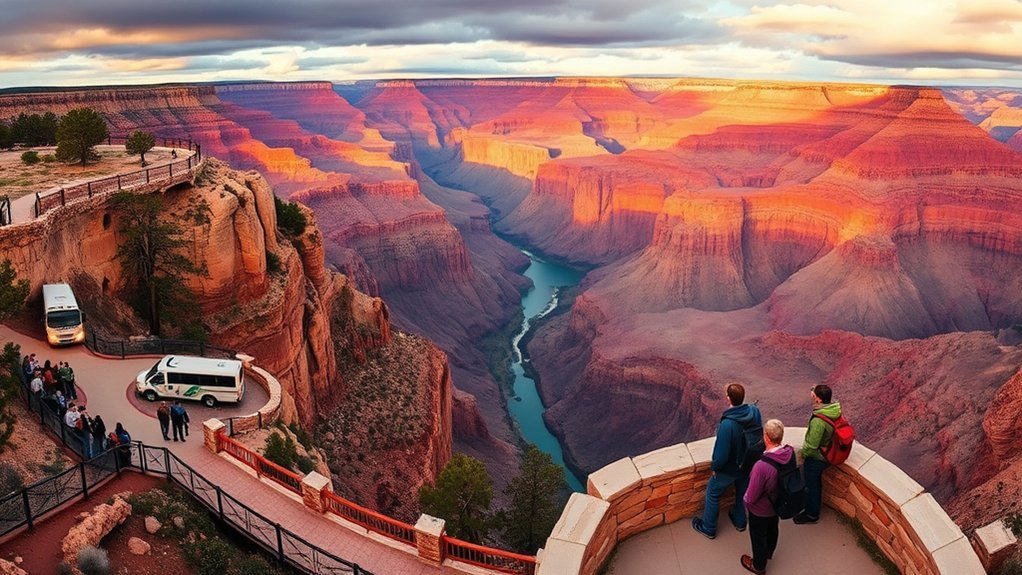
Flagstaff is a practical base for a day at the Grand Canyon’s South Rim, but give the trip a full day. The National Park Service lists Flagstaff at about 81 miles from the South Rim and describes several possible driving routes. Actual travel time depends on the route, weather, traffic, entrance lines, and where you plan to park.
Once at the rim, spend time at established overlooks and use the Rim Trail or park shuttle system when it fits your itinerary. The canyon changes dramatically as clouds and sunlight move across its layers, and staying through late afternoon or sunset can be worthwhile. Bring water, sun protection, food or a meal plan, and clothing for changing temperatures.
Warning: Stay behind railings and barriers where provided and keep well back from unprotected edges. Do not approach a drop-off for a photograph. Ice, wind, loose gravel, distraction, and uneven rock can make canyon edges more dangerous than they appear.
- Check current entrance, road, shuttle, and weather information before leaving Flagstaff.
- Start early if you want several viewpoints and a relaxed pace.
- Carry water even when temperatures feel cool.
- Use designated overlooks and marked trails.
- Plan the return drive before staying for sunset, especially in winter.
Wander Through Walnut Canyon National Monument

Walnut Canyon National Monument combines a dramatic canyon with ancestral cliff dwellings and is close enough to Flagstaff for a half-day visit. The main decision is whether to stay on the easier Rim Trail or descend the much more demanding Island Trail. Start at the visitor center for exhibits, trail status, closing times, and an accessible canyon viewpoint.
Trailheads and Access
According to the National Park Service, the Rim Trail is an easy, paved, fairly flat 0.7-mile round trip with canyon overlooks. The Island Trail is a 0.9-mile round trip that descends to a series of cliff dwellings and includes 736 stairs, so its short mileage should not be mistaken for an easy walk.
Both trails begin near the visitor center. Restrooms, exhibits, and visitor information are concentrated around this area. Trail access ends before the monument itself closes, so check the day’s posted times instead of arriving near closing and assuming you can still descend.
Ancient Cliff Dwellings
The Island Trail brings you close to rooms built into natural limestone alcoves by people archaeologists historically called the Sinagua, whose descendants and cultural connections extend to living Indigenous communities of the region. The masonry, storage spaces, living areas, and surrounding landscape offer a much clearer sense of the community than viewing the canyon only from above.
Move slowly, read the interpretive material, and treat the structures as protected cultural places rather than climbing features or photo props. Ranger programs, when offered, can add context about daily life, trade, agriculture, water, and the continuing connections Indigenous peoples have with the area.
- Start at the visitor center for maps, exhibits, and current trail information.
- Wear sturdy shoes for the Island Trail’s stairs and uneven surfaces.
- Bring water, especially in warm or sunny weather.
- Join a ranger program if one fits your visit.
- Stay behind barriers and never touch, climb, or remove archaeological material.
Flora, Fauna, Views
Walnut Canyon also rewards visitors who pay attention to the landscape around the dwellings. Pinyon, juniper, ponderosa pine, desert plants, birds, reptiles, and mammals occupy different elevations and exposures within the canyon. The Rim Trail is particularly useful when you want scenery without the Island Trail’s 736-stair climb back to the top.
From overlooks, you can study the canyon walls, forested slopes, and distant high country while seeing how vegetation changes with shade, moisture, and elevation. Wildlife sightings are never guaranteed, so binoculars are more useful than approaching an animal for a closer look.
Note: Pets are not allowed on the Island Trail. Check current NPS pet rules before bringing a dog, particularly if Walnut Canyon is a major part of your day’s plans.
Visit Lowell Observatory for Stargazing

Lowell Observatory is one of Flagstaff’s signature attractions and works especially well after a daytime hike or museum visit. The campus combines astronomy exhibits, historic instruments, public observing, presentations, and views over Flagstaff. Check that night’s program before arriving because telescope targets and observing opportunities depend on weather, season, time, and sky conditions.
Night Sky Programs
Evening programs can help you identify constellations, understand what is visible that night, and observe through public telescopes when conditions allow. Depending on the date, visible targets may include the Moon, planets, double stars, star clusters, nebulae, or galaxies. No particular planet or deep-sky object should be treated as guaranteed.
- Arrive with enough time to explore exhibits before the sky becomes fully dark.
- Bring a warm layer because evening temperatures can fall quickly.
- Follow staff guidance around telescope areas and low-light spaces.
- Ask guides what objects are best placed for viewing that night.
- Check weather and program availability before making the drive.
Historic Telescope Tours
Lowell’s historic instruments connect the visitor experience with major chapters in astronomy. The Clark Refractor remains one of the campus’s best-known telescopes, while the Pluto Discovery Telescope is associated with Clyde Tombaugh’s discovery of Pluto in 1930. Tours and presentations put those instruments into context rather than treating them as museum pieces with no connection to current astronomy.
| Telescope | Highlight |
|---|---|
| Clark Refractor | Historic telescope with public-viewing heritage |
| Pluto Discovery Telescope | Instrument used in the discovery of Pluto in 1930 |
Hike Humphreys Peak (Arizona’s Highest Point)

Humphreys Peak is Arizona’s highest point and one of the region’s most demanding popular day hikes. The Coconino National Forest describes the Humphreys Trail as roughly 5 to 5.5 miles one way. That distance, the elevation gain, exposed upper terrain, and high altitude make it very different from Flagstaff’s casual forest walks.
The route climbs through forest before reaching increasingly exposed alpine terrain. Views expand as you gain elevation, but conditions can also deteriorate quickly. Start early, carry enough water and food, use sun protection, and bring layers even when Flagstaff itself feels warm.
Warning: High exposed terrain is a poor place to be during a thunderstorm. Check the forecast before leaving and be willing to turn around. During the summer monsoon, an early start does not guarantee safe weather later in the day.
- Check current trail, road, weather, and forest restrictions before you go.
- Carry sufficient water, food, and insulating layers.
- Wear supportive footwear suited to rocky mountain terrain.
- Start early and establish a firm turnaround time.
- Stay on the established route and pack out everything you carry in.
Stroll Historic Downtown and Route 66

Historic downtown is one of the easiest parts of Flagstaff to explore without a detailed itinerary. Park once and walk between brick buildings, cafés, restaurants, public art, shops, historic hotels, and sections of the Route 66 corridor. The historic railroad depot, now home to the Flagstaff Visitor Center, is a useful place to begin if you want maps or current information.
Route 66 reaches its centennial in 2026, giving the city’s roadside history extra relevance this year. Rather than treating every old sign as an official landmark, look for interpretation provided by the city, visitor bureau, museums, or established historic properties. Downtown is most enjoyable at walking pace, particularly around late afternoon and early evening when restaurants and neon signs begin to light up.
Note: Downtown Flagstaff uses managed pay-by-plate parking as well as some free time-limited spaces. Read the sign where you park because rates, hours, and restrictions depend on the space.
Drive the Scenic Oak Creek Canyon

US 89A south from Flagstaff drops through Oak Creek Canyon toward Sedona, moving from high-elevation ponderosa forest into a narrower canyon of red rock, creekside vegetation, and steep walls. It is one of the area’s most scenic drives, but it is also a winding mountain road that can become busy.
Use designated pullouts rather than stopping on narrow shoulders. Several recreation areas and trailheads provide safer opportunities to leave the car and get closer to the creek, although parking can fill during busy periods. Weather, construction, snow, rockfall, or other road conditions can occasionally affect the route, so check conditions when travel is uncertain.
A slow drive through Oak Creek Canyon is most rewarding when you use established overlooks, leave extra time for traffic, and stop only where parking is permitted.
- Use designated pullouts and recreation areas.
- Carry layers because temperatures can differ substantially between Flagstaff and Sedona.
- Choose marked trails if you want creek access.
- Allow extra time on weekends and holidays.
- Carry water and pack out all trash.
Tour the Museum of Northern Arizona

The Museum of Northern Arizona is a strong indoor choice when you want context for the landscapes and cultural sites you are seeing around Flagstaff. Its collections and exhibitions cover areas such as geology, paleontology, archaeology, regional art, and the Indigenous cultures of the Colorado Plateau.
Native American Collections
Exhibitions involving Indigenous arts and cultures can include pottery, textiles, carving, jewelry, and contemporary work. Read the museum’s interpretation carefully rather than viewing the objects as isolated souvenirs. The strongest displays connect artistic traditions with communities, family histories, landscapes, and living cultural practices.
- Spend time with object labels instead of rushing between galleries.
- Look for weaving, pottery, carving, and jewelry traditions represented in current exhibits.
- Notice how historical objects are connected with living communities.
- Check for rotating exhibitions featuring contemporary Indigenous artists.
- Review the museum calendar for current talks and demonstrations.
Geological Exhibits
The museum’s natural-history displays make the surrounding landscape easier to understand. After seeing volcanic terrain, canyon layers, fossils, and the San Francisco Peaks in person, indoor interpretation can help explain how the Colorado Plateau developed over deep time.
| Exhibit Area | What It Helps Explain |
|---|---|
| Geology | Colorado Plateau rocks, landscapes, and volcanic processes |
| Paleontology | Fossils and ancient life of the region |
| Archaeology | Human history and material culture |
| Art & Indigenous cultures | Regional artistic traditions and living cultures |
Special Programs & Events
Temporary exhibitions, artist programs, lectures, demonstrations, and community events can make two visits to the museum quite different. Check the official calendar before your trip instead of assuming a particular workshop, storyteller, artist, or ceremony will be scheduled during your stay.
- Check the museum calendar before visiting.
- Join a guided program or curator talk when available.
- Look for scheduled artist demonstrations or workshops.
- Follow photography and cultural-protocol rules in each gallery.
- Use the museum shop when you want regionally connected books or art.
Ski or Snowboard at Arizona Snowbowl

Arizona Snowbowl turns the San Francisco Peaks into Flagstaff’s main lift-served ski area in winter. Terrain spans different ability levels, so beginners can take lessons while more experienced skiers and snowboarders can choose steeper runs when conditions permit.
Mountain weather and snow quality vary throughout the season. Check current lift status, road conditions, operating hours, ticket information, and rental availability before driving uphill. Even on sunny days, high-elevation wind and temperature changes can make conditions much colder than downtown Flagstaff.
If you are new to winter sports, a lesson and properly fitted equipment will usually make the day more productive than immediately attempting terrain beyond your ability. More experienced visitors should still follow patrol signage and respect closed terrain.
Walk the Arboretum at Flagstaff

The Arboretum at Flagstaff offers a quieter way to learn about high-elevation plants and regional ecology. Trails and gardens feature native and adapted plants, forest habitat, wildflowers, and seasonal bird activity, making it a useful contrast to the city’s more strenuous mountain outings.
The Arboretum is seasonal rather than a guaranteed year-round attraction. Its 2025-2026 season, for example, included a closure from late October through late April. Always confirm current operating dates before driving out, especially in late fall, winter, or early spring.
- Wear layers and comfortable shoes for outdoor paths.
- Pick up a trail map or current visitor information when you arrive.
- Bring water and use a camera or phone for plant identification photographs.
- Ask staff about native-plant information and current programs.
- Respect seasonal closures and remain on established paths.
Discover Sunset Crater Volcano National Monument

Sunset Crater Volcano National Monument preserves a landscape reshaped by an eruption roughly a thousand years ago. Today you can explore designated trails through and beside lava-flow terrain, view the rust-colored Sunset Crater cone, and see how plants are gradually colonizing a comparatively young volcanic landscape.
NPS identifies multiple trails around the Bonito Lava Flow and also allows visitors to climb nearby Lenox Crater for wider views. Interpretive signs explain cinders, lava, ecological recovery, and how the eruption affected people living in the region.
Warning: Do not climb Sunset Crater itself or leave designated routes to scramble on fragile cinder slopes. Foot traffic damages the volcanic surface and vegetation. Use the trails and viewpoints provided by the National Park Service.
Good footwear is useful on rough volcanic surfaces, and water and sun protection matter even on short walks. Because Sunset Crater connects naturally with Wupatki by road, the two monuments make an efficient combined outing.
Bike the Flagstaff Urban Trails System (FUTS)

The Flagstaff Urban Trails System, commonly called FUTS, links neighborhoods, parks, schools, business areas, and patches of forest through a network of shared-use trails. The city currently describes roughly 59 miles of existing trail, with a mix of paved and hard-packed aggregate surfaces.
That variety makes FUTS useful for walking, running, commuting, family rides, or relaxed exploration by hybrid or gravel bike. Surface conditions and traffic vary by segment, so choose a route that matches your bike and ability rather than assuming every trail feels the same.
FUTS is one of the easiest ways to see how Flagstaff’s neighborhoods and ponderosa forest fit together without making every outing a major mountain-bike ride.
- Use the city’s current trail map to choose a route and distance.
- Carry water and a layer even for an urban ride.
- Match your bicycle and tire choice to the surface.
- Yield appropriately to pedestrians and other trail users.
- Ride more slowly at busy intersections, blind corners, and wildlife crossings.
Explore Wupatki National Monument

Wupatki National Monument protects ancestral pueblos in a dry landscape northeast of Flagstaff. The monument’s largest pueblo contains more than 100 rooms, and the surrounding sites help show how communities lived, traveled, traded, farmed, and adapted to a demanding environment.
Ancient Puebloan Ruins
Walk only on designated visitor routes and let the masonry, room layouts, plazas, ballcourt, and landscape provide the story. NPS interpretation connects these places with the ancestors of contemporary Pueblo communities, making it more accurate to think of Wupatki as part of a continuing cultural landscape rather than an abandoned mystery.
- Visit early or later in the day when summer temperatures are lower.
- Read interpretive panels to understand how the settlements fit together.
- Never climb walls, enter closed structures, or remove artifacts.
- Carry water and sun protection because shade is limited.
- Photograph from established visitor areas and respect cultural guidance.
Scenic Volcanic Landscapes
Wupatki and Sunset Crater are closely connected by both geography and history. The volcanic activity at Sunset Crater changed nearby soils and settlement patterns roughly a thousand years ago, while cinder cones and volcanic features remain visible across the broader landscape today.
Instead of treating the ground around Wupatki as a field of million-year-old lava, watch how red sandstone, grassland, cinder hills, distant peaks, and volcanic terrain meet across the horizon. The approximately 35-mile road linking Wupatki and Sunset Crater makes the two monuments a logical same-day route.
Sample Local Brews on the Flagstaff Brewery Trail

Flagstaff has a well-established craft-beer scene, and the current Flagstaff Brewery Trail provides a simple way to explore it. Discover Flagstaff describes the program as a self-guided trail connecting eight local breweries plus a bonus meadery through a digital passport.
A flight can be useful if you want to compare several styles without ordering full pours. Ask what is brewed on site, what is seasonal, and whether food is available. Avoid assuming every beer uses local ingredients or tastes a certain way because of Flagstaff’s altitude; recipes and sourcing vary by brewery.
- Use smaller tasting pours if you want to compare styles.
- Pair a brewery stop with a meal rather than drinking on an empty stomach.
- Ask staff which beers are seasonal or brewed on site.
- Check current hours instead of relying on old happy-hour listings.
- Buy packaged beer only if you can transport and store it safely.
Warning: If you plan to visit more than one brewery, walk where practical, use a rideshare or taxi, take public transportation where suitable, or designate a sober driver. Do not drive after drinking.
Take a Sunset or Night Sky Photography Tour

Flagstaff’s dark-sky reputation makes the area attractive for sunset and astrophotography. You can shoot independently from an appropriate public location or join a current guided outing if you want help with composition, focusing, exposure, and safe access after dark.
Best Times to Shoot
Golden hour and blue hour provide the easiest transition from landscape photography into night work. For prominent Milky Way photographs, moon phase, season, cloud cover, wildfire smoke, location, and the position of the galactic core all matter. A new moon can provide darker conditions, but moonlight can also be useful when you want illumination on the foreground.
- Photograph the golden hour and blue hour before darkness.
- Check moon phase and Milky Way position for your specific date.
- Scout your foreground and exit route before sunset.
- Review weather, clouds, smoke, and light pollution before driving far.
- Leave extra time to set up safely before visibility drops.
Gear and Techniques
A sturdy tripod, wide or normal lens with a reasonably bright aperture, spare batteries, and enough storage cover most basic night-sky needs. A remote release can help, but your camera’s self-timer also reduces shake. Cold weather shortens battery life, so keep a spare protected in an inside pocket.
Manual focusing on a bright star, reviewing magnified test images, and adjusting shutter speed and ISO are more useful than memorizing one universal exposure. If you join a photography tour, look for an instructor who teaches both technique and low-impact night use of public lands.
| Gear | Purpose |
|---|---|
| Tripod | Keeps the camera stable during long exposures |
| Wide or standard lens | Balances sky coverage with foreground composition |
| Remote or self-timer | Reduces vibration when the shutter opens |
| Extra batteries & storage | Provides backup power and file capacity |
Visit the Riordan Mansion State Historic Park

Riordan Mansion State Historic Park preserves a large Arts and Crafts-era home connected with two branches of the Riordan family and Flagstaff’s early lumber industry. Woodwork, stone fireplaces, period furnishings, and architectural details make it a good indoor counterpart to the city’s outdoor attractions.
The mansion’s interior is experienced through guided tours rather than ordinary self-guided wandering. Arizona State Parks recommends checking current tour times, and reservations can be useful when your schedule is tight. Allow additional time for the grounds and exterior after the tour.
- Check guided-tour times before arriving.
- Reserve ahead when your itinerary leaves little flexibility.
- Follow current indoor photography rules.
- Wear comfortable shoes for the grounds and historic building.
- Combine the visit with downtown, Northern Arizona University, or Lowell Observatory.
Go Sledding or Snowshoeing in Winter

Winter transforms Flagstaff’s forests and open meadows, but safe snow recreation requires more planning than simply pulling onto a snowy roadside. Established Nordic areas, managed snow-play facilities, and designated forest routes are better starting points because parking, equipment rules, and suitable terrain are easier to understand.
Best Snowshoe Trails
Look for established winter recreation areas and routes where snowshoeing is allowed. Groomed or commonly used beginner routes make it easier to learn, while longer forest routes require better navigation, weather awareness, and cold-weather preparation. Snow can hide trail markers and obstacles that are obvious in summer.
- Rent or choose snowshoes sized for your body weight, footwear, and snow conditions.
- Start with a short established route if you are new to snowshoeing.
- Carry water, food, extra gloves, and an insulating layer.
- Check weather, road, and avalanche information when heading toward mountain terrain.
- Follow posted winter-use rules and avoid closed areas.
Safer Sledding and Tubing Options
For family snow play, use a managed tubing or designated snow-play area rather than an unknown roadside hill. Managed facilities can separate activities, control parking, and close unsafe slopes when snow is poor. Some venues provide tubes and prohibit personal sleds, so read the rules before packing equipment.
A gentle-looking natural hill may end at a road, tree line, drainage, fence, or hidden obstacle. Never choose a slope until you have inspected the complete run and stopping area.
Gear Rental Options
Rental availability changes by season and business. Snowshoes and poles are commonly available from outdoor or winter-sports businesses, while tubing facilities may supply their own equipment. Reserve ahead during busy snow weekends because equipment and parking can sell out or reach capacity.
- Confirm whether a snow-play venue allows personal sleds.
- Fit snowshoes to your weight and winter boots.
- Use waterproof footwear and gaiters in deeper snow.
- Add poles with snow baskets when you want extra balance.
- Ask about return times and overnight-rental rules before leaving the shop.
Drive the Historic Route 66 and Neon Signs

After walking downtown, use a short drive to see more of Flagstaff’s Route 66 corridor and roadside architecture. The appeal is not one single neon sign but the combination of the historic railroad depot, old motor-court buildings, signs, storefronts, and commercial strips that developed around cross-country automobile travel.
| Stop | What to Look For | Tip |
|---|---|---|
| Flagstaff Visitor Center / historic depot | Railroad and Route 66 context | Start here for current maps and local information |
| Historic Downtown | Brick buildings, signs, murals, and historic storefronts | Park once and explore several blocks on foot |
| Historic motel corridor | Motor-court architecture and vintage roadside signs | Photograph only from public areas or with permission |
| Route 66 commercial corridor | Layers of old and modern roadside development | Do not stop in traffic or block business entrances |
| 2026 centennial programming | Special Route 66 exhibitions and events | Check the current Flagstaff event calendar |
Drive slowly where traffic conditions permit, park legally before taking photographs, and respect private property. Dusk can bring out the best neon, but it also reduces visibility for pedestrians and cyclists.
Hike to the Lava River Cave

Lava River Cave is a roughly mile-long lava tube in Coconino National Forest, formed by volcanic activity about 700,000 years ago. It offers a very different experience from Flagstaff’s open forest trails: the interior is dark, cold, rocky, and completely dependent on the light you bring with you.
The cave generally stays around 35 to 45°F, so carry warm clothing even on a hot summer day. The floor is uneven and can require careful stepping over loose and irregular rock. A headlamp keeps your hands free, but every person should also have backup lighting rather than relying on a single phone flashlight.
Warning: There is no built-in lighting inside Lava River Cave. Bring reliable primary and backup lights, wear sturdy footwear, dress for near-refrigerator temperatures, and check current forest-road access before driving there. Cell service should not be treated as guaranteed.
- Carry a headlamp plus spare batteries or a second light.
- Wear shoes or boots with good traction.
- Bring a warm layer even in summer.
- Leave rock and cave features exactly where you find them.
- Tell someone your plan when traveling into remote forest areas.
Attend a Festival, Concert, or Special Event at Buffalo Park

Buffalo Park’s open meadow and views toward the San Francisco Peaks make it a memorable setting when a concert, community gathering, race, astronomy program, or other special event is scheduled there. The important qualifier is the schedule: Buffalo Park is a public park first, not a permanent festival venue with music and food trucks operating every summer evening.
Check the current Flagstaff events calendar before building your itinerary around a particular program. When no event is happening, the park is still worthwhile for walking, running, mountain views, wildlife awareness, and an easy break from downtown.
If you attend an evening program, bring a layer for the temperature drop and follow event-specific parking, food, chair, pet, and alcohol rules. After dark, Flagstaff’s night sky can provide a quiet finish to the visit when conditions are clear.
Take a Day Trip to Sedona for Red Rock Views

Sedona makes a natural day trip from Flagstaff because US 89A drops through Oak Creek Canyon before reaching the red-rock country around town. The scenery changes rapidly as you leave the ponderosa forest, making the drive part of the experience rather than just transportation.
Once there, choose one or two priorities instead of trying to cover every viewpoint and trail. Cathedral Rock is a steep, strenuous choice rather than a casual stroll, while the Bell Rock area offers several ways to enjoy red-rock scenery at different effort levels. Parking, trail access, traffic, and shuttle operations can change, so check current local information before departure.
- Leave early when visiting during a busy weekend or holiday.
- Carry water, sun protection, sturdy footwear, and layers.
- Choose a trail that matches your actual ability and available daylight.
- Use designated parking and current shuttle services where applicable.
- Stay on established routes and respect private and protected land.
On the return to Flagstaff, allow time for the winding climb through Oak Creek Canyon rather than treating the drive as a fixed commute.
Enjoy Wildlife Viewing at Kendrick Park

Kendrick Park’s meadow and forest-edge habitat makes it a useful place for quiet wildlife watching. The Coconino National Forest highlights birds and mammals that use the area, including species associated with open meadow and ponderosa habitat.
Early morning and late afternoon can be productive times because temperatures are lower and animals may be more active, but no sighting is guaranteed. Carry binoculars, move quietly, and observe from a distance. Never surround, feed, call to, or follow wildlife for a photograph.
Tracks, bird calls, woodpecker activity, raptors, deer, and other signs of animal use can make the outing worthwhile even when larger mammals remain out of sight. A telephoto lens is much safer than trying to close the distance yourself.
Try Rock Climbing or Guided Outdoor Adventures

Flagstaff-area climbing ranges from established crags to more technical outings that require route knowledge, equipment, and judgment. If you are new to outdoor climbing, a qualified guide can help choose an appropriate area, teach belaying and movement skills, and explain local access rules.
Do not assume every nearby cliff is open, safe, or appropriate for climbing. Rock type, route protection, approach conditions, seasonal closures, land-management rules, and required skills vary by area. The Coconino National Forest’s climbing information is a useful starting point for established public-land areas such as Jacks Canyon.
- Use a qualified guide if you lack outdoor climbing experience.
- Check current access, closures, weather, and sun exposure.
- Wear appropriate footwear and bring layers.
- Carry water, food, and a basic first-aid kit.
- Choose routes that match your skill rather than the view from the ground.
Browse the Flagstaff Farmers Market

A farmers market is one of the easiest ways to add local food and community atmosphere to a weekend itinerary. Depending on the date, you may find Arizona-grown produce, baked goods, prepared food, honey, preserves, plants, and locally made crafts.
The Flagstaff Community Market is seasonal, so check the current calendar, location, hours, payment options, and pet rules before walking over. Produce also changes with the growing season, which is part of the appeal rather than a reason to expect the same stalls every week.
Ask growers about varieties you do not recognize, bring a reusable bag, and buy prepared foods you can enjoy immediately if you are staying in a hotel without a kitchen. If you plan to buy perishable products, do it near the end of your outing so they are not left in a hot vehicle.
Relax at a Local Coffeehouse and Bookshop

After hiking, driving, or museum-hopping, a downtown coffeehouse or bookshop gives you an easy way to slow the itinerary down. Flagstaff’s central streets have independent cafés and shops where you can sit with coffee, browse books by regional writers, or simply warm up on a snowy day.
- Choose a window or patio seat when you want to watch downtown activity.
- Try a seasonal drink or locally made pastry if one appeals to you.
- Browse regional history, natural-history, hiking, and Indigenous-author sections.
- Use the stop to ask locals about current conditions or neighborhood events.
- Visit outside the busiest breakfast period when you want a quieter seat.
Business hours and storefronts change more quickly than major attractions, so search current listings rather than relying on an old “best coffee shop” list.
Experience Native American Cultural Sites and Tours

Flagstaff sits within a region with deep and continuing cultural importance to numerous Indigenous peoples. Places such as Wupatki and Walnut Canyon, exhibitions at the Museum of Northern Arizona, and tribally operated cultural experiences can help visitors understand that the Colorado Plateau is not simply a collection of ancient ruins.
Choose interpretation led by Indigenous communities, tribal organizations, the National Park Service, or established cultural institutions when possible. Listen to how communities describe themselves, their ancestors, sacred landscapes, art, and continuing relationships with the land instead of assuming all Pueblo, Hopi, Navajo, Havasupai, Hualapai, or other regional traditions are interchangeable.
Photography rules can be especially important at ceremonies, cultural events, homes, sacred places, and tribal lands. Ask before photographing people, follow all posted restrictions, remain out of closed areas, and purchase art directly from makers or reputable outlets when you want an authentic piece.
Demonstrations, exhibitions, festivals, guided tours, and artist programs are schedule-dependent. Confirm current dates and visitor protocols directly with the host rather than assuming a cultural performance will be available on demand.
Frequently Asked Questions
What are the best family-friendly restaurants in Flagstaff?
Casual downtown restaurants such as Lumberyard Brewing Company and breakfast spots such as MartAnne’s are popular choices for families, but menus, wait times, and hours change. Check the current menu before going if your child needs a particular food, allergy accommodation, high chair, or quieter seating.
Is Flagstaff pet-friendly, and where can I take dogs?
Flagstaff has dog-friendly trails, patios, lodging, and designated dog areas, including facilities at Thorpe Park and Bushmaster Park. Rules differ by attraction, however. Walnut Canyon, for example, does not allow pets on the Island Trail. Always check the specific park, trail, restaurant, or hotel policy before arriving with a dog.
How accessible is Flagstaff for visitors with mobility limitations?
Accessibility varies substantially by attraction. Downtown has many paved sidewalks and accessible businesses, while major visitor facilities generally publish accessibility information. At Walnut Canyon, the Visitor Center has an accessible canyon viewpoint and the Rim Trail is comparatively easy, but the Island Trail contains 736 stairs. Check each attraction’s current accessibility page before planning your day.
Where are the nearest hospitals and urgent care centers?
Flagstaff Medical Center provides hospital and emergency services in Flagstaff. Northern Arizona Healthcare also operates urgent-care services in the city, including its Woodlands Village location. Because clinic hours and services can change, verify the current location and opening hours before going. For a life-threatening emergency, call 911.
What are parking options and fees downtown?
ParkFlag currently charges $2 per hour for paid downtown parking as of August 1, 2026. Managed hours are 9 a.m.-5 p.m. Sunday through Thursday and 9 a.m.-8 p.m. Friday and Saturday. Some free two-hour time-limited parking is also available. Paid spaces use a pay-by-plate system with kiosks and mobile payment, but always follow the sign at your exact space.
How many days do you need in Flagstaff?
Two or three days is a comfortable amount of time for Flagstaff itself. That lets you combine downtown and Lowell Observatory with nearby national monuments, museums, and one outdoor activity. Add a separate full day for the Grand Canyon and another for Sedona if both are important to your trip.
What is the best time of year to visit Flagstaff?
There is no single best season. Summer works well for hiking but can bring monsoon thunderstorms. Fall offers cooler weather and changing leaves. Winter is best for skiing and snow recreation. Spring can be quieter but may still have snow, mud, or variable conditions at higher elevations. Choose the season based on the activities you want most.
Do you need a car in Flagstaff?
You can explore much of historic downtown on foot, but a car is extremely useful for Walnut Canyon, Sunset Crater, Wupatki, Snowbowl, Lava River Cave, Oak Creek Canyon, and major day trips. If you do not want to drive, check current transit, shuttle, taxi, rideshare, and guided-tour options for the places on your itinerary.
Conclusion
Flagstaff works best when you mix one major outdoor experience with the city’s history, culture, food, or night sky instead of trying to race through every attraction. Explore Walnut Canyon or the volcanic monuments, spend time downtown on Route 66, look through a telescope at Lowell Observatory, or head into the San Francisco Peaks when conditions match your ability.
If you have extra days, use Flagstaff as a base for the Grand Canyon or Sedona rather than squeezing either destination into a few spare hours. Check current weather, road, trail, parking, and operating information before setting out, respect protected archaeological and Indigenous cultural sites, and leave enough unscheduled time to enjoy the forest and dark sky that make Flagstaff different from Arizona’s lower-elevation cities.
Sources
- Grand Canyon National Park, National Park Service — South Rim driving distance, routes, shuttles, and visitor planning.
- Walnut Canyon National Monument, National Park Service — Rim Trail and Island Trail distances, difficulty, stairs, accessibility, and closing times.
- Sunset Crater Volcano National Monument, National Park Service — volcanic history, designated trails, and visitor activities.
- Lowell Observatory — current visitor experiences, public observing, and historic telescopes.
- Coconino National Forest, U.S. Forest Service — Lava River Cave length, origin, conditions, and visitor preparation.
- ParkFlag, City of Flagstaff — current downtown parking rates, managed hours, and payment system.