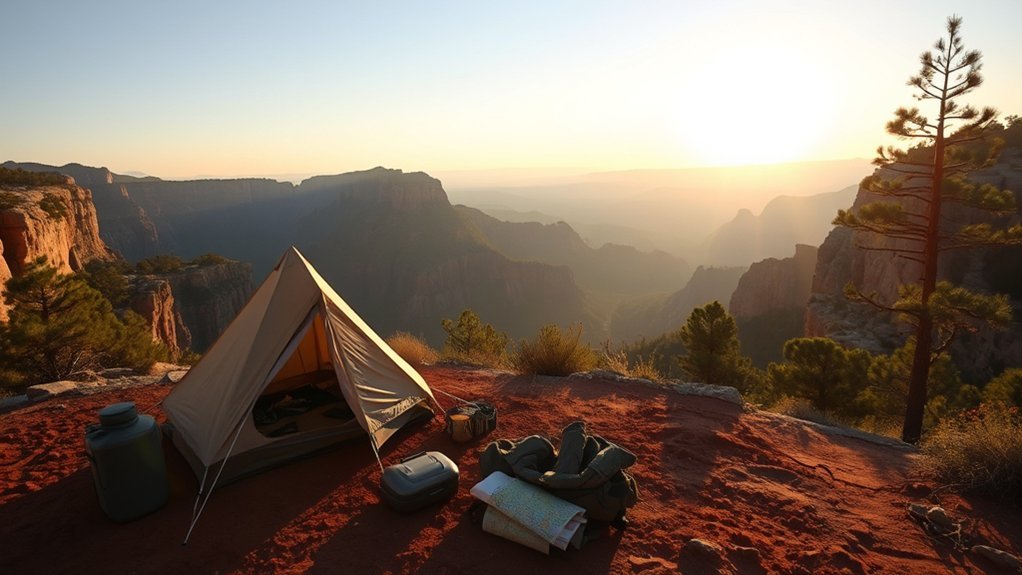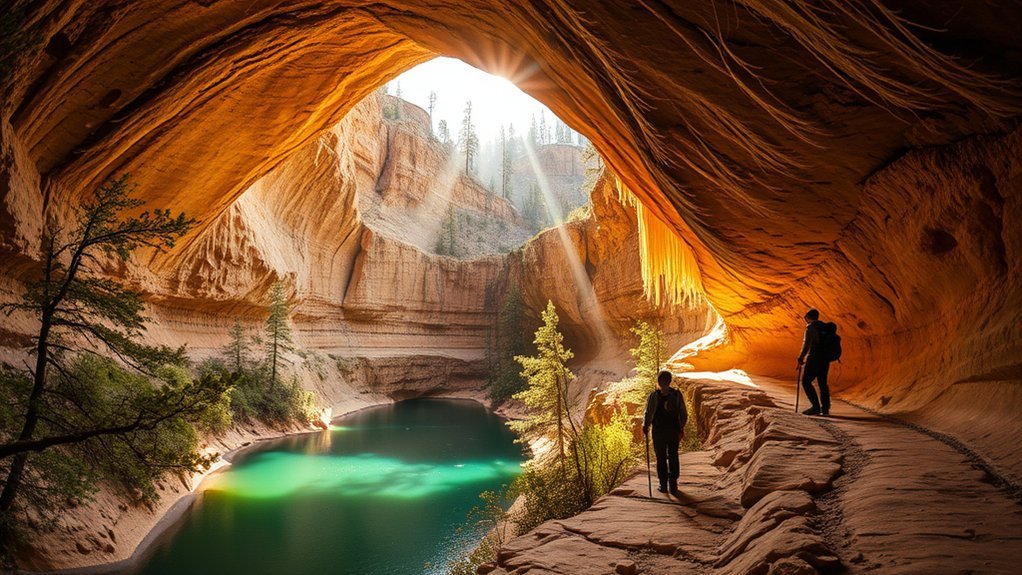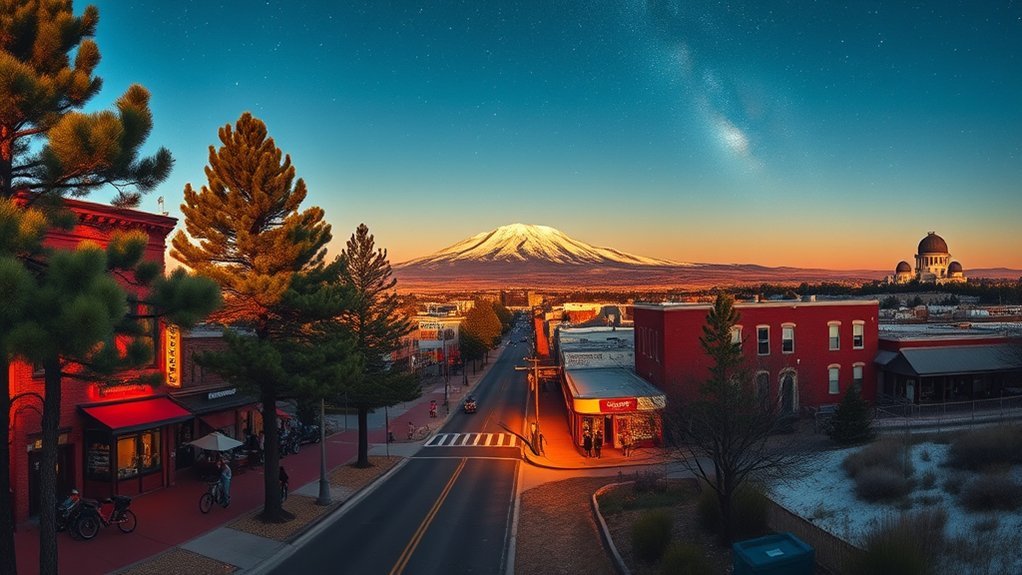
Flagstaff gives you an unusual mix of mountain scenery, astronomy, Indigenous and regional history, volcanic landscapes, winter sports, and easy access to some of northern Arizona’s biggest landmarks. You can spend a morning in the ponderosa forest, walk historic downtown after lunch, and look through a telescope after dark. Several famous places, including the Grand Canyon and Sedona, work better as full-day trips from your Flagstaff base.
Quick Answer
The best things to do in Flagstaff include visiting Lowell Observatory, exploring downtown, hiking Buffalo Park or Humphreys Peak, skiing at Arizona Snowbowl, touring Walnut Canyon, Sunset Crater and Wupatki, following the Brewery Trail, and using the city as a base for Grand Canyon and Sedona day trips.
Key Takeaways
- For a short visit, prioritize downtown Flagstaff, Lowell Observatory, Buffalo Park, and one nearby national monument.
- Humphreys Peak is a strenuous high-elevation hike, while Buffalo Park and many FUTS routes offer easier alternatives.
- Grand Canyon, Sedona, Slide Rock, and the Grand Canyon Railway are best treated as longer excursions rather than quick city stops.
- Weather changes quickly at Flagstaff’s elevation. Snow, summer thunderstorms, wildfire closures, and forest-road conditions can all change plans.
- Check official attraction and land-manager alerts shortly before outdoor trips, especially during monsoon, wildfire, and winter seasons.
Plan Your Flagstaff Visit
Flagstaff sits at high elevation, so build a little flexibility into your schedule. If you arrive from a much lower elevation, an easy downtown walk or Buffalo Park loop makes a better first activity than immediately attempting Humphreys Peak.
| Season | Good Choices | What to Watch |
|---|---|---|
| Winter | Snowbowl, Lowell Observatory, museums, downtown | Snow, ice, cold nights, road conditions |
| Spring | Downtown, monuments, lower trails, museums | Lingering mountain snow, mud, wind |
| Summer | Hiking, cycling, Arboretum, monuments, stargazing | Afternoon thunderstorms, lightning, wildfire closures |
| Fall | Hiking, scenic drives, fall color, stargazing | Rapid temperature drops and possible early snow |
Warning: High-elevation weather can change quickly. For mountain hikes, start early, carry more water and warm clothing than you expect to need, and turn around if thunderstorms build. Before entering national forest areas, check Coconino National Forest alerts for fire, weather, road, and area closures.
If you have one day, combine downtown, one museum or monument, and Lowell Observatory. With two days, add Snowbowl, Walnut Canyon, Sunset Crater, or Wupatki. With three or more days, you have enough time to make the Grand Canyon, Sedona, Williams, or a longer outdoor adventure part of the trip.
Explore the Grand Canyon’s South Rim
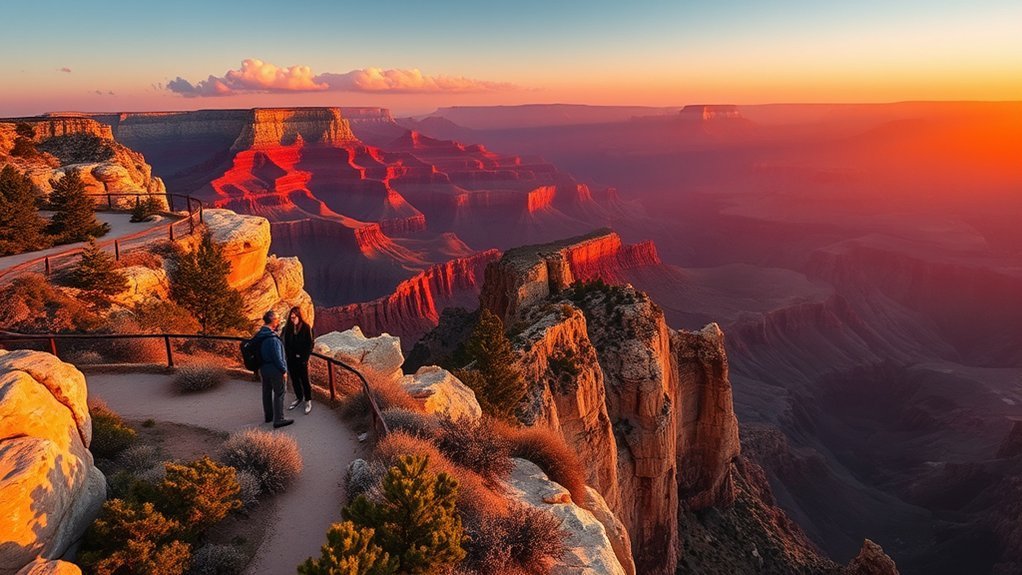
The South Rim makes an excellent full-day excursion from Flagstaff. Once you arrive, viewpoints such as Mather Point and sections of the Rim Trail let you experience the canyon without committing to a difficult descent. The National Park Service also operates free shuttle routes in and around the South Rim, which can reduce parking hassles during busy periods. Check the current Grand Canyon shuttle schedule before leaving Flagstaff.
If you want to hike below the rim, treat the effort seriously. Trails such as Bright Angel descend quickly, but every foot you lose must be climbed again on the return. Carry water, food, sun protection, and layers, and choose a turnaround point that matches your conditioning and the day’s heat.
Pro Tip: If this is your first South Rim visit, spend more time walking the rim and using the shuttle system instead of trying to fit a deep canyon hike into the same day.
Ski or Snowboard at Arizona Snowbowl
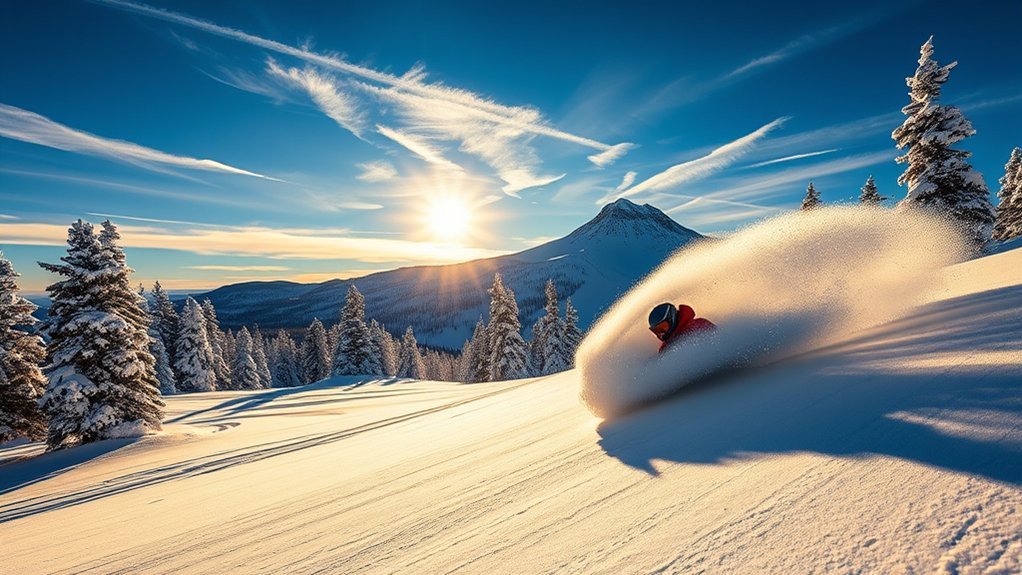
Arizona Snowbowl is Flagstaff’s main winter-sports destination, with terrain for different ability levels plus lift tickets, equipment rentals, and lessons. Because products, prices, snow coverage, and operating dates change throughout the season, book directly through the resort instead of relying on old ticket prices.
Snowbowl is not only a winter stop. During its summer operating season, the resort also offers scenic gondola rides, giving non-skiers a high-elevation view of northern Arizona.
Trail Options & Difficulty
Choose terrain from the current trail map rather than assuming every part of the mountain will be open. Wind, snow coverage, grooming, and lift status can change which runs make sense on a particular day.
| Trail Type | General Expectation |
|---|---|
| Green | Gentler terrain intended for developing basic control |
| Blue | Intermediate terrain with longer or steeper descents |
| Black | Advanced terrain requiring stronger turning and speed control |
| Expert Terrain | Technical terrain best left to highly experienced skiers and riders |
Lift Tickets & Passes
Buying online in advance can make arrival easier and may provide better pricing than purchasing late. Check the resort’s current operating calendar, lift status, weather, and ticket products before driving up Snowbowl Road.
Rentals & Lessons
Snowbowl offers on-site ski and snowboard rentals and seasonal instruction. Beginners benefit from a lesson before heading onto unfamiliar mountain terrain, while returning skiers and riders can use instruction to improve control and technique.
- Reserve rentals ahead when visiting on busy weekends or holidays.
- Wear a helmet and clothing that can handle wind and rapidly changing temperatures.
- Confirm current lesson availability before arrival.
- Check the day’s lift and terrain status before choosing runs.
Walk the Historic Downtown and Railroad District
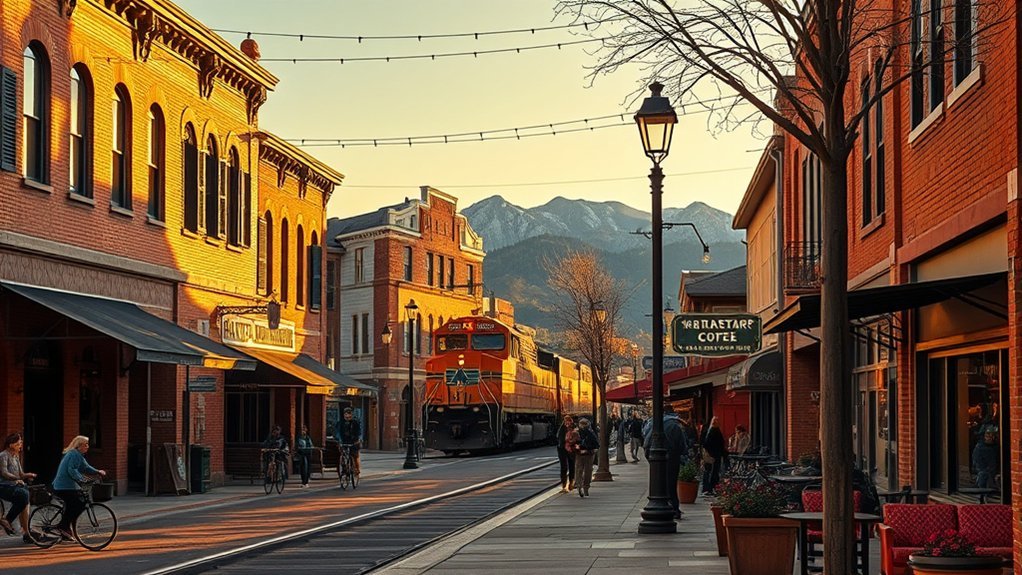
Downtown Flagstaff is one of the easiest places to explore without a detailed itinerary. Historic buildings, restaurants, coffee shops, breweries, galleries, bookstores, and independent shops sit within a compact central district shaped by Route 66 and the railroad.
Start near the Flagstaff Visitor Center and train depot, then wander Aspen Avenue, San Francisco Street, Leroux Street, and nearby blocks. Public art and historic buildings give you reasons to slow down, while the concentration of food and entertainment makes downtown useful for both daytime sightseeing and evenings out. Check the Downtown Flagstaff calendar if you want to coordinate your walk with an event or First Friday activity.
Visit Lowell Observatory
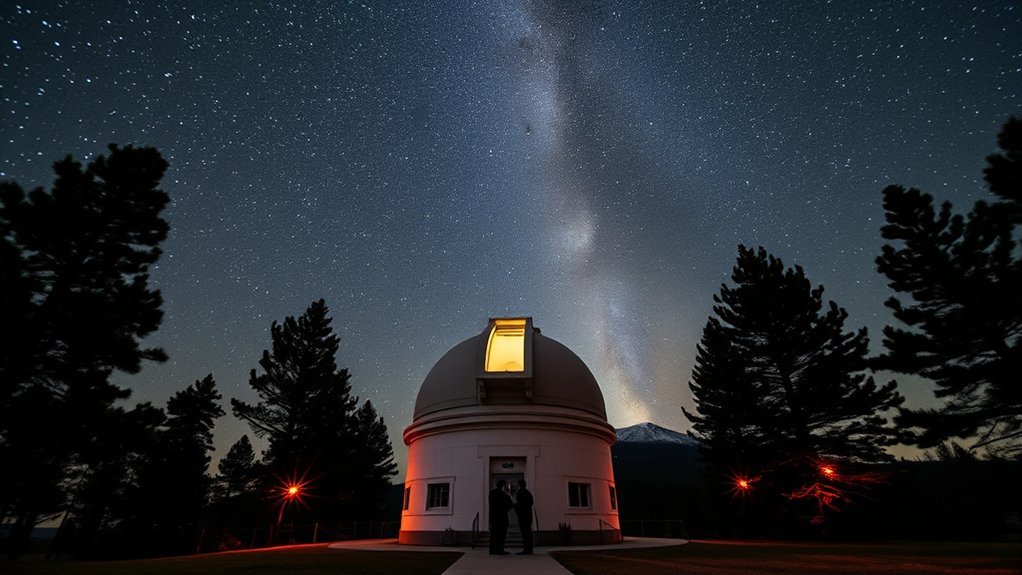
Lowell Observatory is one of Flagstaff’s signature attractions. Pluto was discovered here in 1930, and the campus combines that history with modern astronomy exhibits, public programs, and telescope viewing.
Historic Telescope Tours
The observatory’s historic instruments help show how astronomy changed from visual observation to photographic and modern digital methods. One highlight is the 24-inch Clark Refractor, an instrument commissioned in the 1890s and still closely associated with Lowell’s early research.
- See historic telescope buildings and scientific equipment.
- Learn how Pluto was discovered using photographic observations.
- Explore exhibits about planetary science and the observatory’s history.
- Check the day’s program schedule because individual experiences can vary.
Night Sky Programs
After dark, public observing programs may give you views of planets, star clusters, nebulae, double stars, or other objects depending on weather and season. Staff and educators operate the observing equipment and explain what you are seeing.
Bring warm layers even in summer. Clear high-elevation nights can become cold quickly, and cloud cover can affect telescope viewing.
Hike Humphreys Peak
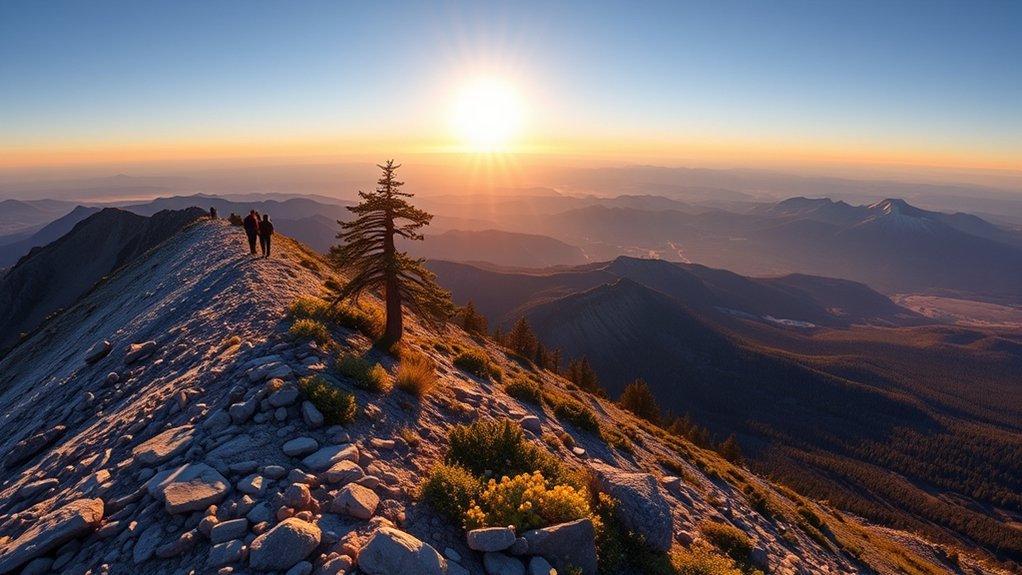
Humphreys Peak is Arizona’s highest point and one of the toughest popular hikes near Flagstaff. The standard Humphreys Trail starts near Arizona Snowbowl and climbs through forest before reaching exposed high-elevation terrain.
Expect roughly 10 miles round-trip and more than 3,000 feet of climbing. The combination of altitude, loose rock, wind, lingering snow, and summer thunderstorms makes preparation more important than the mileage alone suggests.
- Distance: roughly 10 miles round-trip
- Elevation gain: more than 3,000 feet
- Difficulty: strenuous
- Best approach: start early and check mountain weather before leaving
Warning: Do not stay on exposed high terrain when thunderstorms are developing. Snow and ice can also remain well beyond winter, so confirm trail conditions rather than choosing a hiking date only from the calendar.
Drive Oak Creek Canyon and Visit Sedona Viewpoints
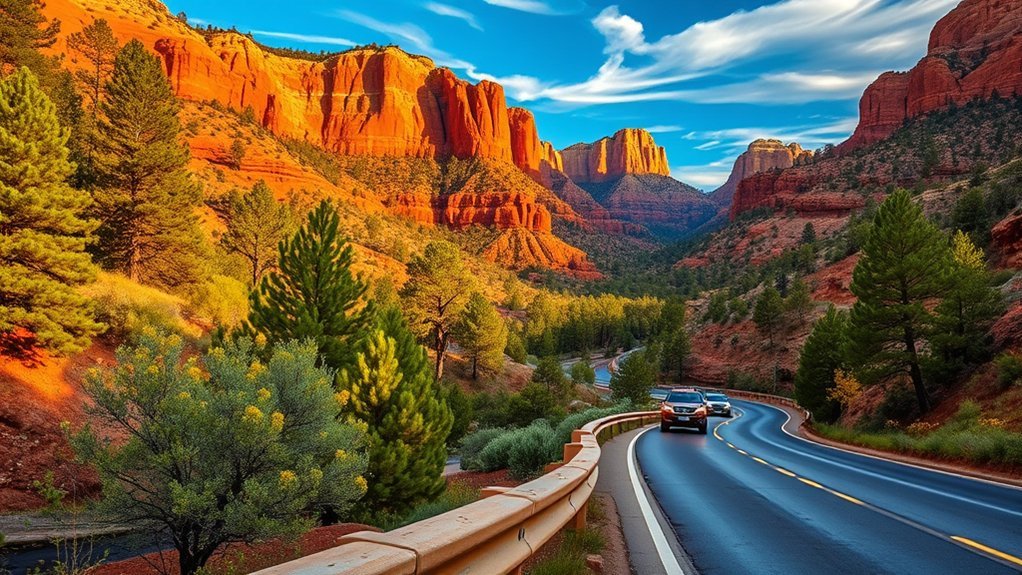
The drive south from Flagstaff through Oak Creek Canyon gives you a dramatic change of scenery, dropping from ponderosa forest toward Sedona’s red-rock country. The road itself is part of the experience, with canyon walls, forest, creek scenery, and overlooks appearing along the route.
Once in Sedona, choose one or two destinations instead of trying to stop everywhere. Airport Mesa, Bell Rock, and Cathedral Rock are popular areas, but parking can be difficult at busy times and trail access rules vary by site.
Check current Coconino National Forest alerts before leaving because wildfire, flash-flood, trail, and area closures can affect Oak Creek Canyon and surrounding recreation sites.
Tour Walnut Canyon National Monument
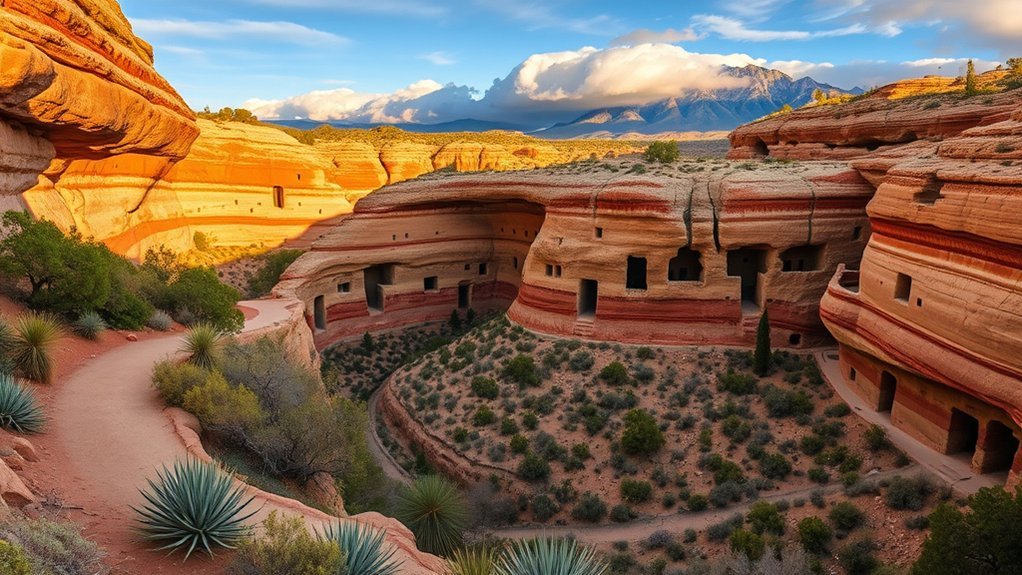
Walnut Canyon National Monument protects cliff dwellings and other archaeological resources in a steep canyon east of Flagstaff. The Island Trail gives you the closest look at the dwellings, while the Rim Trail offers an easier option from above.
The Island Trail is only about a mile round-trip, but its many stairs and roughly 7,000-foot elevation make it much more demanding than the short distance suggests. The National Park Service rates it strenuous and closes it earlier than some other visitor facilities.
- Choose the Island Trail for close views of cliff dwellings if you can handle stairs.
- Choose the Rim Trail for a shorter, easier canyon experience.
- Stay on designated trails to protect archaeological and natural resources.
- Check current operating hours before arriving late in the afternoon.
Stroll and Picnic in Buffalo Park
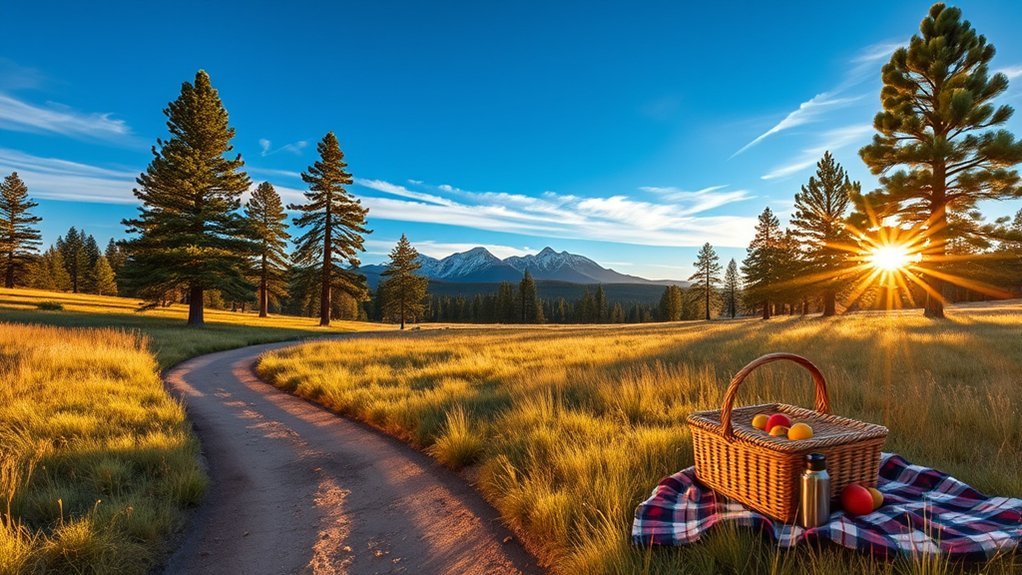
Buffalo Park is one of the best easy outdoor choices inside Flagstaff. Its broad open landscape gives you clear views toward the San Francisco Peaks, and the main Nate Avery loop is suitable for walking, running, and relaxed sightseeing.
Scenic Loop Trails
The official Buffalo Park loop is roughly 2 miles rather than half a mile. It has a relatively gentle profile compared with mountain trails and connects with additional urban-trail routes if you want to continue farther.
- Plan on roughly 2 miles for the main loop.
- Expect open exposure with limited shade in some sections.
- Bring water and sun protection.
- Keep dogs under control and follow posted leash rules.
Picnic Spots & Views
Use the developed park area and open views rather than looking for unofficially named picnic zones. Buffalo Park has a picnic ramada, restrooms, exercise stations, and broad mountain views. It is especially pleasant around sunrise, late afternoon, and early evening when temperatures are cooler.
| What You Want | Best Approach |
|---|---|
| Mountain views | Walk the open sections of the main loop |
| Easy exercise | Complete the Nate Avery loop |
| Picnic | Use the developed ramada or an appropriate open area |
| Stargazing | Return after dark and minimize white light |
Explore the Lava Flows at Sunset Crater Volcano National Monument
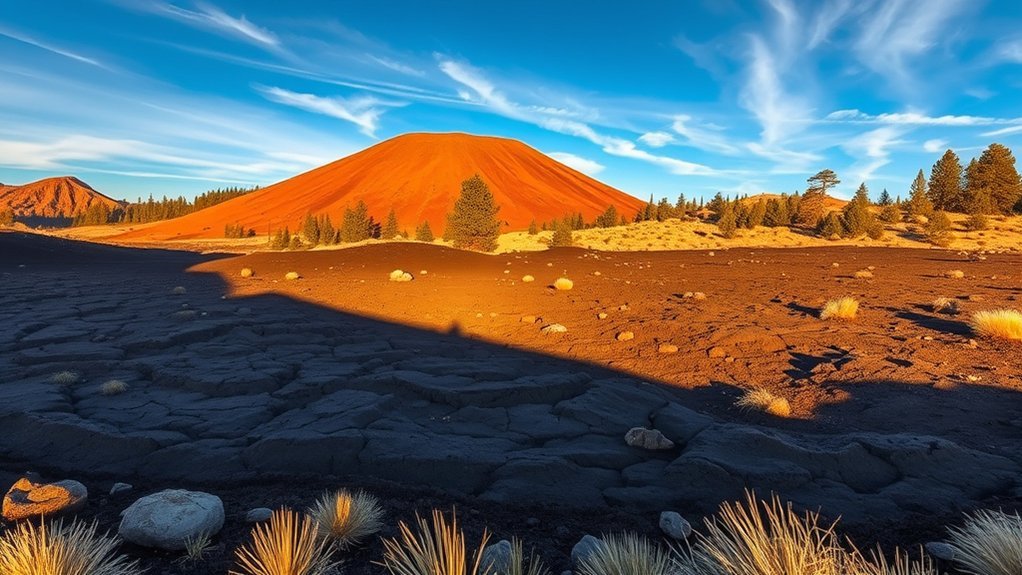
Sunset Crater Volcano National Monument gives you an unusually close look at northern Arizona’s volcanic history. Sunset Crater’s eruption occurred around 1085 CE and produced cinders, ash, and lava flows that transformed the surrounding landscape.
Today’s trails cross or overlook dark basalt, cinder-covered slopes, and areas where vegetation is slowly reclaiming volcanic terrain. Stay on established routes because loose cinders and recovering plants are easily damaged.
- Explore designated lava-flow trails rather than attempting to climb Sunset Crater itself.
- Wear closed shoes because volcanic rock can be sharp and uneven.
- Carry water even on short walks.
- Combine the monument with Wupatki for an especially strong half-day or full-day loop.
Explore Wupatki National Monument Pueblos
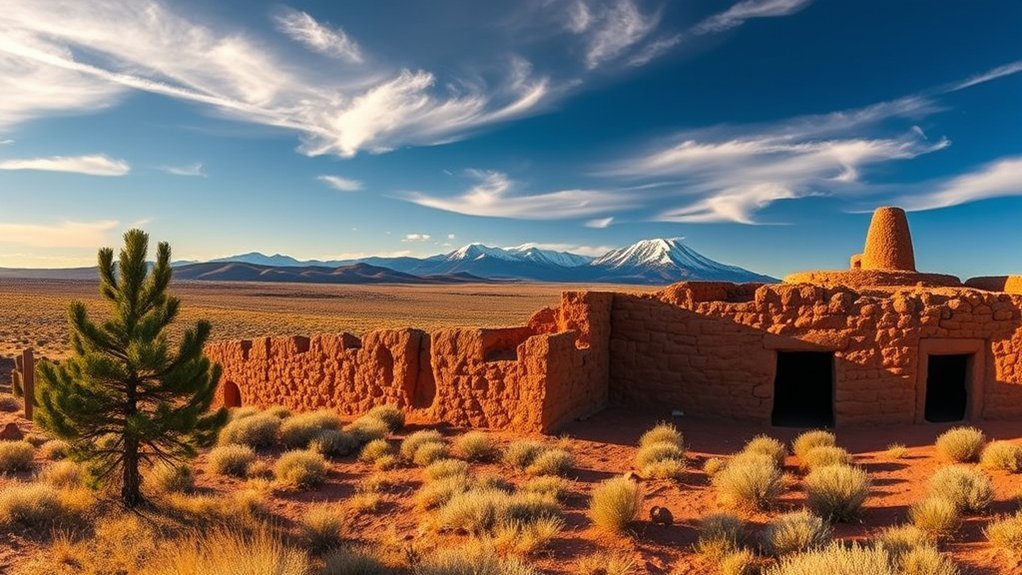
Wupatki National Monument protects pueblos and cultural landscapes that show how communities lived in this dry region centuries ago. The main Wupatki Pueblo contains more than 100 rooms as well as a ballcourt and natural blowhole, while other short trails lead to Wukoki, Lomaki, Citadel, and Nalakihu.
These are culturally significant places rather than abandoned playgrounds. Stay on marked paths, never climb walls, and leave pottery fragments, stones, and other archaeological materials where you find them.
| Site | What Stands Out | Planning Tip |
|---|---|---|
| Wupatki Pueblo | 104 rooms, ballcourt, blowhole | Start near the visitor center |
| Wukoki | Tall pueblo built on sandstone | Allow time for the short walk |
| Lomaki | Small pueblo and dry-land setting | Protect fragile walls and features |
| Citadel & Nalakihu | Hilltop and nearby pueblo settings | Expect sun and little shade |
Experience the Arboretum at Flagstaff
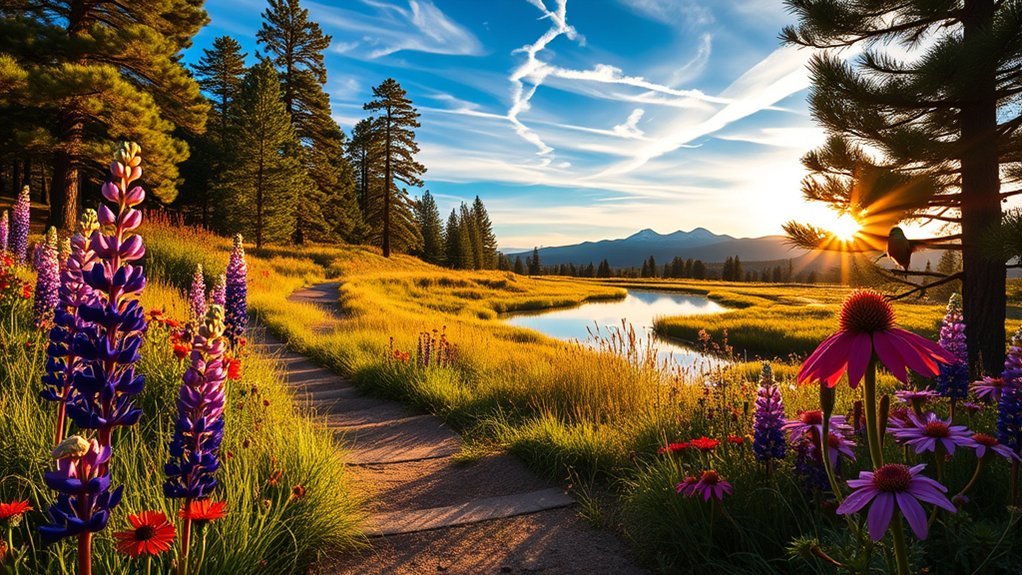
The Arboretum at Flagstaff offers a quieter alternative to the area’s major hiking destinations. Its gardens and natural areas focus heavily on plants adapted to the Colorado Plateau and northern Arizona’s high-elevation climate.
Native Plant Collections
Walk through plantings that help you compare ponderosa forest species, meadow plants, native wildflowers, shrubs, and other regional vegetation. Labels and interpretive material make the visit useful even if you know little about botany.
- Native and regionally adapted plants
- Ponderosa forest surroundings
- Wildflower displays during the growing season
- Bird, pollinator, and habitat observations
Seasonal Events & Classes
The Arboretum hosts changing classes, walks, plant programs, and special events rather than a fixed year-round schedule. Its current public season runs primarily from May through October, and the organization notes that peak bloom often falls between July and September. Check the current Arboretum hours and seasonal information before driving out.
Trails & Nature Walks
Use the garden paths and nature trails for a relaxed walk through high-elevation habitat. Morning is comfortable during warmer periods, while summer visitors may find the strongest wildflower displays later in the season than they would at lower Arizona elevations.
Bike the Flagstaff Urban Trails System (FUTS)
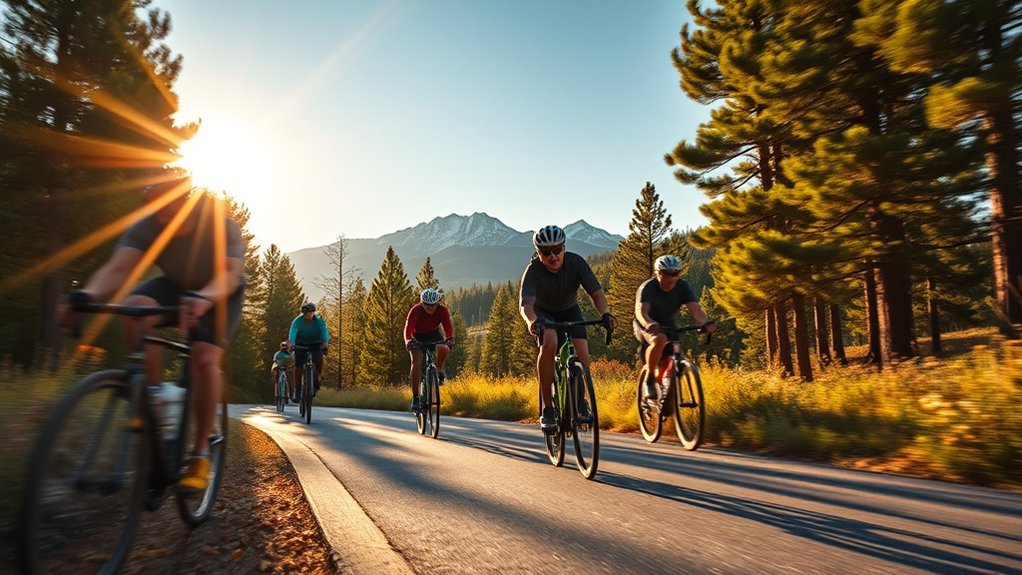
The Flagstaff Urban Trails System currently includes about 59 miles of shared-use pathways. Roughly half of the system is paved and half uses a hard-packed aggregate surface, so route choice matters if you are riding a road bike.
The network connects neighborhoods, parks, schools, commercial areas, open space, and portions of the surrounding forest. You can build a short family ride, use a trail as transportation across town, or combine multiple segments for a longer outing.
- Check the city’s current FUTS map before choosing a route.
- Slow down around walkers and announce passes.
- Expect a mix of pavement and aggregate surfaces.
- Carry water, a tube or repair kit, and a light layer.
Visit the Museum of Northern Arizona
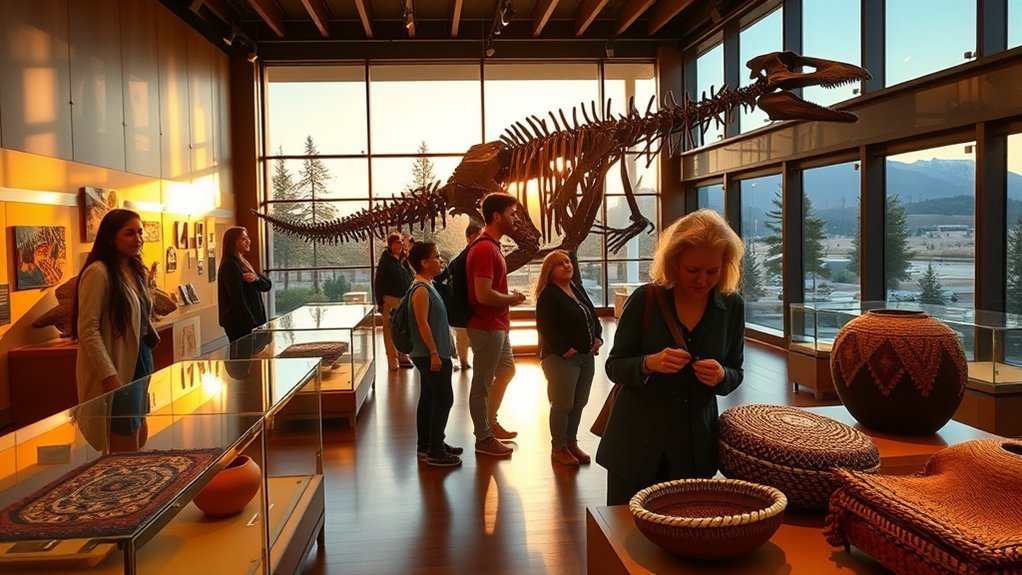
The Museum of Northern Arizona is one of the best indoor places to understand the Colorado Plateau as both a cultural and natural region. Exhibits and collections cover archaeology, geology, paleontology, art, and the living cultures of Indigenous peoples connected to the region.
Indigenous Collections and Art
Take time with exhibits involving Hopi, Diné/Navajo, Zuni, and other regional communities. The strongest interpretation treats these traditions as living cultures rather than presenting Native people only through ancient objects.
- Textiles and weaving traditions
- Pottery, jewelry, carving, and other arts
- Contemporary Indigenous artists
- Programs developed with regional communities
Geology and Paleontology
MNA maintains substantial research collections of fossils, rocks, minerals, and meteorites from the Colorado Plateau and beyond. Public exhibits help connect those specimens to the volcanic fields, sedimentary formations, fossils, and erosional landscapes you see while traveling around northern Arizona.
Temporary Exhibitions
Temporary exhibitions change throughout the year and may focus on contemporary art, regional history, archaeology, Indigenous artists, or scientific research. Check the museum’s current exhibition calendar before visiting if a particular subject matters to you.
Follow the Flagstaff Brewery Trail
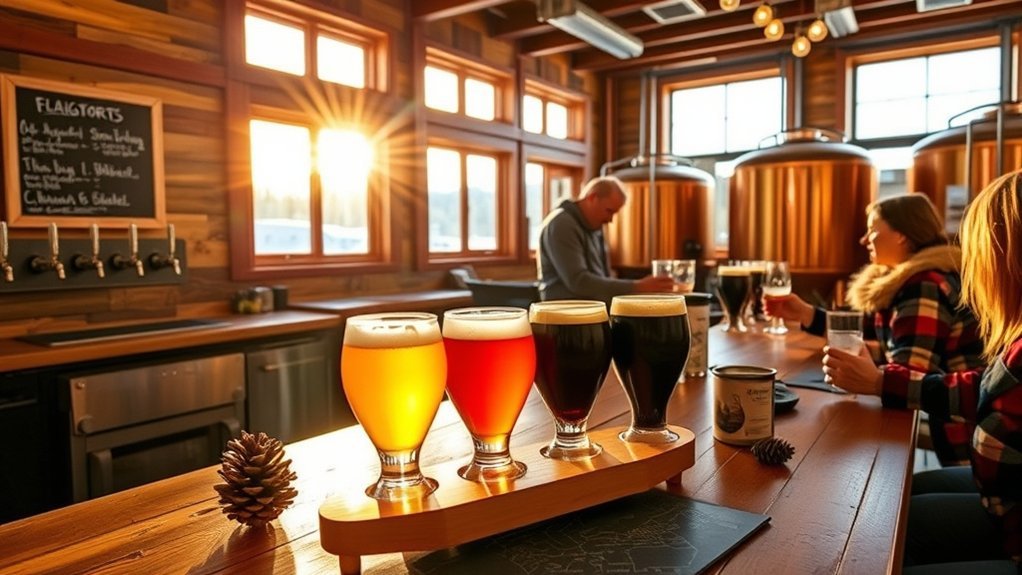
The current Flagstaff Brewery Trail turns the city’s craft-beer scene into a self-guided outing. Several breweries sit in or near the downtown area, making it possible to sample different styles without planning a long drive between every stop.
Flights are useful if you want to compare several beers without ordering full pours. Ask about current seasonal releases rather than expecting a particular IPA, lager, stout, or specialty ingredient to be available year-round.
Note: If you plan to visit several breweries, walk between nearby downtown stops, use a designated driver, or arrange a ride. Drink only if you are of legal drinking age.
Go Stargazing at Buffalo Park and Other Dark-Sky Sites
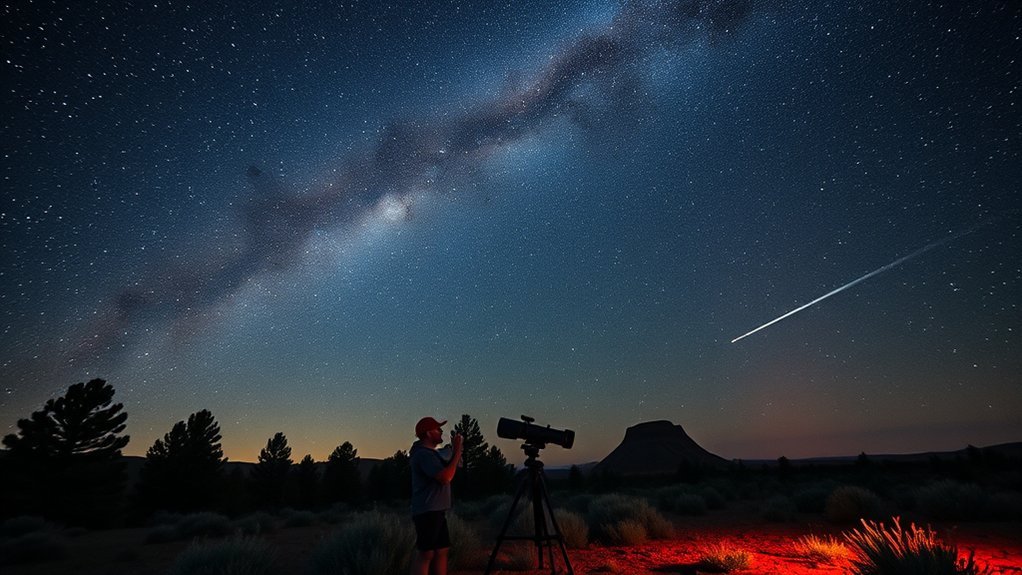
You do not need to drive to remote Grand Canyon-Parashant to find good night skies from a Flagstaff trip. Buffalo Park is a well-established local observing location with broad horizons, and Flagstaff’s long-running dark-sky efforts make astronomy part of the city’s identity.
Best Viewing Spots
Buffalo Park is the simplest close-to-town option. The Flagstaff Dark Skies Coalition specifically identifies it as a local stargazing location and uses it for the annual Flagstaff Star Party. Other observing areas around Flagstaff can work well, but access, road conditions, and land-management rules differ.
- Buffalo Park for a convenient city-based option
- Lowell Observatory for guided telescope viewing
- Established forest viewpoints where nighttime access is permitted
- Grand Canyon National Park when stargazing is part of a longer park visit
Stargazing Tips & Gear
Use a dim red light instead of a bright white flashlight, dress more warmly than you would for daytime, and give your eyes time to adapt to darkness. Binoculars can reveal star clusters and lunar detail without the setup required for a telescope.
Check the moon phase if seeing the Milky Way is your main goal. A bright moon can be beautiful, but it washes out many faint stars.
Take a Scenic Ride on the Grand Canyon Railway
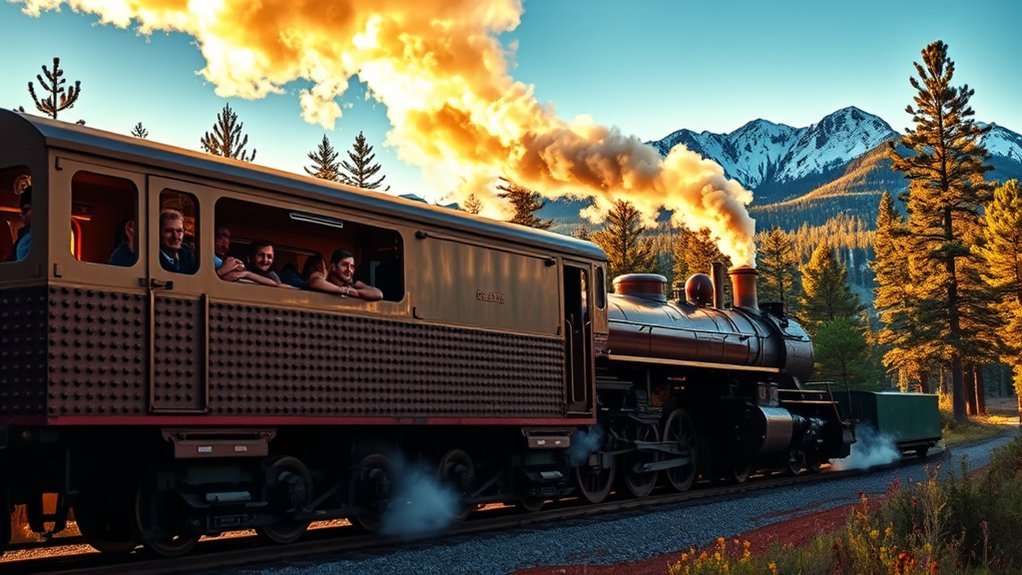
The Grand Canyon Railway leaves from Williams, west of Flagstaff, and travels 65 miles to the South Rim. The scheduled ride takes about 2 hours 15 minutes each way, so this is a full-day excursion rather than a quick 90-minute transfer.
On the regular 2026 schedule, the train typically gives passengers several hours at the South Rim before returning to Williams. Exact times and seasonal schedules can change, so confirm your travel date before building the rest of your day around it.
- Plan for a full day from Williams.
- Choose a rail-car class based on budget and comfort preferences.
- Use your South Rim time for viewpoints and short walks rather than a major canyon hike.
- Arrive in Williams early enough for parking and boarding.
The Grand Canyon Railway journey takes about 2 hours 15 minutes each way, turning transportation from Williams into part of the South Rim experience.
Choose a Specialized Lowell Observatory Program
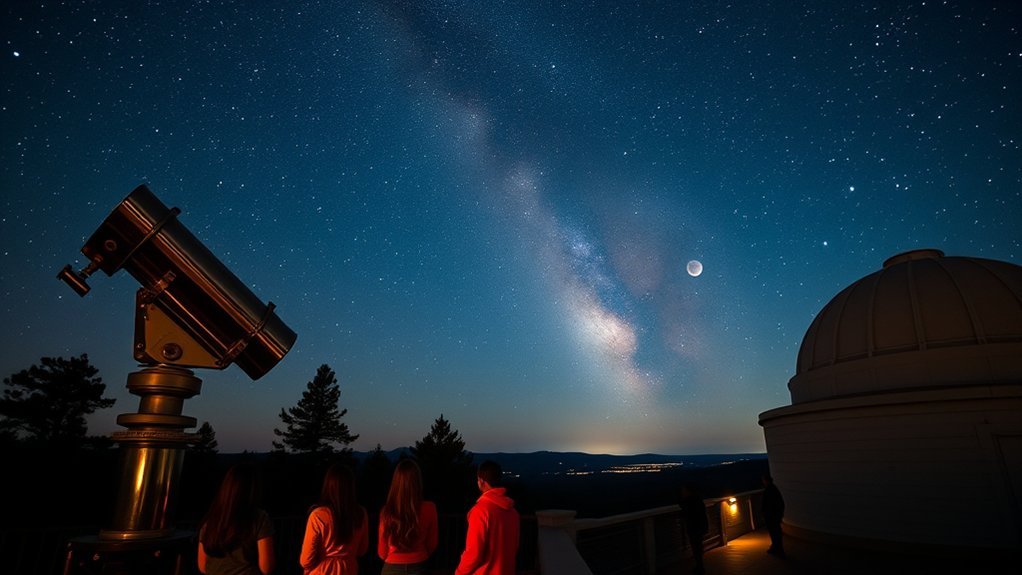
If a general Lowell Observatory visit leaves you wanting more, use this second visit idea to focus on a particular program rather than repeating the basic campus tour. Depending on the day’s schedule, you may find historic astronomy talks, Pluto-focused interpretation, solar observing, or public telescope sessions at facilities such as the Giovale Open Deck Observatory.
Program availability changes with staffing, weather, time of year, and special events. Check Lowell’s current schedule before arrival and allow extra time after sunset if telescope viewing is a priority.
Hike or Bike a Section of the Flagstaff Loop Trail
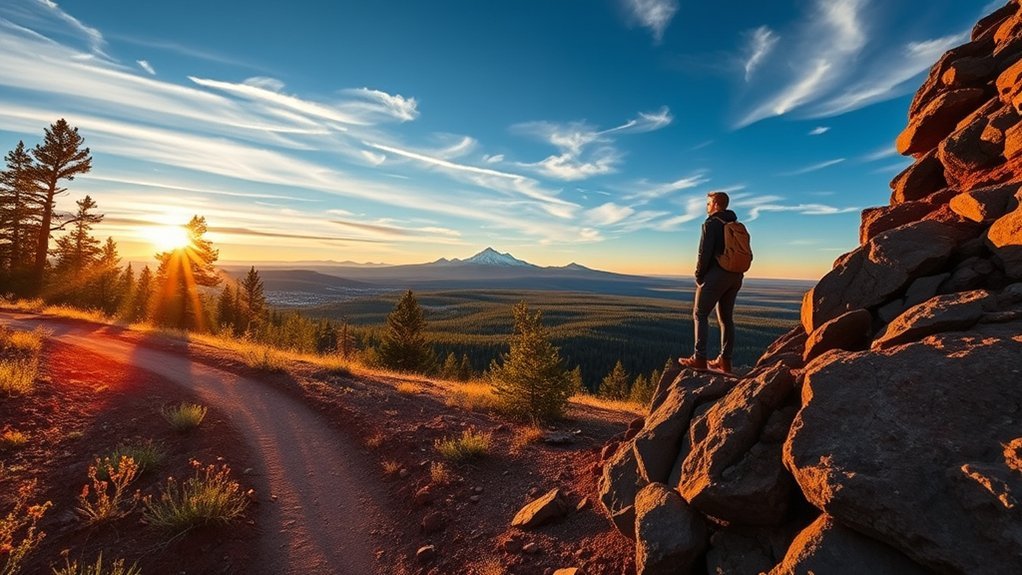
The Flagstaff Loop Trail links multiple trail systems and landscapes around the community. Instead of expecting one continuous paved “rim trail” with formal overlooks and benches, choose a manageable segment that matches your hiking or biking ability.
Some sections connect with city trails while others cross national forest terrain. Surface, shade, climbing, navigation, and seasonal conditions vary considerably, so use a current trail map and check Coconino National Forest trail information before tackling an unfamiliar section.
- Choose a short out-and-back if you do not want to arrange a shuttle.
- Carry offline navigation for forest sections.
- Expect mixed trail surfaces and changing elevation.
- Check wildfire and seasonal closures before starting.
Visit Riordan Mansion State Historic Park
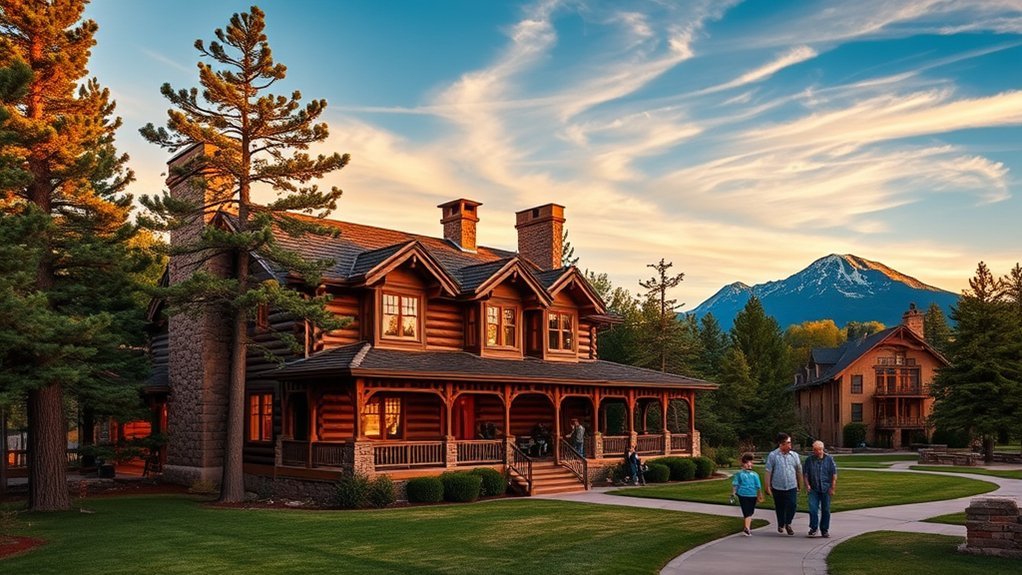
Riordan Mansion State Historic Park gives you a close look at early-20th-century Flagstaff through the homes of the Riordan family, whose business and civic activities were closely tied to the city’s growth.
The historic interiors are visited by guided tour, and tour capacity is limited. Arizona State Parks recommends reservations, particularly when you have a fixed travel schedule. Inside, you can see original family belongings, woodwork, Arts and Crafts design, and period furnishings.
Still photography for personal use is allowed under current park rules, but video, tripods, monopods, and selfie sticks are restricted. Review the current Riordan Mansion tour information before arriving.
Try Rock Climbing at Flagstaff-Area Crags and Boulders
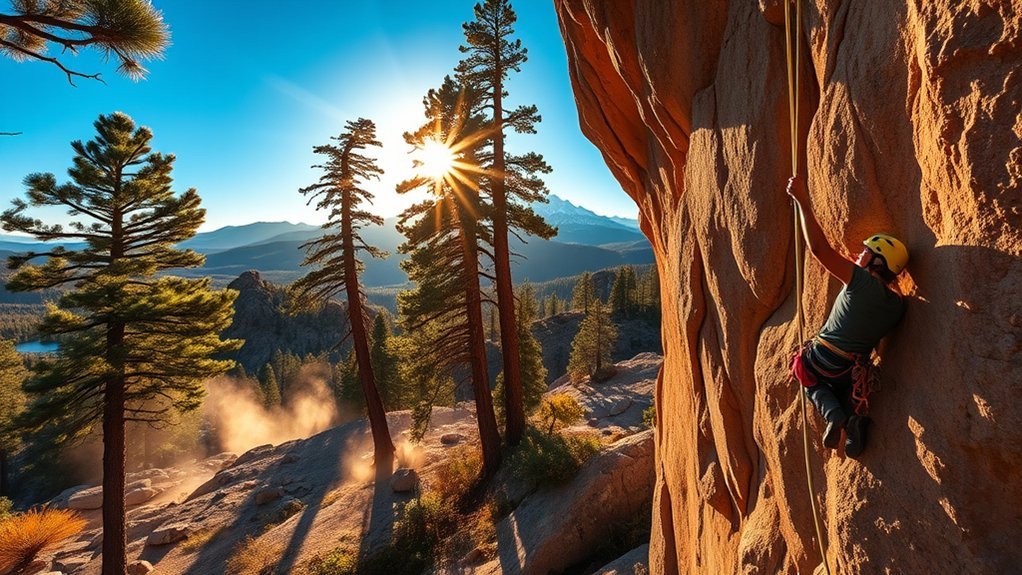
Flagstaff’s volcanic geology and surrounding forest support sport climbing, traditional climbing, and bouldering. If you are new to outdoor climbing, hiring a qualified local guide is much safer than trying to learn anchors, belaying, or route finding from brief online instructions.
Access can change because of wildfire, land-management decisions, and seasonal wildlife protections. Check the Coconino National Forest climbing information and current alerts before choosing an outdoor area.
Flagstaff climbing is best approached with current route information, proper equipment, and respect for seasonal wildlife and land-management closures.
- Use a current local guidebook or established climbing resource.
- Hire a guide if you do not already know outdoor climbing systems.
- Carry a crash pad and spot responsibly when bouldering.
- Respect posted route, wildlife, and fire closures.
Attend a Live Show at the Orpheum Theater
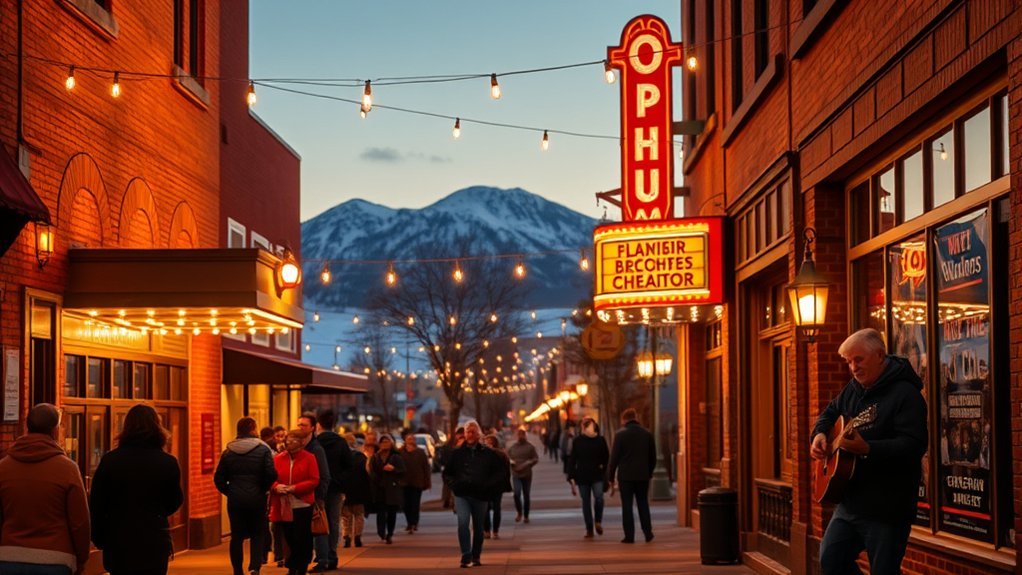
The Orpheum Theater is a historic downtown venue used for concerts, film screenings, community gatherings, and other live events. The building combines an intimate historic setting with modern sound and event production.
Because the experience depends entirely on what is scheduled during your trip, check the Orpheum’s current event calendar before choosing an evening.
| Event Type | What It Can Offer |
|---|---|
| Live Music | Local and touring performers |
| Comedy | Touring or regional acts |
| Film | Screenings and festival programming |
| Community Events | Local celebrations and special programs |
Visit Slide Rock State Park and Oak Creek Canyon
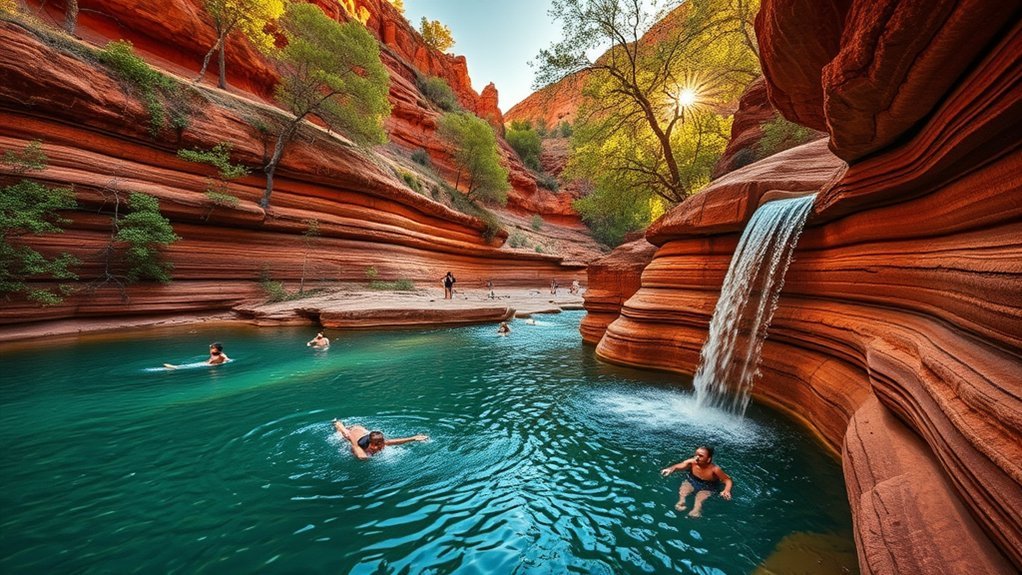
Warning: As of August 16, 2026, the Slide Rock swimming area is closed through September 2026 because of flash-flood risk and water-quality impacts following the Pocket Fire. The park remains open for activities including hiking and picnicking. Check Arizona State Parks again immediately before your visit because conditions may change.
Slide Rock State Park is still worth considering for its red-rock scenery, historic homestead setting, picnic opportunities, and short walks even while swimming access is restricted.
Do not bypass closures by searching for unofficial upstream swimming spots. Oak Creek can become dangerous quickly after storms, particularly when runoff carries debris from burned areas.
Slide Rock remains a scenic Oak Creek Canyon stop in 2026, but its swimming area is temporarily closed through September because of post-fire flash-flood and water-quality risks.
- Current option: hiking and picnicking
- Currently restricted: swimming area through September 2026
- Before leaving: check park and forest closure notices
- During monsoon: take flash-flood warnings seriously
Choose Indigenous-Led Cultural Programs and Events
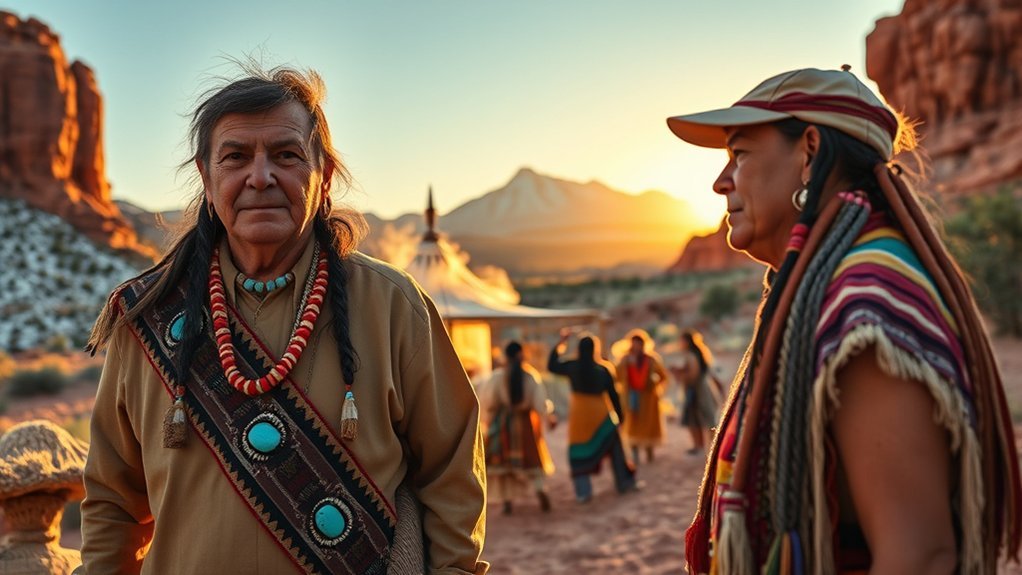
Northern Arizona is home to living Indigenous cultures with deep relationships to the region’s mountains, canyons, deserts, and archaeological landscapes. Look for programs in which Native artists, educators, guides, or community members interpret their own traditions and histories.
The Museum of Northern Arizona is a useful place to start because its events and exhibits regularly engage regional Indigenous arts and cultures. For tours or events on tribal lands, follow the host nation’s rules rather than assuming photography, access, or behavior standards are the same everywhere.
| Experience | Good Practice |
|---|---|
| Museum program | Listen for community voices and current cultural context |
| Artist demonstration | Buy directly from artists when appropriate |
| Public dance or performance | Follow the host’s photography rules |
| Tribal-land tour | Use authorized guides and respect access restrictions |
| Storytelling or educational program | Treat cultural knowledge as more than entertainment |
Go Fishing at Ashurst Lake or Other Flagstaff-Area Waters
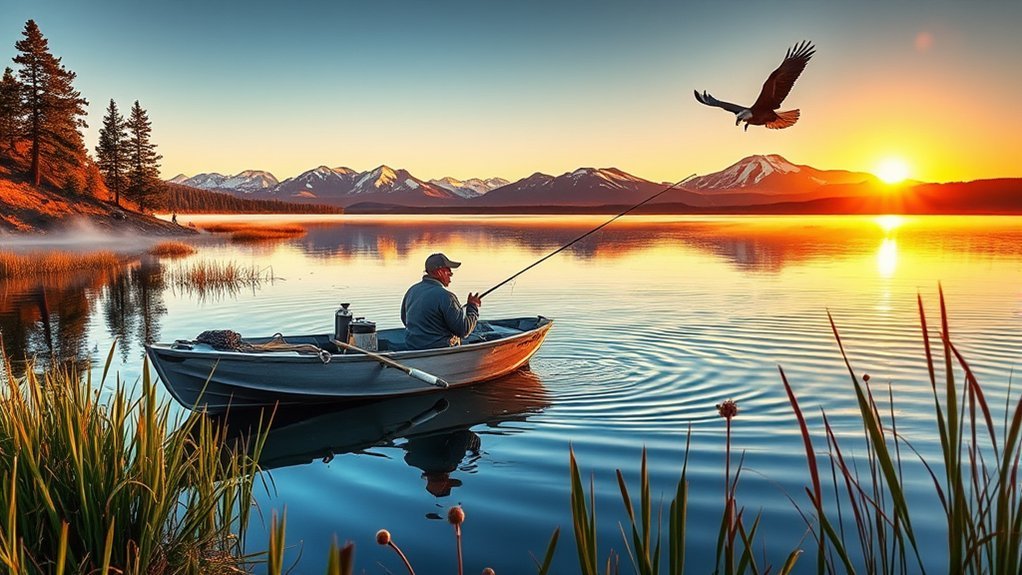
Ashurst Lake is a well-known fishing and camping destination southeast of Flagstaff, and other regional waters can provide additional options depending on lake levels, stocking, weather, and season. Mormon Lake can vary greatly in water level, so do not assume conditions will support the same fishing experience every year.
Before leaving, check the Arizona Game and Fish lake information, stocking reports, and current regulations. A state fishing license is generally required for anglers age 10 and older on publicly accessible Arizona waters, subject to the state’s listed exceptions.
Lake conditions around Flagstaff can change substantially with precipitation and season, so check current water levels and regulations before loading your fishing gear.
- Good starting point: Ashurst Lake
- Before driving: check lake levels and access
- Regulations: review current AZGFD fishing rules
- License: generally required from age 10 onward, subject to state exceptions
Drive Snowbowl Scenic Drive and Explore the San Francisco Peaks
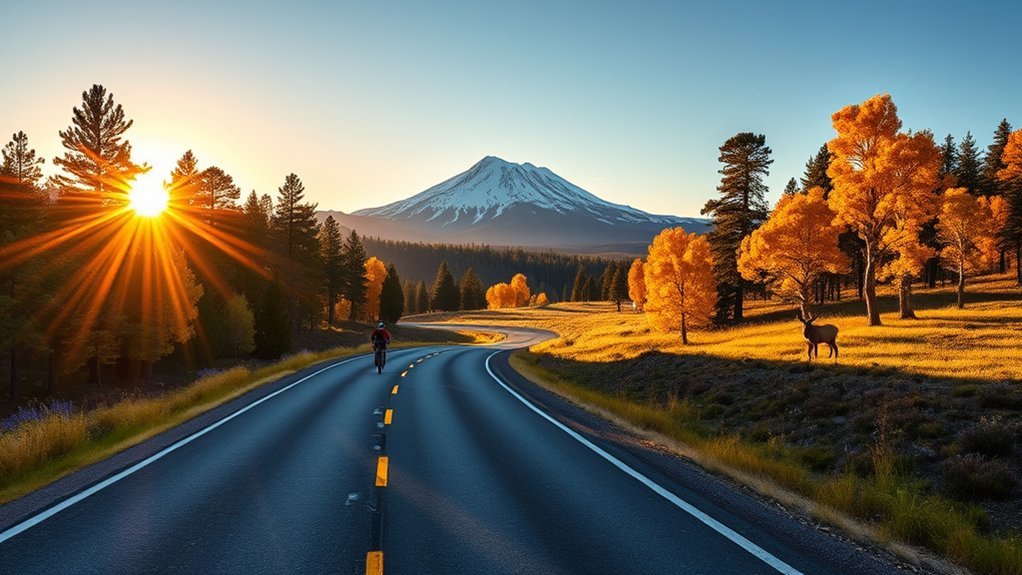
For an easy mountain drive, follow U.S. 180 northwest from Flagstaff and turn onto Snowbowl Road for the Snowbowl Scenic Drive. The road climbs through ponderosa and mixed-conifer forest toward the higher slopes of the San Francisco Peaks.
Pullouts, trail access, and changing vegetation make this a useful choice when you want mountain scenery without committing to the Humphreys Peak summit hike. Longer forest-road loops around the Peaks are also possible when routes are open, but conditions range from smooth pavement to rougher seasonal roads.
Check the current Coconino National Forest road-status page before attempting unpaved routes. Snow, mud, wildfire operations, and seasonal closures can change access quickly.
Frequently Asked Questions
Are there dog-friendly trails and parks in Flagstaff?
Yes. Dogs are allowed in many Flagstaff parks and on many trails, but city park rules generally require animals to be leashed except in designated dog parks. Thorpe Park and Bushmaster Park include dog-park facilities. National forest and monument rules can differ, so check the specific destination before leaving.
What are the best months for wildflowers near Flagstaff?
Bloom timing changes with elevation, snowmelt, and summer rain. At the Arboretum at Flagstaff, peak bloom is typically July through September. Lower-elevation areas can flower earlier, while high mountain species may appear later.
Where can I find RV parks and longer-stay camper services?
Current Flagstaff-area options include Flagstaff KOA Holiday, Flagstaff RV Park, Woody Mountain Campground & RV Park, J&H RV Park, and other private or regional campgrounds. Seasonal dates, age restrictions, hookup types, and maximum-stay rules vary, so verify those details directly before booking a long stay.
Are there guided photography tours for sunrise and sunset?
Yes, photography instruction and guided outings are available in northern Arizona, although operators and schedules change. Look for a guide who clearly states group size, locations, physical difficulty, permit status where required, and whether the trip is designed for phones, beginner cameras, or advanced photography.
What local food should I try in Flagstaff?
Flagstaff’s food scene mixes Southwestern cooking with mountain-town cafés, bakeries, breweries, and international restaurants. Look for green-chile dishes, regional Mexican food, local craft beer, and Indigenous-owned businesses or vendors serving foods such as fry bread when available.
How many days do I need in Flagstaff?
Two or three days works well for the city and nearby monuments. Add another full day for the Grand Canyon or Sedona. If hiking Humphreys Peak, skiing, or taking the Grand Canyon Railway is a major goal, give that activity most or all of one day.
Is downtown Flagstaff walkable?
Yes. Downtown’s restaurants, shops, breweries, galleries, Visitor Center, and entertainment venues are concentrated in a compact area. A car becomes much more useful for Snowbowl, national monuments, lakes, Sedona, and Grand Canyon excursions.
Can I visit the Grand Canyon as a day trip from Flagstaff?
Yes. The South Rim is a practical full-day trip from Flagstaff. Leave enough time for the drive, parking or shuttle transfers, viewpoints, meals, and changing weather. Avoid combining a major below-rim hike with an already packed sightseeing schedule.
Conclusion
Flagstaff works best when you mix a few very different experiences instead of filling every hour with driving. Spend time downtown, look through a telescope at Lowell, walk among volcanic landscapes or ancestral pueblos, and choose one larger outdoor goal such as Snowbowl or Humphreys Peak. If you have extra days, use Flagstaff as your base for the Grand Canyon, Sedona, Williams, or Oak Creek Canyon. Keep some flexibility for weather and closures, and northern Arizona becomes much easier to enjoy safely.
Sources
- Grand Canyon National Park, National Park Service — South Rim planning, trails, transportation, and visitor safety.
- Walnut Canyon National Monument, National Park Service — cliff dwellings, trails, access, and visitor guidance.
- Sunset Crater Volcano National Monument, National Park Service — volcanic history, lava landscapes, and trails.
- Wupatki National Monument, National Park Service — pueblo sites, cultural resources, and visitor information.
- Coconino National Forest, USDA Forest Service — Humphreys Trail, climbing, scenic drives, forest roads, and closures.
- City of Flagstaff FUTS — current urban-trail mileage, surfaces, connections, and maps.