Antelope Canyon is one of the most striking slot-canyon experiences near Page, Arizona, but visiting takes more planning than simply driving to a trailhead. Access is controlled on Navajo Nation land, an authorized guide is required, and Upper Antelope Canyon, Lower Antelope Canyon, and Canyon X offer noticeably different walking conditions, photography opportunities, prices, and tour rules.
Quick Answer
You can visit Antelope Canyon only on an authorized guided tour. Upper is best known for seasonal light beams, Lower offers a more active route with ladders, and Canyon X is a quieter alternative. Book ahead, check your operator’s equipment rules, arrive early, and take flash-flood warnings seriously.
Key Takeaways
- All Antelope Canyon locations require an authorized guided tour; self-guided entry is not allowed.
- Navajo Nation Parks currently lists a $15 entry fee per person, per location, per day, with guided-tour charges additional.
- Upper generally involves fewer obstacles inside the canyon, while Lower includes ladders and Canyon X requires walking on uneven ground.
- Upper’s famous direct light beams are seasonal and weather-dependent, with the best chance generally during the sunnier months around midday.
- Prices, bag rules, camera rules, check-in times, and cancellation policies differ by operator, so read your booking confirmation carefully.
What Makes Antelope Canyon Unique
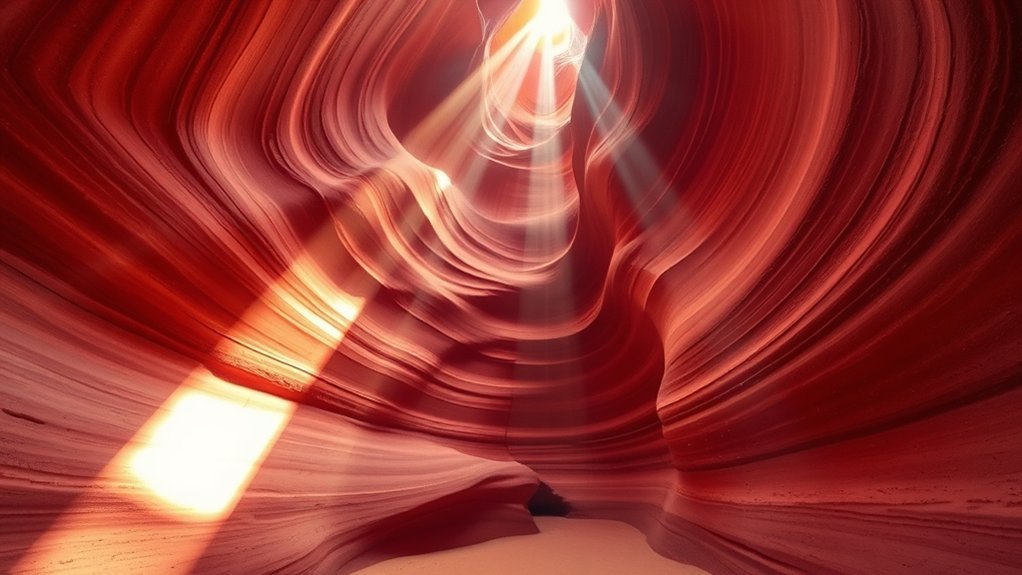
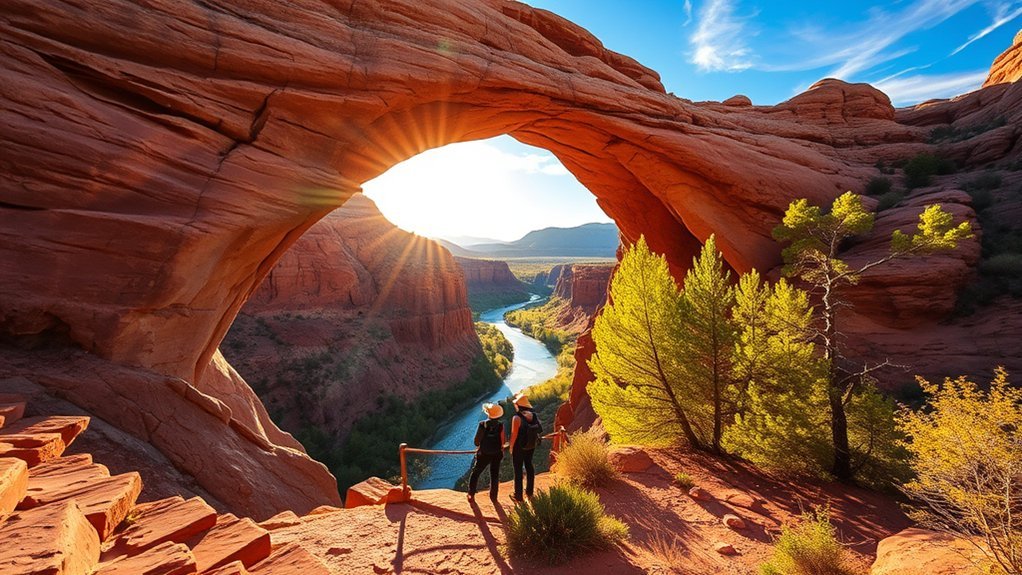
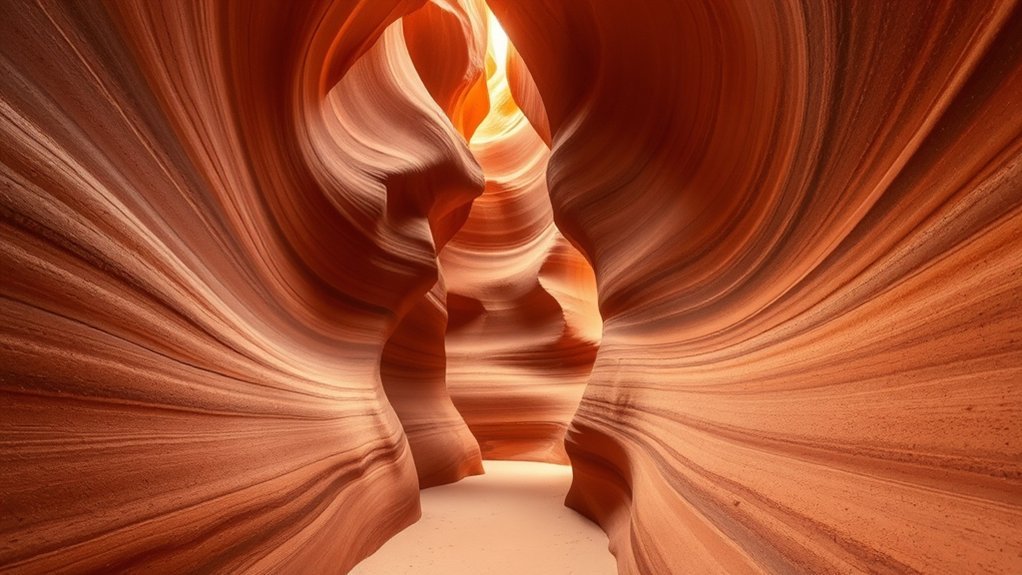
One look down a narrow passage of sandstone explains why Antelope Canyon feels so unusual. Water, sediment, and erosion have shaped the slot canyon into flowing curves, narrow chutes, and smooth walls that take on red, orange, gold, and purple tones as the light changes.
Upper Antelope Canyon is especially famous for shafts of sunlight that can reach the canyon floor on clear days at certain times of year. Lower Antelope Canyon has narrower passages, stairs, and ladders that make the experience more active. Canyon X offers two slot-canyon sections and is promoted by its operator as a quieter alternative.
The canyon is also part of the Navajo Nation, not an ordinary public hiking trail. Navajo Nation Parks and Recreation requires visitors to enter Antelope Canyon with an authorized guide.
You can still take excellent photos on standard sightseeing tours, and guides often help guests find useful angles or phone settings. However, do not assume every sightseeing trip is a dedicated photography tour. Standard Upper tours prohibit tripods and monopods, while Canyon X has a separate photography-tour option with different rules.
Warning: Flash flooding is a serious slot-canyon hazard even when rain is not falling directly where you are standing. Tours may be delayed or canceled because of threatening weather or flood warnings. Follow your guide immediately if conditions change and never try to enter a closed canyon.
Planning Your Trip and Getting There
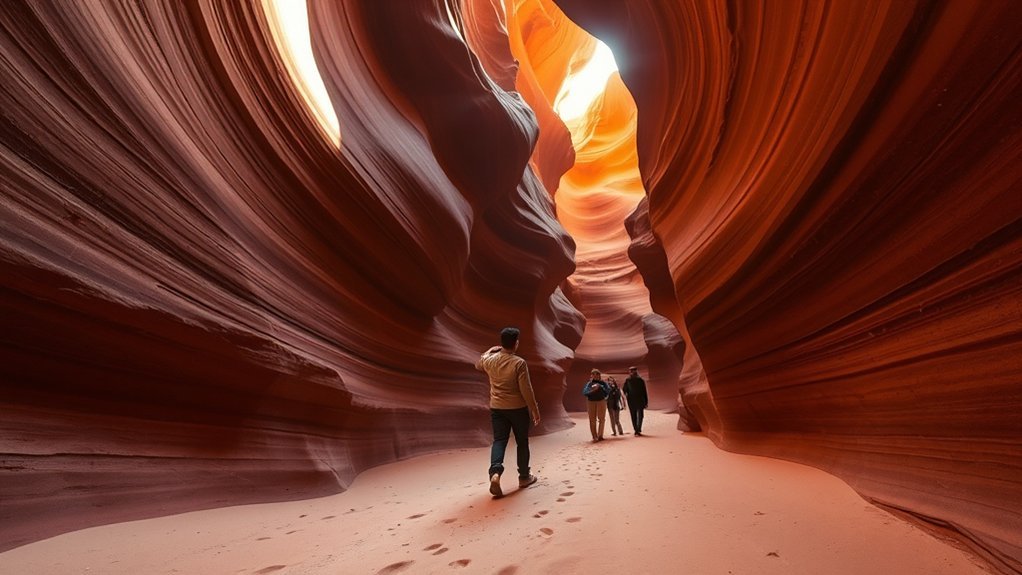
Antelope Canyon is near Page, Arizona, but you generally do not simply drive to a canyon entrance and buy admission. Your first step should be selecting an authorized operator for the specific canyon you want to see and following that company’s meeting-point instructions.
Some Upper tours depart from an office in Page and transport guests to the canyon. Other operators use meeting locations closer to their own canyon entrances. Because arrangements differ, use the address in your booking confirmation rather than assuming every Antelope Canyon tour starts at the same place.
Reservations are strongly recommended, particularly during spring, summer, fall, holidays, and other busy travel periods. Current Upper and Canyon X operators tell guests to arrive about 30 minutes before departure, while requirements can vary elsewhere.
Note: Pay close attention to the time shown by your operator. Page businesses commonly operate on Arizona/Phoenix time, and individual tour companies spell this out because time-zone and daylight-saving differences elsewhere on the Navajo Nation can confuse travelers.
If you are driving from Phoenix, Las Vegas, Zion National Park, or the Grand Canyon, leave a generous travel buffer rather than timing your arrival to the last few minutes. Missing check-in can mean missing the tour, and operators may have strict late-arrival and refund policies.
Choosing Between Upper, Lower, and Canyon X
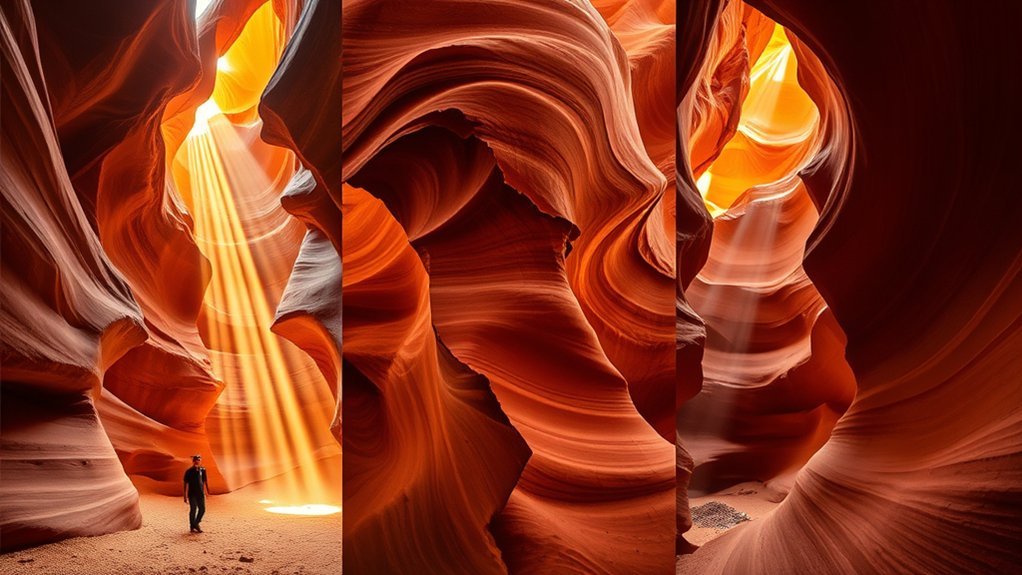
The best canyon depends on whether you care most about famous light beams, physical challenge, a quieter atmosphere, or photography time. None should be treated as universally “best.”
| Option | Best For | Current Example Duration | Walking Conditions | August 2026 Price Example |
|---|---|---|---|---|
| Upper Antelope Canyon | Iconic scenery and seasonal light beams | About 1 hour 45 minutes with one representative operator | No ladders inside, but the current one-way route includes sandy walking plus an outside hill and stairs | From about $85–$92 with Antelope Canyon Tours, depending on the current listing/date |
| Lower Antelope Canyon | A more active slot-canyon experience | About 50–60 minutes for Ken’s general tour | Narrow passages with ladder climbing | From $80.50 per person on Ken’s current general-tour listing |
| Canyon X | A quieter atmosphere and separate photo-tour option | 1.5 hours for the standard hiking tour | Uneven walking surfaces and railroad-tie steps; no ladders on the standard hiking tour | $47 adult hiking tour plus a $15 hiking permit for ages 8+ on Taadidiin Tours’ current listing |
Upper Antelope Canyon: Choose Upper if the classic light-beam photographs are high on your list. A current Upper Antelope Canyon operator says the strongest beam opportunities generally occur on clear days from roughly April through September. Midday gives you the best chance, but sunlight is never guaranteed.
Upper is less ladder-intensive than Lower, but “easy” can be misleading. One current operator describes about 1,200 meters of total walking, including sandy ground, a hill, and stairs outside the canyon on the return route.
Lower Antelope Canyon: Choose Lower if you do not mind stairs and ladders and want a more physical route through tight sandstone passages. Ken’s Tours currently lists its standard guided walk at about 50–60 minutes.
Canyon X: Choose Canyon X if a quieter atmosphere is more important than seeing the most famous Upper Canyon compositions. Taadidiin Tours currently operates a 1.5-hour Canyon X hiking tour through two slot-canyon sections and also sells a separate extended photography tour.
Pro Tip: If your priority is a specific photograph, choose the canyon and tour type first, then the time. If your priority is simply enjoying the rock formations, do not build the entire trip around one promised beam of sunlight because clouds and changing conditions can alter the light.
Tour Logistics, Rules, and Costs
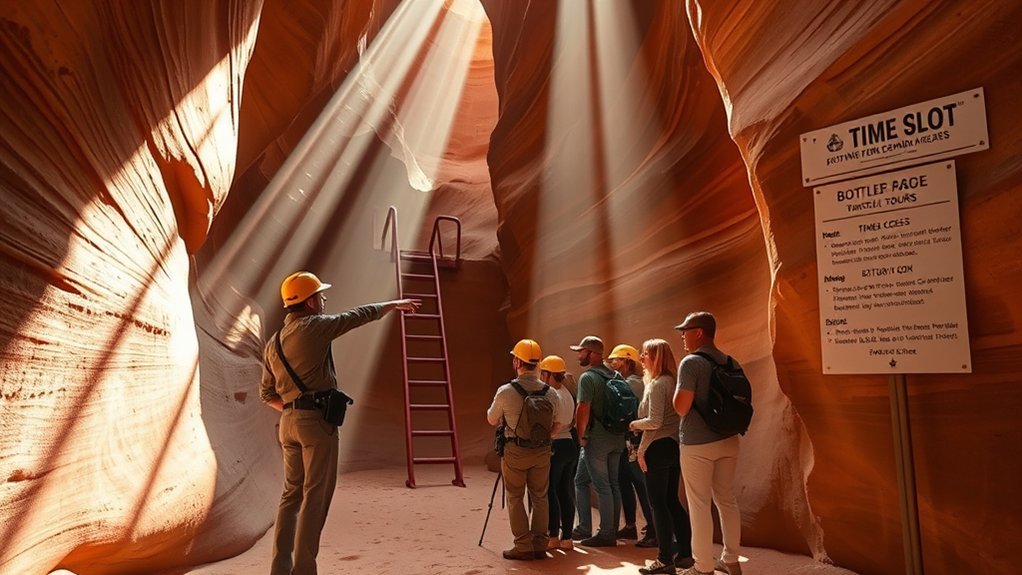
All access to Antelope Canyon requires an authorized Navajo guide. The Navajo Nation Parks and Recreation Department currently lists an $15 entry fee per person, per location, per day, with guided tours charged separately. Operators may collect or display that fee differently, so check exactly what your ticket includes before comparing prices.
- Reserve ahead: Popular dates and midday Upper Canyon times can sell out.
- Arrive early: Follow the check-in time in your confirmation. Thirty minutes early is common among current operators.
- Check the final price: Taxes, booking fees, tribal fees, and optional upgrades can make headline prices difficult to compare.
- Read the cancellation policy: Weather cancellations and customer cancellations may be handled differently.
- Follow guide instructions: Group movement is controlled for safety, cultural respect, and protection of the canyon.
Camera, Bag, and Equipment Rules
Rules are not identical across all Antelope Canyon operators. For example, one Upper operator allows clear bags but prohibits ordinary opaque bags, tripods, monopods, selfie sticks, strollers, and drones on its sightseeing tour. Ken’s Lower Canyon information prohibits tripods and similar professional equipment on its general tour. Canyon X’s standard hiking tour prohibits bags of any size, tripods, monopods, selfie sticks, drones, strollers, and video recording.
This is why older advice such as “bring a camera bag” can create problems at check-in. Bring only what your specific operator allows.
Mobility and Accessibility
Upper Antelope Canyon is often described as the easiest of the famous sections because there are no ladders inside the canyon itself. However, its current one-way route still includes soft sand, a return hike, a hill, and stairs. One major Upper operator says its tour is not accessibility-friendly.
Lower Antelope Canyon includes ladder climbing. Canyon X requires guests on its standard tour to walk unassisted over uneven surfaces and use steps on the approach. If anyone in your group has limited mobility, recent knee or hip problems, balance concerns, or difficulty with stairs, contact the specific operator before paying.
Weather and Flash-Flood Safety
Northern Arizona’s summer monsoon pattern brings thunderstorms and flash-flood risk. The National Weather Service in Flagstaff identifies flash flooding as one of the region’s major monsoon hazards, especially from roughly mid-June into September.
You do not need to judge canyon safety yourself. Authorized operators monitor conditions and can cancel when flooding threatens. Canyon X, for example, states that tours will be canceled if NOAA issues a flash-flood warning for the area. Treat a cancellation as a safety decision, not an inconvenience to work around.
Best Time for Light, Weather, and Crowds
The “best” time depends on your goal. If you mainly want Upper Antelope Canyon’s famous direct light beams, clear midday conditions during the warmer months offer the best opportunity. One current Upper operator identifies April through September as its main beam period, although weather and the sun’s angle mean there is never a guarantee.
If comfortable outdoor temperatures matter more than beams, spring and fall can be easier than the hottest part of summer. Canyon X itself recommends spring and fall as favorable periods.
Winter can bring a quieter atmosphere and different light. You may not see the classic vertical beams, but the sandstone colors and reflected light can still photograph well.
Summer requires extra attention to heat and thunderstorms. Drink water before your tour, use sunscreen while outside, and follow weather updates. The slot interior may feel cooler than exposed parking and approach areas.
What to Wear and Bring
- Closed-toe walking shoes: Sand, steps, and ladders make secure footwear useful.
- Water: Bring only the type of bottle your operator permits.
- Layers: Temperatures inside a shaded slot can feel cooler than the exposed desert outside.
- Sunscreen: Useful for parking areas, approaches, waiting areas, and nearby attractions.
- Phone or handheld camera: Usually the simplest photography setup, but confirm the exact rules.
- Minimal belongings: Bag restrictions are common and differ by canyon.
Do not assume that backpacks, camera bags, CamelBaks, strollers, selfie sticks, tripods, drones, or professional photography equipment are permitted. Check your operator’s current prohibited-items list before leaving your hotel.
Nearby Sights, Accommodations, and Practical Tips
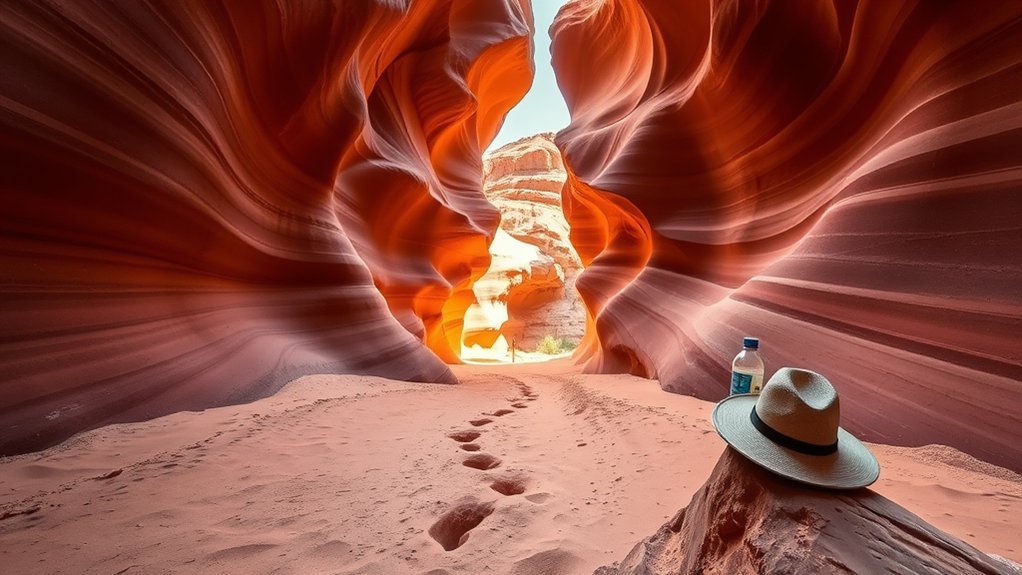
When you finish exploring Antelope Canyon, Page makes a convenient base for several other northern Arizona sights. Horseshoe Bend, Glen Canyon Dam, Lake Powell viewpoints, and Navajo Bridge can all fit into a wider Page-area itinerary, although Navajo Bridge requires more driving than the attractions immediately around town.
Horseshoe Bend is one of the easiest major additions. The National Park Service lists the walk at about 1.5 miles round trip. The City of Page charges for trailhead parking, and federal recreation passes do not cover that parking fee. The overlook includes some protected viewing space, but large sections of the rim remain exposed, so watch children carefully and stay well back from unprotected edges.
For accommodations in Page, Hampton Inn & Suites Page – Lake Powell remains open and currently includes free hot breakfast and Wi-Fi. Older guides may also recommend The Bear’s Den B&B, but its own website states that the bed-and-breakfast operation closed on November 6, 2025. The owners continue to offer vacation-home rentals, so do not book expecting the former B&B experience.
A practical day usually works better when you schedule Antelope Canyon first because your guided tour has a fixed departure time. Add flexible attractions such as Horseshoe Bend before or afterward, leaving enough time for parking, heat, meals, and unexpected delays.
Frequently Asked Questions
Do I need a tour guide to visit Antelope Canyon?
Yes. Navajo Nation Parks requires guided access to Antelope Canyon. You cannot enter Upper, Lower, or Canyon X on a normal self-guided hike. Book with an authorized operator for the specific canyon you want to visit.
How much time do you need at Antelope Canyon?
Allow at least two to three hours around a standard tour once you include early check-in, transportation where required, the guided canyon visit, and returning to your vehicle. Individual tours vary from roughly an hour to several hours depending on the canyon and package.
How much do you tip an Antelope Canyon guide?
There is no single Navajo Nation-wide percentage that every visitor must tip. Check your operator’s current guidance. If gratuities are accepted and you feel your guide provided excellent service, cultural interpretation, safety help, or photography assistance, you can tip according to your own budget and the operator’s recommendations.
What month is best to visit Antelope Canyon?
For Upper Antelope Canyon’s famous direct light beams, April through September generally provides the strongest opportunity on clear days. For milder outdoor temperatures, spring and fall are attractive. Winter can be quieter but usually does not provide the classic summer beam effect.
Which is easier, Upper or Lower Antelope Canyon?
Upper generally requires less climbing inside the canyon because there are no ladders in the slot itself. However, the modern one-way route includes an outside return hike and stairs. Lower includes ladder climbing, making it a more active choice for many visitors.
Can I bring a tripod or camera bag into Antelope Canyon?
Often not on standard sightseeing tours. Upper sightseeing tours prohibit tripods and monopods, while Canyon X’s standard hiking tour prohibits bags, tripods, monopods, and selfie sticks. Dedicated photography tours may have different rules, so check your exact booking before packing.
Can Antelope Canyon tours be canceled because of rain?
Yes. Slot canyons can flood rapidly, including from storms occurring away from the immediate canyon. Authorized operators monitor conditions and may delay or cancel tours when flooding threatens. Follow the operator’s instructions rather than trying to enter independently.
What time zone do Antelope Canyon tours use?
Check your specific confirmation. Major Page-based operators commonly state that they operate on Arizona or Phoenix time. This detail matters because surrounding regions can observe daylight-saving time differently.
Sources
- Navajo Nation Parks and Recreation Department — mandatory guided access, authorized operators, and current tribal entry fee.
- Antelope Canyon Tours: Upper Antelope Canyon FAQ — Upper walking conditions, seasonal light beams, baggage rules, tripod restrictions, arrival guidance, and Arizona time.
- Ken’s Tours: Lower Antelope Canyon General Tour — current example price, duration, ladder use, recommended gear, and photography rules.
- Taadidiin Tours: Antelope Canyon X — Canyon X pricing, permit, duration, walking requirements, prohibited items, and weather-cancellation rules.
- National Weather Service Flagstaff — northern Arizona monsoon and flash-flood safety.
- National Park Service: Horseshoe Bend — trail distance, parking, exposed-rim safety, heat, and visitor information.
Conclusion
Antelope Canyon rewards planning. Choose Upper for the classic beam experience, Lower for a more active route, or Canyon X when a quieter guided visit appeals more. Reserve with an authorized Navajo operator, read the current equipment and mobility rules, arrive early, and respect every weather closure. Once inside, slow down and watch how the desert light changes the sandstone from one turn to the next.