Exploring the sculpted slot canyons in Arizona is like stepping into an underground art gallery shaped by millions of years of water, wind, and Navajo sandstone erosion. From the sunlit light beams of the Page area to the towering, narrow corridors of the Arizona–Utah border, navigating these natural wonders requires advance preparation. Securing required tribal permits or BLM passes, scheduling around seasonal flash flood risks, and knowing exact gear rules will turn a complex desert trek into an unforgettable Southwestern adventure.
Quick Answer
The best slot canyons to visit in Arizona include Upper Antelope Canyon, Lower Antelope Canyon, Canyon X, Waterholes Canyon, and Wire Pass to Buckskin Gulch. Most canyons near Page sit on Navajo Nation land and mandate booking an authorized Navajo guide months in advance. Public BLM canyons require day-use permits. Visit from March to May or September to November for ideal hiking weather and minimal flash flood danger.
Key Takeaways
- Mandatory Guided Tours: Antelope Canyon (Upper, Lower, and Canyon X) and Waterholes Canyon are on Navajo land and strictly require a certified Navajo guide.
- Flash Flood Window: Southwest monsoon season (mid-June through September) carries severe flash flood risks from storms up to 50 miles upstream.
- Equipment Restrictions: Standard commercial tours in Antelope Canyon prohibit tripods, monopods, selfie sticks, and backpacks inside the narrows.
- Permit Systems: Self-guided public canyons like Wire Pass and Buckskin Gulch require permits via Recreation.gov or on-site trailhead digital kiosks.
Best Slot Canyons to Visit in Arizona
Arizona is home to the highest concentration of accessible, world-class slot canyons in North America. Depending on your physical mobility, photography goals, and appetite for rugged backcountry hiking, choose the canyon that best matches your travel itinerary.
| Canyon Name | Land Status | Difficulty | Access Requirement |
|---|---|---|---|
| Upper Antelope Canyon | Navajo Nation | Easy (Flat walk) | Mandatory Navajo Tour |
| Lower Antelope Canyon | Navajo Nation | Moderate (Steep metal stairs) | Mandatory Navajo Tour |
| Antelope Canyon X | Navajo Nation | Easy to Moderate | Mandatory Navajo Tour |
| Buckskin Gulch via Wire Pass | BLM (Vermilion Cliffs) | Moderate to Strenuous | BLM Day-Use Permit |
| Waterholes Canyon | Navajo Nation | Moderate | Mandatory Navajo Tour |
| Cathedral Wash | National Park Service | Strenuous (Scrambling) | Glen Canyon Recreation Pass |
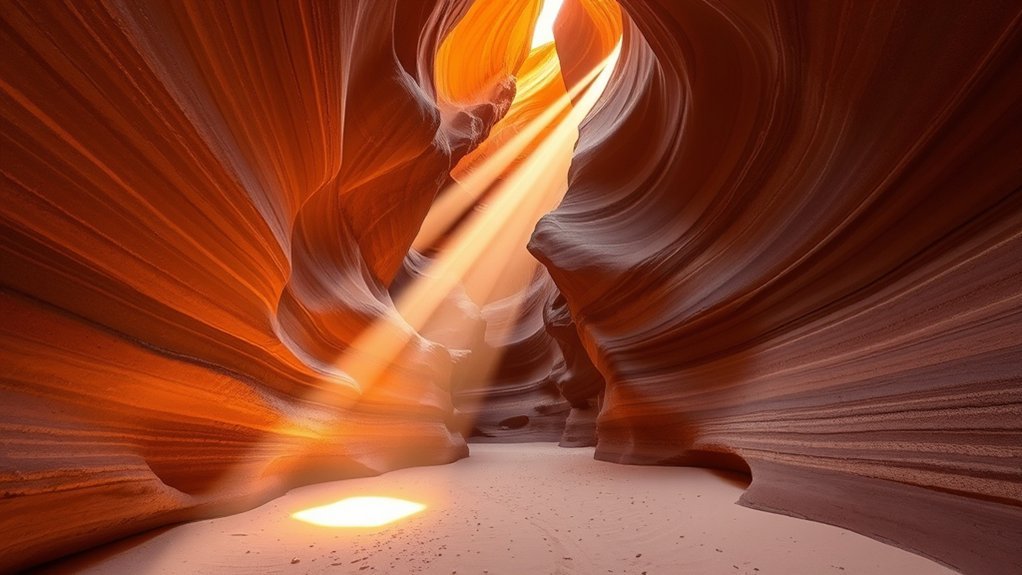
Upper Antelope Canyon (Tsé bighánílíní): Famous for its dramatic midday summer light beams and sweeping A-frame sandstone walls. Because entrance and exit occur at ground level without stairs, it is the most accessible for varied age groups, though it experiences heavy visitor volume.
Lower Antelope Canyon (Hazdistazí): Shaped like a narrow “V,” this canyon requires descending and ascending multiple flights of bolted steel staircases and navigating tighter passageways. The dynamic angles and cooler morning light offer exceptional photo opportunities.
Antelope Canyon X: Located further up the same wash system, Canyon X offers two distinct slot segments with significantly fewer crowds than Upper or Lower Antelope, providing a quieter, contemplative hike.
Wire Pass to Buckskin Gulch: Stretching along the Arizona–Utah border within the Vermilion Cliffs National Monument, Buckskin Gulch is the longest continuous slot canyon in the United States. Entering via Wire Pass bypasses miles of open wash, leading hikers directly through deep sandstone narrows and boulder choke-stones.
When to Go: Seasons and Timing
Timing your slot canyon trip requires balancing comfortable ambient temperatures, solar angles for optimal lighting, and regional seasonal precipitation.
Best Months to Visit
The optimal travel windows are spring (March through May) and autumn (September through November). During these months, daytime desert temperatures hover comfortably between 60°F and 80°F, and regional flash flood hazards remain relatively low.
| Season / Months | Weather & Trail Conditions | Trip Considerations |
|---|---|---|
| March – May | Mild (60°F–78°F), clear skies, occasional spring winds | Prime hiking weather; book permits 3–4 months early |
| June – August | Intense heat (95°F–105°F), active monsoon thunderstorms | Best for iconic light beams; high flash flood closure risk |
| September – November | Crisp, dry, cooling temperatures (65°F–80°F) | Rich ambient colors, excellent trail conditions, lower crowd density |
| December – February | Cold (35°F–50°F), icy shaded corridors, short daylight | Maximum solitude, lowest tour rates; dress in thermal layers |
Time-Of-Day Considerations
The type of visual experience inside a slot canyon depends directly on solar angles:
- Midday (10:30 AM – 1:30 PM): When the sun reaches its zenith during late spring and summer (May through September), direct sunshafts penetrate the narrow roof of Upper Antelope Canyon, creating the famous light beams. Expect higher tour prices, maximum crowds, and high dynamic range challenges.
- Early Morning (8:00 AM – 10:00 AM) & Late Afternoon (2:00 PM – 4:00 PM): As the sun sits lower in the sky, indirect sunlight bounces off the upper walls, flooding the canyon interior with rich reds, golds, and deep violets. This is the best window for capturing saturated stone textures without harsh, blown-out highlights.
Permits, Guided Tours, and Access Rules
Land management in Arizona is divided between tribal sovereign nations, federal public lands, and state parks. Understanding which agency manages your destination is essential to booking legal, responsible access.
Permit Requirements
1. Navajo Nation Lands: All branches of Antelope Canyon, Canyon X, Secret Canyon, and Waterholes Canyon reside within the Navajo Nation. Per tribal regulations managed by Navajo Nation Parks & Recreation, non-tribal visitors cannot enter these areas without a certified Navajo tour guide. The mandatory Navajo Nation park entry fee ($8 per person) is typically bundled directly into commercial tour operator bookings.
2. Bureau of Land Management (BLM) Lands: Wire Pass, Buckskin Gulch, and the Paria Canyon-Vermilion Cliffs Wilderness do not require guided tours for day hiking. However, day-use permits ($6 per person and dog) must be purchased in advance online through Recreation.gov or via mobile self-pay kiosks at the trailhead prior to descending.
Pro Tip: Popular tour windows for Upper and Lower Antelope Canyon frequently sell out 4 to 6 months in advance for peak spring and autumn dates. Always secure canyon tour reservations before booking flights or regional lodging in Page or Kanab.
Guided Tour Options
When selecting an authorized tour company for tribal canyons, consider the following tour formats:
- Standard Sightseeing Tours: 60- to 90-minute guided walks focused on canyon geology, Navajo history, and mobile-phone photography tips. Group sizes generally range from 10 to 15 people.
- Specialized / Small-Group Experiences: Private or semi-private excursions offered in lesser-visited corridors like Canyon X or Secret Canyon that provide a slower pace and extra time for detailed compositions.
Safety Essentials and Flash Flood Awareness
Slot canyons are sculpted entirely by raging floodwaters, making flash floods an inherent, life-threatening danger. Sandstone slot corridors act as natural funnels; a localized rainstorm miles away can quickly send a wall of water, mud, and debris crashing through narrow passages with zero escape routes.
Warning: Never enter a slot canyon if rain is forecasted anywhere within the surrounding drainage basin. Review flash flood watches and hydrological updates from the National Weather Service before departing, and immediately seek high ground if you hear an upstream roar, feel sudden changes in airflow, or notice water turning brown or murky.
Essential backcountry safety rules for non-guided slot canyons (like Buckskin Gulch):
- Identify Natural Escape Points: Scout topographic maps for pour-offs, bypass trails, or wide bench sections where you can climb above potential flood levels.
- Carry Satellite Communication: Cell phones have zero reception inside deep sandstone corridors. Carry a dedicated satellite messenger (such as a Garmin inReach) for emergency two-way communication.
- Hydration & Thermal Protection: Carry a minimum of 3 to 4 liters of water per person for desert approaches. Shaded slot interiors remain significantly colder than surface terrain; bring packable windproof and thermal layers.
Gear, Photography Tips, and Leave No Trace Practices
Navigating narrow, dusty, and sandy canyons requires lightweight, durable gear and mindful technical photography habits.
“Take only pictures, leave only footprints, and respect the living cultural landscape of tribal and public canyon lands.”
Essential Gear Checklist:
- Footwear: Sturdy trail running shoes or hiking boots with deep vibram lugs for traction on sandstone slabs, boulder jams, and loose river gravel.
- Sand Protection: Breathable trail gaiters to keep fine sand out of your footwear; protective lens wraps or dry bags to protect camera gear from blowing dust.
- Headlamp: A high-lumen headlamp with extra batteries for deeply recessed canyon bends and early morning departures.
Camera & Smartphone Photography Rules:
- Understand Gear Bans: Commercial Antelope Canyon tours prohibit tripods, monopods, gimbals, and action cameras on extendable poles. Practice handheld shooting at higher ISO levels (ISO 800–3200) with wide apertures ($f/2.8$ to $f/4$).
- Exposure Management: Turn on your camera’s HDR setting or underexpose by -0.7 EV on smartphones to prevent the bright sky openings from blowing out the highlights while preserving shadow detail in the swirling rock formations.
- Leave No Trace: Never scratch names, carve initials, or deface sandstone walls. Pack out all solid waste, food scraps, and toilet paper, and stay strictly on designated approach paths across delicate biological soil crusts.
Planning Your Trip: Routes, Difficulty, and Nearby Amenities
Most Arizona slot canyon adventures center around three primary regional hubs, offering varying levels of lodging, services, and trail access.
Note: High-clearance 4WD vehicles are strongly recommended for accessing unpaved trailheads like Wire Pass / Buckskin Gulch along House Rock Valley Road, which can quickly become impassable when wet.
- Page, Arizona: The primary basecamp for Upper and Lower Antelope Canyon, Antelope Canyon X, Waterholes Canyon, and Horseshoe Bend. Offers full amenities, hotels, RV resorts, and airport access.
- Marble Canyon / Lees Ferry: Gateway for Cathedral Wash and Colorado River access. Features rustic lodges, historic sites, and fly-fishing outfitters.
- Kanab, Utah: Located just across the northern state border, Kanab is the ideal launch point for Buckskin Gulch, Wire Pass, and the Paria River corridor.
Frequently Asked Questions
Are there slot canyons in Arizona accessible to wheelchair users?
Natural slot canyons are not ADA-compliant or fully wheelchair accessible due to natural geographic features like deep sand, narrow bedrock chokes, and steep steel ladder systems (such as those in Lower Antelope Canyon). Upper Antelope Canyon offers flat ground-level walking from the transport vehicle, and select tour operators can assist visitors with limited mobility to canyon entry points upon advance inquiry.
Can I bring my dog into Arizona slot canyons?
No pets are allowed on commercial tours inside Navajo Nation canyons (including Upper and Lower Antelope Canyon). On BLM public lands, such as Wire Pass and Buckskin Gulch, leashed dogs are permitted with a paid $6 day-use permit; however, pet owners must be prepared to lift their dogs down steep 8- to 10-foot boulder choke-stones and wooden/metal ladders.
Are drones allowed for photography in slot canyons?
No. Drone operation is strictly prohibited throughout Navajo Tribal Parks, National Park Service units (Glen Canyon NRA), and narrow BLM wilderness recreation corridors. Flying drones inside slot canyons creates extreme noise disturbance, hazards for hikers, and wildlife disruption.
Do slot canyons have cell service or emergency beacons?
Cellular phones do not receive reliable signals inside deep sandstone slot canyons. If you are exploring non-guided wilderness slots like Buckskin Gulch, carry a dedicated two-way satellite messenger (e.g., Garmin inReach or ACR Bivy Stick), and always leave your exact itinerary and expected return time with an emergency contact.
Can I camp overnight inside a slot canyon?
Camping directly inside narrow slot canyon corridors is strictly prohibited due to severe flash flood dangers. In the Paria Canyon-Vermilion Cliffs Wilderness, overnight backpacking is permitted only in designated open bench sections and requires a competitive backcountry permit issued via Recreation.gov. Overnight camping is prohibited in all Navajo Nation day-use slot canyons.
Sources
- Navajo Nation Parks & Recreation — Official tribal park rules, authorized tour operator mandates, and entry permits.
- Bureau of Land Management: Vermilion Cliffs — Trail logistics, day-use guidelines, and wilderness preservation standards for Wire Pass and Buckskin Gulch.
- National Weather Service: Flash Flood Safety — Hydrological safety protocols, regional monsoon tracking, and desert flood dynamics.
- Recreation.gov — Reservation portal for BLM Paria Canyon and Vermilion Cliffs day-use and backcountry permits.
Conclusion
Exploring Arizona’s sculpted sandstone corridors is one of the American Southwest’s premier outdoor adventures. By securing your Navajo guided tour reservations or BLM permits well in advance, scheduling around the seasonal monsoon window, and respecting both tribal land rules and Leave No Trace principles, you can safely experience the breathtaking light, shadow, and geological wonder of Arizona’s slot canyons.