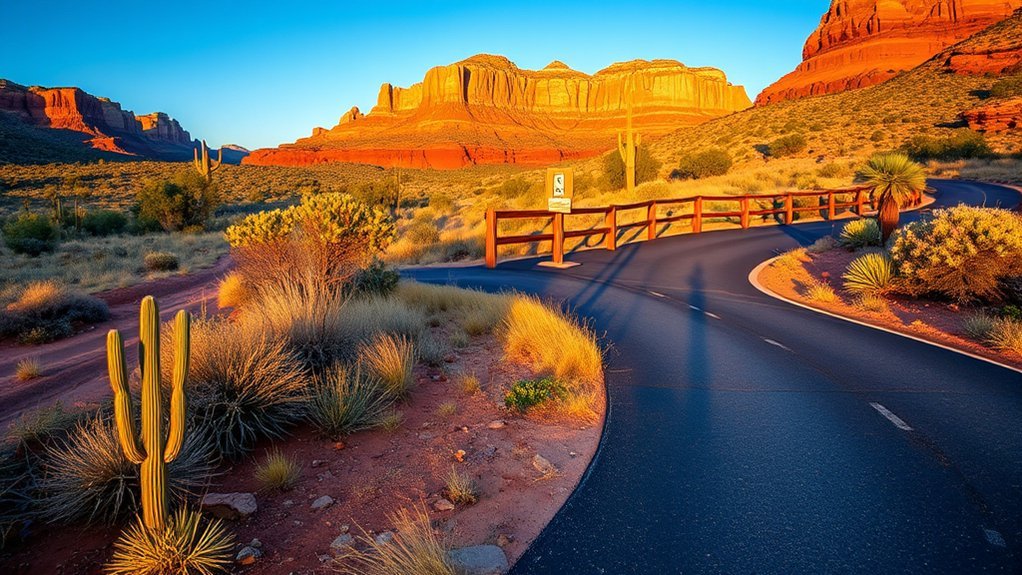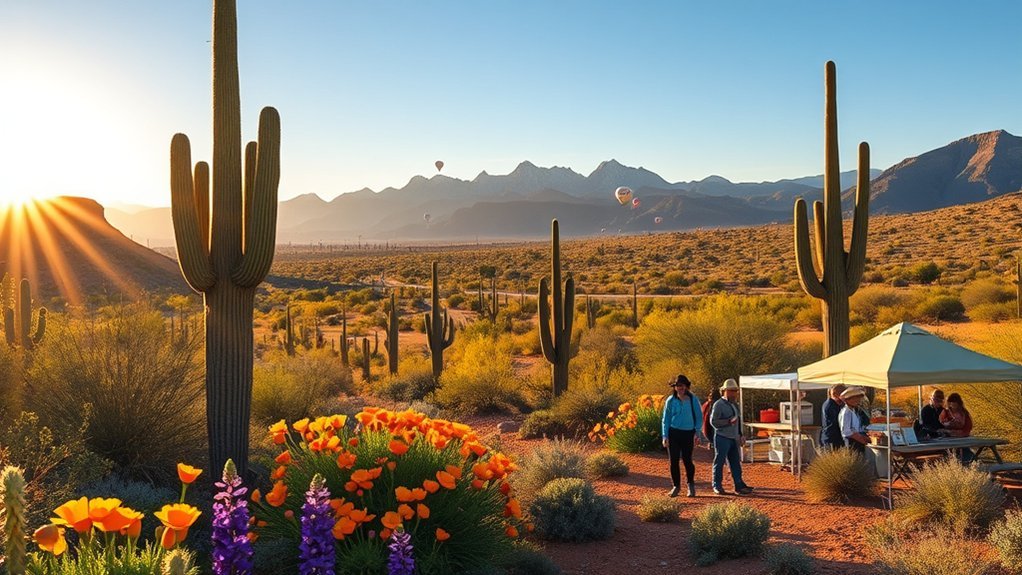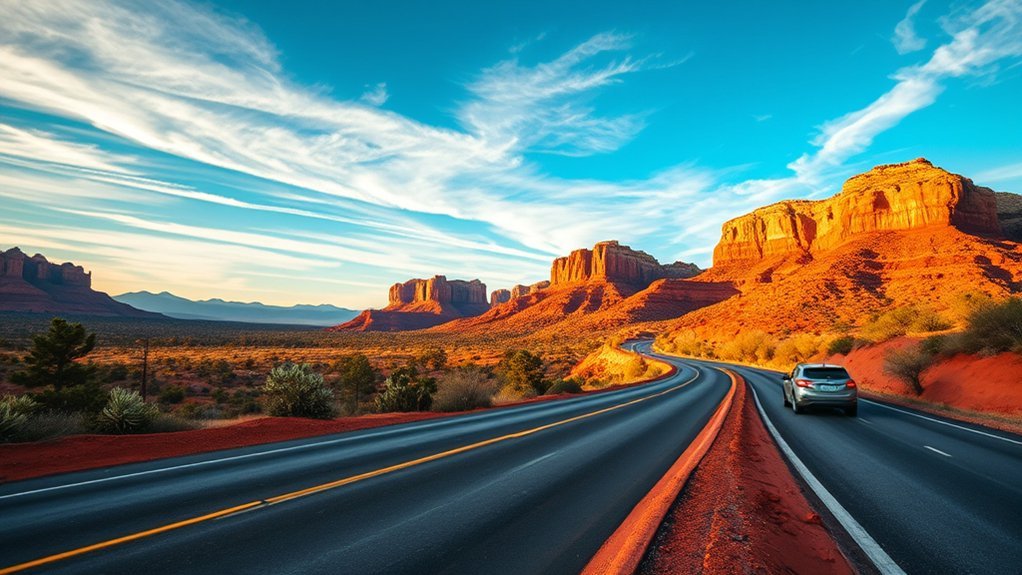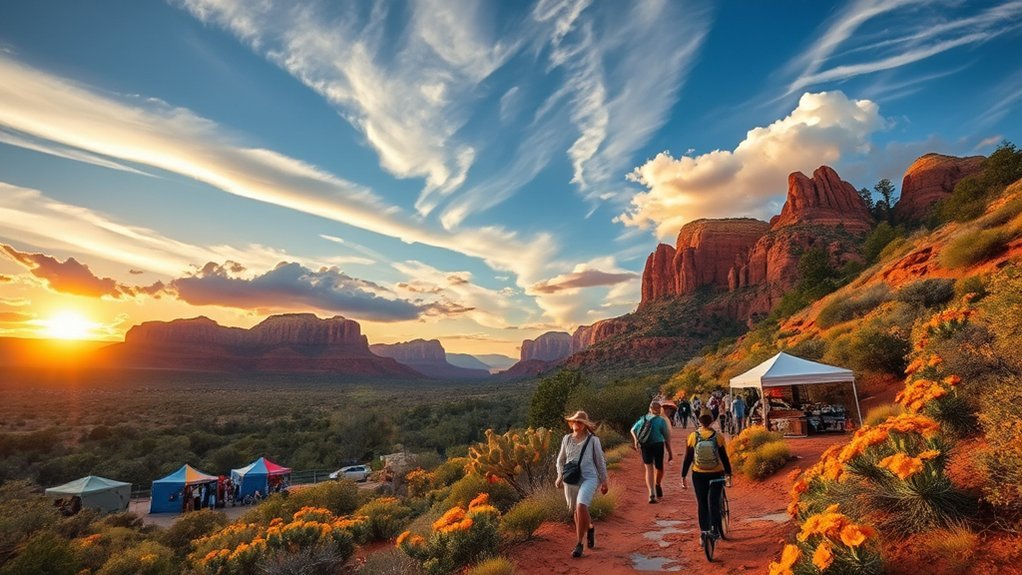
September is a transition month in Arizona, but it does not mean the same weather everywhere. Phoenix and Tucson can still feel like summer, while Flagstaff and the Grand Canyon high country bring much cooler mornings and nights. Monsoon thunderstorms can also continue into September, so the best trips combine early starts, flexible plans, layers, sun protection, and daily weather checks.
Quick Answer
Arizona in September is hot in the low deserts, cooler in mountain towns, and still capable of monsoon thunderstorms. Plan desert activities for early morning, carry sun and rain protection, pack layers for higher elevations, check forecasts before hikes or drives, and keep plans flexible around flash-flood, lightning, and dust-storm risks.
Key Takeaways
- Phoenix and Tucson are still hot in September, so schedule exposed desert hikes for the coolest part of the morning.
- Flagstaff, the Grand Canyon rims, and other high-elevation areas can feel dramatically cooler, especially after sunset.
- Arizona’s monsoon normally begins winding down during September, but thunderstorms, lightning, flash floods, strong winds, and blowing dust can still disrupt plans.
- Carry water, electrolytes or salty food, sun protection, a light rain layer, sturdy footwear, and an extra warm layer when visiting higher elevations.
- September 2026 includes several confirmed events in Flagstaff, while event schedules elsewhere should be checked again before travel.
- Road and trail conditions can change after storms, so check official alerts before remote hikes and scenic drives.
September Climate and Monsoon Patterns Across Arizona
September brings noticeable seasonal change to Arizona, but elevation matters more than the calendar alone. Low-desert cities can remain extremely hot while mountain communities become comfortable during the day and chilly at night.
At Phoenix Sky Harbor, the National Weather Service’s 1991–2020 September normals are about 100.4°F for the average high and 78.1°F for the average low. Tucson’s September normals are about 95.1°F for the average high and 70.4°F for the average low. Flagstaff is far cooler because it sits near 7,000 feet, with historical September normals around the low 70s during the day and low 40s at night.
| Area | September Feel | Planning Priority |
| Phoenix / Scottsdale | Very hot days and warm nights | Outdoor activity at dawn; indoor or shaded plans during peak heat |
| Tucson | Hot desert days with possible monsoon storms | Early hikes and close attention to afternoon weather |
| Sedona / Verde Valley | Warm days with cooler mornings than the low desert | Morning trails; storm awareness around canyons and washes |
| Flagstaff | Mild days and cool to chilly nights | Bring a warm evening layer and rain protection |
| Grand Canyon high country | Comfortable rim weather but much hotter conditions below the rim | Do not assume rim temperatures represent inner-canyon conditions |
The National Weather Service notes that northern Arizona’s monsoon generally begins to wind down during September. Longer dry breaks become more common, but lingering monsoon moisture can still combine with weather systems to produce thunderstorms and severe weather.
That means a clear morning does not guarantee a dry afternoon. Check the forecast before leaving cell service, especially before entering slot canyons, narrow drainages, normally dry washes, or remote mountain terrain.
Note: Arizona does not have one statewide September climate. A drive from Phoenix to Flagstaff can take you from intense desert heat into weather that requires a jacket after sunset.
Packing Essentials for Daytime Heat and Cooler Desert Nights
Pack for both elevation and weather changes. A Phoenix afternoon may call for the lightest clothing you own, while a Flagstaff evening can feel cool enough for fleece. A compact rain layer is also useful because monsoon thunderstorms can still occur.
Lightweight Breathable Layers
Choose clothing that handles heat, sweat, and rapid temperature changes without filling your bag. Moisture-wicking synthetic fabrics or lightweight merino work well for active days, while a thin long-sleeve shirt adds sun coverage.
- Moisture-wicking shirt: dries faster than heavy cotton during hot hikes.
- Light long-sleeve layer: adds sun and wind protection.
- Packable fleece or light jacket: useful in Flagstaff, the Grand Canyon high country, Mount Lemmon, and other elevated areas.
- Light rain shell: useful during lingering monsoon showers.
- Comfortable hiking pants or shorts: choose based on trail exposure and elevation.
Sun Protection Essentials
Arizona’s September sun remains strong. Bring a broad-brim hat, UV-protective sunglasses, protective clothing, lip balm with SPF, and broad-spectrum sunscreen. The U.S. Food and Drug Administration advises applying sunscreen before sun exposure and reapplying at least every two hours, or more often after swimming or heavy sweating.
- Broad-spectrum sunscreen
- Wide-brim hat or other secure sun hat
- UV-blocking sunglasses
- Light long sleeves
- SPF lip balm
Warm Evening Pieces
A warm layer matters most when your itinerary includes northern Arizona or mountain elevations. Flagstaff, Grand Canyon rim areas, and other high-country destinations can cool quickly after sunset.
- Light fleece jacket
- Packable insulated vest or jacket
- Thin beanie for cold-sensitive travelers
- Lightweight pants for evening walks and stargazing
Other Useful September Gear
- Water and electrolyte replacement: especially for hiking in hot, dry conditions.
- Sturdy footwear: wet rock, loose desert soil, and steep trails can become slippery.
- Offline map: cell coverage is unreliable in many remote areas.
- Power bank: useful for navigation and weather alerts.
- Small first-aid kit: carry one on longer hikes and remote drives.
- Extra water in the vehicle: useful on long desert highways.
Best Outdoor Activities: Hiking, Biking, and Scenic Drives
September can be excellent for outdoor travel if you match the activity to the location and time of day. The low desert still demands heat precautions, while northern Arizona offers cooler conditions for longer outings.
Morning Desert Hikes
In Phoenix, Scottsdale, and Tucson, start exposed hikes around sunrise rather than treating September as fall weather. The National Park Service and U.S. Forest Service both stress avoiding the hottest part of the day when extreme heat is a concern.
The Grand Canyon’s Hike Smart guidance also recommends carrying water plus electrolyte replacement and remembering that water sources on trails may be unavailable.
- Check the hourly forecast before starting.
- Know your turnaround time before the hike begins.
- Carry enough water for the full route instead of depending on natural sources.
- Bring salty snacks or another source of electrolytes on strenuous hot-weather outings.
- Turn around if heat, thunder, rising water, or fatigue changes the risk.
Pro Tip: If you want a longer hiking day in September, choose higher elevation rather than simply starting a longer desert route later. Flagstaff, the Mogollon Rim, and Mount Lemmon can offer much cooler conditions than Phoenix or Tucson.
Mountain Biking Trails
Arizona’s riding terrain ranges from desert singletrack to pine forest. Sedona is known for technical red-rock riding, while Flagstaff offers high-country trails that can feel much cooler in September.
Carry a pump, tire repair supplies, multi-tool, water, and navigation. Check trail conditions after storms because saturated or muddy trails may be damaged by riding. Give hikers and equestrians appropriate space and follow posted trail-direction rules.
Scenic Highway Drives
September’s changing light makes road trips especially rewarding, but storm damage, construction, and unpaved sections make current road checks essential.
- U.S. 89A: links several dramatic northern Arizona landscapes and communities.
- Historic Route 66: combines high-desert scenery with classic roadside towns.
- Mount Lemmon / Catalina Highway: climbs from the Tucson desert into cooler mountain terrain.
- Apache Trail / SR 88: offers rugged desert scenery east of Phoenix, but drivers should check current conditions before going.
The Arizona Department of Transportation reports that the five-mile unpaved section of SR 88 from Fish Creek Vista to near Reavis Trailhead Road has reopened. Conditions and restrictions can change, so confirm the route before relying on it for a through-drive.
Top Arizona Towns to Visit in September
September works especially well for travelers who combine destinations at different elevations instead of spending the entire trip in one climate zone.
Flagstaff
Choose Flagstaff for pine forests, cool evenings, downtown restaurants, stargazing, and easy access to northern Arizona road trips. Pack a jacket for nights even when the afternoon feels mild.
Sedona
Sedona’s red-rock scenery is striking in early and late light. Start hikes early, watch for storm development, and be cautious around canyon drainages when rain is possible upstream.
Prescott
Prescott combines a historic downtown with lakes, trails, and a milder high-desert climate than Phoenix. September is also active for community events.
Bisbee
Bisbee is a good choice for travelers interested in historic architecture, galleries, steep streets, and mining history. Its higher elevation can make it more comfortable than lower desert cities.
Tucson
Tucson remains hot in September, but sunrise hikes, evening dining, desert scenery, museums, and the drive toward Mount Lemmon create a useful mix of indoor and outdoor options.
Phoenix and Scottsdale
These cities are still in hot-weather mode during September. Plan outdoor sightseeing early, then shift to museums, restaurants, spas, galleries, or shaded attractions during the hottest hours.
Seasonal Foods, Farmers’ Markets, and Harvest Finds
September can bring a mix of late-summer and early-fall produce to Arizona markets, but the exact harvest depends on elevation, farm, weather, and vendor. Rather than expecting the same produce statewide, check the market’s current vendor list before making a special trip.
You may encounter roasted chiles, tomatoes, melons, corn, squash, herbs, local honey, tortillas, baked goods, preserves, and regional fruit. Higher-elevation areas may begin showing more fall-oriented produce while the low desert remains firmly in warm-season conditions.
- Taste: fresh tortillas, roasted chiles, salsas, local honey, and prickly pear products.
- Cook: use whatever is freshest that week rather than building a menu around a fixed statewide harvest calendar.
- Ask: vendors can often tell you where an item was grown and when its season normally ends.
- Check hours: market schedules may change with weather, holidays, and seasonal operating hours.
Popular September Festivals, Concerts, and Cultural Events
September 2026 has several confirmed events in northern Arizona. Dates and programs can still change, so verify the organizer’s calendar shortly before travel.
According to Discover Flagstaff’s 2026 festival calendar, scheduled September events include:
- Coconino County Fair: September 4–7, 2026
- Flagstaff Art in the Park: September 5–7, 2026
- Flagstaff Music Festival: September 12, 2026
- Southwest Flow Festival: September 18–19, 2026
- Pickin’ in the Pines: September 18–20, 2026
- Flagstaff Festival of Science: begins September 25 and continues into October 2026
Prescott’s city event calendar also lists the Prescott Highland Games for September 25–27, 2026 at Watson Lake. If an event is central to your trip, book lodging early and check parking or road-closure information before arrival.
Note: The Arizona State Fair is not a September event in 2026. Its announced 2026 dates are October 1 through November 1.
Safety Tips: Heat, Flash Floods, Lightning, Dust, and Wildlife
September does not eliminate Arizona’s summer hazards. Heat, thunderstorms, flash flooding, lightning, strong outflow winds, and blowing dust can all affect travel.
Warning: Never enter a flooded wash or narrow canyon simply because rain is not falling where you are. Flash flooding can arrive from storms upstream. If a Flash Flood Warning affects your route, move away from washes and low areas and seek higher ground.
Heat Safety
- Begin exposed desert hikes early.
- Carry water plus food or electrolytes appropriate for your activity.
- Use shade when available.
- Do not push toward a summit or destination after developing heat-illness symptoms.
- Remember that the inner Grand Canyon can be dramatically hotter than the rim.
Flash-Flood Safety
The National Weather Service monsoon safety guidance says a Flash Flood Warning means dangerous rapid flooding is occurring or imminent. Move to higher ground and stay away from washes, low-water crossings, and narrow drainage areas.
Lightning Safety
Do not remain on an exposed ridge, overlook, open desert, golf course, lake, or trail to watch a storm approach. When thunder is close enough to hear, seek a substantial building or an enclosed hard-topped vehicle.
Dust-Storm Driving Safety
Thunderstorm outflow can create dense blowing dust with extremely poor visibility. The Arizona Department of Transportation’s Pull Aside, Stay Alive guidance says to avoid driving into a dust storm when possible.
If you can safely leave the roadway, pull completely off the pavement, stop, turn off vehicle lights including flashers, set the parking brake, take your foot off the brake so the brake lights are not illuminated, stay buckled inside the vehicle, and wait for the dust to pass. Never stop in a travel lane.
Wildlife Awareness
- Give wildlife plenty of space.
- Never feed wild animals.
- Keep food secured at campsites.
- Watch where you place hands and feet around rocks, brush, and warm surfaces.
- Follow local bear, snake, and food-storage guidance for the area you are visiting.
September may look calmer than midsummer, but Arizona’s monsoon hazards do not disappear on a fixed date. Check the forecast and alerts before every remote hike, canyon trip, or long scenic drive.
Photography Tips for Capturing Monsoon Skies and Landscapes
September can produce dramatic clouds, rain shafts, reflections, and changing light, but safety must come before the photograph.
Scout compositions before storms arrive. A wide lens works well for large cloud structures, while a telephoto lens can isolate distant rain shafts or mountain layers. Shoot RAW when possible if you want more flexibility recovering highlights and shadows.
- Storm clouds: expose carefully for bright cloud highlights.
- Rain shafts: a telephoto lens can make distant rainfall more prominent.
- Reflections: wet pavement and puddles can create strong foreground detail after a storm has passed.
- Sunrise and sunset: arrive early so you are not rushing to set up in changing weather.
- Lightning: use a remote or lightning trigger only from a genuinely safe location.
Warning: Do not set up a tripod on an exposed overlook, ridge, open desert, or other outdoor location while lightning is nearby. The National Weather Service states that no outdoor location is safe when thunderstorms are close. Photograph from inside a substantial building or enclosed hard-topped vehicle instead.
Frequently Asked Questions
Are there any national park entrance fee-free days in September 2026?
Yes. The National Park Service lists September 17, 2026, Constitution Day, as a fee-free entrance day. Beginning in 2026, NPS says these designated fee-free days apply to U.S. citizens and residents; nonresidents pay regular entrance fees and any applicable nonresident fees. Other charges such as camping or reservation fees can still apply.
What are typical nighttime temperatures in Flagstaff in September?
Historical National Weather Service September data put Flagstaff’s normal nighttime temperatures around the low 40s°F, although individual nights can be warmer or colder. Bring a fleece or light insulated jacket for evening dining, camping, or stargazing.
Can I find guided stargazing tours in September?
Yes. Flagstaff and other northern Arizona destinations have astronomy programs and stargazing experiences. Availability changes by date, moon phase, weather, and operator, so reserve ahead and confirm the night’s forecast before leaving.
Are drones allowed in Arizona national parks?
Generally, no. National Park Service policy prohibits launching, landing, or operating uncrewed aircraft from lands and waters administered by the NPS except for limited authorized exceptions. Arizona state parks, tribal lands, national forests, municipal parks, and other properties may have different rules, so check the specific land manager before flying.
Do rental-car policies change during monsoon season?
There is no universal Arizona rule that changes standard rental contracts solely because it is monsoon season. Terms remain company-specific. Before leaving, inspect tires and wipers, understand roadside-assistance and insurance terms, and never drive through flooded washes or into dense blowing dust.
Does Arizona’s monsoon end in September?
It normally begins winding down during September, especially in northern Arizona, but thunderstorms and dangerous flooding can continue. Treat the forecast and current warnings as more important than the calendar date.
Is September a good time to visit Sedona and the Grand Canyon?
Yes, with careful planning. Sedona can still be warm, so hike early. Grand Canyon rim temperatures are usually much cooler than the low desert, but the inner canyon can remain dangerously hot. Thunderstorms and flash-flood risks also need to be checked before hikes.
What should I pack for Arizona in September?
Pack breathable daytime clothing, sun protection, sturdy footwear, a refillable water supply, electrolyte replacement or salty snacks for strenuous outings, a light rain shell, and a warm layer for high-elevation nights. An offline map and power bank are also useful for remote travel.
Conclusion
Arizona in September gives you several seasons in one trip. You can start a morning in intense Sonoran Desert heat, drive into cooler pine country, and need a jacket by evening. That variety is part of the appeal, but it also makes preparation important.
Plan desert activities early, carry water and sun protection, add a warm layer for higher elevations, and keep rain protection nearby. Most importantly, check current weather, flash-flood warnings, lightning conditions, road status, and event schedules before committing to remote plans. With that flexibility, September can be an excellent month for Arizona trails, scenic drives, towns, markets, festivals, and dramatic landscapes.
Sources
- National Weather Service Flagstaff: Northern Arizona Monsoon Season — September monsoon timing and hazards.
- National Weather Service Tucson: Monsoon Safety — flash-flood and severe-weather safety.
- National Park Service: Entrance Passes and 2026 Fee-Free Days — September 17, 2026 fee-free entrance information.
- National Park Service: Uncrewed Aircraft in National Parks — NPS drone restrictions and jurisdiction.
- Arizona Department of Transportation: State Route 88 / Apache Trail — current Apache Trail reopening and road information.
- Discover Flagstaff: 2026 Festivals — confirmed September 2026 event dates.