Arizona works especially well for a short getaway because one weekend can look completely different from the next. You can hike among Sedona’s red rocks, explore old mining streets in Jerome, cool off in the pines around Flagstaff, eat your way through Tucson, or spend a longer weekend looking into the Grand Canyon. The best choice depends on the season, your driving tolerance, and how active you want to be.
Quick Answer
For a quick Arizona weekend, choose Sedona for red-rock hiking and spas, Jerome and Cottonwood for history and wine, Prescott for a relaxed small-town escape, Tucson for Sonoran Desert scenery and food, Flagstaff for pines and stargazing, or the Grand Canyon South Rim when you have time for a longer drive.
Key Takeaways
- Sedona is one of the strongest all-around choices for hiking, scenery, galleries, dining and spa time.
- Jerome and Cottonwood pair naturally for a slower weekend centered on mining history, art, restaurants and Verde Valley wine.
- Prescott and Flagstaff are useful high-country alternatives when Arizona’s lower deserts are extremely hot.
- Summer desert hiking requires early starts, plenty of water and careful attention to heat and monsoon forecasts.
- Havasupai is not a spontaneous day hike. Advance tribal permits and a multi-night booking are required.
- Always check official park, forest, fire and road conditions immediately before leaving because closures and restrictions can change.
Best Places to Visit This Weekend
Looking for a quick escape? Arizona gives you several very different choices within one state. The easiest way to narrow them down is to decide whether you want red-rock adventure, small-town wandering, cooler mountain weather, desert culture or a major national-park trip.
| Destination | Best For | Weekend Style |
|---|---|---|
| Sedona | Red rocks, hiking, spas, art | Active but easy to customize |
| Jerome + Cottonwood | History, galleries, food, wine | Slow and walkable |
| Prescott | Historic center, lakes, trails | Relaxed high-country break |
| Tucson | Sonoran scenery, food, culture | City-and-desert weekend |
| Flagstaff | Pines, mountain trails, stargazing | Cooler outdoor escape |
| Grand Canyon South Rim | Iconic scenery and rim walks | Longer, sightseeing-focused weekend |
Sedona: Best for Red Rocks, Hiking, Art, and Spas
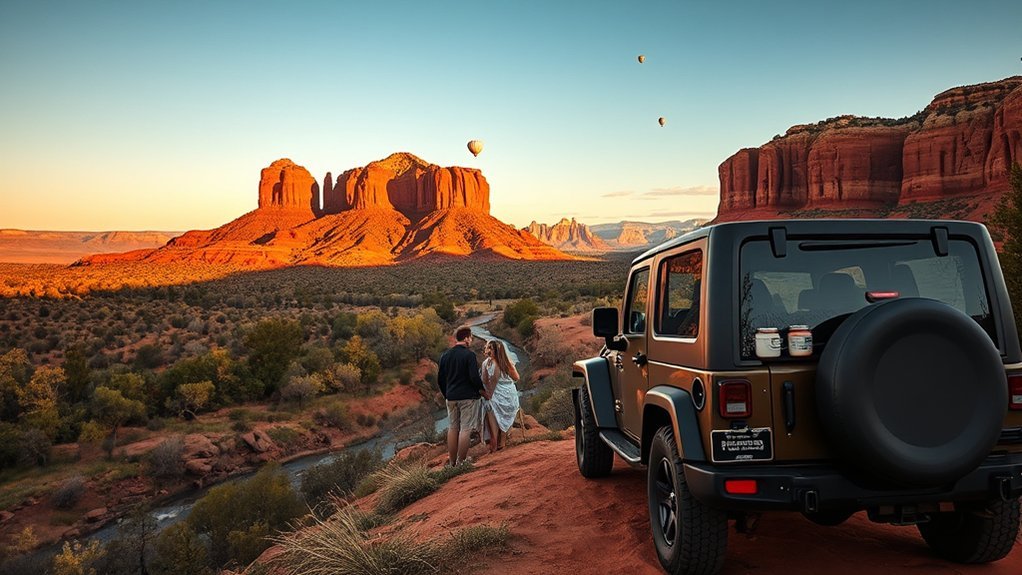
Sedona remains one of Arizona’s easiest places to build a full weekend around. Start early with red-rock scenery, spend the middle of the day in galleries, cafés or a spa, then return outside for sunset. The official Visit Arizona Sedona guide highlights hiking, Jeep tours, art and the changing experience across all four seasons.
Cathedral Rock is an iconic choice, but do not mistake it for a gentle sightseeing loop. The Coconino National Forest describes Cathedral Rock Trail No. 170 as steep, unshaded and difficult in places, with sections that feel more like climbing than ordinary hiking.
Note: Sedona uses free trailhead shuttle routes for several busy locations, including Cathedral Rock. Parking access can change while shuttle routes are operating, so check the City of Sedona’s latest shuttle information before driving to a trailhead.
Jerome and Cottonwood: Best for a Slower Two-Town Escape
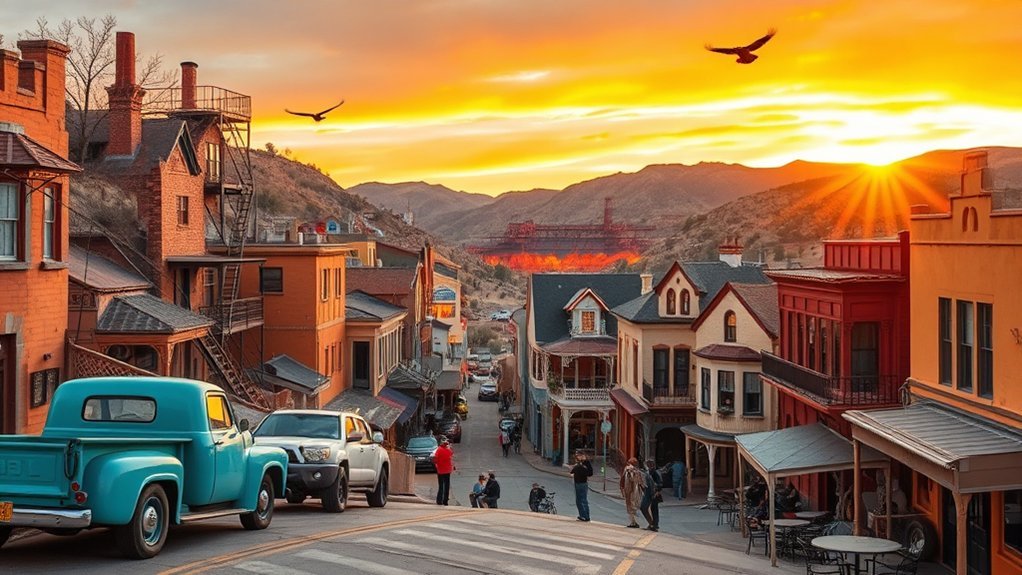
If you would rather wander than tackle a difficult hike, pair Jerome with Cottonwood. Jerome’s steep streets preserve the atmosphere of an old mining town while galleries, shops and restaurants keep the center lively. Jerome State Historic Park adds real mining history through the Douglas Mansion, artifacts, photographs and exhibits overlooking the Verde Valley.
Then continue to Cottonwood for Old Town restaurants, tasting rooms and an easier evening pace. Visit Arizona even publishes a dedicated 48-hour Jerome and Cottonwood itinerary, making this combination particularly well suited to a weekend.
Prescott: Best for Courthouse-Square Charm and Outdoor Time
Prescott works well when you want small-town atmosphere without giving up access to trails and lakes. Walk around the historic courthouse area, explore downtown shops and restaurants, then add an outdoor stop around the surrounding lakes or trail system. The official Visit Arizona Prescott guide highlights the city’s historic character and extensive hiking, biking and equestrian recreation.
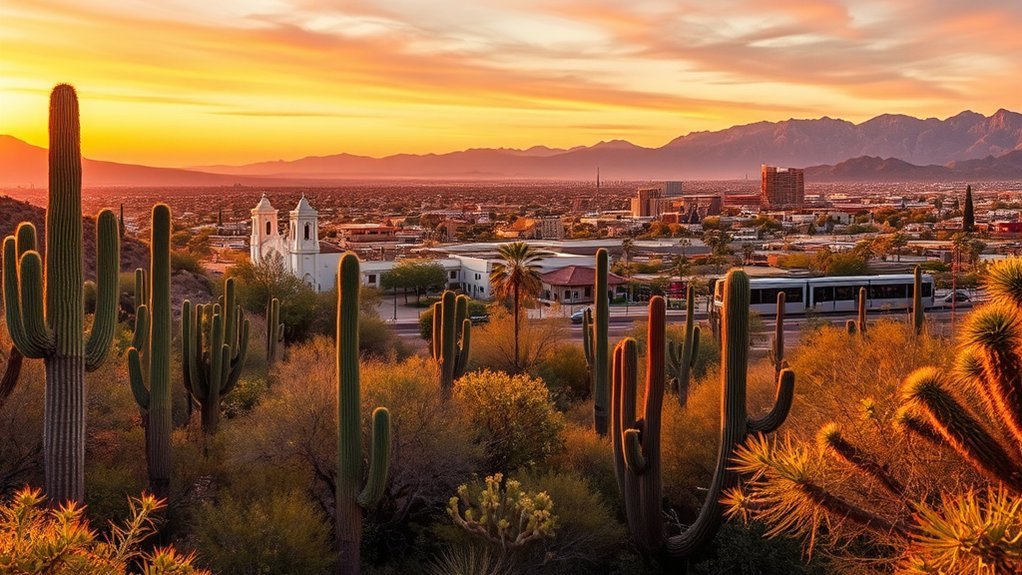
Tucson: Best for Sonoran Desert Scenery and Food
Tucson blends desert landscapes with a much deeper urban food and cultural scene than a simple hiking trip. Explore neighborhoods and markets, make time for regional Mexican and Sonoran flavors, and add Saguaro National Park when conditions are comfortable.
Summer changes the equation. The National Park Service advises visitors to avoid strenuous activity during the hottest part of the day and to start early or near sunset. Monsoon storms can also produce flash flooding in washes and canyons. Check Saguaro National Park hiking safety information immediately before heading out.
Flagstaff: Best for Pines, Mountain Air, and Stargazing
Flagstaff is a strong choice when you want a high-country feel instead of lower-desert heat. Spend the day among pine forests or mountain trails, then make nighttime part of the itinerary. Lowell Observatory offers astronomy programs and astrophotography courses, giving you a more structured alternative to simply driving into the dark and hoping for clear skies.
Grand Canyon South Rim: Best for a Longer Weekend
The Grand Canyon is worth treating as the centerpiece of the weekend rather than one stop on an overloaded road trip. Spend time at overlooks, walk portions of the Rim Trail and catch changing light rather than assuming you need an extreme hike to experience the park.
If you hike below the rim, remember that descending is the easy half. The National Park Service specifically warns visitors not to attempt a rim-to-river-and-back hike in a single day, especially during the hotter months. Review the park’s official day-hiking guidance before choosing a route.
Top Outdoor Adventures and Trails
Arizona’s outdoor choices range from red-rock scrambles to alpine trails, but difficulty, elevation and heat vary dramatically. Match the route to the season and your actual fitness instead of choosing only by photographs.
- Cathedral Rock, Sedona: A short but steep and exposed red-rock climb. Start early, wear shoes with reliable traction and turn around if the scrambling feels beyond your comfort level.
- Grand Canyon: Rim walks are excellent for most weekend visitors. Below-rim hikes become much harder on the return climb and can be dangerously hot in summer.
- Humphreys Peak area: Northern Arizona provides strenuous alpine terrain for experienced hikers who want a very different landscape from the Sonoran Desert.
- Coconino National Forest: Camping and dispersed-recreation opportunities are extensive, but legal sites, fire restrictions and temporary closures must be checked before arrival.
- Havasu Creek and Havasupai: The turquoise waterfalls are extraordinary, but this is a permit-controlled destination on Havasupai tribal land, not an unplanned day trip.
Warning: Do not treat Grand Canyon Inner Canyon hiking like an ordinary desert walk. Summer temperatures below the rim can become life-threatening, and the National Park Service advises avoiding strenuous Inner Canyon hiking during the hottest part of the day. Carry adequate water and food, know your limits, and check current water availability and trail conditions before starting.
Havasupai Requires Advance Planning
Havasu Creek deserves special treatment because access is controlled by the Havasupai Tribe. For 2026, all tourist visits require an advance permit, and standard bookings are four days and three nights. Do not drive toward the reservation expecting to buy a casual day-use permit on arrival. Read the official Havasupai reservation information before planning the trip.
Camping and Leave No Trace
You can find developed campgrounds as well as dispersed-camping opportunities on Arizona public lands, including parts of Coconino National Forest. Regulations differ by location. Use existing legal sites, pack out trash, respect fire restrictions, avoid damaging vegetation and never assume an open-looking forest road automatically allows camping.
The Coconino National Forest camping page is a better starting point than relying on an old map, forum post or social-media pin.
Relaxation, Spas, and Stargazing Spots
Not every Arizona weekend needs to be built around difficult trails. Sedona and other resort areas make it easy to pair a short morning walk with massage, yoga, pool time or a long lunch. If the goal is a true reset, choosing one comfortable base can be more relaxing than trying to cross half the state in two days.
Spas and Hot Springs
Arizona has resort spas as well as natural hot-spring areas, but they should not be treated as interchangeable. Remote natural springs may require difficult hiking, scrambling or backcountry travel. Arizona Hot Springs near Lake Mead, for example, is reached by a strenuous, unmaintained route rather than a wheelchair-accessible paved path.
If accessibility is important, contact the specific resort before paying for a stay and ask about the exact feature you want to use. Castle Hot Springs publishes accessibility information for guests with disabilities, but visitors should still confirm the access needed for a particular room, pool or soaking experience.
Stargazing
Arizona’s dark skies can become the main event after sunset. Oracle State Park is an officially recognized dark-sky location and hosts scheduled star parties. Its dark-sky viewing information explains organized viewing opportunities and current access details.
Flagstaff is another excellent base because you can pair outdoor recreation with Lowell Observatory. For a simpler evening, choose a legal dark location away from city lights, allow your eyes time to adjust and use a red flashlight rather than bright white light around other stargazers.
Pro Tip: Build your weekend around one sunrise or sunset and one nighttime activity rather than filling every hour. Leaving open space makes it easier to adjust for weather, traffic, trailhead congestion and fatigue.
Food, Art, and Small-Town Charm
Arizona’s smaller communities make a good counterweight to the state’s big outdoor attractions. In Jerome you can move between mining history, hillside galleries and old storefronts. Cottonwood adds tasting rooms and restaurants. Prescott centers much of its downtown energy around the courthouse area, while Sedona mixes art galleries with red-rock scenery.
Tucson offers the deepest food-focused weekend of the group. Instead of rushing from attraction to attraction, leave room for local cafés, markets and regional dishes. Around the state you may encounter green chile dishes, tacos, mesquite-grilled foods and seasonal market specialties.
| Taste | Sight | Sound |
|---|---|---|
| Green chile stew | Sun-faded mural | Street guitarist |
| Regional tacos | Gallery window | Market chatter |
| Mesquite-smoked meat | Historic storefront | Festival drums |
If Indigenous arts are part of your trip, buy from artists or reputable juried markets when possible. The Museum of Northern Arizona’s annual Heritage Festival of Arts and Culture brings Indigenous artists, cultural representatives and performances together in Flagstaff, with dates changing by year.
Practical Tips for Planning Your Trip
A good Arizona weekend usually works better when you choose one main destination and build around it instead of trying to see Sedona, Tucson and the Grand Canyon in the same two-day trip.
Match the Destination to the Season
- Cooler months: Lower-desert destinations around Tucson and other Sonoran Desert areas become much easier for daytime outdoor activity.
- Spring and fall: Sedona and central Arizona are especially appealing, but popular trails can also be busy.
- Summer: Prescott and Flagstaff can provide alternatives to lower-desert heat. If visiting Tucson or the Grand Canyon’s inner canyon, heat planning becomes a major safety issue.
- Monsoon season: Check forecasts carefully. Storms can create lightning and sudden flash flooding even when rain is not falling directly where you are standing.
Check Conditions Before You Drive
Do not assume a saved itinerary from six months ago is still valid. Wildfires, fire restrictions, road work, flash floods, winter weather, trail damage and transportation changes can affect access. Check the relevant National Park Service, Forest Service, Arizona State Parks or local-government page on the morning you leave.
Keep Your Weekend Itinerary Realistic
Pick one main anchor such as a trail, historic town, national park or spa reservation. Add one or two flexible activities nearby rather than scheduling every hour. That gives you room for an unexpected viewpoint, a long meal, traffic or a weather change.
Pack for Arizona’s Elevation Changes
Arizona is not one climate. A hot afternoon in the lower desert can coexist with much cooler conditions in mountain towns. Bring layers, sun protection, sturdy footwear and more drinking water than you expect to use. Download important maps before entering areas with weak cellular service.
Budget for the Things That Need Reservations
Lodging, guided tours, popular campgrounds and special activities can cost far more than simply walking a downtown area or public trail. Set a daily spending cap, then decide which experience is worth reserving. State parks, national parks and tribal destinations may have separate entrance, reservation or permit systems.
Plan for Accessibility Before Arrival
If anyone in your group has mobility, vision, hearing or other access needs, verify individual attractions before building the itinerary around them. A destination may advertise accessible facilities while a specific trail, historic building, pool or viewpoint has additional limitations.
The best Arizona weekend is usually the one with fewer driving hours, one unforgettable landscape, and enough open time to enjoy where you actually are.
Frequently Asked Questions
Are there pet-friendly wineries or tasting rooms near Sedona?
Yes. Policies vary by property, so check before driving out. One verified option in the Verde Valley is Alcantara Vineyard, which states that it welcomes dogs when they are kept on a leash. Policies can change, and special events may have different rules from normal tasting-room operations.
Can I rent a helicopter for a Grand Canyon tour?
For ordinary sightseeing, you would normally book a commercial helicopter tour rather than rent and operate the aircraft yourself. The National Park Service says helicopter and fixed-wing scenic tours of the Grand Canyon region are offered by operators based outside Grand Canyon National Park. Compare routes, departure locations and current restrictions before booking.
Are there accessible (ADA) hot springs in Arizona?
Do not assume Arizona’s natural hot springs are wheelchair accessible. The Arizona Hot Springs route at Lake Mead, for example, is strenuous and unmaintained, with soft sand, rocks, steep grades and scrambling. Resort properties may provide better accessibility. Castle Hot Springs publishes accessibility information, but contact the property directly to confirm access to the specific room, pool or soaking area you intend to use.
Where can I find guided night photography workshops?
Flagstaff is a strong place to start. Lowell Observatory offers astrophotography courses and astronomy experiences. Grand Canyon Conservancy also offers photography and educational programs at different times of year. Check current calendars because individual workshops and dates change.
Are there seasonal festivals celebrating Native American crafts?
Yes. Arizona hosts juried markets and cultural events where visitors can meet Indigenous artists and buy work directly from them. One established example is the Museum of Northern Arizona Heritage Festival of Arts and Culture in Flagstaff. Dates and participating artists vary each year, so check the official event calendar before planning a weekend around it.
Conclusion
Arizona can give you a completely different weekend depending on where you point the car. Sedona delivers red-rock drama and spa time, Jerome and Cottonwood reward slow wandering, Prescott offers an easy high-country reset, Tucson combines Sonoran scenery with food and culture, Flagstaff brings pine forests and dark skies, and the Grand Canyon makes a memorable centerpiece for a longer escape.
Choose one area, leave breathing room in the schedule and check current conditions before you go. Pack for the elevation and weather, respect tribal and public-land rules, and save the extreme hikes for a trip when you have the time, preparation and conditions to do them safely.
Sources
- Visit Arizona — Sedona — destination planning, recreation, arts and seasonal travel context.
- Coconino National Forest — Cathedral Rock Trail No. 170 — trail difficulty and official recreation information.
- National Park Service — Grand Canyon Day Hiking — hiking difficulty, heat and rim-to-river safety guidance.
- Havasupai Tribe Official Tourism Reservations — current permits, bookings and visitor requirements.
- National Park Service — Saguaro Hiking Safety — desert heat, monsoon and hiking-safety guidance.
- Arizona State Parks — Oracle State Park Dark Sky Viewing — dark-sky designation and organized stargazing information.