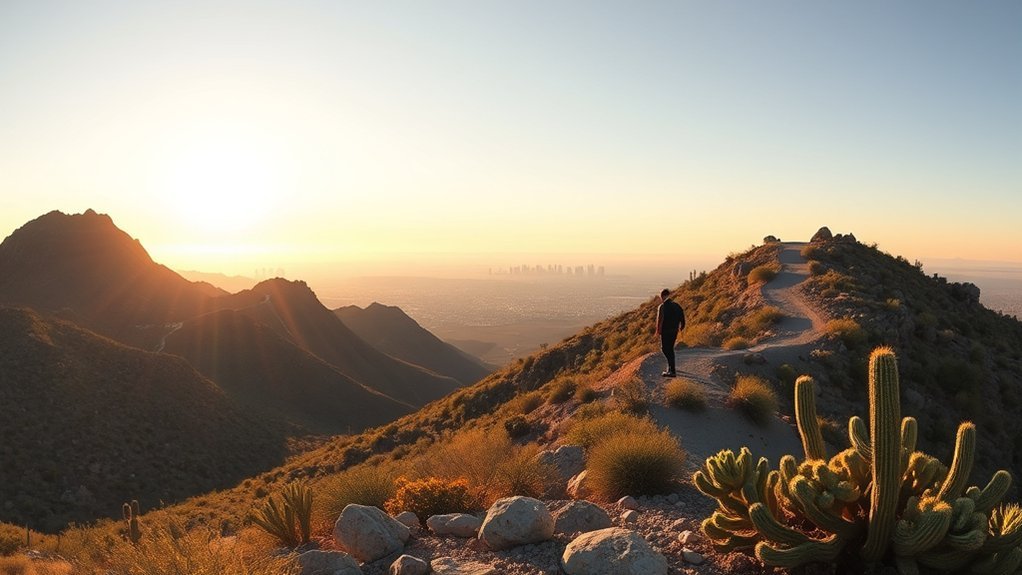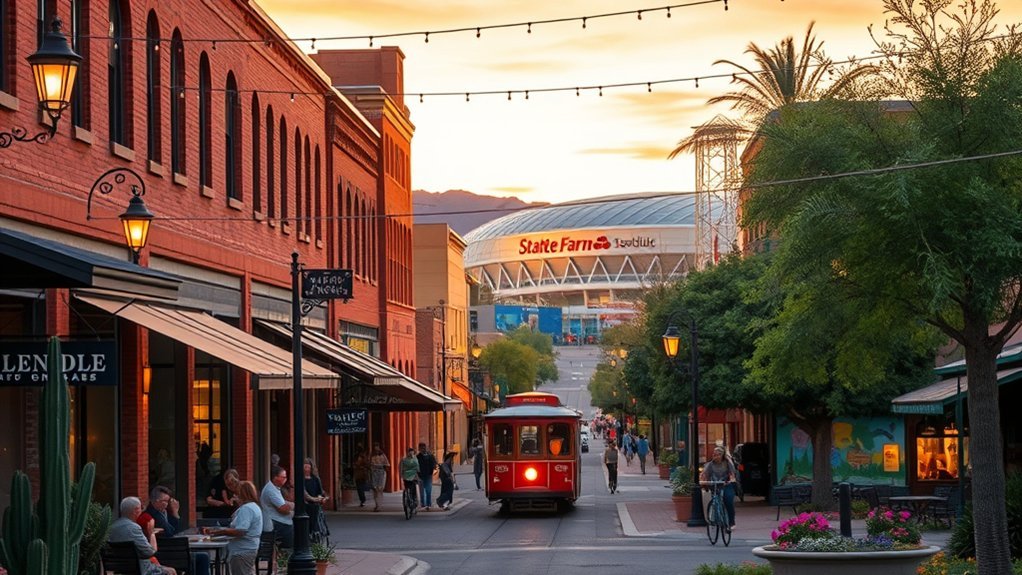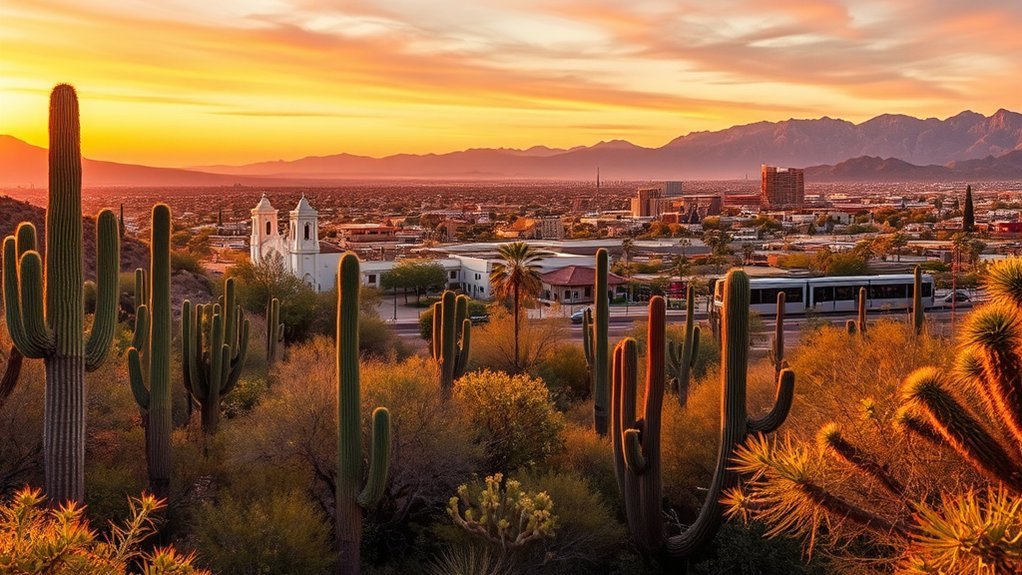
The best things to do in Tucson combine giant-saguaro scenery, mountain drives, Sonoran food, historic neighborhoods, aviation, museums, and some of the clearest night-sky experiences in the Southwest. Start with Saguaro National Park, Sabino Canyon, Mount Lemmon, Mission San Xavier del Bac, the Arizona-Sonora Desert Museum, Barrio Viejo, and at least one local taco or Sonoran hot dog stop.
Last updated: July 23, 2026. Hours, road access, shuttle service, and outdoor conditions can change by season. Check official attraction pages before leaving, reserve limited-capacity experiences when possible, and move outdoor activities to early morning during hot weather.
Quick Answer
For a first visit, combine Saguaro National Park West, the Arizona-Sonora Desert Museum, and Gates Pass on one west-side day. Use another day for Sabino Canyon or Mount Lemmon, then spend an evening in Barrio Viejo, downtown, and Fourth Avenue for museums, murals, live music, and Sonoran food.
Key Takeaways
- Best classic desert day: Saguaro National Park West, the Arizona-Sonora Desert Museum, and Gates Pass.
- Best easy canyon experience: Sabino Canyon, especially for groups that want shuttle-assisted exploring.
- Best summer change of scenery: Mount Lemmon, although mountain weather and road conditions still need checking.
- Best cultural stops: Mission San Xavier del Bac, Barrio Viejo, Tucson Museum of Art, Mission Garden, and current University of Arizona programs.
- Best food experience: Sonoran-style Mexican food with flour tortillas, carne asada, regional chiles, tacos, or a Sonoran hot dog.
- Best trip length: Two or three days gives you enough time to balance desert scenery, museums, food, and evening activities.
Warning: Tucson heat can become dangerous quickly. The National Park Service advises avoiding summer hiking between 10 a.m. and 4 p.m. and drinking about one quart of water per hiking hour on hot days. During monsoon storms, stay out of washes, canyons, exposed ridges, and flooded roads. Turn around before half your water is gone.
Tucson Trip Planning Table
| Area or Experience | Best For | Planning Tip |
|---|---|---|
| West Tucson Saguaro West, Desert Museum, Gates Pass |
Classic saguaros, wildlife, sunset scenery | Keep these stops together to reduce driving. Reach Gates Pass before the sunset rush. |
| Northeast Tucson Sabino Canyon, Mount Lemmon |
Canyon walking, shuttle rides, mountain scenery | Each can take half a day. Trying to do both fully in one day can feel rushed. |
| Downtown and Fourth Avenue | Food, murals, shopping, museums, nightlife | Start in late afternoon, eat downtown, and check show calendars before committing to a venue. |
| University of Arizona area | Campus walks, science, planetarium shows | Confirm visitor parking and museum access. Arizona State Museum’s exhibits building remains closed. |
| South Tucson Mission San Xavier, Pima Air & Space Museum |
Architecture, community history, aviation | These stops pair well with an airport arrival or departure day when flight timing allows. |
| Southeast of Tucson Colossal Cave |
Cave tours and desert recreation | Reserve a tour and allow extra driving time rather than treating it as a quick downtown add-on. |
Pro Tip: Tucson’s major outdoor attractions spread across different sides of the metro area. Build each day around one geographic zone instead of crossing the city repeatedly.
How Many Days Should You Spend in Tucson?
One Day in Tucson
Use a single day for the west side. Start early at Saguaro National Park West, continue to the Arizona-Sonora Desert Museum, and stop at Gates Pass before sunset. Finish with dinner downtown or on Fourth Avenue.
Two Days in Tucson
Follow the west-side plan on day one. On day two, choose Sabino Canyon for a canyon-and-shuttle experience or Mount Lemmon for a scenic mountain drive. Save the evening for Barrio Viejo, Tucson Museum of Art, live music, or Sonoran food.
Three Days in Tucson
Add Mission San Xavier del Bac and Pima Air & Space Museum on the third day. Families can substitute Reid Park Zoo, Flandrau Science Center, or Tucson Botanical Gardens. Travelers who enjoy caves can reserve a Colossal Cave tour instead.
Getting Around Tucson
A rental car is the easiest option when your itinerary includes Saguaro National Park, Sabino Canyon, Mount Lemmon, the Arizona-Sonora Desert Museum, Mission San Xavier, or Colossal Cave. Those attractions sit far enough apart that relying only on transit can consume much of your day.
Downtown, Fourth Avenue, and the University of Arizona area are easier to explore without a car. Walking, ride-hailing, local buses, and the Sun Link streetcar can cover many central stops. Tucson International Airport also offers rental cars, taxis, ride-hailing, reserved transportation, hotel shuttles where available, and public transit. Review current options on the Tucson International Airport website.
- Use a car for: national parks, mountain drives, caves, and remote astronomy programs.
- Consider going car-free for: downtown, Fourth Avenue, Main Gate Square, campus, and nearby museums.
- Parking tip: Read signs carefully downtown and confirm campus visitor-parking rules before leaving your vehicle.
Explore Saguaro National Park West
Saguaro National Park West, formally called the Tucson Mountain District, provides the dense cactus scenery many visitors imagine before reaching Arizona. It is the better first choice when you want short nature trails, rugged mountain silhouettes, desert photography, and an easy pairing with the Arizona-Sonora Desert Museum.
The six-mile Bajada Loop Drive is graded dirt. High-clearance and four-wheel-drive vehicles are not normally required, but storms can change road conditions. Review the official Saguaro National Park driving information before entering.
- Good short walk: Desert Discovery Nature Trail.
- Good longer option: Ask a ranger about trails suited to the current temperature and your ability.
- Fee note: The park is cashless. A standard private-vehicle pass currently costs $25, lasts seven days, and covers both districts.
- Timing: Park roads operate on posted daytime schedules. Do not assume you can remain on a park road long after sunset.
Hike in Saguaro National Park East
Saguaro National Park East, or the Rincon Mountain District, suits visitors who want a paved scenic loop, more trail access, and broader foothill scenery. The eight-mile Cactus Forest Loop Drive passes trailheads, overlooks, and picnic areas.
Choose Mica View or the Desert Ecology Trail for a gentler outing. Longer routes require enough water, daylight, navigation preparation, and an honest assessment of the temperature.
- Choose East when: hiking and a paved scenic drive matter more than a tight west-side itinerary.
- Choose West when: you want denser classic cactus views and an easy pairing with the Desert Museum and Gates Pass.
- Cycling: Follow current park rules and use extra care on the narrow, one-way loop road.
Drive Up Mount Lemmon on the Catalina Highway
The Catalina Highway climbs from Sonoran Desert vegetation toward pine forest and high-elevation viewpoints. The drive is one of Tucson’s most dramatic landscape changes and can provide cooler air than the city during warmer months.
Stop only at designated pullouts, watch carefully for cyclists and wildlife, and bring a warm layer. Snow, wildfire restrictions, construction, rockfall, and storms can affect access. Check Arizona 511 and current local notices before driving uphill.
- Allow several hours if you plan to stop at overlooks or continue toward Summerhaven.
- Fill your tank before climbing if you expect to explore beyond the main viewpoints.
- Do not let cooler air at the summit replace sun protection or hydration.
Visit the Arizona-Sonora Desert Museum
The Arizona-Sonora Desert Museum combines a zoo, botanical garden, natural-history museum, aquarium, art spaces, and outdoor walking paths. It is one of the most useful first-day stops because it helps you identify the plants, animals, geology, and adaptations you will encounter elsewhere.
Most of the experience involves outdoor walking, so use shade breaks and arrive early during hot months. Summer hours can begin earlier and end earlier than cooler-season hours, while selected summer evenings may offer extended programming. Confirm the schedule and tickets on the official Arizona-Sonora Desert Museum website.
Use the museum as your Sonoran Desert introduction before hiking deeper into Tucson’s parks and canyons.
- Look for current raptor, hummingbird, reptile, and desert-plant programming.
- Wear supportive walking shoes and carry refillable water.
- Allow at least two hours; animal lovers and families may want longer.
Wander Historic Fourth Avenue
Historic Fourth Avenue links local shops, cafés, vintage clothing, records, bars, murals, and casual restaurants. It fits naturally between the University of Arizona and downtown and works especially well in late afternoon or evening.
Browse Local Boutiques
Give yourself time to compare handmade jewelry, books, gifts, vintage clothing, records, and desert-inspired products. Independent shop hours differ, so visit retail businesses before building the later part of your night around bars or music.
Look for Galleries and Murals
Fourth Avenue and nearby downtown streets offer murals, creative storefronts, public art, and changing pop-up events. Look for artist credits and interpretive plaques instead of treating each mural only as a photo background.
| Stop | What to Expect |
|---|---|
| Shops | Vintage finds, books, records, jewelry, gifts, and local makers |
| Murals | Public art, neighborhood stories, and photography stops |
| Cafés | Coffee, pastries, light meals, and heat breaks |
| Bars and venues | Cocktails, evening crowds, DJs, and live music nearby |
Check current businesses and events through the Historic Fourth Avenue Coalition.
Tour Mission San Xavier del Bac
Mission San Xavier del Bac is an active Catholic parish serving the Wa:k community on the Tohono O’odham Nation. Its white exterior, detailed sanctuary, religious art, and continuing community role make it one of the region’s most significant cultural and architectural sites.
Respect the Architecture and Active Parish
Walk slowly, keep voices low, and follow staff or posted guidance. Worship, funerals, community events, restoration work, or other parish needs may affect access without matching a tourist schedule.
Study the Interior Art
The painted and sculptural details include saints, angels, ornament, color, and layers of restoration. Avoid blocking worshippers, using bright flash, or treating the sanctuary as a staged photo location.
Note: The church is currently generally open to visitors daily from 9 a.m. to 4 p.m., but services and community needs take priority. The historic church does not have conventional air-conditioning, so summer interiors can feel hot.
Visitor Tips
- Arrive early for softer light and lower temperatures.
- Dress respectfully and follow current photography rules.
- Support community vendors without blocking roads, entrances, or worshippers.
- Confirm current access on the official Mission San Xavier del Bac website.
Stroll Through Tucson Botanical Gardens
Tucson Botanical Gardens provides a quieter urban stop for desert plants, themed gardens, art, science, and family programming. It works well between larger excursions or when your group wants a shorter, less remote outdoor experience.
Summer schedules may run from early morning into midafternoon. Butterfly Magic is seasonal rather than year-round and is normally closed during the hottest summer period. Construction or exhibit installation can also alter walking routes. Check the official Tucson Botanical Gardens website before visiting.
- Best for plant lovers, photographers, families, and slower mornings.
- Pair it with a midtown meal or another indoor attraction.
- Ask about current accessibility routes if construction affects the normal path.
Experience Nightlife and Art in Downtown Tucson
Downtown Tucson combines restaurants, theaters, murals, bars, live music, hotels, and historic streets in a walkable central area. Begin before dark if you want mural photos, then move into dinner and a ticketed performance.
Choose a Bar That Fits Your Night
Fourth Avenue and downtown range from relaxed neighborhood bars to louder late-night rooms. Review age restrictions, cover charges, theme nights, and live-event schedules before arriving.
Use a designated driver, public transportation, taxi, or ride-hailing service if alcohol is part of the evening. Never plan to drive up Mount Lemmon, through Gates Pass, or into remote desert areas after drinking.
Take a Downtown Mural Walk
Start while enough daylight remains to see details and artist signatures. After dark, stay in active, well-lit areas and avoid wandering into isolated blocks solely to locate a mural.
Check Live-Music Calendars
Tucson’s schedule changes nightly. Club Congress and 191 Toole are two useful starting points, but theaters, restaurants, breweries, and smaller rooms also host performers. Confirm doors, showtime, age rules, and ticket availability before making dinner plans.
Explore Sabino Canyon and Its Shuttle Rides
Sabino Canyon combines desert scenery, seasonal water, trail access, and an electric interpretive shuttle. It is especially useful for families or mixed-ability groups because riders can reach different stops without completing one long exposed hike.
The Sabino Canyon Crawler accepts reservations for dated departures. Arrive early because parking and the walk to the boarding area can take longer during busy periods. A separate recreation-area fee may apply in addition to the shuttle ticket.
- The main canyon shuttle normally runs during daytime operating hours.
- Bear Canyon service provides access toward the Seven Falls trail area.
- High water, storms, maintenance, or seasonal conditions can shorten or change a route.
- Mobility-device spaces are available, but contact the operator in advance when specific assistance is essential.
- Early departures are the safer choice during warm months.
Take a Scenic Drive Through Gates Pass
Gates Pass gives you a low-effort view across the Tucson Mountains, with broad desert slopes and saguaro silhouettes. It is a natural final stop after Saguaro National Park West or the Arizona-Sonora Desert Museum.
- Arrive before the sunset rush so you can park legally and safely.
- Do not stop in the road or block traffic for a photograph.
- Stay on established surfaces to protect fragile desert soil and vegetation.
- Use extra caution on curves and around pedestrians returning to parked cars after dark.
Visit Pima Air & Space Museum
Pima Air & Space Museum is a large indoor-outdoor aviation attraction with hangars, historic aircraft, space-related displays, and extensive outdoor rows. Summer hours are shorter than cooler-season hours, so confirm the schedule before driving to the museum.
Explore the Aircraft Collection
Begin with the main hangars, then select outdoor rows according to your interests and the temperature. Sun protection and water matter because much of the aircraft collection sits outside.
Use Simulators and Tram Tours Correctly
Regular simulator sessions are generally offered on selected days and are sold first-come, first-served at the museum. They cannot normally be purchased ahead. Public tram tickets are also limited and sold as walk-up tickets. Private simulator rooms and private group tours follow separate advance-booking rules.
Note: The museum’s public tram stays on the museum campus. It does not enter the AMARG aircraft-storage facility, often called “the Boneyard,” and public Boneyard bus tours are not currently offered.
Plan Your Route Through the Grounds
If time is limited, prioritize the main hangars and a focused outdoor section. Guided, audio, tram, and private options differ in availability and reservation rules. Review the current Pima Air & Space Museum tour page before visiting.
Book a Stargazing Program Near Tucson
Tucson offers several different astronomy experiences. Choose based on your group’s age, available driving time, weather tolerance, and interest level rather than assuming every observatory offers the same type of access.
| Option | Best For | What to Know |
|---|---|---|
| Kitt Peak National Observatory | Observatory tours and structured night programs | Public daytime and evening programs operate on scheduled dates. Reserve through the current official program page. |
| Mount Lemmon SkyCenter | Longer telescope programs and high-elevation skies | Programs require advance planning, warm clothing, and a mountain drive. Some experiences have minimum-age rules. |
| Flandrau Science Center | Families, younger visitors, and weather-proof plans | Planetarium shows provide an easier in-town alternative when clouds or mountain roads interfere. |
Review current programs through Kitt Peak National Observatory, the Mount Lemmon SkyCenter, or Flandrau Science Center & Planetarium.
- Reserve observatory programs early when your travel dates are fixed.
- Dress in layers even when central Tucson is warm.
- Never make a long nighttime mountain drive without checking weather, road access, and fuel.
Sample Sonoran-Style Mexican Food and Tacos
Tucson joined the UNESCO Creative Cities Network as a City of Gastronomy in 2015. Its food identity draws on a long agricultural history, Indigenous knowledge, Mexican and borderlands traditions, desert ingredients, and local cooking methods.
- Try carne asada tacos with salsa and lime.
- Order a Sonoran hot dog with beans, onions, tomatoes, sauces, and chile.
- Look for handmade flour tortillas, mesquite-grilled meat, beans, and regional chiles.
- Visit a bakery, market, food cart, neighborhood taquería, or long-running local restaurant instead of limiting the experience to one famous stop.
El Güero Canelo and BK Carne Asada & Hot Dogs are two well-known choices. Hours can change, and some casual stands close earlier than visitors expect. Learn more about the designation through UNESCO’s Tucson profile.
Walk Through Barrio Viejo
Barrio Viejo is a lived-in historic neighborhood known for adobe walls, colorful doors, narrow streets, courtyards, murals, and preserved streetscapes. It is close enough to downtown to combine with Tucson Museum of Art, lunch, or an evening event.
- Stay on public sidewalks and respect private property.
- Do not photograph through windows, gates, or private courtyards.
- Go during daylight for architecture and photography.
- Carry water because shade varies from block to block.
Learn Indigenous History Through Current Cultural Sites
Tucson stands on the homelands of Indigenous peoples, including O’odham and Yaqui communities. Approach local missions, museums, gardens, public art, and community events as living cultural places rather than as background scenery.
The Arizona State Museum remains an important research and educational institution, but its exhibits building has been closed to the public since August 1, 2024. Do not build an itinerary around a normal gallery visit unless the museum posts a reopening update. Instead, review its online resources, classes, events, and current off-site exhibitions on the Arizona State Museum closure page.
For an in-person experience, consider Mission San Xavier del Bac or Mission Garden. Mission Garden currently posts seasonal hours, generally opening Wednesday through Sunday with shorter morning hours during warmer months. Admission is free, although donations support its work.
Bike The Loop, Tucson’s Urban Trail System
The Chuck Huckelberry Loop is an approximately 140-mile network of paved shared-use paths and connected routes around metropolitan Tucson. Visitors can choose short sections along the Rillito, Santa Cruz, Pantano, or Julian Wash instead of attempting a full circuit.
The Loop is large enough to support anything from a short morning walk to a serious distance ride, but first-time visitors should choose one segment near their lodging.
| Segment | Character | Good For |
|---|---|---|
| Rillito River Park | Popular riverside corridor | Casual rides, running, and walking |
| Julian Wash | Longer open and urban stretches | Distance cycling |
| Santa Cruz River Park | West-side and downtown-adjacent corridor | History-focused and central exploring |
- Stay right and announce passes on the left.
- Carry water and avoid peak heat.
- Use lights when visibility is low.
- Follow posted sunrise-to-sunset operating rules and current path closures.
Download current information from Pima County’s official Loop page.
Explore the University of Arizona Campus
The University of Arizona campus offers architecture, lawns, public art, science attractions, sports energy, cafés, and access to the Main Gate area. It is a practical half-day option when you want less driving or an alternative to exposed desert activity.
Start at Historic Main Gate
Main Gate Square provides an easy starting point for food, shops, campus paths, and a walk toward Fourth Avenue. Check visitor-parking rules before arriving because campus restrictions and event traffic can change.
Check Arizona State Museum’s Current Programs
Arizona State Museum’s exhibits building remains closed to the public. The institution continues through online exhibits, research, education, events, classes, and off-site projects. Confirm what is available on your travel date instead of expecting a standard museum visit.
Visit Flandrau Science Center
Flandrau Science Center & Planetarium is a stronger in-person campus option for science exhibits, mineral displays, planetarium shows, and family programming. It generally operates Tuesday through Sunday, but individual showtimes and ticket availability vary.
- Check the official Flandrau Science Center & Planetarium website.
- Reserve popular planetarium shows when advance tickets are available.
- Use Flandrau as an indoor backup when heat or storms interrupt outdoor plans.
Enjoy Live Music at Club Congress or 191 Toole
Club Congress and 191 Toole are useful downtown starting points for indie, rock, punk, electronic, Latin, touring, and local performances. The lineup matters more than the venue name, so check calendars before choosing your night.
- Confirm whether a show is all-ages or age-restricted.
- Check door time separately from the advertised performance time.
- Purchase tickets through the venue or its linked authorized seller.
- Bring hearing protection if loud indoor rooms cause discomfort.
- Use ride-hailing, transit, or a designated driver when drinking.
Review upcoming events through Hotel Congress and Club Congress and the official listings linked by Downtown Tucson Partnership’s 191 Toole page.
Visit Tucson Museum of Art
Tucson Museum of Art is a convenient downtown culture stop near El Presidio, Barrio Viejo, and central restaurants. Its collection spans several thousand years and includes Latin American, American West, Indigenous, modern, contemporary, and other art.
Explore the Permanent Collection
Use the collection to connect Tucson’s borderlands setting with broader art history. Gallery access can change as exhibitions rotate, so do not assume every collection area will be visible during one visit.
Check Special Exhibitions
Temporary exhibitions change throughout the year. Review current and upcoming shows before building your day around one artist or subject.
- Good for hot afternoons and downtown itineraries.
- Pair it with Barrio Viejo, El Presidio, or lunch nearby.
- Confirm hours through the official Tucson Museum of Art website.
Tour Historic Hotel Congress
Hotel Congress is a downtown landmark that opened in 1919 and later became associated with the 1934 capture of members of the Dillinger gang after a hotel fire. Today it combines lodging, dining, bars, music, and historic atmosphere.
- Use it as a quick daytime architecture stop or an evening anchor.
- Check whether a history or themed tour is actually offered on your date.
- Expect event nights to feel busier and louder than a normal hotel visit.
- Pair it with Club Congress, downtown dinner, or a nearby theater event.
Tour Colossal Cave Mountain Park
Colossal Cave Mountain Park sits near Vail, southeast of Tucson, and combines cave tours with hiking, biking, horseback riding, birding, camping, and other desert recreation.
The standard cave experience takes roughly 45 to 50 minutes and covers about half a mile with numerous steps. More demanding tours have higher minimum-age and mobility requirements. Read the description carefully rather than assuming every tour suits young children or visitors with limited mobility.
- Reserve the cave tour you want before making the drive.
- Wear closed, sturdy shoes.
- Allow extra time for parking and check-in.
- Bring water for aboveground activity even though the cave itself feels cooler.
- Review current hours and restrictions on the official Colossal Cave Mountain Park website.
Take a Hot-Air Balloon Ride Over the Sonoran Desert
A sunrise balloon flight can provide broad views of the Sonoran Desert and surrounding mountain ranges. It is a weather-dependent splurge that works best when your schedule has room for postponement or cancellation.
- Ask about the pilot’s commercial certification, company insurance, passenger requirements, and safety briefing.
- Read the weather-cancellation and refund policy before paying.
- Tell the operator about mobility limitations, pregnancy, recent surgery, or other relevant conditions before booking.
- Wear closed shoes and clothing suitable for standing outdoors before sunrise.
- Do not schedule a nonrefundable activity immediately after the expected landing time.
Relax at Reid Park and Reid Park Zoo
Reid Park offers lawns, walking areas, picnic space, playground time, and a slower family break. Reid Park Zoo adds an animal-focused attraction that does not require a full-day commitment.
Summer zoo hours can begin and end earlier than cooler-season hours. Check the current schedule, ticket rules, accessibility information, and animal-program times through the official Reid Park Zoo website.
- Visit early during warm months.
- Bring refillable water and sun protection.
- Use the park as a recovery day after a long hike or late downtown night.
Attend the Tucson Gem, Mineral & Fossil Showcase
The Tucson Gem, Mineral & Fossil Showcase spreads across hotels, tents, convention spaces, and specialty venues rather than operating as one event in one building. The next announced winter showcase is scheduled for January 27 through February 14, 2027.
More than 50 shows and related events may take place during the season, and more than 80% are normally open to the public. Some wholesale events require credentials, while individual public shows may charge admission or require registration.
- Confirm the exact dates and access rules for each show.
- Allow extra time for traffic, parking, and venue-to-venue transportation.
- Compare sellers before making a high-value purchase.
- Ask for written descriptions, treatment disclosures, and return terms when buying expensive stones or jewelry.
Use the official Visit Tucson Gem Showcase listings as schedules are finalized.
Explore the Upper Mount Lemmon Observatory Area
If the Catalina Highway drive is already part of your itinerary, you can devote additional time to upper-mountain overlooks, forest walks, Summerhaven, and a reserved Mount Lemmon SkyCenter program.
Research facilities are not automatically open for casual entry. Public programs may require reservations, minimum ages, fixed arrival times, and several hours on site. Road conditions can also change between central Tucson and the summit.
- Bring substantially warmer clothing than you expect to need in Tucson.
- Check road conditions before both the climb and return drive.
- Leave enough fuel and daylight for a safe descent.
- Use Flandrau Science Center as an easier backup when mountain weather prevents access.
Frequently Asked Questions
What are the best months to visit Tucson?
October through April usually provides the most comfortable conditions for hiking and outdoor sightseeing. March and early April can be especially pleasant, while late April and May may already become hot. Summer travelers should begin outdoor activities near sunrise and use museums, gardens with early hours, Mount Lemmon, or indoor attractions later in the day.
How many days do you need in Tucson?
Two to three days works well for a first visit. One day can cover Saguaro West, the Desert Museum, and Gates Pass. A second can focus on Sabino Canyon or Mount Lemmon. A third gives you time for Mission San Xavier, Pima Air & Space Museum, campus attractions, caves, or a slower food-and-culture day.
Which side of Saguaro National Park is better?
Saguaro West is usually better for first-time visitors who want dense cactus scenery, short trails, and an easy pairing with the Arizona-Sonora Desert Museum. Saguaro East is better for a paved loop, broader foothill scenery, cycling, and more hike-focused visits. One seven-day entrance pass covers both districts.
Do you need a car in Tucson?
A car is strongly recommended for national parks, Sabino Canyon, Mount Lemmon, the Desert Museum, Mission San Xavier, and Colossal Cave. Downtown, Fourth Avenue, and the University of Arizona area are easier to explore through walking, transit, ride-hailing, or the streetcar.
What can you do in Tucson when it is extremely hot?
Schedule a short sunrise outing, then move to Flandrau Science Center, Tucson Museum of Art, Pima Air & Space Museum’s indoor hangars, restaurants, shops, or other air-conditioned attractions. Mount Lemmon may feel cooler, but you still need sun protection, water, and a road-condition check.
Is Tucson suitable for solo travelers?
Solo travelers can enjoy Tucson with normal city and desert precautions. Stay in active, well-lit areas at night, use reliable transportation after drinking, leave a hiking itinerary with someone, carry enough water, and avoid isolated trails when conditions or your experience level make solo travel unsafe.
Where can you try a Sonoran hot dog in Tucson?
El Güero Canelo and BK Carne Asada & Hot Dogs are two widely known choices. Neighborhood stands and carts also serve versions built around a bacon-wrapped frank, soft bun, beans, onions, tomatoes, sauces, and chile. Check current hours because some stands operate limited schedules.
How do you get from Tucson International Airport to downtown?
Options include rental cars, taxis, ride-hailing, reserved transportation, participating hotel shuttles, and public transit. A rental car is usually the simplest choice when your itinerary includes dispersed outdoor attractions, while central visitors may be able to combine transit and ride-hailing.
What should you pack for Tucson outdoor activities?
Pack more water than you expect to use, electrolyte snacks, sunscreen, a wide-brimmed hat, sunglasses, sturdy shoes, light layers, a charged phone, and an offline map. Add a warm jacket for Mount Lemmon and astronomy programs. During monsoon season, check storm and flash-flood conditions before entering a wash or canyon.
Conclusion
Tucson works best when you balance desert scenery, food, history, and recovery time away from the heat. Begin with Saguaro National Park, Sabino Canyon, Mount Lemmon, and the Arizona-Sonora Desert Museum. Then add Mission San Xavier del Bac, Barrio Viejo, Fourth Avenue, Pima Air & Space Museum, and a Sonoran food stop according to your interests.
Group attractions by area, reserve limited-capacity shuttles and tours, and check official hours before each outing. An early start and a flexible afternoon plan will help you experience more of Tucson without turning the trip into a rushed or unsafe checklist.
Sources
- National Park Service: Getting Around Saguaro National Park — scenic drives, road surfaces, and district access.
- National Park Service: Hiking Safety Information — heat, hydration, wildlife, lightning, and flash-flood precautions.
- Sabino Canyon Crawler — current shuttle operations, reservations, accessibility, and route changes.
- Pima Air & Space Museum: Available Tours — tram, simulator, private-tour, and Boneyard-access information.
- Arizona State Museum: Building Closure Updates — current public access and alternative programming.
- Visit Tucson: Gem, Mineral & Fossil Showcase — announced dates, show listings, and public-access guidance.