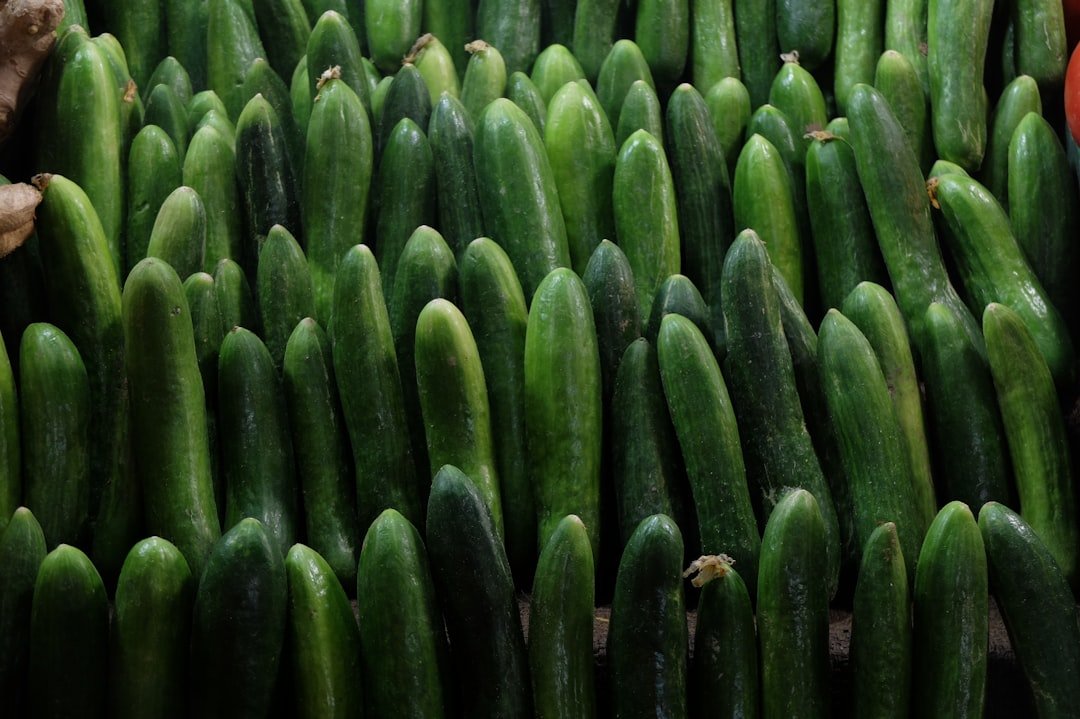
Bush crop cucumbers, a compact variety of the traditional cucumber, have gained popularity among home gardeners and commercial growers alike. Unlike their vining counterparts, bush cucumbers are characterized by their shorter, more compact growth habit, making them ideal for smaller gardens or container planting. These cucumbers typically produce fruit that is crisp and refreshing, perfect for salads, pickling, or snacking.
The bush variety is particularly appealing to those who may have limited space or who prefer a more manageable plant that does not require extensive trellising or support. The origins of cucumbers can be traced back to South Asia, where they have been cultivated for thousands of years. Over time, various cultivars have emerged, including the bush crop variety, which has been selectively bred for its compact growth and high yield.
This adaptability allows bush crop cucumbers to thrive in diverse climates and soil types, making them a versatile choice for gardeners across different regions. As interest in sustainable gardening practices grows, bush crop cucumbers offer an excellent option for those looking to maximize their harvest while minimizing their environmental footprint.
Key Takeaways
- Bush crop cucumbers are compact and perfect for small gardens or containers
- Growing bush crop cucumbers can save space and make harvesting easier
- Plant bush crop cucumbers in well-drained soil and provide plenty of sunlight
- Water bush crop cucumbers regularly and fertilize every 2-3 weeks
- Companion plant bush crop cucumbers with beans, corn, or radishes to maximize garden space
Benefits of Growing Bush Crop Cucumber
One of the primary benefits of growing bush crop cucumbers is their space efficiency. These plants typically grow to a height of about 18 to 24 inches, allowing gardeners with limited space to cultivate them without sacrificing valuable garden real estate. This compact nature also makes them suitable for container gardening, enabling urban dwellers or those with small yards to enjoy homegrown produce.
Additionally, bush crop cucumbers tend to mature faster than vining varieties, often yielding fruit within 50 to 60 days after planting. This quick turnaround can be particularly rewarding for gardeners eager to enjoy fresh cucumbers early in the growing season. Another significant advantage is the ease of maintenance associated with bush crop cucumbers.
Their bushy growth habit means they require less staking and support compared to traditional vining cucumbers. This characteristic not only simplifies the gardening process but also reduces the risk of damage to the plants during heavy winds or storms. Furthermore, bush crop cucumbers are often more resistant to certain pests and diseases, making them a more resilient choice for novice gardeners or those looking to reduce their reliance on chemical treatments.
How to Plant and Care for Bush Crop Cucumber
Planting bush crop cucumbers is a straightforward process that can be accomplished in both spring and summer, depending on the local climate. Ideally, seeds should be sown directly into the soil after the last frost date when soil temperatures reach at least 70°F (21°C). For those who prefer an earlier start, seeds can be germinated indoors and then transplanted outdoors once the seedlings have developed a few true leaves.
Caring for bush crop cucumbers involves regular monitoring of soil moisture and nutrient levels.
These plants thrive in well-draining soil enriched with organic matter, such as compost or well-rotted manure. Mulching around the base of the plants can help retain moisture and suppress weeds, which compete for nutrients and water. As the plants grow, it is crucial to provide them with sufficient sunlight—at least six hours of direct sunlight per day—to ensure optimal fruit production. Regularly checking for signs of stress or nutrient deficiencies will help maintain healthy plants throughout the growing season.
Choosing the Right Location for Bush Crop Cucumber
| Location | Temperature | Humidity | Soil pH |
|---|---|---|---|
| Greenhouse | 25-30°C | 60-70% | 6.0-6.8 |
| Open field | 25-35°C | 50-60% | 6.0-7.0 |
| Shade net | 25-30°C | 50-60% | 6.0-6.5 |
Selecting the right location for bush crop cucumbers is critical to their success. These plants prefer full sun exposure, which means they should be planted in an area that receives at least six to eight hours of direct sunlight each day. A sunny spot not only promotes healthy growth but also enhances fruit flavor and quality.
Additionally, it is essential to choose a location with well-draining soil to prevent waterlogging, which can lead to root rot and other diseases. In terms of microclimates, consider areas that are sheltered from strong winds and extreme temperature fluctuations. Planting near a south-facing wall or fence can provide additional warmth and protection, creating an ideal environment for bush crop cucumbers.
Furthermore, it is wise to avoid planting them in areas where other members of the Cucurbitaceae family—such as squash or melons—have been grown recently, as this can increase the risk of soil-borne diseases and pests that affect these plants.
Watering and Fertilizing Bush Crop Cucumber
Watering is a crucial aspect of growing bush crop cucumbers, as these plants require consistent moisture to thrive. It is generally recommended to water deeply once or twice a week rather than providing light daily watering. This approach encourages deep root growth and helps the plants withstand periods of drought.
During particularly hot weather or dry spells, more frequent watering may be necessary; however, care should be taken not to overwater, as this can lead to root rot and other issues. Fertilizing bush crop cucumbers is equally important for ensuring robust growth and high yields. A balanced fertilizer with equal parts nitrogen, phosphorus, and potassium can be applied at planting time and again when the plants begin to flower.
Organic options such as compost tea or fish emulsion can also provide essential nutrients without the risk of chemical buildup in the soil. Monitoring plant health will help determine if additional fertilization is needed; yellowing leaves may indicate a nitrogen deficiency, while poor fruit development could suggest a lack of potassium.
Pest and Disease Management for Bush Crop Cucumber
Pest management is an essential component of growing bush crop cucumbers successfully. Common pests that may affect these plants include cucumber beetles, aphids, and spider mites. Cucumber beetles are particularly notorious for transmitting bacterial wilt disease; therefore, early detection and control are vital.
Handpicking pests off the plants or using insecticidal soap can help manage infestations effectively. Additionally, introducing beneficial insects such as ladybugs can provide natural pest control while promoting a healthy garden ecosystem. Disease management is equally important when cultivating bush crop cucumbers.
Fungal diseases such as powdery mildew and downy mildew can pose significant threats to plant health. To minimize disease risk, it is crucial to practice good garden hygiene by removing any infected plant debris and ensuring proper air circulation around the plants. Crop rotation is another effective strategy; by rotating crops each season, gardeners can disrupt disease cycles and reduce soil-borne pathogens’ prevalence.
Harvesting and Storing Bush Crop Cucumber
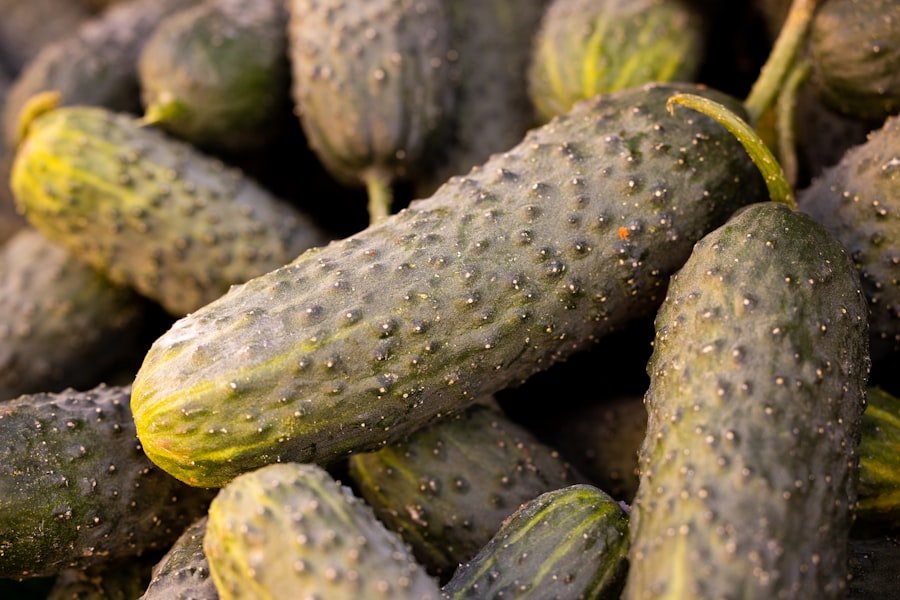
Harvesting bush crop cucumbers at the right time is essential for enjoying their crisp texture and refreshing flavor. Typically, these cucumbers are ready for harvest when they reach about 6 to 8 inches in length; at this stage, they will be firm and have a vibrant green color. It is advisable to check the plants every few days during peak production periods since cucumbers can grow rapidly.
Using a sharp knife or garden shears to cut the fruit from the vine helps prevent damage to both the plant and the fruit itself. Once harvested, proper storage techniques can extend the shelf life of bush crop cucumbers. Ideally, they should be stored in a cool place or refrigerated in a plastic bag with small holes for ventilation.
This method helps maintain humidity levels while preventing moisture loss that can lead to wilting or spoilage. Freshly harvested cucumbers can last up to a week in the refrigerator; however, they are best enjoyed within a few days for optimal flavor and texture.
Recipes and Culinary Uses for Bush Crop Cucumber
Bush crop cucumbers are incredibly versatile in culinary applications, making them a delightful addition to various dishes. One popular way to enjoy these crisp vegetables is by incorporating them into salads. A refreshing cucumber salad can be made by slicing fresh cucumbers thinly and tossing them with cherry tomatoes, red onion, feta cheese, and a simple vinaigrette made from olive oil and lemon juice.
This dish not only highlights the cucumber’s crunch but also complements its mild flavor with tangy notes. In addition to salads, bush crop cucumbers are excellent candidates for pickling due to their firm texture. Quick pickles can be made by slicing cucumbers into spears or rounds and soaking them in a mixture of vinegar, water, sugar, salt, garlic, and dill for several hours or overnight.
The result is a tangy snack that pairs well with sandwiches or serves as an appetizer at gatherings.
Companion Planting with Bush Crop Cucumber
Companion planting is an effective strategy that enhances plant health and productivity by pairing compatible species together in the garden. When it comes to bush crop cucumbers, several companion plants can provide mutual benefits. For instance, planting marigolds nearby can deter pests such as aphids and nematodes while attracting beneficial insects like pollinators.
Additionally, herbs like dill and basil not only enhance flavor but also help repel harmful insects that may target cucumbers. Another beneficial companion plant for bush crop cucumbers is corn. The tall stalks of corn provide natural support for climbing varieties while creating a microclimate that helps retain moisture around the base of cucumber plants.
Furthermore, legumes such as beans can fix nitrogen in the soil, enriching it for neighboring cucumber plants while utilizing vertical space efficiently in the garden.
Varieties of Bush Crop Cucumber
There are several varieties of bush crop cucumbers available to gardeners, each offering unique characteristics suited for different growing conditions and culinary preferences. One popular variety is ‘Bush Champion,’ known for its high yield and disease resistance. This cultivar produces smooth-skinned fruits that are perfect for fresh eating or pickling.
Another excellent option is ‘Picklebush,’ which is specifically bred for pickling purposes; its small size makes it ideal for creating crunchy pickles. For those seeking an early-maturing option, ‘Spacemaster’ is an excellent choice due to its compact growth habit and ability to produce fruit within 50 days after planting. This variety thrives in containers or small garden spaces while delivering deliciously crisp cucumbers that are perfect for salads or snacking.
Each variety offers distinct advantages depending on individual gardening goals and culinary uses.
Why You Should Add Bush Crop Cucumber to Your Garden
Incorporating bush crop cucumbers into your garden not only maximizes space but also provides an abundance of fresh produce throughout the growing season. Their compact nature makes them suitable for various gardening styles—from traditional plots to container gardens—while their quick maturation allows for early harvests that delight gardeners eager for homegrown flavors. With relatively low maintenance requirements and resilience against pests and diseases, bush crop cucumbers present an accessible option for both novice and experienced gardeners alike.
The culinary versatility of bush crop cucumbers further enhances their appeal; whether enjoyed fresh in salads or transformed into tangy pickles, these crisp vegetables add flavor and texture to countless dishes. By choosing compatible companion plants and employing effective pest management strategies, gardeners can create thriving ecosystems that support healthy cucumber growth while maximizing yields. With numerous varieties available catering to different tastes and growing conditions, there’s no reason not to add bush crop cucumbers to your gardening repertoire this season.
FAQs
What is a bush crop cucumber?
A bush crop cucumber is a variety of cucumber that is specifically bred to grow in a compact, bushy manner rather than vining like traditional cucumber plants.
How is a bush crop cucumber different from a regular cucumber?
Bush crop cucumbers are different from regular cucumbers in that they have a more compact growth habit, making them ideal for small gardens or container gardening. They also tend to produce a higher yield of cucumbers in a smaller space.
What are the advantages of growing bush crop cucumbers?
The advantages of growing bush crop cucumbers include their compact size, which makes them suitable for small gardens or container gardening. They also tend to produce a higher yield of cucumbers in a smaller space, and their bushy growth habit makes them easier to manage and harvest.
How do you care for bush crop cucumbers?
Bush crop cucumbers require the same care as regular cucumbers, including regular watering, fertilization, and pest control. They also benefit from being planted in well-drained soil and provided with support as they grow.
What are some popular varieties of bush crop cucumbers?
Some popular varieties of bush crop cucumbers include ‘Bush Champion’, ‘Spacemaster’, and ‘Patio Snacker’. These varieties are known for their compact growth habit and high yield of cucumbers.