Loquat Tree Care: How to Plant, Grow, Prune, and Harvest Loquats
Last updated:
Quick Answer: A loquat tree grows best in full sun to part shade, well-drained soil, and a mild winter climate. Choose a locally adapted variety, plant the root ball level with the soil surface, water deeply during establishment, prune lightly for airflow, and protect flowers and young fruit from hard freezes.
The loquat tree, scientifically known as Eriobotrya japonica, is a subtropical evergreen tree in the Rosaceae family. It is native to China and has been grown in Japan for more than 1,000 years. Gardeners value it for its large, glossy leaves, fragrant fall flowers, and yellow to orange spring fruit.
Loquat trees can grow as small ornamental trees, privacy screens, espalier plants, or fruit trees in home gardens. A mature tree often reaches 10 to 30 feet tall, depending on cultivar, climate, pruning, and site conditions. The leaves are usually 8 to 12 inches long, dark green above, and lighter or rusty beneath.
The tree produces clusters of small white flowers in fall or winter. After pollination, the fruit usually ripens in late winter through spring. In warm areas, the harvest may come before many other fruit trees begin bearing.
Because loquats bloom during cool months, winter weather affects the crop more than the tree itself. A mature tree may survive brief cold, but flowers and developing fruit can suffer damage during freezes. That is why site selection and local variety choice matter.
What’s in This Article
- Key takeaways
- Choosing the right loquat variety
- Selecting the ideal location
- Preparing the soil
- Planting your sapling
- Watering and fertilizing
- Pruning and training
- Pollination and fruit production
- Common problems
- Frequently asked questions
Key Takeaways
- Loquat trees are evergreen fruit trees with large, glossy leaves, fragrant white flowers, and yellow to orange fruit.
- They grow best in full sun to part shade, well-drained soil, and mild winter climates.
- USDA Zones 8b to 10 are best for reliable fruiting in many U.S. regions, though some protected sites may support loquats outside that range.
- Choose a loquat variety based on cold tolerance, fruit flavor, fruit size, seed count, and available garden space.
- Plant the sapling in a hole about twice as wide as the root ball and no deeper than the root ball.
- Water young trees deeply during establishment, but never leave the root zone waterlogged.
- Prune lightly to remove dead, crowded, crossing, or damaged branches and to improve light inside the canopy.
- Avoid excessive nitrogen because soft, fast growth can increase fire blight risk.
Choosing the Right Loquat Variety
When selecting a loquat variety for your garden, match the tree to your climate, space, and fruit preference. Do not choose only by fruit size. A large-fruited cultivar may still perform poorly if winter cold damages the flowers in your area.
Some loquat varieties are valued for sweet fruit, while others have a more tart flavor. Some produce larger fruit with fewer seeds. Others stay smaller and fit better in tight gardens or large containers. If you live near the colder edge of loquat’s range, ask a local nursery or extension office which cultivars fruit reliably in your area.
| Variety Factor | Why It Matters |
|---|---|
| Cold tolerance | Flowers and young fruit can be damaged by freezes, even when the tree survives. |
| Fruit flavor | Some loquats taste sweet, while others have a stronger sweet-tart flavor. |
| Tree size | Smaller or dwarf selections work better for patios, containers, and narrow yards. |
| Pollination | Many cultivars are self-fertile, but a second cultivar can improve yield and fruit quality. |
Common cultivars include ‘Champagne,’ ‘Advance,’ ‘Premier,’ ‘Oliver,’ ‘Wolfe,’ and ‘Thursby.’ You may also see names such as ‘Big Jim,’ ‘Gold Nugget,’ and ‘Pineapple’ in nursery catalogs. Availability varies by region, so treat cultivar lists as a starting point, not a guarantee.
Key Takeaway: The best loquat variety is not always the biggest-fruited one. Choose the variety that matches your winter temperatures, garden space, and flavor preference.
Products Worth Considering
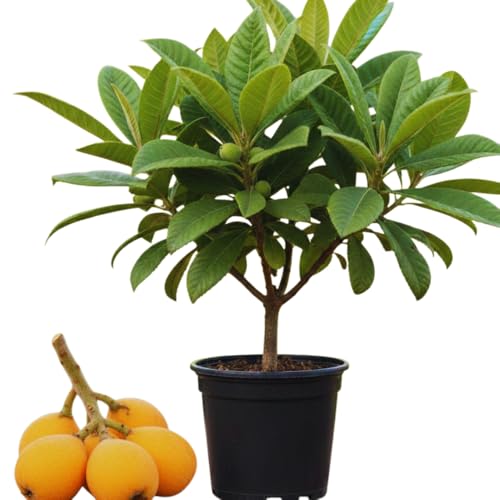
Produces sweet, golden loquat fruits when mature, ideal for home gardens or patios. No ship to CA

HIGH QUALITY SEEDS: Buy with confidence you are getting fresh seeds from Iowa, USA
Selecting the Ideal Location for Your Loquat Sapling
Choosing the right location is one of the most important steps in loquat tree care. Loquats grow best in full sun to part shade. For strong flowering and fruiting, choose a spot that gets at least six hours of direct sunlight each day.
Also protect young trees from strong wind. Wind can dry out leaves, damage tender shoots, and reduce fruit set. A warm, sheltered location near a wall, fence, or larger wind-filtering plants can help in colder or exposed gardens.
Drainage matters just as much as sun. Loquat trees tolerate several soil textures, including sandy, loamy, and clay soils, but they need good drainage. Avoid low spots where water pools after heavy rain.
Give the tree enough room to mature. A loquat planted too close to a house, fence, driveway, or another tree will need constant pruning later. If space is limited, choose a compact variety or train the tree as an espalier.
Site tip: In a borderline climate, plant your loquat where cold air drains away. Avoid frost pockets at the bottom of a slope.
Preparing the Soil for Planting
| Soil Preparation Metric | Recommended Target |
|---|---|
| Soil pH | Slightly acidic to neutral is ideal, but loquats tolerate a wider range when drainage is good. |
| Drainage | Water should drain within a few hours after heavy rain. |
| Organic matter | Use compost to improve poor soil, but avoid packing rich fertilizer into the planting hole. |
| Compaction | Loosen compacted soil around the planting area so young roots can spread. |
Before planting your loquat sapling, clear grass, weeds, and debris from the planting area. These plants compete with the young tree for water and nutrients.
Test the soil before adding amendments. A soil test helps you avoid guessing about pH and fertilizer needs. If the soil is compacted, loosen a wide area around the planting site. Focus on width rather than depth because loquat roots need space to spread outward.
Do not place strong fertilizer directly in the planting hole. Concentrated fertilizer can injure young roots. If the soil is poor, mix a modest amount of finished compost into the backfill or use compost as a surface mulch after planting.
Products Worth Considering

Feed the soil not the plants - stimulate microbial activity in your soil and boost probability of success with all types of plants… like composting but faster

Specially Crafted for Acid-Loving Plants: Formulated with a naturally low pH blend to improve and revitalize soil for rhododendrons, azaleas, hydrangeas, blueberries, strawberries, ferns, camellias, and other acid-loving plants.
Planting Your Loquat Sapling
The best time to plant a loquat sapling is spring or fall, when temperatures are mild. In cooler edge climates, spring planting is safer because the tree has a full growing season to establish before winter.
Dig a hole about twice as wide as the root ball and no deeper than the root ball itself. A wide hole encourages roots to grow into the surrounding soil. A hole that is too deep can cause the tree to settle below grade, which can lead to trunk and root problems.
- Remove the sapling from its container carefully.
- Loosen circling roots with your fingers or a clean tool.
- Place the tree so the top of the root ball sits level with the surrounding soil.
- Backfill with the original soil, firming gently as you go.
- Water deeply to settle the soil around the roots.
- Add 2 to 3 inches of mulch around the tree, but keep mulch away from the trunk.
After planting, check the tree again. If the root ball has sunk, lift and reset it before the soil settles completely. The trunk flare should remain visible above the soil line.
Products Worth Considering

100% Organic & Peat-Free: Our organix mulch mix is 100% organic & peat-free. Peat is one of Mother Nature’s most important stores of carbon. Instead of imported peat, the base of our soils is made from upcycled plant matter or wood fines from the United States!

Watering and Fertilizing Your Loquat Tree
Proper watering helps a young loquat tree establish quickly. During the first growing season, keep the root zone evenly moist but not soggy. Deep watering is better than frequent shallow watering because it encourages deeper roots.
A newly planted tree may need water several times a week during hot, dry weather. Once established, a loquat becomes more drought tolerant, but it still produces better growth and fruit when it receives regular water during dry periods.
Fertilize based on tree growth and soil test results. If the tree grows well and has healthy green leaves, it may not need heavy fertilizer. If growth is weak and the soil test shows a need, apply a balanced tree fertilizer in early spring according to the label.
Organic options such as compost can improve soil structure over time. Apply compost or mulch on the soil surface instead of burying it against the trunk.
Warning: Avoid excessive nitrogen. Fast, soft growth can increase fire blight risk, especially during warm, wet weather.
Pruning and Training Your Loquat Sapling
Pruning keeps a loquat tree strong, accessible, and productive. Young saplings benefit from light shaping during the first few years. Remove broken, dead, crossing, or crowded branches first.
Do not over-prune a loquat tree. Heavy pruning can push soft new growth and may reduce flowering or fruiting. A light, steady pruning plan is better than one severe cut every few years.
For fruiting trees, open the canopy enough to let sunlight reach the inside branches. This improves airflow and makes harvesting easier. Many gardeners train loquats into a modified central leader, open-center form, or espalier, depending on space and landscape goals.
If winter cold damages your tree, wait until new growth appears before removing questionable wood. This helps you see which branches are alive. Cut dead or injured wood back to healthy growth.
Pollination, Flowering, and Fruit Production
Loquat trees usually bloom in fall or winter. The flowers are fragrant and attractive to pollinators. After fertilization, fruit often takes four to five months to ripen, depending on local weather.
Many loquat cultivars are self-fertile, so one tree can produce fruit. Even so, a second compatible cultivar may improve fruit quantity and quality. This is useful if your main goal is harvest, not only ornamental value.
Thin heavy fruit clusters when needed. Removing some young fruit can help the remaining fruit size up and can reduce the risk of branch breakage. Harvest fruit when it is fully ripe because loquats do not continue to ripen well after picking.
Common Loquat Tree Problems
Loquats are fairly low-maintenance trees, but they are not problem-free. The most important issue to watch for is fire blight, a bacterial disease that can infect flowers and young shoots.
Fire Blight
Fire blight can make shoots look scorched or wilted. If you see infected wood, remove it promptly by cutting well below the damaged area. Clean tools as needed, and dispose of infected material away from the tree.
To lower fire blight risk, avoid excessive nitrogen, avoid heavy pruning that creates soft growth, and avoid wetting blossoms when disease pressure is high.
Leaf Scorch and Drought Stress
Hot weather, dry soil, and reflected heat can scorch leaves. Keep a 2 to 3 inch mulch layer over the root zone and water during long dry periods. Keep mulch several inches away from the trunk.
Bird Damage
Birds may feed on ripe loquats. Harvest promptly when fruit ripens. For small trees, lightweight fruit bags or netting can protect part of the crop.
Loquat Tree Care Calendar
| Season | Main Care Tasks |
|---|---|
| Spring | Harvest ripe fruit, plant new trees in cooler areas, fertilize only if needed, and check for disease. |
| Summer | Water during drought, maintain mulch, and watch for heat stress. |
| Fall | Plant in mild climates, monitor flower development, and keep trees watered before winter dry spells. |
| Winter | Protect flowers and young fruit from hard freezes where possible. Delay cold-damage pruning until growth resumes. |
Growing Loquat in Containers
Loquat can grow in a large container, especially when you choose a compact variety. Use a pot with drainage holes and a high-quality, well-draining potting mix.
Container trees dry out faster than trees planted in the ground. Check soil moisture often during warm weather. Water until moisture drains from the bottom, then allow the mix to dry slightly before watering again.
A container loquat may need more frequent pruning to keep its size manageable. In colder climates, move the container to a protected area before hard freezes damage flowers or young fruit.
Frequently Asked Questions
Where do loquat trees grow best?
Loquat trees grow best in full sun to part shade, well-drained soil, and mild winter climates. They are commonly suited to USDA Zones 8b to 10 for reliable fruiting, though local cold exposure and cultivar choice matter.
How much sun does a loquat tree need?
A loquat tree should receive at least six hours of direct sun for strong growth and better fruit production. It can tolerate partial shade, but shaded trees usually produce less fruit.
When should you plant a loquat sapling?
Plant a loquat sapling in spring or fall when temperatures are mild. In colder edge climates, spring planting gives the roots more time to establish before winter.
How often should you water a new loquat tree?
Water a newly planted loquat deeply after planting, then keep the root zone evenly moist during the first growing season. Avoid soggy soil because poor drainage can damage roots.
Do loquat trees need another tree for fruit?
Many loquat cultivars are self-fertile and can produce fruit alone. Planting a second compatible cultivar can improve fruit quantity and quality in many gardens.
When do loquat trees produce fruit?
Loquat trees usually flower in fall or winter, then ripen fruit in late winter through spring. Exact timing depends on climate, cultivar, and winter weather.
How do you prune a loquat tree?
Prune a loquat tree lightly to remove dead, damaged, crossing, or crowded branches. Open the canopy enough to improve light and airflow. In cold-damaged areas, wait until new growth shows which wood is alive.
What is the biggest disease risk for loquat trees?
Fire blight is one of the most important disease risks for loquat trees. Reduce risk by avoiding excessive nitrogen, avoiding heavy pruning that pushes soft growth, and removing infected wood correctly.
Conclusion
A loquat tree can give your garden evergreen structure, fragrant cool-season flowers, and a useful spring fruit crop. Success starts with the right site: sun, drainage, enough space, and winter protection where needed.
Choose a variety suited to your climate, plant it at the correct depth, water it well during establishment, and prune it lightly for structure and airflow. With steady care, your loquat can become both a productive fruit tree and an attractive landscape feature.
Next step: Before buying a sapling, check your USDA zone, winter freeze risk, and available planting space. Then ask a local nursery which loquat cultivars fruit reliably in your area.
References
- Clemson Cooperative Extension: Loquat Care, Cultivation & Growing Guide
- University of Florida IFAS Extension: Eriobotrya japonica, Loquat
- UC Statewide IPM Program: Loquat
- UC Davis Fruit & Nut Research and Information Center: Loquat Fact Sheet
- NC State Extension Gardener Plant Toolbox: Eriobotrya japonica
- UC Statewide IPM Program: Fire Blight