When embarking on the journey of cultivating purple potatoes, selecting the appropriate variety is paramount. Purple potatoes come in several types, each with unique characteristics that can influence both growth and culinary applications. Among the most popular varieties are Purple Majesty, Adirondack Blue, and Purple Viking.
Purple Majesty is known for its deep purple skin and flesh, offering a slightly nutty flavor and a high antioxidant content. This variety is particularly favored for its vibrant color, which can enhance the visual appeal of dishes. Adirondack Blue, on the other hand, features a bluish-purple skin with a creamy texture and a slightly sweet taste, making it an excellent choice for baking and mashing.
Lastly, Purple Viking boasts a striking appearance with its purple skin and white flesh marbled with purple streaks, providing a unique aesthetic and flavor profile. Choosing the right variety also involves considering your local climate and soil conditions. Some varieties may thrive better in cooler climates, while others are more adaptable to warmer regions.
For instance, if you live in an area with a shorter growing season, opting for early-maturing varieties like Purple Majesty can yield better results. Additionally, understanding the disease resistance of each variety can help mitigate potential challenges during cultivation. Researching local agricultural extensions or speaking with experienced growers can provide valuable insights into which varieties perform best in your specific region.
Key Takeaways
- Choose a variety of purple potatoes that suits your climate and soil conditions, such as Purple Majesty or Purple Viking.
- Prepare the soil by tilling it to a depth of 8-10 inches and adding organic matter like compost or aged manure to improve drainage and fertility.
- Plant purple potato seeds in well-drained soil, spacing them 12-15 inches apart in rows that are 2-3 feet apart.
- Provide purple potato plants with 1-2 inches of water per week and at least 6-8 hours of sunlight daily for optimal growth.
- Fertilize the potato plants with a balanced fertilizer high in potassium, and manage pests and diseases with organic methods like neem oil or insecticidal soap.
- Hill the potato plants by mounding soil around the base of the plants to protect tubers from sunlight, and mulch with straw to conserve moisture and suppress weeds.
- Harvest purple potatoes when the plants have died back, and store them in a cool, dark place with good ventilation to prevent sprouting and rotting.
- Use purple potato plants as ornamental additions to your garden, with their attractive foliage and flowers adding color and interest.
- Try cooking purple potatoes in a variety of ways, such as roasting, mashing, or using them in salads, to enjoy their unique flavor and vibrant color.
Preparing the soil for planting
Soil preparation is a critical step in ensuring a successful purple potato harvest. Potatoes thrive in well-drained, loose soil that allows for proper root development and tuber expansion. Before planting, it is essential to conduct a soil test to determine pH levels and nutrient content.
Ideally, the pH should be between 5.8 and 6.5 for optimal growth. If the soil is too acidic, lime can be added to raise the pH, while sulfur can be used to lower it if necessary. Once the pH is balanced, the next step is to enrich the soil with organic matter.
Incorporating compost or well-rotted manure not only improves soil structure but also enhances nutrient availability. This organic matter provides essential nutrients such as nitrogen, phosphorus, and potassium, which are crucial for healthy potato growth. Additionally, tilling the soil to a depth of at least 12 inches helps break up compacted layers, allowing roots to penetrate more easily and facilitating better drainage.
It is advisable to prepare the soil several weeks before planting to allow any amendments to integrate fully.
Planting and spacing the purple potato seeds
Planting purple potatoes requires careful attention to spacing and depth to ensure optimal growth and yield. Seed potatoes should be cut into pieces that each contain at least one eye, as this is where new growth will emerge. It is recommended to allow these cut pieces to cure for a day or two before planting; this helps form a protective callus over the cut surface, reducing the risk of rot once planted.
When it comes to planting depth, aim for about 4 inches deep in well-prepared soil. Spacing is equally important; ideally, seed pieces should be placed 12 to 15 inches apart in rows that are 2 to 3 feet apart. This spacing allows for adequate air circulation and sunlight exposure while minimizing competition for nutrients and water among plants.
In cooler climates, planting can occur in late spring when the soil temperature reaches around 50°F (10°C).
Providing the right amount of water and sunlight
| Plant | Water Amount | Sunlight Requirement |
|---|---|---|
| Rose | Regularly, 1-2 inches per week | Full sun, at least 6 hours per day |
| Succulent | Sparingly, every 2-3 weeks | Direct sunlight, 4-6 hours per day |
| Fern | Consistently moist soil | Indirect sunlight, partial shade |
Watering is a crucial aspect of purple potato cultivation that directly impacts tuber development and overall plant health. Potatoes require consistent moisture throughout their growing season, particularly during the flowering stage when tubers begin to form. A general guideline is to provide about 1 to 2 inches of water per week, either through rainfall or irrigation.
However, it is essential to avoid overwatering, as soggy soil can lead to rot and other diseases. Drip irrigation systems are often recommended for their efficiency in delivering water directly to the root zone while minimizing evaporation. Sunlight exposure is equally vital for healthy growth.
Purple potatoes thrive in full sun conditions, requiring at least six hours of direct sunlight each day. Insufficient sunlight can lead to poor growth and reduced yields. If you are growing potatoes in a garden with partial shade, consider selecting a location that receives morning sun, as this can help warm the soil early in the day and promote better growth.
Regularly monitoring your plants for signs of stress or wilting can help you adjust your watering schedule accordingly.
Fertilizing the purple potato plants
Fertilization plays a significant role in maximizing the yield and quality of purple potatoes. After planting, it is advisable to apply a balanced fertilizer that contains equal parts nitrogen, phosphorus, and potassium (N-P-K). This initial application supports early growth and root establishment.
As plants begin to develop foliage, additional nitrogen may be beneficial to promote lush green growth; however, care must be taken not to over-fertilize, as excessive nitrogen can lead to more foliage at the expense of tuber development. In addition to synthetic fertilizers, organic options such as fish emulsion or seaweed extract can provide essential nutrients while improving soil health. Side-dressing with compost or well-rotted manure during the growing season can also enhance nutrient availability as plants mature.
Monitoring plant health through visual cues—such as leaf color and overall vigor—can guide your fertilization strategy throughout the growing season.
Managing pests and diseases
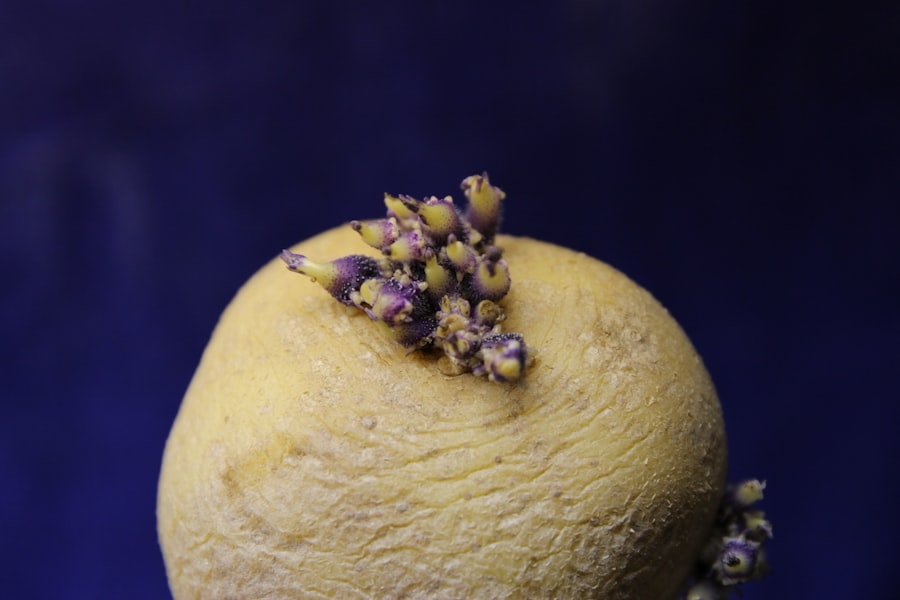
Effective pest and disease management is crucial for maintaining healthy purple potato plants and ensuring a bountiful harvest. Common pests that affect potatoes include aphids, Colorado potato beetles, and wireworms. Regularly inspecting plants for signs of infestation is essential; early detection allows for timely intervention.
Handpicking pests or using insecticidal soap can be effective methods for controlling small populations without harming beneficial insects. Diseases such as late blight and powdery mildew can pose significant threats to potato crops. Late blight is particularly notorious for its rapid spread and devastating effects on both foliage and tubers.
To mitigate this risk, practice crop rotation by avoiding planting potatoes in the same location year after year. Additionally, selecting disease-resistant varieties can significantly reduce susceptibility to common potato diseases. Maintaining good air circulation around plants through proper spacing and pruning can also help minimize humidity levels that favor disease development.
Hilling and mulching the potato plants
Hilling is an essential practice in potato cultivation that involves mounding soil around the base of plants as they grow. This technique serves multiple purposes: it encourages tuber formation by burying developing potatoes deeper in the soil, which helps prevent them from being exposed to sunlight—a condition that can cause greening and toxicity. Hilling also improves drainage around the root zone and reduces competition from weeds.
Mulching is another beneficial practice that complements hilling by providing additional moisture retention and weed suppression.
Applying mulch after hilling not only conserves moisture but also helps maintain consistent soil temperatures—critical factors for healthy potato growth.
Harvesting the purple potatoes at the right time
Timing is crucial when it comes to harvesting purple potatoes; harvesting too early can result in small tubers that lack flavor, while waiting too long may lead to overripe potatoes that are more susceptible to disease or damage during harvest. Generally, purple potatoes are ready for harvest when their foliage begins to yellow and die back—this typically occurs about 90 to 120 days after planting, depending on the variety. To harvest, gently loosen the soil around the base of each plant using a garden fork or spade, taking care not to puncture or bruise the tubers.
Once loosened, carefully lift the plants from the ground by hand or with tools designed for harvesting root vegetables. After harvesting, allow potatoes to dry in a shaded area for several hours before moving them to storage; this helps reduce moisture content on their skins and minimizes rot during storage.
Storing the harvested purple potatoes
Proper storage techniques are essential for maintaining the quality of harvested purple potatoes over time. Ideally, harvested potatoes should be stored in a cool, dark place with good ventilation—temperatures between 45°F (7°C) and 50°F (10°C) are optimal for long-term storage. Avoid exposing potatoes to direct sunlight or bright artificial light, as this can lead to greening and bitterness.
Before storing, it’s important to sort through harvested potatoes and remove any damaged or diseased tubers; these can spoil quickly and affect surrounding potatoes if left together. Storing potatoes in breathable containers such as burlap sacks or cardboard boxes allows for adequate airflow while preventing moisture buildup that could lead to rot. Regularly checking stored potatoes for signs of sprouting or decay will help ensure that they remain fresh throughout their storage period.
Using purple potato plants for ornamental purposes
Beyond their culinary appeal, purple potato plants can also serve as attractive ornamental additions to gardens and landscapes. Their vibrant foliage adds visual interest throughout the growing season; many gardeners appreciate their unique color contrast against traditional green plants. The striking purple hue of both leaves and tubers makes them an eye-catching choice for decorative gardens or edible landscapes.
Incorporating purple potato plants into ornamental beds or containers allows gardeners to enjoy both aesthetic beauty and functional food production simultaneously. Pairing them with complementary flowering plants can create stunning visual displays while maximizing space in smaller gardens or patios. Additionally, some gardeners choose to grow purple potatoes in raised beds or vertical planters as a way to showcase their unique appearance while optimizing space utilization.
Recipes and cooking tips for purple potatoes
Cooking with purple potatoes opens up a world of culinary possibilities due to their unique flavor profile and vibrant color. One popular method is roasting; simply toss cubed purple potatoes with olive oil, salt, pepper, and your choice of herbs before roasting them at high heat until crispy on the outside and tender on the inside. This method enhances their natural sweetness while showcasing their stunning color.
Another delightful way to enjoy purple potatoes is by making mashed potatoes; their creamy texture pairs beautifully with butter and cream for a rich side dish that stands out on any table. For an added twist, consider incorporating roasted garlic or fresh herbs into your mash for extra flavor depth. Additionally, purple potatoes can be used in salads—whether boiled or roasted—adding both color and nutrition to your dish.
Incorporating these vibrant tubers into your meals not only elevates your culinary creations but also provides numerous health benefits due to their high antioxidant content compared to traditional white potatoes. Whether you choose simple preparations or more elaborate recipes, purple potatoes are sure to impress both visually and gastronomically.
FAQs
What is a purple potato plant?
A purple potato plant is a type of potato plant that produces potatoes with a purple-colored skin and flesh. It is a variety of the common potato plant, Solanum tuberosum, and is known for its vibrant color and unique flavor.
How do you grow a purple potato plant?
To grow a purple potato plant, you can start by planting certified seed potatoes in well-drained, loose soil with a pH of 5.8 to 6.5. The plant requires full sun and regular watering. The potatoes can be harvested when the plant’s foliage begins to yellow and die back.
Are purple potatoes healthy?
Yes, purple potatoes are considered to be a healthy food choice. They are rich in antioxidants, particularly anthocyanins, which give them their vibrant color. Purple potatoes also contain vitamins, minerals, and dietary fiber.
What are some common uses for purple potatoes?
Purple potatoes can be used in a variety of culinary applications, including roasting, boiling, mashing, and frying. They can be used in salads, soups, and side dishes, and are often used to add color and flavor to dishes.
Are purple potato plants easy to grow?
Purple potato plants are relatively easy to grow, as long as they are provided with the right growing conditions. They require well-drained soil, full sun, and regular watering. With proper care, they can produce a bountiful harvest of colorful and flavorful potatoes.