Shallots grow well in containers when their roots have enough room and excess water can escape. The main risks are crowding, weak light, and potting mix that stays wet around the bulbs. This guide takes you from choosing a pot and planting shallot sets through watering, harvesting, curing, and storage.
Quick Answer
To grow shallots in pots, use a container at least 12 inches wide and deep with drainage holes. Fill it with loose potting mix, plant sets about 6 inches apart with their tips at the surface, give them full sun, and keep the mix evenly moist. Reduce watering as the tops yellow, then harvest and cure the bulbs.
Key Takeaways
- Choose a pot at least 12 inches wide and about 12 inches deep, with several open drainage holes.
- Use fresh, well-draining potting mix rather than dense garden soil.
- Plant shallot sets root end down, with the pointed tip at or just above the soil surface.
- Space sets about 6 inches apart for useful bulb clusters. Closer spacing usually produces smaller bulbs.
- Give the plants at least 6 hours of direct sun and water according to soil moisture, not a fixed calendar.
- Harvest after the foliage yellows and falls, then cure the bulbs until their skins and necks are dry.
At a Glance
| Time Required | About 15 to 30 minutes to plant, roughly 90 to 120 days to grow, and 1 to 3 weeks to cure |
| Difficulty | Easy |
| Tools Needed | Hand trowel, watering can, clean scissors, and a hand fork for harvest |
| Cost | Varies by the container, potting mix, and number of shallot sets |
What’s in This Article
- Choosing the Best Pot for Shallots
- When to Plant Shallots in Pots
- Selecting the Right Soil for Shallots
- Before You Begin Growing Shallots in Pots
- Planting Shallot Bulbs in Pots
- Providing the Right Amount of Water for Shallots
- Ensuring Adequate Sunlight for Shallots
- Fertilizing Shallots in Pots
- Managing Pests and Diseases in Shallots
- Troubleshooting Potted Shallots
- Managing Flowers, Leaves, and Crowding
- Harvesting Shallots From Pots
- Storing Shallots After Harvest
- Tips for Success
- Frequently Asked Questions
Choosing the Best Pot for Shallots
Start with a container that is at least 12 inches wide and about 12 inches deep. The Royal Horticultural Society recommends a shallot container at least 30 cm wide and deep, which is roughly 12 inches.
A round 12-inch pot can usually hold two or three shallot sets when you maintain useful spacing. A wider planter or window box can hold more, provided the sets remain about 6 inches apart and are not pressed against the container wall.
Shallots form clusters beneath the soil. A roomy pot gives the roots more potting mix to explore, reduces competition, and holds moisture more steadily than a shallow container.
Terracotta pots release moisture through their porous walls and may need more frequent watering. Plastic, glazed ceramic, resin, and fabric containers retain moisture differently. Any material can work when the pot is large enough and has open drainage holes.
Note: Do not add a layer of gravel or stones beneath the potting mix. According to Illinois Extension, gravel can leave a wetter layer of soil above it instead of improving drainage. Use an open drainage hole and a suitable potting mix.
If the pot sits in a saucer, empty the saucer after watering. Raising a heavy container slightly on pot feet can also help keep its drainage holes open.
When to Plant Shallots in Pots
Shallots are cool-season plants. In areas with cold winters, plant sets in early spring when outdoor conditions are workable and the potting mix is no longer frozen. In mild-winter climates, suitable varieties may also be planted in autumn or winter for a later crop.
Autumn-planted containers need protection where repeated hard freezes could freeze the entire root ball. Move the pot to a sheltered location or insulate it if the variety and local climate allow overwintering.
Sets, Seeds, or Young Plants
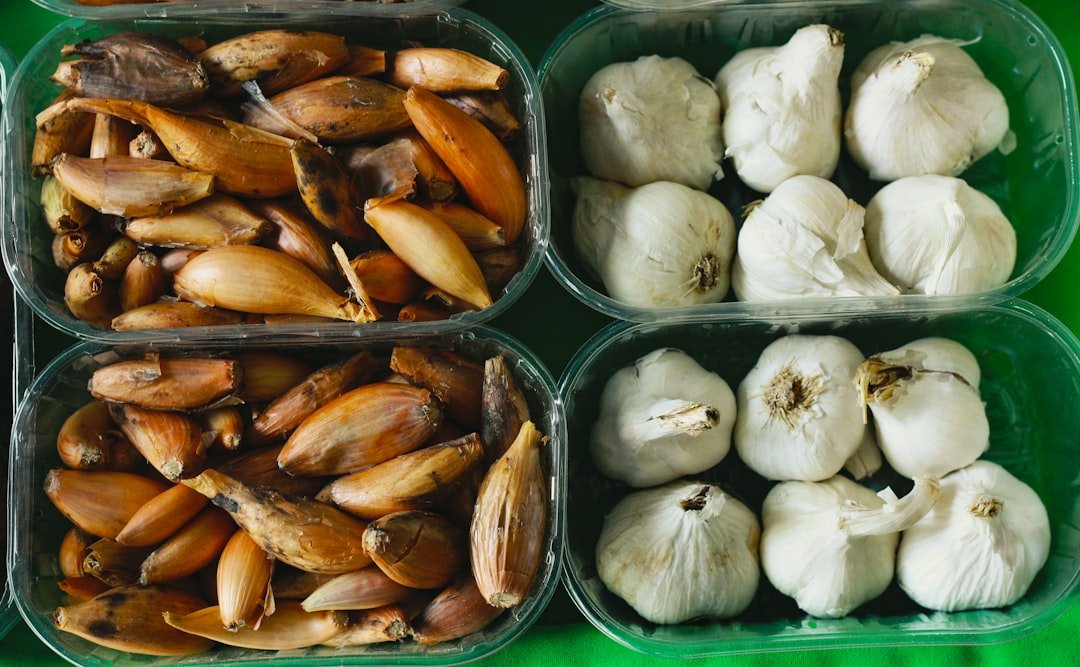
Shallot sets are small dormant bulbs and are the easiest option for beginners. Each set can form a cluster of new bulbs. Choose firm sets without mold, wet areas, deep cuts, or soft tissue.
Seed-grown shallots take more time and normally produce one bulb from each seed. You can sow several seeds together to create a clump, but do not pull that clump apart when transplanting. Purchased young plants can be handled in the same way.
Choose a variety recommended for your region when possible. Planting time and day length affect bulb formation, so a variety that performs well in one climate may behave differently in another.
Selecting the Right Soil for Shallots
Use loose, well-draining potting mix made for vegetables or outdoor containers. Do not fill the pot with garden soil alone. Garden soil can become dense in a container, restrict air around the roots, and drain slowly.
A mix containing materials such as coir or peat, composted bark, perlite, and finished compost can provide a useful balance of drainage and moisture retention. A soil-based container compost is another suitable option.
A pH near 6.0 to 7.0 is a practical target. Utah State University Extension lists a broader preferred range of 5.5 to 7.5. Most fresh commercial vegetable potting mixes already fall within a suitable range, so testing is most useful when you are mixing your own medium or reusing old material.
Mix in a modest amount of finished compost or worm castings before planting. Avoid fresh manure, which may contain too much soluble nitrogen or salts for a container crop.
Before You Begin Growing Shallots in Pots
Gather the following supplies:
- Firm shallot sets, seeds, or healthy young plants
- A container at least 12 inches wide and deep
- Fresh, well-draining potting mix
- Finished compost or worm castings
- A hand trowel
- A watering can with a narrow spout
- Clean scissors and a hand fork
- A general vegetable fertilizer, if the potting mix does not already contain enough nutrients
Wash a previously used container and clear every drainage hole before filling it. Place the pot in its final position first if it will be difficult to move after watering.
Allow roughly 90 to 120 days from planting to mature bulb harvest, although the exact period depends on the variety, season, temperature, and light. The foliage and bulb condition are more dependable harvest signals than the calendar.
Planting Shallot Bulbs in Pots
Once you have the right pot and soil, follow these steps:
- Moisten the mix. Lightly dampen dry potting mix so it absorbs water evenly after planting.
- Fill the container. Add potting mix while leaving about 1 inch of space below the rim.
- Position each set. Place the flat root plate downward and the pointed end upward.
- Set the depth. Press the bulb into the mix so its base is about 1 to 2 inches below the surface while the pointed tip remains at or just above the surface.
- Space the sets. Leave about 6 inches between bulbs. Four-inch spacing can work for smaller bulbs or green harvests, while wider spacing gives clusters more room.
- Firm gently. Press the mix lightly around each bulb without packing it hard.
- Water thoroughly. Add water slowly until a small amount drains from the bottom, then empty any filled saucer.
Do not bury sets deeply. Deep planting can delay emergence and keep the bulb area wetter than necessary. Birds may pull newly planted sets from outdoor pots, so check them until roots hold them in place.
Pro Tip: Mark the planting date on a label, but use leaf color and top fall as your final harvest guide. Weather and variety can shift maturity by several weeks.
Providing the Right Amount of Water for Shallots
| Growth Stage | How to Water | What to Check |
|---|---|---|
| After planting | Water thoroughly once, then check the mix before watering again. | The surface may dry slightly, but the bulb zone should not remain saturated. |
| Leaf growth | Water when the upper inch of mix begins to feel dry. | Hot, windy weather and terracotta pots may require more frequent checks. |
| Bulb formation | Maintain even moisture without keeping the pot constantly wet. | Look for water draining freely and firm, upright growth. |
| Maturation | Reduce and then stop routine watering as bulbs swell and tops yellow and fall. | Do not leave nearly mature bulbs in wet mix. |
Water the pot according to the moisture in the mix, not according to a fixed weekly calendar.
Water slowly at the soil line until excess moisture begins to leave the drainage holes. This wets the root zone more evenly than adding a small splash to the surface.
Avoid frequent overhead watering. Wet foliage and crowded, humid conditions can support fungal disease. Morning watering gives any splashed leaves more time to dry.
Warning: Do not leave a shallot pot standing in collected water. Constantly wet potting mix can cause root damage and bulb rot.
Ensuring Adequate Sunlight for Shallots
Place the pot where the leaves receive at least 6 hours of direct sunlight each day. Eight hours or more is useful when the climate is not extremely hot. Full sun supports leaf growth, and those leaves provide the energy needed to form bulbs.
A sunny patio, balcony, roof garden, or open yard usually works better than an indoor windowsill. Rotate the pot every week or two if one side receives more light.
Indoor shallots need a strong grow light positioned and operated according to the light manufacturer’s directions. A bright window may produce green shoots but may not supply enough light for well-developed bulb clusters.
In very hot climates, protect the pot from reflected afternoon heat coming from metal railings, glass walls, or concrete surfaces. Do not move it into deep shade unless the leaves show clear heat stress.
Fertilizing Shallots in Pots
Container-grown shallots have access to a limited volume of nutrients. Begin with a fertile potting mix containing finished compost or a measured starter fertilizer.
If the mix has no fertilizer, apply a general vegetable fertilizer at the rate printed on the label. A liquid feed can be useful during active leaf growth because nutrients wash from containers as water drains.
Do not assume that more fertilizer will produce larger bulbs. Excess nitrogen can promote soft leaf growth, delay maturity, and reduce storage quality. Stop routine feeding when bulbs begin swelling strongly or when the tops start to yellow.
Yellow leaves do not always mean nutrient deficiency. Check moisture and drainage first. Wet roots cannot function properly, and adding fertilizer to saturated mix may make the problem worse.
Managing Pests and Diseases in Shallots
Containers can reduce contact with infested garden soil, but they do not prevent every pest or disease. Inspect the plants at least once a week, including the bases of the leaves.
Thrips and Aphids
Thrips can leave pale, silvery streaks and distorted leaves. Aphids may cause curling and sticky residue. A firm spray of water can dislodge small infestations. Insecticidal soap may also help when the product is labeled for the pest and for use on edible allium crops.
Follow every pesticide label direction, including dilution, application interval, harvest waiting period, protective equipment, and temperature restrictions. Do not spray oil or soap products in intense sunlight or extreme heat.
Onion Flies and Maggots
Onion-fly larvae can feed on roots and bulbs, causing sudden wilting or decay. Use clean potting mix, healthy planting material, and insect screening where this pest is common. Remove badly damaged bulbs rather than leaving them in the container.
Downy Mildew and Other Leaf Diseases
Downy mildew may cause pale areas and grayish growth on leaves during cool, humid conditions. Improve spacing and airflow, water at the soil line, and remove seriously affected plant material.
White Rot and Bulb Rot
Soft bulbs, white fungal growth, or black resting bodies around the base can indicate a serious disease. Discard affected plants and potting mix. Do not compost diseased bulbs. Wash the container before using it again, and avoid immediately replanting susceptible allium crops in contaminated material.
Troubleshooting Potted Shallots
| Symptom | Likely Cause | What to Do |
|---|---|---|
| Leaves yellow early | Overwatering, blocked drainage, root stress, or low nutrients | Check the drainage holes and soil moisture before adding fertilizer. |
| Tall, thin, leaning leaves | Insufficient light | Move the pot to stronger direct sun or improve the grow-light setup. |
| Small bulbs or no strong cluster | Crowding, late planting, weak light, drought stress, or an unsuitable variety | Improve spacing, light, and moisture consistency, then adjust the planting date next season. |
| Silvery or twisted leaves | Thrips | Rinse the foliage, inspect leaf bases, and use a properly labeled control if needed. |
| Soft or foul-smelling bulbs | Waterlogging, physical damage, or bacterial or fungal decay | Remove affected bulbs, improve drainage, and sanitize the container before reuse. |
| Flower stalk appears | Bolting caused by variety, temperature stress, or planting conditions | Cut the flower stalk near its base and use that bulb first after harvest. |
Managing Flowers, Leaves, and Crowding
Shallot sets naturally produce several shoots from one planted bulb. Do not pull individual shoots from a properly spaced cluster. Doing so can tear the shared root area and reduce the crop.
If you planted whole sets too closely, remove an entire plant and use it as a green shallot. This creates room without disturbing the shoots belonging to neighboring clusters.
Do not routinely trim healthy green leaves. The plant uses those leaves to make energy for bulb growth. You may remove fully dead, badly damaged, or clearly diseased leaves with clean scissors.
Cut off a flower stalk as soon as you notice it. Flowering redirects energy away from bulb development, and a bulb from a bolted plant may not store as well as the rest of the harvest.
Harvesting Shallots From Pots
Harvest mature shallots when most of the tops have yellowed, softened, and fallen over. This often happens about 90 to 120 days after planting, but the variety and season can change the timing.
Reduce watering as the foliage begins its natural dieback. Avoid forcing the leaves down by hand because bent green necks may not dry evenly.
- Choose a dry day if the pot is outdoors.
- Loosen the mix around each cluster with a hand fork or trowel.
- Lift the cluster by supporting the bulbs from below rather than pulling hard on the tops.
- Separate the bulbs gently if they release without damage.
- Set aside bruised, cut, soft, or bolted bulbs for early use instead of long storage.
You can harvest a few green leaves earlier for cooking, but repeated heavy cutting reduces the leaf area available for bulb formation. Take only a small amount from plants intended for mature bulbs.
Curing the Harvest
Spread the harvested shallots in a single layer in a dry, shaded, well-ventilated place. Protect them from rain and strong direct sun. A mesh tray, slatted shelf, or rack allows air to reach more of each bulb.
Curing often takes one to two weeks in warm, dry conditions and longer in humid weather. The bulbs are ready for storage when the outer skins are papery, the necks are dry, and the roots feel brittle.
Storing Shallots After Harvest
After curing, brush away loose dry soil. Trim the dry roots and cut the tops about 1 to 2 inches above the bulbs, or leave fully dried tops attached for braiding.
Store shallots in a cool, dry, dark place with good airflow. Mesh bags, open baskets, slatted crates, and ventilated trays work better than sealed plastic bags.
Utah State University Extension recommends cool, dry storage in mesh bags. Storage life varies by variety, curing quality, temperature, humidity, and bulb condition.
Inspect stored bulbs every few weeks. Remove any bulb that becomes soft, wet, moldy, or strongly sprouted so decay does not affect nearby shallots.
Tips for Success in Growing Shallots in Pots
- Start with healthy planting material. Reject bulbs with mold, soft areas, or a sour or rotten smell.
- Use a large pot. Extra potting mix reduces rapid swings between very wet and very dry conditions.
- Check moisture by touch. Weather, pot material, and plant size matter more than a fixed watering interval.
- Keep the drainage holes clear. Never let the pot remain in a water-filled saucer.
- Protect the leaves. Avoid unnecessary trimming because healthy foliage supports bulb growth.
- Stop feeding near maturity. Late nitrogen can keep foliage growing when the bulbs should be drying.
- Record the variety and planting date. These notes help you choose better timing the following season.
- Refresh used potting mix. Replace it when it is compacted, drains poorly, or has supported diseased allium plants.
- Rotate crops when possible. Use the container for a non-allium crop before planting shallots, onions, garlic, or leeks again.
Frequently Asked Questions
What are shallots?
Shallots are members of the onion family. Many types form clusters of bulbs and have a milder, sweeter flavor than common storage onions. Cooks use them in dressings, sauces, sautés, soups, and roasted dishes.
Can shallots be grown successfully in pots?
Yes. Shallots suit containers when the pot is wide and deep enough, receives full sun, and drains freely. Container plants need closer moisture monitoring than shallots growing in the ground.
What size pot is best for shallots?
Use a pot at least 12 inches wide and about 12 inches deep. Larger planters hold moisture more steadily and can accommodate more sets while preserving about 6 inches between them.
How many shallots can I plant in a 12-inch pot?
A 12-inch round pot can usually hold two or three sets, depending on its shape and the space available near the rim. Do not force in extra bulbs if you cannot maintain useful spacing.
How deep should shallot sets be planted?
Place each set root end down. Press it into the mix so the base is about 1 to 2 inches below the surface while the pointed tip remains at or just above the surface.
Can I plant shallots bought from a grocery store?
A firm grocery-store shallot may sprout, but it may not be adapted to your climate and could carry storage diseases. Disease-free sets from a reputable garden supplier provide more predictable results.
Can shallots grow indoors?
They can produce leaves indoors, but mature bulbs require strong light and enough room. A normal windowsill may be insufficient. Use a suitable grow light and maintain good airflow if outdoor full sun is unavailable.
Why are my shallot leaves turning yellow?
Yellowing near harvest is normal. Early yellowing may result from wet soil, blocked drainage, drought stress, root disease, or low nutrients. Check the potting mix and drainage before applying fertilizer.
When should potted shallots be harvested?
Harvest when most tops have yellowed, softened, and fallen over. Mature bulbs commonly take about 90 to 120 days, but the plant’s condition is a better guide than a fixed date.
Can I reuse the potting mix after harvesting shallots?
You can reuse healthy, free-draining mix after removing roots and refreshing it with new potting mix or finished compost. Discard it if the crop had white rot, serious bulb decay, or another suspected soil-borne disease.
Successful potted shallots begin with a roomy container, open drainage holes, full sun, and steady but controlled moisture. Give each set enough space, protect the healthy leaves, and reduce water as the crop matures. Once the tops fall, lift the bulbs carefully and cure them fully before storage.
Sources
- Royal Horticultural Society: How to Grow Shallots — container size, planting, watering, feeding, bolting, harvesting, and storage guidance.
- Utah State University Extension: Shallots in the Garden — soil pH, planting depth, spacing, irrigation, pests, curing, and storage.
- University of Illinois Extension: Container Drainage Options — drainage-hole guidance and the gravel-layer drainage myth.
- University of Minnesota Extension: Harvesting and Storing Home Garden Vegetables — curing and cool, dry storage principles for allium bulbs.
- Oregon State University Extension: Winter Vegetable Production — curing shallots in a dry, shaded, well-ventilated place.