Growing purple plants in your garden can offer a multitude of benefits that extend beyond mere aesthetics. The vibrant hues of purple can create a striking visual impact, enhancing the overall beauty of your landscape. Purple is often associated with luxury, creativity, and tranquility, making it an excellent choice for those looking to cultivate a serene outdoor space.
The presence of purple plants can evoke feelings of calmness and relaxation, transforming your garden into a peaceful retreat. Moreover, the color purple can attract beneficial pollinators such as bees and butterflies, which are essential for maintaining a healthy ecosystem. In addition to their visual appeal, many purple plants possess unique health benefits.
For instance, purple vegetables like eggplants and purple carrots are rich in antioxidants, vitamins, and minerals.
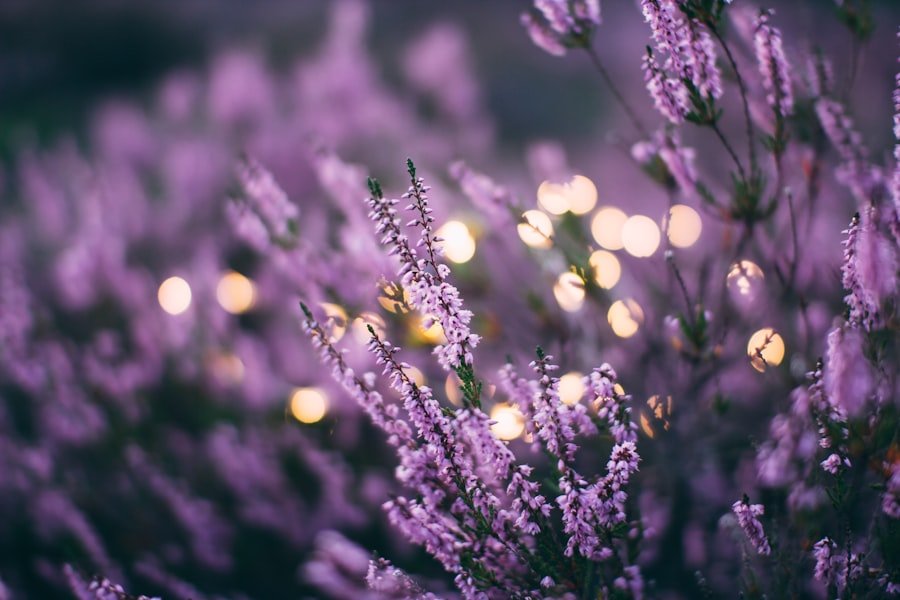
Furthermore, certain purple flowers, such as lavender, are known for their calming properties and can be used in aromatherapy or herbal remedies.
By growing purple plants, you not only enhance the beauty of your garden but also promote a healthier lifestyle through the consumption of nutrient-rich produce.
Key Takeaways
- Purple plants add a unique and vibrant pop of color to any garden or landscape
- Consider factors such as climate, soil type, and sunlight when selecting the right varieties of purple plants for your garden
- Purple plants thrive in well-drained soil and require adequate sunlight for optimal growth
- Proper planting and regular watering are essential for the health and longevity of purple plants
- Keep an eye out for common pests and diseases that may affect purple plants, and take proactive measures to prevent and treat them
Selecting the Right Varieties of Purple Plants for Your Garden
When it comes to selecting the right varieties of purple plants for your garden, the options are vast and varied. From ornamental flowers to edible vegetables, there is a plethora of choices that can suit different gardening styles and preferences. For those interested in ornamental plants, varieties such as the Purple Coneflower (Echinacea purpurea) and the Purple Heart Plant (Tradescantia pallida) can add vibrant splashes of color to flower beds or containers.
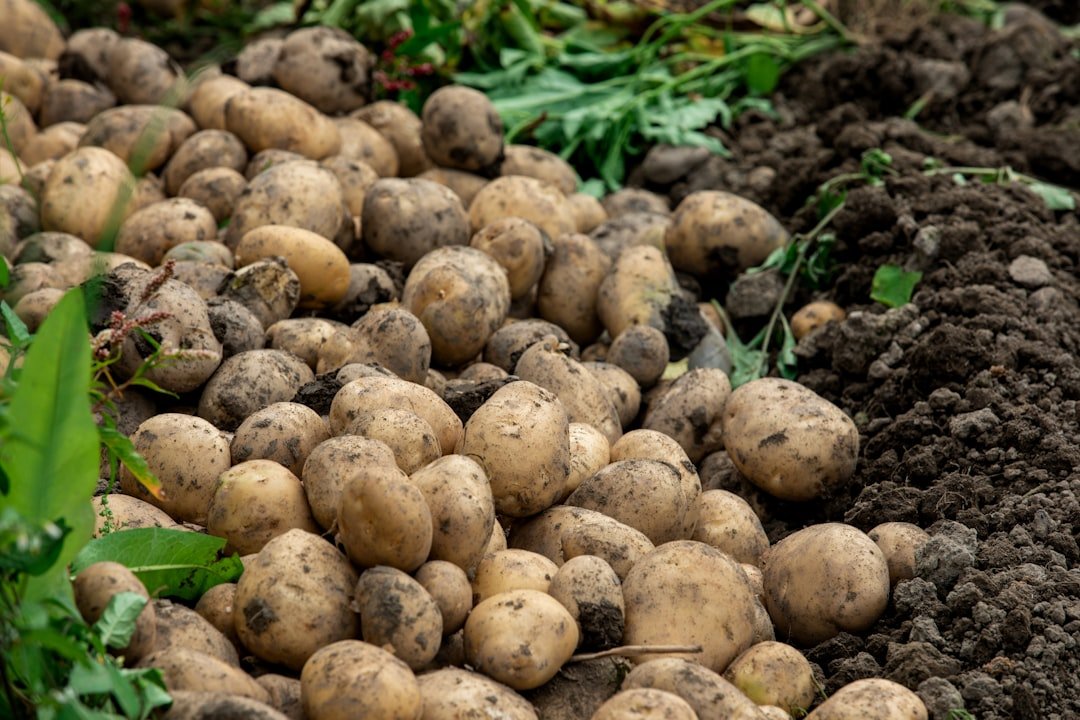
These plants not only thrive in various conditions but also provide visual interest throughout the growing season. On the other hand, if you are inclined towards edible gardening, consider incorporating purple vegetables like purple potatoes or purple basil into your planting scheme. These varieties not only offer unique flavors but also add a pop of color to your culinary creations.
Additionally, herbs like lavender and chives can serve dual purposes; they enhance your garden’s aesthetic while also being useful in the kitchen. When selecting purple plants, it is essential to consider your local climate, soil type, and available sunlight to ensure that the chosen varieties will thrive in your specific environment.
Providing the Ideal Growing Conditions for Purple Plants

To ensure that your purple plants flourish, it is crucial to provide them with the ideal growing conditions tailored to their specific needs. Most purple plants prefer well-draining soil rich in organic matter. Amending your soil with compost or well-rotted manure can significantly improve its fertility and structure, promoting healthy root development.
Additionally, conducting a soil test can help you determine pH levels and nutrient deficiencies, allowing you to make informed amendments that cater to the needs of your chosen plants. Light requirements vary among different purple plant species; some thrive in full sun while others prefer partial shade. For instance, lavender requires full sun to produce its fragrant blooms, while certain varieties of hostas appreciate dappled sunlight.
Watering practices also play a vital role in the health of your plants. While most purple plants prefer consistently moist soil, overwatering can lead to root rot and other issues. Implementing a mulching strategy can help retain soil moisture while suppressing weeds, creating an optimal environment for growth.
Tips for Planting and Caring for Purple Plants
| Plant Name | Best Growing Zone | Watering Needs | Light Requirements | Soil Type |
|---|---|---|---|---|
| Purple Basil | Zones 4-9 | Regular watering | Full sun | Well-drained soil |
| Lavender | Zones 5-9 | Low water needs | Full sun | Sandy, well-drained soil |
| Purple Heart Plant | Zones 9-11 | Regular watering | Partial shade to full sun | Well-drained soil |
Planting purple plants requires careful consideration of timing and technique to ensure successful establishment. Spring is generally the best time to plant most varieties, as it allows them to take advantage of the warm weather and longer days. When planting, dig a hole that is twice as wide as the root ball but no deeper than the plant itself.
This encourages lateral root growth and helps prevent waterlogging. Spacing is also crucial; overcrowding can lead to competition for nutrients and light, ultimately stunting growth. Once planted, ongoing care is essential for maintaining healthy purple plants.
Regular watering is important during dry spells, especially for newly established plants. Fertilizing with a balanced fertilizer can provide necessary nutrients throughout the growing season; however, it is important not to over-fertilize as this can lead to excessive foliage growth at the expense of blooms. Pruning spent flowers encourages new growth and prolongs blooming periods in many species.
Additionally, keeping an eye out for signs of stress or disease will allow you to address any issues promptly.
Dealing with Common Pests and Diseases in Purple Plants
Like all plants, purple varieties are susceptible to various pests and diseases that can hinder their growth and overall health. Common pests include aphids, spider mites, and whiteflies, which can damage leaves and stems by sucking sap from the plant. To manage these pests effectively, consider introducing beneficial insects such as ladybugs or lacewings that prey on these harmful species.
Additionally, insecticidal soaps or neem oil can be effective treatments when applied at the first sign of infestation. Diseases such as powdery mildew or root rot can also pose significant threats to purple plants. Powdery mildew often appears as a white powdery substance on leaves and thrives in humid conditions with poor air circulation.
To combat this issue, ensure adequate spacing between plants to promote airflow and consider using fungicidal sprays if necessary. Root rot typically results from overwatering or poorly draining soil; thus, ensuring proper drainage and allowing soil to dry out between waterings can help prevent this condition from developing.
Enhancing the Beauty of Your Garden with Purple Plants
Incorporating purple plants into your garden design can significantly enhance its visual appeal and create a harmonious atmosphere. The color purple pairs beautifully with a variety of other hues; for instance, it complements yellows and whites exceptionally well, creating a vibrant contrast that draws the eye. When planning your garden layout, consider using purple plants as focal points or accents within mixed borders or perennial beds.
Grouping different shades of purple together can create a stunning monochromatic effect that adds depth and interest. Additionally, using purple plants in container gardening allows for versatility in design. Combining various textures and heights within pots can create dynamic arrangements that are visually striking.
For example, pairing tall purple salvia with trailing purple petunias in a single container can create an eye-catching display on patios or balconies. Seasonal changes should also be considered; planting early-blooming purple flowers alongside late-bloomers ensures that your garden remains vibrant throughout the growing season.
Harvesting and Using Purple Plants in Cooking and Crafts
The versatility of purple plants extends beyond their ornamental value; many varieties are edible and can be harvested for culinary use. For instance, purple basil adds a unique flavor profile to dishes such as pesto or salads while also serving as a beautiful garnish. Similarly, harvesting young leaves from purple kale or collard greens provides nutrient-rich additions to smoothies or stir-fries.
When harvesting edible purple plants, it is essential to do so at the right time; picking leaves early in the morning when they are crisp ensures maximum flavor and freshness. Beyond culinary uses, many purple plants lend themselves well to crafting projects. Dried lavender flowers can be used to create sachets or potpourri that infuse spaces with their calming scent.
The rich pigments found in certain purple vegetables can even be used as natural dyes for fabrics or Easter eggs, showcasing the multifaceted nature of these beautiful plants.
Sharing the Joy of Growing Purple Plants with Others
Sharing the joy of growing purple plants with others can foster community connections and inspire fellow gardeners to explore this vibrant color palette in their own spaces. Organizing plant swaps or community gardening events allows individuals to exchange cuttings or seeds of their favorite purple varieties while sharing tips on care and cultivation techniques. This not only promotes biodiversity but also encourages collaboration among gardeners who may have different levels of experience.
Moreover, hosting workshops focused on specific aspects of growing purple plants—such as cooking demonstrations featuring edible varieties or crafting sessions using dried flowers—can engage a wider audience and spark interest in gardening as a whole. By sharing knowledge and experiences related to purple plants, you contribute to a culture of appreciation for gardening that celebrates both beauty and sustainability in our environments.
FAQs
What is the ideal growing environment for purple plants?
The ideal growing environment for purple plants includes full sunlight, well-draining soil, and a consistent watering schedule. These plants thrive in warm climates and can be grown both indoors and outdoors.
What are some common purple plants that can be grown?
Some common purple plants that can be grown include purple basil, purple sage, purple cauliflower, purple cabbage, and purple passionflower. These plants add a pop of color to any garden or landscape.
How can I care for purple plants to ensure healthy growth?
To care for purple plants, it is important to provide them with adequate sunlight, water, and nutrients. Regular pruning and pest control are also essential for maintaining the health and vibrancy of these plants.
Can I grow purple plants indoors?
Yes, many purple plants can be grown indoors as long as they receive sufficient sunlight and are planted in well-draining soil. Indoor growing may require additional attention to watering and humidity levels.
Are there any special considerations for growing purple plants?
Some purple plants may require specific soil pH levels or fertilization schedules to maintain their vibrant color. It is important to research the specific needs of each plant variety before growing them.