Gary’s Best Top Pot Potting Soil is marketed as a long-lasting container and planter mix for gardeners who want good drainage, steady moisture control, and strong root aeration. The most important thing to know before buying it is that current product listings describe a mineral-heavy blend with peat moss, pumice, perlite, sand, and charcoal—not the compost, worm castings, bat guano, or coconut coir sometimes mentioned in generic online descriptions.
Quick Answer
Gary’s Best Top Pot Potting Soil is best understood as a container-focused potting mix built around peat moss for moisture control, pumice and perlite for air space, sand for structure, and charcoal for nutrient retention. It can work well for planters and raised beds, but it is not peat-free based on currently available product listings.
Key Takeaways
- Current listings for Gary’s Best Top Pot Potting Soil describe the ingredients as peat moss, pumice, perlite, sand, and charcoal.
- The mix is designed for containers, planters, and raised bed applications where drainage and root aeration matter.
- It should not be described as peat-free unless your specific bag or retailer listing says so.
- Use containers with drainage holes, water deeply, and avoid keeping the mix soggy.
- Do not assume it is certified organic unless the package shows a recognized organic certification.
What Gary’s Best Top Pot Potting Soil Is
Gary’s Best Top Pot Potting Soil is a bagged potting mix sold for container gardening, planters, and raised bed applications. Product listings from garden-supply retailers describe it as a blend made with peat moss, pumice, perlite, sand, and charcoal. Another listing describes the same general purpose: moisture control from peat moss, aeration and root support from pumice, and nutrient retention from charcoal.
That ingredient list matters because it changes how the product should be discussed. This is not a compost-heavy organic potting mix, and it should not be presented as a coconut-coir-based peat alternative unless a current product label proves that a different formula is being sold. For the most accurate information, always compare the article you are reading with the ingredient panel on the bag you are buying.
What Sets Gary’s Best Top Pot Apart
The main selling point of Gary’s Best Top Pot is its focus on long-term structure in containers. Many potting mixes rely heavily on bark, composted forest products, or other organic materials that can break down over time. As those materials decompose, a mix may shrink, compact, or hold water differently than it did when fresh.
Gary’s Best Top Pot uses mineral ingredients such as pumice, perlite, and sand to help preserve air space around the roots. That can be useful in larger planters, permanent containers, patio pots, and raised bed applications where the mix needs to stay open and drain well over time.
Note: Product formulas and retailer descriptions can change. Before buying, check the bag for the current ingredient list, volume, weight, pH information, and any organic certification claims.
The Verified Ingredients in Gary’s Best Top Pot
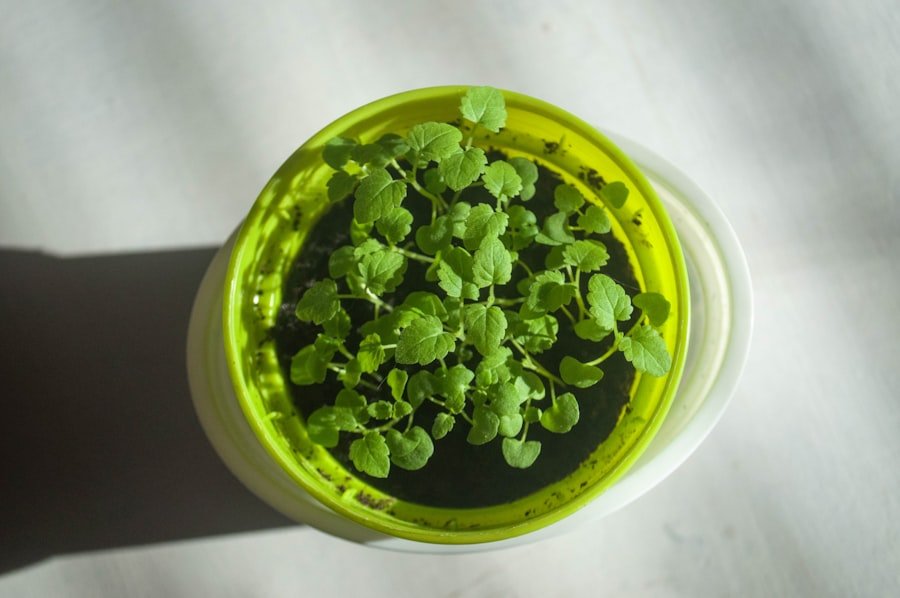
Based on current product listings, Gary’s Best Top Pot is built around five main ingredients. Each one plays a different role in container performance.
Peat Moss
Peat moss helps hold moisture and gives the mix a lightweight texture. This can be helpful in containers because pots dry out faster than in-ground garden beds. However, peat also means the mix should not be called peat-free. Gardeners who avoid peat for environmental reasons should look for a clearly labeled peat-free product instead.
Pumice
Pumice is a porous volcanic rock used in potting mixes to improve air flow and drainage. In containers, air space is just as important as water because roots need oxygen. A mix that stays too wet can reduce root function and increase disease risk.
Perlite
Perlite is a lightweight expanded volcanic material commonly used in potting media to improve drainage and aeration. It helps create pore spaces in the mix so excess water can move away from the root zone.
Sand
Sand adds mineral weight and structure. In the right amount, it can help stabilize the mix. Too much sand in a container mix can make it heavy, so the balance of sand with pumice and perlite is important.
Charcoal
Charcoal is included in the product description for nutrient retention. In a container mix, charcoal may help hold some nutrients near the root zone, but it should not be treated as a substitute for a complete fertilizer plan.
How Gary’s Best Top Pot Supports Root Development
Healthy roots need three things from a potting mix: air, water, and physical support. A container mix that holds water but still drains well can help roots grow without sitting in soggy conditions. University extension guidance for container gardening commonly emphasizes that potting media should stay moist, not waterlogged, and that excess water should be able to drain from the container.
| Feature | What It Means for Container Plants |
|---|---|
| Water Retention | Peat moss helps the mix hold moisture so roots do not dry out too quickly. |
| Drainage | Pumice, perlite, and sand help excess water move through the container. |
| Nutrient Holding | Charcoal may help retain nutrients, but container plants still need regular feeding over time. |
| Aeration | Mineral particles create air spaces that help roots breathe. |
| Structure | A mineral-heavy blend may resist shrinking and compaction better than some highly organic mixes. |
The lightweight, open structure of a good container mix can help roots expand through the pot and access water and oxygen. That does not mean any potting mix can prevent every root problem. Plant health still depends on the container size, drainage holes, watering habits, fertilizer schedule, light level, and the needs of the specific plant.
The Benefits of Using Gary’s Best Top Pot for Container Gardening
Container gardening puts extra pressure on potting soil because roots have limited space. A plant in the ground can send roots outward to search for water and nutrients. A plant in a pot can only use what is inside that container.
Gary’s Best Top Pot can be useful for gardeners who want a mix with more mineral structure than many standard potting soils. The pumice, perlite, and sand can help keep the root zone from becoming dense and compacted, while peat moss helps keep moisture available between waterings.
This balance can benefit patio planters, ornamental containers, herbs, vegetables, shrubs in large pots, and raised bed applications. It is especially worth considering when you want a mix that does not collapse quickly or become overly soggy after repeated watering.
Warning: Do not rely on the potting mix alone to prevent overwatering. Use containers with drainage holes, empty saucers after watering, and avoid letting roots sit in standing water.
How to Use Gary’s Best Top Pot in Containers
Start with a clean container that has drainage holes. Add enough potting mix to the bottom so the plant’s root ball sits slightly below the rim, leaving space for watering. Place the plant in the container, fill around the sides with more mix, and gently firm it without packing it hard.
After planting, water slowly until water drains from the bottom of the container. This settles the mix around the roots and removes large air pockets. If the mix sinks after the first watering, add a little more potting mix around the root ball.
For vegetables, herbs, and flowering annuals, plan on feeding during the growing season. Even when a mix starts with nutrients or nutrient-holding ingredients, repeated watering can leach nutrients from containers. The University of Minnesota Extension notes that container plants often need regular fertilizer after planting because watering moves nutrients through the potting medium.
Pro Tip: Before watering again, push your finger about an inch into the mix. If it still feels damp, wait. If it feels dry at that depth, water thoroughly until excess water drains out.
Tips for Using Gary’s Best Top Pot for Indoor Plants
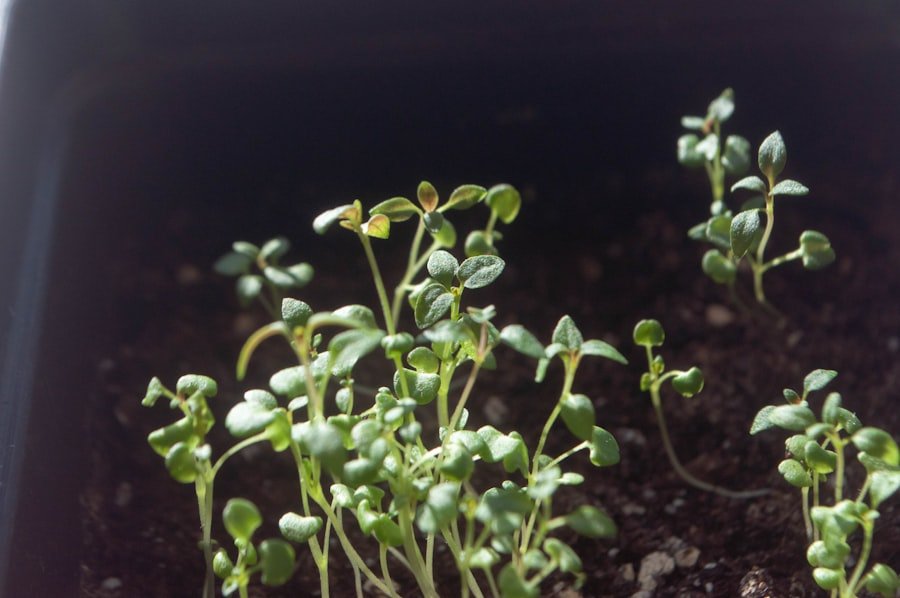
Indoor plants usually dry out more slowly than outdoor containers because they are protected from direct sun, wind, and high heat. That means the same potting mix may need less frequent watering indoors than it does on a patio.
Choose a container with drainage holes whenever possible. If you use a decorative cachepot with no hole, keep the plant in a nursery pot inside it and remove the inner pot for watering. Let it drain fully before placing it back in the decorative container.
Gary’s Best Top Pot may be too moisture-retentive for plants that prefer very dry conditions unless you adjust your watering carefully. For cacti, succulents, and some Mediterranean herbs, consider whether a cactus/succulent mix or an even grittier blend would be a better fit.
Water Retention and Drainage: Why Both Matter
The best container mix is not simply “wet” or “dry.” It needs to hold enough moisture for roots while still allowing excess water to leave the pot. When a mix stays saturated too long, roots may struggle to get oxygen. When it dries too quickly, plants wilt and nutrient uptake slows.
Gary’s Best Top Pot approaches this balance by combining peat moss with mineral ingredients. Peat moss helps with moisture control, while pumice, perlite, and sand help create drainage and air space. The result is a mix intended to support roots without becoming overly dense.
Still, container size matters. A small pot in hot sun may need water every day in summer. A large indoor pot may stay damp for a week or longer. Watch the plant and the soil moisture rather than watering on a fixed calendar.
Environmental Considerations: Peat, Pumice, and Practical Choices
The original version of this article described Gary’s Top Pot as if it avoided peat. Current product listings do not support that claim. They describe the mix as containing peat moss, which is an environmental concern for gardeners who are trying to reduce or eliminate peat use.
Peatlands are important carbon stores and wildlife habitats. The International Union for Conservation of Nature describes peatlands as the largest natural terrestrial carbon store, and the Royal Horticultural Society has moved toward “no new peat” in its operations because of environmental concerns.
That does not automatically mean every gardener will reject a peat-containing mix. Some may prioritize drainage, longevity, local availability, or plant performance. The honest choice is to know what is in the bag. If peat-free gardening is your priority, choose a product clearly labeled peat-free.
How Gary’s Best Top Pot Compares With Other Potting Mixes
Compared with many standard potting soils, Gary’s Best Top Pot appears to use more durable mineral components. That may help the mix keep air space longer in containers. Standard all-purpose mixes may feel lighter and cheaper, but they can break down or compact more quickly depending on their ingredients.
Compared with compost-rich potting blends, Gary’s Best Top Pot should not be described as a high-compost fertility mix. Compost is valuable in many gardening situations because it can improve soil structure, water-holding capacity, and biological activity. The U.S. Environmental Protection Agency notes that compost can increase soil organic matter, fertility, water retention, and beneficial soil organisms. However, compost benefits should not be attributed to Gary’s Best Top Pot unless compost is listed on the product label.
Compared with cactus or succulent mixes, Gary’s Best Top Pot may hold more moisture because of its peat moss content. For plants that need very fast drainage and long dry periods, use a mix designed for those plants or amend carefully with additional mineral material.
What to Check Before Buying
Before purchasing Gary’s Best Top Pot, look at the current bag or retailer listing rather than relying on copied descriptions online. Check the ingredient list, package size, stock status, price, and whether the product is being sold as Gary’s Best Top Pot, Gary’s Top Pot, or another similar name.
Also check whether the listing makes claims about organic certification. A product can contain natural ingredients without being certified organic. For organic gardening, look for a recognized certification mark on the package or an explicit certification statement from the seller.
Finally, match the mix to your plants. A general container mix may work well for many herbs, vegetables, flowers, and ornamental planters, but it may not be ideal for every plant. Acid-loving plants, succulents, orchids, carnivorous plants, and seed-starting projects often need more specialized media.
Where to Find and Purchase Gary’s Best Top Pot
Gary’s Best Top Pot Potting Soil is listed by garden-supply retailers and distributors, including online garden supply stores. Availability can vary by region, package size, and season. Some listings may show backorder status or local pickup options, so check current stock before planning a project around it.
Local nurseries and independent garden centers may also be able to order it through distributors. If you cannot find it locally, ask the retailer for the exact product name, bag size, and UPC so you do not accidentally buy a different Gary’s Best soil blend, such as an acid mix.
Frequently Asked Questions
What is Gary’s Best Top Pot Potting Soil?
Gary’s Best Top Pot Potting Soil is a container and planter mix sold for potting applications and raised beds. Current product listings describe it as a blend of peat moss, pumice, perlite, sand, and charcoal.
What are the key features of Gary’s Best Top Pot?
Its main features are moisture control from peat moss, aeration and drainage from pumice and perlite, added structure from sand, and nutrient-retention support from charcoal. The mix is marketed for longer-term container use.
What plants is Gary’s Best Top Pot suitable for?
It can be suitable for many container plants, including ornamental planters, herbs, vegetables, shrubs in pots, and raised bed plantings. For cacti, succulents, orchids, carnivorous plants, or acid-loving plants, use a specialized mix if those plants require different drainage, pH, or moisture conditions.
How should Gary’s Best Top Pot be used?
Use it in a clean container with drainage holes. Fill around the root ball, firm lightly without compacting, and water thoroughly until water drains from the bottom. After planting, water based on soil moisture and plant needs rather than a fixed schedule.
Is Gary’s Best Top Pot peat-free?
No, not based on current product listings checked for this guide. Those listings describe the mix as containing peat moss. If peat-free gardening is important to you, choose a product clearly labeled peat-free.
Is Gary’s Best Top Pot organic?
Do not assume it is certified organic unless your specific bag or retailer listing shows a recognized organic certification. Natural ingredients and organic certification are not the same thing.
Where can I purchase Gary’s Best Top Pot?
It may be available through garden-supply retailers, hydroponic stores, nurseries, and distributors. Availability varies, so check current stock, package size, and product name before ordering.
Sources
- Sunny Tools & Garden product listing — supports the listed ingredients and product use claims.
- BFG Supply product listing — supports product naming, package information, and ingredient description.
- University of Minnesota Extension — supports container watering and fertilizing guidance.
- U.S. EPA: Benefits of Using Compost — supports general compost and soil-health context.
- IUCN: Peatlands and Climate Change — supports peatland carbon and climate context.
- Royal Horticultural Society Peat Policy — supports current horticultural peat-use context.