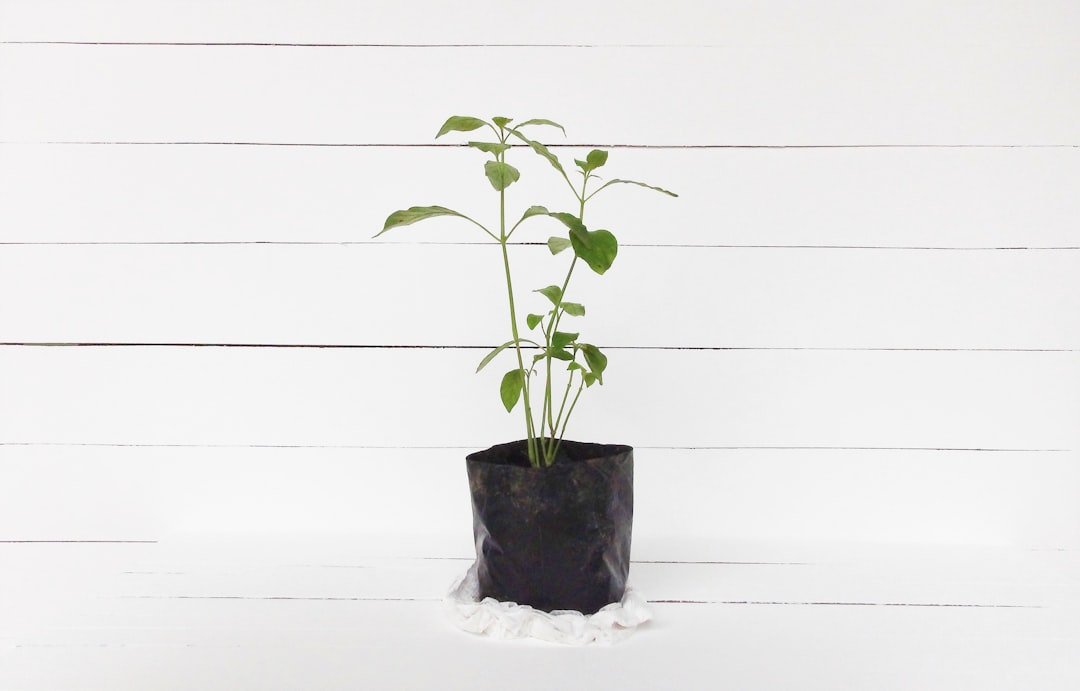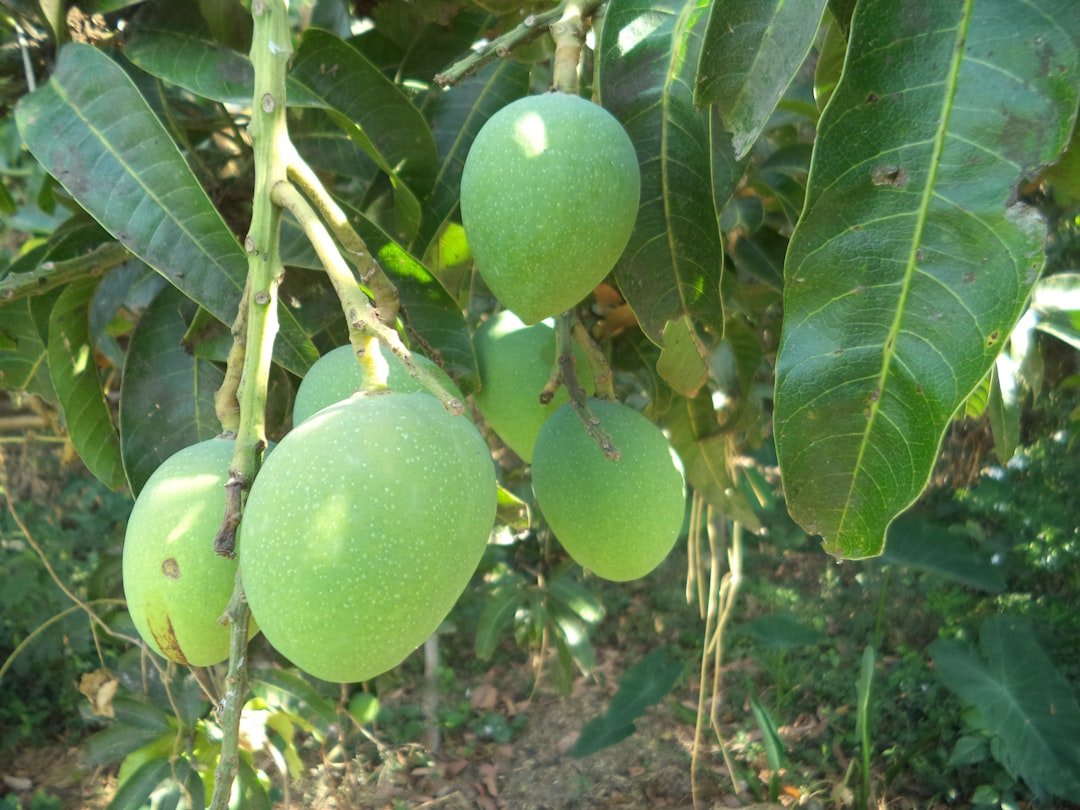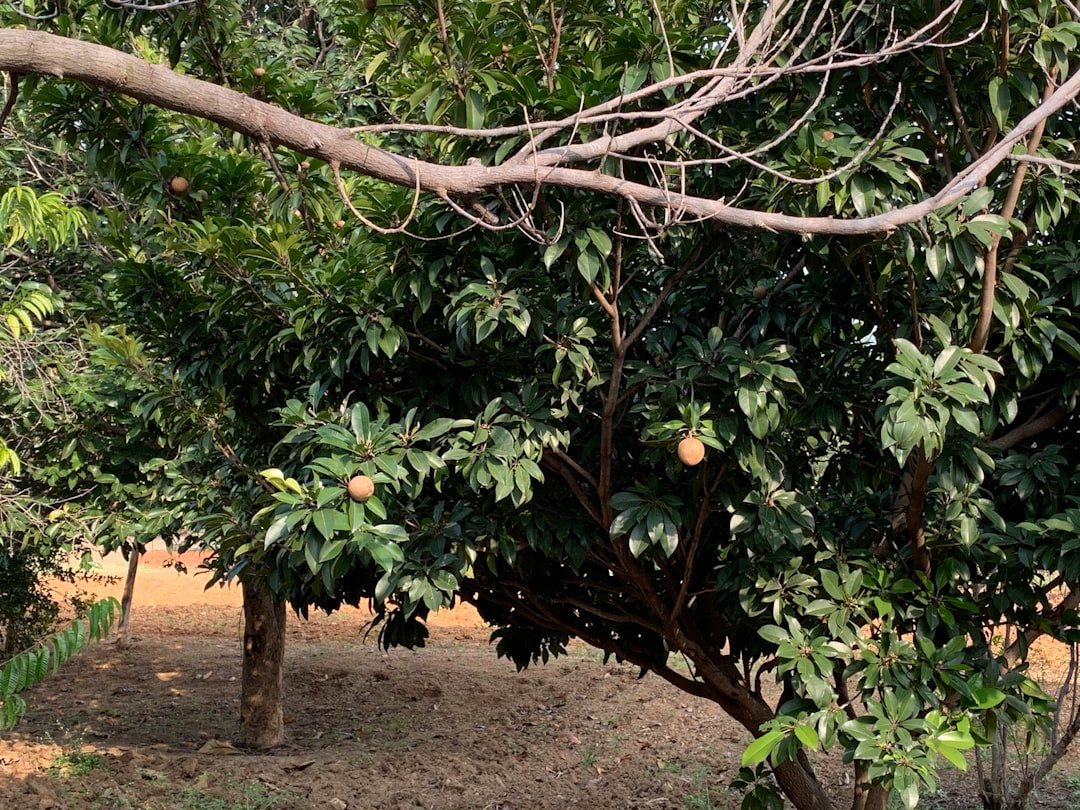
The mango tree, scientifically known as Mangifera indica, is a tropical fruit-bearing tree that belongs to the Anacardiaceae family. Native to South Asia, particularly India and Myanmar, the mango tree has been cultivated for thousands of years and is now grown in many tropical and subtropical regions around the world. Characterized by its large, glossy leaves and fragrant flowers, the mango tree can reach heights of up to 100 feet, although most cultivated varieties are kept much smaller for easier harvesting.
The tree produces a fleshy, sweet fruit that is not only a culinary delight but also rich in vitamins A and C, making it a popular choice among health-conscious consumers. Mango trees are evergreen, shedding their leaves only when new growth begins. They have a deep taproot system that allows them to access water from deeper soil layers, which is crucial for their survival in arid conditions.
The tree’s flowering typically occurs in late winter to early spring, with fruit ripening in the summer months. The fruit itself varies widely in size, shape, and color depending on the cultivar, ranging from small, oval-shaped varieties to large, kidney-shaped ones. The flavor profile of mangoes is equally diverse, with some being sweet and others having a more tart taste.
This diversity makes mangoes a versatile ingredient in various culinary applications, from salads to desserts.
Key Takeaways
- Mango trees are tropical evergreens that can grow up to 100 feet tall and produce fruit for decades.
- Mango trees thrive in tropical and subtropical climates with temperatures between 70-90°F and high humidity.
- Choosing the right planting zone is crucial for the successful growth and fruit production of mango trees.
- Ideal soil conditions for mango trees include well-draining, fertile soil with a pH level between 5.5-7.5.
- Factors to consider when selecting a planting zone for mango trees include temperature, humidity, and frost risk.
Climate Requirements for Mango Trees
Mango trees thrive in warm climates, ideally requiring temperatures between 70°F and 100°F (21°C to 38°C) for optimal growth. They are sensitive to frost and can suffer damage if exposed to temperatures below 30°F (-1°C). This sensitivity to cold makes it essential for growers to select planting zones that provide a consistently warm environment.
In regions where winter temperatures drop significantly, protective measures such as planting in microclimates or using frost cloths may be necessary to shield young trees from cold snaps. Humidity also plays a crucial role in the health of mango trees. While they can tolerate dry conditions once established, young trees benefit from moderate humidity levels.
High humidity can promote fungal diseases, so it is essential to strike a balance. In areas with high humidity, proper air circulation around the tree can help mitigate disease risks. Additionally, mango trees require a distinct dry season to encourage flowering and fruit set; excessive rainfall during this period can lead to poor fruit quality and increased susceptibility to pests and diseases.
The Importance of Choosing the Right Planting Zone
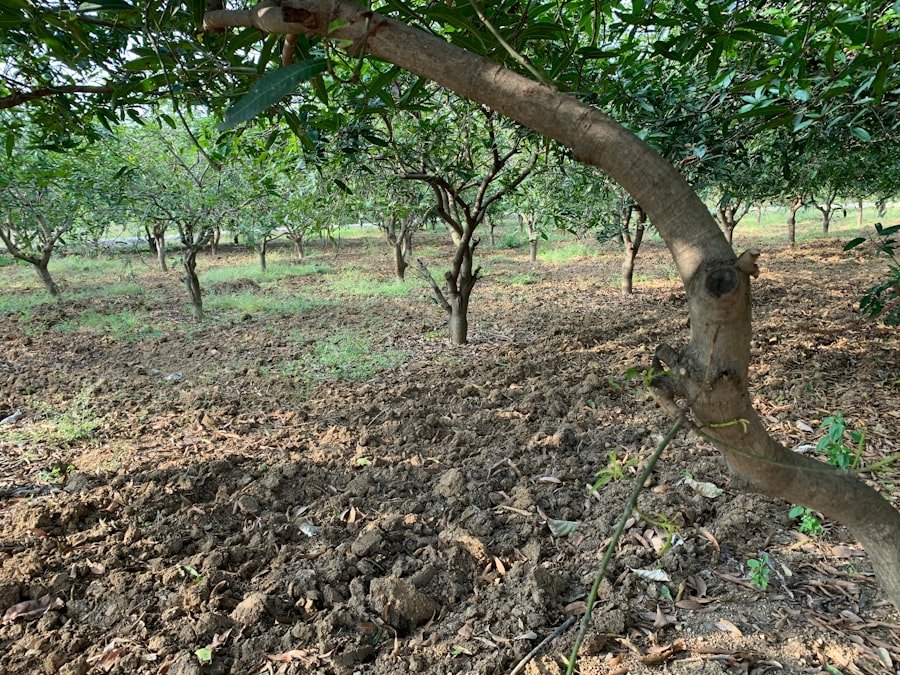
Selecting the appropriate planting zone for mango trees is critical for their successful cultivation. The USDA Plant Hardiness Zone Map is a valuable tool for growers, as it categorizes regions based on their average annual minimum temperatures. Mango trees are best suited for zones 10 through 11, where the risk of frost is minimal and temperatures remain warm throughout the year.
Planting in an unsuitable zone can lead to stunted growth, poor fruit production, or even tree death. In addition to temperature considerations, the local climate’s rainfall patterns and humidity levels must also be taken into account. For instance, areas with excessive rainfall may require additional drainage solutions to prevent root rot, while regions with prolonged dry spells may necessitate irrigation systems to ensure adequate water supply.
Understanding these factors helps growers make informed decisions about where to plant their mango trees, ultimately leading to healthier trees and more abundant harvests.
Ideal Soil Conditions for Mango Trees
| Soil Condition | Ideal Range |
|---|---|
| pH Level | 5.5 – 7.5 |
| Organic Matter | 3 – 5% |
| Texture | Sandy loam |
| Drainage | Well-drained |
| Nutrients | Rich in nitrogen, potassium, and phosphorus |
Mango trees prefer well-draining soils that are rich in organic matter. Sandy loam or loamy soils are ideal as they provide good drainage while retaining enough moisture for the tree’s needs. Heavy clay soils can pose significant challenges for mango cultivation due to poor drainage, which can lead to root rot and other diseases.
To improve soil conditions, growers may consider amending heavy soils with organic matter such as compost or well-rotted manure to enhance drainage and nutrient content. Soil pH is another critical factor for mango trees; they thrive in slightly acidic to neutral soils with a pH range of 5.5 to 7.5. Conducting a soil test before planting can provide valuable insights into nutrient levels and pH balance, allowing growers to make necessary amendments before establishing their trees.
Additionally, incorporating mulch around the base of the tree can help retain soil moisture and regulate temperature while suppressing weeds that compete for nutrients.
Factors to Consider when Selecting a Planting Zone
When selecting a planting zone for mango trees, several factors must be considered beyond just temperature and soil conditions. Local pest populations can significantly impact mango cultivation; certain regions may have higher incidences of pests such as mango weevils or aphids that can damage both foliage and fruit. Understanding the local ecosystem and implementing integrated pest management strategies can help mitigate these risks.
Another important consideration is the availability of water resources. In areas where rainfall is inconsistent or insufficient, establishing an irrigation system may be necessary to ensure that mango trees receive adequate moisture throughout their growing season. Drip irrigation systems are particularly effective as they deliver water directly to the root zone while minimizing evaporation losses.
Additionally, growers should consider the proximity of their planting site to potential sources of pollution or contaminants that could affect soil health and fruit quality.
The Impact of Temperature on Mango Tree Growth
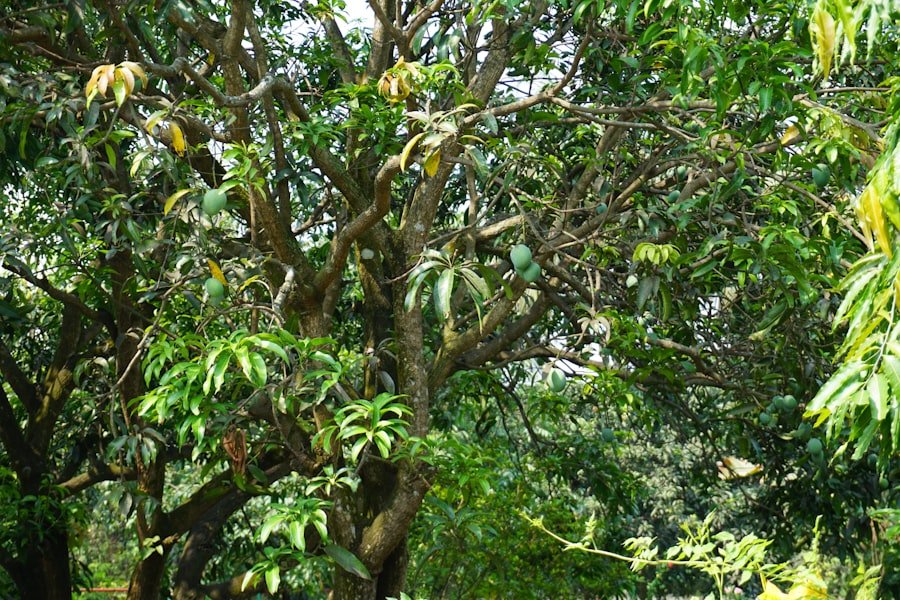
Temperature fluctuations can have profound effects on the growth and productivity of mango trees. During the flowering stage, temperatures that are too low can inhibit flower development and reduce fruit set. Conversely, excessively high temperatures during fruit development can lead to sunburned fruit or premature ripening, negatively impacting both yield and quality.
Therefore, maintaining optimal temperature ranges is crucial for successful mango cultivation. Moreover, temperature influences the timing of flowering and fruiting cycles. In regions with consistent warm temperatures year-round, mango trees may produce multiple crops annually; however, in areas with distinct seasonal changes, flowering may be limited to specific times of the year.
Understanding these temperature dynamics allows growers to plan their cultivation practices accordingly, ensuring that they maximize their harvest potential while minimizing risks associated with temperature extremes.
Watering Needs for Mango Trees in Different Planting Zones
Watering requirements for mango trees vary significantly depending on the planting zone’s climate conditions. In arid regions where rainfall is scarce, young mango trees require regular watering until they establish a robust root system. This typically involves deep watering sessions every week or two during dry spells.
Once established, mature mango trees are more drought-tolerant but still benefit from supplemental irrigation during prolonged dry periods to maintain healthy fruit development. In contrast, in regions with high rainfall or humidity levels, careful attention must be paid to avoid overwatering. Excess moisture can lead to root rot and other fungal diseases that threaten tree health.
Implementing proper drainage solutions such as raised beds or mounds can help mitigate these risks by ensuring excess water drains away from the root zone effectively. Monitoring soil moisture levels through techniques such as using moisture meters or simply checking soil texture can guide watering practices tailored to specific environmental conditions.
Sunlight Requirements for Mango Trees
Mango trees are sun-loving plants that require full sunlight for optimal growth and fruit production. Ideally, they should receive at least six hours of direct sunlight each day; however, more sunlight exposure often translates into better yields and improved fruit quality. Insufficient sunlight can lead to weak growth patterns and reduced flowering potential, ultimately affecting overall productivity.
When selecting a planting site for mango trees, it is essential to consider potential shading from nearby structures or taller plants that could obstruct sunlight access. In densely populated areas or urban settings where space is limited, careful planning is necessary to ensure that mango trees receive adequate light throughout their growing season. Pruning surrounding vegetation or strategically positioning new plantings can help maximize sunlight exposure for young mango trees.
Potential Challenges in Finding the Ideal Planting Zone
Identifying the ideal planting zone for mango trees presents several challenges that growers must navigate carefully.
These microclimates may create localized conditions that differ from broader regional averages, complicating decisions about where to plant.
Additionally, changing climate patterns due to global warming pose further challenges for mango cultivation. Regions previously considered suitable for growing mangoes may experience shifts in temperature or precipitation patterns that render them less hospitable over time. Growers must remain vigilant about monitoring these changes and adapting their practices accordingly—whether through selecting more resilient cultivars or implementing innovative agricultural techniques designed to mitigate climate impacts.
Tips for Successful Mango Tree Planting in the Ideal Zone
To ensure successful mango tree planting within an ideal zone, several best practices should be followed. First and foremost is selecting disease-resistant cultivars suited specifically for local conditions; this not only enhances resilience but also improves overall yield potential. Consulting local agricultural extension services or nurseries can provide valuable insights into which varieties perform best in specific regions.
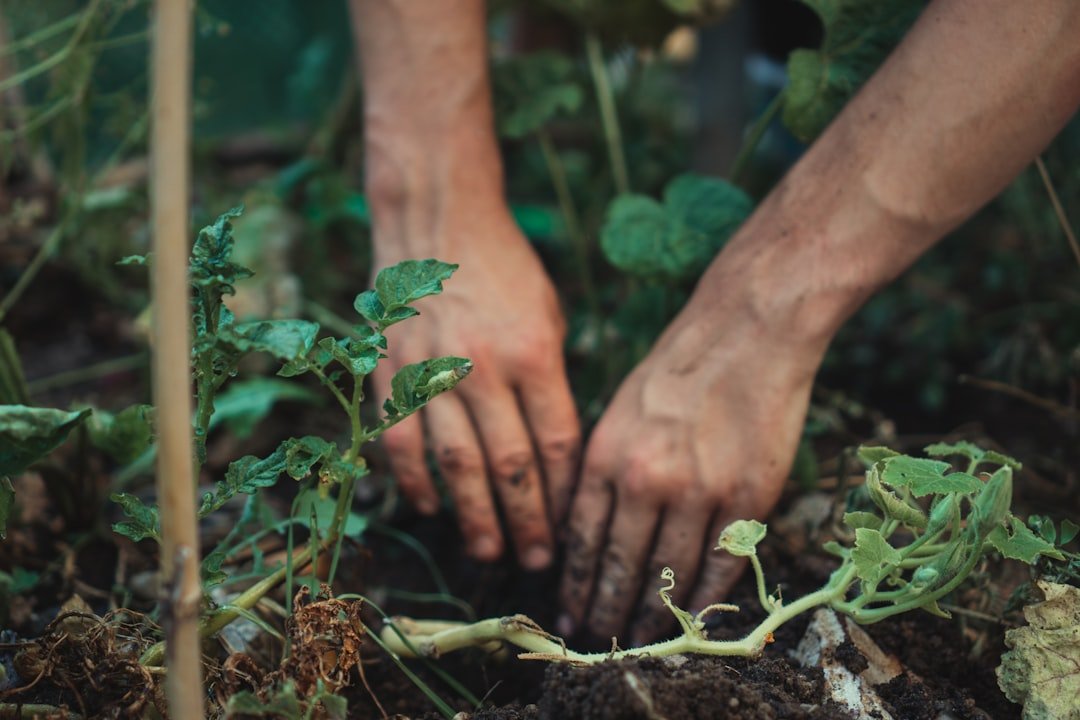
Proper planting techniques are equally important; when establishing young trees, digging a wide hole that allows roots ample space to spread encourages healthy growth from the outset.
The Benefits of Choosing the Right Planting Zone for Mango Trees
Choosing the right planting zone for mango trees is paramount for achieving optimal growth and productivity. By understanding climate requirements, soil conditions, and local environmental factors, growers can make informed decisions that lead to healthier trees and bountiful harvests. The benefits extend beyond mere aesthetics; successful cultivation of mangoes contributes significantly to local economies while providing nutritious food options for communities worldwide.
In summary, careful consideration of all aspects related to planting zones—from temperature fluctuations and watering needs to sunlight exposure—ensures that mango trees thrive in their chosen environments. As global interest in sustainable agriculture continues to rise, understanding these principles will empower growers everywhere to cultivate this beloved fruit successfully while adapting practices that align with changing climatic realities.
FAQs
What is a mango tree planting zone?
A mango tree planting zone refers to the specific geographical area where the climate and soil conditions are suitable for growing mango trees.
What are the ideal conditions for planting mango trees?
Mango trees thrive in tropical and subtropical climates with warm temperatures and plenty of sunlight. They also require well-drained soil with good fertility.
What are the main factors to consider when determining the planting zone for mango trees?
The main factors to consider when determining the planting zone for mango trees include temperature, rainfall, humidity, and soil type. Mango trees are sensitive to frost and require a frost-free climate.
What are some examples of mango tree planting zones?
Mango trees are commonly grown in planting zones 10-11, which include regions in Florida, California, Hawaii, and other tropical and subtropical areas around the world.
Can mango trees be grown outside of their ideal planting zones?
While it is possible to grow mango trees outside of their ideal planting zones with the use of protective measures such as greenhouses or cold frames, they may not thrive as well as they would in their natural habitat.
How can I determine the planting zone for mango trees in my area?
You can determine the planting zone for mango trees in your area by consulting a USDA Plant Hardiness Zone Map or seeking advice from local agricultural extension services or nurseries.