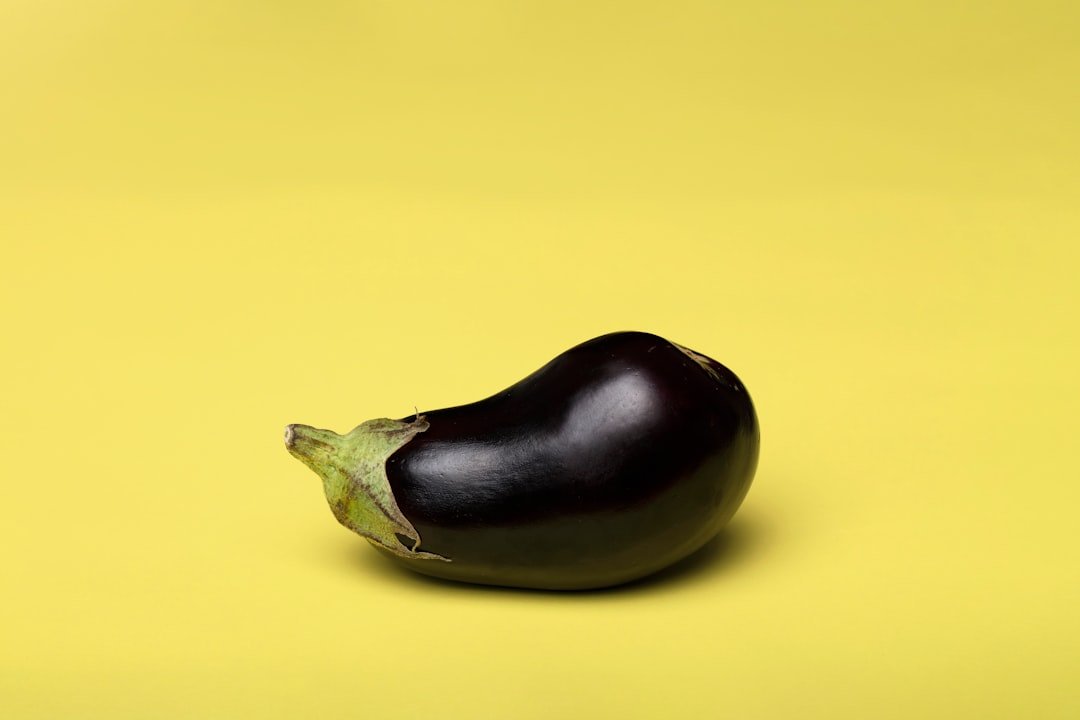
Little Prince eggplant is a compact, small-fruited eggplant suited to containers, raised beds, and small gardens. The hybrid produces glossy purple, oval fruits that are typically harvested at about 3 to 4 inches long. Its manageable size, tender fruit, and familiar eggplant flavor also make it useful for grilling, roasting, sautéing, stuffing, and dips.
Quick Answer
Little Prince eggplant is a compact hybrid that produces clusters of tender, glossy purple fruits about 3 to 4 inches long. It reaches harvest in roughly 65 days after transplanting and works especially well in containers or small gardens. Pick the fruits while their skins are shiny and the flesh is still firm.
Key Takeaways
- Little Prince is a hybrid, not an heirloom, and saved F1 seed may not produce plants identical to the parent.
- Its compact growth and small fruit make it a practical choice for patios, balconies, raised beds, and other limited spaces.
- Warm soil, full sun, steady moisture, and timely harvesting are more important than letting the fruit become large.
- The small fruits can be cooked much like other eggplants and work particularly well when halved, sliced, roasted, grilled, sautéed, or stuffed.
What Is Little Prince Eggplant, and Where Does It Come From?
Little Prince eggplant is a compact hybrid of Solanum melongena bred for small fruits and space-efficient growth. The University of California Agriculture and Natural Resources cultivar listing describes it as a 65-day hybrid with tender, purple, oval fruits measuring about 3 to 4 inches and borne in clusters.
The history of Little Prince itself is not the same as the history of eggplant as a species. Claims that this cultivar originated in France or is specifically a cross between Japanese and Italian eggplants are not supported by the authoritative cultivar information reviewed for this article.
Eggplant has much deeper Asian roots. Kew Science’s account of Solanum melongena places domestication in the broad region between India, Myanmar, and China and notes evidence of eggplant cultivation in Asian literature going back about 2,000 years. Eggplant later spread through Africa, the Mediterranean, and Europe.
Little Prince belongs to that much larger and remarkably varied species. Eggplants can be round, oval, elongated, white, green, striped, violet, or nearly black. What distinguishes Little Prince is its combination of compact growth and small purple fruits rather than a separate botanical identity.
Nutritional Benefits of Little Prince Eggplant
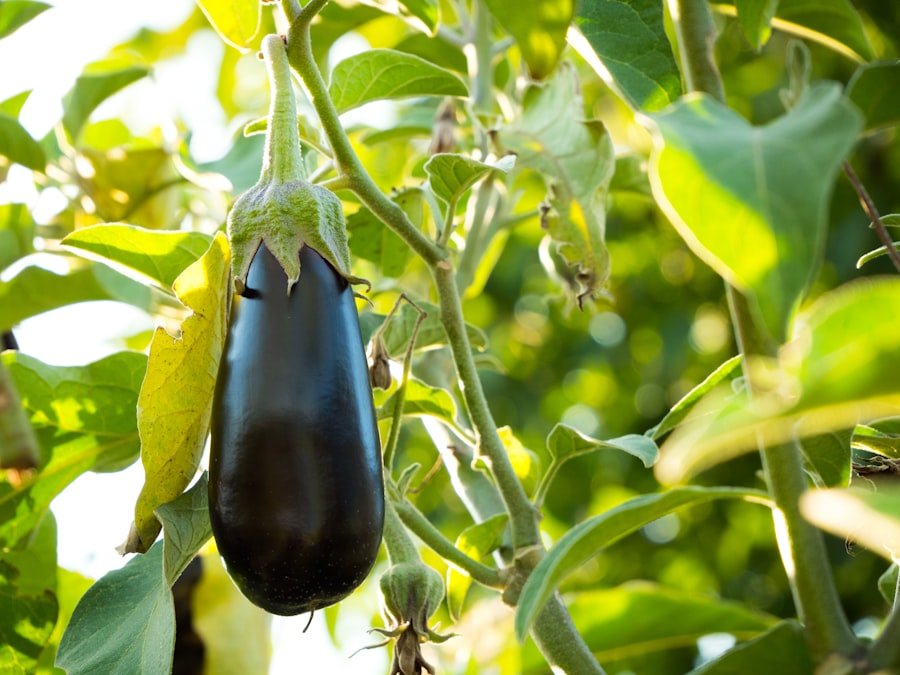
Little Prince eggplant can be treated nutritionally much like other purple eggplants, although cultivar-specific laboratory nutrition data were not found. General raw eggplant is low in calories and supplies fiber along with smaller amounts of several vitamins and minerals.
According to Purdue Extension’s eggplant nutrition information, 1 cup of raw eggplant cubes, about 82 grams, provides about 20 calories, 5 grams of carbohydrate, 3 grams of dietary fiber, and 1 gram of protein.
| Nutrient | Approximate amount per 1 cup raw cubes |
|---|---|
| Calories | 20 |
| Carbohydrate | 5 g |
| Dietary fiber | 3 g |
| Protein | 1 g |
Purple eggplant skins also contain anthocyanin pigments. One of the best-known is nasunin, which has demonstrated antioxidant activity in laboratory research, including research indexed by PubMed. These findings should not be interpreted as proof that eating eggplant prevents or treats a particular disease.
For everyday eating, the practical advantages are simpler: eggplant adds volume and fiber with relatively few calories, while its mild flesh works with many herbs, sauces, grains, and proteins.
How to Grow Little Prince Eggplant in Your Garden
Little Prince eggplant needs the same warm conditions as other eggplants, but its compact habit makes it particularly convenient for limited spaces. Start with warmth, strong light, well-drained soil, and steady moisture, then harvest the small fruits before their skin loses its shine.
| Aspect | Details |
|---|---|
| Planting Time | Start seed indoors 6-8 weeks before the last frost; transplant after frost once conditions are consistently warm |
| Soil | Well-drained, fertile soil; pH about 6.0-7.0 |
| Sunlight | Full sun; warm-season vegetables such as eggplant benefit from at least 6-8 hours of direct sun |
| Watering | Keep moisture steady; established plants generally need about 1-2 inches of water per week |
| Spacing | About 18 inches apart in garden beds |
| Support | Stake or cage plants if fruit weight begins pulling branches outward |
| Harvesting | Around 65 days after transplanting; pick glossy, firm fruits at about 3-4 inches |
1. Start Seeds Indoors
Start seeds about six to eight weeks before your expected last frost. University of Georgia Extension recommends giving eggplant seedlings warmth and strong light, then hardening them off before moving them permanently outdoors.
Do not rush young plants into cold soil. Eggplant is heat-loving, and cool conditions can stall growth even if frost is no longer expected.
2. Choose a Sunny, Well-Drained Site
Plant in fertile, well-drained soil and avoid locations that remain waterlogged after rain. A soil pH around 6.0 to 7.0 suits eggplant well.
In a garden bed, space Little Prince plants about 18 inches apart. That gives the compact plants room for air movement and makes harvesting easier.
3. Grow Little Prince Eggplant in a Container
Container growing is one of Little Prince’s strongest uses. The University of Maryland Extension lists 5 gallons as a general minimum container volume for eggplant and recommends 6 to 8 hours of direct sunlight for warm-season vegetables.
Use a container with drainage holes and quality potting mix rather than dense garden soil. Check moisture frequently because pots can dry much faster than an in-ground bed during hot weather.
4. Water and Feed Consistently
Keep the root zone evenly moist rather than allowing repeated cycles of severe drying and soaking. Mulch can reduce evaporation in garden beds and large containers.
Use fertilizer according to the growing medium or a soil test rather than assuming more fertilizer produces more fruit. Excess nitrogen can encourage leafy growth at the expense of flowering and fruiting.
5. Watch for Flea Beetles and Other Pests
Flea beetles are a common eggplant problem, especially while plants are small. They leave many tiny holes in the leaves and can slow young transplants.
Illinois Extension’s eggplant guidance recommends early-season floating row covers as one way to protect vulnerable plants. Inspect the undersides of leaves regularly so infestations are noticed before damage becomes severe.
6. Harvest While the Fruit Is Glossy
Do not wait for Little Prince fruits to reach the size of a large supermarket eggplant. This cultivar is meant to be small, with harvest-size fruits around 3 to 4 inches.
Cut fruits from the plant with a knife or pruning shears rather than pulling or twisting them. A glossy surface and firm flesh are better maturity signals than simply leaving the fruit on the plant longer. Dull, increasingly seedy fruit has usually passed its best eating stage.
Culinary Uses for Little Prince Eggplant
Little Prince eggplant can be cooked by nearly any method used for standard eggplant. Its small size is especially convenient for halving, thick slicing, stuffing, roasting whole, or cooking quickly in a skillet.
Grilling
Cut the fruits lengthwise or into thick rounds, brush them lightly with oil, and grill until the flesh becomes tender and the surface develops browned areas. Garlic, herbs, lemon, yogurt sauces, and tomato-based dishes all pair naturally with grilled eggplant.
Roasting
Halve or cube the fruit, coat it lightly with oil, and spread it in a single layer so the pieces brown rather than steam. Roasted Little Prince eggplant can go into grain bowls, pasta, salads, sandwiches, or vegetable platters.
Sautéing and Stir-Frying
Small cubes or half-moons cook quickly in a skillet. Eggplant readily absorbs cooking oil, so add oil deliberately instead of repeatedly pouring more into the pan as it disappears.
Stuffing
The small oval shape also works for individual stuffed eggplants. Halve the fruit, remove enough flesh to create a cavity, and combine that flesh with cooked grains, vegetables, meat, cheese, herbs, or other fillings before baking.
Pro Tip: Fresh, young eggplant usually does not need salting just to remove bitterness. Salting can still be useful in recipes where you want to draw out moisture or change how the pieces behave during frying.
Little Prince Eggplant in Different Cuisines Around the World
Little Prince can stand in for other tender purple eggplants in many Mediterranean, Middle Eastern, South Asian, and East Asian preparations. It is better to think of it as a versatile substitute than to assume that traditional versions of these dishes specifically call for the Little Prince cultivar.
Mediterranean Dishes
Roasted or sautéed pieces can be added to ratatouille, pasta sauces, vegetable bakes, and caponata-style dishes. For moussaka, several small fruits can be sliced lengthwise to create the eggplant layers normally made with a larger cultivar.
Middle Eastern Dishes
Roasting the fruits until very soft makes the flesh suitable for eggplant dips such as baba ghanoush. The small size also makes Little Prince convenient for stuffed preparations that use rice, herbs, meat, lentils, or other fillings.
South Asian Dishes
Small eggplants are useful in curries because they can be quartered or slit while largely holding their shape. Little Prince can also be roasted and mashed with aromatics and spices for a baingan-bharta-style preparation.
East and Southeast Asian Dishes
Cut Little Prince into bite-size pieces for stir-fries, braises, or curries. Its mild flesh readily takes on sauces containing ingredients such as soy sauce, garlic, ginger, chile, coconut milk, or fermented seasonings.
Fun Facts About Little Prince Eggplant
Little Prince has several features that are easy to miss if you think of it simply as a miniature version of a standard purple eggplant. Its hybrid status, fruit structure, color, and plant family all explain something useful about how it grows or cooks.
- It is botanically a fruit. More specifically, eggplant is a berry in botanical terms because it develops from a flower’s ovary and contains seeds.
- It belongs to the nightshade family. Eggplant is in the Solanaceae family alongside tomatoes, peppers, and potatoes.
- Little Prince is a hybrid. Saving seeds from an F1 hybrid does not reliably reproduce the same combination of traits in the next generation.
- Purple skin is more than decoration. Purple eggplant skin contains anthocyanin pigments, including compounds such as nasunin.
- Small does not mean unripe. A glossy 3- to 4-inch Little Prince fruit can be fully ready to harvest even though it is far smaller than a standard globe eggplant.
Where to Find Little Prince Eggplant and How to Choose It
Little Prince is more commonly encountered as seed or a garden plant than as a consistently stocked supermarket vegetable. Garden centers, seed suppliers, plant sales, and specialty growers are therefore useful places to look, while farmers’ markets may carry similar small purple eggplants.
If buying fresh fruit, ask whether it is actually Little Prince rather than assuming every baby purple eggplant is the same cultivar. Look for smooth, glossy skin, a fresh-looking cap, and firm flesh without soft or sunken areas.
How to Store Fresh Little Prince Eggplant
Eggplant is fairly perishable and is best cooked soon after harvest. If you need to refrigerate it, keep it in the crisper and avoid bruising or crushing the fruit.
Purdue Extension advises that eggplant can be kept in the refrigerator crisper for up to about five days, although quality is best when it is used sooner. Discard fruit that develops significant soft spots or badly discolored flesh.
Easy Ways to Use a Harvest
If several fruits ripen at once, cook them in batches rather than waiting for them to become oversized and dull. Roast a tray for pasta or grain bowls, grill halves for a side dish, sauté cubes with tomatoes and garlic, or roast the flesh for a dip.
This approach also encourages frequent picking, which keeps you focused on the cultivar’s best eating stage: small, glossy, and firm.
Frequently Asked Questions
What is a Little Prince eggplant?
Little Prince is a compact hybrid eggplant that produces small purple, oval fruits in clusters. The fruits are normally harvested at about 3 to 4 inches long. Its compact growth makes it particularly useful for containers, raised beds, and small gardens.
How is Little Prince eggplant different from a standard eggplant?
Little Prince produces much smaller fruits and has a compact growth habit suited to limited spaces. A mature fruit is only about 3 to 4 inches long, so it should not be left on the plant waiting to reach globe-eggplant size. It can still be cooked using most standard eggplant methods.
Is Little Prince eggplant a hybrid or an heirloom?
Little Prince is a hybrid eggplant rather than an heirloom. Because it is an F1 hybrid, seed saved from its fruits may produce plants with different characteristics in the next generation. Gardeners who want the same cultivar traits generally start with fresh Little Prince seed.
How long does Little Prince eggplant take to grow?
Little Prince is listed at about 65 days from transplanting to harvest under suitable growing conditions. Weather, temperature, plant health, light, and other local conditions can change the actual timing. Start checking fruits as they approach their expected 3- to 4-inch size.
Can Little Prince eggplant grow in a container?
Yes, Little Prince eggplant is well suited to container gardening because of its compact growth habit. A container of about 5 gallons provides a practical amount of root space for an eggplant. Use drainage holes, quality potting mix, full sun, and consistent watering.
How do you know when Little Prince eggplant is ready to harvest?
Harvest Little Prince when the fruit is about 3 to 4 inches long, glossy, and firm. Do not wait for it to become the size of a standard globe eggplant. Cut the fruit with a knife or pruning shears before the skin becomes dull and the flesh grows increasingly seedy.
How can you cook Little Prince eggplant?
Little Prince eggplant can be grilled, roasted, sautéed, stir-fried, stuffed, braised, or cooked until soft for dips. Its small size makes halving and thick slicing especially convenient. You can generally substitute several Little Prince fruits for one larger eggplant in a recipe.
Sources
- University of California Agriculture and Natural Resources: Little Prince hybrid status, approximate maturity, fruit size, compact habit, and spacing.
- Kew Science, Plants of the World Online: Eggplant taxonomy, domestication, and historical distribution.
- University of Georgia Cooperative Extension: Seed starting, soil, pH, sunlight, watering, support, harvesting, and storage guidance.
- University of Maryland Extension: Container volume, sunlight, and container vegetable guidance.
- Illinois Extension: Eggplant spacing, flea beetles, harvesting, and maturity guidance.
- Purdue Extension FoodLink: Eggplant nutrition, cooking, selection, and storage.
- PubMed: Research on nasunin and antioxidant activity in eggplant peel.