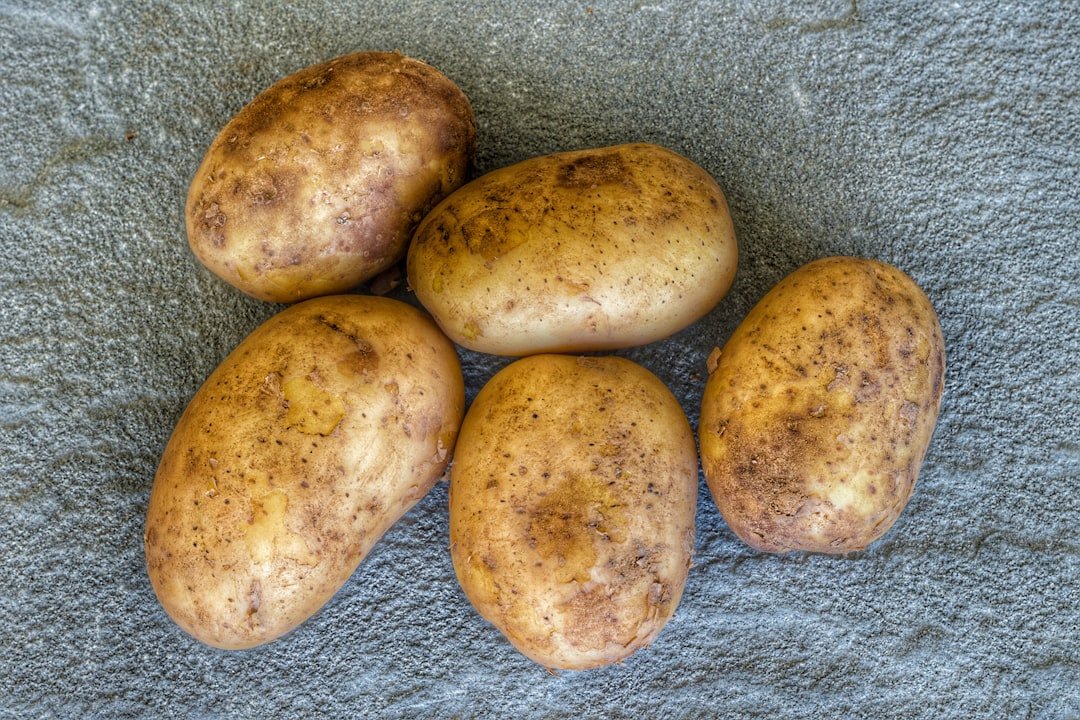
Purple potatoes, with their striking hue and unique flavor profile, have gained popularity among both home gardeners and culinary enthusiasts. These tubers belong to various species within the Solanum genus, with the most common varieties being Purple Majesty, Adirondack Blue, and Purple Peruvian. Each of these varieties boasts a distinct taste and texture, making them suitable for a range of culinary applications.
For instance, Purple Majesty is known for its creamy texture and nutty flavor, while Adirondack Blue offers a slightly sweeter taste, making it ideal for roasting or mashing. The vibrant color of these potatoes is attributed to the presence of anthocyanins, powerful antioxidants that not only enhance their visual appeal but also contribute to numerous health benefits. The health advantages of purple potatoes extend beyond their aesthetic charm.
Research has shown that the anthocyanins found in these tubers can help reduce inflammation, lower blood pressure, and improve cardiovascular health. Additionally, purple potatoes are rich in vitamins C and B6, potassium, and dietary fiber, making them a nutritious addition to any diet. Their unique pigments may also play a role in promoting gut health by supporting the growth of beneficial gut bacteria.
Key Takeaways
- Purple potatoes come in different varieties, each with its own unique flavor and nutritional benefits.
- When choosing a location for planting purple potatoes, look for a spot with well-drained soil and full sun exposure.
- Prepare the soil for planting by loosening it and adding organic matter to improve drainage and fertility.
- Plant purple potatoes in trenches or mounds, ensuring proper spacing and covering them with soil.
- Care for purple potato plants by watering them regularly, fertilizing with a balanced fertilizer, and controlling pests such as potato beetles.
- Harvest purple potatoes when the plants start to die back, and store them in a cool, dark place for long-term preservation.
- Common issues in growing purple potatoes include pests, diseases, and environmental stress, which can be managed through proper care and maintenance.
Choosing the Right Location for Planting Purple Potatoes
Selecting an appropriate location for planting purple potatoes is crucial for ensuring a successful harvest. These tubers thrive in full sunlight, requiring at least six to eight hours of direct sunlight each day. When scouting for a planting site, consider areas that receive ample sunlight throughout the day while also being sheltered from strong winds that could damage the plants.
Additionally, the location should have good air circulation to prevent fungal diseases that can arise in overly humid conditions. Soil drainage is another critical factor when choosing a planting site. Purple potatoes prefer well-drained soil that allows excess water to escape easily.
Heavy clay soils can lead to waterlogging, which can cause tuber rot and other issues. If your garden has heavy soil, consider planting in raised beds or mounds to improve drainage. Furthermore, it’s beneficial to choose a location that has not hosted nightshade family plants—such as tomatoes or eggplants—in recent years to minimize the risk of soil-borne diseases and pests.
Preparing the Soil for Purple Potato Planting

Preparing the soil adequately before planting purple potatoes is essential for promoting healthy growth and maximizing yield. Start by testing the soil pH; purple potatoes thrive in slightly acidic to neutral soil with a pH range of 5.
0. If your soil is too acidic or alkaline, you can amend it with lime or sulfur to achieve the desired pH level.
Once you have established the pH balance, it’s time to enrich the soil with organic matter. Incorporating well-rotted compost or aged manure not only improves soil structure but also enhances nutrient availability. After amending the soil, till it to a depth of at least 12 inches to ensure proper aeration and root development.
This process helps break up compacted soil and allows for better water infiltration. As you till, remove any rocks, weeds, or debris that could hinder potato growth. It’s also advisable to add a balanced fertilizer at this stage, ensuring it contains essential nutrients such as nitrogen, phosphorus, and potassium.
Following these steps will create an optimal environment for your purple potatoes to flourish.
Planting Purple Potatoes: Step-by-Step Guide
| Step | Description |
|---|---|
| 1 | Choose a sunny location with well-drained soil |
| 2 | Prepare the soil by adding compost and fertilizer |
| 3 | Cut the seed potatoes into pieces with at least 2 eyes each |
| 4 | Plant the seed potato pieces about 3 inches deep and 12 inches apart |
| 5 | Water the potato plants regularly, keeping the soil evenly moist |
| 6 | Hill up the soil around the plants as they grow |
| 7 | Harvest the potatoes when the plants have died back |
Once the soil is prepared, it’s time to plant your purple potatoes. Begin by selecting seed potatoes that are firm and free from blemishes or signs of disease. If your seed potatoes are large, consider cutting them into smaller pieces, ensuring each piece has at least one or two “eyes” or buds.
Allow these cut pieces to cure for a day or two in a cool, dry place; this helps form a protective callus over the cut surface, reducing the risk of rot when planted. When planting, dig trenches about 4-6 inches deep and space them approximately 2-3 feet apart to allow for adequate growth. Place the seed potatoes in the trench with the eyes facing upward and cover them with about 2-4 inches of soil.
As the plants begin to grow, you will need to hill them by adding more soil around the base of the plants; this encourages tuber formation and protects developing potatoes from sunlight exposure, which can cause them to turn green and become toxic.
Caring for Purple Potato Plants: Watering, Fertilizing, and Pest Control
Caring for purple potato plants involves regular monitoring and maintenance to ensure they thrive throughout their growing season. Watering is one of the most critical aspects; these plants require consistent moisture but should not be overwatered. Aim for about 1-2 inches of water per week, adjusting based on rainfall and temperature conditions.
A soaker hose or drip irrigation system can be particularly effective in delivering water directly to the root zone while minimizing evaporation. Fertilizing is another essential component of care. After the initial application during planting, consider side-dressing with a balanced fertilizer when plants reach about 6 inches in height.
This additional nutrient boost will support vigorous growth and tuber development. Furthermore, keep an eye out for pests such as Colorado potato beetles and aphids; these can significantly impact your crop if left unchecked. Hand-picking pests or using organic insecticidal soap can help manage infestations without harming beneficial insects.
Harvesting Purple Potatoes: Signs of Maturity and Best Practices
Knowing when to harvest purple potatoes is vital for ensuring optimal flavor and texture. Typically, these tubers are ready for harvest about 90-120 days after planting, depending on the variety and growing conditions. One of the primary indicators of maturity is when the foliage begins to yellow and die back; this signals that the plant has diverted its energy from foliage growth to tuber development underground.
To harvest, gently dig around the base of each plant using a garden fork or spade, taking care not to puncture or bruise the tubers. It’s advisable to harvest on a dry day; wet conditions can lead to increased risk of rot during storage. After harvesting, allow the potatoes to cure in a cool, dark place for about two weeks; this process helps toughen their skins and enhances their storage potential.
Storing and Using Purple Potatoes: Tips for Long-Term Preservation
Proper storage techniques are essential for preserving the quality of harvested purple potatoes over time. Ideally, they should be stored in a cool (around 45-50°F), dark place with good ventilation; basements or root cellars are often ideal environments. Avoid storing them in plastic bags as this can trap moisture and lead to rot; instead, use burlap sacks or cardboard boxes that allow airflow.
When it comes to culinary uses, purple potatoes are incredibly versatile. They can be roasted, mashed, or even used in salads for a pop of color. Their unique flavor pairs well with various ingredients; for instance, they can be combined with garlic and rosemary for a savory side dish or blended into soups for added creaminess and nutrition.
Additionally, their vibrant color makes them an excellent choice for visually appealing dishes that impress guests at gatherings.
Troubleshooting Common Issues in Growing Purple Potatoes
Despite their resilience, purple potatoes can encounter several challenges during their growth cycle that may affect yield and quality. One common issue is scab, which manifests as rough patches on the potato skin caused by high soil pH or inconsistent watering practices. To mitigate this problem, ensure proper soil preparation and maintain consistent moisture levels throughout the growing season.
Another potential issue is late blight, a fungal disease that can devastate potato crops if not managed promptly. Symptoms include dark lesions on leaves and stems; if detected early, removing affected plants can help prevent spread. Additionally, practicing crop rotation and selecting disease-resistant varieties can significantly reduce the risk of blight in future plantings.
By staying vigilant and addressing these common issues proactively, gardeners can enjoy a bountiful harvest of healthy purple potatoes year after year.
FAQs
What are purple potatoes?
Purple potatoes are a type of potato with a vibrant purple skin and flesh. They are rich in antioxidants and have a slightly nutty flavor.
How do you plant purple potatoes?
To plant purple potatoes, you will need to cut the potatoes into pieces with at least one eye per piece. Then, plant the pieces in well-drained soil, about 3-4 inches deep and 12-15 inches apart. Keep the soil consistently moist and provide plenty of sunlight.
When is the best time to plant purple potatoes?
The best time to plant purple potatoes is in the early spring, once the soil has warmed up and there is no longer a risk of frost.
How long does it take for purple potatoes to grow?
Purple potatoes typically take about 90-120 days to reach maturity. However, you can start harvesting small, new potatoes as early as 60-70 days after planting.
What are some common pests and diseases that affect purple potatoes?
Common pests that can affect purple potatoes include potato beetles, aphids, and wireworms. Diseases such as late blight, early blight, and potato scab can also impact the plants.
How do you harvest purple potatoes?
To harvest purple potatoes, wait until the plants have died back and the foliage has turned yellow. Carefully dig around the plants to unearth the potatoes, being careful not to damage them. Allow the potatoes to dry in a cool, dark place for a few days before storing them.