Loquat (Eriobotrya japonica) is a subtropical fruit tree known for its sweet, tangy fruit and lush foliage. However, its ability to withstand cold temperatures varies among cultivars and growing conditions.
Loquat cold hardiness is a tree’s ability to handle freezes without major injury. Most guidance places loquat in USDA zone 8b and warmer. Established trees may tolerate brief lows in the upper single digits to low teens °F, but flowers and young fruit are often killed below about 27°F (−3°C).
Key takeaways
- Loquat trees tolerate some cold, but hardiness varies with variety, age, health, and site.
- USDA zone 8b and warmer suits loquat best; microclimates can expand or limit success.
- Flowers and developing fruit are much more cold-sensitive than mature wood.
- Mulch, frost cloth, shelters, and gentle supplemental heat help protect trees.
- Cold injury signs include leaf browning/wilting, dieback, and bark splitting.
Factors Affecting Loquat Cold Hardiness
Cold hardiness is a plant’s ability to get through winter cold, especially freezing temperatures. For loquats, it matters most where winter lows sometimes drop below what the tree can handle. Variety, tree age, and overall health all affect how well a loquat comes through a cold snap.
Small warm spots in a yard—like a wind-sheltered corner or a south-facing wall—can make a big difference for survival and fruiting. Well-drained soil keeps roots healthier, which helps the tree face cold weather.
Understanding Loquat Cold Hardiness Zones
The USDA Plant Hardiness Zone Map groups regions by the average coldest winter temperature. Loquat is generally rated for USDA zone 8b and warmer. In colder areas, a tree may live in a protected spot, but blooms and fruit are less dependable.
Check your location on the
USDA Plant Hardiness Zone Map
and combine that with on-site observations before planting.
However, within these zones, there can be significant variations in microclimates that affect how well loquats can adapt to colder conditions.
Cities often stay a bit warmer at night than open countryside. Exposed rural sites can cool fast and get harsher wind. These small differences can decide whether a loquat keeps its crop in a borderline winter.
How to Protect Loquat Trees from Cold Temperatures
| Protection Method | Effectiveness | Cost |
|---|---|---|
| Using frost cloth | High | Low |
| Applying mulch around the base | Medium | Low |
| Using heat lamps or strings of lights | High | Medium |
| Building a temporary shelter | High | High |
Use a few layers of protection together. Mulch about 5–8 cm (2–3 in) around the root zone to steady soil temps and hold moisture. For cold nights, wrap young trees with burlap or frost cloth. The fabric blocks wind and helps slow heat loss while still letting in light and moisture.
For larger trees, build a simple frame and drape frost cloth over it. In a hard freeze, gentle extra heat (outdoor-rated incandescent strings or heat lamps; not LEDs) can raise canopy temps a few degrees. Follow safety guidance and keep heat sources away from fabric.
Products Worth Considering

Protect Plants: Natural burlap tree wrap will effectively prevent harmful organisms from invading plants, protect your plants from winter wind, snow, freezing rain and ice damage.

FROST COLD WIND AND PEST PROTECTION - Pasidener plant covers freeze protection not only keep plant safe from weather conditions but also keep deer and other animals from nibbling! These plant covers stay on through some rough wind and prevent loss of leaves due to a freezing weather.
Signs of Cold Damage in Loquat Trees
After a freeze, watch for leaf browning, wilting, or a water-soaked look. A harder freeze can kill twigs or small branches. Fast warm-cold swings can split bark. If the cambium under the bark is brown and dry (not green and moist), that area is likely dead.
If flowering occurs early and a late frost follows, blossoms may drop and fruit set can be lost.
In cold-prone areas, wait to do major pruning until the danger of hard freezes has passed and new growth starts. It’s easier to see what’s truly dead, and it can reduce dieback.
Choosing Loquat Varieties for Cooler Climates

Products Worth Considering
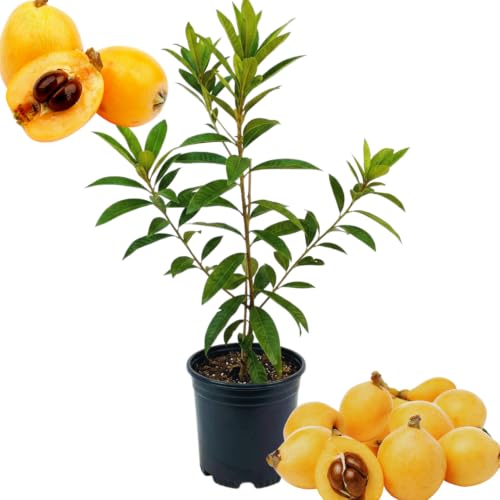
The tree can grow to 5–10 metres

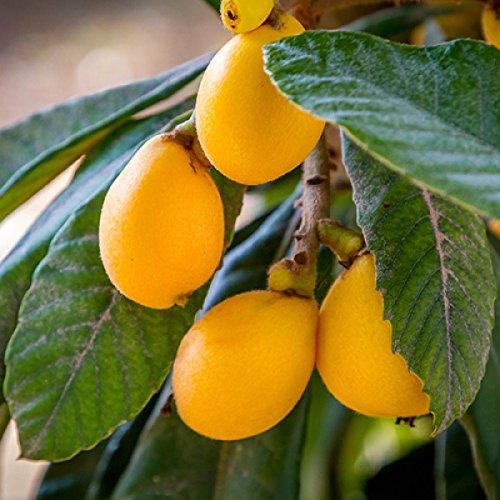
Specifications: Japanese Loquat, Height Growth Average 8-20 Feet, Pot Size 3.5 x 2.5 Inch, Dormant, Perennial
Cultivars to consider
Cold tolerance differences between loquat cultivars are often smaller than the difference made by site and tree health. If you’re near loquat’s limit, start with a cultivar proven locally and choose a grafted tree from a trusted nursery. ‘Champagne’ is one commonly sold option, and other named cultivars may be available in your area.
Considering Local Conditions
In harsher winters, a sheltered site (e.g., south-facing wall) can let marginal cultivars succeed. Assess wind, slope, drainage, and reflected heat when choosing a spot.
Seeking Local Expertise
Consult local extension offices or reputable nurseries for cultivar performance in your area. University fact sheets (such as Clemson HGIC’s loquat guide) can help you match loquat to your climate.
Winter Care for Loquat Trees
Before winter, prune lightly to remove dead or crossing wood and improve structure. Avoid heavy cuts right before a hard freeze. Water into fall if soils are dry; drought stress makes cold damage worse. But don’t keep roots soggy in cold weather, especially in poorly drained soil.
Products Worth Considering

CLEAN CUTS FOR LIVE GROWTH: Bypass blade design is ideal for pruning delicate flower stems and green growth, helping reduce crushing and plant damage while cutting stems and small branches up to 5/8” in diameter

IDEAL BRANCH TRIMMER: Fiskars 28-Inch Power-Lever Bypass Garden Lopper glides through branches up to 1.75" thick for easy cuts; Works well for trimming tree branches to maintain your yard and garden and encourage overall plant health and appearance

LONG-LASTING SHARPNESS: Japanese SK5 bypass blade with titanium coating is tested through 5,000 cuts to maintain a sharp edge and deliver clean, consistent cuts on live stems and branches
Tips for Enhancing Loquat Cold Hardiness
Plant in well-draining soil and add organic matter to build strong roots. Feed in the growing season with a balanced fertilizer, and avoid late-season nitrogen that pushes tender new growth. Mulch to insulate roots and cut weeds. Windbreaks (hedges or fences) can reduce drying winter winds.
Importance of Proper Soil and Watering for Cold-Hardy Loquat Trees
Well-drained soil is essential. Waterlogged roots invite rot and reduce cold tolerance. Loquats handle many soil types, but steady moisture (without waterlogging) helps trees harden off going into winter. In late-summer dry spells, a deep watering now and then encourages deeper roots that are less stressed by cold.
Common Mistakes in Caring for Loquat Trees in Cold Climates
Avoid planting too late for root establishment. Don’t skip mulch on exposed sites. Be cautious with late-season nitrogen that pushes tender growth, and avoid aggressive pruning immediately before a forecast hard freeze.
Consulting with Experts for Loquat Cold Hardiness Advice
Local extension agents, garden clubs, and experienced neighbors can share location-specific tips. For a research-based overview of climate limits and care, see the
UF/IFAS loquat guide.
Glossary
- Cold hardiness
- Ability of a plant to survive low temperatures without serious injury.
- USDA hardiness zone
- Region defined by average annual extreme minimum temperature, used to gauge plant suitability.
- Microclimate
- A small area with climate conditions different from the surrounding landscape.
- Frost cloth
- Breathable fabric that shields plants from wind and light freezes while admitting light and moisture.
FAQs
What is loquat cold hardiness?
It’s the tree’s capacity to withstand freezing conditions without serious damage, including how wood, leaves, flowers, and fruit respond to cold and which USDA zones it suits best.
What zones are best for loquats?
Most home-growing guidance places loquat in USDA zone 8b and warmer. Tree survival is sometimes possible in brief colder events, but reliable fruiting is best where hard freezes are uncommon or short.
At what temperature do loquat flowers get damaged?
Flowers and developing fruit are commonly damaged or killed below about 27°F (−3°C), even when the tree itself survives.
How cold can a mature loquat tree survive?
Healthy, established trees may tolerate brief lows in the upper single digits to low teens °F (about −13 to −11°C), though leaves can be injured and crops lost.
What are quick ways to protect a loquat during a freeze?
Mulch the root zone, cover the canopy with frost cloth over a simple frame, and add gentle, outdoor-rated heat sources during the coldest hours.
Related articles