Last updated: May 23, 2026
How to Divide Chrysanthemums: Best Time, Steps, and Care
Chrysanthemums, often called mums, can turn weak and crowded if you leave them in the same clump for too long. Dividing them gives each plant more room, improves airflow, and helps you grow stronger blooms without buying new plants.
This guide shows you when to divide chrysanthemums, how to spot an overcrowded clump, what tools you need, how to replant each section, and how to care for the plants after division.
What Are Chrysanthemums?
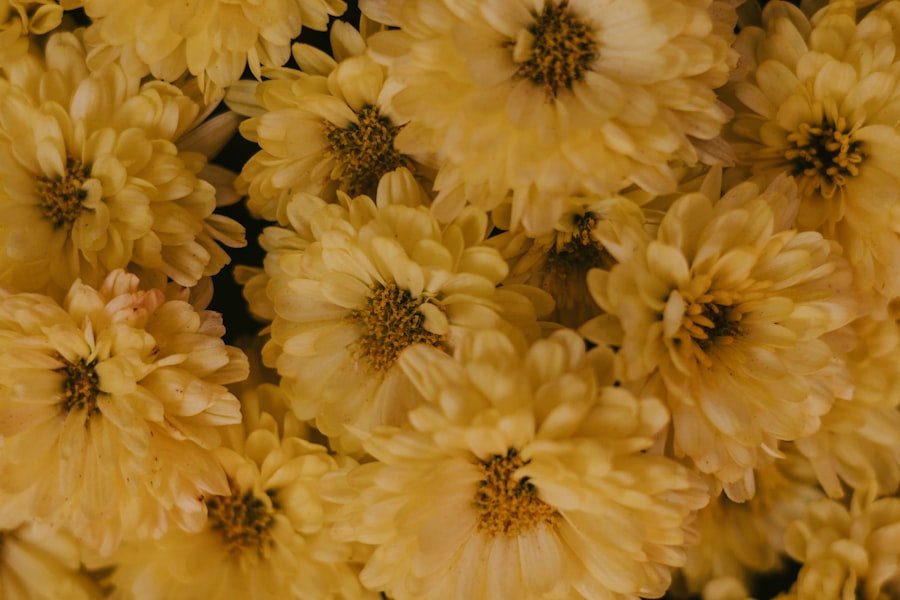
Chrysanthemums are perennial flowering plants in the Asteraceae family. Many gardeners call them mums. They are best known for their late-season flowers, which can appear in shades of yellow, white, red, purple, bronze, pink, and orange.
Garden chrysanthemums grow as clumps. Over time, the outer parts often stay vigorous while the center becomes woody, weak, or bare. That growth habit is the main reason division matters.
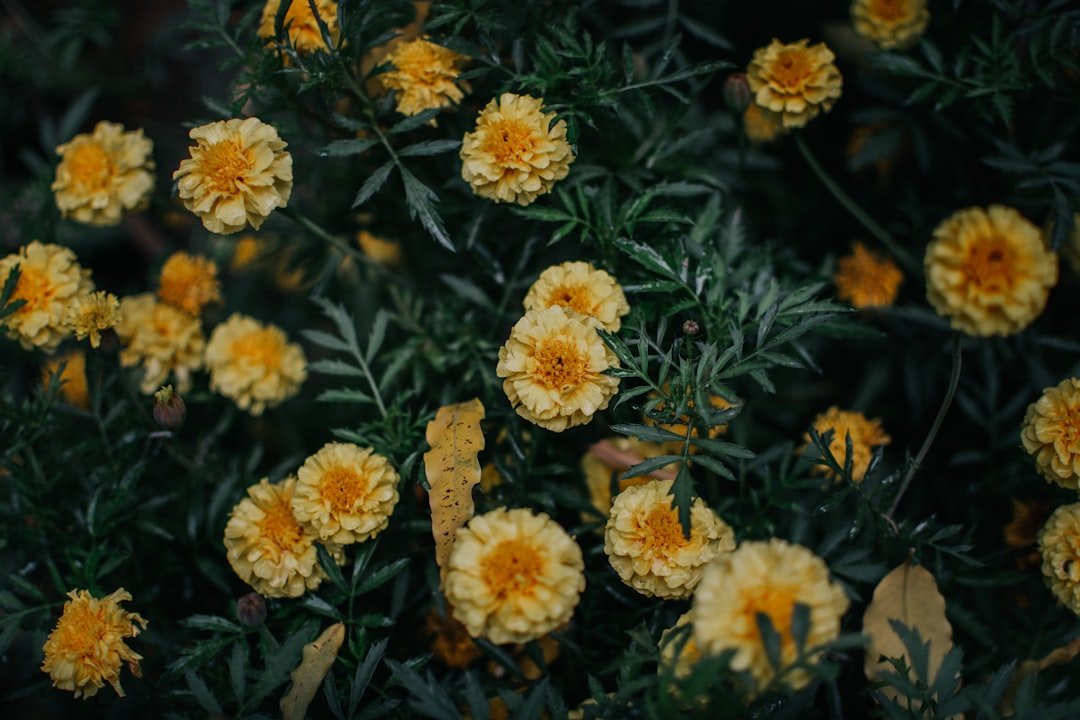
The flowers have a central disc surrounded by petal-like ray florets. Depending on the cultivar, blooms may look daisy-like, rounded, cushion-shaped, spider-like, or fully double. The foliage is usually green, lobed, and slightly serrated.
Chrysanthemums grow best in fertile, well-drained soil and a sunny location. They need good airflow because crowded plants can develop more disease problems, especially in damp conditions.
Key Takeaways
- Chrysanthemums benefit from division when clumps become crowded, weak, or bare in the center.
- Spring is the safest time to divide garden mums in most climates.
- Divide most healthy clumps every two to three years, or sooner if flowering drops.
- Each division should have healthy roots and several strong shoots.
- Replant divisions in full sun, well-drained soil, and proper spacing.
- Water carefully after replanting to reduce transplant shock.
When to Divide Chrysanthemums
The best time to divide chrysanthemums is in spring, after the last hard frost and when new growth begins. At this stage, you can see the strongest shoots, remove weak old growth, and give the new divisions a full growing season to settle.
Some gardeners divide mums in early fall, but spring is safer for most home gardens. Fall division can work in mild climates if you do it early enough for roots to establish before cold weather. Late fall division creates a higher risk of winter damage.
As a general rule, divide chrysanthemums every two to three years. You may wait longer if the plant still blooms well and the clump looks open and healthy. Divide sooner if the center dies out or the plant produces fewer flowers than before.
Signs That Chrysanthemums Need Dividing
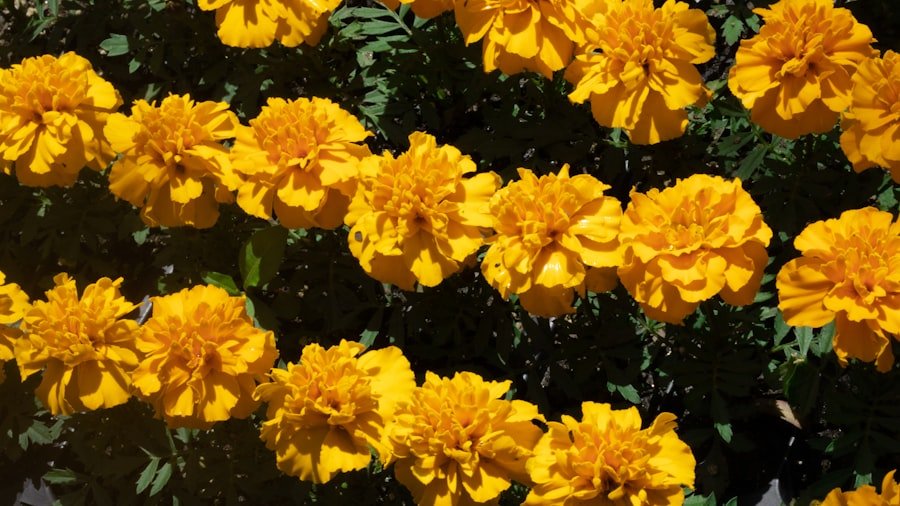
The clearest sign is a drop in flowering. If your mum once produced a full mound of blooms but now gives you fewer or smaller flowers, the roots may be too crowded.
Another common sign is a dead or bare center. Older chrysanthemum clumps often grow outward, leaving the middle weak, hollow, or woody. The healthy parts usually sit around the outside edge of the clump.
You should also consider division if the plant has thin stems, yellowing foliage, poor vigor, or a tight mass of roots. These signs show that the plant may be competing with itself for water, nutrients, and space.
Preparing for Division: Tools and Supplies
| Tool or Supply | Why You Need It | Best Use |
|---|---|---|
| Garden fork or sharp spade | Lifts the full clump with less root damage | Digging around and under the plant |
| Clean pruning shears | Removes damaged roots and dead stems | Trimming before replanting |
| Garden knife | Cuts through dense root sections | Splitting stubborn clumps |
| Garden gloves | Protects your hands while handling soil and roots | Digging, pulling, and replanting |
| Compost | Improves soil structure and fertility | Mixing into the planting area |
| Plant labels | Keeps varieties easy to identify | Labeling divisions after planting |
Gather your tools before you dig. A sharp spade or garden fork helps you lift the clump cleanly. Clean pruning shears help you trim dead stems, broken roots, or diseased sections.
Prepare the new planting area before you divide the plant. Chrysanthemums recover better when you replant them quickly instead of leaving the roots exposed in sun or wind.
If your soil is heavy clay, loosen it and mix in compost to improve drainage. If your soil is sandy, compost helps it hold moisture long enough for new roots to settle.
How to Divide Chrysanthemums Step by Step
The division process is simple, but you need to work carefully. Your goal is to save the healthy outer growth and remove weak, old, or dead sections.
- Water the plant the day before division. Moist soil makes digging easier and helps reduce stress on the roots.
- Cut back weak or dead stems. Remove dead top growth so you can see the crown clearly.
- Dig around the clump. Push a garden fork or spade into the soil several inches away from the stems to avoid slicing the main roots.
- Lift the whole plant. Work around the clump, then lift it from underneath instead of pulling from the stems.
- Shake or rinse off loose soil. Remove enough soil to see the roots and natural divisions.
- Remove the old center. Discard dead, hollow, woody, or diseased parts.
- Separate healthy divisions. Pull smaller sections apart by hand when possible. Use a clean knife for dense roots.
- Keep only strong sections. Choose divisions with healthy roots and several shoots.
- Replant right away. Put each division into prepared soil before the roots dry out.
Each division should have a strong root system and enough top growth to support recovery. A division with three to five healthy shoots usually performs well.
Replanting Divided Chrysanthemums
Replant each chrysanthemum division at the same depth it grew before. Do not bury the crown too deeply, because deep planting can trap moisture around the stems and increase rot risk.
Make each hole slightly wider than the root section. Spread the roots gently, then backfill with soil. Firm the soil with your hands so the roots make contact with the soil, but do not compact it hard.
Space most garden chrysanthemums 18 to 24 inches apart. Compact varieties may need less room, while larger varieties may need more. Use the mature size on the plant tag when you have it.
If you replant divisions in containers, choose pots with drainage holes. Use a quality potting mix instead of dense garden soil. Place the pots in a bright location where the plants get strong light without drying out too fast.
Caring for Divided Chrysanthemums
Newly divided chrysanthemums need steady moisture while they rebuild roots. Keep the soil evenly moist, but never soggy. Deep watering works better than light daily sprinkling because it encourages deeper root growth.
Add a light layer of mulch around the plant to reduce weeds and slow moisture loss. Keep mulch slightly away from the crown so moisture does not sit directly against the stems.
Wait until the plant shows steady new growth before using strong fertilizer. Compost at planting time is usually enough for early recovery. Later, you can use a balanced fertilizer according to the label directions.
As the plants grow, pinch or trim young shoots if you want bushier growth. Stop pinching before the plant begins setting flower buds for fall bloom. Deadhead spent flowers during the blooming season to keep the plant tidy.
Common Mistakes to Avoid
The biggest mistake is dividing chrysanthemums at the wrong time. Avoid division during extreme heat, drought, hard frost, or late fall cold. These conditions make recovery harder.
Another common mistake is saving weak center growth. The strongest divisions usually come from the outside of the clump. Discard dead, hollow, diseased, or woody sections instead of replanting them.
A third mistake is planting divisions too close together. Crowded mums may look fine at first, but poor spacing reduces airflow and can lead to weak flowering later.
You should also avoid letting the roots dry out while you work. If you must pause, place the divisions in shade and cover the roots with damp soil, damp newspaper, or a moist towel.
Dividing Chrysanthemums in Different Seasons
Spring is the best season for dividing chrysanthemums in most gardens. The plant is starting active growth, temperatures are milder, and the roots have time to establish before bloom season.
Early fall division can work in warmer climates, but it carries more risk. You need enough time before frost for the plant to grow new roots. If frost is close, wait until spring instead.
Avoid summer division unless you must save a plant from damage or construction. Hot weather increases water stress and transplant shock. If summer division is unavoidable, work in the cool part of the day and provide temporary shade.
Winter division is not recommended for outdoor garden mums. Frozen or cold wet soil makes root recovery difficult and can damage freshly cut crowns.
Benefits of Dividing Chrysanthemums
Division keeps chrysanthemums vigorous. It reduces crowding, improves airflow, and gives each section better access to water and nutrients.
Division also gives you free new plants. You can fill gaps in your garden, move a favorite variety to another bed, or share healthy divisions with another gardener.
Healthy spacing can also reduce some pest and disease pressure. Crowded plants often stay damp longer after rain or watering, which can encourage fungal problems.
Troubleshooting Problems After Dividing Chrysanthemums
Some wilting after division is normal. The plant has lost part of its root system and needs time to recover. Water deeply, keep the soil evenly moist, and protect the plant from harsh afternoon sun for a short time if the weather is hot.
If a division does not grow after several weeks, check the roots and crown. A soft crown, blackened roots, or a sour smell can point to rot. Remove affected sections and improve drainage before replanting.
If the plant grows leaves but produces few flowers, check sunlight first. Chrysanthemums need strong light for best bloom performance. Too much shade often leads to weak stems and fewer flowers.
If leaves turn yellow, the plant may have water stress, poor drainage, nutrient deficiency, or root damage. Check soil moisture before fertilizing. Wet soil and dry soil can both cause yellow leaves.
Quick Reference: Dividing Chrysanthemums
| Task | Best Practice |
|---|---|
| Best season | Spring after the last hard frost |
| Division frequency | Every two to three years, or when clumps decline |
| Best divisions | Healthy outer sections with roots and several shoots |
| Plant spacing | About 18 to 24 inches apart |
| Soil need | Fertile, well-drained soil with organic matter |
Helpful Sources for Chrysanthemum Care
For more detailed growing guidance, check university and horticultural references such as Purdue Extension, Utah State University Extension, Penn State Extension, Nebraska Extension, and the Royal Horticultural Society.
FAQs
What are chrysanthemums?
Chrysanthemums, also known as mums, are flowering plants in the Asteraceae family. Garden mums are popular because they bloom late in the growing season and come in many colors, shapes, and plant sizes.
When is the best time to divide chrysanthemums?
The best time to divide chrysanthemums is in spring after the last hard frost, when new growth begins. This timing gives the divisions enough time to grow roots before hot weather and fall bloom season.
How do you divide chrysanthemums?
Water the plant, lift the full clump, remove dead or woody center growth, and separate healthy outer sections. Each division should have healthy roots and several shoots. Replant the divisions at the same depth and water them well.
Why should you divide chrysanthemums?
Dividing chrysanthemums helps rejuvenate crowded plants, improve airflow, support better flowering, and create new plants. It also helps control clump size and removes weak center growth that no longer performs well.
Can you divide chrysanthemums in the fall?
You can divide chrysanthemums in early fall in mild climates, but spring is usually safer. Late fall division can stress the plant because roots may not establish well before cold weather arrives.
How often should chrysanthemums be divided?
Most garden chrysanthemums should be divided every two to three years. You can divide sooner if the clump has fewer flowers, a dead center, thin growth, or crowded stems.
Can you divide potted chrysanthemums?
Yes, you can divide potted chrysanthemums if the plant is hardy and has a strong root system. Remove the plant from the pot, split healthy sections, and replant them in containers with drainage holes and fresh potting mix.
Do chrysanthemums need full sun after division?
Chrysanthemums bloom best in full sun. Newly divided plants may need short-term protection from harsh afternoon sun if the weather is hot, but they should return to a sunny location once they recover.
Should you cut back chrysanthemums before dividing?
You can remove dead, damaged, or weak stems before division. In spring, keep healthy new shoots so each division has enough top growth to recover and grow strongly.
What should you do if divided mums wilt?
Water deeply, keep the soil evenly moist, and protect the plant from hot sun while it recovers. Mild wilting can happen after division, but the plant should improve as new roots settle into the soil.
Final Thoughts
Dividing chrysanthemums is one of the easiest ways to keep old mum clumps healthy and full of flowers. The key is simple: divide in spring, save strong outer sections, discard weak center growth, and replant quickly in sunny, well-drained soil.
Check your mums each year for fewer blooms, crowded stems, or a bare center. When you see those signs, division gives the plant a fresh start and gives you more chrysanthemums for your garden.