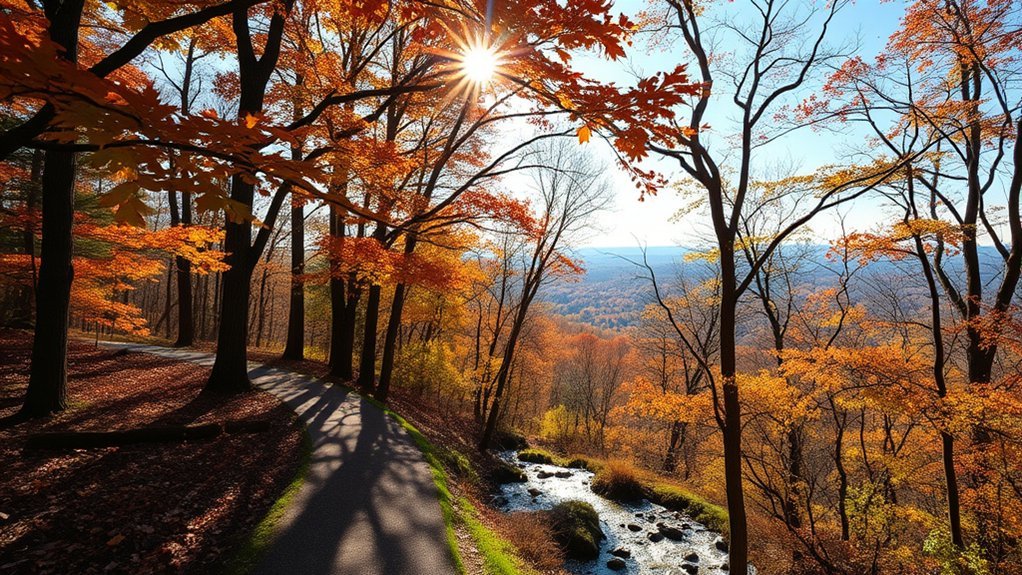
Springdale, Utah sits directly outside Zion National Park’s South Entrance, making it one of the easiest places to stay while exploring Zion Canyon. You can spend the day hiking inside the park, then return to restaurants, galleries, shops, and local events in town. A successful trip depends on planning around Zion’s shuttle system, parking, permits, weather, and current trail conditions before you arrive.
Quick Answer
Use Springdale as a convenient base for Zion National Park. Spend one day exploring Zion trails that match your ability, use the seasonal shuttles instead of relying on canyon parking, and leave time for Springdale’s galleries, restaurants, and events. Check permits, weather, shuttle schedules, and current park conditions before each outing.
Key Takeaways
- Springdale connects directly with Zion’s South Entrance and pedestrian entrance, making it practical to park in town and use the shuttle during busy periods.
- A permit is required to hike the Angels Landing chain section beyond Scout Lookout.
- Check current conditions before entering The Narrows because high water, flash-flood danger, and water-quality advisories can affect access and safety.
- The Pa’rus Trail is one of Zion’s easiest and most accessible options and is also the park’s only trail where pets are permitted.
- Spring and fall often offer comfortable hiking weather, while summer brings extreme heat and heavy crowds and winter has colder conditions and reduced shuttle service.
Top Attractions in Springdale

Springdale is more than a place to sleep before entering Zion National Park. The town has attractions that work well before or after a day in the canyon.
- Zion National Park: The park’s South Entrance and Zion Canyon Visitor Center sit at the edge of Springdale. The visitor center is the best first stop for maps, trail conditions, ranger information, and current safety updates. See the official Zion Planning Guide.
- O.C. Tanner Amphitheater: This Utah Tech University venue hosts concerts, cultural programs, and community gatherings in a dramatic red-rock setting. Check the official venue information before your trip because events vary by date.
- David J. West Gallery: Located on Zion Park Boulevard, the gallery features landscape photography and other artwork inspired by the Southwest. Current information is available from the David J. West Gallery.
- Pa’rus Trail: Beginning near the Zion Canyon Visitor Center, this paved trail follows the Virgin River and is a good choice for an easier walk, bike ride, or sunset outing.
Pro Tip: If Zion’s main parking areas are full, park legally in Springdale and use the town shuttle or walk to the pedestrian entrance rather than circling the park looking for a space.
Suggested Itineraries for Your Visit

How you spend your time in Springdale should depend on your hiking ability, permits, weather, and the current condition of Zion’s trails.
One-Day Springdale and Zion Itinerary
- Start early at the Zion Canyon Visitor Center. Confirm trail conditions, flash-flood potential, and shuttle information before heading into the canyon.
- Choose one main hike. The Riverside Walk and Pa’rus Trail are easier choices. The Watchman Trail provides a more substantial hike close to the visitor center.
- Ride the shuttle through Zion Canyon when shuttle service is operating instead of trying to drive the Zion Canyon Scenic Drive.
- Return to Springdale for dinner and browse local galleries or shops along Zion Park Boulevard.
Two-Day Adventure Itinerary
On day one, focus on Zion Canyon. If you have an Angels Landing permit and are comfortable with steep exposure, you can continue beyond Scout Lookout to Angels Landing. Without a permit, Scout Lookout still provides a strenuous hike and impressive canyon views.
The Narrows can be another memorable option, but it should never be treated as a guaranteed activity. Check the NPS Narrows safety information, river conditions, weather, and flash-flood potential before entering the water.
On day two, slow the pace. Walk or bike part of the Pa’rus Trail, visit the Human History Museum when open, browse the David J. West Gallery, and check whether an event is scheduled at the O.C. Tanner Amphitheater. Finish with a meal at a local restaurant such as MeMe’s Café or Oscar’s Café.
Family-Friendly Day
For families that do not want a strenuous hike, begin at the Zion Canyon Visitor Center and explore the Pa’rus Trail. Depending on current conditions and your group’s mobility, the Riverside Walk may also be worth considering. Allow time for ranger programs or the Human History Museum when they are operating, then return to Springdale for food, shopping, or an easy evening walk.
Outdoor Activities and Recreation

Springdale puts you beside one of the Southwest’s best-known outdoor destinations, but activities vary greatly in difficulty and risk. Match your plans to your experience and the day’s conditions.
- Hiking: Options range from the paved Pa’rus Trail and Riverside Walk to the strenuous route toward Scout Lookout and Angels Landing. Always check closures and conditions before starting.
- Cycling: Bicycles are permitted on the Pa’rus Trail and on public park roads where cycling is allowed. The Pa’rus Trail is the only Zion trail open to bicycles.
- Rock Climbing: Zion contains technical climbing routes, but climbing should not be described as a casual activity suitable for everyone. Choose objectives that match your experience, equipment, and current park rules.
- Virgin River Boating: Boating inside Zion is a specialized activity rather than ordinary warm-weather recreation. The National Park Service requires wilderness permits for watercraft, boating is dependent on adequate river flow, and whitewater equipment is required. Innertubes are not permitted on Zion’s watercourses. Review the official river-trip rules before making plans.
Warning: Zion can experience extreme heat, sudden flash floods, rockfall, cold-water exposure, and rapidly changing weather. Never enter a narrow canyon when flash-flood potential is elevated. Check the current conditions page before hiking.
Shuttles, Parking, and Zion Entrance Fees
Transportation planning can save a large amount of time in Springdale. Zion Canyon has limited parking, and parking may fill early during busy periods.
2026 Shuttle Basics
For 2026, Zion Canyon and Springdale shuttle service began March 7. The schedule changes throughout the year, with regular service through November 28 and additional holiday service from December 26 into early January. Shuttle schedules can change, so confirm the day’s operating hours through the official Zion shuttle page.
You do not need a shuttle ticket or reservation. However, normal Zion National Park entrance fees still apply. During shuttle season, private vehicles are generally not permitted on Zion Canyon Scenic Drive, so visitors use the Zion Canyon Line to reach major canyon stops and trailheads.
The Springdale Line connects stops throughout town with Zion Canyon Village near the pedestrian entrance. This makes it practical to leave your vehicle in a legal Springdale parking space and continue by shuttle.
Entrance Fees
As of 2026, the standard Zion entrance fee is $35 for a private vehicle or $20 per person for visitors age 16 or older entering without a vehicle, such as on foot or by bicycle. Standard passes are valid for up to seven days. Fee rules can change, so verify current prices on the NPS Fees & Passes page.
Note: In 2026, NPS also lists an additional entrance charge for certain non-U.S. residents age 16 and older unless they are admitted with an eligible Annual or America the Beautiful Pass. International visitors should check the current fee page before arriving.
Best Time to Visit Springdale and Zion
There is no single best month for every traveler. Weather, crowds, river flow, and shuttle operations change throughout the year.
- Spring: March and April bring warming days and blooming vegetation, but nights can remain cold. Snowmelt may raise Virgin River levels enough to close The Narrows.
- Summer: May through September offers long days but also the heaviest crowds. Temperatures in Zion Canyon regularly exceed 100°F, and July through September can bring monsoon storms and flash-flood risk.
- Fall: October and November usually bring cooler hiking weather and gradually lower visitation. Shuttle service continues but operates on shorter schedules later in the season.
- Winter: December through February is quieter, but freezing nighttime temperatures, snow, ice, and reduced shuttle service can affect plans.
For many visitors who want moderate temperatures without peak summer heat, spring and fall are strong choices. However, anyone hoping to hike The Narrows should remember that high spring runoff can make that particular activity unavailable.
Family, Accessibility, and Pet Planning
Accessible and Easier Trail Options
The National Park Service trail-access guide identifies the Pa’rus Trail as Zion’s most accessible trail. It has a mostly paved surface and minimal elevation change. Riverside Walk is also paved, although some sections have steeper grades and may require assistance for visitors with mobility limitations.
Traveling With Pets
Some Springdale lodging properties offer pet-friendly rooms, but policies, fees, and room availability vary, so confirm the rules directly with your accommodation before booking.
Inside Zion National Park, pet access is much more limited. Pets must be restrained on a leash no longer than six feet. The Pa’rus Trail is the only Zion trail where pets are permitted, and pets cannot ride park shuttle buses. NPS also advises keeping pets out of the Virgin River because of possible cyanotoxin exposure. See the official Zion pet rules.
Local Dining and Shopping Highlights
After exploring Zion, Springdale offers restaurants, galleries, outfitters, souvenir stores, and locally focused shops along Zion Park Boulevard.
MeMe’s Café is a longstanding Springdale dining option near the center of town. Oscar’s Café serves breakfast and lunch and dinner selections near Zion; current menus and hours are available on the official Oscar’s Café website.
For art, stop at the David J. West Gallery, which features photography and other work inspired by Zion and the Southwest. Springdale also has outdoor-gear shops where visitors can pick up hiking essentials or speak with local businesses about equipment and area activities.
Restaurant and store hours can change seasonally, so verify operating hours before building your entire day’s schedule around one business.
Zion Hiking Safety
Beautiful scenery should not distract from Zion’s desert and canyon hazards. Before leaving Springdale for a hike:
- Check current park conditions, closures, and the weather forecast.
- Check flash-flood potential before entering The Narrows or any narrow canyon.
- Carry enough water and food for your planned activity, especially during hot weather.
- Start strenuous summer hikes early to reduce exposure to afternoon heat.
- Stay on established routes and obey trail-closure signs.
- Do not enter or drink untreated Virgin River water because cyanotoxins may be present.
- Turn around when conditions, fatigue, heat, or your experience level make continuing unsafe.
In summer, daytime temperatures in Zion Canyon regularly exceed 100°F, while mid-to-late summer monsoon storms can sharply increase flash-flood risk.
Tips for a Memorable Experience
A little preparation makes a Springdale visit much easier and safer:
- Choose your season deliberately. Spring and fall often offer comfortable hiking weather, but each season has tradeoffs involving river flow, crowds, heat, ice, and shuttle service.
- Use the shuttle when it is operating. Parking inside Zion is limited, and the Springdale Line provides a convenient connection to the pedestrian entrance.
- Check permits before choosing your headline hike. Do not build an itinerary around Angels Landing unless you understand the permit system and have secured access for the chain section.
- Follow Leave No Trace practices. Stay on durable surfaces, pack out trash, respect wildlife, and leave natural and cultural objects where you find them.
- Spend some time in Springdale itself. Local restaurants, galleries, shops, and community events can provide a relaxing break between demanding park days.
- Build flexibility into your schedule. Weather, high water, trail closures, parking, and shuttle delays can change your plans with little notice.
Frequently Asked Questions
What is the best time of year to visit Springdale?
Spring and fall are popular choices because temperatures are often more comfortable than in midsummer. Spring snowmelt can close The Narrows, while fall offers cooler hiking weather and gradually smaller crowds. Summer is busiest and can exceed 100°F, while winter is quieter but may bring freezing temperatures, snow, ice, and limited shuttle service.
Are there any pet-friendly accommodations in Springdale?
Yes, some Springdale lodging properties accept pets, but fees, size limits, room availability, and other policies differ by property. Confirm the current policy directly with the hotel before booking. Remember that Zion itself has strict pet rules: the Pa’rus Trail is the only park trail open to pets, and pets cannot ride park shuttles.
Is public transportation available in Springdale?
Yes. During scheduled operating periods, the free Springdale Line carries visitors through town to Zion Canyon Village near the park’s pedestrian entrance. Inside Zion, the Zion Canyon Line serves major canyon stops and trailheads. Shuttle schedules vary by season.
What are the most important hiking safety tips for Zion National Park?
Check current conditions and weather before starting, carry adequate water, avoid strenuous hiking during extreme heat, stay on established routes, and never enter a narrow canyon when flash-flood potential is elevated. For The Narrows, also review current river conditions and cyanotoxin advisories.
Where can I find visitor information in Springdale?
The Zion Canyon Visitor Center is next to Zion’s South Entrance and pedestrian entrance at the edge of Springdale. It is the most useful stop for park maps, ranger information, trail conditions, permits, shuttle questions, and current safety guidance.
Do I need a permit to hike Angels Landing?
Yes. A permit is required to continue from Scout Lookout onto the narrow chain section leading to Angels Landing. Zion uses seasonal and day-before lotteries. You can hike to Scout Lookout without an Angels Landing permit, subject to normal trail conditions and closures.
Can I go tubing on the Virgin River inside Zion National Park?
No. Innertubes are not permitted on Zion National Park watercourses. Whitewater boating is a specialized, permit-controlled activity that is allowed only under specific conditions and requires appropriate whitewater equipment.
Conclusion
Springdale works best as both a gateway to Zion National Park and a destination in its own right. Plan your main hikes around permits, weather, trail conditions, and the seasonal shuttle, then use quieter hours for the Pa’rus Trail, local galleries, restaurants, shops, or an event at the O.C. Tanner Amphitheater. With a flexible schedule and realistic safety planning, you can spend less time dealing with parking and last-minute surprises and more time enjoying Zion Canyon and Springdale.
Sources
- National Park Service: 2026 Zion Shuttle Schedule — shuttle dates, operating hours, parking, and vehicle restrictions.
- National Park Service: Fees & Passes — current Zion entrance-pass requirements and prices.
- National Park Service: 2026 Angels Landing Permit Program — seasonal and day-before permit information.
- National Park Service: Zion Safety — heat, flash floods, rockfall, and wilderness hazards.
- National Park Service: The Narrows Safety — river conditions, flash-flood guidance, and cyanotoxin risk.
- National Park Service: Pets in Zion — pet-access, leash, shuttle, trail, and water-safety rules.