The best time to visit the British Museum is usually between 10:00 and 11:00 on a weekday, when the Museum says its galleries tend to be quieter. If mornings do not work, the period after 16:00 is another quieter window, while Friday opening until 20:30 gives you much more evening time. School holidays, bank holidays, special exhibitions, and your must-see galleries should also shape your plan.
Quick Answer
Choose a weekday at 10:00 for the most dependable low-crowd visit. The Museum also identifies the period after 16:00 as quieter, but most days close at 17:00. Friday evenings extend your visit to 20:30, while weekends, school holidays, bank holidays, and major exhibition weekends are more likely to feel busy.
Last checked: October 1, 2026. Dates and figures were verified against official sources.
Key Takeaways
- The Museum identifies 10:00–11:00 and the period after 16:00 as generally quieter.
- The middle of the day, weekends, school holidays, bank holidays, Christmas, and New Year are among the busier periods.
- November and early December tend to be less crowded than many other periods.
- General admission to the permanent collection is free, but advance timed booking is recommended.
- Friday opening until 20:30 adds useful evening time, although some galleries are unavailable during late opening.
What Is the Best Time of Day to Visit the British Museum?
The strongest crowd-avoidance strategy is to visit from 10:00 to 11:00. The British Museum also identifies the period after 16:00 as quieter, while the middle of the day is normally the busiest time in galleries, cafés, and shops.
The Museum is normally open daily from 10:00 to 17:00, with last entry at 16:45. Fridays extend to 20:30, with last entry at 20:15. It is closed from 24 to 26 December. These hours, ticket guidance, security information, and planned gallery closures are listed on the official British Museum Visit page.
- 10:00–11:00: Best choice when you want quieter galleries and a full day ahead.
- Middle of the day: Usually the busiest period, especially when weekends or holidays overlap.
- After 16:00: Quieter, but a normal 17:00 closing gives you limited viewing time.
- Friday evening: Useful for a longer late visit, especially if your preferred galleries remain open.
Weekdays are generally a safer choice than weekends if crowd levels matter. However, a weekday during a school holiday or major exhibition can still be busy, so the time slot matters as much as the day.
Weather and Seasons in London
Weather matters more for your overall London itinerary than for conditions inside the Museum. For planning, the official Met Office Heathrow 1991–2020 climate normals provide a useful London-area reference, while crowd patterns depend more heavily on holidays and Museum events.
| Season | Average monthly highs | Average monthly lows | Crowd planning | Useful 2026–27 dates |
|---|---|---|---|---|
| Spring: March–May | 11.7–18.4°C | 4.1–9.1°C | Expect extra demand around school and bank holidays. | Camden Easter break: 26 March–9 April 2027; bank holidays: 26 and 29 March, 3 May, and 31 May. |
| Summer: June–August | 21.6–23.9°C | 12.0–14.2°C | UK school holidays and weekends are among the Museum’s busier factors. | Camden summer term ends 22 July 2027; Summer Bank Holiday is 30 August 2027. |
| Autumn: September–November | 11.5–20.2°C | 5.3–11.6°C | November is specifically identified as a generally quieter period, but October half-term can be busy. | Camden half-term: 26–30 October 2026; the Bayeux Tapestry runs from September 2026 into July 2027. |
| Winter: December–February | 8.4–9.0°C | 2.7–3.1°C | Early December tends to be quieter, while Christmas and New Year are identified as busier. | Camden Christmas break: 21 December 2026–1 January 2027; Museum closed 24–26 December. |
The Camden Council school calendar is especially useful because the Museum’s family services also use Camden school-holiday periods. Individual schools can vary their dates.
Peak Tourist Season at the British Museum
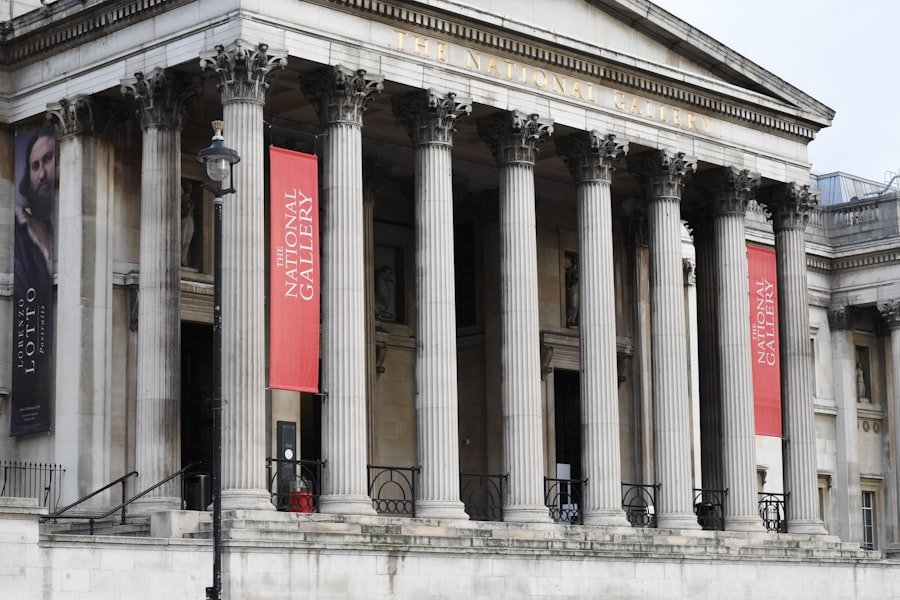
There is no need to treat every summer day as equally crowded. The Museum’s own guidance is more precise: weekends, UK school holidays, UK bank holidays, Christmas and New Year are among its busiest periods.
The first and last weekends of a special exhibition can also make the permanent galleries especially busy. Summer school holidays therefore remain a sensible period to approach cautiously, but a weekday at opening can still be a better choice than a winter weekend or holiday afternoon.
If your schedule forces you to visit during a busy period, reserve a free timed admission slot and choose 10:00. Put your highest-priority gallery first instead of trying to cover the building in a fixed sequence.
Off-Peak Tourist Season at the British Museum
The clearest official seasonal guidance favors November and early December. The Museum says these periods tend to be less crowded, making them strong choices if a calm gallery experience matters more than warmer London weather.
Do not assume all of December is quiet. Christmas and New Year are listed among the busier periods, and the Museum closes completely on 24, 25, and 26 December.
Special Events and Exhibits
Special exhibitions can change normal crowd patterns, particularly around their opening and closing weekends. If a temporary exhibition is the main reason for your visit, secure its required ticket before building the rest of your Museum day around it.
A major current example is The Bayeux Tapestry, displayed from September 2026 through July 2027 in Room 30. The 70-meter work has returned to England on loan for the first time since it was made nearly 1,000 years ago, so visitors should expect it to affect demand during its run.
Gallery maintenance can matter just as much as crowd levels. For visitors in early October 2026, Rooms 53–55 are planned to be closed and Room 56 partially closed through 9 October. From 12–23 October, Room 41 is scheduled to be partially closed, while Rooms 42–43 and 46–48 are among the planned closures.
These closures can change, so check the official Visit page shortly before traveling if a particular collection is essential to your trip.
Best Times for Avoiding Crowds
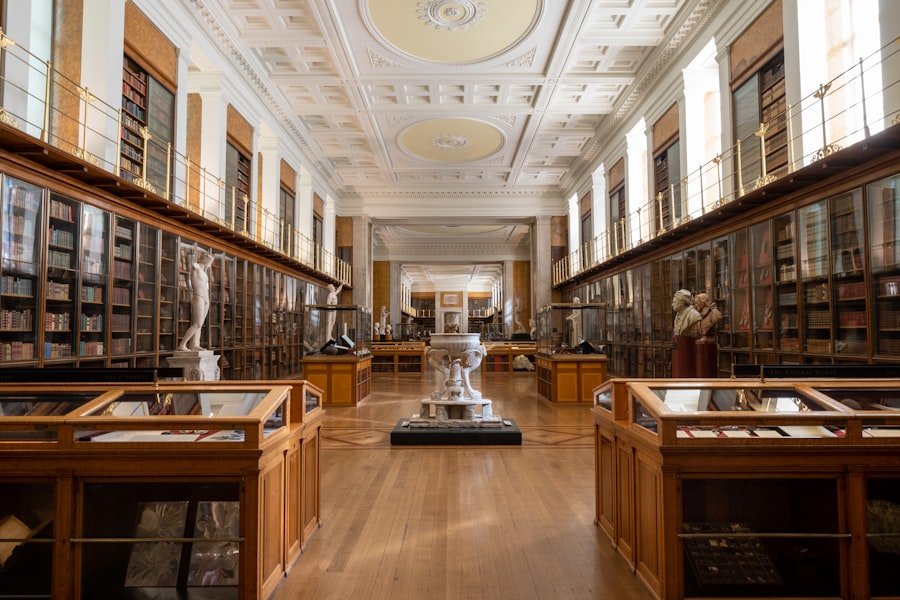
If avoiding crowds is your main goal, combine three factors: a weekday, the first hour after opening, and a date outside school or public holidays. The Museum’s accessibility and quieter-times guidance specifically identifies 10:00–11:00 and the period after 16:00 as quieter.
A late-afternoon visit works best when your list is short. On normal days, the Museum closes at 17:00 and begins clearing galleries shortly before closing, so you will not have much time if you arrive after 16:00.
Friday solves part of that problem. The Museum stays open until 20:30, giving you several extra hours, but Friday evening is not automatically quiet everywhere.
Pro Tip: Use Friday evening when extra time matters, not as a guarantee of an empty Museum. Some late-opening events can be busy or noisy, and several galleries do not remain open for the full evening.
The official Friday late-opening schedule runs from 17:00 to 20:30, with last entry at 20:15. The Museum recommends booking a timed slot in advance to guarantee entry.
Best Times for Special Tours and Programs
Tour timing depends on what you want to join. The Museum runs free volunteer-led eye-opener tours daily, while other talks, tours, object-handling sessions, and paid out-of-hours options follow their own schedules.
According to the official Tours and Talks information, eye-opener tours generally last 30–40 minutes and are usually limited to about 15 people per session. They are free, but places are first come, first served and tours can be canceled.
The Museum’s Hands on desks offer another option. These free object-handling sessions normally take place from 11:00 to 16:00, subject to availability, in selected galleries.
If a specific tour matters to you, build your visit around its start time. Otherwise, use the quieter first hour for popular objects and join a later tour once the building becomes busier.
Tips for Making the Most of Your Visit
A successful visit is easier when you decide what you want to see before entering. The British Museum covers about eight million objects in its wider collection, so trying to see everything in one visit usually leads to unnecessary walking and museum fatigue.
- Book free general admission in advance. Walk-up entry is possible, but it depends on capacity and cannot be guaranteed during busy periods.
- Arrive for your booked time. All visitors pass through security and bag checks.
- Travel light. Wheeled suitcases and larger luggage are not permitted on the Museum site.
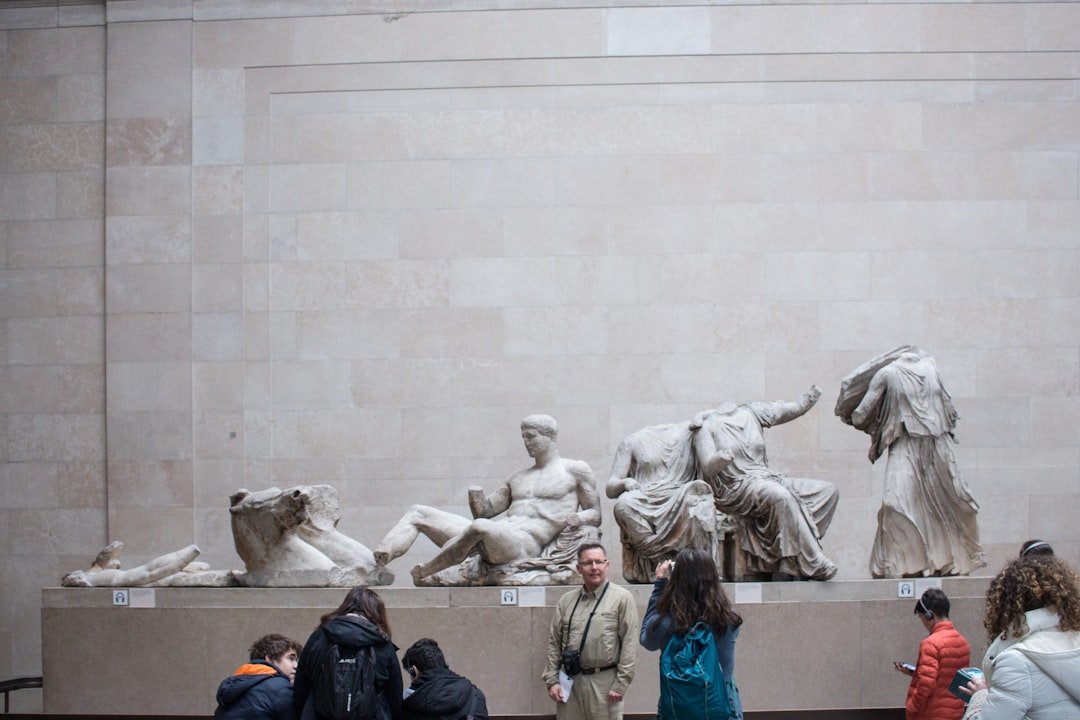
- Choose a short list of must-see objects. The Rosetta Stone, Egyptian galleries, Parthenon sculptures, and other famous displays can draw concentrated crowds.
- Allow enough time. The Museum publishes both a one-hour trail and an approximately three-hour trail, which are useful benchmarks for planning.
- Check planned closures before leaving. Individual rooms can close for maintenance, refurbishment, events, or other operational reasons.
For a first visit, around three hours gives you time to see a meaningful selection without rushing. If you only have an hour, follow a focused highlights route instead of trying to cover several departments.
Recommended Times for Families with Children
Families usually benefit from an early start because children can see priority objects before the middle-of-the-day crowds build. However, weekends and school holidays also bring family-specific activities that may be worth accepting a busier Museum for.
The official Family Visits page says the Families Desk operates on weekends and school holidays from 10:00–12:30 and 13:15–16:30. Families can collect explorer trails and activity backpacks, while Museum Missions provide free gallery activities using a phone or tablet.
Prams and buggies are permitted, and fold-up versions can be left in the cloakroom when space is available. Baby-changing facilities are also provided around the Museum.
If your priority is a calm visit, go at 10:00 during term time. If your children would benefit more from organized family activities, a weekend or school-holiday visit may be more rewarding despite the larger crowds.
Best Times for Budget Travelers
Budget travelers do not need to target a particular season for cheaper general admission because the British Museum’s permanent collection is free. Your timing mainly affects crowds, accommodation costs elsewhere in London, and whether you choose a paid special exhibition.
Advance-booking a free timed general-admission ticket can still save frustration during busy periods. Special exhibitions may charge separately, so include those costs only if a temporary show is important to you.
Free Museum activities can add value without increasing your budget. Eye-opener tours, selected talks, object-handling sessions, family trails, and the permanent galleries give you several ways to structure a visit without paying for a commercial tour.
Conclusion and Final Recommendations
For most visitors, the best time to visit the British Museum is a weekday at 10:00. November and early December offer the strongest officially identified seasonal advantage, while Friday evening is useful when you want more time after the standard closing hour.
Book your free timed entry, check special exhibitions and planned gallery closures, and decide on a few priority rooms before you arrive. That simple plan will usually improve your visit more than choosing a month based only on London weather.
Frequently Asked Questions
What are the best times to visit the British Museum?
The best time to visit the British Museum for lighter crowds is 10:00–11:00 or after 16:00. Weekdays are usually a safer choice than weekends, and November or early December can be calmer according to the Museum’s published guidance.
What is the best month to visit the British Museum?
There is no single official best month. The Museum specifically says November and early December tend to be less crowded, so those periods are strong choices if crowd levels matter more to you than warmer weather.
Are there specific days to avoid visiting the British Museum?
Avoid weekends, UK school holidays, UK bank holidays, and the Christmas and New Year period if you want the lightest crowds. The first and last weekends of major special exhibitions can also make the permanent galleries busier.
What are the busiest times at the British Museum?
The middle of the day is usually the busiest time in the Museum’s galleries, cafés, and shops. Weekends, school holidays, bank holidays, Christmas, New Year, and major exhibition weekends can add further demand.
Is there a time of day when the British Museum is less crowded?
Yes. The Museum identifies 10:00–11:00 and the period after 16:00 as generally quieter. Friday is especially useful for a later visit because opening extends to 20:30, although some galleries close during the evening.
Can special events or exhibitions affect the best time to visit?
Yes. Special exhibitions can increase demand, particularly on their first and last weekends. The Bayeux Tapestry runs from September 2026 through July 2027, so visitors during that period should factor the major exhibition into their timing and booking plans.
Do I need to book a ticket for the British Museum?
Advance booking is recommended even though general admission to the permanent collection is free. Walk-up entry is available subject to capacity, while paid or high-demand special exhibitions can require separate timed tickets.
How long should I spend at the British Museum?
About three hours is a practical first-visit target if you want to see a broad selection of highlights. The Museum also publishes an approximately one-hour trail for shorter visits, so you can still have a focused experience when time is limited.
For more London museum ideas, you can also browse Tagline Today while planning the rest of your itinerary.
Sources
- British Museum — Visit: opening hours, free timed admission, security, holiday closure, and planned gallery closures.
- British Museum — Accessibility at the Museum: quieter and busier times, seasonal crowd guidance, and special-exhibition crowd patterns.
- British Museum — Late opening on Fridays: Friday hours, booking guidance, and evening gallery availability.
- Met Office — Heathrow long-term averages: 1991–2020 monthly temperature and rainfall normals used for the seasonal weather table.
- Camden Council — School term dates: 2026–27 school holidays and public-holiday planning dates.
- British Museum — The Bayeux Tapestry: exhibition period and booking information.
- British Museum — Tours and Talks: eye-opener tours, Hands on desks, and program details.
- British Museum — Family Visits: Families Desk hours, activities, prams, and family facilities.