A London to Bath day trip is one of the easiest ways to experience Roman history, Georgian architecture and England’s best-known spa city without staying overnight. Direct trains from London Paddington reach Bath Spa in around 1 hour 20 minutes on many services, and most of the city’s major sights are within walking distance of the station.
Quick Answer
Yes, Bath works very well as a day trip from London. Take a direct train from London Paddington to Bath Spa, allow around 1 hour 20 minutes each way, and focus on the Roman Baths, Bath Abbey, Pulteney Bridge, the Royal Crescent and one optional museum or spa session.
Key Takeaways
- Great Western Railway currently lists London Paddington to Bath Spa at around 1 hour 20 minutes, making the train the easiest option for most day-trippers.
- Bath’s compact centre makes it practical to visit the Roman Baths, Bath Abbey, Pulteney Bridge, the Circus and Royal Crescent on foot.
- Reserve the Roman Baths and Thermae Bath Spa ahead when they are priorities, especially on busy weekends and holiday periods.
- Thermae Bath Spa is for guests aged 16 and over; treatments have a minimum age of 18.
- The Fashion Museum Bath building is currently closed and is planned to reopen in a new city-centre home in 2030.
Bath is especially notable because its heritage is recognized through two UNESCO World Heritage inscriptions. The City of Bath is listed for its Roman remains, hot springs and Georgian townscape, while Bath is also one of the eleven spa towns included in The Great Spa Towns of Europe.
The centre is compact enough that you do not need a car once you arrive. From Bath Spa station, you can walk into the historic core in only a few minutes, making a well-planned day far easier than trying to cover a larger city.
Getting from London to Bath
For most visitors, the train is the fastest and simplest way to make a London to Bath day trip. Great Western Railway operates services from London Paddington to Bath Spa, with many journeys taking around 1 hour 20 minutes. GWR’s published timetable information can change, so check your exact train before travelling.
You can view current schedules and tickets on the Great Western Railway London-to-Bath route page. Booking ahead can also give you more choice of train times and ticket types.
Pro Tip: If Bath is your main destination, choose an early direct train from Paddington and reserve a return journey that gives you roughly seven or eight hours in Bath. That provides enough time for the main landmarks without turning the day into a race.
Train vs. Driving vs. Coach
Train: Best for most travelers. It takes you directly into the city centre and removes the need to deal with London traffic or parking in Bath.
Driving: Bath is roughly 115 miles from central London by road, depending on your starting point and route. Driving commonly takes several hours once traffic is considered. A car can make sense if Bath is part of a wider road trip, but it offers little advantage for a Bath-only day because the historic centre is highly walkable.
Scheduled coach: Intercity coaches can be cheaper than some rail tickets but generally take longer. They are separate from organized sightseeing tours.
Organized day tour: Guided tours from London may combine transportation with time in Bath and sometimes another attraction. Check the exact itinerary carefully because multi-stop tours usually provide less independent time in Bath.
What to Book Before Your Bath Day Trip
A little preparation can save a surprising amount of time. Train fares, attraction availability and opening times can vary by date, so avoid building your day around assumptions.
- Train: Check London Paddington to Bath Spa schedules in advance.
- Roman Baths: Reserve a timed ticket if this is your main attraction.
- Thermae Bath Spa: Book a spa session if you want guaranteed spa time rather than relying on same-day availability.
- Restaurants: Reserve lunch or afternoon tea if you have a particular venue in mind.
- Bath Abbey: Check current visiting hours because the Abbey is an active church and may close for worship or special events.
Note: Bath is best explored on foot, so comfortable shoes are more useful than trying to fit local taxis between nearby attractions. Bring a light waterproof layer when rain is possible.
A Practical One-Day Bath Itinerary
You can adjust this itinerary around your train and any timed admission tickets. The goal is to group nearby sights rather than crossing the centre repeatedly.
| Morning | Arrive at Bath Spa, walk to the Roman Baths and Bath Abbey. |
| Late morning | Walk toward Pulteney Bridge, the River Avon and central shopping streets. |
| Lunch | Stop in the city centre or reserve the Pump Room if you want a more traditional experience. |
| Early afternoon | Walk through the Circus to the Royal Crescent and Royal Victoria Park. |
| Late afternoon | Choose either a museum/gallery or a pre-booked Thermae Bath Spa session. |
| Evening | Have an early dinner or final walk before returning to Bath Spa station. |
If the Roman Baths are your main reason for visiting, schedule them early. If the spa is your priority, work the rest of the sightseeing around your confirmed spa session because a standard Thermae Welcome visit lasts two hours.
Exploring Bath’s Historical Sites
The Roman Baths are the city’s signature historical attraction. Roman development around Bath’s natural hot springs began in the first century AD, and the surviving complex remains central to Bath’s UNESCO significance. You can walk through the archaeological site, see the Great Bath and learn how the temple and bathing complex functioned.
Check current seasonal hours and admission information on the official Roman Baths website. An audio guide is included with admission, and visitors can also sample spa water from a designated fountain.
Bath Abbey stands next to the Roman Baths, making the two attractions easy to combine. Because the Abbey remains an active church, tourist visiting hours can change for services and events. Check the Bath Abbey visitor information before your trip.
Farther north, the Royal Crescent is a sweeping crescent of 30 Georgian houses built in the 18th century. Nearby, the Circus forms another striking Georgian architectural space. Walking from the Circus to the Royal Crescent is one of the easiest ways to understand why Bath’s townscape is so celebrated.
Bath’s World Heritage significance is not limited to one monument: Roman archaeology, natural springs and the planned Georgian city all contribute to its international importance.
Enjoying Bath’s Natural Hot Springs
Bath’s natural thermal water has shaped the city for nearly two thousand years. Today, the Roman Baths are a historic site rather than a place for swimming, while Thermae Bath Spa provides the modern bathing experience.
At Thermae Bath Spa, visitors can bathe in naturally warm, mineral-rich water. Its main spa includes the open-air rooftop pool, Minerva Bath and Wellness Suite. A standard Thermae Welcome spa session lasts two hours.
Warning: Thermae Bath Spa currently has a minimum admission age of 16. Guests must be at least 18 for treatments. Families travelling with younger children should plan another afternoon activity instead.
The rooftop pool is especially popular because it offers views across Bath while you soak. The experience is better described as relaxation and wellness than as medical treatment; historical visitors associated Bath’s waters with health cures, but modern travelers should not treat spa bathing as medical care.
Another historic option is the Pump Room beside the Roman Baths. Visitors can still taste the warm mineral-rich spa water from its fountain. The Pump Room also serves meals and afternoon tea in a Georgian setting, making it an easy way to combine Bath’s spa history with a food stop.
Shopping and Dining in Bath
Bath has a strong mix of independent shops, national retailers, markets and small specialty businesses. The compact central shopping area makes it easy to browse without sacrificing most of your sightseeing day.
Milsom Street and the streets around it contain fashion, homeware, food and independent shops. The historic Guildhall Market is another useful stop for browsing local traders, while Pulteney Bridge is unusual because shops line the bridge itself.
For lunch, you can keep things quick with a café, bakery or pub, or make food part of the day’s experience with a longer restaurant meal. Traditional British dishes, local baked goods and afternoon tea are easy to find, but Bath also has a broad international dining scene.
If you have only one day, avoid committing two or three hours to lunch unless dining is one of your priorities. A shorter lunch leaves more time for the Royal Crescent, museums or spa.
Visiting Bath’s Museums and Galleries
Bath has several museums and galleries that work well as optional afternoon stops. The Victoria Art Gallery is Bath’s public art museum. Its collection includes paintings, sculpture and decorative arts, with works connected to artists such as Thomas Gainsborough and J. M. W. Turner. Displays can change, so check what is on during your visit.
The Holburne Museum, at the end of Great Pulteney Street, combines fine and decorative art with temporary exhibitions. It is slightly farther from the central Roman Baths area but remains walkable from the city centre.
The Fashion Museum remains an important part of Bath’s cultural identity, with a major collection covering centuries of fashion history. However, the physical Fashion Museum Bath is currently closed. It left the Assembly Rooms in 2022, and the museum plans to reopen in the transformed Old Post Office in Bath city centre in 2030.
Until then, visitors should not build a Bath day trip around visiting a permanent Fashion Museum gallery. The museum continues to provide digital access and occasional outreach activities; current information is available on the official Fashion Museum Bath website.
Taking a Stroll in Bath’s Parks and Gardens
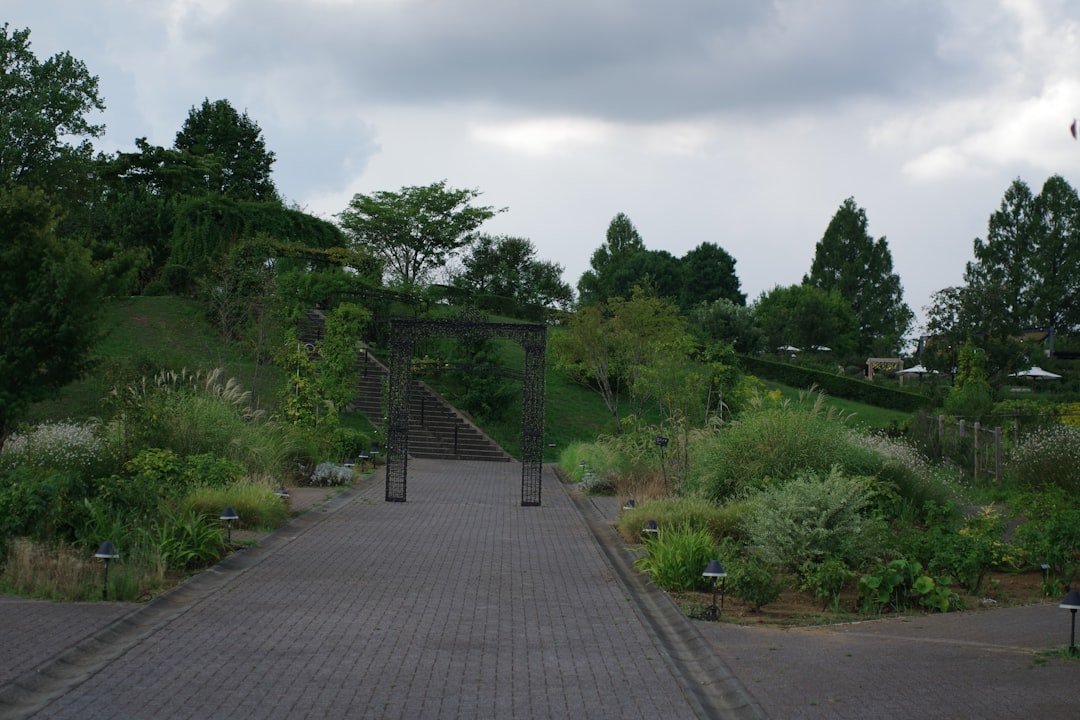
Bath’s green spaces are useful when you want a quieter break between indoor attractions. Royal Victoria Park sits beside the Royal Crescent and covers about 57 acres. Its features include landscaped areas, botanical gardens, a children’s play area and open lawns.
You can check current park information through Bath & North East Somerset Council. Because the park is directly beside the Royal Crescent, it requires little extra travel time.
Parade Gardens is closer to the central historic area and provides attractive views toward Pulteney Bridge and the River Avon. It is a convenient place for a shorter break if you do not have time to explore Royal Victoria Park.
If you have longer than one day, Bath also offers riverside walks, woodland routes and the wider Bath Skyline. For a London day trip, however, keep longer walks optional so that they do not take time away from the city’s main historic sights.
How Much Does a London to Bath Day Trip Cost?
The total cost varies too much by date and travel style for one fixed figure to remain reliable. Train fares can change significantly depending on when you book and which ticket restrictions apply, while attraction prices can also be updated.
A lower-cost day can focus on walking through Bath’s historic centre, seeing Pulteney Bridge, the Circus, Royal Crescent and Royal Victoria Park, then paying for only one major attraction. A higher-cost day might include flexible rail tickets, Roman Baths admission, a two-hour spa session and a restaurant meal.
For the most accurate budget, check your train fare and your two most important paid attractions first. Those items usually determine whether the day will be inexpensive or relatively premium.
Best Time for a London to Bath Day Trip
Bath can be visited throughout the year. Spring and early autumn can offer comfortable walking weather, while summer brings long daylight hours but also heavier visitor numbers. Winter days are shorter, although the historic centre can still be atmospheric.
Weekends, public holidays and major events can make trains, restaurants and attractions busier. If your schedule is flexible, a weekday can make sightseeing easier.
Always check attraction schedules shortly before travel. Roman Baths hours vary seasonally, and Bath Abbey can alter visitor access around services and special events.
Can You Combine Bath and Stonehenge in One Day?
It is physically possible to combine Bath with Stonehenge, and some organized tours from London do exactly that. However, it changes the character of the day. Instead of spending most of your time exploring Bath on foot, you will spend more time travelling between attractions.
If Bath is your priority, give the city a full day. If seeing both places matters more than having several hours of independent time in Bath, an organized multi-stop tour may be easier than trying to arrange every connection yourself.
The same principle applies to Avebury. Adding another major destination can be worthwhile on a longer road trip, but it is not a casual extra stop for most travelers taking an ordinary Bath day trip by train.
Returning from Bath to London
Bath Spa station is close to the historic centre, so returning to London is straightforward. GWR runs frequent services on the London route, but evening schedules and journey times can vary by day.
If you booked a specific train, leave enough time to walk back to the station rather than planning your final attraction too tightly. If you are using a flexible ticket, check live departures before heading to the platform.
Visitors travelling by car should allow extra time for congestion on the return journey. Those using an organized coach tour should confirm the exact meeting point and departure time before separating from the group.
For travelers with additional days rather than a strict London day trip, nearby destinations such as Stonehenge or Avebury can add more history to a wider southwest England itinerary. For a single day, concentrating on Bath normally produces a more relaxed experience.
If you’re also browsing food ideas beyond your Bath itinerary, you may enjoy this separate article about Asian melon varieties and ways they can be used in salads and desserts.
Frequently Asked Questions
What is a London to Bath day trip?
A London to Bath day trip means travelling from London to Bath and returning the same day. Most independent visitors travel by train from London Paddington to Bath Spa, spend the day sightseeing on foot, and return to London in the evening.
How far is it from London to Bath?
Bath is roughly 115 miles from central London by road, depending on the exact route. Driving usually requires several hours once traffic is considered. By train, GWR currently lists London Paddington to Bath Spa at around 1 hour 20 minutes on many services.
What are the most popular attractions to visit in Bath?
Popular stops include the Roman Baths, Bath Abbey, Pulteney Bridge, the Circus, Royal Crescent and Royal Victoria Park. Visitors with extra time can add the Victoria Art Gallery, Holburne Museum or a pre-booked Thermae Bath Spa session.
How can I travel from London to Bath for a day trip?
The simplest option for most visitors is a direct Great Western Railway service from London Paddington to Bath Spa. Driving, scheduled coaches and organized sightseeing tours are also available, but each normally involves different trade-offs in time, cost and flexibility.
Can I see Bath’s major attractions in one day?
Yes. A well-planned day is enough for the Roman Baths, Bath Abbey, Pulteney Bridge, the Circus and Royal Crescent, with time for lunch. You will usually need to choose between adding a longer museum visit, spa session or extended shopping rather than trying to do everything.
Are guided tours available from London to Bath?
Yes. Organized day tours operate from London and may include Bath alone or combine it with places such as Stonehenge. Check how much free time the itinerary gives you in Bath because multi-stop tours generally spend less time in the city than an independent train trip.
Do I need to book the Roman Baths in advance?
Advance booking is a good idea when the Roman Baths are a must-see part of your day, particularly during busy weekends, school holidays and peak travel periods. A timed reservation also makes it easier to plan the rest of your itinerary.
Can children visit Thermae Bath Spa?
Thermae Bath Spa currently requires guests to be at least 16 years old, and the minimum age for treatments is 18. Families with younger children should choose another attraction for that part of the day.
Is the Fashion Museum Bath open?
No. Fashion Museum Bath left the Assembly Rooms in 2022 and is currently closed while a new museum is developed in the historic Old Post Office. The museum plans to reopen in 2030.
Sources
- Great Western Railway — London to Bath — current Paddington-to-Bath Spa journey information.
- UNESCO World Heritage Centre — City of Bath — Bath’s Roman, spa and Georgian World Heritage significance.
- UNESCO World Heritage Centre — The Great Spa Towns of Europe — Bath’s second World Heritage inscription.
- Roman Baths — Official Visitor Information — current visitor planning and seasonal opening information.
- Thermae Bath Spa — thermal-bathing facilities, booking information and age requirements.
- Fashion Museum Bath — Our Future — current closure and planned 2030 reopening.