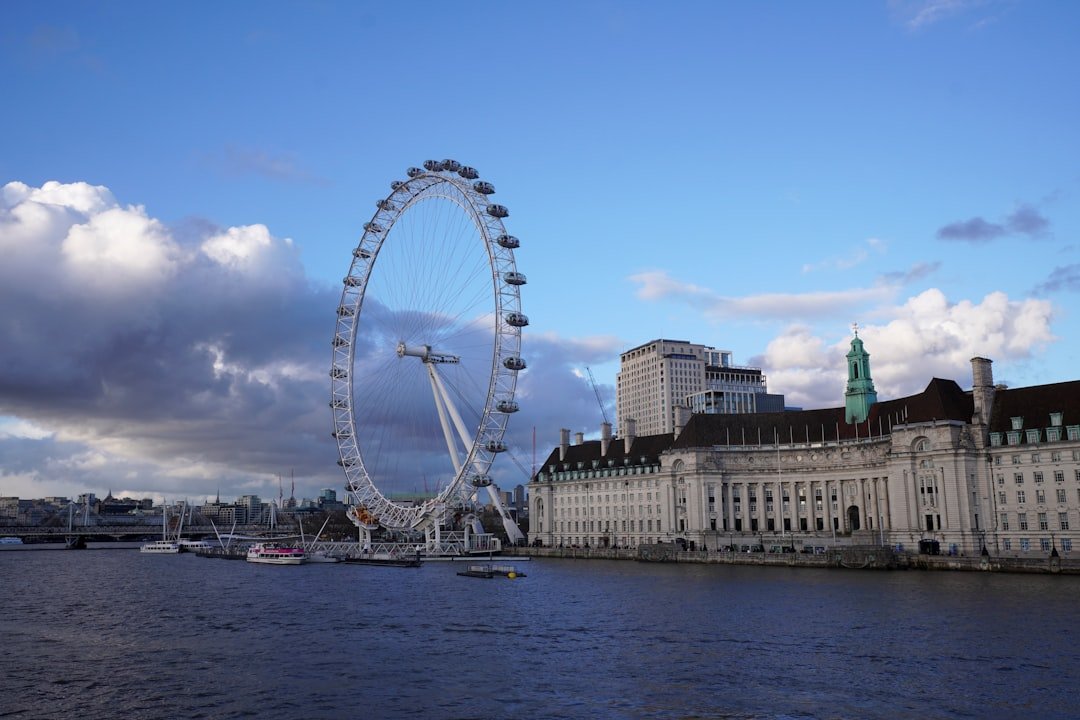
Five days in London gives you enough time to see many of the capital’s famous landmarks while still leaving room for museums, food, parks, shopping, nightlife, and a few quieter corners. The most comfortable approach is to group nearby attractions together, book high-demand sights in advance, and use the Tube or buses when walking would take too much of your sightseeing time.
Quick Answer
Five days in London is enough to see the city’s biggest landmarks without rushing every hour. Spend one day on the Tower and Westminster, one on museums and the West End, one on food, one on quieter neighborhoods, and one on parks. Use contactless or Oyster and prebook high-demand attractions.
Key Takeaways
- Day 1: See the Tower of London, Tower Bridge, Westminster, Big Ben, and Buckingham Palace.
- Day 2: Explore Westminster Abbey, the British Museum, Covent Garden, and the West End.
- Day 3: Sample London’s food scene at Borough Market, Brick Lane, and a memorable dinner or afternoon tea.
- Day 4: Discover less obvious stops including Leadenhall Market, Hampstead Heath, and Keats House.
- Day 5: Slow down at Kew Gardens, Hyde Park, and St. James’s Park.
- Museums and galleries: Make time for the Tate Modern, National Gallery, V&A, British Museum, or Natural History Museum according to your interests.
- Shopping: Oxford Street, Regent Street, Covent Garden, Camden Market, and Knightsbridge offer very different experiences.
- Nightlife: Soho, Shoreditch, rooftop venues, live music, and West End theatre provide plenty of evening options.
- Day trips: Windsor, Stonehenge, Bath, Oxford, Cambridge, and the Warner Bros. Studio Tour are popular choices, but choose only one for a single free day.
- Transport: Contactless payment or Oyster is usually the easiest way to pay for London public transport.
- Planning: Book high-demand attractions and performances before your trip, then leave some flexible time for weather, queues, and spontaneous stops.
Before You Start Your 5 Days in London
London is large, and an itinerary that looks easy on a map can become tiring once queues, security checks, meals, and transport are included. Avoid trying to cross the city repeatedly on the same day. The itinerary below groups many stops by area, while using public transport for the longer jumps.
Reserve your highest-priority paid attractions first. The Tower of London, Tower Bridge, Parliament tours, major West End shows, Windsor Castle, and special exhibitions can become busy. Museums with free general admission may also recommend timed reservations during popular periods.
Pro Tip: Do not schedule every hour. One major morning attraction, one major afternoon area, and a flexible evening usually produces a better London trip than trying to check off six ticketed attractions every day.
Day 1: See London’s Iconic Landmarks
Begin your first day at the Tower of London, where almost 1,000 years of royal, military, and political history provide a strong introduction to the city. The site has served as a fortress, royal palace, prison, armoury, and home of the Royal Mint. Its best-known attraction is the Crown Jewels, a working collection of ceremonial objects that remains in royal use.
The official Historic Royal Palaces visitor information recommends allowing substantial time for the Tower. If the Crown Jewels are a priority, arrive early because this part of the complex can become especially busy.
After leaving the Tower, walk to Tower Bridge. The bridge is worth viewing from the riverside even if you do not buy an admission ticket, but the paid Tower Bridge experience includes the high-level walkways and glass floors above the road and River Thames. Current visitor information is available from Tower Bridge.
Rather than walking the entire distance from Tower Bridge to Westminster, use public transport for the cross-city portion of the day. This saves your energy for the Palace of Westminster, Parliament Square, Westminster Abbey, St. James’s Park, and Buckingham Palace.
At Westminster, view the Palace of Westminster from both the Parliament Square and South Bank sides of the Thames. The famous clock tower is officially Elizabeth Tower; Big Ben is the nickname of the Great Bell inside it. If you want to go inside Parliament, tours include important spaces such as Westminster Hall and the chambers of the House of Commons and House of Lords. UK Parliament recommends advance booking for the best chance of entry.
Finish the sightseeing portion of the day by walking through St. James’s Park toward Buckingham Palace. Even when the palace interiors are not open to general visitors, the forecourt, Victoria Memorial, nearby park, and surrounding royal quarter make this an easy final stop.
Note: The Tower of London, Tower Bridge, Parliament, Westminster Abbey, and Buckingham Palace all have different opening arrangements. Do not assume every interior can be visited on the same day; choose your priority ticketed attractions before traveling.
Day 2: Immerse Yourself in London’s Culture and History
If Westminster Abbey is one of your must-see attractions, use an early reserved entry on Day 2 rather than trying to squeeze another major interior visit into Day 1. Afterward, continue to Bloomsbury for the British Museum.
The British Museum holds a collection of around eight million objects spanning cultures across the world. Among its best-known displays are the Rosetta Stone and the Parthenon Sculptures. General admission is free, although some exhibitions and events are ticketed, and advance booking may be recommended during busy periods. Check the British Museum’s current visitor information before going.
Do not try to see every gallery in one visit. Choose a few areas that interest you most, such as ancient Egypt, Greece and Rome, Asia, Africa, or the Middle East. A focused two- or three-hour visit is often more rewarding than rushing through dozens of rooms.
From the British Museum, walk toward Covent Garden. Its covered market buildings, shops, cafés, restaurants, and street performers provide an easy change of pace after several hours indoors.
The Royal Opera House is nearby. Check its current performance and tour schedule if you want to see behind the scenes or attend a production. Otherwise, continue into the West End for an afternoon or evening performance. London theatre ranges from long-running musicals to plays, comedy, and new productions, so choose the show rather than simply choosing the nearest theatre.
Day 3: Indulge in London’s Culinary Delights
Use Day 3 to explore London’s food scene. You can start with a traditional English breakfast at a café, with combinations of eggs, bacon, sausage, beans, mushrooms, tomatoes, and toast commonly available. If a large breakfast is not your style, save your appetite for Borough Market.
Borough Market brings together produce sellers, bakeries, cheesemongers, prepared-food counters, restaurants, and international flavors. Instead of buying a full meal from the first stall you see, walk through the market first and compare what is available.
Later, consider a food tour or move east toward Brick Lane. The surrounding area is closely associated with London’s Bangladeshi community and is well known for South Asian restaurants, bakeries, cafés, street art, vintage shops, and markets. A guided food walk can add useful context about migration and the neighborhood’s history rather than treating the area only as a place to eat curry.
If afternoon tea is on your London wish list, Day 3 is also a natural place to schedule it. Hotel teas can require advance reservations, while cafés and tearooms often provide more casual alternatives.
For a special dinner, London has restaurants at almost every level, from neighborhood dining rooms to Michelin-recognized destinations. The Ledbury and Restaurant Gordon Ramsay are well-known high-end examples, but reserve early and check the current Michelin Guide or restaurant website before building your evening around a specific venue.
Day 4: Discover London’s Hidden Gems
Start Day 4 at Leadenhall Market in the City of London. Its ornate covered passages offer a very different atmosphere from modern shopping centers, and the surrounding streets place you close to some of London’s oldest commercial districts.
After exploring the market and nearby lanes, travel north toward Hampstead Heath. This large green space includes woodland, meadows, ponds, walking paths, and some of London’s best elevated views.
Parliament Hill rises to about 98 meters and provides a broad view toward landmarks across central London. It is a good place to slow the pace of the itinerary, especially after three days of museums, markets, and major tourist sights.
Nearby Keats House is associated with Romantic poet John Keats. Literature enthusiasts can learn about his life and work while spending time in a quieter residential part of London.
Pro Tip: Wear comfortable shoes for Hampstead Heath. Some paths are naturally uneven, although accessible routes and mobility information are available for visitors who need them.
Day 5: Relax and Unwind in London’s Parks and Gardens
The final day works best at a slower pace. Because Kew Gardens sits west of central London, starting there can reduce unnecessary backtracking. The Royal Botanic Gardens, Kew is a UNESCO World Heritage site with more than 50,000 living plants, historic glasshouses, landscaped gardens, scientific collections, and seasonal displays. Check Kew Gardens for current opening times and admission arrangements.
After Kew, return toward central London for Hyde Park. Its open lawns, paths, Serpentine lake, and cafés make it easy to spend an hour or several hours depending on your energy. Rowing boats and pedal boats are available on the Serpentine subject to operating conditions and weather.
The Diana, Princess of Wales Memorial Fountain is another well-known feature of Hyde Park. However, visitor conditions can change because the water feature requires maintenance and may occasionally close.
September 2026 update: The Royal Parks currently reports that the Diana Memorial Fountain water feature is temporarily closed because of a fault with its water system. The surrounding area is accessible. Check the Royal Parks website before your visit because this status can change.
End the day at St. James’s Park if you did not spend much time there on Day 1. The paths around the lake offer classic views toward Buckingham Palace and the surrounding royal quarter, making it a calm final evening after five days of sightseeing.
Must-See Museums and Art Galleries
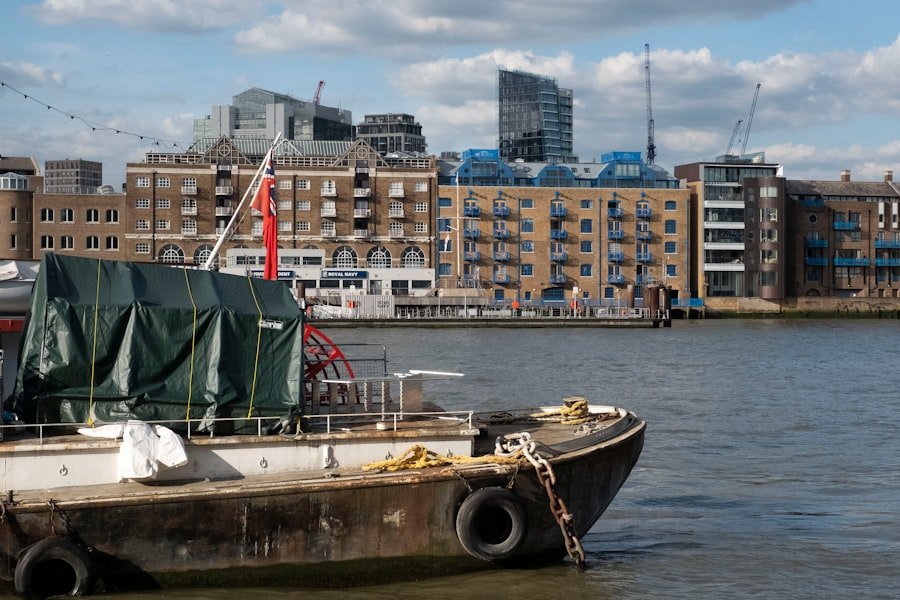
London has enough major museums to fill an entire trip, so a five-day visitor should choose according to personal interests rather than attempting to visit all of them.
Tate Modern, housed in a former power station on the Thames, focuses on international modern and contemporary art. Its collection displays include works by major 20th- and 21st-century artists, while temporary exhibitions may require paid tickets.
The National Gallery at Trafalgar Square is one of the best choices for European painting. General admission to the national collection is free, although some exhibitions are ticketed.
The Victoria and Albert Museum (V&A) in South Kensington focuses on art, design, fashion, decorative arts, furniture, photography, ceramics, sculpture, textiles, and other forms of material culture. General admission at V&A South Kensington is free.
The Natural History Museum, also in South Kensington, is especially popular with families and visitors interested in dinosaurs, fossils, Earth sciences, wildlife, and evolution. Its permanent Dinosaurs Gallery includes major fossils and a well-known animatronic T. rex.
The British Museum is best for visitors interested in archaeology and world cultures. Because several of these museums have free general admission, they are also useful rainy-day or budget-friendly options.
The Best Shopping Spots in London
Shopping in London ranges from international flagships and luxury department stores to vintage stalls and independent boutiques.
Oxford Street is one of the city’s best-known retail corridors and is convenient for major brands and department stores. Nearby Regent Street offers another polished central shopping route, while Knightsbridge is associated with luxury retailers including Harrods and Harvey Nichols.
For something less conventional, head to Camden Market, where stalls and shops sell clothing, accessories, crafts, gifts, and food. The area is more useful for browsing than for a tightly scheduled shopping mission, so give yourself time to wander.
Covent Garden combines boutiques, recognizable brands, market stalls, restaurants, cafés, and street entertainment. It is particularly convenient because it can be combined with the British Museum, Soho, or a West End show.
Enjoying London’s Vibrant Nightlife
London’s nightlife changes dramatically from one neighborhood to another. Soho works well for central bars, pubs, restaurants, comedy, and late-night activity, while Shoreditch has a strong mix of bars, clubs, live music, and creative venues.
The Old Blue Last is one Shoreditch venue worth checking for current live-music listings, but schedules change, so confirm what is happening on the night you plan to visit rather than assuming a performance will be available.
For skyline views, venues such as Sky Garden and Aqua Shard can fit a more polished evening. Check reservation requirements, dress expectations, opening arrangements, and minimum-spend policies before going.
A West End performance is one of London’s most distinctive evening experiences. If there is a particular musical or play you want to see, choose the production first and build dinner and drinks around the theatre location.
Day Trips from London: Exploring the Surrounding Areas
London has enough to fill all five days, so a day trip is optional. If this is your first visit and you have not yet seen the major London attractions, staying in the city may be the better choice. If you do want to leave London, choose one destination rather than trying to combine several major sites in a single rushed day.
Windsor Castle is one of the easiest royal day trips. The Royal Collection Trust describes Windsor as the oldest and largest occupied castle in the world. It has been home to 40 monarchs and remains an official residence of King Charles III. Trains from London can reach Windsor in under an hour, although the exact journey depends on your departure station and connection. Check Royal Collection Trust before traveling because Windsor is a working royal palace and opening arrangements can change.
Bath is known for its Roman Baths, Georgian architecture, Bath Abbey, and Pulteney Bridge. It requires a longer travel day than Windsor, so start early.
Oxford and Cambridge both provide a look at England’s historic university culture, architecture, museums, college grounds, and riverside areas. College access varies, so verify which sites are open to visitors.
Stonehenge is another popular excursion, particularly for travelers interested in prehistoric Britain. Because it is outside London and not directly beside a central railway station, allow enough time for the full transport connection.
Fans of the Harry Potter films may instead choose the Warner Bros. Studio Tour London – The Making of Harry Potter. Tickets are capacity-controlled, so this is the type of day trip to book before finalizing the rest of your itinerary.
Navigating London’s Public Transportation System
London’s public transport network is one of the easiest ways to move between sightseeing areas. According to Transport for London, the London Underground has 11 lines covering 402 kilometers and serving 272 stations. The Tube is usually the quickest choice for longer journeys across central London.
For most visitors, TfL pay as you go with a contactless bank card, mobile device, Oyster card, or Visitor Oyster card is easier than purchasing individual paper tickets. Pay-as-you-go fares are capped within applicable London zones, limiting what you pay after enough eligible journeys.
If you use contactless, use the same physical card or the same device throughout the journey. Touching in with a phone and touching out with the linked physical bank card can be treated as two different payment methods and may result in incorrect fares.
Visitors using cards issued outside the UK should also check whether their bank charges foreign transaction fees. If it does, Oyster may be easier to budget.
Buses are useful when you want to see the city above ground. Route 15, for example, currently serves St Paul’s and continues toward the Trafalgar Square/Charing Cross area. Routes can change, so use TfL’s current journey planner rather than planning an entire trip around an old bus guide.
River services on the Thames can also connect parts of central London while giving you a different view of the city. They are useful as transportation, but compare the fare and travel time with the Tube if you are working with a tight schedule.
Pro Tip: Walking is excellent for short central-London connections, but save the Tube for long cross-city jumps. That balance lets you notice small streets and landmarks without spending half your day walking between distant neighborhoods.
Tips for Making the Most of Your 5 Days in London
Prioritize before you arrive. Make a short list of attractions you would genuinely be disappointed to miss. Reserve those first, then build flexible stops around them.
Book popular attractions online. Tower of London tickets, Parliament tours, Windsor Castle, West End shows, special museum exhibitions, and other limited-capacity experiences can sell out or have long queues.
Do not underestimate travel time. Two attractions may look close on a London map but still require a significant walk, station transfer, security queue, or river crossing.
Walk strategically. Central London rewards walking because unexpected churches, squares, pubs, markets, historic streets, and architecture often appear between major attractions. Walking works best when the stops are genuinely close together.
Use free museums to control your budget. Institutions including the British Museum, National Gallery, V&A, and Natural History Museum offer free general admission, although donations are encouraged and some exhibitions cost extra.
Leave room for weather changes. A rainy afternoon can become a museum visit, while a sunny day may be better spent in Hyde Park, Hampstead Heath, Kew Gardens, or along the Thames.
Adjust the itinerary to your mobility and energy. Five consecutive full sightseeing days can involve substantial walking and standing. Travelers with children, older adults, or mobility needs should shorten each day’s list and check step-free transport and attraction-access information before traveling.
Ask locally when useful. Hotel staff, attraction staff, restaurant teams, and local residents may know about temporary closures, neighborhood events, transport disruptions, or nearby places that are not obvious in a general itinerary.
If your European trip also includes France, the existing guide to The Top 10 Must-See Attractions in Paris can help you plan the next city after London.
Frequently Asked Questions
What are the must-see attractions in London?
For a first visit, major attractions include the Tower of London, Tower Bridge, Westminster Abbey, the Palace of Westminster and Big Ben, Buckingham Palace, the British Museum, the National Gallery, and a West End theatre experience. You do not need to see all of them to have a successful five-day trip.
What are some recommended day trips from London?
Popular day trips include Windsor Castle, Stonehenge, Bath, Oxford, Cambridge, and the Warner Bros. Studio Tour London – The Making of Harry Potter. Choose one based on your interests and allow a full day rather than trying to combine several distant attractions.
What are the best ways to get around London?
Use the Tube for longer journeys, buses when they provide a convenient direct route, and walking for closely grouped central attractions. Thames river services can also be useful for selected journeys. Contactless pay as you go or Oyster is usually easier than buying separate paper tickets.
What are some popular shopping areas in London?
Popular shopping areas include Oxford Street, Regent Street, Covent Garden, Camden Market, and Knightsbridge. Oxford and Regent Streets suit major brands, Knightsbridge is stronger for luxury shopping, Camden is more eclectic, and Covent Garden mixes shops with food and entertainment.
What are some recommended dining experiences in London?
Try traditional British pub food or an English breakfast, browse Borough Market, explore international food neighborhoods such as Brick Lane, book afternoon tea, or reserve a special restaurant. London’s strongest advantage is variety, so include both casual and formal meals rather than spending every meal in tourist areas.
Is five days enough for London?
Yes. Five days is enough for a strong first visit if you group attractions by area and limit yourself to a few priorities each day. You will not see everything, but you can comfortably combine major landmarks, museums, food, parks, shopping, and evening entertainment.
Should visitors use Oyster or contactless in London?
Both work well for pay-as-you-go travel. Contactless is convenient if your bank card or mobile wallet works in the UK without costly foreign transaction fees. Oyster is useful if you prefer a dedicated transport card or your bank card is unsuitable. Always use the same card or device for the full journey.
Which London attractions should be booked in advance?
Book any attraction that would be a major disappointment to miss. Common priorities include the Tower of London during busy periods, Tower Bridge experiences, Westminster Abbey, Parliament tours, West End performances, special museum exhibitions, afternoon tea at popular hotels, and Windsor Castle if you are taking a day trip.
Sources
- Historic Royal Palaces — Tower of London — Tower history, Crown Jewels, admission, and visitor planning.
- Tower Bridge — high-level walkways, glass floors, and visitor information.
- UK Parliament — Palace of Westminster tours and current visitor arrangements.
- British Museum — admission, visitor planning, Rosetta Stone, and museum information.
- Transport for London — contactless and Oyster pay-as-you-go travel, fares, and capping.
- Royal Collection Trust — Windsor Castle — royal residence status, history, tickets, and current visitor information.