Six days in London gives you enough time to see many of the capital’s biggest landmarks without turning every day into a race. London has a population of about 9.1 million and spreads across a large area, so the best itinerary groups nearby attractions together and leaves room for meals, transport, and unexpected discoveries. This plan combines historic landmarks, museums, royal sights, shopping, entertainment, neighborhoods, and green spaces while keeping travel between stops practical.
Quick Answer
Six days is a good amount of time for a first trip to London. Spend the first five days exploring central landmarks, museums, royal sights, shopping areas, and the West End, then use Day 6 for Kew Gardens and a relaxed park visit. Book major attractions early and check current transport and ceremonial schedules before each day.
Key Takeaways
- Day 1 focuses on the Tower of London, Tower Bridge, Borough Market, and the Thames.
- Day 2 combines the British Museum with Covent Garden and Soho.
- Day 3 covers Buckingham Palace, Changing of the Guard when scheduled, Westminster Abbey, and nearby royal London.
- Day 4 is designed for Oxford Street, Regent Street, Notting Hill, Portobello Road, and London dining.
- Day 5 pairs Tate Modern with the South Bank and a West End performance.
- Day 6 works best as a Kew Gardens day with one additional park rather than trying to cross London repeatedly.
- Contactless payment or Oyster pay as you go are convenient ways to use London public transport.
- Advance reservations are especially useful for popular paid attractions, palace visits, and theater performances.
Before You Start Your 6-Day London Itinerary
A little preparation can save several hours once you arrive. London’s major attractions are spread across different neighborhoods, and some operate with timed tickets, seasonal opening periods, or changing schedules.
Book High-Demand Attractions First
If the Tower of London, Westminster Abbey, Buckingham Palace State Rooms, Tower Bridge, Kew Gardens, or a particular West End performance is important to you, check availability before your trip. The Tower of London, Westminster Abbey, and other major attractions publish current opening information and ticket arrangements on their official websites.
Note: Attraction hours, palace openings, ceremonies, transport disruptions, and temporary closures can change. Check official websites again shortly before each visit rather than relying on an old itinerary or screenshot.
Keep Each Day Geographically Compact
London becomes much easier when you combine nearby sights. The Tower of London and Tower Bridge belong together. The British Museum fits naturally with Covent Garden and Soho. Buckingham Palace, St James’s Park, Westminster, and the Abbey are all part of the same central sightseeing zone. This approach reduces time underground and gives you more time to explore on foot.
Day 1: Explore the Historic Landmarks
Start your first full day in eastern central London at the Tower of London. This UNESCO World Heritage Site has served as a fortress, royal palace, prison, treasury, armory, and home of the Crown Jewels during its long history. The Crown Jewels remain one of its main attractions, and Yeoman Warder tours add stories about the people, ceremonies, imprisonment, and political drama associated with the Tower.
Allow several hours if you want to see the Crown Jewels, White Tower, battlements, and other open areas without rushing. Arriving near opening time is often the easiest way to fit the site into a full sightseeing day.
Afterward, walk to Tower Bridge. The bridge opened in 1894 and remains both a working Thames crossing and one of London’s best-known landmarks. A ticket to the Tower Bridge Exhibition provides access to the high-level walkways, glass floors, towers, and historic Engine Rooms.
Continue west or south along the Thames toward Borough Market. The market is a convenient lunch stop with bakeries, produce stalls, prepared foods, cheeses, desserts, and dishes influenced by cuisines from around the world. Instead of trying to sample everything, choose a few foods and leave time to walk around the surrounding Southwark streets.
If you still have energy in the late afternoon, continue along the river toward Shakespeare’s Globe, Millennium Bridge, and the exterior of St Paul’s Cathedral across the Thames. You do not need to enter every attraction on Day 1; the riverside walk itself provides excellent views.
Pro Tip: Do the Tower of London before Borough Market rather than starting with the market. The Tower benefits more from an early arrival, while the market makes a natural lunch stop.
Day 2: Immerse Yourself in London’s Culture
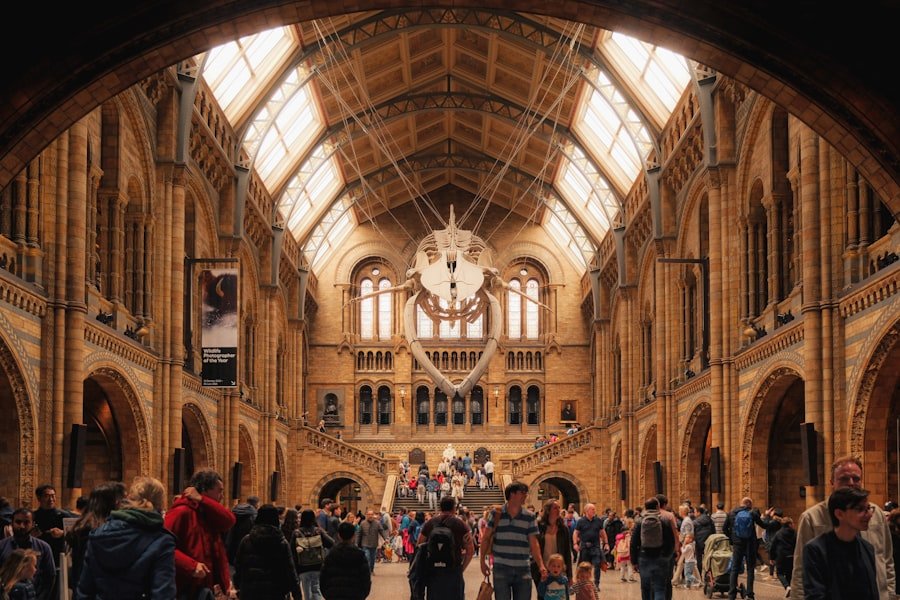
Begin Day 2 at the British Museum in Bloomsbury. Its collection contains about eight million objects spanning human history and cultures around the world. Well-known displays include the Rosetta Stone and sculptures from the Parthenon. General admission is free, although special exhibitions may require tickets.
You could spend most of a day here, so first-time visitors should choose a few galleries instead of trying to see the entire museum. Check the British Museum visitor information before arrival and decide which collections matter most to you.
After the museum, walk toward Covent Garden. Its market buildings, shops, restaurants, street performers, and surrounding lanes provide an easy contrast to the museum galleries. The Royal Opera House is nearby, and the area is a convenient place for lunch or coffee.
Spend the later afternoon exploring Soho. This compact central district is known for restaurants, nightlife, music history, independent businesses, and an important LGBTQ+ cultural legacy. Chinatown borders the southern side of the neighborhood, making this part of the city particularly easy to explore on foot.
If you prefer a quieter evening, return to Covent Garden or walk toward Leicester Square and Trafalgar Square before dinner.
Day 3: Discover London’s Royal Heritage
Start near Buckingham Palace, the King’s official London residence and a working royal palace. The State Rooms open to visitors during selected periods, including a summer opening, so interior access depends on your travel dates. Check the Royal Collection Trust before planning a palace tour.
If you want to see Changing of the Guard, do not rely on a rule such as “daily in summer.” The ceremony operates according to an official schedule that can change because of ceremonial, operational, or other requirements. Check the Household Division calendar shortly before your visit.
Warning: Do not build your entire Day 3 schedule around Changing of the Guard until you have confirmed the date. Arrive early if you want a good viewing position, and expect larger crowds around Buckingham Palace and The Mall.
From Buckingham Palace, walk through St James’s Park toward Westminster. The Blue Bridge in St James’s Park provides views toward Buckingham Palace in one direction and Horse Guards Parade, Big Ben, and the London Eye in the other.
Continue to Westminster Abbey. The Abbey has been the coronation church since 1066 and is associated with centuries of royal and national history. Inside, highlights include the Coronation Chair, royal tombs, the Lady Chapel, and Poets’ Corner, where more than 100 writers and poets are buried or commemorated.
After the Abbey, walk around Parliament Square for exterior views of the Palace of Westminster and Elizabeth Tower, commonly called Big Ben after its famous bell. If you still have time, continue across Westminster Bridge or along Whitehall toward Trafalgar Square.
Day 4: Indulge in Shopping and Dining
Use Day 4 for a slower combination of shopping, neighborhoods, and food. Start around Oxford Street and Regent Street, two of central London’s major retail corridors. Nearby Bond Street is better suited to luxury brands, while the side streets around Soho and Marylebone offer a different mix of independent shops, cafes, and specialty stores.
Avoid scheduling too many paid attractions on this day. After several days of museums and historic sites, a flexible shopping morning gives you room to change plans according to weather, energy, and personal interests.
For lunch, choose one of the many restaurants around Soho, Covent Garden, Marylebone, or Fitzrovia. London’s food scene reflects communities from across Britain and around the world, so you do not need to limit yourself to traditional British dishes. Indian, Middle Eastern, Chinese, Italian, African, Caribbean, and many other cuisines are widely represented.
In the afternoon, travel to Notting Hill. Walk its residential streets before exploring Portobello Road. Market activity varies by day, so check the current Portobello Road Market schedule if the market is a priority.
Finish with dinner in Notting Hill or return to central London. You can choose a traditional pub, casual neighborhood restaurant, tasting menu, or other dining style based on your budget.
Day 5: Experience London’s Art and Entertainment
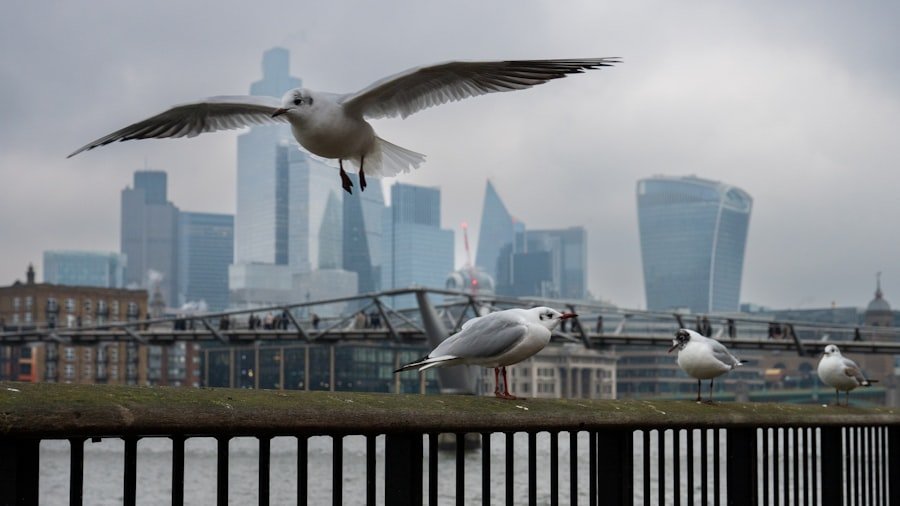
Start Day 5 at Tate Modern on the South Bank. The museum occupies the former Bankside Power Station and focuses on international modern and contemporary art. The riverside location also gives you easy access to Millennium Bridge and views toward St Paul’s Cathedral.
After the museum, spend time walking the South Bank rather than immediately taking the Tube. Depending on how far you want to go, the riverside route can include Shakespeare’s Globe, the National Theatre area, Southbank Centre, and views toward the City and Westminster.
Later, head to the West End for a theater performance. London’s theater district hosts long-running musicals, plays, limited productions, comedies, and new shows, so check current listings rather than relying on an old list of productions. If you care about a particular show or seating section, reserve before your trip.
After the performance, Soho and Covent Garden are convenient for a late meal or drink. If live music interests you more than theater, consider checking current venue calendars in Soho or Camden.
London’s best itineraries do not treat transport as empty time. Walking between nearby attractions often reveals streets, architecture, river views, markets, and neighborhoods you would completely miss underground.
Day 6: Explore London’s Parks and Gardens
Use your final day for a slower pace. Kew Gardens is the biggest commitment on this list and should be treated as a major destination rather than a short stop between central parks.
Morning and Early Afternoon: Kew Gardens
Royal Botanic Gardens, Kew is a UNESCO World Heritage Site and an internationally important center for plant science and conservation. Highlights include the Palm House, Temperate House, landscaped gardens, galleries, and the Treetop Walkway, which rises 18 metres into the tree canopy.
Allow at least several hours if this is your first visit. Check Kew Gardens visitor information for current opening times, seasonal displays, attraction closures, and ticket arrangements.
Late Afternoon: Choose One Central Park
After Kew, choose either Hyde Park or St James’s Park based on where you are staying and how much time remains.
Hyde Park works well if you want a longer walk, the Serpentine, Speakers’ Corner, the Diana Memorial Fountain, or easy access to Kensington Gardens. Boating and some other activities are seasonal, so check availability on the day.
St James’s Park is better if you want one final central-London walk near Buckingham Palace. The lake is known for its waterfowl and pelicans, while the Blue Bridge provides classic views toward Buckingham Palace, Horse Guards Parade, Big Ben, and the London Eye.
Pro Tip: Do not force Hyde Park, Kew Gardens, and St James’s Park into the same day just because all three are green spaces. Kew deserves several hours, and reducing cross-city travel makes your final day far more enjoyable.
Practical Tips for Getting Around London
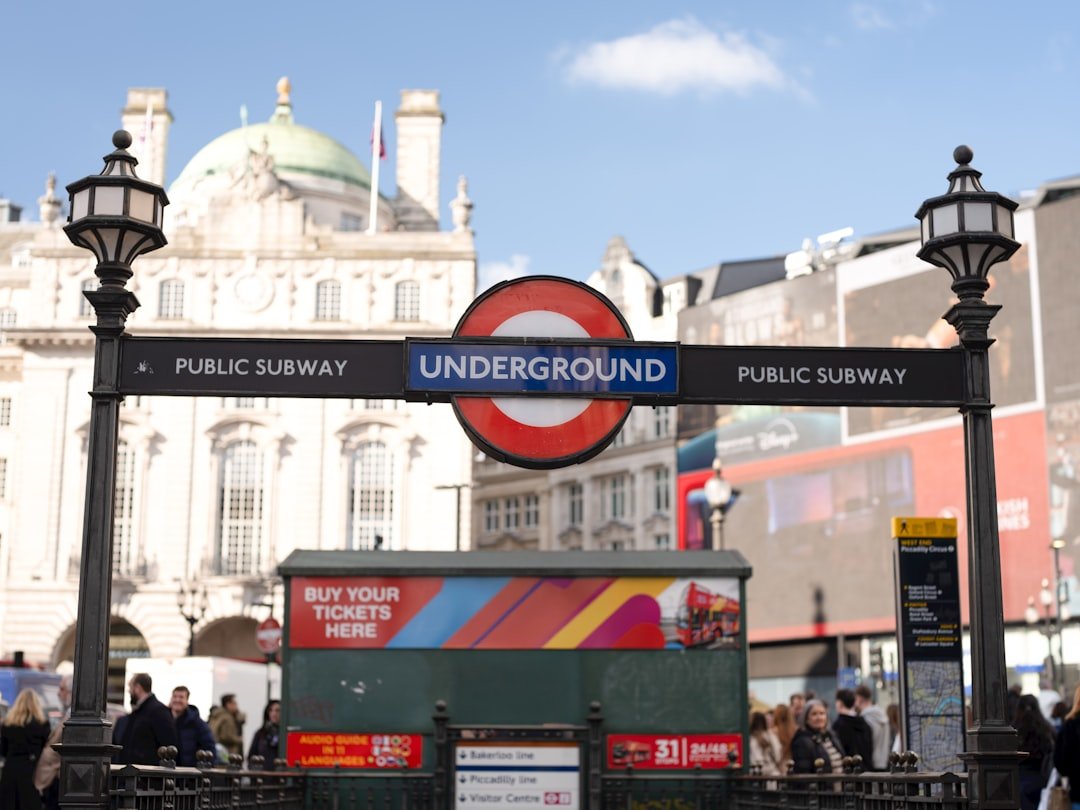
London’s public transport network makes most of this itinerary straightforward. The Underground, commonly called the Tube, has 11 lines covering 402 km and serving 272 stations. Buses, the Elizabeth line, London Overground, DLR, National Rail services, walking, cycling, taxis, and river services add more options.
Contactless or Oyster?
For many adult visitors, contactless payment is the simplest option. You can also use an Oyster card for pay-as-you-go travel. Transport for London applies pay-as-you-go caps within the relevant zones, so you do not need to buy an individual paper ticket before every Tube journey.
Read the current TfL pay-as-you-go guidance before your trip, especially if you are traveling with children, have a non-UK bank card, qualify for a discount, or plan journeys outside central London.
Pro Tip: Use the same contactless card or the same device consistently when touching in and out. A physical bank card and the same card stored in a phone can be treated as different payment methods.
Use Buses When the Route Makes Sense
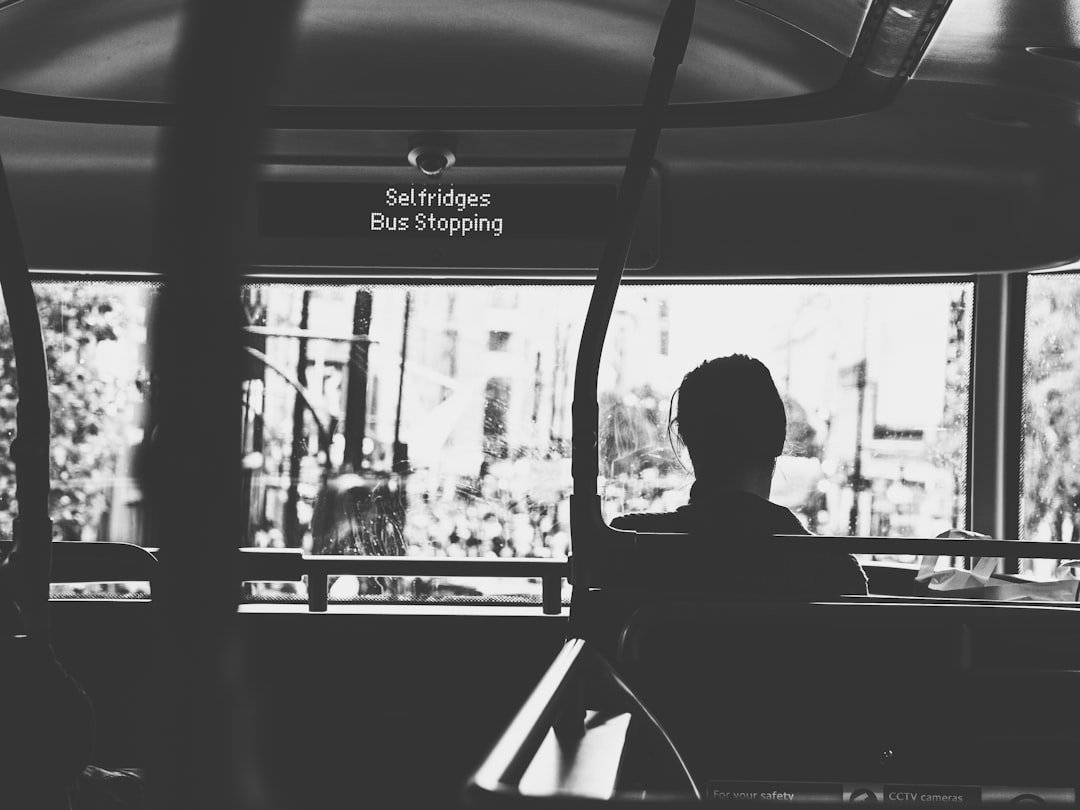
London buses can be useful when two attractions are not conveniently connected by Tube or when you want to see the city above ground. They are also helpful for shorter journeys where walking would take too long.
Walk More Than You Expect
Central London is highly walkable. Covent Garden, Soho, Leicester Square, Chinatown, Trafalgar Square, Westminster, St James’s Park, and Buckingham Palace form overlapping walking areas. Check a map before entering a Tube station because walking can sometimes be easier than making a short underground connection.
Check Disruptions Before Leaving
Engineering works, station closures, strikes, major events, and temporary service changes can affect journeys. Check TfL service information each morning and allow extra time when traveling to a timed attraction or performance.
Where to Stay in London
Where you stay can make a noticeable difference to a six-day itinerary. Instead of choosing a hotel only by nightly price, look at the nearest Tube or rail station and how many changes you will need to reach your main sightseeing areas.
Covent Garden and Soho
These central neighborhoods are convenient for theaters, restaurants, nightlife, shopping, and many walkable attractions. They are excellent for first-time visitors who value location, but accommodation can be expensive and some streets stay busy late into the evening.
South Kensington
South Kensington is convenient for museums, Kensington Gardens, and transport connections. It has an attractive residential feel in many streets, but it should not automatically be treated as a budget area; hotel prices vary widely.
Camden
Camden suits travelers who enjoy markets, music, restaurants, and a livelier neighborhood atmosphere. It remains well connected to central London, although it is less convenient for walking directly to Westminster or the City.
Mayfair and Knightsbridge
These areas work well for travelers seeking high-end hotels, luxury shopping, and access to Hyde Park. Properties such as The Ritz and other luxury hotels offer classic London experiences, but prices are usually high.
Shoreditch
Shoreditch offers restaurants, nightlife, street art, and convenient access to the eastern side of central London. It can be a good base for visitors who want a more contemporary neighborhood rather than a traditional West End setting.
Greenwich
Greenwich provides a quieter setting with maritime history and green space. It is farther from many of the attractions in this itinerary, so factor daily travel time into your decision before choosing accommodation there.
Families or groups may also prefer serviced apartments when extra living space, laundry facilities, or a kitchen is more important than full hotel service.
Sample Itinerary for 6 Days in London
| Day 1 | Tower of London → Tower Bridge → Borough Market → Thames riverside walk |
| Day 2 | British Museum → Covent Garden → Soho → optional Trafalgar Square |
| Day 3 | Buckingham Palace → Changing of the Guard if scheduled → St James’s Park → Westminster Abbey → Parliament Square |
| Day 4 | Oxford Street / Regent Street → lunch → Notting Hill → Portobello Road → dinner |
| Day 5 | Tate Modern → South Bank walk → West End performance → Soho or Covent Garden |
| Day 6 | Kew Gardens → Hyde Park or St James’s Park → relaxed final evening or departure |
If you arrive late on Day 1, do not try to squeeze the Tower of London into a short afternoon. Use the arrival evening for a Thames walk, Covent Garden, Soho, or dinner, then shift the paid attraction to a full morning. Likewise, travelers with an early Day 6 departure should move Kew Gardens to another day rather than rushing through it.
Making the Most of Your Time in London
London rewards visitors who plan by neighborhood rather than trying to collect as many landmarks as possible. Six days gives you enough time for major historic attractions, museums, royal London, shopping, theater, local neighborhoods, and green space while still allowing breaks between them.
Keep your reservations flexible where possible, check transport and attraction information each morning, and leave some unscheduled time for a market, pub, cafe, riverside walk, or street that catches your attention. Those unplanned moments are often as memorable as the famous sights.
For more travel inspiration, you can browse additional travel coverage on Tagline Today.
Frequently Asked Questions
What are the must-see attractions in London?
For a first visit, major choices include the Tower of London, Tower Bridge, Buckingham Palace, Westminster Abbey, the British Museum, the South Bank, Tate Modern, and the West End. You do not need to enter every landmark; mixing paid attractions with walks and neighborhoods creates a more balanced trip.
What are some popular day trips from London?
Popular options include Windsor, Oxford, Cambridge, Stonehenge, and the Warner Bros. Studio Tour London – The Making of Harry Potter. If this is your first London visit, consider whether you would rather use all six days in the city before giving a full day to a trip outside central London.
What are the best ways to get around London?
The Tube, buses, Elizabeth line, London Overground, walking, and other rail services cover most visitor journeys. Contactless payment and Oyster pay as you go are convenient options. Walking is often best between nearby central attractions.
What are some recommended dining options in London?
Try a mix of traditional pubs, markets, cafes, and international restaurants. Fish and chips and afternoon tea remain popular visitor experiences, but London is equally known for Indian, Chinese, Middle Eastern, Italian, African, Caribbean, and many other cuisines.
What are some tips for navigating London’s public transportation system?
Check TfL service information before leaving, use the same contactless card, device, or Oyster card consistently, and allow extra time when you have a timed reservation. Look at walking routes too, because two central attractions that appear separated on the Tube map may be close on foot.
What are some popular shopping areas in London?
Oxford Street and Regent Street are major central shopping areas, while Bond Street is known for luxury brands. Covent Garden combines shops with restaurants and entertainment, and markets such as Camden, Borough, and Portobello Road offer different experiences.
Is six days enough for London?
Yes. Six days is enough for a strong first-time itinerary covering the city’s major historic sights, museums, royal landmarks, entertainment, neighborhoods, and parks. You will not see everything, so prioritize a few major attractions each day and group them by area.
Should I take a day trip during a six-day London visit?
A day trip can work if you have already seen London or have a strong interest in a destination such as Windsor or Oxford. First-time visitors can easily fill all six days in London, so a day trip is optional rather than essential.
Sources
- Greater London Authority — London in Figures — current London population context.
- Transport for London — Pay as you go — contactless, Oyster, fares, and PAYG caps.
- The Household Division — Changing the Guard calendar — current ceremony dates and schedule information.
- Historic Royal Palaces — Tower of London — Tower history, Crown Jewels, tickets, and visitor information.
- British Museum — Visit — admission and visitor information.
- Royal Botanic Gardens, Kew — Visit Kew Gardens — visitor information, gardens, attractions, and closures.