London rewards travelers who give it time. With about 9.1 million residents and more than 300 languages spoken across the capital, the city combines royal history, world-class museums, neighborhood markets, green spaces, theatre, food and modern architecture in a way that can easily fill two weeks.
This 14-day London itinerary keeps the original mix of major landmarks and local experiences while organizing them into more realistic days. You will still see the Tower of London, Westminster, Buckingham Palace, museums, markets, parks, the West End and distinctive neighborhoods, but with enough breathing room to enjoy them rather than simply checking them off a list.
Quick Answer
Fourteen days is enough time to see London’s essential landmarks without rushing every day. Spend the first week on royal sights, museums and food, use the second week for parks, theatre, art and neighborhoods, and reserve one flexible day for relaxation or a day trip such as Windsor, Oxford, Cambridge, Bath or Brighton.
Key Takeaways
- Group attractions by area so you spend less time crossing London and more time exploring.
- Use Days 1–3 for the Tower of London, Westminster, the London Eye, Buckingham Palace and central landmarks.
- Reserve Days 4–7 for museums, Covent Garden, Kensington and London’s diverse food scene.
- Use Days 8–13 for parks, Kew, theatre, art, markets and characterful neighborhoods.
- Keep Day 14 relaxed, or substitute one London day for a day trip if that matters more to you.
- Prebook your highest-priority timed attractions and performances because schedules, palace access and ticket availability can change.
Note: London attractions are not static. Royal residences are working buildings, Changing the Guard can change because of weather or operational requirements, exhibitions rotate, and theatre schedules vary. Check official opening times shortly before each day rather than relying on an old timetable.
Days 1–3: Explore London’s Iconic Landmarks
Day 1: Tower of London, Tower Bridge and the South Bank
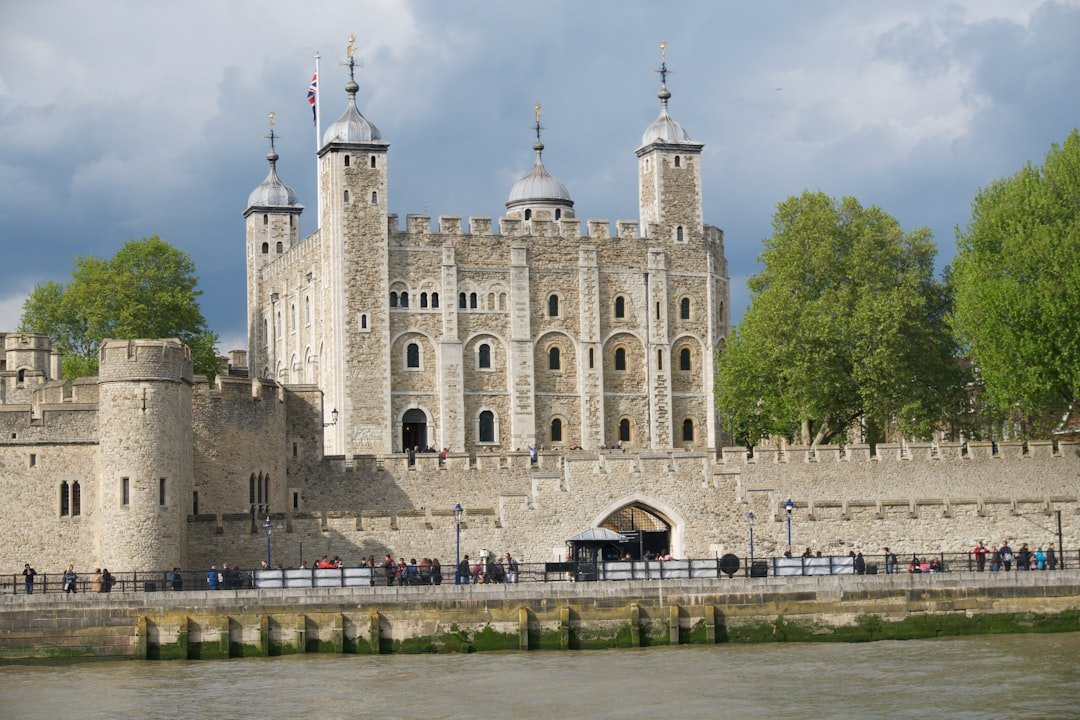
Start your first full day at the Tower of London. The fortress has served as a royal residence, stronghold, prison, treasury and ceremonial site during its long history. The Crown Jewels remain one of its biggest attractions, so arriving early can make the visit easier.
Historic Royal Palaces provides current visitor and historical information for the Tower of London. Give yourself several hours if the Crown Jewels, White Tower and Yeoman Warder stories are priorities.
The Tower works best as the anchor attraction for the morning rather than one stop in an overloaded sightseeing list.
Afterward, walk toward Tower Bridge. Do not confuse it with London Bridge farther west. Tower Bridge is the more visually dramatic Victorian bridge with two towers and opening bascules.
Cross to the south side of the Thames and continue along the river. Depending on your pace, you can pass or visit attractions such as Shakespeare’s Globe and Tate Modern. The riverside walk also gives you changing views of the City of London skyline.
Day 2: Westminster, Big Ben and the London Eye
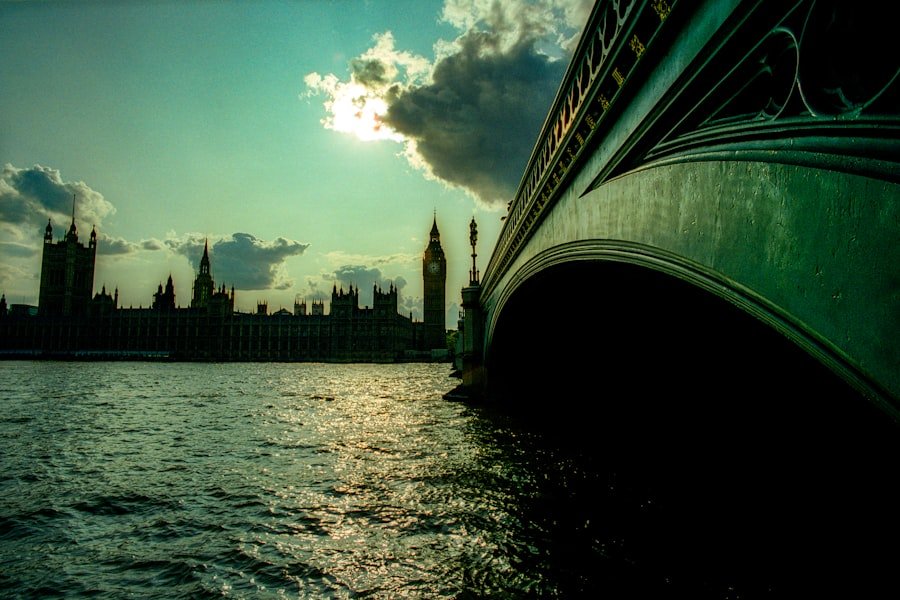
Spend Day 2 around Westminster. Begin with the Palace of Westminster, home of the UK Parliament. Big Ben is technically the Great Bell inside Elizabeth Tower, although the nickname is commonly used for the tower and clock as well.
If you want to go inside Parliament or take a Big Ben tour, treat it as a prebooked attraction rather than an informal stop. UK Parliament publishes current tour and visitor information, and availability can be limited.
Next, visit Westminster Abbey. The Abbey has been the setting for every coronation since 1066 and is closely tied to royal ceremonies and British history. Memorials and burials include major figures from science, literature, politics and public life, including Isaac Newton and Charles Darwin.
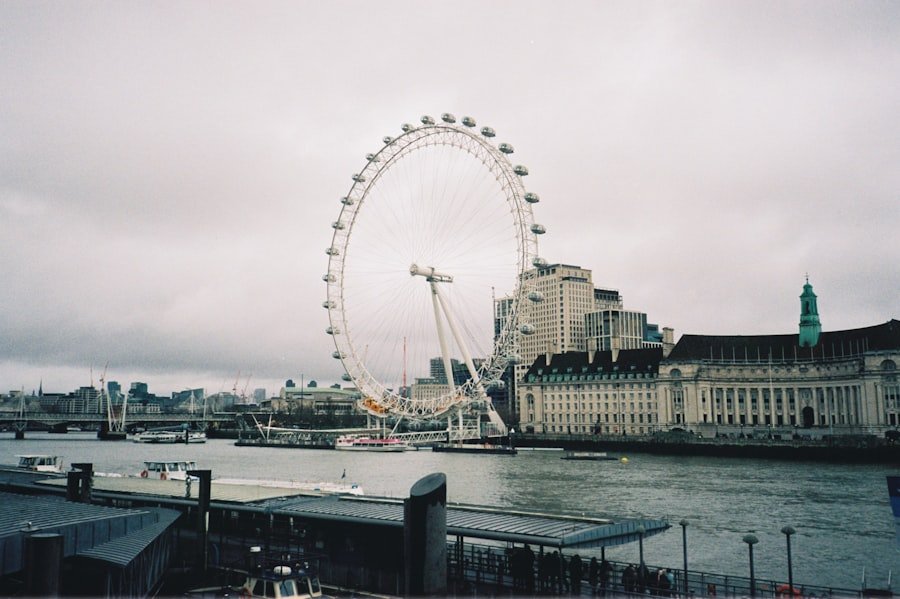
After Westminster, cross Westminster Bridge to the South Bank. This is the natural place to include the London Eye, which was promised in the original itinerary but missing from the actual schedule. A timed slot is useful during busy periods.
Pro Tip: Avoid booking Parliament, Westminster Abbey and the London Eye back-to-back with no buffer. Security queues, walking time and late-running visits can quickly disrupt a tightly packed schedule.
Day 3: Buckingham Palace, St. James’s Park and Trafalgar Square
Begin near Buckingham Palace. If Changing the Guard is important to you, check the current schedule before traveling. The ceremony involves the King’s Guard and can be altered or canceled because of weather or operational requirements.
Buckingham Palace is a working royal palace, and public access to its State Rooms is seasonal. Royal Collection Trust publishes current Buckingham Palace opening and ticket information.
After the palace, walk through St. James’s Park toward Whitehall and Trafalgar Square. The park provides an easy green break between major central sights.
At Trafalgar Square, see Nelson’s Column and continue to the National Gallery if European painting interests you. Because the gallery itself can fill several hours, choose a few rooms or artists rather than trying to see everything after a long morning.
Days 4–5: Immerse Yourself in London’s Culture and History
Day 4: British Museum and Covent Garden
Use Day 4 for Bloomsbury and Covent Garden. Start at the British Museum, whose collection spans roughly two million years of human history and culture. Major objects include the Rosetta Stone and the Parthenon Sculptures.
General admission to the permanent collection is free, although special exhibitions can have separate charges. Check the British Museum for current entry information and exhibitions.
The collection is enormous, so pick a theme or a few galleries instead of attempting the entire museum. Two or three focused hours will usually be more enjoyable than rushing from room to room.
Afterward, walk to Covent Garden. The area combines shops, restaurants, street entertainment and performance venues. The Royal Opera House is nearby, while the London Transport Museum offers a different look at how London’s transport network developed.
Day 5: Victoria and Albert Museum and Kensington Palace
Head to South Kensington for the Victoria and Albert Museum. Its collections cover decorative arts, design, fashion, furniture, sculpture and many other creative fields.
After the museum, continue toward Kensington Gardens and Kensington Palace. The palace has been associated with generations of the royal family and contains public rooms and exhibitions when open.
Do not overfill the day. The V&A alone can absorb most of a morning or afternoon, so treat Kensington Palace as the second major attraction rather than adding several more museums.
Days 6–7: Enjoy London’s Culinary Scene
Day 6: Borough Market and a Special Dinner
Make Borough Market the centerpiece of Day 6. The market is known for produce, baked goods, cheeses, prepared food and traders drawing on cuisines from Britain and around the world.
Visit hungry, but avoid buying something at the first stall you see. Walk around once, compare what is available and then return to the dishes that look most appealing.
If you want a high-end dinner, London has one of the world’s deepest collections of Michelin-starred restaurants. The Ledbury and Dinner by Heston Blumenthal remain notable examples in the 2026 Michelin Guide, but menus, prices and reservations change, so book directly with the restaurant well in advance.
You do not need an expensive tasting menu to enjoy London’s food culture. A good pub meal, neighborhood restaurant or market lunch can be just as memorable.
Day 7: Camden Market and British Pub Culture
Spend Day 7 in Camden. The market area mixes alternative culture, shops, music connections and food from many cuisines. It is a good place to sample several smaller dishes instead of sitting down for one large meal.
Later, experience a traditional London pub. Fish and chips, pies and other British staples are common choices, although menus vary widely from pub to pub.
The Churchill Arms in Kensington and The Blackfriar near Blackfriars are visually distinctive examples mentioned in the original itinerary, but London has thousands of pubs. Choose one that fits naturally with the area you are already exploring rather than crossing the city simply for a meal.
Days 8–9: Discover London’s Parks and Gardens
Day 8: Hyde Park, Kensington Gardens and Kew
Begin with Hyde Park and the Serpentine. Walking beside the lake, visiting the Diana, Princess of Wales Memorial Fountain and seeing Speaker’s Corner can make a relaxing change from indoor attractions.
Kensington Gardens sits beside Hyde Park. Contrary to the original article, its important 18th-century landscape is associated especially with Queen Caroline and garden designer Charles Bridgeman, not Capability Brown. The Albert Memorial and Kensington Palace add architectural and royal interest to the landscape.
Kew Gardens is another major option. The Royal Botanic Gardens at Kew form a UNESCO World Heritage Site and contain one of the world’s most important living plant collections.
Note: Kew is not a quick add-on if you genuinely enjoy gardens. Consider giving it a half day and shortening Hyde Park/Kensington Gardens, rather than trying to explore all three deeply in one day.
Day 9: Regent’s Park, Primrose Hill and Hampstead Heath
Spend the morning at Regent’s Park. Queen Mary’s Gardens are especially well known for roses, while the wider park includes formal gardens, open spaces and seasonal activities.
Walk up Primrose Hill for a broad view over London. It is an excellent photography stop and requires no major ticketed attraction.
If you still want more green space, continue to Hampstead Heath. Its woodland, hills, paths and viewpoints feel more rugged than central London’s formal parks.
The Heath also has swimming facilities used by locals, but access rules, water conditions and opening arrangements should always be checked before planning to swim.
Days 10–11: Explore London’s Art and Entertainment Scene
Day 10: West End Theatre
Dedicate Day 10 to London’s theatre district and nearby central neighborhoods. Choose a current West End production and book directly through the theatre or official box office when possible.
Long-running productions can include shows such as The Lion King, but performance schedules change. Build your sightseeing around the performance time instead of trying to squeeze a show into an already overloaded evening.
Before the performance, explore Soho, Chinatown, Covent Garden or Leicester Square depending on your interests.
Day 11: Contemporary Art, Street Art and Live Music
Return to London’s art scene on Day 11. Tate Modern remains one of the most important contemporary and modern art museums in the city, while the Saatchi Gallery is another option for contemporary exhibitions.
If street art interests you, explore Shoreditch and the surrounding East London streets. Murals change regularly, which is part of the appeal. A guided tour can add context about artists, neighborhoods and how individual works fit into London’s street-art culture.
For the evening, look at the current calendars for venues such as The O2 or Ronnie Scott’s Jazz Club. Large concerts and intimate jazz performances offer very different experiences, so pick the one that suits your taste rather than treating both as required stops.
Days 12–13: Explore London’s Neighborhoods and Markets
Day 12: Notting Hill and Portobello Road
Spend Day 12 in Notting Hill. Colorful streets, independent shops and Portobello Road Market make this one of London’s most recognizable neighborhoods.
Portobello Road is particularly associated with antiques, but the experience varies by day and market schedule. Check what is operating on your planned visit before building the entire day around a particular type of stall.
Allow time simply to walk. Notting Hill is more rewarding when you leave the busiest section of Portobello Road and explore quieter side streets, cafés and local shops.
Day 13: Brick Lane, Spitalfields and the South Bank
Head east for Brick Lane, an area strongly associated with London’s Bangladeshi community as well as street art, vintage shopping, cafés and nightlife.
Continue toward Spitalfields Market for independent retailers, food and historic surroundings. Brick Lane and Spitalfields work well together because they are close enough to explore on foot.
If you still have energy, finish along the South Bank. Cultural institutions such as the National Theatre and BFI Southbank sit beside restaurants and riverside walking routes, giving you another perspective on the Thames after your first-week sightseeing.
Day 14: Relax and Unwind
After nearly two weeks of walking, museums and sightseeing, keep the final day deliberately light. A spa treatment, yoga session, slow breakfast or afternoon tea can give the trip a more enjoyable ending than another packed sightseeing list.
Luxury hotel spas, including properties such as Mandarin Oriental, offer high-end treatments. Independent yoga and wellness studios such as Triyoga and The Life Centre are alternatives if you prefer movement or meditation to a conventional spa.
Afternoon tea is another classic option. Hotels such as Claridge’s and The Ritz are well known for formal tea service, but popular times can book well ahead.
If relaxation is not your priority, Day 14 is also the easiest day to substitute with one of the day trips described below.
Practical Tips for Navigating London
Use Contactless or Oyster Correctly
The Tube, buses, London Overground, DLR, Elizabeth line and other services make it possible to cover a large city without relying on taxis.
Transport for London says pay-as-you-go using contactless or Oyster is an easy and flexible way to travel. You can review the current rules on the official TfL pay-as-you-go page.
If you use contactless, use the same card or device for the entire journey. For example, do not touch in with a physical card and touch out using the same card through a phone wallet, because TfL can treat them as different payment methods.
Visitors using overseas bank cards should also check whether their issuer charges foreign transaction fees. An Oyster or Visitor Oyster card can still be useful for travelers who prefer a dedicated transport card.
Plan Around Areas, Not Just Attractions
London looks compact on a tourist map, but travel and walking time add up. Group Westminster sights together, South Kensington museums together, East London neighborhoods together and Hyde Park/Kensington attractions together.
A simple rule is to choose one major prebooked attraction for the morning, one main afternoon area, and a flexible evening activity. That leaves space for meals, queues, weather changes and discoveries you did not plan.
Book High-Priority Experiences First
Book the attractions that would genuinely disappoint you if they sold out. This may include Buckingham Palace during its public opening season, Parliament or Big Ben tours, the London Eye, popular West End performances, special exhibitions, high-demand restaurants and formal afternoon tea.
Keep parks, neighborhoods, free galleries and riverside walks as flexible activities around those fixed reservations.
Use Reliable Navigation
TfL Go is useful for official transport information, while apps such as Citymapper can help compare walking, rail and bus routes. Service disruptions are normal in a large transport network, so check your route again shortly before leaving.
Recommended Day Trips from London
A 14-day stay gives you enough time to consider leaving central London for a day. However, adding a day trip should mean replacing one London day rather than trying to squeeze a fifteenth day’s worth of activities into the itinerary.
Windsor
Windsor Castle is one of the strongest choices for travelers interested in royal history. It is a working royal residence with around 1,000 years of history and is far easier to reach from London than many full-day coach destinations.
Stonehenge
Stonehenge is one of Britain’s best-known prehistoric monuments. Travel time makes this a more substantial day out, so it works best for visitors who place ancient history above another day of London museums or neighborhoods.
Oxford or Cambridge
Both university cities work well for travelers interested in architecture, colleges and historic streets. Choose one rather than attempting both in a single relaxed day.
Bath
Bath offers Georgian architecture and Roman history, but its greater distance from London means you should expect a longer travel day.
Brighton
Brighton provides a contrasting seaside experience with a pebble beach, independent shops, cafés and the distinctive lanes of the city center. It can be a good choice if you want a break from museums and royal attractions.
Making the Most of Your 14 Days in London
The biggest advantage of spending two weeks in London is that you do not have to race through it. Major sights such as the Tower of London, Buckingham Palace and Westminster are only one layer of the city. Markets, parks, neighborhood restaurants, theatre, riverside walks and ordinary streets can be just as memorable.
Use this itinerary as a structure rather than a test you must complete. If you love museums, stay longer in South Kensington or Bloomsbury. If food matters more, spend extra time in markets and neighborhoods. If the weather is good, trade an indoor attraction for Kew, Hampstead Heath or a Thames walk.
If you’re looking for more travel inspiration, you can also explore Tagline Today for additional destination ideas. The strongest 14-day London itinerary is ultimately the one that gives your highest-priority experiences enough time instead of trying to see every famous place in a single visit.
Frequently Asked Questions
What is the best time to visit London for a 14-day itinerary?
London works year-round. Spring generally brings milder weather and longer days, while September through November can be quieter after the main summer peak. June through September is typically busier, and Easter plus school half-term periods can also increase crowds. Choose based on weather, daylight, events and your tolerance for higher prices.
What are the must-see attractions during two weeks in London?
For a first visit, prioritize the Tower of London, Westminster and Big Ben, Westminster Abbey, Buckingham Palace, the British Museum, the National Gallery or Tate Modern, a West End experience and at least one major London park. The London Eye is a useful addition if panoramic views are important to you.
What are the best day trips from London during a 14-day visit?
Windsor is one of the easiest royal-history trips. Oxford and Cambridge suit university and architecture interests, Bath combines Roman and Georgian history, Brighton offers a seaside change of pace, and Stonehenge appeals to travelers particularly interested in prehistoric Britain.
Which London neighborhoods are worth exploring?
Notting Hill, Camden, Shoreditch, Covent Garden, Soho, Brick Lane, Spitalfields and the South Bank all offer different experiences. Rather than trying to see every neighborhood, combine nearby areas and spend enough time walking beyond the busiest tourist streets.
What dining experiences should I try in London?
Mix traditional and international experiences. Try a pub meal, explore Borough or Camden Market, sample food from London’s many immigrant communities, enjoy afternoon tea if it interests you, and reserve a Michelin-starred restaurant only if fine dining is genuinely part of your travel priorities.
What is the easiest way to get around London for 14 days?
Most visitors can rely on the Tube, buses, Elizabeth line, London Overground and walking. Pay-as-you-go contactless or Oyster are both supported by TfL. Use the same payment card or device consistently, and check foreign transaction fees if your bank card was issued outside the UK.
Which London attractions should I book in advance?
Prebook the experiences that are tied to a date or limited capacity, especially Parliament or Big Ben tours, Buckingham Palace during public opening periods, the London Eye, popular West End performances, special exhibitions, afternoon tea and high-demand restaurants.
Is 14 days in London too long?
No. Two weeks lets you see major landmarks at a reasonable pace while also exploring museums, markets, parks, food, theatre and neighborhoods. It also gives you enough flexibility for poor weather, rest periods or a day trip without sacrificing the main London experience.
Sources
- Greater London Authority — State of London: London in Figures — current population, languages and London-wide statistics.
- Historic Royal Palaces — Tower of London History and Stories — Tower history and visitor context.
- Royal Collection Trust — Buckingham Palace — current palace access, opening arrangements and royal visitor information.
- UK Parliament — Tours and Visits — current Palace of Westminster and Big Ben visitor planning.
- Transport for London — Pay as You Go — contactless and Oyster payment guidance.
- British Museum — current museum, collection and visitor information.