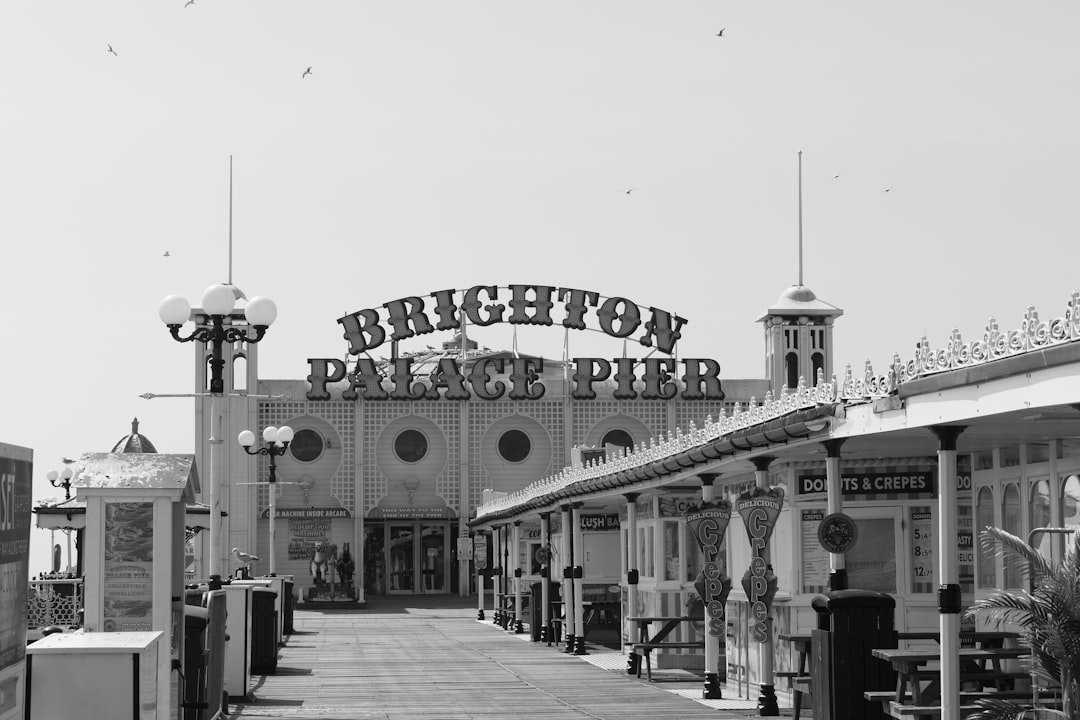
London and Brighton offer two very different sides of southern England. London is known for landmarks such as Buckingham Palace and the Tower of London, world-class museums, arts, nightlife, and distinct neighborhoods. Brighton brings a seaside atmosphere with its pebble beach, Brighton Palace Pier, Royal Pavilion, independent shops, restaurants, arts events, and lively seafront. Because the cities are close enough for a day trip or weekend break, traveling from London to Brighton is straightforward by train, coach, car, bicycle, or, for experienced endurance walkers, on foot.
Quick Answer
The train is usually the fastest and easiest way to travel from London to Brighton, with direct journeys taking about an hour. Coaches are often cheaper but slower. Driving gives you more flexibility, while cycling is a full-day challenge. Walking is an endurance trip that normally requires far more than a standard 54-mile road journey.
Key Takeaways
- Best overall: Direct trains from London Victoria or London Bridge normally reach Brighton in roughly an hour.
- Best for a lower fare: National Express coaches run from London Victoria Coach Station, although journey times are usually much longer than the train.
- Best for flexibility: Driving via the M23 and A23 allows stops and door-to-door travel, but London traffic and Brighton parking can add significant time and cost.
- Best active option: The well-known London to Brighton cycling challenge covers about 54 miles, but independent riders must plan a road-legal route rather than assume event road closures will be available.
- Walking is an endurance journey: There is no single official London-to-Brighton National Trail, and the South Downs Way itself runs from Winchester to Eastbourne, not London to Brighton.
Transportation options from London to Brighton
The exact distance from London to Brighton depends on where you start in London and the route you use. A typical road journey is roughly 50 to 55 miles, while cycling and walking distances vary with the chosen route. For most visitors, the decision comes down to speed, price, flexibility, and how much physical effort they want to put into the trip.
| Option | Typical time | Best for | Main drawback |
| Train | About 1 hour on many direct services | Speed, day trips, convenience | Fares vary by time and ticket type |
| Coach | From about 2 hours; often longer | Budget travel | Road traffic can substantially increase journey time |
| Car | Often around 1.5–2 hours | Groups, luggage, flexible stops | Traffic and Brighton parking |
| Bicycle | Most riders need much of a day | Experienced recreational cyclists | Distance, hills, traffic and route planning |
| Walking | Usually a multi-day trip for ordinary walkers | Experienced long-distance hikers | Very demanding and no single official London–Brighton trail |
If your priority is a simple day trip, the train is normally the strongest choice. A coach can make sense when keeping the fare low matters more than journey time. Driving is most useful when you have several passengers, bulky luggage, or plans outside central Brighton. Cycling and walking should be treated as dedicated journeys rather than ordinary transportation.
Taking the train from London to Brighton
The train is usually the fastest and most convenient way to get from London to Brighton. Direct services operate from major London stations including London Victoria, London Bridge, and London Blackfriars.
Southern Railway currently lists direct London Victoria to Brighton journeys averaging about 1 hour 1 minute, with its fastest published direct journey around 58 minutes. Thameslink lists London Bridge to Brighton at an average of about 1 hour 6 minutes, with the fastest direct journeys around 1 hour 3 minutes. Timetables can change because of engineering work, disruption, weekends, or special schedules, so always check the live journey planner before leaving.
Direct London-to-Brighton trains can make the trip in roughly an hour, which is why rail is usually the most practical choice for a Brighton day trip.
Southern primarily serves the London Victoria route, while Thameslink provides direct connections through stations such as London Bridge and Blackfriars. Brighton railway station puts you within walking distance of the city center, The Lanes, Royal Pavilion, and seafront.
Train tickets and ways to save
There is no single reliable London-to-Brighton ticket price because fares depend on your travel time, ticket type, booking date, and Railcard eligibility. Advance tickets can be cheaper when available, while Off-Peak fares can reduce the cost if your schedule is flexible. Eligible Railcards can also reduce many UK rail fares.
Pro Tip: Compare the price of your intended outward and return trains before buying. An Off-Peak return or another flexible fare may sometimes be better value than buying two separate tickets, while Advance tickets can work well when your travel times are fixed.
Wi-Fi, bicycles and accessibility
Onboard facilities depend on the train and operator. Southern lists Wi-Fi and charging facilities on many services, while Thameslink lists Wi-Fi and other passenger facilities on its Brighton services. Do not assume every seat or every train will have a working power socket.
Bicycles can be carried on many Southern services, but restrictions can apply at busy times and bike space is limited. Travelers who need step-free access, wheelchair space, or other assistance should check the operator’s accessibility information before traveling and request assistance when needed.
Driving from London to Brighton
Driving from London to Brighton gives you more flexibility than public transport, especially if you are traveling with family, carrying luggage, or planning to explore places outside central Brighton. A common route uses the A23 and M23 south through Surrey and past the Gatwick and Crawley area before continuing on the A23 toward Brighton.
The drive is commonly around 50 to 55 miles depending on your exact starting point and destination. Under reasonable traffic conditions, many journeys take around 1.5 to 2 hours, but congestion when leaving London, traffic around the M23/A23 corridor, summer weekends, events, and the final approach into Brighton can extend the trip.
Driving also allows you to make stops along the way. You can plan a detour around Crawley or explore parts of the South Downs, although leaving the main route will increase your travel time. The main M23/A23 route is efficient rather than a dedicated sightseeing road, so travelers who want a scenic drive should plan a deliberate countryside detour rather than expect the fastest route to provide continuous scenic views.
Parking in Brighton
Parking is one of the main disadvantages of driving. Brighton & Hove City Council operates several council car parks, including The Lanes, Regency Square, Trafalgar Street, London Road, and Black Rock. Central areas also have controlled parking zones, so read the signs carefully before leaving your vehicle.
Do not assume Brighton has a permanent daily park-and-ride service. The council has operated seasonal arrangements, including a summer 2026 Park & Ride on selected dates from the University of Sussex. Check the council’s current travel information before relying on park-and-ride for your visit.
Note: Roadworks and overnight closures can affect the M23 and A23. Check National Highways travel and maintenance information shortly before you drive.
Bus and coach options from London to Brighton
For travelers who want to keep transport costs down, a long-distance coach can be a useful alternative to the train. National Express currently operates its 025 service between London Victoria Coach Station and Brighton, with frequent departures throughout the day.
National Express currently advertises a fastest London Victoria to Brighton journey of about 2 hours 5 minutes, although many daytime services take longer because the coach makes stops and shares the road with other traffic. This means coach travel is normally much slower than a direct train, especially during busy periods.
Fares can be very competitive when booked ahead. National Express was advertising limited one-way fares from £5 during its 2026 promotional fare period, but this is not a guaranteed price for every departure. Always use the live booking system for the date you intend to travel.
Coaches are generally designed for longer journeys, but facilities can vary by vehicle and departure. Check the service information if Wi-Fi, charging, luggage capacity, air conditioning, or an onboard toilet is important to you.
The original travel information also mentioned Megabus. Megabus operates UK coach services, but a current direct London-to-Brighton Megabus route was not verified during this update. Do not plan around that option unless its live journey planner confirms a suitable service for your travel date.
Cycling from London to Brighton
Cycling from London to Brighton is a challenging but popular way to reach the coast. The best-known version is the British Heart Foundation’s London to Brighton Bike Ride. Its full event route runs about 54 miles (86.9 km) from Clapham Common to Brighton seafront.
That 54-mile event distance is useful as a guide, but independent cyclists should not simply copy the event experience. The organized ride benefits from event management and road closures on parts of the route. Outside the event, roads remain open to normal traffic, and your safest legal route may be different.
The journey passes from urban south London into Surrey and Sussex countryside before reaching the South Downs and Brighton. Riders should expect hills, changing road conditions, junctions, and several hours in the saddle. How long it takes depends heavily on fitness, route choice, weather, traffic, mechanical stops, and rest breaks.
Before leaving, check your brakes, tires, gears, chain, lights, and repair equipment. Carry water, food, a phone, navigation, a spare tube or suitable puncture-repair equipment, and clothing for changing weather. Planning rest stops in advance is much safer than relying on finding supplies when you are already tired.
Warning: A London-to-Brighton ride is a long road journey, not simply a continuous protected cycle path. Follow the Highway Code rules for cyclists. At night, a bicycle must have a white front light and red rear light illuminated, along with the required rear reflector.
If you want the atmosphere and logistical support of the famous ride, check the British Heart Foundation London to Brighton Bike Ride for current event dates, entry requirements, route information, and transport arrangements.
Walking from London to Brighton
Walking from London to Brighton is possible, but it is an endurance challenge rather than an ordinary transport option. The original 54-mile figure should not be treated as a reliable walking distance because a safe and legal walking route must follow suitable roads, paths, trails, and crossings rather than the direct driving route.
There is no single official National Trail that runs directly from London to Brighton. Organized London-to-Brighton walking challenges demonstrate the scale of the trip: the London 2 Brighton Ultra Challenge, for example, uses a route of about 100 km from Richmond to Brighton. Most ordinary walkers would divide a journey of this scale across multiple days, although trained ultra-distance participants may attempt it continuously.
Does the South Downs Way go from London to Brighton?
No. The South Downs Way is a roughly 100-mile (160 km) National Trail running between Winchester and Eastbourne. It crosses the South Downs and passes through countryside near Brighton, but it does not begin in London and does not terminate in Brighton.
A custom London-to-Brighton walking route can use paths through the North Downs, Surrey and Sussex countryside, and parts of the South Downs area, but it requires careful route planning. The organized London 2 Brighton Ultra Challenge is one example of a purpose-designed route rather than proof that a single permanent public trail links the two cities.
If you plan an independent multi-day walk, check rights of way, accommodation, food and water stops, daylight hours, weather, public transport escape points, and the condition of each section before setting out. Proper footwear, weather protection, navigation, water, food, and a charged phone are essential.
Conclusion and tips for traveling from London to Brighton
For most visitors, the train is the best way to travel from London to Brighton because direct services take roughly an hour and avoid the difficulty of driving and parking. If price matters more than speed, compare National Express coach fares with Off-Peak and Advance train tickets before booking.
Driving is a good choice when you need door-to-door flexibility, are traveling as a group, or plan to explore outside central Brighton. Allow extra time for traffic and decide where you will park before entering the city. Cycling is a rewarding full-day challenge for prepared riders, while walking should be planned as a serious long-distance endurance trip rather than a casual alternative to public transport.
Whichever option you choose, check live rail or coach schedules, road conditions, weather, and any planned engineering work shortly before departure. That is especially important on weekends, bank holidays, during major Brighton events, and when traveling early in the morning or late at night.
If you prefer to prepare a snack for the journey, you can also read this recipe for homemade cottage cheese before you travel.
Sources
- Southern Railway and Thameslink — direct train routes, journey times, ticket options, and onboard information.
- National Express — current London Victoria to Brighton coach service, journey times, and fares.
- Brighton & Hove City Council car parks and Park & Ride information — Brighton parking and seasonal park-and-ride guidance.
- British Heart Foundation London to Brighton Bike Ride — official cycling-event distance, route, and rider information.
- GOV.UK Highway Code: Rules for cyclists — road-safety, lighting, positioning, and cycling rules.
- GOV.UK South Downs Way National Trail and London 2 Brighton Ultra Challenge — official South Downs Way endpoints and a representative London-to-Brighton long-distance walking route.
Frequently Asked Questions
What are the transportation options from London to Brighton?
You can travel from London to Brighton by train, coach, car, bicycle, or on foot. The train is normally the easiest option for a day trip because direct journeys take roughly an hour. Coaches can be cheaper, driving offers flexibility, and cycling or walking require considerably more preparation.
How long does it take to travel from London to Brighton?
Direct trains commonly take about an hour. Southern currently lists London Victoria to Brighton at an average of about 1 hour 1 minute, while Thameslink lists London Bridge to Brighton at about 1 hour 6 minutes on average. Driving commonly takes around 1.5 to 2 hours, while coaches generally take at least about two hours and often longer.
What is the cost of traveling from London to Brighton?
There is no fixed price. Train fares depend on the time, ticket type, availability, and Railcard eligibility. National Express coach fares can be inexpensive when booked early, while driving involves fuel plus parking costs. Check live prices for your exact date instead of relying on a fixed fare range.
Are there direct train services from London to Brighton?
Yes. Southern operates direct services between London Victoria and Brighton, while Thameslink operates direct services from stations including London Bridge and London Blackfriars. Check a live journey planner because engineering work or disruption can alter normal services.
Can I drive from London to Brighton?
Yes. A common route follows the A23 and M23 before returning to the A23 toward Brighton. The journey is roughly 50 to 55 miles depending on your start and destination and often takes around 1.5 to 2 hours, although heavy London traffic and congestion near Brighton can make it longer.
Are there any scenic routes from London to Brighton?
The main M23/A23 route is designed for efficient travel rather than sightseeing, although it reaches the South Downs before Brighton. For a more scenic journey, plan a deliberate detour through suitable Sussex countryside or South Downs villages and allow extra time.
What is the fastest way to get from London to Brighton?
For most central-London travelers, a direct train is the fastest practical option. Southern publishes direct London Victoria services that can take about 58 minutes, while Thameslink’s fastest published London Bridge services take just over an hour.
Can London to Brighton be done as a day trip?
Yes. Brighton is well suited to a day trip from London because direct trains take roughly an hour each way. An early departure gives you time for the Royal Pavilion, The Lanes, the seafront, Brighton Palace Pier, restaurants, and other central attractions before returning to London in the evening.