Spending 48 hours in London gives you enough time to see many of the city’s signature landmarks, enjoy a museum or gallery, experience the West End, eat well, and explore both historic and modern neighborhoods. The key is to group nearby sights together instead of crossing London repeatedly and trying to squeeze every famous attraction into two days.
Quick Answer
For a rewarding 48 hours in London, spend day one around Buckingham Palace, Westminster, one major museum or gallery, afternoon tea and the West End. Use day two for the Tower of London, Tower Bridge, Borough Market and a final neighborhood, park or shopping stop before departure.
Key Takeaways
- Stay centrally if possible so less of your short visit is spent commuting.
- Group Buckingham Palace, St James’s Park, Westminster Abbey, Parliament and the London Eye into one Westminster-area route.
- Choose one major museum or gallery rather than trying to rush through several in one afternoon.
- What many visitors call “high tea” is normally called afternoon tea when it includes sandwiches, scones, pastries and tea.
- Book popular attractions, afternoon tea and West End shows before your trip whenever possible.
- Use contactless pay-as-you-go or Oyster for public transport and walk between nearby sights.
- Visit Borough Market during daytime trading hours rather than saving its main market stalls for after a theatre show.
Arriving in London and Getting Settled
Arriving in London can be exciting and slightly overwhelming, especially if you land at Heathrow or Gatwick after a long flight. Once you clear immigration, collect your luggage and travel into central London, check in and give yourself enough time to freshen up before starting the itinerary.
A central base in areas such as Westminster, Soho, Covent Garden, Bloomsbury, South Bank or near a well-connected Tube station can save valuable time. Notting Hill and Shoreditch are also appealing places to stay, but the best choice depends on which attractions matter most to you.
If you arrive through Heathrow, rail and Underground connections provide several ways into central London. Check your airport’s official transport information and live service conditions before travel rather than assuming one route will always be fastest.
Pro Tip: Do not plan a prepaid attraction immediately after an international flight. Immigration queues, baggage delivery, airport transfers and hotel check-in can all take longer than expected.
What to Book Before Your 48 Hours in London
A short London trip works much better when the activities with fixed entry times are reserved first. Build the flexible parts of the itinerary around those bookings.
- Westminster Abbey: The Abbey recommends booking admission in advance, particularly during busy periods. Check current opening times because it is a working church and Sunday sightseeing access differs from normal visitor days. Visit the official Westminster Abbey visitor page.
- Changing of the Guard: Do not assume it takes place every day. Check the Household Division’s official calendar before building your morning around the ceremony.
- London Eye: Timed admission is recommended, especially when your schedule is tight. Check the official London Eye ticket page.
- West End theatre: Popular productions can have limited availability, so reserve the performance you most want to see rather than relying on same-day seats.
- Afternoon tea: Well-known hotel experiences often require reservations and may have dress codes.
Getting Around London in 48 Hours
Walking is often the fastest and most enjoyable way to travel between attractions that sit in the same part of central London. Use the Tube, buses, Elizabeth line, London Overground and other rail services when moving between larger areas.
Transport for London allows visitors to use pay-as-you-go contactless or Oyster across most London public transport. Pay-as-you-go fares are capped according to the zones and journeys used, so you do not necessarily need to buy separate tickets for every ride.
If you use contactless, use the same physical card or the same mobile device when touching in and out. Switching between a phone, watch and the physical card linked to the same account can cause the system to treat them as different payment methods. On buses and trams, you normally touch in only.
Note: Non-UK bank cards may incur foreign transaction fees. Check with your card issuer before deciding whether contactless or Oyster is better for you.
Morning Exploration: Buckingham Palace and Westminster
Start your first full day around Buckingham Palace. If the Changing of the Guard is scheduled and it is a priority for you, arrive early enough to find a viewing position. The ceremony is not guaranteed every day and can change because of ceremonial or operational requirements, so confirm the official schedule first.
After Buckingham Palace, walk through St James’s Park toward Westminster. The park’s lake, bridges and views toward the palace make this one of the most pleasant short walks in central London.
Continue to Westminster Abbey. The Gothic church has more than a thousand years of history and contains the graves and memorials of many major figures. Sir Isaac Newton is buried near the quire screen, and Charles Darwin is also buried in the Abbey. If you want to tour the interior, reserve enough time rather than treating it as a five-minute photo stop.
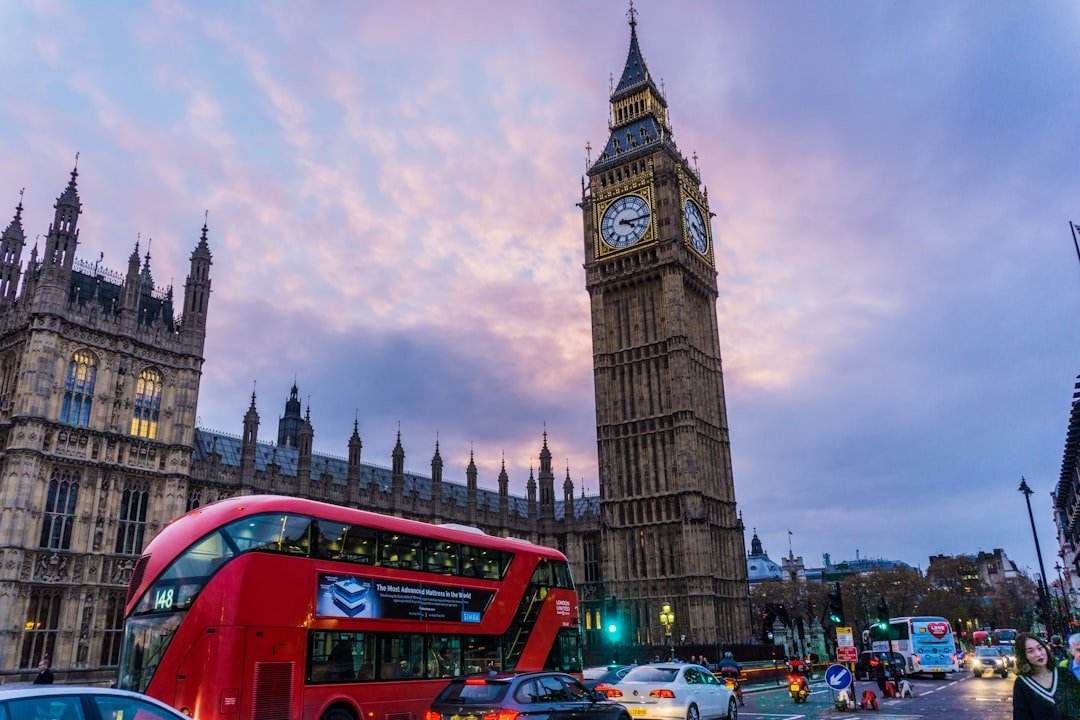
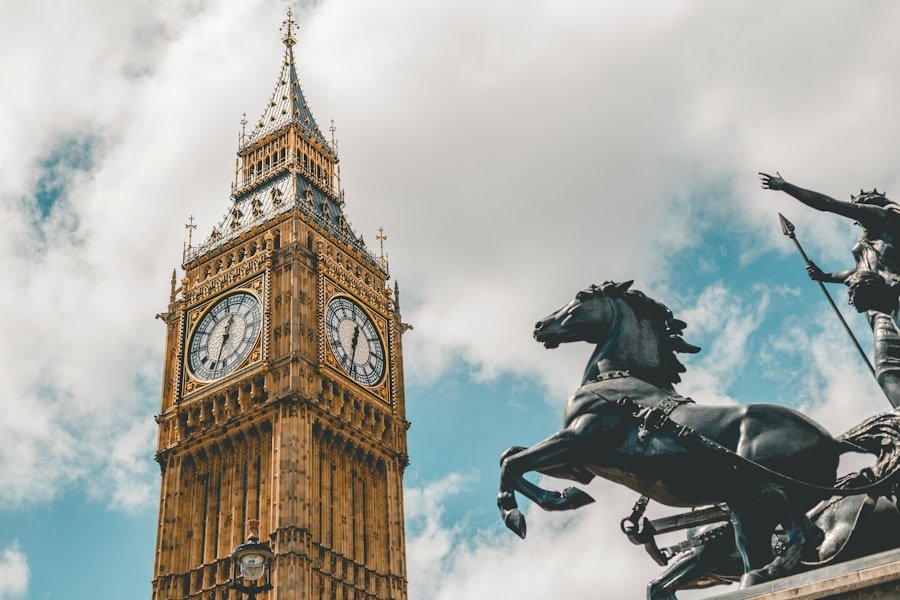
From the Abbey, walk toward the Palace of Westminster. The famous tower beside Parliament is officially called Elizabeth Tower; Big Ben is the name commonly given to the Great Bell inside it.
Cross Westminster Bridge for classic views back toward Parliament. If a panoramic attraction is high on your list, the London Eye is nearby on the South Bank and its rotation lasts about 30 minutes, although queueing and entry procedures add extra time.
Warning: Do not schedule Buckingham Palace’s Guard ceremony, a full Westminster Abbey visit and a fixed London Eye slot too tightly together. Leave buffer time for crowds, security checks and walking.
Brunch Time: Enjoying London’s Food Scene
After exploring Westminster, stop for brunch or an early lunch. A traditional full English breakfast may include eggs, sausages, bacon, baked beans, tomatoes, mushrooms, toast and sometimes black pudding, although exact combinations vary by restaurant.
If you would rather have something lighter or more contemporary, London has cafés serving pastries, poached eggs, avocado toast, pancakes and internationally influenced breakfast dishes. The city’s food scene reflects communities from across Britain and around the world, so there is no need to limit yourself to traditional English food.
Choose somewhere near your next stop instead of crossing the city simply for one popular restaurant. On a 48-hour itinerary, location often matters more than chasing a single viral brunch spot.
The easiest way to waste a short London trip is to build the day around restaurants and attractions that are far apart. Cluster your stops and let the neighborhood shape your meal choices.
Afternoon: Choose One Major Museum or Gallery
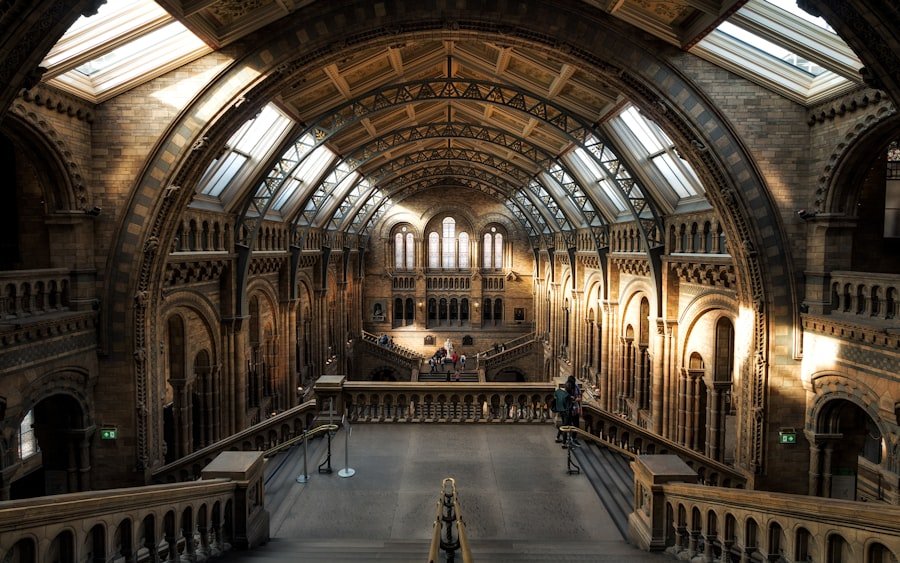
London has enough major museums and galleries to fill several days, so trying to see all of them during a 48-hour visit usually leads to rushed experiences. Pick the one that best matches your interests.
Option 1: British Museum
If history, archaeology and world cultures interest you most, visit the British Museum in Bloomsbury. General admission is free, although the museum recommends advance booking and some special exhibitions require paid tickets.
For a short visit, prioritize a small number of highlights rather than attempting every gallery. The Rosetta Stone is displayed in Room 4 and is one of the museum’s best-known objects. Check the British Museum’s official visitor information before going because galleries can occasionally close or change access arrangements.
Option 2: Tate Modern and the South Bank
If modern and contemporary art appeals more, choose Tate Modern on Bankside. The gallery occupies the former Bankside Power Station and its main collection is free, while selected temporary exhibitions require tickets.
Its location also works well for a South Bank walk. You can see the Thames, Millennium Bridge and St Paul’s Cathedral across the river without adding another major paid attraction. Check Tate’s official visitor information for current opening times and exhibitions.
Pro Tip: Unless museums are your main reason for visiting London, spend about two hours in one major museum and save the rest of your limited time for neighborhoods and landmarks.
Afternoon Tea: Experiencing a Classic London Tradition
The elegant meal of finger sandwiches, scones with clotted cream and jam, pastries and tea is normally called afternoon tea. “High tea” historically refers to a different type of meal, although the terms are sometimes mixed up in casual conversation.
For a luxury experience, hotels such as The Ritz and Claridge’s are famous for traditional afternoon tea. Both serve sandwiches, scones, pastries and a selection of teas in formal surroundings. Reservations are strongly recommended.
The Ritz Afternoon Tea currently has a formal dress code in its tea setting, so check the rules before arriving. Claridge’s Afternoon Tea is another well-known Mayfair option.
Afternoon tea can take a substantial portion of the afternoon, so treat it as one of your main experiences rather than squeezing it between two timed attractions. If it is not a priority, a regular café stop leaves more time for sightseeing.
Evening Entertainment: West End Theatre, Music or Comedy
The Magic of the West End
A West End performance is an excellent way to spend your first evening. London’s Theatreland includes major musicals, plays and smaller productions within walking distance of Covent Garden, Leicester Square and Soho.
Long-running productions remain a practical choice for visitors. The Phantom of the Opera at His Majesty’s Theatre and Hamilton at the Victoria Palace Theatre are both current London productions. Check the official performance calendars when you book because schedules can change.
Live Music and Laughter
If theatre is not your preference, London also offers live music, comedy and smaller performance venues. Camden has a long association with live music, while Soho and the West End offer comedy clubs, jazz venues and late-night entertainment.
Discover Hidden Gems
You do not need a major ticketed show to enjoy the evening. A walk through Covent Garden, Seven Dials, Chinatown and Soho can be memorable on its own, with plenty of restaurants and cafés nearby.
Dinner Options: Sampling London’s Diverse Food Scene
London’s restaurant scene includes British cooking and cuisines from almost every part of the world. Brick Lane is particularly known for curry restaurants and the wider East End’s South Asian food culture, including Bangladeshi and Indian influences.
For a special-occasion dinner, London also has many Michelin-starred restaurants. The Ledbury and Restaurant Gordon Ramsay are among the city’s current three-Michelin-star restaurants, but a meal at this level usually requires advance reservations and can take several hours.
For a shorter visit, Soho, Chinatown and Covent Garden are particularly convenient after a West End performance because you can often walk from the theatre to dinner.
Borough Market is an excellent food stop, but its main trading day finishes well before most evening shows end. Save it for day-two lunch instead of relying on the market stalls for a late post-theatre meal.
Nightcap: Unwinding at a Cozy London Pub
If you still have energy after dinner, finish the evening at a traditional London pub. Historic pubs often feature wood-panelled interiors, narrow rooms, decorative tiles or architecture that reflects different periods of the city’s history.
You might order a local ale, a gin and tonic or a non-alcoholic drink and simply enjoy the atmosphere. Many pubs also serve classic British dishes such as fish and chips, pies and other hearty meals, although kitchen closing times can be earlier than bar closing times.
Choose a pub close to your restaurant, theatre or hotel rather than making another cross-London journey late at night.
Day Two Kick-Off: A Hearty Breakfast to Fuel the Day
Start your second day with breakfast close to your hotel or first attraction. A traditional British breakfast is filling, but lighter options such as porridge, fruit, pastries, eggs or toast may make more sense if you have a long morning of walking ahead.
Pair breakfast with coffee, tea or juice, then aim to reach your first major attraction close to opening time. London’s busiest sights generally feel easier earlier in the day.
Day Two Morning: Tower of London and Tower Bridge
For a first visit, spend the second morning in the Tower Hill and London Bridge area. The Tower of London gives you a concentrated look at royal, military and political history and is one of the most substantial attractions in the city.
Allow enough time for the visit rather than treating it as a quick photo stop. If the Crown Jewels are a priority, going earlier can help you avoid some of the heaviest crowds.
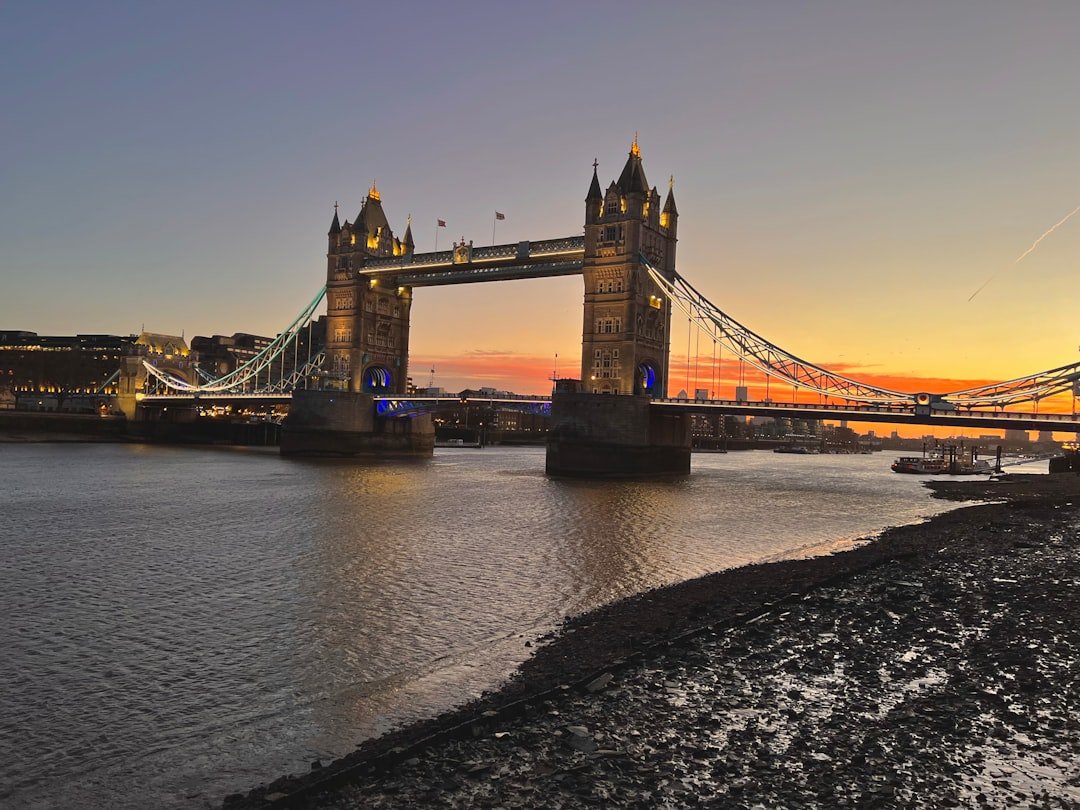
Afterward, walk toward Tower Bridge. Even if you do not buy admission to the bridge exhibition, the riverside views and the bridge itself make this one of London’s best-known photo stops.
From Tower Bridge, continue west along the river toward London Bridge and Borough Market.
Lunch at Borough Market
Borough Market works much better as a daytime food stop than as a late-night dinner destination. Its stalls and traders offer British produce, baked goods, cheese, meat, seafood and dishes influenced by cuisines from around the world.
Regular opening times currently vary by day, with the market normally closed on Monday and closing in the late afternoon on other days. Check the official Borough Market visitor page before planning your lunch, especially around bank holidays or Christmas.
If the market is extremely crowded, particularly around lunchtime on Saturday, you can eat at one of the surrounding restaurants or continue toward Bankside.
Daytime Adventures: Shopping, Parks and Hidden Gems
After lunch, choose the final part of your itinerary based on what you have not yet seen and how much time remains before departure.
For Shopping and Neighborhood Atmosphere
Covent Garden combines shops, restaurants, historic streets and street performers in a compact central area. Soho and Seven Dials are nearby, making this an efficient choice if you want atmosphere without travelling far.
For vintage stores, alternative fashion and markets, Camden offers a different character. Portobello Road in Notting Hill is another popular option, although market activity varies by day and Saturday is generally the busiest.
For a Relaxing Park Break
If two days of sightseeing have left you tired, slow down in Hyde Park, St James’s Park or Regent’s Park. These green spaces provide walking paths, lawns and a break from traffic and crowded attractions.
Hyde Park works particularly well if your final plans take you toward Paddington or west London. Regent’s Park can be paired with Marylebone or Camden.
For More Art and Riverside Walking
If you skipped Tate Modern on day one, Bankside is a logical choice after Borough Market. Otherwise, continue along the South Bank for views of the Thames, St Paul’s Cathedral, bridges and the London skyline.
Note: With only 48 hours, trying to fit Tower of London, several markets, a major museum, Camden, Notting Hill and Hyde Park into the same afternoon will create more commuting than sightseeing. Pick one final area.
Farewell and Departure: Making the Most of Your Last Hours in London
As your time in London comes to a close, keep your final plans flexible. A last walk through a nearby neighborhood, park or riverside area is usually safer than booking an attraction immediately before you need to collect luggage and travel to the airport or train station.
If you have a late departure, the South Bank offers memorable final views of the Thames and central London. A café lunch, fish and chips, a bakery stop or one last cup of tea can provide an easy finish without adding another complicated reservation.
Check live transport conditions before leaving central London and allow generous time for the journey, airport check-in, security and terminal transfers. The appropriate buffer depends on your airport, airline, destination and departure time.
After two carefully planned days, you will not have seen every part of London—and that is completely normal. A good 48-hour itinerary is about seeing a strong mix of landmarks, history, food, culture and neighborhoods without spending the entire trip rushing between them.
If you’re looking for more travel inspiration, browse Tagline Today for additional destination ideas, attractions, neighborhoods and trip-planning inspiration.
Sources
- Transport for London — Pay as you go — contactless, Oyster and fare-capping guidance.
- Household Division — Changing the Guard calendar — current Buckingham Palace ceremonial schedules.
- Westminster Abbey — Visit Us — visitor access, opening information and advance planning.
- British Museum — Plan Your Visit — free general admission, booking and opening information.
- Tate Modern — Plan Your Visit — admission and current gallery information.
- Borough Market — Plan Your Visit — current regular trading hours and visitor information.
Frequently Asked Questions
What are the top attractions to visit in London in 48 hours?
For a first visit, prioritize Buckingham Palace, Westminster Abbey, Parliament and Elizabeth Tower, the London Eye or South Bank, one major museum, a West End evening, the Tower of London, Tower Bridge and Borough Market. Choose additional parks, markets or shopping areas only if time remains.
Is it possible to see all the major sights in London in 48 hours?
No. London has far more major attractions than you can properly experience in two days. A better approach is to choose a few priorities, group nearby sights together and leave enough time to enjoy them rather than spending the trip rushing from one queue to another.
What are some recommended dining options in London for a short visit?
Try a traditional British breakfast, a pub meal, afternoon tea if it interests you, Borough Market during daytime trading hours and one meal reflecting London’s international food scene. Soho, Chinatown, Brick Lane and Covent Garden all offer very different dining experiences.
How can I make the most of my time in London in 48 hours?
Reserve timed attractions and theatre tickets before the trip, stay somewhere well connected, walk between nearby landmarks, use public transport for longer jumps, and avoid scheduling more than one major museum or similarly time-consuming attraction in a single half-day.
What are some tips for navigating London’s public transportation system?
Use contactless pay-as-you-go or Oyster, check live routes with TfL, and use the same card or device when touching in and out. Walk when attractions are close together because central London landmarks can often be reached more quickly on foot than by making a short Tube journey.
Do I need an Oyster card for two days in London?
Not necessarily. TfL accepts contactless cards and compatible mobile devices as well as Oyster. Many visitors find contactless easiest, although overseas transaction fees can make Oyster a better choice for some travelers. Check your card issuer before travelling.
Is traditional London high tea actually afternoon tea?
Usually, yes. The formal hotel experience with finger sandwiches, scones, clotted cream, pastries and tea is generally called afternoon tea. The term high tea historically described a more substantial meal and is not the standard name used by major London hotels for the classic tiered-stand experience.