London in autumn combines colorful parks, cooler walking weather, major cultural events, and some of the city’s best indoor attractions. September, October, and November each feel different, so the best month depends on whether you want mild weather, peak fall color, Halloween events, or the start of London’s festive season.
Quick Answer
London in autumn runs from September through November and is ideal for colorful parks, major cultural events, museums, and cooler walking weather. Average daytime highs fall from about 18°C in September to 10°C in November, while rain becomes more frequent. Pack layers, comfortable shoes, and waterproof outerwear.
Last checked: October 1, 2026. Dates and figures were verified against official sources.
Key Takeaways
- October often offers the strongest mix of autumn foliage, cultural events, and still-manageable temperatures.
- November is cooler and slightly wetter at Heathrow than October, but it brings Bonfire Night, jazz events, and the start of festive attractions.
- Hyde Park, Regent’s Park, Richmond Park, and Kew Gardens are standout places for seasonal color.
- Several major autumn experiences are free, including London’s Royal Parks and Diwali on the Square.
- Richmond Park’s deer rut runs through autumn, so keep at least 50 meters from deer and never feed or approach them.
What Is the Weather Like in London in Autumn?
London’s autumn weather cools steadily from September through November. It can change quickly from sunshine to showers, but official long-term averages give a much clearer picture than describing the season simply as cold or rainy.
The Met Office’s 1991–2020 Heathrow climate averages show the following typical conditions. Heathrow is useful for long-term London-area climate comparisons, although temperatures in central London can differ slightly.
| Month | Average high | Average low | Rainfall | Days with at least 1 mm rain |
|---|---|---|---|---|
| September | 18.14°C | 9.71°C | 68.50 mm | 10.06 |
| October | 14.14°C | 7.12°C | 90.23 mm | 12.61 |
| November | 10.18°C | 4.08°C | 92.08 mm | 13.68 |
September is normally the mildest autumn month, so a light jacket may be enough on many afternoons. October needs more layering, while November calls for a warmer coat, especially in the morning and after sunset.
Rain is possible throughout the season. October is wetter than September in the Heathrow normals, but November is marginally wetter still, so a compact umbrella or waterproof jacket is useful in all three months.
Where to See Autumn Colors in London’s Parks and Gardens
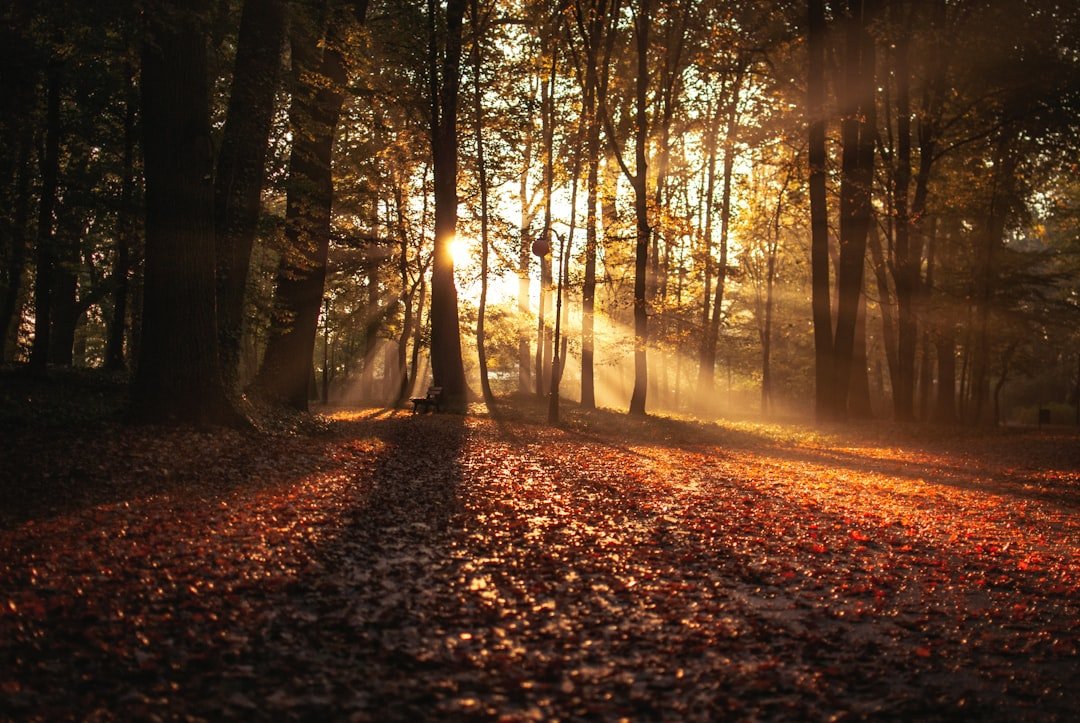
London’s parks are among the easiest places to enjoy autumn color without leaving the city. Hyde Park and Regent’s Park work well for central sightseeing, Kew Gardens offers one of the broadest collections of trees, and Richmond Park combines foliage with open landscapes and wildlife.
Kew Gardens
Kew Gardens is especially rewarding when its varied tree collection begins changing color. You can combine outdoor walks with the Palm House and other glasshouses if the weather turns cold or wet.
Kew is a paid attraction. For autumn 2026, the official Kew Gardens ticket page lists standard adult online admission at £25 from September 2 through October 31 and £17 from November 1 through January 31. A £10 Tuesday promotion runs on Tuesdays from September 8 to December 29, 2026.
Hyde Park and Regent’s Park
Hyde Park is ideal if you want autumn scenery close to major central London attractions. Tree-lined paths, the Serpentine, open lawns, and nearby Kensington Gardens give you plenty of options for a short stroll or a longer walk.
Regent’s Park offers formal gardens, broad avenues, and easy access to Primrose Hill. Reflections on ponds and lakes can add extra color on still autumn mornings.
Richmond Park
Richmond Park feels much more open and rural than central London parks. Its grassland, woods, old trees, and free-roaming red and fallow deer make it especially attractive to walkers and photographers.
Warning: Autumn overlaps with deer rutting season. The Royal Parks says visitors should stay at least 50 meters from deer, never feed or touch them, and avoid approaching them for close-up photographs.
Read the Royal Parks deer safety guidance before visiting Richmond Park or Bushy Park during the September-to-November rut.
Autumn Festivals and Events in London in 2026
London’s autumn calendar moves from riverside culture in September to film, Halloween, Diwali, fireworks, jazz, and festive attractions later in the season. If your trip revolves around an event, plan around the confirmed 2026 dates rather than assuming it happens on the same weekend every year.
| Event | 2026 dates | What to expect |
|---|---|---|
| Totally Thames | September 1–30 | A month of river-related art, heritage, performances, and community events. |
| BFI London Film Festival | October 7–18 | The 70th edition presents films, series, shorts, and immersive work in London and around the UK. |
| Halloween at the Tower of London | October 24–November 1 | A family-oriented ghostly adventure included with palace admission. |
| Diwali on the Square | October 25, 1pm–7pm | Free performances, activities, food stalls, and celebrations in Trafalgar Square. |
| Bonfire Night | November 5 | Fireworks events take place around the date, with individual displays using their own schedules and ticketing. |
| EFG London Jazz Festival | November 13–22 | Ten days of jazz across London, including ticketed concerts and selected free family events. |
| Hyde Park Winter Wonderland | November 19, 2026–January 3, 2027 | Rides, shows, food, festive attractions, and Christmas-market atmosphere in Hyde Park. |
Bonfire Night is celebrated on or around November 5. London’s individual fireworks displays can take place on nearby dates, so the official London events calendar is useful for matching your trip to specific displays.
Notting Hill Carnival is often associated with the change from summer to fall, but it is not an autumn event. In 2026, its main celebrations took place over the August bank holiday weekend before September.
Enjoying Autumn Food and Seasonal Flavors in London
Cooler weather suits London’s comfort-food side. Pubs, restaurants, cafes, bakeries, and markets begin leaning toward warming dishes, roasted vegetables, pies, soups, stews, and seasonal desserts as autumn progresses.
Borough Market is an easy place to browse seasonal produce and ready-to-eat food in one stop. Apples, pears, squash, baked goods, cheeses, and hot dishes fit naturally into an autumn visit, especially when rain makes a long outdoor sightseeing day less appealing.
Traditional pubs are another useful option after an afternoon walk. A hearty meal in a warm dining room can be a practical break between outdoor sightseeing and an evening theater performance.
Exploring London’s Museums and Galleries in Autumn

Museums and galleries become especially useful in autumn because they give you a weatherproof alternative without sacrificing a sightseeing day. London’s large national collections also make it possible to build an inexpensive indoor itinerary.
Uncovering History and Culture
The British Museum covers human history and culture across an enormous collection. General admission is free, although some temporary exhibitions and events require paid tickets.
The British Museum’s official visitor information lists standard opening hours of 10am to 5pm daily, with Friday opening until 8:30pm. That later Friday closing can be useful once autumn daylight becomes limited.
Immersing in Contemporary Art
Tate Modern on Bankside is a strong choice for modern and contemporary art. Its Thames-side location also makes it easy to combine an indoor gallery visit with a riverside walk when the weather is dry.
Temporary exhibitions may require tickets, while the main collection provides plenty to see without committing an entire day to one attraction.
Discovering Emerging Talent
Smaller galleries in areas such as Shoreditch and Chelsea add another layer to London’s autumn arts scene. They can work well between larger attractions, especially if you want to see contemporary artists in more compact spaces.
Autumn Shopping in London
Autumn is when London’s shops shift toward coats, knitwear, boots, scarves, gifts, and early festive displays. Oxford Street, Regent Street, and Bond Street offer the largest concentration of mainstream and luxury retailers, while markets are better for more individual finds.
Camden Market mixes clothing, crafts, accessories, and food. Borough Market focuses mainly on food, but its specialty products can also work well as gifts.
Seasonal pop-up shops often appear throughout the city during this time, offering limited-edition items that celebrate autumn themes—think pumpkin spice candles or handcrafted wool scarves.
Autumn Day Trips and Outer-London Escapes
If you have more than a few days in London, autumn scenery extends beyond the center. Windsor offers royal history and parkland, while Richmond gives you a riverside atmosphere and large green spaces without traveling far from the capital.
Windsor Castle
Windsor is an easy rail day trip for visitors interested in royal history. The castle and surrounding town can fill most of a day, while Windsor Great Park adds outdoor space if the weather is good.
For 2026, Royal Collection Trust lists standard Windsor Castle adult admission at £32 when booked in advance and £36 on the day. Young-person and child rates are lower.
Richmond upon Thames
Richmond is technically part of London rather than a trip outside it, but it feels far removed from the busiest central districts. You can combine the Thames, local cafes, Richmond Park, and wide views from the surrounding hills in one relaxed day.
If wildlife photography is part of the plan, remember that autumn is deer-rutting season in Richmond Park. A longer lens is safer than trying to move closer.
Outdoor Activities in London During Autumn
Autumn can still be excellent for walking and cycling, particularly in September and on dry October days. The cooler air is often more comfortable for covering long distances than midsummer heat, although wet leaves and earlier darkness require more attention.
The Thames Path offers long stretches of riverside walking with frequent bridges, stations, cafes, and attractions nearby. You can also cycle sections of central London using rental bikes, provided you are comfortable riding in city traffic.
Walking tours work particularly well in autumn because cooler temperatures suit longer routes. Historic areas such as Whitechapel, Covent Garden, Soho, Westminster, and the City of London all offer very different surroundings.
Pro Tip: Build outdoor sightseeing around the brighter part of the day, then save museums, galleries, pubs, markets, and theater for late afternoon and evening. This becomes increasingly useful as November days shorten.
Enjoying London’s Autumn Nightlife
Shorter days shift more of a London trip into the evening, but that creates plenty of options. Pubs, live music venues, theaters, restaurants, and seasonal events all become natural ways to continue sightseeing after parks and outdoor attractions close.
The West End is the obvious choice for musicals and plays, while smaller venues across Soho, Camden, Shoreditch, and other neighborhoods offer live music and club nights. The EFG London Jazz Festival makes November particularly strong for music fans.
Halloween adds themed events in late October, while November brings fireworks, Christmas lights, and the start of festive attractions. Hyde Park Winter Wonderland begins on November 19 in 2026, so late-November visitors effectively get both autumn and early Christmas-season London in the same trip.
Tips for Photographing London in Autumn
Autumn photography in London is strongest when you combine seasonal color with recognizable architecture, water, or city views. Early and late daylight can produce warmer tones, while overcast conditions can make leaf colors appear rich without harsh shadows.
Use lakes and ponds in Hyde Park, Regent’s Park, Kew, or Richmond for reflections. Fallen leaves can make useful foreground detail, while a low viewpoint can emphasize trees and create more depth.
The best autumn trip mixes outdoor color with indoor flexibility. Plan parks and long walks for the clearer parts of the day, then use London’s museums, food markets, theaters, and evening events when the weather changes.
Frequently Asked Questions
What are the typical colors of London in autumn?
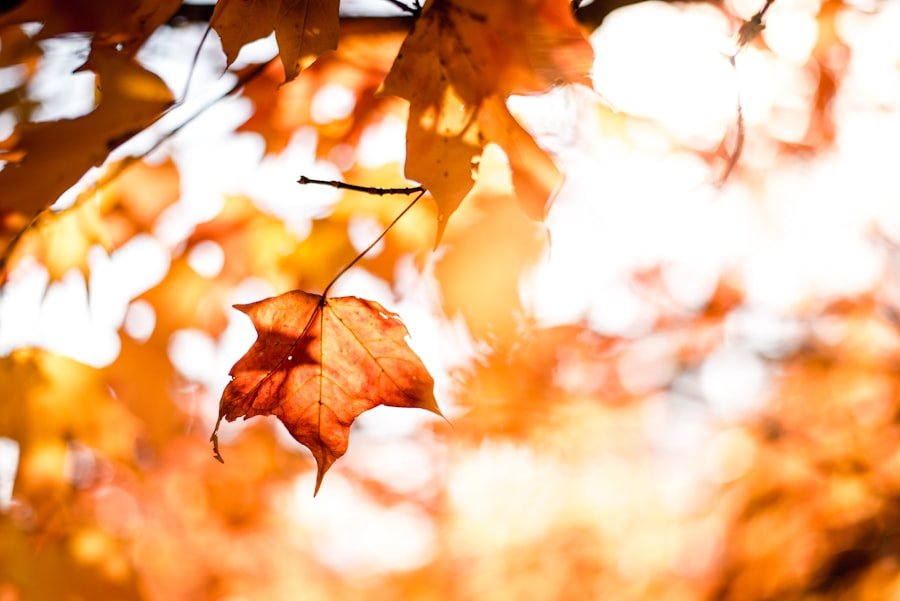
London’s autumn foliage commonly includes yellow, gold, orange, red, and brown. The exact timing and intensity vary with tree species and weather, so different parks can change color at different times from September through November.
What is the weather like in London during autumn?
London becomes progressively cooler and wetter through autumn. Heathrow’s 1991–2020 averages show daytime highs of about 18.1°C in September, 14.1°C in October, and 10.2°C in November, with rainfall increasing later in the season.
What are some popular activities to do in London during autumn?
Popular autumn activities include walking through parks, visiting Kew Gardens, exploring museums and galleries, attending film and music events, seeing Bonfire Night fireworks, browsing markets, watching West End shows, and enjoying seasonal food in pubs and restaurants.
Which autumn month is best for visiting London?
October is a strong all-around choice if you want fall color and a busy cultural calendar without November’s colder temperatures. September is better for milder weather, while November suits visitors who want Bonfire Night, jazz, Christmas lights, and early festive attractions.
What should I pack for London in autumn?
Pack layers that can handle changing temperatures, plus a waterproof jacket or compact umbrella and comfortable walking shoes. A light jacket may work in mild September weather, while November usually calls for a warmer coat and extra layers for evenings.