Dubai is welcoming, international, and easy to visit, but a few local laws, cultural expectations, transport rules, and climate risks can surprise first-time travelers. Most Dubai tourist mistakes are simple to avoid once you know where alcohol is permitted, how to dress for different settings, when to ask before taking photos, and how to behave in shared public spaces.
Quick Answer
Most Dubai tourist mistakes are easy to avoid: dress for the setting, keep affection low-key, drink only where permitted, ask before photographing people, follow Metro and attraction rules, check medication restrictions before flying, and plan around the heat. During Ramadan, non-Muslim visitors do not have to fast, but respectful behavior still matters.
Key Takeaways
- Follow Dubai and UAE rules rather than relying on general advice about other Middle Eastern countries.
- Dress modestly in conservative public settings and religious sites; keep swimwear to beaches, pools, and water parks.
- Keep public affection low-key. Holding hands is generally acceptable, but avoid kissing and overt displays in public.
- Adults aged 21 and over may consume alcohol in authorized places, but drinking in public or unauthorized locations is not permitted.
- Ask before photographing identifiable people and obey restrictions around government, military, and other sensitive sites.
- Non-Muslims do not have to fast during Ramadan; follow restaurant arrangements and show consideration for people who are fasting.
- Check prescription and controlled-medicine rules before flying to the UAE.
- Dubai’s heat can be intense, so build hydration, shade, sunscreen, and indoor breaks into your sightseeing plan.
Disrespecting Dubai’s Local Culture and Traditions
One of the easiest Dubai tourist mistakes to avoid is treating the city exactly as you would your hometown. Dubai is highly international, but Emirati culture and Islam remain important parts of daily life. Respectful behavior is especially important in mosques, heritage areas, government buildings, family spaces, and during religious occasions.
Greetings are a good example. Handshakes are common, but when greeting a Muslim person of the opposite gender, it is polite to wait and see whether they offer their hand first. The UAE Government also advises visitors to avoid offensive language, obscene gestures, unnecessary public disturbances, and disrespect toward the country, its leaders, or religion.
You do not need to imitate every local custom. A better approach is to observe the setting, follow posted instructions, and respond politely when a venue or host explains a local practice. The UAE Government’s visitor social-responsibility guidance provides a useful overview of etiquette, dress, greetings, and photography.
Note: Not every cultural recommendation is a criminal law. Some rules come from federal or Dubai law, some are venue requirements, and others are standards of polite behavior. When in doubt, follow official signs and instructions from staff.
Dressing Inappropriately for the Setting
Dubai is less restrictive about everyday tourist clothing than many visitors assume, but what is appropriate depends on where you are. The UAE Government recommends modest clothing in conservative areas and public places such as shopping malls. Clothing should not be transparent, indecently revealing, or display offensive words or images.
Swimwear is appropriate at beaches, swimming pools, and water parks, but you should cover up before entering malls, restaurants, business areas, or other ordinary public spaces. Official Visit Dubai clothing guidance also recommends dressing more conservatively at cultural and historical sites.
Women visiting Dubai generally do not have to cover their hair or wear traditional Muslim clothing. Mosques are different: women may be asked to cover their hair and wear clothing that covers the body appropriately, while men are also expected to dress modestly. Some visitor-friendly mosques provide suitable garments at the entrance.
Pro Tip: Carry a lightweight shirt, cardigan, or scarf. It can help you move comfortably from a beach or hot outdoor area into a mall, mosque, museum, or heavily air-conditioned building.
Engaging in Public Displays of Affection
Dubai visitors should keep public affection restrained. Official UAE visitor guidance says holding hands is acceptable but advises against public kissing and hugging.
You do not need to avoid normal interaction with your partner. The safest approach is simply to keep intimate behavior private and be more conservative in family areas, religious locations, government spaces, and public transport.
Trying to determine how much affection you can “get away with” is unnecessary. A little discretion removes the risk of offending people around you or attracting unwanted attention.
Drinking Alcohol in Public or Misunderstanding Ramadan
Dubai allows alcohol in authorized settings, but visitors should not assume that the rules are the same as at home. Under the UAE’s Crimes and Penalties Law, alcohol consumption is allowed in circumstances and places authorized by applicable regulations, while drinking in public or other unauthorized places is prohibited. Alcohol must not be supplied to anyone under 21.
For a visitor, the practical rule is simple: if you want an alcoholic drink, use an appropriately licensed hotel, restaurant, bar, or other authorized establishment. Do not walk around public areas drinking alcohol, and avoid becoming intoxicated or disruptive in public.
Warning: Do not treat a drink purchased legally at a licensed venue as permission to carry or consume alcohol anywhere you want afterward. Public drinking and alcohol use outside authorized circumstances can create legal problems.
What Changes During Ramadan?
Ramadan deserves respect, but older travel advice often makes the rules sound more restrictive for non-Muslim tourists than current official guidance does. According to the UAE Government’s current Ramadan guidance, non-Muslims are not required to fast. Restaurants and tourist attractions continue to operate, and daytime dining options are available, including designated areas in malls and food courts.
That does not mean visitors should ignore the significance of the month. Use the dining areas provided, follow each venue’s instructions, dress respectfully, avoid disruptive behavior, and be considerate around people who are fasting. Opening hours, parking schedules, and the availability of taxis can also change during Ramadan.
Taking Photographs Without Permission
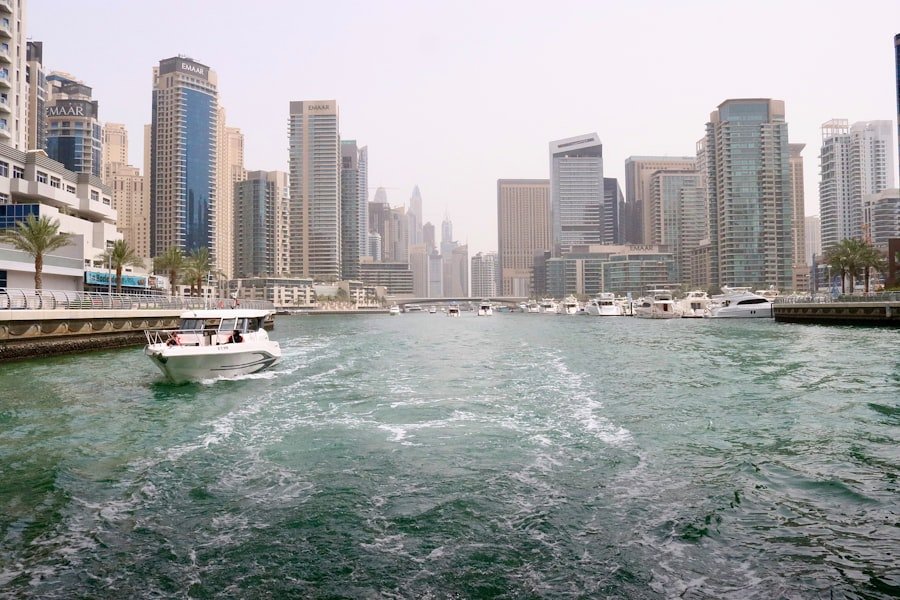
Dubai offers countless places worth photographing, from its skyline and beaches to souks and heritage districts. The mistake is assuming that anything visible in public is automatically appropriate to photograph.
Official UAE visitor guidance tells travelers not to photograph people without their permission. This is particularly important when an identifiable stranger, family, woman, or child would become the main subject of your photo or video.
Photography of certain government buildings and military installations is also restricted. Always obey “no photography” signs and instructions from security or venue staff. Some museums, cultural sites, exhibitions, and religious locations also apply their own photography rules.
For ordinary travel photography, the safest habit is simple: photograph attractions and scenery freely where permitted, but ask before making an identifiable person the subject of your image.
Note: Taking a photo and publishing or sharing it can raise separate privacy concerns. If someone asks not to be photographed, respect the request rather than arguing that you are standing in a public place.
Disregarding Rules at Tourist Attractions
Dubai attractions, museums, beaches, mosques, desert experiences, observation decks, and heritage sites can each have their own rules. A behavior allowed in one location may be restricted in another.
Check signs before touching exhibits, crossing barriers, using flash photography, flying a drone, bringing food inside, entering a restricted area, or wearing clothing intended for a beach. At religious sites, clothing and photography requirements can be more conservative than in ordinary tourist areas.
Natural attractions and organized desert activities also depend on visitors following safety instructions. Do not leave marked routes, interfere with wildlife, climb barriers, or ignore instructions from guides simply to get a better photo.
Following venue rules protects you, other visitors, and the attraction itself. If a requirement is unclear, ask an employee before proceeding.
Not Being Mindful of Dubai’s Heat and Sun Exposure
Underestimating the heat is one of the most practical Dubai tourist mistakes. Dubai has strong sunshine for much of the year, and summer conditions can make long outdoor sightseeing sessions exhausting or dangerous.
Dubai Health Authority recommends precautions such as increasing fluid intake, wearing loose clothing, protecting yourself from direct sunlight, using sunscreen, and taking extra care during the hottest part of the day. Its summer guidance also warns that severe heat can lead to heat exhaustion or heatstroke.
Plan outdoor activities for cooler parts of the day when possible. Carry water, take air-conditioned or shaded breaks, wear a hat and sunglasses, and reapply sunscreen as needed. Children, older adults, athletes, and people spending long periods outdoors deserve extra care.
Warning signs of heat illness can include unusual thirst, weakness, headache, dizziness, nausea, muscle cramps, confusion, or fainting. Move to a cooler location and seek medical help promptly if symptoms become severe or heatstroke is suspected.
Warning: Never leave a child, older adult, or pet inside a parked vehicle in Dubai’s heat. Vehicle interiors can become dangerously hot very quickly.
Not Checking Passport and Medication Rules Before Flying
Some of the most serious travel problems happen before sightseeing even begins. Entry requirements depend on your nationality and circumstances, so verify your passport and visa requirements with official sources before departure rather than relying on an old blog post or social-media comment.
Medication deserves the same attention. The UAE regulates narcotic, psychotropic, and other controlled medicines. According to the UAE Government’s controlled-medicines guidance, some medicines cannot be freely imported and may require supporting medical documents or authorization from the Ministry of Health and Prevention.
If you take prescription medication, check the active ingredient against current UAE requirements well before your flight. Carry medicine in its original packaging and keep the appropriate prescription, medical report, or authorization with you when required.
Pro Tip: Check medication rules by the drug’s generic or active ingredient, not only by the brand name used in your home country.
Ignoring Dubai Metro Rules and Designated Cabins
Dubai Metro is convenient, but visitors can make avoidable mistakes by treating every carriage and station area the same. The Roads and Transport Authority has designated Gold Class cabins and Women & Children cabins, along with general cabins.
Male passengers should not enter or pass through the Women & Children cabin. Gold Class requires the appropriate fare product. Eating, drinking, smoking, and other activities are restricted in designated Metro and Tram areas, and violations can result in fines.
Before boarding, check the platform signs and carriage markings. Let passengers exit before entering, keep doors and aisles clear, store luggage appropriately, and follow instructions from RTA staff. The current RTA Metro and Tram etiquette guide explains the main rules.
Using Offensive Language, Gestures, or Confrontational Behavior
A heated argument that seems ordinary elsewhere can become a much bigger problem in Dubai. UAE visitor guidance warns against bad language, obscene gestures, disruptive noise, and disrespectful behavior.
This applies in traffic, shops, hotels, restaurants, tourist attractions, and public transport. If there is a disagreement over a bill, queue, taxi ride, reservation, or service issue, stay calm and ask staff or the appropriate authority to help resolve it.
Good manners are not only about fitting into local culture. They are also the easiest way to prevent a minor travel inconvenience from becoming a serious dispute.
Elsewhere on the site: If you’re interested in exploring a completely different food topic, you can also read Exploring the Delightful World of Asian Melon, which covers varieties and flavors of melons found across parts of Asia.
Frequently Asked Questions
What are some common tourist mistakes to avoid in Dubai?
Common mistakes include dressing inappropriately for the setting, drinking alcohol in public, showing excessive affection in public, photographing people without permission, ignoring Metro or attraction rules, bringing restricted medication without checking requirements, using offensive language or gestures, and underestimating Dubai’s heat.
Is it important to dress modestly in Dubai?
Yes. Dubai is relatively flexible in ordinary tourist areas, but visitors should dress modestly in conservative public spaces, cultural locations, and religious sites. Keep swimwear to beaches, pools, and water parks. Women generally do not need to cover their hair except where a religious site requires it.
Can tourists drink alcohol in Dubai?
Adults aged 21 and over may consume alcohol in places authorized under applicable Dubai and UAE regulations, such as appropriately licensed hotels, restaurants, bars, and other establishments. Drinking alcohol in public or other unauthorized places is not permitted, and visitors should avoid intoxicated or disruptive behavior in public.
What is the etiquette for greeting people in Dubai?
A polite verbal greeting or handshake is common. When greeting a Muslim person of the opposite gender, wait for them to extend their hand first because some people prefer not to shake hands with the opposite gender for religious reasons.
Are there restrictions on photography in Dubai?
Yes. Ask permission before making identifiable people the subject of a photo, and do not photograph restricted government buildings, military installations, or places displaying a no-photography sign. Museums, mosques, exhibitions, and other attractions may also have their own rules.
Can non-Muslim tourists eat during the day in Ramadan?
Yes. Non-Muslims are not required to fast, and current UAE Government guidance says daytime dining options remain available, including designated areas in malls and food courts. Follow the arrangements of the venue you are visiting and behave considerately around people who are fasting.
Can I bring my prescription medicine to Dubai?
Many ordinary prescribed medicines can be carried for personal use, but narcotic, psychotropic, and other controlled medicines are subject to special UAE rules. Some require medical documents or prior authorization. Check the active ingredient against current Ministry of Health and Prevention requirements before traveling.
What mistakes should tourists avoid on the Dubai Metro?
Use the correct fare and cabin, respect the Women & Children and Gold Class sections, do not eat or drink where prohibited, keep doors and aisles clear, and follow RTA signs and staff instructions. Check platform markings before boarding so you enter the correct carriage.
Sources
- UAE Government — Social Responsibility for Visitors — etiquette, dress, greetings, public affection, and photography.
- UAE Government — Ramadan — current Ramadan practices and guidance for non-Muslims.
- UAE Legislation — Crimes and Penalties Law — alcohol rules and age restrictions.
- UAE Government — Drugs and Controlled Medicines — medicine-import and controlled-drug requirements.
- Dubai Roads and Transport Authority — Metro and Tram Rules — cabin, behavior, and eating/drinking restrictions.
- Dubai Health Authority — Summer Guide — heat, hydration, sunscreen, and heat-illness prevention.