Choosing the best area to stay in London for nightlife depends on the kind of night you want. Soho puts you in the middle of central London bars and LGBTQ+ nightlife, Shoreditch suits creative bars and clubs, Camden is strongest for live music, while Brixton combines major venues with a lively food and bar scene.
Quick Answer
For central nightlife and easy sightseeing, start with Soho. Choose Shoreditch for bars and a creative East London atmosphere, or Camden for live music. Brixton is another strong choice for concerts, clubs, and food. Your best base depends on whether you value walkability, music, late-night venues, or a quieter place to sleep.
Key Takeaways
- Soho works especially well if you want nightlife, restaurants, theatres, and central London attractions within easy reach.
- Shoreditch has a creative East London feel with pubs, clubs, street art, and live events.
- Camden remains one of London’s strongest bases for live music and alternative nightlife.
- Brixton combines concerts, clubs, late dining, and strong transport links on the Victoria line.
- If sleep matters, avoid booking directly above or beside the busiest nightlife streets, even when you want to stay in the same neighborhood.
Best Areas to Stay in London for Nightlife at a Glance
London does not have one nightlife district that suits every traveler. The most useful approach is to match your accommodation area to what you plan to do after dark, then consider how easily you can get home when the Underground’s daytime service ends.
| Area | Best for | Nightlife style | Main trade-off |
|---|---|---|---|
| Soho | Central nightlife | Bars, clubs, LGBTQ+ venues, restaurants | Busy and noisy late at night |
| Shoreditch | Creative nightlife | Pubs, clubs, live events, late bars | Weekend streets can be very busy |
| Camden | Live music | Concerts, rock venues, pubs, club nights | Heavy visitor traffic around the market |
| Mayfair | Upscale nights out | Cocktail bars, fine dining, private clubs | Higher prices and restricted club access |
| Brixton | Music and food | Concerts, clubs, bars, late dining | Farther from West End attractions |
| Covent Garden | Theatre nights | Theatres, restaurants, pubs | More polished than club-focused |
| South Bank | Culture and river views | Theatre, film, restaurants, riverside drinks | Less suited to all-night clubbing |
| Notting Hill | Relaxed evenings | Pubs, restaurants, intimate music venues | Smaller late-night scene |
| King’s Cross | Transport convenience | Restaurants, bars, music and cultural venues | Less concentrated nightlife than Soho or Shoreditch |
Soho: Central London Nightlife on Your Doorstep
Soho is one of the strongest places to stay if you want to walk from your hotel to bars, restaurants, theatres, and late-night entertainment. It is especially convenient for visitors who also want easy access to the West End, Chinatown, Oxford Street, and surrounding central London neighborhoods.
The area packs a wide range of nightlife into a relatively compact district. Cocktail bars, traditional pubs, cabaret, live music, restaurants, and clubs sit around streets such as Old Compton Street, Wardour Street, and Dean Street.
The Box remains one of the area’s best-known late-night entertainment venues. Soho also continues to be a major center of LGBTQ+ nightlife, with established venues including the Admiral Duncan on Old Compton Street, which hosts cabaret, karaoke, and drag entertainment.
Staying in Soho is most useful when nightlife and central location matter more than peace and quiet. Rooms facing busy streets can pick up noise from crowds and nearby venues, particularly on weekend nights, so light sleepers may prefer accommodation on a side street while remaining within walking distance.
Shoreditch: Bars, Clubs, and East London Energy
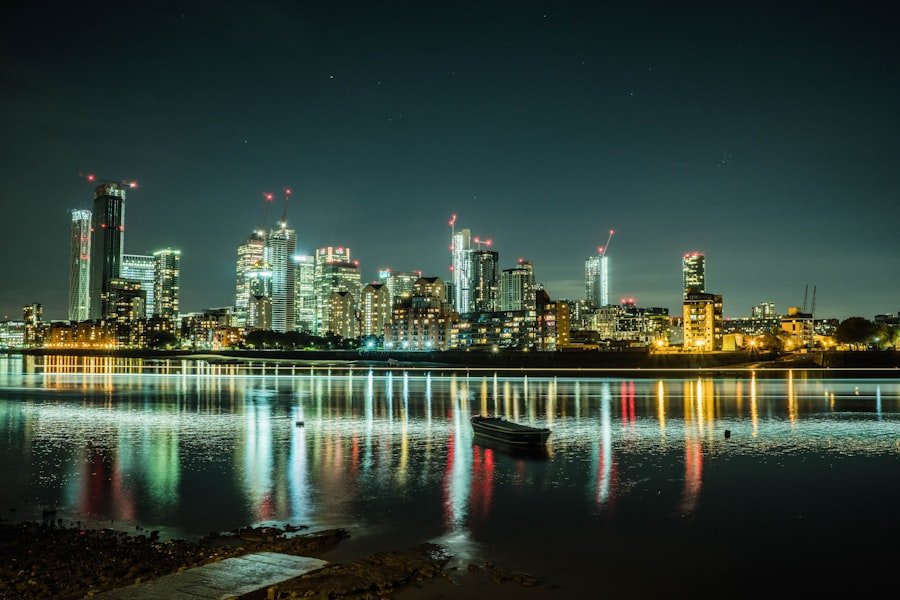
Shoreditch suits travelers who want a creative East London base built around bars, pubs, clubs, restaurants, and music. Its nightlife feels less like the traditional West End and more closely connected to converted industrial spaces, street art, independent businesses, and late-night social venues.
The Old Blue Last on Great Eastern Street combines a pub with regular live music and late opening on its busiest nights. Nearby, Village Underground in Shoreditch hosts concerts, club events, and cultural programming close to Shoreditch High Street station.
Brick Lane, Great Eastern Street, and the streets around Shoreditch High Street provide plenty of options within walking distance. That concentration makes the neighborhood easy for a night out without repeatedly crossing London between venues.
For accommodation, consider how close the room is to the busiest bars and clubs. Shoreditch can remain noisy late into the night, so a hotel a few streets away from the main nightlife cluster can offer a better balance between access and sleep.
Camden: Live Music and Alternative Nightlife
Camden is a strong choice if live music is the main reason for your London nightlife trip. The neighborhood mixes major concert venues with smaller pubs, clubs, markets, and an alternative culture that has shaped its reputation for decades.
The Visit London guide to Camden’s music scene highlights venues including Roundhouse, KOKO, Electric Ballroom, The Underworld, Jazz Cafe, Dublin Castle, and other places hosting established and emerging performers.
That variety is Camden’s main advantage. You can build an evening around a ticketed concert, start at a pub, or look for a smaller live performance without needing to leave the area.
Camden Market and the surrounding streets are also busy during the day, so this neighborhood works well for travelers who want their accommodation close to both daytime activity and nighttime entertainment.
Camden’s nightlife is most appealing to travelers who value live music, alternative venues, and a less polished atmosphere than Mayfair or the West End.
Mayfair: Upscale Clubs, Cocktails, and Fine Dining
Mayfair suits travelers looking for a polished, higher-end night out rather than a casual bar crawl. Its nightlife centers on elegant restaurants, cocktail bars, hotel lounges, and private members’ clubs in one of London’s most exclusive central neighborhoods.
Annabel’s on Berkeley Square and The Arts Club on Dover Street are among the area’s best-known private clubs. Access rules differ from an ordinary public bar, so travelers should not assume they can simply arrive at the door without meeting membership or guest requirements.
The Arts Club combines dining, bars, art, cultural events, and live music for its members. This illustrates the broader Mayfair style: evenings often focus as much on dining and setting as dancing.
Its central location is another advantage. Soho and the wider West End are close enough that you can stay in Mayfair for its accommodation and dining while spending part of the evening elsewhere.
Brixton: Music, Clubs, and a Diverse Food Scene
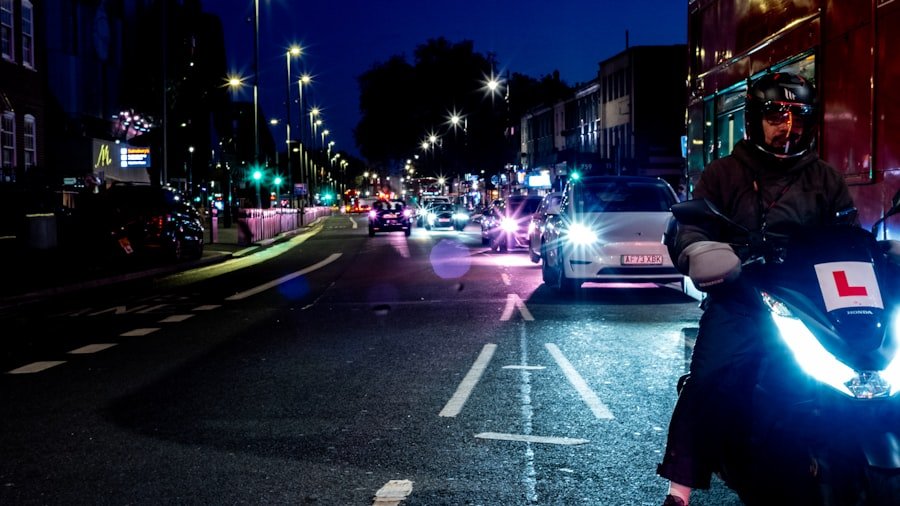
Brixton is a good base for travelers who want South London nightlife built around live music, clubs, restaurants, and a strong local identity. It offers a different experience from the West End while remaining directly connected to central London by the Victoria line.
The official Brixton and Clapham area guide highlights O2 Academy Brixton, Electric Brixton, Brixton Jamm, Brixton Village, and other music, food, and nightlife options.
O2 Academy Brixton remains one of the area’s major destinations for ticketed concerts. For a less structured evening, Brixton Village provides restaurants and bars, while surrounding venues cover everything from DJs and dancing to smaller performances.
The area’s food scene makes it particularly useful if you prefer to have dinner, drinks, and entertainment in the same neighborhood. Its multicultural character is reflected in the range of restaurants and nightlife around the center of Brixton.
Covent Garden: Theatres, Restaurants, and West End Bars
Covent Garden is best for a nightlife trip built around theatre, dinner, and drinks rather than an all-night club scene. Its central location puts West End performances, restaurants, pubs, and cocktail bars within a compact and highly walkable area.
By day, Covent Garden draws visitors to its piazza, shops, and street performers; by night, theatres and restaurants become the main focus.
The neighborhood works particularly well if you want a pre-theatre dinner followed by a show and drinks afterward. The Ivy West Street provides an upscale dining option, while The Porterhouse offers a more casual pub atmosphere near the heart of Covent Garden.
Soho is also close, which gives travelers staying in Covent Garden access to a broader late-night scene without requiring a long journey back to their accommodation. That makes this one of the more flexible choices for first-time visitors who want nightlife alongside major central London attractions.
South Bank: Riverside Evenings and Cultural Venues
South Bank works best for travelers who want evening culture and Thames views rather than a concentrated club district. The area combines theatres, film, restaurants, bars, and riverside walks with easy access to central London.
Major cultural venues include the National Theatre and BFI Southbank, while Tate Modern is farther east along the river. An evening here can move naturally from a performance or film into dinner or drinks without the atmosphere becoming as intense as Soho or Shoreditch.
Skylon, inside the Royal Festival Hall, is known for modern British dining and views toward the Thames. BFI Southbank also combines screenings and events with places to eat and drink.
South Bank is therefore a useful nightlife base for couples, culture-focused travelers, and visitors who prefer a scenic evening to club hopping. Waterloo’s transport connections also make it practical for reaching other parts of London.
Notting Hill: Relaxed Bars and Intimate Music
Notting Hill offers a more relaxed evening than London’s main club districts. Stay here if you prefer neighborhood pubs, restaurants, cocktails, and smaller music venues while keeping good transport links into central London.
The streets around Notting Hill Gate, Portobello Road, and nearby residential areas have a more local feel than Soho’s dense nightlife core. That can make the area more appealing when nightlife matters but you do not want it directly outside your accommodation.
For music and club nights, Notting Hill Arts Club is an established venue at 21 Notting Hill Gate. Its event schedule includes live music and club nights, and its official information says club nights can run until 2am.
Notting Hill is also well suited to travelers who want a slower start to the evening with dinner or drinks before heading to a performance. It is less concentrated than Soho or Shoreditch, so choosing accommodation close to Notting Hill Gate can make getting around easier.
King’s Cross: Convenient Transport and a Growing Evening Scene
King’s Cross is a practical nightlife base if transport is just as important as the venues outside your hotel. The area combines bars, restaurants, canalside spaces, and cultural venues with one of London’s largest transport hubs.
Granary Square has become a popular gathering point where visitors can eat or drink beside Regent’s Canal before moving on to another venue.
The Lighterman overlooks Granary Square and the canal, offering dining and drinks across several levels. King’s Place adds concerts and cultural programming, while nearby venues broaden the choice of live entertainment.
King’s Cross does not have the same dense late-night concentration as Soho or Shoreditch. Its advantage is flexibility: you can spend the evening locally or use its extensive Underground and rail connections to reach nightlife elsewhere in London.
How to Choose the Best Area to Stay in London for Nightlife
Start with the type of evening you are most likely to have, not simply the neighborhood with the most bars. A traveler attending concerts has different needs from someone planning West End shows, cocktail bars, or club nights.
- Choose Soho for central bars, LGBTQ+ nightlife, restaurants, and easy access to the West End.
- Choose Shoreditch for East London bars, clubs, creative venues, and a busier weekend party atmosphere.
- Choose Camden when live music is the main priority.
- Choose Mayfair for upscale dining, cocktails, and private-club culture.
- Choose Brixton for concerts, clubs, diverse food, and South London nightlife.
- Choose Covent Garden for theatre, restaurants, and central sightseeing.
- Choose South Bank for cultural evenings and river views.
- Choose Notting Hill for a more relaxed neighborhood atmosphere.
- Choose King’s Cross when transport convenience and easy connections matter most.
Then check the exact location of your accommodation. In nightlife districts, a difference of a few streets can separate a room above late-night activity from one that is much quieter while still being easy to walk back to.
Late-Night Transport in London
Your route home should influence where you stay, especially if you expect to remain out after normal daytime Tube services finish. Some neighborhoods have stronger overnight rail connections than others, while London’s night-bus network fills many of the gaps.
Transport for London’s Night Tube information says overnight Friday and Saturday services currently operate on the Central, Jubilee, Northern, Piccadilly, Victoria, and Windrush lines. Planned engineering work can change individual services, so check your route on the night you travel.
This is particularly useful for nightlife planning. Brixton sits on the Victoria line, Camden Town is on the Northern line, and several central nightlife districts are within walking distance of stations served by overnight routes or night buses.
If your accommodation requires a connection that stops running before you leave a venue, identify a night-bus or licensed taxi/private-hire option before going out. Doing this in advance is easier than trying to work out an unfamiliar route late at night.
Tips for Enjoying London’s Nightlife Safely
London’s nightlife is spread across busy streets, public transport, pubs, concert venues, and clubs, so simple planning can make the evening much easier. Know how you will return to your accommodation, keep your belongings close, and stay with people you trust when possible.
The Metropolitan Police’s visitor safety advice recommends keeping phones and other valuables close, watching for pickpockets, and not leaving drinks unattended or accepting drinks from strangers.
For transport, black cabs can be hailed in the street. Private-hire vehicles, often called minicabs, must be booked rather than picked up as an unbooked street fare. Confirm that the vehicle and driver match the details supplied by your booking service before getting in.
Drink at a pace that lets you remain aware of your surroundings, and keep your phone charged enough to access directions, booking details, or emergency help. In an emergency, call 999 or 112.
If you’re looking for the best area to stay in London for nightlife, you may also be interested in the city’s daytime sights. See more ideas on Tagline Today when planning the rest of your visit.
Frequently Asked Questions
What are the best areas to stay in London for nightlife?
Soho, Shoreditch, Camden, and Brixton are strong choices for nightlife, but they suit different trips. Soho is central, Shoreditch emphasizes bars and clubs, Camden is best suited to live music, and Brixton combines concerts, clubs, food, and South London character.
What makes Soho a great area for nightlife?
Soho puts bars, restaurants, theatres, clubs, and LGBTQ+ venues close together in central London. It is especially convenient if you want to combine nightlife with the West End and nearby attractions, although rooms near the busiest streets can be noisy.
Why is Shoreditch popular for nightlife?
Shoreditch combines pubs, clubs, live events, restaurants, and street art in a busy East London neighborhood. It suits travelers who prefer a creative nightlife atmosphere and want many evening options within walking distance of one another.
What makes Camden a good area for nightlife?
Camden is particularly good for live music. Major venues such as Roundhouse and KOKO sit alongside smaller pubs and music spaces, giving visitors options ranging from ticketed concerts to more informal nights out.
Why is Brixton recommended for nightlife?
Brixton combines major music venues, clubs, bars, and a diverse restaurant scene. It works especially well if you want to spend the evening in one South London neighborhood while retaining a direct Victoria line connection toward central London.
Which London nightlife area is best if I also want to sleep well?
The exact street matters almost as much as the neighborhood. You can stay near Soho, Shoreditch, Camden, or Brixton without booking directly beside the busiest bars; alternatively, Notting Hill, South Bank, and King’s Cross offer evening options with a generally less concentrated club scene.
Sources
- Admiral Duncan: Current Soho LGBTQ+ venue and entertainment information.
- Village Underground: Shoreditch venue location and transport information.
- Visit London: Camden Town: Current Camden live-music venues and neighborhood information.
- The Arts Club: Mayfair private-club dining, bars, events, and live-music information.
- Visit London: Brixton and Clapham: Current Brixton music, nightlife, and food venues.
- Notting Hill Arts Club: Current venue information and late opening details.
- Transport for London: Night Tube: Current overnight Tube lines, fares, and night-transport information.
- Metropolitan Police: Visiting London: Personal safety, licensed transport, belongings, and emergency guidance.