Quick Answer
Choose Soho for the easiest central nightlife base, Shoreditch for trend-led bars and clubs, and Camden for live music. Brixton is a strong choice for south London gigs and club nights. If sleep matters, avoid booking directly above or beside late bars, busy market streets or major venue exits.
Last checked: October 1, 2026. Dates and figures were verified against official sources.
Key Takeaways
- The best district is not always the best hotel street; nightlife hubs can be noisy well after nearby venues close.
- Friday and Saturday travel is easier in areas served by the Night Tube or Night Overground, while midweek late-night options differ.
- Camden is strongest for a music-led stay, while Covent Garden and South Bank suit theatre, film and cultural evenings.
- Mayfair is the polished, high-end option, with luxury cocktail bars and private members’ clubs rather than an alternative club scene.
- Older nightlife guides can be out of date: Corsica Studios ended operations in its former format in March 2026, with no confirmed reopening date.
How to Choose the Best Area to Stay in London for Nightlife
Start with the type of night you actually plan to have: bars and LGBTQ+ venues, live music, theatre, clubbing, or quieter drinks. Then check the exact street and your route home. London’s nightlife is spread across several districts rather than one single entertainment strip, as the official Visit London nightlife guide also reflects.
| Area | Best for | Late-night transport advantage | Main trade-off |
|---|---|---|---|
| Soho | Central bars, LGBTQ+ nightlife, jazz and restaurants | Several nearby Night Tube stations | Busy streets and late noise |
| Shoreditch | Cocktail bars, DJs, clubs and creative venues | Night Overground at Shoreditch High Street on Friday and Saturday nights | Crowds and nightlife noise |
| Camden | Live music and alternative nightlife | Camden Town is on the Northern line Night Tube | Market and venue crowds |
| Covent Garden | West End theatre, dinner and post-show drinks | Piccadilly line Night Tube access in the area | Tourist crowds and central prices |
| Brixton | Clubs, live music and a diverse food scene | Brixton is on the Victoria line Night Tube | Farther from many West End sights |
| Mayfair | Luxury bars and private clubs | Green Park and Bond Street connect to Night Tube routes | High-end spending and restricted-entry venues |
| East End | Independent bars, music and creative spaces | Depends heavily on the exact neighbourhood | More spread out than Soho or Camden |
| South Bank | Theatre, film, riverside drinks and culture | Waterloo is served by the Jubilee line Night Tube | Less club-focused than Soho, Shoreditch or Brixton |
| Notting Hill | Smaller bars, live music and a more relaxed evening | Notting Hill Gate is on the Central line Night Tube | Fewer large clubs |
The current TfL Night Tube and Night Overground map shows Friday and Saturday overnight service on the Central, Jubilee, Northern, Piccadilly and Victoria lines, plus part of the Windrush line. That makes transport a useful tie-breaker when two neighbourhoods suit you equally well.
Soho: The Best Central Base for London Nightlife
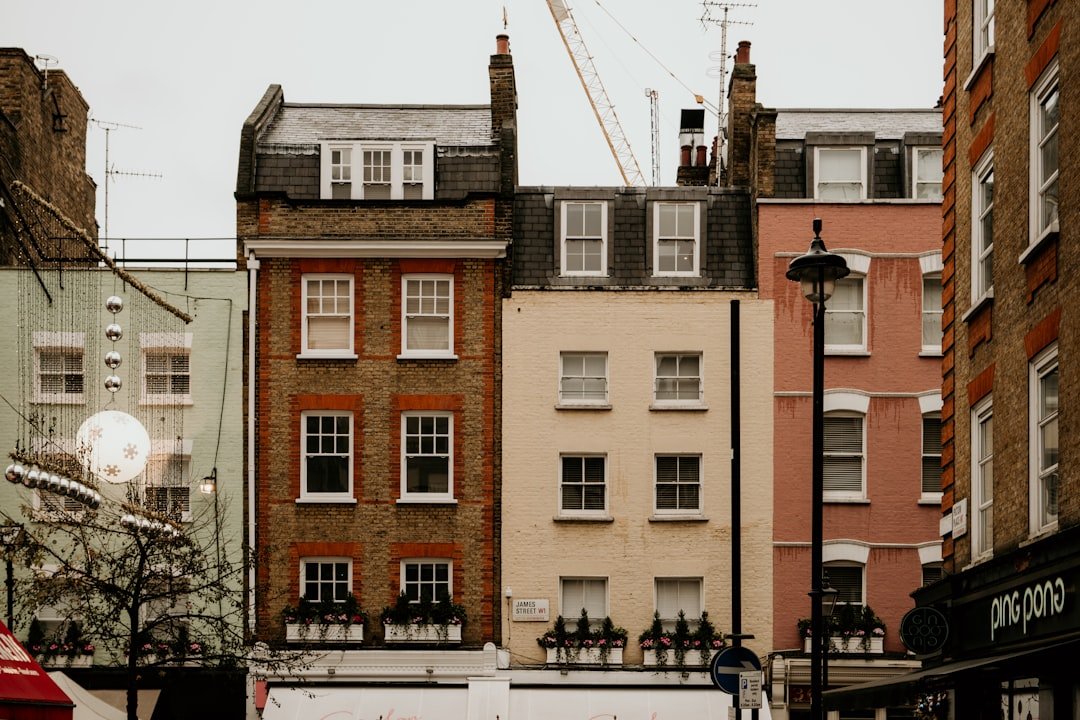
Soho is the easiest choice if you want many types of nightlife within a compact central area. You can move between pubs, cocktail bars, restaurants, jazz and LGBTQ+ venues on foot, while West End theatres and Chinatown are close by. The trade-off is obvious: the busiest streets can stay noisy late.
For a traditional start, The French House is known for its no-music, no-television and no-mobile-phone rules, which keep the focus on conversation. Ronnie Scott’s on Frith Street offers a very different night, built around live jazz in an intimate club setting.
Soho also remains a major LGBTQ+ nightlife hub, especially around Old Compton Street and Wardour Street. G-A-Y is in Soho, while Heaven is a short walk away under the arches at Villiers Street rather than inside Soho itself. If you stay here, choose your hotel street carefully if an early night matters.
Shoreditch: Trendy Bars, Clubs and Creative Venues
)
Shoreditch suits travellers who want cocktails, DJ nights, live music and a creative east London atmosphere. The area around Shoreditch High Street, Great Eastern Street and nearby Brick Lane has a dense mix of bars and venues, while Friday and Saturday Night Overground service makes late returns easier than in some parts of east London.
The Cocktail Trading Company on Bethnal Green Road is one example of Shoreditch’s playful cocktail scene. For larger music and club events, Village Underground remains one of the area’s best-known independent venues.
One detail often described incorrectly is the venue itself. Village Underground’s history explains that its main event space is a renovated Victorian warehouse, while recycled Jubilee line carriages and shipping containers sit above as creative workspaces.
Camden: Alternative Nightlife and Live Music
Camden is one of the strongest places to stay if live music matters more than polished cocktail bars. Its nightlife ranges from rock, metal and alternative shows to jazz, soul, reggae and club nights. Camden Town station is also on the Northern line Night Tube, which is useful after Friday and Saturday shows.
The Underworld remains a major alternative venue beneath The World’s End pub, while The Jazz Cafe covers a broader mix that includes jazz, hip-hop, soul and reggae. Camden’s smaller pubs and stages add variety, so you can build a whole evening around one neighbourhood instead of crossing London between venues.
Camden’s music identity is not just marketing. The area has strong links to Amy Winehouse, and Camden Market is tied to The Clash’s early history. The market, canal and surrounding pubs also give the district plenty to do before a gig starts.
Covent Garden: Theatre and Post-show Nightlife
Covent Garden is a better stay for theatre, dinner and post-show drinks than for warehouse-style clubbing. You are in the heart of the West End, with major theatres, restaurants, pubs and cocktail bars within walking distance. It works especially well if your evening plans are built around a performance rather than a club lineup.
The Royal Ballet and Opera anchors the area’s performing-arts scene, while the Lyceum Theatre is home to Disney’s The Lion King. After a show, you can continue at pubs, cocktail bars or live-music venues such as The Piano Works in Covent Garden, where the house musicians take song requests from the audience.
For accommodation, the exact street matters. The piazza and roads feeding into Leicester Square can be busy, while streets closer to the edges of the district may feel calmer without giving up easy access to the West End.
Brixton: Diverse Nightlife, Clubs and Live Music
)
Brixton is a strong nightlife base if you want club nights, live music and a food scene shaped by many cultures, including the area’s long Afro-Caribbean heritage. Electric Brixton, Phonox and O2 Academy Brixton give the neighbourhood several major music options, while pubs and smaller venues add a more local feel.
Electric Brixton hosts both live acts and club nights, while Phonox is known for electronic music in a single-room club setting. Brixton Village and Market Row make the area useful for dinner before a show, although individual trader hours vary by day.
The Victoria line is another practical advantage. Brixton is on the Night Tube on Friday and Saturday nights, so you can return from central London without relying only on buses or private hire after normal Tube hours.
Mayfair: Upscale Bars and Private Clubs
Mayfair suits travellers who want a polished night out built around hotel bars, cocktail lounges, fine dining and private clubs. It is not the place to choose for an alternative music scene, but it puts you near some of central London’s most refined venues and within easy reach of Soho and the West End.
The Connaught Bar is one of the neighbourhood’s best-known cocktail destinations, while Annabel’s on Berkeley Square is a private members’ club rather than a normal walk-in nightclub. That distinction matters when planning a night: not every famous Mayfair venue is open to the public on the same terms as a standard bar.
Staying in Mayfair can also make sense if nightlife is only one part of your trip. Green Park and Bond Street provide useful transport links, and Soho is close enough for a different style of night without changing hotels.
East End: Creative Bars, Music and Independent Nightlife
The East End works best if you want a less central, more spread-out mix of independent bars, music venues and creative spaces. Shoreditch and Hoxton are the easiest entry points, while Bethnal Green and areas farther east have their own scenes. Unlike Soho, this is not one compact district you can treat as a single strip.
The Old Blue Last on Great Eastern Street remains a live-music pub and late-night venue, and smaller spaces across the east often mix gigs, DJs and arts programming. Plan around a specific venue or cluster rather than assuming every part of east London has the same late-night transport.
One important update: Corsica Studios is often listed in older London nightlife guides, but it is in Elephant and Castle, not the East End. Corsica Studios announced that its former format would close at the end of March 2026 while plans were developed for a refurbished, soundproofed cultural space. A reopening date has not been confirmed.
South Bank: Riverside Bars and Cultural Evenings
South Bank is ideal if your idea of nightlife is theatre, film, riverside drinks and an evening walk rather than all-night clubbing. The area brings together the National Theatre, BFI Southbank, riverside pubs and easy access to cultural venues on both sides of the Thames.
The Founder’s Arms offers river views near Tate Modern, while BFI Southbank runs film screenings and events throughout the week. Shakespeare’s Globe and the National Theatre add more performance options, making this a strong base for travellers who want culture after dark without staying directly inside Soho.
Waterloo is the main transport hub for much of the South Bank and is served by the Jubilee line Night Tube on Friday and Saturday nights. That gives the area a useful late-night route even though its nightlife is more cultural than club-focused.
Notting Hill: Laid-back Bars and Live Music
Notting Hill is better for a relaxed night of smaller bars, cocktails and live music than for a dense club scene. It gives you west London character, Portobello Road and several intimate venues, while Notting Hill Gate provides Night Tube access on the Central line on Friday and Saturday nights.
The Portobello Star remains a long-running bar on Portobello Road, and The Tabernacle hosts music, comedy, theatre and community events. Notting Hill Arts Club adds late-night live bands and DJs, giving the area more nightlife depth than its daytime market image might suggest.
This area works well if you want evening options near your hotel but do not need a major club outside the door. As elsewhere in London, a room on a residential side street can feel very different from one directly above a busy bar.
Tips for Exploring London’s Nightlife Safely
London has extensive late-night transport, but a safer night starts with a clear route home and licensed transport. TfL runs Night Tube and Night Overground services on Friday and Saturday nights, while night buses operate through the night. Keep your phone, wallet and drink under your control in crowded venues.
Warning: Do not accept an unbooked minicab from the street. In London, black taxis can be hailed or taken from a rank, but private-hire vehicles must be pre-booked through a licensed operator.
TfL’s safer travel at night guidance recommends planning ahead and using official transport services. The Metropolitan Police’s London safety advice also says not to leave drinks unattended, to stay on well-lit busy streets where possible, and to keep track of friends during a night out.
- Plan your journey home before you start the night, especially if you are going out Sunday to Thursday.
- Use a licensed black taxi or a private-hire vehicle booked through a licensed operator.
- Keep bags, phones and wallets close in busy bars, clubs and stations.
- Do not leave a drink unattended or accept one from a stranger.
- Call 999 or 112 in an emergency; use 101 for non-urgent police matters.
For venue-level ideas after choosing your neighbourhood, see the best bars and clubs in London.
Frequently Asked Questions
What is the best area to stay in London for nightlife?
Soho is the most convenient all-round central base for bars, restaurants, jazz and LGBTQ+ nightlife. Shoreditch suits trend-led bars and clubs, Camden is stronger for live music, and Brixton combines gigs with club nights. The best choice depends on your preferred scene and tolerance for street noise.
What makes Soho a great area for nightlife in London?
Soho puts many different night-out options within a compact, walkable part of central London. You can move between pubs, cocktail bars, jazz, restaurants and LGBTQ+ venues without long journeys. It is also close to West End theatres, but the busiest streets can be noisy late at night.
Why is Shoreditch considered a top area for nightlife in London?
Shoreditch has a dense mix of cocktail bars, live music, DJs, clubs and creative venues around Shoreditch High Street, Great Eastern Street and Brick Lane. It feels less theatre-focused than the West End. Friday and Saturday Night Overground service also makes late travel easier from Shoreditch High Street.
What makes Camden a popular area for nightlife in London?
Camden is popular because live music is central to its nightlife identity. The neighbourhood has venues for rock, metal, alternative music, jazz, soul, reggae and club nights, plus pubs and late bars. Camden Town is also on the Northern line Night Tube on Friday and Saturday nights.
Why is Brixton a recommended area for nightlife in London?
Brixton combines major music venues, clubs, pubs and a diverse food scene in one south London neighbourhood. Electric Brixton, Phonox and O2 Academy Brixton cover different kinds of gigs and club nights. Brixton’s Victoria line Night Tube connection is another advantage on Friday and Saturday nights.
Which London area is best for live music at night?
Camden is the strongest all-round choice for a live-music-focused stay because it packs several established venues into a relatively compact area. Soho is better for jazz and central West End evenings, while Brixton offers larger gigs and club nights. Check the artist or event first, then choose the area around it.
Where should I stay for London nightlife with less street noise?
Choose the quieter edge of a nightlife district instead of a hotel directly on its busiest street. Covent Garden, South Bank and Notting Hill can work well for evening entertainment without putting a major club outside your door. Always check the hotel’s exact street, nearby late venues and recent guest comments about noise.
Does the London Underground run all night?
Not every Tube line runs all night. The Night Tube operates on Friday and Saturday nights on the Central, Jubilee, Northern, Piccadilly and Victoria lines, and Night Overground also serves part of the Windrush line. On other nights, use night buses, licensed taxis or pre-booked private hire.
Sources
- Visit London: London nightlife: neighbourhood nightlife types and current venue context.
- Transport for London: Night Tube and Night Overground map: Friday and Saturday overnight lines and stations.
- The French House: current Soho venue rules and identity.
- The Cocktail Trading Company: current Shoreditch-area location.
- Village Underground: warehouse, tube-carriage and shipping-container history.
- Corsica Studios: March 2026 closure and refurbishment plans.
- Transport for London: Safer travel at night: night transport and licensed taxi/private-hire guidance.
- Metropolitan Police: Staying safe in London: personal safety, drink safety and late-night travel advice.