Quick Answer
For the best balance of weather and crowds, visit Big Ben in late spring or early autumn. May and September are especially practical choices. For quieter exterior views, arrive early on a weekday. Official Elizabeth Tower tours are separate, timed experiences and should be booked well ahead.
Last checked: October 1, 2026. Dates and figures were verified against official sources.
Key Takeaways
- Summer brings the warmest weather but also the heaviest sightseeing crowds around Westminster.
- January and February are usually quieter and can be cheaper for a London trip, but days are shorter and colder.
- The official Big Ben tour involves 334 steps, lasts up to 90 minutes, and is for visitors aged 11 and over.
- New Year’s Eve is one of the busiest times around Westminster because Big Ben marks midnight beside the city’s major fireworks event.
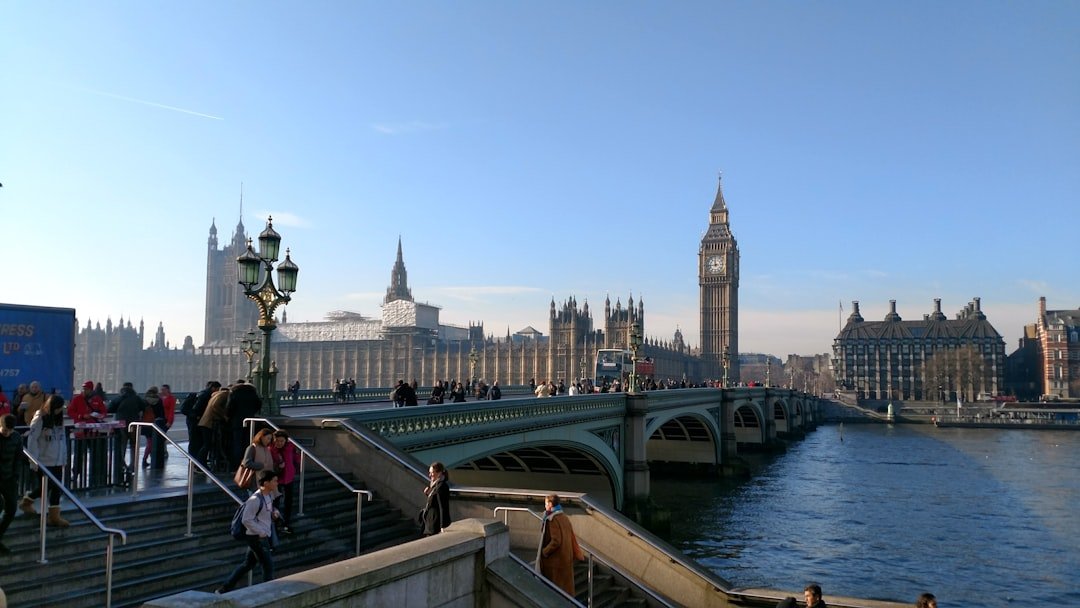
- For exterior photos, early morning gives you the best chance of thinner crowds around Westminster Bridge and Parliament Square.
Best Time to Visit Big Ben at a Glance
For most visitors, late spring and early autumn offer the best overall conditions. You get useful daylight, moderate temperatures, and generally lighter sightseeing crowds than in the school-holiday peak.
The weather figures below use the Met Office’s 1991–2020 long-term averages for Heathrow, a standard London climate reference. The crowd descriptions reflect London’s normal tourism pattern and the official visitor guide’s guidance on peak and quieter periods.
| Season | Typical London temperatures | Crowds | Notable 2026 dates | Best for |
|---|---|---|---|---|
| Spring (Mar–May) | Average highs about 11.7–18.4°C; lows about 4.1–9.1°C | Moderate, with busier holiday periods | London Marathon: 26 April | Mild sightseeing weather and spring colour |
| Summer (Jun–Aug) | Average highs about 21.6–23.9°C; lows about 12.0–14.2°C | High | Wimbledon: 29 June–12 July; Notting Hill Carnival: 29–31 August | Long days and warm weather |
| Autumn (Sep–Nov) | Average highs about 20.2–11.5°C; lows about 11.6–5.3°C | Moderate after the summer peak | BFI London Film Festival: 7–18 October | Good balance of weather, events, and crowds |
| Winter (Dec–Feb) | Average highs about 8.4–9.0°C; lows about 2.7–3.1°C | Low in Jan–Feb; very high around Christmas and New Year | New Year’s Eve fireworks: 31 December | Lower-season sightseeing and night photography |
For the underlying weather data, see the Met Office Heathrow 1991–2020 climate averages. The official London visitor guide also identifies summer as the main peak and January to March as a generally cheaper period.
Weather and Climate in London
London has a mild, changeable climate, so no season guarantees dry weather. The bigger difference for a Big Ben visit is usually temperature, daylight, and crowd level rather than whether rain is possible.
At Heathrow, the 1991–2020 average high rises from 8.4°C in January to 23.9°C in July. Monthly rainfall is spread through the year, from about 38.8 mm in March to about 66.6 mm in November.
Spring gives you longer days and fresh greenery. Summer offers the warmest temperatures and the most daylight. Early autumn can still feel mild, while winter brings shorter days, cooler air, festive lighting, and quieter periods after the holidays. Visit London’s official seasonal guide is useful for planning around London-wide crowd patterns.
Peak Tourist Season
London’s peak sightseeing period runs through summer, especially from June into September. This is the best choice if you value long days and warm weather more than quiet streets.
Expect the Westminster area to be busiest from late morning through the afternoon, particularly on weekends and during school holidays. Westminster Bridge, Parliament Square, and the South Bank viewpoints can all feel crowded at the same time.
Summer also brings major London events. The 2026 Wimbledon Championships ran from 29 June to 12 July 2026, while Notting Hill Carnival occupied the August bank-holiday weekend. These events are not at Big Ben itself, but they add visitors and transport demand across the city.
If you visit in summer, book any paid attractions and your Big Ben tour before the trip. For the exterior only, there is no admission fee: you can see the Elizabeth Tower from public viewpoints around Westminster.
Shoulder Season
Late April through May and mid-September through early October are the strongest all-round periods for most visitors. You usually get comfortable walking weather without the full intensity of summer tourism.
May has a long-term Heathrow average high of 18.4°C, while September averages 20.2°C. April is cooler at 15.0°C, and October averages 15.8°C, so these months work well for walking between Westminster, St James’s Park, the South Bank, and nearby attractions.
There are still busy dates. Spring holidays can increase family travel, and October half-term can make central attractions busier. In autumn 2026, the BFI London Film Festival runs from 7 to 18 October.
For a first visit, choose a weekday morning in May or September if your schedule allows. That combination gives you a good chance of mild conditions and a calmer start around Westminster.
Off-Peak Season
January and February are among the best months if your main goal is lower crowd pressure and potentially lower travel costs. The trade-off is colder weather and much shorter daylight than in spring or summer.
December is not consistently quiet. Christmas lights and seasonal travel keep central London busy, while the Westminster riverside becomes exceptionally crowded for New Year’s Eve.
Winter also changes the look of Big Ben. Earlier sunsets make it easier to see the illuminated clock faces without staying out late, and bare trees can open sightlines from nearby streets and parks.
Events and Festivals
London’s event calendar can change the feel of a Big Ben visit even when an event is elsewhere in the city. The most important date near Westminster is New Year’s Eve because the celebration is centred around the Thames and the London Eye.
For 2026, Notting Hill Carnival marked its 60th anniversary from 29 to 31 August. The main parades took place on 30 and 31 August in West London. The event does not take place at Big Ben, but it can affect transport and visitor numbers across London.
The 70th BFI London Film Festival runs from 7 to 18 October 2026. Its flagship venues include BFI Southbank and the Southbank Centre, so visitors staying around the Thames may notice extra activity during the festival period.
New Year’s Eve has the most direct impact on Westminster. London’s official visitor guide lists the 2026 fireworks for 31 December, with Big Ben’s midnight bongs forming part of the celebration. The official fireworks area is ticketed, and access around Westminster is heavily controlled on the night.
Best Time for Photography
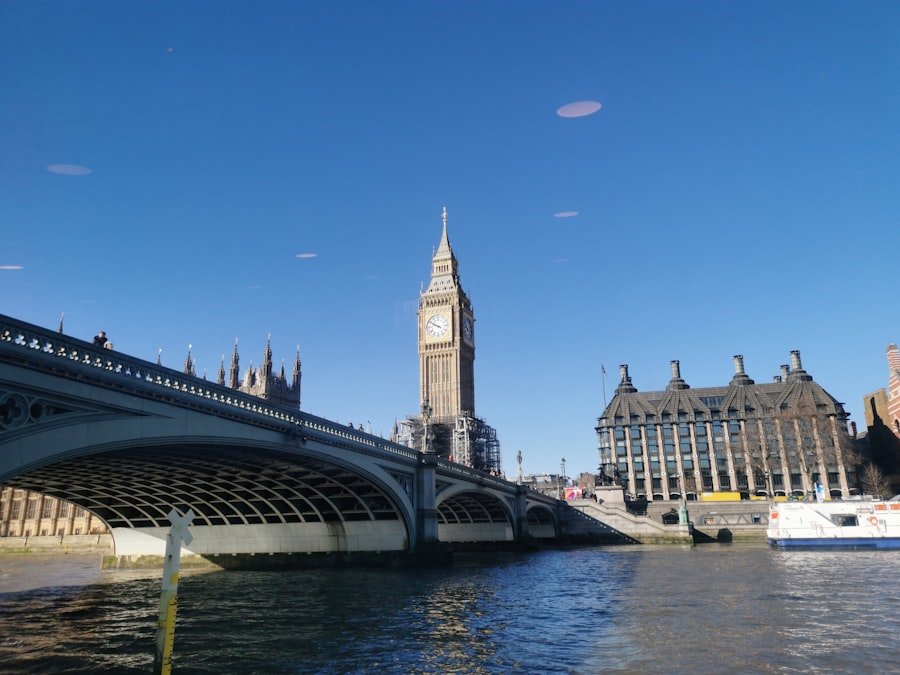
The best time to photograph Big Ben with fewer people is early in the morning, especially on a weekday. Sunrise and the hour after it can give softer light and cleaner views from Westminster Bridge and the South Bank.
Late afternoon and sunset can also produce strong colour, but pedestrian traffic is usually heavier by then. After dark, the illuminated clock faces stand out against the sky, which makes winter especially convenient for night shots because darkness arrives earlier.
Good public viewpoints include Westminster Bridge, the South Bank near the London Eye, Parliament Square, and stretches of Victoria Embankment. If you are taking the official Big Ben tour, remember that photography is not permitted inside the Elizabeth Tower; cameras and phones must be stored before the climb.
Tips for Avoiding Crowds
For exterior sightseeing, arrive early and choose a weekday. That is more effective than trying to find a completely quiet period in the middle of the day, when Westminster is busy in every season.
- Start before the main sightseeing rush. Photograph the tower first, then visit nearby attractions later.
- Avoid major event days. New Year’s Eve is the clearest example because access around Westminster changes dramatically.
- Use more than one viewpoint. If Parliament Square is packed, cross Westminster Bridge and walk along the South Bank for a wider view.
- Separate exterior viewing from the tower tour. Seeing Big Ben from outside is free and flexible; entering the Elizabeth Tower requires a timed ticket.
Public transport is usually the simplest way to reach Westminster because parking is limited and road restrictions can change during major events.
Special Tours and Events
The official Big Ben tour is the only way most visitors can explore inside the Elizabeth Tower. It takes you up the spiral staircase to the clock mechanism, the dials, and the belfry where the Great Bell hangs.
According to UK Parliament’s official Big Ben tour information, tickets are released three months in advance on the second Wednesday of each month at 10am. The standard tour includes 334 steps, lasts up to 90 minutes, and is open to visitors aged 11 and over.
For tours taking place from 1 August 2026, the listed price is £55 for adults and £35 for children aged 11–17. The tour involves narrow stairs, high noise levels, and no step-free route. Accessible tours can be requested, but they do not use the lift.
Pro Tip: If the tower tour is a priority, choose your London dates around ticket availability first. Exterior photos can be taken at almost any time, but tour places are limited.
The original article referenced a “Big Ben After Dark” experience. I could not confirm a current official UK Parliament event with that name for 2026, so do not build your itinerary around it unless an official listing appears.
Big Ben Facts That Help You Plan Your Visit
Big Ben is the nickname of the Great Bell, while the tower is officially the Elizabeth Tower. The distinction matters when booking because the official attraction is listed as the Big Ben tour of the Elizabeth Tower.
The tower was completed in 1859. Charles Barry designed the Palace of Westminster and the clock tower, with Augustus Welby Pugin closely involved in its Gothic Revival design. UK Parliament states that the Elizabeth Tower is 96 metres high with four 7-metre clock dials.
During the Second World War, a small bomb struck the clock tower and broke the glass in its south dial, but the clock and bells were not disabled. The tower later underwent its most extensive conservation project from 2017 to 2022.
Nighttime Visits
Big Ben is especially striking after dark because the illuminated clock faces are visible from both sides of the Thames. Night visits also let you combine the tower with views of the lit Palace of Westminster and the London Eye.
For photography, arrive before full darkness if you want blue-hour sky colour rather than a black background. In winter, this is easy to do in late afternoon; in summer, you will need to stay out much later.
New Year’s Eve is the major exception to the usual advice. The area becomes part of a controlled, ticketed event zone, so it is not a normal evening sightseeing opportunity.
Conclusion and Recommendations
For most travellers, the best time to visit Big Ben is May or September, with late April and early October also strong options. Choose summer for long days, winter for quieter post-holiday sightseeing, and New Year’s Eve only if you specifically want the major celebration and are prepared for tight crowd controls.
If you want to enter the Elizabeth Tower, book the official tour first and shape the rest of your Westminster day around that fixed time. For an exterior-only visit, go early, walk both sides of the Thames, and save the busier nearby attractions for later.
Frequently Asked Questions
What is the best time to visit Big Ben?
The best time to visit Big Ben for most travellers is late spring or early autumn. May and September offer a useful balance of mild weather, good daylight, and generally lighter crowds than the summer peak.
What is the best month to visit Big Ben?
May and September are two of the best months to visit Big Ben. Both usually provide comfortable sightseeing temperatures without the same level of summer-holiday crowd pressure.
Is there a specific day of the week that is best to visit Big Ben?
A weekday is usually the best choice for an exterior visit to Big Ben. Arriving early gives you the best chance of lighter pedestrian traffic around Westminster Bridge and Parliament Square.
Are there any times of the year to avoid visiting Big Ben?
Avoid peak summer afternoons if you strongly dislike crowds, and avoid New Year’s Eve unless you are attending the official celebration. Westminster is much busier and access is more restricted on major event days.
What is the best time of day to take photos of Big Ben?
Early morning is the best time for photos if you want fewer people in the frame. Sunset and blue hour are better if your priority is dramatic light and illuminated clock faces.
Can you go inside Big Ben?
Yes, you can enter the Elizabeth Tower on an official Big Ben tour. The standard experience includes 334 steps, high noise levels, and a minimum age of 11.
How much does the Big Ben tour cost?
For tours taking place from 1 August 2026, UK Parliament lists Big Ben tickets at £55 for adults and £35 for children aged 11–17. Prices can change, so use the current official booking page when choosing a date.
How far in advance should you book a Big Ben tour?
Big Ben tour tickets are released three months in advance on the second Wednesday of each month at 10am. Popular dates can sell out, so book when your preferred release window opens.
If you are planning a trip to London to see Big Ben, you may also want to read Tagline Today for more ideas about major London attractions and how to structure your sightseeing day.
Sources
- UK Parliament: Big Ben tours: tour access, ticket release timing, prices, age limit, steps, and tour duration.
- UK Parliament: Big Ben and Elizabeth Tower facts: tower height, clock-dial size, and key building facts.
- Met Office: Heathrow 1991–2020 climate averages: monthly temperature, rainfall, and sunshine data used in the seasonal guidance.
- Visit London: best time to visit London: seasonal crowd and visitor patterns.
- Wimbledon: future Championship dates: 2026 Championship dates.
- Notting Hill Carnival: official 2026 Carnival dates and schedule.
- BFI London Film Festival: 2026 festival dates.
- Visit London: New Year’s Eve fireworks 2026: 31 December date and ticketed-event guidance.